Author Archives: hostmerchantservices

Disrupt the Payments Industry

How Existing Players and New Innovators will Disrupt the Payments Industry

The payment industry is undergoing a major shift, with the emergence of new players and traditional firms introducing new products and services. Innovators are disrupting the industry by offering payment solutions that leverage advanced technologies and digital currencies to meet customer needs.

Moving payments to the cloud

Cloud capabilities have been in the market for a while now. However, with AI developments and better technologies plus a global reach, here are three reasons why payment companies are moving to the cloud.

  • Cloud-based computing and payment systems are faster and more scalable
  • Cloud-based payment solutions are more secure and flexible, making them easy to implement into a company
  • Cloud-based payment solutions are more efficient and accessible from multiple devices

Cost-effective cloud-based payment solutions are more flexible and secure than what we have seen in the past. Payment solutions that are built with cloud computing will allow you to increase your transaction speed and also the security surrounding sending and receiving payments. Additionally, the cloud allows you to integrate new features into your existing infrastructure without any downtime, allowing you greater control over your customer data and system as a whole.

New Areas of Specialization

The payments industry is not immune to disruption. New players and existing ones are all looking at ways to disrupt the status quo, but there are some key areas where they’re already starting to find success.

  • Mobile payments: Mobile payments are gaining popularity like never before. Especially after the pandemic things have changed drastically in this sector. It is gaining popularity in developed economies as well as emerging economies. Payment through QR scans, mobile wallets, and bank-to-bank transactions are the new innovations in this field. Globally, the e-commerce market now fully depends on mobile apps and mobile payments.
  • Alternative payment methods: Alternative forms of payment such as Paypal, Venmo, and other peer-to-peer payment platforms allow users to make or receive payments without directly logging in to their bank account. Similar systems are being developed in many other countries. With internet adoption increasing in most countries, this way of payment will certainly gain popularity and continue to challenge traditional banking systems. The money transfer is typically faster and just as secure.
  • Credit card rewards: Credit cards are another convenient way to make payments, and due to fierce competition with the new payment methods, credit card companies are offering far more rewards than ever before. Credit Card companies are focusing on encouraging the use of new payment systems with their cards in order to earn rewards.

Building on a Firm Foundation

Despite the looming recession, the payment industry has a firm foundation. With the introduction of biometrics and AI, the days are not far when cards or mobiles will not be required for payment. New innovations in technology will make it far easier for people to make payments and much easier for business people to scale.

These innovations will not only enhance the scope of the payment industry but at the same time help grow businesses, at a much faster rate than ever before.

With crypto disrupting the market, the payment industry will experience less dependency on government and central bank controls opening new opportunities for innovation, which will further strengthen the foundation of the global payment market and industry.

Stronger Payment Security Innovations

As you can imagine, security is a top priority for banks and payment processors. Transactions are an extremely important part of their business model, so they need to ensure that their security is to the highest standards. They also want to protect consumers against fraud, which has become increasingly common over the past decade as criminals have become more sophisticated in their methods.

In light of these concerns, new solutions are evolving rapidly within the payments industry. One example: Apple Pay has been around since 2014, but only recently became available on Android phones through Google’s Wallet app (which itself was acquired by Google).

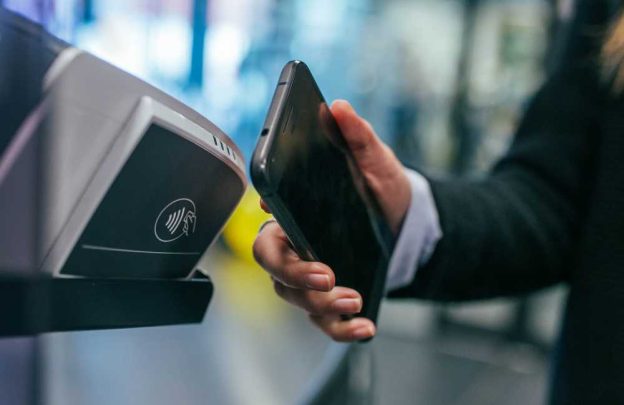
Apple Pay uses near-field communication (NFC) technology to let users pay at NFC terminals without having to manually enter their credit card each time they make a purchase—a process that many merchants find inconvenient or even painful. Another example of this is WeChat Pay which allows people who have linked their bank accounts with WeChat Wallet access to send payments. This helps reduce friction so customers can spend less time during the checkout process from merchants’ websites or when sending peer-to-peer payments.

The payments industry is changing rapidly, and it’s important for businesses to stay on top of these developments. As consumers become more comfortable with digital wallets, it’s likely that companies will start allowing users to pay with them as well. This will be especially useful for small businesses who don’t have the resources to set up their own payment systems, but also important for large organizations to watch out for so that they stay up to date with the latest technological advancements.

Digital Currency by Banks

Digital currency is a form of currency that only exists electronically and central banks are showing interest in launching their own currencies in digital format. It can be stored in virtual wallets, which are accessed via an app on your phone or computer. You can use digital currency to purchase goods and services from merchants who accept it as a valid payment method.

Digital currencies are not printed or minted like gold or silver coins; they’re created by computer software to facilitate transactions between buyers and sellers over the internet (and sometimes within physical stores). The most popular types of cryptocurrency include Bitcoin, Ethereum, and Litecoin—but there are hundreds more out there!

Cryptocurrencies are created through a process called mining. Mining is the act of verifying transactions on the blockchain network, and it’s done by people (or “miners”) who run computers that work to solve complex mathematical problems. Once a set number of transactions are verified, miners receive cryptocurrency as payment for their work.

The Global Market Landscape Will Determine Investment in the Payments Industry

The global market environment will determine investment in the payments industry over the next decade. Depending on what happens with powerful and emerging economies could determine what companies gain investment in the payment industry.

Top Trends In Global Payment Market

The global payment market is expected to grow at a CAGR of 9.9% from 2019-2025, according to the report “Global Payment Market Analysis and Forecasts: 2019-2025” published by GlobalData.

The report further states that the payment industry in developed countries such as Australia, Canada, and New Zealand is expected to register the highest growth rate during this period due to their high adoption rate in retail banking services as well as a few other factors.

The report also predicts that the Asia Pacific region will be one of the fastest growing regions due to its increasing customer base coupled with innovation in technology along with rapid urbanization (in terms of population.)

The report states that the global payment market is expected to grow from USD 2.3 trillion in 2019 to USD 3.5 trillion by 2025 at a CAGR of 9.9%. The report states that the major reason for such rapid growth is due to the increasing adoption of mobile payments and digital wallets among consumers, merchants, and financial institutions (FIs).

This report also states that other factors such as increasing adoption of point-of-sale (POS) terminals and card readers, rising demand for cashless payments in emerging markets, and increasing demand for digital services among consumers are also expected to boost the global payment market.

Conclusion

As the payment industry continues to evolve, there are many opportunities for innovators to take advantage of the market. The most powerful trend in the payments industry is its shift toward cloud-based solutions that leverage technology and data analytics as individuals and organizations create new products and services. These innovations can help streamline operations, optimize costs, improve security and simplify the customer experience. With so many exciting developments happening at once, it will be up to companies like yours to stay ahead of the curve by making it easier than ever before for customers around the world to pay their bills online or through mobile phones.

Ways to Drive ACH Payments

Top Ways to Drive ACH Payments and The Benefits of Getting Paid by ACH

ACH payments are fast, secure, and an extremely common way for businesses to send or receive money. ACH payments are typically processed within two business days at most, which means when you get paid by ACH, there is a possibility you can collect your funds within a few hours of receiving payment confirmation from your payee (or their bank). So what are the benefits of getting paid by ACH and what are the best ways to drive these types of payments?

What are ACH payments?

ACH payments are electronic payments, typically credited to a recipient’s bank account. They’re used for recurring bills and are very common in business-to-business transactions, but they can also be used for consumer-to-business (C2B) transactions as well.

ACH payments are generally faster than other payment methods because they don’t require a credit check or any other form of verification from the sender. The sender simply sends an authorization code to his/her bank along with instructions on how much money should be transferred from his/her account to the recipients, which will then be processed automatically by your financial institution at the completion of each request.

4 benefits of ACH payments

ACH payments are a great option for businesses that want to offer their customers the ability to pay on their terms and receive funds quickly. They’re also secure and much less expensive than some other payment methods, including payments via credit card and checks.

  • ACH payments are extremely secure and are a direct connection from bank to bank.
  • ACH payments are often cheaper than other payment methods, typically charging a set rate rather than a percentage of the transaction.
  • ACH payments can be used for recurring bills or subscriptions, which makes them great for companies that want to offer their customers the ability to pay on a constant cycle.

ACH payments are processed by your bank or the financial institution (like PayPal) using an automated clearing house (ACH) system that allows them to send funds directly into your account without any additional fees or delays. This means you’ll get paid faster than if you utilize a direct deposit or wire transfer, which can take several days after they’ve been deposited into their own accounts.

The main benefit of this process is that it’s a more consistent method of accepting payments because there isn’t any risk involved in waiting for pending funds until they’re available for use—funds that are received can be utilized immediately upon being credited.

How do you start getting paid by ACH?

get paid by ACH

Once you’ve determined that your bank is not going to be able to help, it’s time to start looking for a new payment processor. There are many companies that offer ACH services and will allow you to get paid by ACH instead of by check or money order.

If your bank does not offer this service, consider switching banks and opening an account at another institution that does provide this option. This can be particularly helpful if:

  • You want more control over how much money comes into your business;
  • You have trouble getting payments approved through traditional channels (like checks); or you want the security of knowing that funds will arrive on time without having them sitting in an account for days before being deposited into yours

The next step is to find a payment processor that provides ACH services. These companies will typically charge a monthly fee and a per-transaction fee for their services. Once you have selected a company, you can begin setting up the account by submitting your business and banking information—including the routing number and bank address—and providing other details such as how much money should be sent each time someone makes a payment to you through the ACH processor.

Ways To Drive ACH Payments

drive ACH payments from customers

Same Bank Transfer

Using the same bank that your customers is using is an extremly simple way to transfer money. This is the easiest way to get started and allows you to work directly with the banks payment processor, which will be familiar with your business and you can explain how and why you need ACH services. The bank is essentially transferring money between internal accounts, and this is extremely low risk.

Using a Processor that Supports Recurring Payments

Using a payment processor that supports recurring payments (like ACH) as well as the other services you need is the simplest way you can expand the types of payments you can accept. If your processors supports ACH, this will allow you to accept recurring digital payments without having to worry about creating individual bank accounts for each client or account type.

Focusing on Convenience and Security

When looking to drive ACH payments from your customers, focus on highlighting conveneice and the security. Top of the line payment processors will be able to ensure that all of your ACH transactions run smoothly by assiting with automatic billing setup and offering comprehensive reportin features so that everyone, recipient and payee knows exactly what is happening at all times.

Allocate a Budget

Define a budget for your ACH promotions to encourage your customers to utilize this payment method. Start with a small budget and see how it goes. If you see results and your customers are electing to pay for your goods or serivces with ACH, increase the budget at will. You can also try different marketing channels to see which works best for you. Make sure to track the results of your marketing campaigns so you know what works and what doesn’t. If you are looking for customer adoption of this particular payment method, spending a piece of your marketing budget on awareness can help.

Define Your Strategy and Goals

In order to encourage customer adoption of a particular payment method, you have to define your “payments mix” strategy and goals. There are many different strategies that you can use to drive more ACH payments, including:

Defining your goals with the help of your sales team or marketing department. What do they want? What do they need? Is it new customers, existing customers who have been on the fence about buying from you, or both? How do you plan on reaching these people? Do they already know about your company and services but aren’t ready to make a purchase decision (e.g., someone who’s interested in becoming an agent)? If so, then what should you be doing differently with you content and advertising campaigns so that those prospects will consider investing their money in you rather than someone else’s a product or service offerings?

Promote ACH Payments During Customer Onboarding

If you’re a business that offers ACH payments, it can be hard to drive customers to your website and into the checkout process. You might want to consider sending out email or text message campaigns that promote ACH payments as an option during customer onboarding.

  • Email: Promote the benefits of using ACH payments by including links in your emails and encouraging consumers who receive them to sign up for this payment method.
  • Text Messages: Text messages are another great way of driving traffic and conversions by providing value-added information right when customers need it most (e.g., “We offer free shipping on orders over $50!”). The value proposition will get more attention than if it were simply presented at checkout time; plus this type of communication is becoming more common as open rates on text message marketing is extremely high —so why not use them? If possible try adding a link back into these messages so that users can easily follow through with their purchase later on down the road if they haven’t already made up their minds yet.
  • Include an ACH payment option on your website and mobile app

Conclusion

ACH payments are a great way to make sure your business is paid on time and in full. This is also a great way to gain your customers trust and ensure that their payments are made with the highest security measures taken. If you’re looking for more information about how to implement ACH payments into your business, please reach out to us and one of our representatives can assist you in your search.

SaaS Payment Trends for 2023

Top 8 Key SaaS Payment Trends for 2023

The upcoming SaaS payment trends for 2023 are a bit different than what you might be expecting. While we have seen SaaS flatten out at times in the past few years, 2021 and 2022 have been exciting years for the industry. The pace of change has accelerated significantly, and as a result, we’re seeing more and more companies coming onto the scene to take advantage of this new environment and our digital world.

In this article, we will cover some of the major trends that are shaping this new era of SaaS payment processing and explain why they matter so much for companies who utilize this technology.

What is SaaS payment processing?

SaaS payment processing is a form of cloud computing. In this model, customers pay for software on a subscription basis through the use of monthly or annual payments. The software can be used by multiple users at once, which makes it easy to scale up in the event that your business grows.

It is likely that the implementation of SaaS payment processing will continue to gain popularity because it’s one of the most popular forms of cloud computing today and has many benefits for small businesses.

Is SaaS still relevant?

SaaS is a great way to scale your business. It allows you to minimize costs, attract customers and get more value out the software that your business has developed.

While there are many different types of SaaS options out there (including Google Docs, Skype, and Microsoft Office 365), the SaaS payment trends for 2023 are going to be building on what we’ve already seen in 2021 and 2022: more companies moving away from traditional software purchases like Oracle or SAP licenses, and towards subscriptions that include additional services such as training workshops or consulting sessions with experts in their field.

Why is the SaaS trend increasing?

SaaS is a subscription-based business model that is now being well-accepted across the globe by small and large businesses alike.

With SaaS, users can access software applications through their web browsers or mobile devices. Companies provide an online catalog of products and services that they sell to customers over the internet, who pay for them using a monthly subscription (called a “monthly fee.”) Because these purchases are from for the same items or services from the same customer, the cost to acquire additional purses is reduced drastically. This factor is highly interesting to business owners who are looking to scale their revenue without scaling their operation, a recurring payment system will allow them to do just that.

The 8 Global SaaS Payment Trends For 2023 – You Need To Know About

As we know, SaaS is a subscription-based business model. In this model, customers pay for software as a service (SaaS), which means they have access to all of the functionality and features of the application over time until they cancel their subscription.

SaaS has become one of the most popular ways for companies to launch new products and services because it allows them to focus on building their product without worrying about operations or maintaining physical infrastructure while doing so. This makes it easier than ever before since you don’t need any extra equipment or space—you can just continue to develop your software from your computer.

Subscription Models are Gaining Popularity

Subscription models are gaining popularity because they offer customers more value and flexibility than traditional software purchase models. Customers are no longer buying a one-time license but instead subscribing to a service that offers ongoing support and constant updates. Subscription models are typically cheaper as compared to one-time costs and thus it has become the reason behind mass adoption.

This shift in customer behavior is also helping businesses save on costs and make better use of their resources by making it easier for them to scale up their operations as needed. For example, if you’re a small business with limited resources or just starting out, then subscription models can be an valuable way for you to grow at your own pace without having to invest much upfront money into building out your product or service infrastructure (which usually means hiring employees.)

Subscription models are also great for businesses that want to keep their customers engaged with their software by offering them new features or updates as soon as they’re available. This can help you avoid the problem of losing customers because your software is outdated or doesn’t have the latest features.

Customers Want Flexible Payment Methods

When it comes to SaaS subscriptions, customers want to be able to pay for their subscriptions in the way that is most convenient for them. They also want a variety of payment methods that are easy and convenient.

Payment methods play an important role in customer satisfaction with your product or service. You need to provide multiple options so customers can choose from several methods when paying for your product or service. The best way for you as an eCommerce merchant or subscription business owner is by offering flexible payment methods such as:

  • Credit cards (Visa/MasterCard)
  • PayPal / Stripe
  • A cryptocurrency wallet

You can also add new payment methods over time to give your customers the option to pay for your product or service in ways that are convenient for them. For example, if you offer a new cryptocurrency as a payment method and it becomes popular with certain segments of your customer base, then you could expand the number of cryptocurrencies accepted by adding additional crypto coins.

Payment Should be a Friction-Less Experience

Customers want to pay for services in a way that is most convenient for them, not just one specific way or another. This means you have to think about what type of payment method your customers will prefer: credit card, PayPal, Venmo (or another third-party app), direct debit from their bank account, etc.

The good news is that SaaS companies are already doing this well by offering multiple payment options—so don’t feel like you need to reinvent the wheel!

The best way to get started is by looking at your existing customers. Which payment methods do they prefer? Which ones are most popular with your audience? What can you do to improve the experience for those who prefer one method over another?

Niche Businesses Stand Out to Customers

One of the most important factors in determining a SaaS’s success is how easily it can be integrated into your existing business. A niche business that focuses on one specific area, like accounting software or marketing automation tools, will have an advantage over companies with broader ambitions.

The bottom line: if you’re looking for a SaaS solution that helps you focus on what matters most—like improving customer satisfaction and increasing revenue—it may be worth considering a niche product instead of one that tries to do everything at once.

While it’s true that niche SaaS solutions tend to be more specialized, they are not always the right solution for your business. If you’re looking for a way to streamline and automate your entire system, but don’t have any specific areas in mind in which you want to improve, then a broader product may be better suited for you.

Increasing Real-Time Data Technology and Analytics Usage – The Core Of SaaS Payment Trends for 2023

Real-Time Data Technology

Real-time data technology and analytics usage are increasing. One of the key trends for SaaS payment processing in 2023 is that it’s becoming more important to have real-time analytics from your platform. The modernization of the payments infrastructure was necessary for SaaS companies to be able to process payments quickly and accurately, which is continuing to help them meet their customer needs better than before.

Real-time data technology can provide insights into what customers want or need from a product or service, allowing companies to optimize their offerings based on feedback from users so that you don’t miss out on sales opportunities. This is especially important has we are current living in a time period in which people are using smartphones more often than ever before.

Modernization of Payments Infrastructure

Maybe the number one thing that has propagated the SaaS payment trends for 2023 in a positive direction is the modernization of the payment landscape and new technologies that are emerging in leaps and bounds.

Payments around the world are becoming more digital and automated. The ability to accept payments online is becoming more important as the growth of online payment methods increases and more of the global population has access to smartphones and computers. The use of mobile payments is also increasing, which gives merchants flexibility in terms of how they collect their customers’ data.

The Payment Services Directive (PSD2) is a regulation that was established in 2015 by the European Union. This regulation makes it mandatory for banks to share customer data with third-party service providers, such as online payment processors. By sharing this information, merchants will be able to offer their customers more secure and convenient payment methods.

Diversification and Evolution of Payment Technologies

payment diversification

Diversification of payment technology to accept payments is another trend. New technology is evolving every day in payment systems and gateways. Here are a few important diversification SaaS payment trends for 2023.

Buy Now Pay Later – The fastest SaaS payment trends for 2023

One of the most exciting changes in payment technologies is buy-now-pay-later, which allows you to pay for a portion an item and have it shipped immediately. You can preorder an item and make a payment when it’s ready for delivery; this is particularly useful for things like concert tickets or sports jerseys that need to be purchased quickly.

Biometrics

Biometrics is another popular option for online retailers because they allow customers to skip typing their credit card information every time they want something from you. Biometric technology uses facial recognition or fingerprint scanning as a way of verifying who you are before allowing access to your account or making purchases through your app (this will be more common as technology improves).

Digital Wallets – Already Functional, But Still On Top

digital wallet

Digital wallets are another way that consumers can store their money securely while still having full control over how much money comes out at once when making transactions—and these wallets come in various forms depending on what type of device they’re being used on! For example: if someone uses Apple Pay with an iPhone then they’ll get access only within apps that accept Apple Pay; however, if someone has an Android phone then those users will have access across any app regardless of whether it accepts NFC payments directly from bank accounts via debit cards instead.

Making Cybersecurity a Top Priority

As the number of SaaS businesses grows, so too does the need for cybersecurity. Despite being a priority for most SaaS companies, cybersecurity has remained low on their list of priorities—and that’s unfortunate because it can mean lost revenue and customer dissatisfaction. The good news is that this situation is changing fast. As more people use cloud computing services like email and social media platforms like Facebook or Instagram (which are also classified as “software” under federal law), they’re becoming targets for hackers looking to steal data from them.

A survey conducted by Software as a Service Security Alliance found that more than half (56%) of respondents felt they needed better protection against online threats such as malware or viruses; another 19% said they should focus more on protecting against phishing scams; while still another 14% said they should improve their overall security practices overall.

As the demand for cybersecurity grows, so too does the need for SaaS companies to step up their game. This is especially true as more businesses migrate their technology infrastructure to cloud-based platforms, which are easier and cheaper to manage. But at the same time the major barrier in positive SaaS payment trends is the cost of security infrastructure and resources.

Growing Usage of Artificial Intelligence (AI) and Machine Learning (ML)

AI and ML are becoming key to SaaS payment processing. They’re the future of payments, and they can be used for fraud detection, customer service assistance, and more. AI will impact the SaaS payment trends in 2023 and beyond for many decades to come.

AI and ML are being used for fraud detection in ways that weren’t possible before: by analyzing large sets of data from multiple sources (such as transaction records), these algorithms can identify patterns that would otherwise have gone unnoticed. For example, if you are sending money through a third-party service with no proof of identity or address verification—and there’s no way for them to tell who you really are—you could end up losing your money due to fraudulent behavior.

AI also helps businesses manage their costs by identifying ways they can reduce their operating costs while still providing high levels of quality service.

AI can also help businesses predict when customers will be most receptive to certain offers or products. For example, if you want to launch a new ad campaign for your SaaS company and you know the best time of day to do so is between the hours of 6 am and 8 am, AI can show you data that supports this theory. In addition, AI could help businesses better understand their customers by analyzing all aspects of their behavior—from how much time they spend on each page in your app to what types of content they consume.

Conclusion

SaaS payments are still the most popular way for companies to accept payments today and will be for many years to come. The advanced security features and streamlined processes make them ideal for all types of businesses. We are very excited for the future of SaaS payments and looking forwarding to seeing these developments being adopted by business owners across the country.

restaurant POS system

Top Ways to Optimize Your Point of Sale System For Restaurant

It is not uncommon for restaurant owners to frequently mistake POS systems for simply cash registers or a tool that only allows you to accept payments. Unfortunately, not understanding the capabilities of a POS system can limit how operationally efficient a restaurant can become. When a POS is functioning at its full potential, a top-tier system can transform a food service business drastically. There are certain key actions all restaurant owners should take when utilizing a POS system, so let’s take a look at four ways to optimize restaurant POS system.

optimize restaurant pos system

A dependable POS system makes everything easier, from handling finances and data to selling services, managing employees, keeping track of inventory, and running marketing campaigns. The true capacity of a POS system can only be realized when restaurateurs fully get their hands dirty.

Food, beverage, and labor costs account for 5 to 75% of a restaurant’s total expenses and restaurant owners are constantly devising strategies to reduce food waste, overstaffing, and unnecessary spending. This is where a POS system can come into play and help automate some of these things.

Many POS systems give multiple and variable options to enter recipe details, various quantities of ingredients to make a particular recipe, and various other parameters. Many restaurant systems also keep a track of wastage.

POS might seem to only capture the billing but in reality, it gives you the real data of how things are moving from buying items to selling recipes or products. With a proper analysis of the data thus collected, you can save on purchasing costs, stop wastage, and improve your profit margins. At the same time a good restaurant POS will help your customer to get a great experience at the counter but faster billing and quick payments.

What is a Point of Sale System?

A POS is hardware combined with software combination to facilitate or complete transactions and track sales It also stores customer data. You must train your front-of-house employees for order entries, generate bills, and process transactions for customers to properly utilize a POS system. Different POS systems have different learning curves and implementation phases. Make sure to choose a POS for your restaurant in which you can train your staff quickly and that also has excellent customer support.

With a connected cash register and credit card processing terminal, your POS easily calculates taxes. It also calculates simple things like how much change you owe to the customer, It also, most of the time, allows the customer to pay with any of the options like cash, debit card, or credit card. Be it a retail shop or a restaurant, a POS that is connected to a high speed internet and up-to-date hardware is always good.

Due to the fact that many systems can now efficiently take care of the inventory, or schedule things for the staff, and at the same time streamline the communication with your internal/kitchen staff, your POS can be considered the “operating system” for your restaurant.

By integrating other software or ready-to-use hardware with your payment terminals, with your POS system you can also enable the following

  • Mobile devices can be used to process payments. These devices are handheld and thus gives you a flexible option
  • Sales figures report system, along with cost calculation for various factors like labor, raw materials, etc
  • Making your team’s schedule management
  • Reservations management
  • Loyalty programs for your customers

POS System – How Do They Work?

The operation of POS systems can be different depending on the provider.  There will be several components to your POS, however, the following pieces of hardware are required for a proper function of the POS:

  • Primary server
  • POS terminal or more
  • Credit card reader or machine
  • Cash drawer for cash management
  • Printer for receipts

The hardware-based configuration defines how your POS system will be linked to a central server that stores all the data of your restaurant’s sales. Peripheral machines like terminals for CC, cash registers, or USB-based receipt printers can also be linked.

Hardware from the POS terminal can be easily controlled with the connections. Bluetooth is used by a few systems for connection.

Top Ways to Optimize Restaurant POS System

optimize menu options

Optimize menu options

Menu items and prices can make or break a restaurant. To retain customers successfully, you must ensure that the items on your menu suit their tastes and are priced fairly.

A point-of-sale system will assist you in optimizing your menu by providing insights into your customers’ daily behaviors and preferences. It will tell you which items on your menu are most popular with your customers and which ones are not typically ordered.

A good POS system will also break down food cost percentages and contribution margins, allowing you to identify opportunities to optimize your menu prices. When you implement a cloud-based POS system, you can instantly update your menu from anywhere at any time.

Promote customer loyalty

customer loyalty

Loyalty programs and rewards are excellent methods for increasing customer retention. Even better, it encourages your customers to invite their friends to your establishment. It is extremely common for top of the line restaurant POS systems to incorporate a loyalty program and built in customer database that tracks customer interactions.

For example, your loyalty program may allow customers to save their points in exchange for a free brunch. This can help create an ideal customer environment to return to you for repeat business.

Employee communication

Restaurant management relies heavily on communication. Miscommunication can result in order discrepancies, customer complaints, employee dissatisfaction, or other problems that reduce staff morale and customer satisfaction.

Several features are built into restaurant POS systems to help eliminate human error and improve employee communication. Employees can use this technology to accurately take orders and relay relevant order information to other staff members rather than relying on word-of-mouth communication.

Inventory Oversight

One of the most important advantages of a POS system is its ability to track inventory and reduce shrinkage in the restaurant. Shrinkage is the amount of inventory that disappears from your restaurant due to various factors, such as misuse, theft, or waste.

A point-of-sale system can automate the entire process, accounting for every item used in the kitchen, is something that will save you time and money. You can keep an eye on your inventory and schedule new orders accordingly if your system is keeping track of all of your inventory. The primary goal of inventory oversigt is to reduce waste and avoid unnecessary overspending.

Conclusion

Choosing a top-of-the-line restaurant management system is critical to remaining relevant in today’s restaurant landscape. Many restaurant innovations will revolve around implementing a POS system, which will serve as the central hub for all other software and hardware integrations for your company. But, with all good things, it is also important to optimize your restaurant POS system for higher profitability and a better customer experience.

Restaurant technologies, such as POS systems, significantly improve your restaurant’s everyday operations and, as a result, can impact your bottom line. Your responsibility is to understand every function of your POS system and put it to use once you have finalized the system you would like to implement. If you notice your restaurant struggling in any area, you should first review the data collected by your POS and use the findings to implement change into your business.

Marketing Tricks to increase profits

Amazing E-commerce Marketing Tricks to Boost Sales

With new competitors appearing almost daily, only those E-commerce store owners who go above and beyond for their customers have the ability to stand out in the crowd. Unsurprisingly, the same brands who succeed in converting first time visitors into first-time buyers and current customers into brand advocates, regardless of competition.

When learning how to grow an online business, numerous E-Commerce marketing tricks and strategies can help with brand awareness, increased website traffic, and higher conversions. We have compiled a list of awesome digital marketing tactics and a variety of top marketing tips from eCommerce experts ready to boost your business growth in 2022 and 2023.

What is E-Commerce Marketing?

Simply put, E-commerce marketing is the process of increasing awareness of your company and, as a result, increasing the overall conversion rate on your website. Marketing online also works to retain customers after their initial purchase, encouraging them to make additional purchases in the future based on retargeting advertising. Due to the fact that so much modern business is done online, the “e” in e-commerce refers to the electronic component.

As a small business owner, it is becoming increasingly important that you know the best e-commerce marketing tricks and tips to promote your product or brand to stay ahead in the competition with major players in the online commerce space.

How Does E-Commerce Work?

Online retailers can take various actions to increase awareness and encourage sales. Some E-Commerce marketing tricks, such as content marketing and consistent posting to social media accounts, are well-known and widely used. Others, such as A/B split testing and utilizing SEO plugins to rank higher are less popular.

To maximize their chances of success, anyone running an online retail store should consider several different tactics simultaneously. Keeping up with the latest and developing technologies is a great way to do this, and using an advertising platform can help you track the outcomes of your efforts to do so.

Ecommerce retailers should also consider marketing initiatives that extend beyond a company’s website. While most of these focus on the functionality of a website and its online presence, some take place in the physical world – but are no less useful.

Amazing E-commerce Marketing Tricks to Boost Sales

Accept digital currency

Google Will Accept Cryptocurrency

One of the best e-commerce marketing tricks or tips we can suggest to you is to start accepting digital currency. In recent years, there has been a lot of buzz about cryptocurrencies and blockchains because of the developments of the metaverse. NFTs and play-to-earn platforms have grown as a result of pandemic-induced lockdowns. In 2021, the crypto market’s value reached $2 trillion, with digital currency increasing by 70%. In 2022, blockchain innovations that provide transparency, security, and financial flexibility will be even more valuable.

For starters, PayPal and Visa customers can buy, sell, and keep digital currency in their accounts. Additionally, In Meta has released its cryptocurrency. Accepting digital currency on your website can help to speed up transactions and provide more accurate consumer data. Payments can be accepted using a personal wallet or a third-party service.

Use discount sales

E-commerce Marketing Tricks

There are several methods for implementing discounts and discount pricing in your e-commerce store. Many brands use seasonal sales, but there is also plenty of room for volume discounts, buy-one-get-one-free deals, and plain old promotional discounts such as 60% off everything.

Whatever E-Commerce marketing tricks you use, it is essential to try to create a sense of urgency. It’s all about exploiting scarcity psychology and getting in the mind of your consumer. Countdown clocks that show how much time is left in a sale are an excellent way to accomplish this. Also, make sure to prominently display the discounts you’re offering so customers know exactly what they have the ability to receive.

Update your website

make a website for small business

The initial landing page and storefront of your E-commerce store speak volumes about your company. As a result, your website must be visually appealing and have an easy-to-navigate user interface. Research current design trends and how top brands are presenting themselves. If necessary, give your website a facelift.

This is especially critical if you haven’t updated the look of your website in a few years. Regardless of your security practices, an outdated website can raise concerns about website security or make you appear as fraudulent.

Even the most competitive prices on products and the highest levels of site security are pointless if the surrounding site appears sketchy to customers. That is why you must make a good first impression when first-time visitors are coming to your site. Out of all the E-Commerce marketing tricks to have a strong online presence, this is the the most important trick.

Upcycle your products

With the emphasis on sustainability in retail over the past few years, selling upcycled, used, or vintage items will be a very profitable e-commerce trend. Clothing resales will be one of the fastest-growing sectors over the next eight years, according to ThredUp’s 2020 Resale Report.

Zalando, an online fashion platform, sells secondhand items, and Poshmark, a secondhand clothing platform, has seen consistent engagement growth. Bestbuy, on the other hand, offers refurbished electronics along with their new products. This trend benefits from collaborating with suppliers of upcycled products or offering comparable refurbished options similar to the new products they are selling.

Conclusion

successful marketing campaign

A comprehensive e-commerce marketing strategy is essential for any e-commerce business. To succeed in the marketing industry, you must investigate your actions, and digital trends and advancements, and always pay attention to how customers are reacting to decisions being made. Another important factor that comes into play is that you should be aware of the e-commerce marketing trends that come and go and are rapidly changing.

Keeping up with your strategy and constantly updating and tweaking your strategy is extremely important. Keeping an eye on other competitors to see what is working for them at what isn’t is crucial as it will allow you to learn what is working well and what is not.

Running an online store is never easy, however, by following these E-commerce marketing tips and arming yourself with the necessary resources, you can significantly increase your chance of growing your E-commerce on brand awareness and revenue aspects. Additionally, you can enhance your advertising efforts for each phase of your sales funnel by making some relatively minor adjustments. If you’re looking for new ideas to succeed in e-commerce marketing, try these few lesser-known strategies and see what works best for you.

E-Commerce Payment Trends for 2023

Can’t Miss E-Commerce Payment Trends for 2023

Whether you already have an eCommerce store or plan to open one in the coming months, giving your customers the best possible experience is critical. This is especially true given the extraordinary growth in global eCommerce sales over the last few years. The future is looking very bright for e-commerce and it’s associated markets, especially digital payment processing.

Over this past year we have seen drastic growth in the e-commerce industry. More than ever, business owners are creating and improving their online stores to better serve their customers. Due to the pandemic, multiple changes have occurred as a result of increased global purchasing from home. Here is a complete review of e-commerce payment trends for 2023 that you should keep an eye on.

E-Commerce Payment Trends for 2023

QR codes

QR codes appeared to fade away years before the pandemic, only to re-emerge prominently when brands and establishments tried and failed to limit person to person interaction through cash, tickets, and receipts.

QR codes are now widely used in a variety of setups, including restaurants, where customers can scan a code to see the menu, place their order, and pay for their food without waiting for a server. As well at in retail stores, where buyers can unlock discounted rates and additional product offerings by simply scanning QR codes placed around the store.

Tokenization

Tokenizing bills or credit cards is a method that allows sensitive information on a bank card (PAN) to be replaced by a unique encrypted code known as a token. It is used during virtual transactions to the decrease the visibility of real statistics and encrypt customer information when making purchases online. Tokenization is synonymous with simplicity, security, and transparency, as it is relatively simple-to-implement into a virtual billing system.

3D secure

Additionally, 3D Secure is a fee fraud reduction strategy that allows online customers authentication due to the fact that you can verify the card holder’s validity by sending the owner’s a dual-authentication to their smartphone to authorize a purchase. Furthermore, it is one of the primary requirements outlined by the European Union’s Strong Customer Authentication Regulation (PSD2).

Payment applications

Nothing will impact the e-commerce payment trends for 2023 more than payment apps. Customers now rely on their phones for almost everything, from hailing an Uber to making dinner reservations to tracking their blood glucose levels. As a result, expect a flood of “super apps” to appear. These apps will serve as a gateway to various virtual products and services.

BlackBerry founder Mike Lazaridis coined the phrase “a closed system of many applications that people will use every day because they offer such a smooth, incorporated, context-dependent, and efficient experience.”

With the rise of mobile shopping, digital card readers are now standard in most retail locations, from department stores to grocery chains and more. In addition to making it easier for customers to pay in-store, card readers also make it possible for shoppers to pay from their phones without ever having to leave the store to obtain a physical credit card. The top mobile payment applications that will continue to grow in 2023 are:

  1. PayPal
  2. Square
  3. Apple Pay
  4. Samsung Pay
  5. Stripe
  6. Google Pay
  7. BitPay
  8. Venmo
  9. CashApp

Buy now, pay later

a cloth shop

Buy Now, Pay Later services are becoming extremely popular for a very good reason. Shoppers use BNPL to bring large-ticket items home without jeopardizing monthly budgets or increasing credit card debt. When a company or retailer offers financing at the time of purchase, customers have realistic purchase options that help merchants gain a competitive advantage in their markets.

Installment loans enable shoppers to bring the items they want to home on the same day, rather than saving up for the entire purchase and coming back to the store when they have all of the required funds. These BNPL loans give customers much more purchasing power. BNPL services enable customers to increase the value of their cart by adding or upgrading items for a few dollars more per month.

New Changes in the Payment Technology

online payment technology

Even before the pandemic, 2020 was one of the most important financial years in recent history. There have already been changes made, with financial structures adopting new systems in several countries. One of the major changes that was is continuing to be implemented is the migration from the SWIFT system to ISO20022 payment systems.

Banks were already struggling to meet the deadlines for those international adjustments.  Due to market uncertainties, customers placed spending on hold, and priorities for IT budgets began to shift in an unexpected direction. Customer forced banks to accept that they were no longer digitally superior.

Customers are more concerned with their needs more than ever and are requiring new payment methods, omnichannel options, and more seamless experiences. These demands are driving changes in how business allocate their budgets and invest into technology.

Why Does it Matter to Stay on Top of E-Commerce Payment Trends?

eCommerce payment

Staying up to date on eCommerce trends is critical for several reasons. For starters, keeping your eCommerce store up to date with the latest trends keeps your brand relevant; it shows your customers that you care enough about their experience and satisfaction to improve your online store constantly. This, in turn, has a positive impact on your brand.

Following major eCommerce trends also increases your chances of long-term success by making it easier for customers to find, purchase, and receive items from your store.

Conclusion

Electronic payment methods have quickly gained popularity across most global industries. Understanding electronic payment trends enable businesses to position themselves to in a way to satisfy customer demands and capitalize on these new payment opportunities.

The eCommerce industry is massive, with many players and innovative products and plugins that are being developed almost monthly. Preparing your company for the future to stay ahead of the competition can help you increase your revenue and stay competitive by aligning your strategy with consumer demands.

As more and more eCommerce functionality presents itself in the market, it is becoming easier for brands to improve the customer experience at every level and remain relevant over the long haul.

Top Mobile Payment Trends In 2023

Top Mobile Payments Trends and Predictions for 2023

Although customers are returning to in-person shopping, because of the new technologies they have had access to, most people are unwilling to give up the convenience of digital payments. Instead of returning to previous payment methods, customers are finding themselves wanting to stick with habits acquired during the pandemic. In addition to this, mobile payments are drastically on the rise. As the trend of digital payments continues, what does this mean for businesses? What developments are organizations likely to adopt in the coming year? The following will review the top mobile payment trends for 2023.

Top Mobile Payment Trends In 2023 With Predictions

According to a new Juniper Research report, mobile payment transaction volumes will increase 92% to 49 billion in 2023 from 26 billion in 2021. They have reported that the volume of contactless mobile transactions will outpace volumes of contactless card transactions in 2023, with contactless transactions by mobile devices, growing at twice the rate of contactless card transactions. The report shows improved security and expanding capabilities of payments through cross-channels of contactless payments via mobile as the prime factor of growth.

According to the new report, contactless mobile wallets should fully capitalize on opportunities to include services that have value, such as loyalty programs and financial management of personal levels. These types of additions are the ones that can make a difference in their digital wallet services in such a competitive market.

Blending online and offline payments

Online payment is evolving rapidly and new trends are emerging every year. In 2023, we expect to see even more innovation in the space, with new payment apps continuing to be released and new platforms becoming increasingly popular.

Customers’ return to physical stores has altered how they pay for goods and services. Rather than returning to physical credit cards that require paper receipts, customers are electing to utilize frictionless payment methods as their payment method of choice.

Digital and mobile wallets, one-click payouts, auto-renewing memberships, and in-app payments are examples of these methods, reducing the number of purchasing steps.

Payment applications

g pay

Customers now rely on their phones for almost everything, from hailing an Uber to making dinner reservations, to tracking their blood glucose levels. As a result, we can expect a flood of “super apps” to appear. These apps will serve as a gateway to various virtual products and services.

More and more people are using their smartphones to make payments, and this trend is only going to continue in 2023. Mobile payment apps like Venmo, Square, and Apple Pay are convenient, easy to use, and are being accepted by more and more businesses. We expect to see even more customers using these apps to pay for goods and services from businesses in 2023.

In-app tips

Because of the increase in digital payments, it is now much easier for founders to receive funds online. Social media content creators can get direct payment from their supporters via their preferred app rather than relying on sales revenue, affiliate marketing, and product sponsorships to supplement their income. For example, on TikTok, for accounts with more than 100,000 followers, they offer a tipping feature.

Other platforms are developing these types of currency exchange as well. As a Twitch affiliate, you can accept donations on your streams through Twitch Bits, a virtual currency. These features allow consumers to continue their in-feed experience while generating revenue for creators, influencers, and small businesses. These types of creators scan accept tips without paying a fee to a third party on Twitch.

Digital wallets

Apple Pay, Google Wallet, Store Pay, and other mobile wallet services are commonplace at checkout counters now alongside traditional payment methods. In todays day in age, limited a customers’ payment options by not having the ability for them to pay with a digital wallet can drastically impact your ability to make sales. Customers’ payment options are limited if you do not allow them to use a digital wallet.

Additionally, smartphone payments have become a convenient way for customers to make in-store or online purchases. By 2023, it is estimated that more than four billion customers will be using digital wallets to shop.

Buy now, pay later

BNPL (buy now, pay later) has recently exploded in popularity. During the pandemic, financial uncertainty led to an influx of apps that allowed customers to spread payments out over monthly installments, a win for both businesses and shoppers. Brands can convert customers by promising lower starting payments, and purchasers can invest in more expensive products without breaking the bank.

Payment Keys for More Growth

contactless payment

According to the aforementioned research, one of digital wallets’ most significant challenges is a lack of customer trust. As a result, it is encouraged that wallet vendors increase support for authentication via biometrics in their service offers to alleviate the fears. Especially for those who are hesitant to adopt the technology.

As tokenization became more popular, the abilities that are provided allowed for the reduction of the entire scope of requirements for payment security. Due to this, it is highly likely that tokenization will become more widespread. According to Juniper Research, 99% of all payment transactions via contactless by volume will be easily tokenized by 2023.

Use of Biometrics

Biometric authentication, which uses fingerprints, iris scanning, or facial recognition to verify a user’s identity, is becoming increasingly common among smartphone users. We expect this trend to continue in 2023, as more businesses adopt biometric authentication to protect their customers’ data. FinTech companies can use biometrics to ensure their apps and transactions safe and secure for users.

The Future of the Wallet

The customer to business experience is increasingly blending with the business-to-business (B2B) experience. What we experience in our personal lives is now an expectation how we expect to interact with companies. Recent technological advancements ranging from Venmo to digital IDs, to Netflix and Amazon, wearables, and mobile applications have altered our expectations of transaction speed.

Customers, clients, and business partners are trying to speed up the process and eliminate unnecessary delays, whether your product is consumer-facing or B2B. As a result, businesses are looking for ways to make payments more convenient, one example of this being the now-common tap-and-go (NFC) technology for plastic cards.

Taking a card out of your wallet and tapping it is not significantly easier than taking a card out of your wallet and swiping or dipping it. So, while tapping the card was fun, it doesn’t fully remove the friction.

Conclusion

peer to peer payment in a shop

People are continuing to increase their trust digital payments and see them as a convenient way to make purchases. Buyers who would never have considered using a digital app to pay for their lunch now pay with their smartphones without hesitation.

In 2023, customers will expect businesses to provide them with a multitude of payment options. Additionally, as customer needs change and businesses adapt, they will continue to expect to see more payment methods being added to their options.

To sum up, for 2023 trends in mobile payments are expected to be as follows:

  • 1. More people will use their smartphones to make payments.
  • 2. More businesses will accept mobile payments.
  • 3. New payment apps will continue to enter the market.
  • 4. Blockchain technology will start to play a role in payments.
  • 5. Contactless payments will continue to become more common.
  • 6. Payment security will continue to be a top concern.
  • 7. Biometric authentication will become more common.
  • 8. In-app payments will become more popular.
  • 9. Mobile wallets will continue to grow in popularity.
  • 10. Augmented reality will start to be used for payments.

So there you have it, 10 trends that we can expect to see in the world of online payments in 2023. It’s certainly an exciting time to be involved in the payments industry, and we can’t wait to see what the next five years bring.

Top Fintech Trends in 2023

Top Fintech Trends in 2023 To Watch

This past year has been challenging for a variety of reasons. Constantly adjusting to new circumstances has become the standard norm for businesses worldwide, as they have been affected by the pandemic outbreak, the war-induced energy crisis, the cryptocurrency market crash, and high inflation rates. Due to the aftershock we could see from the events over the past two years, 2023 might be more even challenging, especially for the fintech market.

It is expected that in the near future, people worldwide will continue to live their lives and interact with one another, but in new and different ways. The following are a few trends to keep an eye out for in the financial technology industry in 2023.

Top Fintech Trends in 2023

Blockchain technology

blockchain technologies

Blockchain technology will continue to make itself permanent in the financial sector in 2023. The blockchain is a decentralized public ledger that stores data in chronological order for the public to access.

Blockchain tech is considered decentralized because it is maintained by a network of computers rather than one entity such as a bank. This technology is significant because it is one of the most secure ways to store data and uses a decentralized platform that a single organization does not control, allowing for transparency.

The rapid transfer of digital assets such as stocks and bonds was where we saw the first application of blockchain technology. The technology is now being used in the financial sector to develop new products that improve the efficiency of digital asset transfer.

Dubai’s government has announced that it will use blockchain technology for functions of the government and this acceptance is likely to be followed by a few other financial institutions and potentially governments.

Artificial intelligence

artificial intelligence

Currently, banks are some of the most profitable institutions on the globe and as a result, are some of the first companies to embrace artificial intelligence in the financial sector. AI assists in analyzing customers’ behavior, and as a result, banks can further personalize client communication, offers, and advice, along with payments that are AI-enabled. AI also helps investors at banks make decisions based on market trends and data analysis.

AI is extremely effective in combating cybercrime, money laundering, as well as financial fraud. As a result, it enables the automation of high-value processes that are complex, and at the same time, it also detects hacked data, and potential data breaches, which ensures client security and privacy. As a result, implementing AI into fintech will continue to gain traction, and drive further adoption and acceptance of AI technology.

Peer-to-peer finance and credit

peer to peer payments

Peer-to-peer (P2P) finance and credit will also continue to be a major trend in 2023 and in the following years. A plethora of fintech companies offer the ability to customers to connect one-to-one. Some businesses allow users to borrow money from other users without providing financial security. This type of financial communication is becoming increasingly popular among millennials and gen-z, who previously viewed this type of financial transaction.

Individuals first used P2P technology to send money to one another. However, various financial institutions, including banks, credit unions, and even non-financial companies, are now utilizing the technology. A typical integration that banks are adopting is the utilization of Zelle, which is a type of P2P communication that allows customers to send money back and forth.

Contactless payments

During the COVID-19 pandemic, most transactions were made online because. This happened because of the health guidelines related to distancing socially. The most significant trend in payment innovations was the rise of contactless payments. Contactless payments via credit cards, debit cards, and wallets on mobile have become the new normal for most payments and financial technology projects.

Apple Pay was introduced, helping Apple users to easily pay for all types of goods with iPhones or their Apple Watches. Soon after payment systems by Google and Samsung jumped on board immediately after. Fintech advancements will likely drive additional changes in the payment landscape in specific industries such as education and government.

SaaS platforms Revolution

Who hasn’t heard of Stripe? They have evolved into the fastest-growing startups related to fintech payments ever, and by 2021, they were valued at $95 billion. Companies like Stripe serve as a fantastic example of the increased adoption of financial technology for payments. Stripe is serving individuals as well as businesses.

Other online payment platform titans, such as Mind-body or Shopify, have also transformed the space. They evolved into systems in high demand and solutions for payments, providing their users with cutting-edge platforms for eCommerce and business management while easily integrating the ability to accept payments and handle other financial aspects of their organization.

The platforms provide a better experience for the customers and faster product delivery, resulting in increased customer satisfaction. This development trend of implementing financial technology into SaaS platforms is expected to rise in 2023.

Fintech Growth During COVID-19

Despite the chaos and uncertainty that COVID-19 brought to the global financial market, fintech reported average growth in Q1 and Q2 of 2020. Though this growth was not uniform across all regions and markets, the industry quickly responded to the pandemic’s challenges by tweaking existing products and services or adding new ones based on market conditions.

However, fintech faces significant operational, financial, and regulatory challenges worldwide. For example, even before the pandemic, fintech startups had difficulty raising funds because many investors preferred to prioritize fintech with an established and clear business model, already proven by larger corporation. Fintech companies are faced with the challenge of convincing investors that their products with solve a need for their customers and have the ability to scale.

Conclusion

In short, significant disruption will occur in the financial sector in 2023 if financial technology continues to develop in the way that it is currently. Out of all the top fintech trends in 2023, blockchain technology is the most significant. Blockchain technology should be definitely be kept on watch as it will continue to gain popularity and will most likely be used in various financial services. In addition, AI will continue to be implemented to improve payment services and customer service capabilities of software and financial products.

Furthermore, as financial institutions turn to digital technologies to improve the customer experience, peer-to-peer capabilities in financial products will continue to be more prevalent. If you work in this field or are considering investing in a financial technology solution, it is important to stay up to date on all facts that are affecting the financial technology industry!

Attitude

Why Attitude Beats Aptitude When Hiring

The hiring process can be extremely time-consuming and requires significant resources as well as an ongoing effort from your human resources department. For example, in order to hire for a position you are looking to fill, you must first write an accurate job description, publish it on relevant job sites, screen candidates, interview potential staff, and finally choose the best candidate or candidates. But, while hiring attitude beats aptitude always.

But how do you choose the best candidate for the position? While many businesses value an employee’s hard skill set and experience, experts believe focusing on this isn’t necessarily the greatest approach to evaluating and comparing job candidates.

Instead, businesses generally have more success hiring when they are focused on attitude rather than aptitude. That is, looking for a candidate that embodies your ideal employee and fits in well with your current staff members and corporate culture. If you’re searching for a long-term employee, looking for someone with a positive attitude and a drive to learn and grow will render better results for you and your business.

Attitude vs. Aptitude

Why Attitude Beats Aptitude

Attitude

According to last year’s statistics, 46% of all new hires fail within 18 months of starting their employment, and 89% of the time, the cause for an employee failing is due to attitude. The most common reasons are lack of drive, inadequate emotional intelligence, temperament behavior, and other personality traits not conducive to working in a hierarchy.

Attitude is commonly a predictor of a new employee’s long-term performance. This is due to the fact that while innate talent can and does change and improve over time, an individual’s personality typically remains constant. Typically an employee’s behavior in their present stage is likely to stay consistent over time and they will continue to behave that way in the future. This is such a crucial factor in the hiring process and can change your company’s culture.

The required flexibility a role requires, an individual’s passion, and leadership qualities are what can make or break a candidate’s ability to perform and live up to the responsibilities of the role you’re hiring for. On the contrary, the ability to fit in with the company’s culture and hold similar values is also critical.

Aptitude

Although attitude is crucial, the relevance of aptitude among job candidates should not be overlooked. 57% of organizations globally are experiencing a shortage of sufficiently skilled entry-level personnel, and are continuing to emphasize the importance of education and industry experience.

Before making a hiring decision based solely on attitude, companies ensure that the candidate has the cognitive ability to learn the necessary skills to accomplish the job. This confirmation can potentially come in the form of a relevant degree or certificate or prior employment in the industry.

Employers must also ensure that new hires are eager to learn the skills necessary to progress in their professional careers; if they lack qualifications in these areas, they may be unwilling to complete the rigorous training that the role may require. Training is costly and time-consuming, which businesses must consider during their recruiting process.

How Attitude Beats Aptitude

The benefit of prioritizing attitude above aptitude when recruiting is that individuals who exert positive attitudes are likely to be very agreeable and eager to learn additional skills. Attitude mirrors personality, which is far more difficult to modify than a personals technical ability. In this day and age, personality attributes such as adaptability, passion, the ability to accept and embrace feedback, as well as accountability are necessary in nearly all work environments. Recruiting is expensive, and the associated costs of a new hire can be as high as 150% of the individual’s yearly compensation for applicants who have experience.

In order to recruit successfully, companies should be focused on the attitudes and personality features of their current employees, particularly top-performing employees. Recruiting managers and human resource departments should be looking for candidates who exhibit similar traits.

The Importance of Hiring For Attitude

Although some professions may require a highly precise set of abilities or expertise, it is equally crucial to prioritize job candidates’ attitudes and personalities for a handful of reasons. It is important to note that attitude beats aptitude when it comes to leadership and decision-making skills. So just aptitude alone is not enough.

Employees’ attitudes affect your company’s culture

positive attitude

Since many job searchers prioritize business culture in today’s job market, employers must prioritize hiring individuals who fit well with the company culture. Employers can accomplish this by carefully assessing employee attitudes during the hiring process and finding the underlying similarities and values that individuals at your company possess. Hiring like-minded individuals will help boost job satisfaction and improve your overall working environment.

Long term success

It is significantly more frequent for a talented and experienced individual to underperform due to a negative attitude. However, individuals who have a positive attitude and are team-oriented approved typically perform and out-last their experienced peers, regardless of experience. This is constant and is demonstrated in various industries, with different occupations and multiple income levels.

Your employees represent your company

When recruiting someone who will have front-facing contact with customers or clients, it is critical to hire with an attitude in mind for these positions. Customer-facing employees are the first impression of your organization, representing you when they speak with consumers or clients. An employee with a terrible attitude can quickly damage your company’s brand reputation and result in negative reviews online which can be detrimental to customer trust and can be difficult to reverse.

Is Attitude Alone Good Enough

Why Attitude Beats Aptitude

The first and most obvious issue with recruiting simply based on attitude is that, while technical abilities may be taught, not everyone has the ability or willingness to learn certain hard skills, particularly at a high level.

Another specific talent that many big and small businesses and recruiters think recent college graduates lack is business acumen. On the surface, this appears to be a highly teachable skill set that seems to be better suited to be developed when an individual reaches the “professional world” rather than during their time at school.

But what if an entry-level candidate lacks business acumen due to a lack of genuine interest in your company or industry? Perhaps they are applying for a job due to family pressure, because their friends are doing so, or out of desperation.

No matter how adaptive or coachable these individuals seem to be, they are unlikely to be good long-term prospects for organizations wanting to develop their talent from within. This scenario of a candidate with hard knowledge but a negative attitude demonstrates the fine line that exists between attitude and aptitude when hiring. This fine is the precise place that a recruiter needs to handle while hiring because attitude beats aptitude and they cannot take any change in hiring the wrong candidate.

Conclusion

While it seems obvious that focusing on a candidate’s attitude should play a significant part in your hiring process, there may be specific circumstances in which abilities and experience should be given the ultimate priority. In a few special cases, you cannot follow the golden line that attitude beats aptitude. You need to weigh this decision on what the role is and how that individual will function within your company.

You also need to be aware of the mentality that dominates your company and seek to fill open positions with individuals who are a good cultural match. It is highly suggested to build an Ideal Employee Profile in order to have on hand a list of qualities and character traits that you want in your ideal candidate in addition to the hard skills that you’re hiring for. To accomplish this, you need to examine your best performers to see what kind of attitudes they have, how they interact with staff on a day to day, and who they are outside of the office. What are the non-technical talents that contribute to their success?

Making hiring decisions strictly based on aptitude can have a detrimental impact on your company. Keep in mind the impact that hiring an employee with the right attitude and the ability to learn can do on your organization. But, we can comfortably conclude that always attitude beats aptitude.

NorthOne Raises $67 Million and Strives to Become Digital Finance Department for Small Businesses

It is general knowledge, particularly among those working in financial services, that the COVID-19 pandemic drastically enhanced the demand for digital products and digital banking globally. A swarm of fintech startups developed in the hopes of satisfying those needs while established banks scrambled to improve their digital offerings.

Additionally, there were the businesses looking to break into the space that existed before the pandemic. NorthOne, a New York-based challenger bank, is one example of a startup that was founded in 2016 by Eytan Bensoussan and Justin Adler. Their goal is to help small business owners such as barbers, mechanics, and local restaurant proprietors implement digital finance.

NorthOne is a smartphone app and web banking service that provides powerfully easy financial solutions to over 320,000 small companies in the United States. The corporation’s headquarters are in New York City, with satellite offices in San Francisco, Portland, and Toronto.

When the pandemic struck, small businesses we’re affected like no other. Some did not survive, but many did so by pivoting or surviving the early days of the crisis by altering their business models.

Digital Finance Department for Small Businesses

NorthOne’s spokesman stated that the Canadian startup relocated its headquarters to New York since it primarily services American small businesses. The company, however, continues to operate in Toronto and maintains a presence there.

NorthOne was initial launched as Ferst Digital, and was founded by returning investor Ferst Capital. Bensoussan also is listed as the CEO of Ferst Capital. In the fall of 2017, Ferst Digital was relaunched as NorthOne. NorthOne, a provider of small business banking products, raised $67 million in a Series B fundraising round last week. The investment brings the company’s total funding to more than $90 million.

“We’ve been able to dependably design a business banking experience that unlocks an extraordinarily high product-market fit by obsessively focusing on our customers’ demands,” stated NorthOne CoFounder and CEO Eytan Bensoussan. “As our customers increase in size, their challenges expand beyond their bank accounts.”

“We can give a transformative product that has previously felt out of reach for our customers: a world-class finance department designed for their business by linking the data layer between accounting, receivables, payables, lending, payroll, and the bank account ledger.”

NorthOne, whose services are supported by The Bancorp Bank, has lofty goals. The fintech company aspires to be “America’s digital finance for small businesses, powering every small business.” The company is currently developing new capital funding and credit products, speedier payment methods, and additional integrations to achieve this goal of being America’s digital finance for small businesses.

The Rise of NorthOne

Despite being in one of the worst fundraising situations since 2008, this $67 million round demonstrates that there is still a strong belief in the future of small businesses in America, with NorthOne leading the effort to help them along the way.

NorthOne Fundraiser

Top investors from around the world, including Battery Ventures, Don Griffith, Drew Brees, Tom Williams, Tencent, Redpoint Ventures, Operator Stack, and Next Play Capital, rallied around the New York-based startup’s mission and product, bringing NorthOne’s fundraising total to $90.3 million since they launched.

Justin Alder, one of the founders stated that “NorthOne was founded to solve large difficulties for small enterprises. He stated that, “Over a 5-year time horizon, 50% of small businesses in America fail, and the majority of the failures are the result of poor financial management and a lack of financial systems and controls.”

Series B Investment

NorthOne has expanded rapidly in recent years and they have reported to have hired more than 70 new staff last year, a 230 % increase over the same period the prior year. In addition, they have also expanded and launched a new office in Oregon in 2021, and six months after than they opened their San Francisco branch.

This new round of investment, according to NorthOne, will help the company establish and build new working capital and credit products, as well as increasing their ability to offer timely and simple payment solutions. According to TechCrunch, NorthOne does not intend to go on another recruiting spree with this new round of funding.

NorthOne stated that the Series B investment had taken the company’s total funding to $90.3 million since 2016. Their previous rounds of funding included a seed round in 2018 where they raised $2 million and a Series A round in 2020 where they raised $29.3 million.

NorthOne Strategy

Even though the business does not currently have a sales team, and uses the internet to generate their leads, they also run an in-person event series in several cities around the country to provide educational information to small business owners. NorthOne also collaborates with organizations like Profit First, which provides financial management guidance to small business owners and mid-size companies.

According to the founders, NorthOne strives to provide its consumers with access to its services in as many convenient ways as possible. due to their efforts, although they are a digital finance solutions firm, they also enable their customer to accepts cash deposits, for example, through a network of agreements with corporations such as Walmart, 7-11, and OfficeMax.

Alder states that “it’s crucial because small businesses do deal with cash, as much as we’d like to think it’s all done online.” He noted that “the vast majority of American businesses continue to use these types of money transfers, and we must go to them.” The series A round that NorthOne raised was by Battery Ventures mainly, and they are increasing their stake with this latest round.

The company is focused on dialing in on working with the Small Business Sector, and ensuring that these merchants are set up and prepared for operating in digital future. It seems that NorthOne is will continue to raise capital, and since they are focused on providing their customers with the education they need to learn and grow within the digital space, it seems like they will continue to grow in on a national scale and strengthen their reputation with businesses across North America.