Author Archives: hostmerchantservices

Surviving the MATCH List

A Comprehensive Guide to Surviving the MATCH List in 2022

Receiving a high volume of chargebacks can have major repercussions for businesses. If a merchant’s chargeback ratio reaches a specific level, the merchant may be subject to monthly penalties and extra chargeback costs until the problem is resolved.

If the issue persists, the merchant’s account could be closed, and their company name would be put on the MATCH list. A merchant’s worst nightmare is being a part of the MATCH list, which is a list that indicates that you were problematic enough for your prior acquirer that they decided to cancel your account, which will make prospective acquirers apprehensive of working with you. This comprehensive guide will help you understand surviving the MATCH list in 2022 and beyond.

The best way to keep your company from being added to the MATCH list is to be aware of the things that can lead to your placement on it, the steps you can take to prevent being added, and the processing alternatives available to you if you do happen to be listed.

The MATCH List: What it is?

The MATCH list keeps tabs on businesses with questionable safety records. This list is used by financial institutions such as banks and payment processors to determine which retailers they should not conduct business with.

What we now know as MATCH was formerly known as the Terminated Merchant File, a list that was far more accurately called (TMF). It was developed by Mastercard to aid acquiring banks in spotting potentially risky merchants before committing to merchant partnerships with them.

Acquirers who work with Mastercard are obligated to check the list before accepting a new merchant, and they will almost always refuse to work with any business that appears on it.

Some payment processors may accept high-risk merchants, but only if they are willing to pay astronomical fees.

No official notification is sent out when a store is added to the MATCH list. If a company’s application for a new account is denied, that’s usually when they discover they’re on the list.

Reasons You May Be Listed

If you have a lot of chargebacks, you can get yourself on the MATCH list. However, it is more likely that your acquiring bank will add you to the list than that Mastercard will.

Your acquirer must put you on the MATCH list if your merchant account is closed due to an excessive number of chargebacks. There are increased security, illicit activities, insolvency, fraud, or noncompliance-related reasons why your name might be listed.

Several reason codes confront perfectly reasonable grounds for terminating a merchant’s relationship with a credit card processor, such as the merchant’s involvement in illegal activities like money laundering or collusion with other merchants to manipulate pricing or otherwise deceive customers.

There are also merchant reason codes for those that can’t handle the regular stream of chargebacks and fraudulent activities modern e-commerce businesses face.

Even the most honest and diligent merchants can fall victim to fraud and chargebacks, but there are techniques to combat and avoid them. The MATCH list is another piece of evidence of the importance of this battle for business owners.

Although Mastercard stipulates that every merchant whose account has been cancelled must be put on the MATCH list, the decision as to if or not to add any other merchant is left mainly up to the acquiring bank.

Mastercard does not undertake extensive control for these selections because it believes that all acquirers will act in accordance with the list’s rules if given the opportunity. Accordingly, a merchant who believes they were mistreated by their acquirer has no recourse to Mastercard.

How Being on the MATCH List Affects You

If your merchant account is canceled by your acquiring bank, it will send a strong warning signal to other financial institutions. You will be branded a high-risk merchant, and thus, many financial institutions will refuse to work with you (or will only do so with excessive fees).

The inability to accept credit card payments is far more of an issue than losing access to opening new merchant accounts. It will be difficult for businesses on the MATCH list to sign up for payment processing services, and they may potentially be banned by credit card companies. It’s easy to see why not being able to accept credit cards would be the kiss of death for many businesses nowadays.

Surviving the MATCH List

How You Can Remove Your Name From the MATCH Database

You can remove yourself from the list (reason code 12) by demonstrating compliance with PCI-DSS. If you were mistakenly added to the list for any other reason code, you are out of luck. Waiting for the required five years is the only way to get removed from the list.

Your acquirer is the place to go to argue your case if you think you were wrongly included on the MATCH list. If this happens, the acquirer may notify Mastercard that you were mistakenly added. The acquirer has no choice but to keep you on the list if the basis on why you were included is valid.

There is a possible exit from the MATCH list after five years if the issues that got you there are resolved. The same merchant might have additional entries on the MATCH list if more issues arise.

The best course of action for businesses on the list is to fix the issues that led to their inclusion as soon as possible to not put the accounts of other merchants at risk. The usage of chargeback alerts is a helpful temporary fix for businesses coping with excessive chargebacks since they can temporarily halt incoming chargebacks and allow the merchant to make a refund instead. Long-term strategies to stop chargebacks are also available.

If your business is listed and you need to open a different merchant account, you will likely be forced to work with a “risky” processor that charges exorbitant fees. The only thing you can do is hunt for the most favorable supplier and conditions you can and work to eliminate the causes of your chargebacks.

Tips for Staying Off the MATCH List

happy 30s young man celebrating getting purchase from internet store 207761398

Obeying all regulations and guidelines and having low chargeback and fraud rates are the best ways for merchants to avoid getting included on the MATCH list.

Since chargebacks might end up costing you more than twice as much as the initial purchase value after fees and hidden charges are included, having a lower chargeback ratio is usually ideal. The industry standard for acceptable chargeback ratios is 0.9%.

It’s understandable that we feel terrible when a merchant is placed on the MATCH list for reason 04 (frequent chargebacks) when there is a plethora of ways to avoid this. To recover income and deter chargeback fraud, Merchants should investigate where the chargebacks come from and work to enhance customer satisfaction and company activities that may cause chargebacks and strategies to prevent them.

Merchants can avoid being placed on the MATCH list, even if they are engaged in high-risk sectors or employ business models with a high propensity for chargebacks, by employing effective chargeback management. If it sounds unattainable, you should talk to a chargeback management business about what your choices are.


restaurant promotion

Restaurant Holiday Promotions and Strategies to Win in 2022

With the rise of digital adoption and social media, savvy consumers are now more informed and more demanding than ever. In addition, new food trends like Veganism, Flexitarianism, and Vegetarianism continue to reshape the dining scene.

Even in this increasingly competitive environment, restaurants continue to find new ways to stand out. Restaurant holiday promotions usually offer a great opportunity for operators to effectively drive traffic in their locations during an otherwise slow time of year. However, many restaurants still struggle with developing strategies that can help them win during these key months.

However, this does not imply that you cannot succeed with your holiday promotion strategy in 2022. You can still win big this winter if you understand your target audience and develop an effective business plan.

What You Should Know About Restaurant Holiday Promotions in 2022

While staying on top of current trends is important, it’s also important to look back at how things were done in the past. Restaurant holiday promotions have been a mainstay in the Food and Beverage industry for decades. You can learn many things from past promotions to tailor your future strategies better.

For example, many restaurants have offered gifts such as a free dessert, drinks, or appetizers with the purchase of an entrée. While these can be great for drawing in customers, the gifts themselves don’t have any significance, leading to their effectiveness wearing off over time.

Similarly, many restaurants have run holiday promotions that involve giving away gift certificates. While giving away holiday gift cards can be a great way to encourage visits, it doesn’t offer additional incentives for customers to come back to your location over and over.

Strategies to Win with Restaurant Holiday Promotions in 2022

Restaurant Holiday Promotions

While there are many different strategies you can employ for your restaurant promotions, it’s important to choose the right ones that align with your restaurant’s strengths. We recommend you look at the following ideas to see which can be best utilized for your business this holiday season.

Food Tastings and Sampling Events

Food tastings and samplings are still one of the best ways to drive business during the holiday season. If you run a bakery or restaurant that serves desserts, it may make the most sense to do sampling events for desserts. On the other hand, if you own a Chinese buffet, you may want to hold Chinese food sampling events to drive more guests to your location.

Additionally, as you implement your food sampling events, you should remember that guests come to your restaurant for more than just the food. They are there for the entire experience, so you must deliver on all fronts.

What does that mean in practice? You have to have the food ready and served promptly, which means having enough staff to serve the guests. You also need to ensure that the guests are comfortable and have enough space to enjoy their food.

Giveaway Events and Activities

Like food sampling, giveaway events and activities are also a great way to drive guests to your restaurant during the holidays. You can do gift card giveaways, raffles, or even door prizes by giving away free meals or desserts. However, unlike food sampling events, you don’t need to have the giveaways on the premises.

You can easily organize these types of events online. If you offer gift cards or certificates as part of your promotion, check with your state to ensure this is a legal form of promotion. Some states require you to have a limit on the number of gift certificates you can give away at any given time.

A la Carte Dinner Event

Another restaurant promotion idea to consider is hosting an a la carte dinner event during the holidays. This works well for restaurants that serve full meals but also offer smaller dishes or appetizers. It can also work well if you’re trying to drive more business to your lounge or bar.

An a la carte dinner event can be a great way to attract businesspeople and executives in your area. If you want to host this type of event, you can offer an a la carte menu, with the price based on the number of courses that the customers order. You can also offer an a la carte menu for a fixed price.

Give out a card for every purchase

Giving something away when guests buy something from your business may appear illogical. However, the holidays is a time for giving. Giving your clients a special holiday present when they come to your business may be just what they need to get them in the door. In 2019, one Hampton restaurant made waves by delivering special gifts and stockings to every kid who attended on a specified day.

You can also promote the holiday spirit by giving away holiday apparel with your restaurant’s branding. Starbucks, for instance, is well-known for providing free reusable coffee mugs throughout the holiday season.

Promote your business online

Promoting your products online is an excellent strategy to bring in more clients. You can use social media, a site, email campaigns, and paid advertising to spread the word.

For instance, if you specialize in handcrafted pies and other festive delicacies. You can send out coupons or free dessert offers via email to urge folks to choose your restaurant over others in town.

Simultaneously, market your business on social media. Capture eye-catching images to demonstrate how you’re prepared for the Christmas season. You should also publicize your holiday menu options to attract more customers.

Why is a Holiday Promotion Important for Restaurants?

Restaurants benefit greatly from the holiday season. The holidays can account for up to half of a restaurant’s annual income in some cases. Because of the number of individuals visiting and dining out, restaurants are among the busiest venues during this period.

84% of restaurant owners expect pre-pandemic sales levels to be met or exceeded during the holidays. 33% of operators anticipate a return of corporate Christmas parties throughout the holidays.

During those periods of the year, people prefer to spend more than they normally would. It is also when most diners arrive in groups (with friends or family). To win in this competitive industry, you must guarantee that your business is ready for the festive season.

Conclusion

Restaurants can utilize many ideas and strategies to better appeal to their customers during the holiday season. Of course, you’ll have to come up with something specific to your type of establishment, but the general rule of thumb is to do something value-added.

That means going beyond what your customers are used to and ensuring they walk away from experience feeling like it’s worth the price they paid.

WorldPay Suspends Residuals on Commissions

WorldPay Suspends Residuals on Commissions to Mercury ISOs

WorldPay is arguably one of the biggest names in the payment processing industry. Being founded back in 1989 and being one of the pioneers of online payments, the impact of WorldPay on the payment industry cannot be ignored. It survived a major acquisition by another huge payment processor in 2018. The companies merged and became WorldPay Inc. this acquisition made the provider big enough to be called the biggest Merchant Acquirer Globally.

As you would expect with a provider of this size, WorldPay has always had many online complaints. WorldPay did a great job maintaining its online reputation for a while, but recently, there has been an explosive increase in the number of complaints. It has been under constant scrutiny by its clients and, recently, by its partners too!

WorldPay is a symbol of traditional merchant account processing in a world striving to change and revolutionize the payment industry. While merchant service providers have moved on from opaque fee structures and hefty early termination fees, WorldPay has not shown any significant changes in how it operates. Online WorldPay reviews show merchants are unhappy with the early termination fees.

Cutting Off Residuals to Inactive Mercury ISOs

image source

A recent move by WorldPay has made it a highlight of criticism in the business world. WorldPay communicated to several of its ISOs that there would be no commissions on the residual reports of September. This note itself was sent almost a month after the suspension of residual payments.

WorldPay claims to have done this for two main reasons. The first one is the prolonged inactivity at the end of the ISOs. Here it says that some ISOs had added less or no merchants to the services of WorldPay over the course of a year. The second reason that has been the focus of negative attention on the internet is the increased attrition of merchant accounts.

WorldPay claims that this indicates solicitation against the services of the provider. WorldPay has pegged the blame of this solicitation at the end of the ISOs, and the cancellation of residual payments is a way to penalize the ISOs for the above two reasons.

Feedback From Businesses and Online Platforms

WorldPay has come under attack due to its latest move against Mercury ISOs, and understandably so. The first and most reasonable question surfacing is about the legality of this move. The payments have been suspended since 30th September 2022, and the ISOs were notified about this development on 26th October. Business owners and merchants analyze this move as another new rule made up by a legacy processor to get their way.

Furthermore, the fact that a new rule has suspended residual payments is a move that is not sitting well with many. The actual legal vitality of the matter can only be determined by the contract the ISOs had signed; at a distance, it is uncertain that the move was kosher.

Furthermore, the fact that WorldPay blames the ISOs for merchant attrition caused by solicitation was amusing to many. Several discussions online highlight so many reasons why merchants would choose to leave the provider and why merchants are unsatisfied with the merchants. People also highlighted this controversial move as one of the many reasons they keep their distance from WorldPay.

Analysts online claim that this move of suspending residual payments had less to do with holding ISOs accountable for lack of business, rather inclined towards WorldPay not wanting to pay the dues ISOs are entitled to. According to tweets and discussions regarding payment processing, this move may give them a bump in short-term revenue, but it will come at the cost of trust and deterrence of future business.

Other Factors Causing Loss of Clients

While WorldPay claims that merchant attrition is based on solicitation against WorldPay services, merchants face several downsides with the provider. Merchant service providers ignore these issues and put merchant grievances on the backburner; sooner or later, those problems cause loss of business. Here are a few major and repetitive grievances merchants have with WorldPay;

Three-Year Long Contract

Lengthy contract terms have become increasingly unpopular as more merchant-friendly processors have entered the market. Currently, providers with these lengthy contracts are seen as below-average and exploitative. The contract is not only non-cancellable but also has an auto-renewal clause for one year, which is tricky to avoid. There is no need to trap merchants in a three-year contract, especially if the offered services are competitive with modern payment industry standards. It is safe to assume that merchants will avoid processors with such contract terms.

Early Termination Fee

Initially, WorldPay used to charge a flat $495 for the early termination of a contract, but in recent years it has been lowered to $295 and prorated, so you have to pay lesser in consecutive years of the contract. Although the fees have been reduced, they are still there. Merchants would choose a provider that allows them an option to leave if they are not happy with the services over a provider that burdens them with hefty fees in the name of early termination.

Withholding of Funds/Account Termination

While excessive chargebacks and suspicious transactions are the main reasons for withheld funds, merchants face this issue ever too often with WorldPay. Unexpected fund holds can be a major setback for the businesses of WorldPay clients. This is a significant reason for merchant attrition and deterrence of new clients.

Undisclosed Terms

While this can be partly blamed on the ISOs, it is not why WorldPay cut off the payments. This is the exact opposite of solicitation and lack of activity. ISOs use undisclosed terms to attract merchants toward a provider; ironically, the most common terms that go undisclosed are the early termination fee and the three-year-long contract. It is no wonder merchants have complaints with WorldPay considering all these issues.

Verdict

Considering all the factors discussed above, WorldPay’s move to cut off residual payments to ISOs seems more like the provider didn’t want to pay partners rather than action on ineffective partners. Incompetent processing services can by WorldPay can be the reason for merchant attrition, and the claim of solicitation is just a way to avert the attention from the real problem. The suspension of payments refreshed all merchants’ and business owners’ grievances with the provider. The theme of the online backlash is very well described as a loss of reputation and trust with future and current partners and clients.

Gift Card

Top Reasons to Implement a Gift Card Program for Your Business

As online shopping continues to rise, brick-and-mortar stores are continuing to look for ways to stand out. It is no secret that gift cards are a great way to incentivize purchases and drive business. According to a report by the National Retail Federation, 88% of adults received a gift card last year, and 43% used it within the first week of having it.

If you were never convinced about the benefits of launching a gift card program for your company, continue reading for more information. The following might change your perception and help to grow your business. This blog post will cover why you should consider implementing a gift card program in your business.

Top Reasons to Implement a Gift Card Program for Your Business

Consumers love gift cards

According to recent public data, the number one reason why consumers love gift cards is that they serve as a “one-size-fits-all” type of gift. However, there are additional reasons why gift cards are so popular. They are easy to buy and can be purchased during any time of the year. This makes gift cards flexible, convenient, and a great option for all individuals.

Gift cards are thoughtful gifts that can be used in any way the recipient chooses. Consumers can also receive gift cards as rewards for completing surveys, participating in focus groups, or achieving certain health or wellness milestones from their employers. These are all standard ways that gift cards are distributed to different groups of people.

Great way to build brand awareness and drive sales

Gift Card Program

If your brand is new, giving away gift cards is a great way to get your name out there. If a consumer tries your product or service but doesn’t have enough money to purchase it, they can always use their gift card to complete the purchase and leave your business satisfied.

You can also get your gift cards in the hands of new customers by hosting a contest or giveaway. You can then track how many people used the gift card to make purchases and calculate an ROI. If your brand is already established, gift cards are a great way to keep your current customers happy.

You can offer gift cards as rewards for completing surveys, participating in focus groups, or achieving certain health or wellness milestones. Additionally, can also offer gift cards to customers who refer others to your business. This is a great way to increase referrals, boost your customer acquisition, and increase your customers lifetime value.

Gain better insights into the behavior of your consumers

Gift cards are easy to redeem and will provide a wealth of information to your employees. You’ll be able to see where your customers live, what stores they visit, and what times they prefer to shop.

This information can help you understand the needs and wants of your consumers and help you to make more insightful business decisions. You can also offer gift cards in different denominations so that your customers can make purchases based on their income levels. This will allow you to test different gift card amounts to see what works best for your brand.

Increase foot traffic and improve branding through exclusive promotions

You can offer exclusive promotions to customers who use a gift card to make a purchase. For example, you can offer a free service, product, or discount on your first visit after using a gift card. This is a great way to increase foot traffic and improve brand recognition for your business.

By giving away freebies, you’re showing your customers that you appreciate their gift card purchases. You can also implement a gift card exchange program if a customer has a gift card they cannot use or trade it in for a discount on their next purchase.

A low-cost way to acquire new customers

Gift cards are an effective way to acquire new customers without spending much money. You can offer gift cards in exchange for referrals. This allows you to acquire new customers without spending money on advertisements.

It’s also a low-cost marketing strategy that allows you to test different offers to see what works best for your brand. You can also offer gift cards to customers participating in focus groups and surveys. This is a another great way to get new customers for your business again without spending money on advertisements.

Benefits of Implementing a Gift Card Program for Your Business

For a good reason, gift cards are indeed a popular holiday present. They’re simple to buy and wrap and allow the receiver to select their own gift. But did you know that gift cards may also be an important marketing tool for smaller companies? Read on to know much more about the advantages of providing gift cards to consumers.

  • Among the most obvious advantages of selling gift cards is how they can assist bringing in new clients. If someone gets a gift card from a store as a gift, they will most likely return to spend it. They may also end up picking up a couple of additional products while they’re in the store.
  • Gift cards can help keep existing consumers returning to your establishment. If consumers appreciate their shopping experience and the things they sell, they are more likely to come back if they have a gift card to utilize. Furthermore, offering loyalty benefits or discounts on new purchases when consumers utilize a gift card can motivate them to return and buy with you again.
  • Gift cards also can assist boost sales during quiet periods, such as soon after Christmas or summer. Customers who are given gift cards but do not have time to spend them immediately will surely come into your shop to redeem them, giving you a much-needed boost in sales during these down times of the year.

With all of these advantages, why should a business owner reject this payment model? Some people have expressed concern about the cost of set-up charges or regular processing.

That objection, however, is illogical because those costs, like any worthwhile company expense, should be considered an expenditure that will return benefits once the product begins selling.

Conclusion

Gift cards are a great way to drive sales and reward customers. If your brand is new, gift cards are a great way to get your name out there. If you’re already established, gift cards are a great way to keep your current customers happy. Gift cards are easy to redeem and will provide a wealth of information to your employees to make further decisions.

You can also offer gift cards in different denominations so that your customers can select the amount they they would like to purchase. You can also implement a gift card exchange program or offer gift cards in exchange for referrals. This is a low-cost way to acquire new customers and a low-cost way to reward your current customers.

In-vehicle Payment Trends

Global In-vehicle Payment Trends for 2023 and Beyond

The global market for in-vehicle payment systems was estimated at USD 4.23 billion in 2021 and is predicted to increase at a compound annual rate of growth (CAGR) of 13.2% between 2022 and 2030. In-car payment services enable drivers to order and purchase food, drinks, gasoline, groceries, parking spaces, and tolls without leaving the vehicle.

Improvements in Internet of Things (IoT) technologies and concerted efforts by many manufacturers to incorporate new, advanced entertainment methods in their models are likely to drive market expansion over the following decade. The increased demand for frictionless payment options in the because of the COVID pandemic and ongoing advances in vehicles are some of the major reasons for industry growth.

MasterCard, PayPal and Visa, among others are collaborating with manufacturers worldwide to create and incorporate new payment methods and systems in vehicles. For example, General Motors Co. partnered with MasterCard in May 2017 to develop and create a new in-vehicle payment system.

Market Methodology

Connected cars are automobiles with technology built into them, allowing them to communicate with other technologies. Vehicles use their interconnection to offer in-vehicle payment options to passengers.

As a result, connected cars’ increasing acceptance and growth are predicted to increase demand for these payment systems globally. Furthermore, major brands, including Mastercard, Visa, and many others, are engaging in automated digital payments, which are projected to impact the market soon.

For example, in January 2019, Visa signed a collaboration with SiriusXM Linked Vehicles Solutions Inc. to improve the in-car customer experience and provide automakers that use SiriusXM’s connected vehicle services with a SiriusXM e-wallet. The partnership will also allow Visa cardholders to use these payment services to pay for petrol, coffee, parking, cinema tickets, and other items.

Payment services

In 2021, the credit and debit payment segment held the biggest market share of roughly 53%. Debit and credit cards are the most common payment methods, and they are widely used for contact and contactless purchases. The increased desire for cards, cardless transactions, and post-cash transactions among people of all ages are likely to drive market expansion over the forecast timeframe.

The mobile-wallet sector accounted for a sizable proportion of the industry in 2021 and is expected to grow at a 14.2% CAGR from 2022 to 2030. The expanding popularity of electronic payment methods and the comfort and ease of pocket payments are particularly exciting for individuals to use in-vehicle payment systems, also contributing to the market’s growth.

As a result, various apps or wallets, such as Amazon Pay, AliPay, Google Pay, Apple Pay, Samsung Pay and Venmo, are commonly utilized for payment. Meanwhile, as part of their efforts to aid consumers in buying and making payments interactively, both Amazon and Google have linked their virtual assistants to their respective payment gateways and e-wallets.

Application Insights

In 2021, the food/coffee sector accounted for approximately 27% of total revenue. Passengers and drivers increasingly prefer to order coffee and meals on their way to work, offices, or other destinations.

Drivers have recognized that waiting in traffic to buy food and coffee is no longer an option. As a result, drivers prefer to place an order, make payments, and simply collect their items on the way that can save time and prevent inconvenience, fueling the appeal of in-vehicle online payments.

From 2022 to 2030, the parking category is expected to grow at a 15.4% CAGR. Over the projection period, the huge number of commercial and passenger cars is predicted to contribute significantly to the expansion of the parking segment. According to OICA data, sales of commercial cars in China climbed 18.7% year on year in 2020.

Driving Factors

Fuel growth

Growth Growing traffic road congestion, toll plazas, gas stations, parking lots, and other locations encourage individuals to utilize these payment options. Adopting these digital payments in such apps will save effort and make it easy for their customers to pay and order for a variety of things. After that, infrastructural expansion of these locations to accommodate in-car payment is projected to drive industry growth in the coming years.

Propel growth

The increasing digitalization of automobiles and the expanding usage of IoT and mature 5G connection will likely drive global supply for in-car payment solutions. Furthermore, with rising awareness of different in-vehicle methods in developing and underdeveloped nations and expanded applications throughout the forecast period, these solutions are anticipated to fuel market expansion.

Drive growth

Government-enforced social distancing requirements in the face of the pandemic and growing public safety concerns were projected to increase demand for contactless solutions, accelerating the implementation of in-vehicle online payments. Furthermore, the attention of major companies such as Mercedes-Benz, General Motors, Hyundai, Honda, and others on creating contactless linked vehicle payment systems is expected to boost the market growth.

In-Vehicle Payment Systems: Highlights

  • The industry is segmented, and the level of fragmentation will diminish over the the next decade. This in-vehicle online payments market forecast research provides a complete study of the main market vendors to assist players in strengthening their market presence
  • The research also provides industry executives with data on the competition environment as well as insights into the various product offerings provided by various organizations
  • Continuous advancements in connected car technologies and IoT have resulted in the migration of mobile wallets to dashboards, as OEMs now collaborate with card networks and numerous shops to outfit their car offerings with in-vehicle digital payments

In-Vehicle Payment Systems: Key Takeaway

  • Market CAGR for the predicted period 2021-2025
  • Detailed information on the elements that will support the expansion of the in-vehicle online payments market over the next five years
  • Estimated market size for in-vehicle payment systems and its contributions to the parent market
  • Forecasts for future trends and shifts in consumer behavior
  • The expansion of the market for in-vehicle payment systems all over North America, Europe, South America, APAC and MEA
  • An examination of the market’s market environment, as well as thorough information on vendors
  • Detailed information on the reasons that would impede the expansion of in-vehicle online payments market vendors

Conclusion

Due to the increasing use of connected cars and the rise of telematics, the market for in-vehicle payment systems will likely expand rapidly during the forecast period. The global market for in-vehicle payment systems is anticipated to be worth $36.68 billion by the end of 2025.

The expanding popularity of e-commerce and the increasing usage of digital wallets are some of the primary factors driving the expansion of in-vehicle payment systems. However, during the forecast period, the hurdles for in-vehicle payment systems are projected to be a lack of understanding about in-vehicle transactions and worries about data security and privacy.

Some of the solutions for driving the in-vehicle payments market include using NFC-enabled phones for in-vehicle transactions, biometric authentication, and blockchain technology. Because of the increasing use of connected cars and the rise of telematics, the market for in-vehicle payment systems will likely expand rapidly during the forecast period.

Payment Processing Trends

Payment Processing Trends That are Taking Shape for 2023

In the world of e-commerce and online retail, businesses need to be constantly adapting to the changes that are happening in real time. There are constantly new innovations being made in the world of payments that typically take the market by the storm. In addition, users are demanding more than ever, and as each day passes, consumers are spending more and more time on their mobile devices and less time on desktop computers.

Customers’ digital transformation is now seen very clearly in many sectors. In terms of how they pay for goods and services, same-day delivery services, virtual fitting rooms for online shopping, and AI-based suggestions while purchasing to gain more information during the buying process.

In this article, we’ll cover the top payment processing trends that will take shape in 2023. Continue on to learn more about what you can do to improve your business today.

Payment Processing Trends That are Taking Shape for 2023

Virtual Assistants

Virtual Assistants

Virtual assistants are already commonplace on smartphones and smart speakers. They are intelligent computer programs that can perform tasks for you and assist with minor things in terms of appointment setting, scheduling on calendars, and automating messages. In the next 5 years, virtual assistants will be able to assist with online purchasing and payment. One of the biggest payment trends that will take place in 2023 is the growing popularity of virtual assistants.

Consumers will continue using voice assistants such as Amazon Alexa and Google Assistant to shop and pay for goods. This will be done by linking your bank account with your virtual assistant. It is believed that when this happens, virtual assistants will assist you to make purchases with only a few words.

Additionally, payment information will be stored on the device itself in order to prevent data breaches and identity theft. Virtual assistants are expected to become more useful as AI technologies advance but currently, they are only used to answer questions, provide relevant information, and even assist with daily tasks.

Biometric Identification

Biometric Identification

Biometrics is the use of biological traits to identify a specific person. Fingerprints have been used for many years to identify people. However, retinal scans, earlobe geometry, and hand geometry are other biometric identification technologies that have recently been introduced.

Biometric technology uses fingerprints, facial scans, or other biological markers to identify people. This technology is used in payment authentication to replace passwords and paper-based ID cards. As of 2020, one-third of enterprises had adopted biometric authentication and this trend will continue further.

Moreover, by 2023, biometric authentication is expected to be commonplace in financial transactions. This is because biometric authentication is highly secure and convenient and it does not rely on static passwords that can be stolen, shared, or forgotten. Instead, it uses unique physical traits that cannot be replicated from one person to another.

Artificial Intelligence and Machine Learning

Artificial intelligence (AI) is a technology that enables computers to think and act like humans. AI has been around for a long time in various forms and there is growing interest in machine learning, which is a subset of AI.

Machine learning is a form of AI that enables computers to learn without being explicitly programmed. It is a technique used in computer systems that teach computers to employ algorithms to change their behavior based on new data that they gather. There are many ways in which machine learning can be applied to payments.

With machine learning, you can create payment flows that take a complete 360-degree view of your customers. This allows your business to understand customer preferences and requirements better. With the help of machine learning, businesses can create payment processes that are adaptive, easy to use, and scalable.

Same-day Delivery Services

The popularity of same-day delivery services is expected to increase in the coming decade. Same-day delivery services have already taken over the grocery sector and are growing in the retail industry. With the growing use of AI and robotics, same-day delivery services are expected to become even more common.

On the other hand, consumers are becoming increasingly impatient with waiting for goods to arrive. They want their orders to be delivered quickly, within hours. By 2023, more businesses are expected to offer same-day delivery services and this growth can be attributed to the increasing use of AI and the IoT in supply chains.

In the case of online retail, same-day delivery is possible if the supplier is nearby, however ensuring these services are also dependent on the shipping carrier. Typically for same day delivery, customers can receive products immediately if they are willing to pay a premium.

Real-time Payments

Real-time payments have been around for some time now, however, they are expected to become even more commonplace in the next few years. Real-time payments rely on a system that settles transactions instantly rather that authorizing a card.

This means that the funds are transferred between the two parties instantaneously. Real-time payments are advantageous because they prevent fraud and are highly secure. Real-time payments can be used in a variety of situations and typically can be used for person-to-person, online, or card-present transactions. These payments are made using APIs or sophisticated software systems. Furthermore, with the advancement of AI and blockchain technologies, real-time payments are expected to become even more common among larger and smaller institutions.

Augmented Reality and Virtual Reality Shopping

Virtual and augmented reality technologies will evolve in the next few years and will enable shoppers to virtually try on clothes, view furniture in their homes, and interact with products like never before.

This technology is already present in the gaming industry, however, it is now being explored by the retail industry. For example, a retailer could allow customers to try on certain styles of jeans or dresses in a virtual dressing room. This is expected to be convenient and time-saving for shoppers. Additionally, retailers can obtain valuable insights about their products and services to make changes based on real data for their shoppers.

This will let them tailor their offerings and improve their customer experience. Retailers can also integrate augmented reality or virtual reality technology into their websites. This will let customers experience their products as if they were holding them in their hands.

Blockchain Technology

Blockchain technology is expected to become mainstream in the next five years. The financial sector has already embraced this technology and now, it is slowly making its way into the retail industry. The blockchain is a publicly distributed ledger that allows transactions to be recorded and verified anonymously.

This works through peer-to-peer networks, where each computer acts as a node and these nodes are then linked together to create a chain. This technology offers several benefits to the retail industry because it is secure, scalable, and inexpensive, and at the same time offers a high degree of functionality. Moreover, blockchain technology can track goods through the supply chain and verify their authenticity. This is expected to be especially helpful for companies selling luxury goods. Additionally, blockchain technology can let customers pay for goods without needing a third party to process the transaction.

Conclusion

As you can see, e-commerce is not slowing down anytime soon, and payment innovation will continue to drive much of the industry’s growth. In order to keep up with the ever-changing trends and demands, businesses must constantly test new things.

With the advent of AI and machine learning, businesses can make their payment processes more efficient and secure. It is important for business owners to explore news ways to engage with customers, and doing so can help business owners gain a significant competitive advantage.

2023 trends for global payments

Worldwide and International Payment Trends to Follow in 2023

People around the world have drastically changed their lifestyles and the way that people operate in the world are significantly different since the pandemic. Due to this, the way that people expect to conduct transactions have changed as well. Before the pandemic hit, most of the worlds global population used traditional ways of payment. Cash, debit and credit cards, online banking and mobile wallets were the typical options. However, due to the pandemic, more and more people have started utilizing mobile banking or other forms of contactless payments.

This became a new normal and with this came better technologies and many innovations in the payment industry. The payment industry changed rapidly in front of our eyes and international payment trends were greatly impacted. Due to customer expectations, international payment trends in 2023 will likely continue to change in order to uphold how customers want to process transactions with merchants.

Top International Payment Trends to Follow in 2023

The world’s payment industry is experiencing a period of growth, and the industry is going to continue expanding in 2023. Some stores have shifted and experienced more online shopping than in-person shopping. Even the way people choose to make payments in-person has changed. We anticipate these changes to continue evolving rapidly over the next year. The following are some of the most important trends to watch for in the upcoming year:

Online payment for offline purchases

The pandemic forced people to make digital payments. People were afraid of touching the cash as they were afraid of contamination. In 2023, online and offline payments will become more integrated. Consumers will likely continue to prefer to pay online even if they purchase products/services in-person. Therefore, payment processors and financial institutions will continue to improve the customer experience for online payments. Mobile wallets will become increasingly popular and QR scanning for payment will be the new normal and with the introduction of biometrics and AI, online payments will be even more secure.

Credit card payment trends in 2023

According to the MasterCard 2018 Global Payment report, credit card payments are still the most popular payment method. Credit card payments are expected to grow at a rate of 5% in 2023. The main reason for this is due to their convenience, security, and different rewards programs.

Debit card payment trends in 2023

International Payment Trends in 2023 to Follow

As the world continues to become more connected, credit card usage will increase. Credit cards are still the most popular payment method in most countries, but debit cards will also become more popular over time as people move away from using cash.

Mobile payments are also set to experience a boost in popularity by 2023 as people continue to use their smartphones more often and make purchases online or at brick-and-mortar businesses that accept mobile payments.

Buy now pay later (BNPL) is another option that has been growing in popularity among consumers looking for ways to save money up-front on purchases they make. This allows for a customer to pay for a portion of the item, and then pay off the rest over time in a monthly payment. This trend could likely grow if interest rates decrease, incentivizing people to utilize these financial tools.

Mobile payment trends in 2023

In 2023, mobile payments will become much more popular than they are today. Mobile devices are already used to pay for goods and services, but in 2023 they also will be used to pay utility bills and for government services.

In addition to being a convenient way to make purchases on the go, mobile payments can also help make life easier for those who have trouble remembering their banking information or PIN numbers when visiting a bank branch or ATM machine at home. For example, you could use your mobile phone’s camera to scan an image of your debit card so that you don’t have to physically show it each time you want to access your account balances and transactions history—all without having to write down any personal information whatsoever!

Buy now pay later payment trends in 2023

Buy now pay later payment is becoming more popular. There are many reasons why you should consider this method of payment, including:

  • It’s a convenient way to shop online and offline. If you’re traveling, it can be nice not to have to worry about paying for your purchases before you leave home or while on vacation; all that matters is getting them paid after your return.
  • It’s an easy way to plan ahead without having any concerns about being able to make payments quickly when needed (e.g., during tax season). This method also makes it easier than ever before because there aren’t any fees associated with making these types of purchases—and if there were, they would likely be minimal compared with traditional methods like credit cards.

Digital wallet payment trends in 2023

Digital wallets are growing in popularity, as more customers are turning to them for their payment needs. The reasons for this shift include:

  • They’re becoming more secure. With the rise of biometric technology, digital wallets can now generate unique codes for each transaction and verify your identity before you can use them—a major step toward making digital payments more secure.
  • They’re becoming more convenient. As we’ve seen with Amazon Prime Day and Black Friday sales (and even Cyber Monday), consumers are looking for ways to save money on items they want by buying them at lower prices than traditional stores offer during these events; this means that companies need new ways of encouraging customers who might otherwise not have considered using their products or services before now—and one way they can do that is through discounts such as those offered by Amazon Prime memberships. These give buyers access into exclusive deals like free shipping offers available throughout certain time periods each year after an annual subscriptions have been purchased.

QR-code payments trends for 2023

The QR-code payment trend will continue to gain momentum, but it won’t be the only method in town. In fact, there are several other ways that you can pay with a QR code.

In 2023:

  • QR codes will be used more frequently in countries outside of China (like Japan and Brazil) as they have become more popular there. This is due to the fact that these countries are less likely than China to have cashless payment infrastructure installed at all retail locations—so if your bank doesn’t support it yet, then you’ll still have to use cash or another type of payment methods like NFC or contactless cards when shopping in those countries’ markets.
  • Companies will start using QR codes for payments within their own operations as well.

Payments regionalization and localization trends in 2023

One of the major trends in payments is payment localization. Payment localization refers to the ability for a merchant or consumer to choose where they want their money sent, not just where it’s held by a bank or other financial institution.

Payments regionalization and localization are closely related at this point in time, with both being tied directly to the concept of digital currencies like Bitcoin that allow users to send funds anywhere in the world instantly at no cost. This has caused many companies who rely on traditional methods of transacting business (like banks) to rethink how they do business with their customers because there could be significant benefits when it comes down to choosing which country you prefer sending money from/to based on factors like language barriers and cultural differences—or even just convenience!

Technology modernization in payments in 2023

The technology landscape for payments will be a major driver of change. In 2023, there are many ways that you can make and receive payments.

  • Online and offline payments: With the rise of digital wallets and credit cards in the United States, we expect an increase in online transactions as well as offline ones—especially for e-commerce transactions (e-commerce is one way to use a card or phone app). We’re also seeing more people using their smartphones to pay for things like coffee at Starbucks; this has led some companies like Starbucks & Dunkin Donuts to offer free WiFi access so customers can check out quickly while waiting in line outside their stores!
  • Credit card payment trends in 2023: There will be an increase in the number of banks issuing new credit cards with chip technology by 2022; this means that if you have one now it will likely remain unchanged until later this decade when most merchants switch over completely instead making just minor adjustments here or there depending on how much work needs to be done before security upgrades need to be made.

Cybersecurity To improve with technology in 2023

Cybersecurity is a major concern for businesses and individuals. Cyber attacks are happening with increasing frequency, and they have the potential to cause significant damage to your business or personal life.

In the past decade, technology has helped improve cyber security by providing ways for businesses to better protect themselves from hackers and other cyber attacks. Technology will continue to play an important role in improving this area in 2023 because it offers many advantages that can be used by companies worldwide:

  • Security cameras are now available at all retail locations; these cameras monitor what goes on inside stores so employees know when someone sneaks into the store without paying for goods or services (which leads us to our next point).
  • Biometric scanners allow shoppers who use these devices at grocery stores or department stores such as Macy’s, Wal-Mart, etc., to access their accounts without having their passwords exposed. This means fewer chances of being hacked into through phishing scams.

Conclusion

Overall, the global payments industry is going to change dramatically in the next few years. The rise of mobile payments and digital wallets will continue to grow, as well as growing trends for QR-code payments and other innovations like the smart home. There are also new developments on a regionalized or localized scale that could have a big impact on how people pay each other.

ACH

ACH Technology News and Innovations to Watch

Automated Clearing House, also known as ACH technology is used by many businesses to process electronic payments. It’s a fast and easy way to send and receive money which can save you time and money and allow you to focus more on the operations of your business. In order to keep up in any fast-paced industry, you need a reliable partner with a proven solution. When choosing a check-to-ACH conversion company, ask yourself these five questions to ensure you choose a provider that will help your business grow:

What Is ACH?

  • The Automated Clearing House is the electronic network that processes payments between financial institutions.
  • ACH transactions are sent and received electronically, so they can be completed at any time during a 24 hour period.
  • This allows you to complete your transactions in seconds instead of days or weeks like with paper checks, which often take longer than they should to clear through the banking system.

How Does ACH Work?

ACH is a network that seamlessly processes electronic transactions. The ACH network enables financial institutions to move funds from one bank account to another at the same bank, or between two different banks, through the automated transfer of funds in real-time.

Banks, credit unions, and other financial institutions use the ACH service to send payments directly into your bank account via electronic fund transfers (EFT). This includes direct deposit and bill payments, wire transfers, debit card transactions, payroll deductions at the pay window, and more!

New Pew Study Finds Online Bill Payments Are Gaining Popularity

ACH Technology News

If you’re looking for a way to pay your bills online, it’s important to keep in mind that this trend is growing. According to a recent Pew study, online bill payments are getting more popular as people become increasingly comfortable with technology and can understanding how online banking and bill paying works.

Online bill paying is a convenient way to save money on late fees and avoid annoying customer service calls from debt collectors. Instead of having to write out checks or transfer money via snail mail every month (which sometimes takes days), you can just send electronic payment through your bank account or credit card login directly through your web browser or mobile app without ever leaving home.

Online bill payments are also a great way to keep track of your finances since they’re all in one place and can be tracked electronically. You won’t have to worry about losing a checkbook or forgetting to write out a check and put it in an envelope to be sent. Just log into your account and send the payment right then and there. Typically, you can also set up recurring payments so that they payment is automatically deducted from your account on the same day each month.

ACH Fraud on the Rise, Costing Businesses Millions

ACH fraud is on the rise, costing businesses millions of dollars each year. In fact, it’s the fastest-growing type of fraud and has increased by nearly 30% over the last decade.

ACH transactions are irreversible and require a lot of information from both parties to verify an identity or payment method information. This makes them perfect targets for criminals who want to steal money from you or your company through unauthorized transactions (called “account takeover,”) which can be done undetected if they know how much money you have in various accounts at any given time.

The good news is there are ways you can protect yourself against these criminals—even if they manage to get into your account first!

Here are 4 important steps you can take to prevent fraud:

  • Create a strong password that is different from all your other passwords. We know this is difficult, but it’s important! If you use the same password for everything, it only takes one breach to access all of your accounts. Use a combination of letters and numbers with capital letters at the beginning and end of each word; it will make it harder for hackers to guess your password.
  • If you have a bank account with an ACH feature, set up two-factor authentication (also known as “two-step verification”). This is when you use something else besides your password to log in, such as a PIN code sent to your phone or a biometric identifier like fingerprint scanning.
  • If you have an online account with a bank or credit union, set up login alerts. This is when your institution will send you an email or text message whenever someone logs into your account from an unknown device that you have not authorized.
  • If you use online banking, do not click links or attachments in emails sent by your bank or credit union. These could be phishing attempts that lead directly to a fake website designed to steal your information.

How to Choose the Right Check-to-ACH Conversion Company

In order to keep up in this fast-paced industry, you need a reliable partner with a proven solution. When choosing a check-to-ACH conversion company, ask yourself these five questions to ensure you choose a provider that will help your business grow:

  • What is the company’s reputation? – If the company has a long-standing positive reputation, it is worth it.
  • How long have they been in business? – Time in business is crucial. We do not want to discourage you to working with new companies. But, if any company has been in the field for a long time and also has a good reputation, then you should consider working with these companies first.
  • What awards and honors have they won over the years, if any?
  • Who are their major clients who use their services regularly (and why)? Do they have good reviews?
  • How much do they charge? – Some companies charge more, but have a good reputation. Some charge less but have negatives reviews from the past. Think about these points.
  • How do they handle customer service and security issues, if any? – This is another point that will help you decide if the company is going to assist you in the future if you have any issues with the payments or their services.
  • What type of solutions do they offer? Are they able to provide you with what you need?

While ACH is an important part of the check conversion process, it’s not all you need to be successful. Look for a provider that offers a wide range of solutions including:

A. ACH processing

B. Electronic payments (ACH & credit cards)

C. Direct deposit and payroll services

D. Mobile platforms accessibility

Conclusion

With all of these innovative technologies available, your business can continue to innovate by incorporating new functionality into your day to day operation. It’s important to stay on top of these things so that you don’t miss out on the latest trends and technologies. When considering which check-to-ACH conversion company to use, ask yourself these questions to ensure you choose a provider that will help your business grow.

How To Maximize Revenue with Recurring Payments

Introduction

Recurring payments are a great way to increase revenue and maximize your eCommerce store’s capabilities. With recurring payments, you can set up monthly or annual subscriptions that provide customers with access to your products or services on a frequent basis. This can be especially valuable when used in conjunction with other methods of advertising like email marketing and social media advertisements. In this article, we’ll explore how you can maximize revenue with recurring payments on your eCommerce store.

What are Recurring Payments?

Recurring Payments are a way to get your customers to continuously purchase your products or services on a regular basis rather than making a one-time purchase. They are the most common type of subscription payment and they can be used in a variety of different industries.

Subscription payments have been around forever, but they are especially powerful when you integrate them into your eCommerce store where customers can opt themselves into a subscription program that deducts the recurring payment automatically from their bank account.

Maximize Revenue with Recurring Payments

Increasing your revenue channels is challenging, yet one of the most important things you can do as an eCommerce store owner, and implementing recurring payments are a great way to do just that. Here are some tips on how to calculate recurring revenue return on investment (RRORI) as well as a list of the six best subscription apps for eCommerce stores.

How to Calculate Recurring Revenue Return on Investment

To calculate the recurring revenue return on investment (RRROI), you need to know how much of your subscription fee goes toward each of the following components.

The following steps will help you figure out this information:

  • Expenses: This is the most important part of any recurring revenue model based on subscription. So you should first list all the expenditures. These can be customer acquisition costs, the cost of actual service/product, the cost of your staff members, etc. Once you know your expenses, you can calculate the profit per customer.
  • The number of customers: Many times you will not cross your breakeven line until you accumulate a certain number of customers. Your goal should be to figure out that number and reach that milestone as soon as you can. One way that you can do this is by increasing your marketing budget or budget to acquire each customer. However, if you make changes to your expenses, you will have to factor that into what was mentioned previously.
  • Trail Period— Offering a trial period is a great way to attract more customers. But, remember to add the losses due to the trial period to your expenses and incorporate that into your break even equation.
  • Option for a lifetime subscription – If your service/product does not require recurring expenses to produce, then a lifetime subscription option can offered to your customers. The benefit of this type of subscription is that you generate more revenue in the at the beginning of a customers subscription. These types of options enable a business to be able to spend more on marketing in order to reach more customers.

Different Types of Subscriptions

Maximize Revenue with Recurring Payments

There are several ways to implement recurring payments on your website, ranging from SaaS subscriptions to subscription boxes. Each of these different types of recurring payment options has its own pros and cons:

SaaS

SaaS is a business model for software licensing in which the software is licensed on a subscription basis and is centrally hosted by the vendor, who charges a monthly or yearly fee for use.

Subscription Boxes

A subscription box is a collection of products that a customer receives monthly or weekly that come in a bundle form. Customers typically can choose between one-time purchases or recurring payments, which allows you as the seller to set up recurring payments with their credit card or bank account.

Benefits of having a subscription box:

  • They’re easy to market. If you are selling multiple products that are similar, all it takes is adding an additional product option on your website in order for your customers to purchase.
  • Your customers will get a fresh supply of your products during each recurring billing cycle – customers don’t have to worry about buying new items all the time (or even at all.) This helps you increase the amount of sales that you are making per customer.

Digital Products

Digital products are a great way to increase revenue. In fact, digital products make up more than half of the total $1 trillion in annual e-commerce sales.

Subscription models are a great way to increase revenue by offering recurring payments for your customers’ purchases over time rather than simply selling them one item at a time. Subscription models can be used to sell digital products as well, like courses, eBooks and membership sites that provide value over time, such as software.

Membership Sites

Membership sites are an excellent way to bring in new customers and drive repeat sales, as well as increase your site’s value over time. Membership sites allow you to keep your customers over time, having older customers and new customers, and allows you to build a culture around your brand.

As you can see on our example below, membership sites offer several different options for recurring payments. If you’re not sure which option is right for you, take some time to think through your needs and determine how much money it will take to uphold the site for each customer before deciding which method works best for your company.

Subscription Apps for eCommerce Stores

online selling

If you’re looking to maximize revenue from your recurring payments, then subscription apps are the way to go. The best part? They don’t require any additional work on your part. It’s just a matter of integrating them into your eCommerce store and incentivizing your customers to sign up for your services. Two well-known payment gateways will help you in collecting subscription money directly on your website are:

  • Stripe – Stripe is one of the most popular payment processors out there because it offers great flexibility in terms of pricing plans and integrations with other services like WordPress or Shopify (see below). You can use this payment method with any platform or app that supports stripe integration since they provide an API so companies can integrate their own systems into theirs instead of having them be dependent on another system like PayPal does currently.
  • Braintree – Braintree has been around since 2011 but has recently expanded its offerings significantly through partnerships with other companies like Apple Pay which makes it easier than ever before when dealing with online payments via mobile devices such as smartphones or tablets rather than laptops/desktops. Users might not necessarily have 24/7 access to the internet via a desktop depending on the location where they live.

6 Best Subscription Apps for Your eCommerce Stores

netflix subscriptions

Recharge Subscription App

Recharge is a subscription billing platform that makes it easy to sell subscriptions and recurring billing in your iOS and Android apps. Recharge is built for developers, so you can focus on what matters most: building your app.

Recharge provides everything needed to build an awesome recurring revenue product, including:

  • A simple set of APIs to integrate with third-party apps or services like Stripe or PayPal
  • A customer feedback system that helps guide your business decisions

Recurly

Recurly is a subscription billing platform that helps businesses increase their revenue by sending recurring payments to their customers.

Recurly has more than 4,000 paying customers, including Slack and Shopify. It’s used by companies like Kickstarter, Carbonite, and DoorDash. Recurly offers a free plan with up to 10 plans available depending on your needs (from $7/month and up).

The free plan includes unlimited transactions per month, but it does require you to have an invoice template created before you can start making recurring payments for your customers using Recurly’s tools. You can’t make any changes after this point without purchasing additional services from the platform or manually creating invoices from scratch if needed—and even thenm it may be difficult because there are no easy-to-follow tutorials on how exactly their tools work!

Smartrr

Smartrr is a subscription billing platform for SaaS companies. It also offers a free trial for users who want to test the platform out before making any long-term commitments.

Smartrr’s main selling point is its ability to integrate with third-party software and services, allowing you to process recurring payments faster than ever before!

Subscribepro

Subscribepro is a recurring billing and marketing platform for subscription businesses. It helps you manage your recurring billing and marketing needs, including:

  • Managing your customers’ subscriptions
  • Creating new subscribers via email drip campaigns
  • Providing ongoing support to existing customers

Appstle

Appstle is a subscription billing solution that allows you to manage your recurring billing. It includes features such as:

  • Subscription Management – You can create and manage multiple subscriptions across multiple versions of your mobile app or website, including free trials.
  • Automatic Billing – The program will automatically charge customers after they’ve downloaded or purchased your product or service once per month for up to 6 months in advance (with some exceptions). This means you don’t have to worry about manually charging users on the days when their next payment is due.
  • Active Users – We’ll match any active user with their first payment date so no one misses out on receiving money owed to them.

Pabbly Subscriptions

Pabbly Subscriptions is a subscription management app that allows you to create and manage recurring payments for your customers.

With Pabbly Subscriptions, you can easily create new subscriptions with just a few clicks. The platform also provides reports on the number of active subscriptions, cancellations, and refunds for each customer.

Conclusion

So there you have it, six subscription apps that can help maximize revenue with recurring payments. These are just some of the ways in which you can use recurring payments to increase your eCommerce store’s revenue. If you want more information on how this can impact your organization, check out our article on how to calculate return on investment (ROI).

efficient pos for a good customer experience

Important Ways a Great Retail Point of Sale Can Improve Your Business

A recent study found that poor customer service costs American businesses $62 billion annually in lost revenue. Simply reading this statement should be enough to convince you that improving customer experience is an extremely high priority. But the question is, how exactly do you go about doing this? The simplest answer for a retail store is a seamless and quick checkout experience for your customer. Here are three great ways you can use POS to increase retail sales.

An interactive point-of-sale (POS) system can be an invaluable tool for significantly growing your business’s revenue. Removing as many obstacles as possible in the buying process is imperative for producing happy customers. In many cases, POS is the major factor that makes the entire difference. Many stores sell similar products. So what is different between a successful store a store that has failed? Typically the answer is centered around a customers experience with purchasing, loyalty programs, and how they are treated.

Not only will efficient POS software assist you in managing your day-to-day sales and inventory, but it will also assist you in expanding your customer base, which is essential to your business growth. When you hear about success stories regarding retail stores, use of a high grade POS system is common in the equitation. They are excellent at increase retail sales through a high-quality customer experience during their checkout process.

Imagine shopping for hours and then finding the POS not working or working slow. Who would like to wait at the billing counter for longer than they have to after spending time selecting the products that you want to purchase?

How Does a POS System Work?

How can you use a POS to increase retail sales?

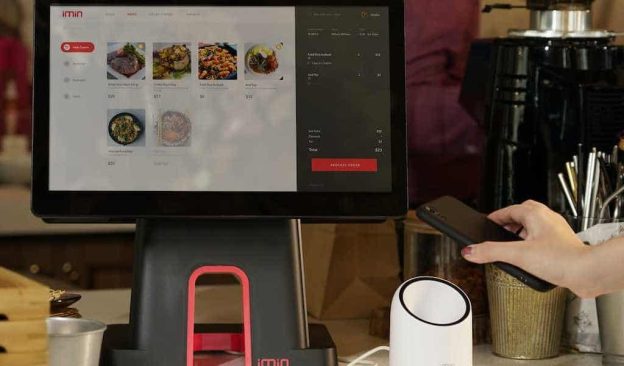
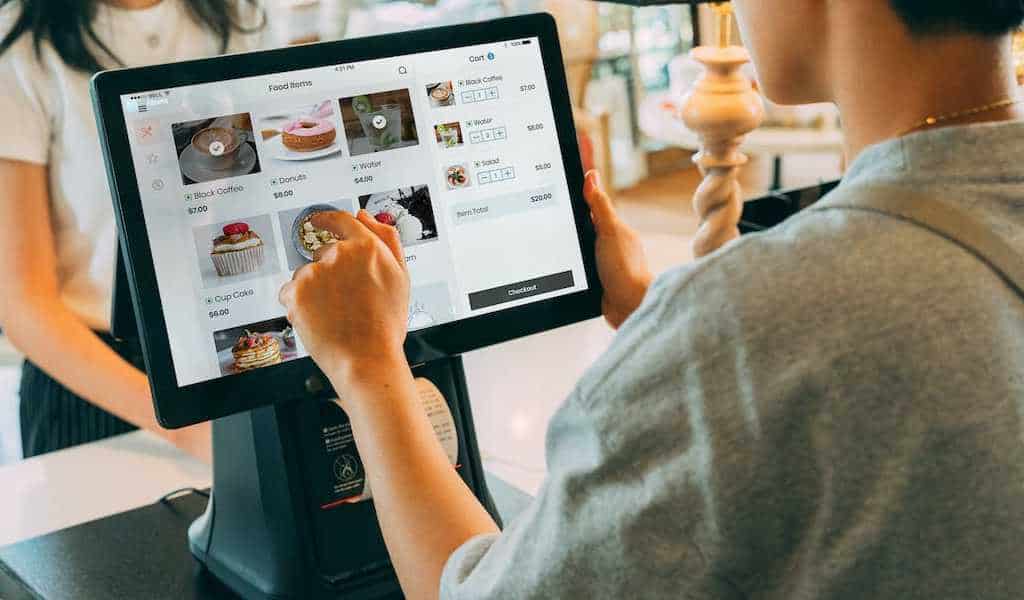
The point of sale (POS) is the time and location that a customers pay for their products. POS software is used in retail stores to simplify the selling and purchasing processes. As a result, transactions can be completed extremely fast and it allows the cashier to service a customers needs in seconds.

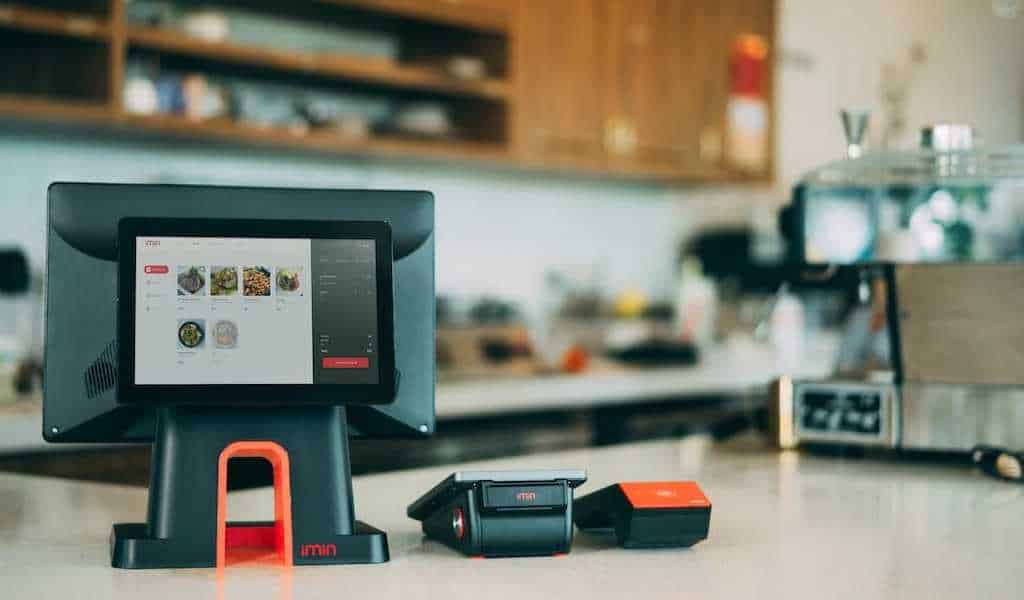
A modern POS system consists of one main computer linked to multiple mobile or fixed checkout terminals. Businesses in various industries have different POS system requirements which may require a little bit of a different setup.

This type of selling system is made up of various pieces of software and hardware. These tools work together to enable businesses to conduct customer-facing transactions. POS setup in a company is primarily determined by the payment methods that your organization accepts and the functionality that you are looking to implement.

Important Ways a Great Retail Point of Sale Can Improve Your Business

POS speeds up transactions

fast pos billing system

Customers may become irritated if they are forced to wait in a long line to purchase products from your store. A dependable POS software will reduce customers’ time waiting to make purchases.

The system will also reduce instances of human error, which can result in financial losses. Installing a POS system that includes barcode scanning will improve payment speed, efficiency, and pricing accuracy. Customers are more likely to shop where they can be serviced quickly.

Any POS software that is slow or sluggish will diminish the customer experience. While a customer might be happy about the quality of your products and loved the prices that you have, in their mind, slow service and inefficient processes can drastically effect their attitude towards you in the long run. Avoiding these issues will help you keep customers for longer periods of time.

Seamless customer experience

happy customer

Improving customer experiences through Point of Sale (POS) technology is critical for retail businesses to increase sales. To create a seamless customer experience, all aspects of the purchasing process must be considered, from the customer conducting pre-purchase research to ordering, shipping and receiving their goods, and the post-sale experience.

Most customers nowadays expect a seamless and integrated shopping experience across all channels. This is how smart retailers have created memorable experiences for their customers and strengthens their brand through word-of-mouth marketing.

Better Inventory Management Systems

Best Inventory Management Software

Your store’s inventory can be easily tracked with a high quality POS system. It will allow you a real-time control of your inventory. Implementing a more robust inventory management system that allows you to monitor these types of metrics is one of the best benefits of a POS system to increase retail sales.

When utilizing a quality inventory management system, for items that already exist within your inventory, you have the ability to easily update quantities by scanning items to be automatically loaded into the POS. This will save a considerable amount of time compared to traditional inventory tracking and allow you to keep exact track of the items you have in stock.

Every time you make a transaction, whatever products are sold will be directly deducted from the inventory count, saving you time and effort.

Omnichannel Checkout

Due to the fact that much of the customer experience occurs directly in the store, your check-out process must provide a quick, agile, and seamless experience every time a consumer decides to shop. Point-of-sale systems that accept payments via mobile devices, tablets, and iPad’s can make a significant difference by allowing sales staff to move around the store and engage directly with shopping customers.

According to a Capterra study, retailers in the United States using a mobile POS system increased from 32% in 2017 to 46% in 2020, and this trend is expected to continue. According to the study, 64% of retailers surveyed believe that using a mobile point of sale system helps them increase sales, and 82% believe that having the mPOS allows them to provide seamless customer experiences.

Why is POS Experience Important?

Knowing your customers well allows you to easily encourage them to revisit and buy their needs. With so many shopping options and brand competition in the retail industry, creating a personalized shopping experience that converts regular customers into loyal shoppers is critical. POS experience is an effective way to accomplish this by:

  • Enhancing in-store services
  • Using optimized technology to streamline the payment process
  • Connecting to the online ordering process
  • Data collection and management across channels

Conclusion

A good POS system can improve your brand’s outward appearance and the in-store customer experience. POS captures valuable data about customers’ shopping habits and provides real-time reports, improving checkout performance and other operational efficiencies. So merchants should use good POS to increase retail sales.

Point-of-sale systems offer personalized discounts based on the customer’s purchase history, increasing customer loyalty, and can create repeat shopping. You should consider implementing a POS system that fits your business model is a worthwhile investment as it can help you grow your companies revenue while maintaining your sustainability.