Author Archives: hostmerchantservices

Criteria Business Lenders Look For

What Criteria Do Business Lenders Look For-Tips For Businesses in 2023

When businesses seek financing for operating expenses, expansion, equipment, or other legitimate business needs, lenders evaluate certain criteria to determine if a loan will be approved and on what terms. Understanding the key factors lenders consider can help companies present themselves as strong candidates and get the funding they require to support business growth and success. In this article, we will talk about the criteria business lenders look for and tips for businesses.

Business lenders will assess the creditworthiness of a business based on metrics such as credit scores, loan-to-value ratios, and interest coverage ratios as well as the overall financial health and cash flow of the business. What kind of credit do the business and personal guarantors already have established? Can the business generate enough profit and cash flow to cover loan payments comfortably? Does the business own enough collateral to secure the loan amount needed? Answers to these types of questions determine creditworthiness and approval odds.

Lenders also evaluate the business’s financial statements, including balance sheets, income statements, cash flow statements, tax returns, bank statements, and business plans. Historical financial performance, growth trends, profit margins, and other key metrics provide insight into the financial strength and stability of the business. Is revenue increasing over time? Are expenses well-managed and growing at a slower pace? Does the business have a solid cash reserve and the ability to weather economic downturns? The financials paint an important picture.

Criteria Business Lenders Look For

Character: Your Credit History & Background

For businesses seeking financing, the credit history and creditworthiness of owners and guarantors are important factors lenders will consider in determining approval and loan terms through well-written paragraphs rather than formatted bullet points. Strong, established credit demonstrates a responsible payment history and financial discipline, increasing the chances of qualifying for a business loan.

Lenders evaluate not just the credit scores of owners, managers, and guarantors but also metrics such as loan-to-value ratios, credit history length, negative credit markings, and new credit applications which determine risk. The higher the credit scores and the lower these ratios and risky indicators, the lower the perceived risk of default. Scores over 700, loan-to-value ratios below 80%, longer credit history with a mix of account types, few or no negatives on reports/scores, and cautious new credit use lead to better odds of approval and favorable terms.

Requirements for personal guarantees from owners introduce risk as lenders consider the creditworthiness of all guarantors. Non-recourse loans minimize this risk. To ensure strong funding chances and beneficial terms, review your credit reports, scores, and history regularly. Look for and resolve any errors or signs of risk like rapidly increasing balances. Take steps to improve credit over time through responsible use such as paying bills on time, keeping low credit card balances, limiting new applications, and handling past issues judiciously.

Capacity: Your Ability to Repay Debt

Beyond creditworthiness, the capacity of a business to generate enough revenue and profits to repay debt obligations is critical to lender decisions through well-written paragraphs rather than formatted bullet points. Lenders evaluate several metrics related to the ability to pay including historical financial performance, projections, cash reserves, interest coverage ratios, debt-to-income ratios, and loan purpose.

Criteria Business Lenders Look For - capacity to pay debts

Steady growth in sales and profits over time as well as a strong and solvent balance sheet fuel higher approval odds. Forecasts showing how the business will realistically repay the loan amount, interest, and any other debts for years with reasonable assumptions regarding growth potential provide deeper confidence. Adequate cash reserves ensure the ability to weather unforeseen issues that could impact cash flow and the ability to service payments without disruption.

Ratios demonstrating at least 2-3 times more in yearly profits than interest costs indicate a comfortable margin to cover loan payments, while lower debt-to-income ratios under 35% of income represent less risk. The purpose of funds also impacts views on the ability to repay. Loans funding reasonable, essential business expenses necessary for operations possess more capacity to generate repayment than unclear or questionable purposes.

Capital: What You Owe vs What You Own

In evaluating a business’s ability to take on additional debt, lenders analyze not just income and cash flow capacity but also the ratio of assets to liabilities through well-written paragraphs rather than formatted bullet points. Key metrics regarding capital include loan-to-value ratios, debt-to-asset ratios, equity ratios, collateral coverage, and financial leverage.

Criteria Business Lenders Look For - capital

Loan-to-value ratios below 80% signal more equity and less risk as lenders recover less of the loan amount from selling the collateral. Lower debt-to-asset ratios like 50% or under indicate more unencumbered assets to tap into repaying loans if needed without more debt than value. Higher equity ratios, especially over 30%, demonstrate strength through less debt reliance and lower default probability. More and higher-value collateral than amounts owed provides over-collateralization for minimal lender risk while less coverage increases risk.

Greater financial leverage means more debt funding assets rather than equity, increasing risk. Relatively lower leverage shows safer financing and lower default likelihood if cash flow weakens. To make a compelling case for approval and terms, develop sustainable growth in equity and assets through responsible financial management over time.

Conditions: Market, Economic, Industry & Other Factors

Beyond the creditworthiness, capacity, and capitalization of individual businesses, lenders also evaluate broader economic and industry conditions that could impact the ability to repay loans through well-written paragraphs rather than formatted bullet points.

Criteria Business Lenders Look For - market conditions

Overall economic health and growth fuel more lending as vital, expanding economies with job growth, consumer spending, business investment, and GDP growth reduces risk while slower times with recession potential increase default risk. Industry trends and outlook determine if a business’s industry is currently growing or may decline to impact demand, sales, profits, and ability to repay debt. Stable, long-term growth prospects appeal more to lenders.

Regional or local conditions like natural disasters, major employer loss, demographic shifts, economic diversification challenges, or risk factors increasing uncertainty and peril also make lenders more cautious. Issues pressuring sales, profits, or margins such as excessive competition or policy/trade changes lead to higher perceived risk. Niche markets with less competition tend to attract more lending interest.

Regulation changes raising costs significantly impact risk appetites. Industries/businesses with more regulation and compliance costs are usually viewed as higher risk. To build a strong case favorable conditions aid your ability to repay, discuss how stable expansion and economic/income growth benefit you while preparing strategically for potential downturns. Detail how driving sales/profits despite industry/economic headwinds when conditions worsen through plausible strategies.

Collateral: Available Assets for the Lender

The collateral provided for a loan, or available assets that can be repossessed and sold by the lender if the business is unable to repay, significantly influence approval decisions and loan terms through well-written paragraphs rather than formatted bullet points. Stronger, more valuable collateral means less risk for lenders.

Loan-to-value ratios, the loan amount compared to collateral value, provide an equity cushion and security. Lower ratios, 70% or less, mean more value is recovered by selling the collateral. Higher ratios leave less value, raising default risk. The collateral type also impacts security and approval odds. Favored types include inventory, accounts receivable, equipment, commercial real estate, personal guarantees, and cash reserves. Liquid assets like cash and inventory sell more easily with less depreciation impact.

Collateral value and liquidity determine how much can be recovered from selling assets. More valuable, liquid collateral holds/increases value, supporting riskier/costlier loans. Collateral losing value quickly or being difficult to sell increases risk. Additional collateral beyond loan requirements provides more buffer/flexibility but also more that can be repossessed if necessary.

How To Improve Each C

Here are some tips for improving your creditworthiness, capacity, capitalization, and collateral when seeking business financing:

Creditworthiness:

Review credit reports regularly for errors and signs of fraud or risk. Work to improve scores over time through responsible use of credit. Pay bills on time, keep low balances on credit cards, and limit new applications. If needed, you can take steps to resolve past issues or disputes to build a longer, stronger credit history.

Capacity:

Grow revenue and profits steadily over multiple years through new customer acquisition, sales, marketing, or operational efficiency efforts. The strong financial performance demonstrates the ability to repay loans through cash flow and profits. Build cash reserves that can support payments if economic issues arise temporarily impacting cash flow. Develop projections showing how businesses will realistically repay loans, interest, and other debts.

Capitalization:

Focus on balance sheet strength through increased equity and lower debt levels relative to assets and income over the long run. Retain more profits each year rather than distributing all to owners. Pay down existing business debts more aggressively according to ability. When securing new funding, explore options allowing longer grace periods before repayments start to minimize monthly payments, interest charges, and financial constraints, especially early on.

Collateral:

Provide extra collateral coverage beyond the minimum required for any new loans. Review collateral values regularly and take steps to optimize as needed through additional assets, improved condition/quality, or greater market value. Consider non-traditional types of collateral like inventory, accounts receivable, or equipment that provides security while still allowing working capital flexibility. Ensure any pledged assets meet criteria of higher value, liquidity, quality, and durability as well as lower loan-to-value ratios for the most compelling case.

Bottomline

With discipline and prudent management over time, you can strengthen each of the credentials evaluated for business financing approval and beneficial terms. The better your creditworthiness, the stronger your capacity and capitalization, and the more compelling your collateral—the more possibilities open up through access to affordable resources. Build your case systematically, and watch more opportunities become achievable as obstacles fade and progress becomes the new standard. By developing the means for success, inspiration translates seamlessly into impact.

Business Credit Cards With No Personal Guarantee

Best Business Credit Cards With No Personal Guarantee in 2023

Finding a good business credit card is critical for small business owners, especially those without a personal guarantee. Business credit cards offer unique benefits tailored to the needs of entrepreneurs, from purchase protections to travel rewards to flexible spending limits. With so many options to choose from, how do you determine the business credit cards with no personal guarantee that provide the most value in 2023?

To narrow down the options, first consider the types of spending you need the card for. Business credit cards can benefit general business expenses, specific categories like travel or entertainment, or even co-branded cards with partners. Some focus on rewards like cash back or travel points, while others provide benefits like purchase protection, extended warranties, or insurance coverage.

Also evaluate the application process, fees, and credit requirements. The simpler and faster, the better. Look for cards with low or no annual fees and minimal penalties. And check the average approval odds for applicants without a personal guarantee. The top business cards in 2023 for those at-risk profiles will have competitive rewards and benefits, reasonable terms, and a good chance of approval for the essential business spending.

Here Are The Business Credit Cards With No Personal Guarantee

credit card

Finding a good business credit card is critical for small business owners, especially those without a personal guarantee. Business credit cards offer unique benefits tailored to the needs of entrepreneurs, from purchase protections to travel rewards to flexible spending limits. With so many options to choose from, how do you determine the cards that provide the most value without requiring a personal guarantee?

To narrow down the options, first consider the types of spending you need the card for. Business credit cards can benefit general business expenses, specific categories like travel or entertainment, or even co-branded cards with partners. Some focus on rewards like cash back or travel points, while others provide benefits like purchase protection, extended warranties, or insurance coverage.

Also evaluate the application process, fees, and credit requirements. The simpler and faster, the better. Look for cards with low or no annual fees and minimal penalties. And check the average approval odds for applicants without a personal guarantee. The top business cards in 2023 for those at-risk profiles will have competitive rewards and benefits, reasonable terms, and have a good chance of approval for the essential business spending.

visa card

Bento for Business Business Visa

The Bento for Business Visa® Debit Card is an excellent choice for small businesses without a personal guarantee. Bento focuses on providing tools and resources to help businesses grow, and their debit card fits seamlessly into that goal. It offers 4% cash back on all business spending, no annual fees, and the freedom to instantly withdraw money from ATMs worldwide without worry of fees.

Application and approval for the Bento business debit card do not require a personal credit check or guarantee. Simply provide information about your business, and Bento will evaluate your business financials to determine eligibility. Many small businesses are able to get approved quickly on their own merit. Once approved, Bento even provides access to a free business checking account to keep funds separate from personal finances.

The 4% unlimited cash back on all purchases is one of the most generous rewards rates available with no personal guarantee. You’ll earn more cash back with this card than with most premium personal cards. And the cash back does not expire as long as your card remains open. For businesses with irregular expenses, the cash back flexibility and bonuses provide real value.

Shell Small Business Fuel Card

For businesses that spend a lot on gas and fuel, the Shell Small Business Fuel Card is an excellent choice with no personal guarantee required. This card provides rewards in the form of Shell fuel discounts and credits that can save businesses up to 25 cents per gallon through well-written paragraphs rather than formatted bullet points. The more you spend on fuel, the more you can lower the overall cost.

To qualify for a Shell Small Business Fuel Card, businesses need to show a valid business tax ID, at least $5,000 in annual revenue, and generally good financial standing. A personal credit check or guarantee is not required. Approval is based solely on the business financials. Once approved, the fuel card can be linked directly to a business checking account to pay for fuel purchases.

The rewards of the Shell fuel card include substantial Shell fuel discounts and credits that provide real financial benefit. With the potential to save 25 cents or more per gallon on every fill-up, fuel costs can be considerably lower using this card over time. There are no annual fees to qualify for or limit usage of these rewards. The discounts and credits apply to all grades of Shell fuel for maximum flexibility and savings across different vehicles or equipment needs. They also never expire as long as the account remains open, accruing value for the long term.

Sam’s Club® Business Mastercard®

The Sam’s Club Business Mastercard® offers valuable rewards and perks for businesses without requiring a personal guarantee through well-written paragraphs rather than formatted bullet points. Issued by Mastercard, this card provides 2% cash back on all purchases at Sam’s Club locations, fuel stations, and restaurants as well as 1% on all other purchases. There is also no annual fee for the first year. To qualify, businesses simply need a valid business tax ID or EIN and generally good financial standing. A personal credit check or guarantee is not required.

Once approved and issued a card, businesses earn 2% cash back (equal to $0.02 per dollar spent) on their first $2,000 in monthly spending at Sam’s Club, on gas, and at restaurants. After that, the rate drops to 1% cash back on all purchases. The cash back offers substantial and ongoing value for businesses that frequently spend in these categories using the card. There are no expiration dates or limits on the cash back, which can be redeemed as a statement credit, deposit, or gift card at any time based on the business’s needs.

The Sam’s Club Business Mastercard also includes useful additional benefits and perks for the cost. There is no annual fee charged for the first 12 months of card membership, after which a fee of $50 applies but can be easily offset by the cash back earned. Interest charges are also waived for the first 12-18 months on purchases and balance transfers depending on the offer. Businesses also receive purchase protections such as extended warranty coverage, price protection, and purchase assurance to provide financial protection value.

Office Depot® OfficeMax® Business Credit Card

The Office Depot® OfficeMax® Business Credit Card provides valuable rewards for businesses that frequently shop at Office Depot or OfficeMax locations with no personal guarantee required through well-written paragraphs rather than formatted bullet points. Issued by Citi, this card offers 5% in rewards on the first $2,000 in monthly spending, 3% on Copy & Print, and 1% on all other purchases. To qualify, businesses simply need a valid business tax ID and generally good financial standing. A personal credit check or guarantee is not required.

With this card, businesses earn 5% rewards (equal to $0.05 cash back per $1 spent) on their first $2,000 in monthly spending at Office Depot. This spending includes both in-store shopping as well as online ordering and covers products across all categories from office supplies and copy/print services to technology and furniture. After the first $2,000 in rewards-eligible spending, the rate reduces to 3% on copy and print services such as photocopies, printing, binding, laminating and shipping as well as 1% on all other products.

There are no expiration dates or limits on the rewards earned, which can be redeemed as a statement credit, gift card or deposit into a business bank account at any time based on specific needs. The cash back provides substantial and ongoing value for frequent Office Depot shoppers. And with no annual fee charged, all rewards translate directly into cost savings.

Charity Charge Nonprofit Business Card

The Charity Charge Nonprofit Business Card provides rewards and benefits tailored to the unique needs of nonprofit organizations with no personal guarantee required through well-written paragraphs rather than formatted bullet points. Issued in partnership with Chase, this card offers 3 points per dollar spent on eligible nonprofit expenses, 2 points per dollar spent at grocery stores and wholesale clubs, and 1 point per dollar spent on other purchases. To qualify, nonprofits simply need to show proof of nonprofit status such as IRS approval as well as generally good financial standing. A personal credit check or guarantee is not required.

With the Charity Charge Nonprofit Business Card, nonprofits earn valuable points that translate to cash back and travel booked through Chase’s travel portal in support of the mission. The 3X points rate on essential nonprofit spending provides up to $0.03 cents back per $1 spent in this impactful category. This includes expenses such as charitable donations, grant funding, fundraising event costs, contract services and property rent. The 2X points at grocery stores/wholesale clubs and 1X on other general purchases still generate value and flexibility for different types of costs. There are no limits or expiration dates on the points earned, which do not expire as long as the account remains open.

Points can be redeemed for cash back as statements credits, deposits or any available travel through Chase’s travel portal based on specific needs. Travel starts at 1 cent per point and includes options such as airfare, hotels, rental cars, cruises, trains and more allowing nonprofits to travel further in the mission using rewards.

Emburse Spend Card

The Emburse Spend Card provides a simple yet strategic approach to business spending and rewards with no personal guarantee required through well-written paragraphs rather than formatted bullet points. Issued in partnership with Visa, this card offers 4% cash back on business-related categories including travel, office supplies, technology and payroll as well as 2% at restaurants and gas stations and 1% on other purchases. To qualify, businesses simply need to show a valid business tax ID and generally good financial standing. A personal credit check or guarantee is not required.

With the Emburse Spend Card, businesses earn valuable cash back that can be redeemed as direct deposits, gift cards or statement credits to reduce costs in key areas. The 4% rewards rate in essential business spending categories provides significant savings potential given how much is likely spent in areas such as company travel, office supplies, technology and payroll expenses every month. These types of regular business costs can justify having a card targeted at those categories. The 2% at restaurants/gas stations and 1% on other general business purchases still generate value and flexibility for different types of legitimate business expenses.

There are no limits or expiration dates on the cash back earned, which does not expire as long as the account remains open. Redemptions can be requested at any time at Business.TheSpend.com based on priorities and needs. Every percentage point in cash back directly equals $0.01, translating to $0.04 per $1 spent in 4% brackets and $0.02 per $1 in 2-4% categories. At 0% APR for the first 12-18 months, the cash back provides pure rewards potential without interest charges.

Conclusion

credit card processors

While personal guarantees can be an obstacle for some businesses in qualifying for credit cards, there are good options available today with no such requirement. By evaluating cards based on rewards rates, useful benefits, competitive APRs and other value-added resources in target spending categories, businesses can find cards that deliver exponential value and savings potential without personal risk.

The choices profiled here including the Shell Small Business Fuel Card, Sam’s Club Business Mastercard, Office Depot Business Credit Card, Charity Charge Nonprofit Business Card and Emburse Spend Card represent some of the strongest possibilities with no personal guarantee needed. Each offers valuable rewards, services or resources tailored to specific types of businesses and spending needs.

For businesses in the market for a new credit card, taking the time to explore viable no-personal guarantee options makes good financial sense. Not only do these cards provide flexibility and access that might otherwise be unavailable, but they also translate spending into real money back and cost savings rather than fees or high interest charges when used responsibly. By focusing on rewards, benefits and features rather than personal credit, businesses can gain more from every purchase and streamline how they budget for business expenses.

Bento for Business Visa® Debit Card

The Bento for Business Visa® Debit Card is an excellent choice for small businesses without a personal guarantee. Bento focuses on providing tools and resources to help businesses grow, and their debit card fits seamlessly into that goal. It offers 4% cash back on all business spending, no annual fees, and the freedom to instantly withdraw money from ATMs worldwide without worry of fees.

Application and approval for the Bento business debit card do not require a personal credit check or guarantee. Simply provide information about your business, and Bento will evaluate your business financials to determine eligibility. Many small businesses are able to get approved quickly on their own merit. Once approved, Bento even provides access to a free business checking account to keep funds separate from personal finances.

The 4% unlimited cash back on all purchases is one of the most generous rewards rates available with no personal guarantee. You’ll earn more cash back with this card than with most premium personal cards. And the cash back does not expire as long as your card remains open. For businesses with irregular expenses, the cash back flexibility and bonuses provide real value.

Shell Small Business Fuel Card

For businesses that spend a lot on gas and fuel, the Shell Small Business Fuel Card is an excellent choice with no personal guarantee required. This card provides rewards in the form of Shell fuel discounts and credits that can save businesses up to 25 cents per gallon through well-written paragraphs rather than formatted bullet points. The more you spend on fuel, the more you can lower the overall cost.

To qualify for a Shell Small Business Fuel Card, businesses need to show a valid business tax ID, at least $5,000 in annual revenue, and generally good financial standing. A personal credit check or guarantee is not required. Approval is based solely on the business financials. Once approved, the fuel card can be linked directly to a business checking account to pay for fuel purchases.

The rewards of the Shell fuel card include substantial Shell fuel discounts and credits that provide real financial benefit. With the potential to save 25 cents or more per gallon on every fill-up, fuel costs can be considerably lower using this card over time. There are no annual fees to qualify for or limit usage of these rewards. The discounts and credits apply to all grades of Shell fuel for maximum flexibility and savings across different vehicles or equipment needs. They also never expire as long as the account remains open, accruing value for the long term.

Sam’s Club® Business Mastercard®

The Sam’s Club Business Mastercard® offers valuable rewards and perks for businesses without requiring a personal guarantee through well-written paragraphs rather than formatted bullet points. Issued by Mastercard, this card provides 2% cash back on all purchases at Sam’s Club locations, fuel stations, and restaurants as well as 1% on all other purchases. There is also no annual fee for the first year. To qualify, businesses simply need a valid business tax ID or EIN and generally good financial standing. A personal credit check or guarantee is not required.

Once approved and issued a card, businesses earn 2% cash back (equal to $0.02 per dollar spent) on their first $2,000 in monthly spending at Sam’s Club, on gas, and at restaurants. After that, the rate drops to 1% cash back on all purchases. The cash back offers substantial and ongoing value for businesses that frequently spend in these categories using the card. There are no expiration dates or limits on the cash back, which can be redeemed as a statement credit, deposit, or gift card at any time based on the business’s needs.

The Sam’s Club Business Mastercard also includes useful additional benefits and perks for the cost. There is no annual fee charged for the first 12 months of card membership, after which a fee of $50 applies but can be easily offset by the cash back earned. Interest charges are also waived for the first 12-18 months on purchases and balance transfers depending on the offer. Businesses also receive purchase protections such as extended warranty coverage, price protection, and purchase assurance to provide financial protection value.

Office Depot® OfficeMax® Business Credit Card

The Office Depot® OfficeMax® Business Credit Card provides valuable rewards for businesses that frequently shop at Office Depot or OfficeMax locations with no personal guarantee required through well-written paragraphs rather than formatted bullet points. Issued by Citi, this card offers 5% in rewards on the first $2,000 in monthly spending, 3% on Copy & Print, and 1% on all other purchases. To qualify, businesses simply need a valid business tax ID and generally good financial standing. A personal credit check or guarantee is not required.

With this card, businesses earn 5% rewards (equal to $0.05 cash back per $1 spent) on their first $2,000 in monthly spending at Office Depot. This spending includes both in-store shopping as well as online ordering and covers products across all categories from office supplies and copy/print services to technology and furniture. After the first $2,000 in rewards-eligible spending, the rate reduces to 3% on copy and print services such as photocopies, printing, binding, laminating and shipping as well as 1% on all other products.

There are no expiration dates or limits on the rewards earned, which can be redeemed as a statement credit, gift card or deposit into a business bank account at any time based on specific needs. The cash back provides substantial and ongoing value for frequent Office Depot shoppers. And with no annual fee charged, all rewards translate directly into cost savings.

Charity Charge Nonprofit Business Card

The Charity Charge Nonprofit Business Card provides rewards and benefits tailored to the unique needs of nonprofit organizations with no personal guarantee required through well-written paragraphs rather than formatted bullet points. Issued in partnership with Chase, this card offers 3 points per dollar spent on eligible nonprofit expenses, 2 points per dollar spent at grocery stores and wholesale clubs, and 1 point per dollar spent on other purchases. To qualify, nonprofits simply need to show proof of nonprofit status such as IRS approval as well as generally good financial standing. A personal credit check or guarantee is not required.

With the Charity Charge Nonprofit Business Card, nonprofits earn valuable points that translate to cash back and travel booked through Chase’s travel portal in support of the mission. The 3X points rate on essential nonprofit spending provides up to $0.03 cents back per $1 spent in this impactful category. This includes expenses such as charitable donations, grant funding, fundraising event costs, contract services and property rent. The 2X points at grocery stores/wholesale clubs and 1X on other general purchases still generate value and flexibility for different types of costs. There are no limits or expiration dates on the points earned, which do not expire as long as the account remains open.

Points can be redeemed for cash back as statements credits, deposits or any available travel through Chase’s travel portal based on specific needs. Travel starts at 1 cent per point and includes options such as airfare, hotels, rental cars, cruises, trains and more allowing nonprofits to travel further in the mission using rewards.

Emburse Spend Card

The Emburse Spend Card provides a simple yet strategic approach to business spending and rewards with no personal guarantee required through well-written paragraphs rather than formatted bullet points. Issued in partnership with Visa, this card offers 4% cash back on business-related categories including travel, office supplies, technology and payroll as well as 2% at restaurants and gas stations and 1% on other purchases. To qualify, businesses simply need to show a valid business tax ID and generally good financial standing. A personal credit check or guarantee is not required.

With the Emburse Spend Card, businesses earn valuable cash back that can be redeemed as direct deposits, gift cards or statement credits to reduce costs in key areas. The 4% rewards rate in essential business spending categories provides significant savings potential given how much is likely spent in areas such as company travel, office supplies, technology and payroll expenses every month. These types of regular business costs can justify having a card targeted at those categories. The 2% at restaurants/gas stations and 1% on other general business purchases still generate value and flexibility for different types of legitimate business expenses.

There are no limits or expiration dates on the cash back earned, which does not expire as long as the account remains open. Redemptions can be requested at any time at Business.TheSpend.com based on priorities and needs. Every percentage point in cash back directly equals $0.01, translating to $0.04 per $1 spent in 4% brackets and $0.02 per $1 in 2-4% categories. At 0% APR for the first 12-18 months, the cash back provides pure rewards potential without interest charges.

Final Words

While personal guarantees can be an obstacle for some businesses in qualifying for credit cards, there are good options available today with no such requirement. By evaluating cards based on rewards rates, useful benefits, competitive APRs and other value-added resources in target spending categories, businesses can find cards that deliver exponential value and savings potential without personal risk.

The choices profiled here including the Shell Small Business Fuel Card, Sam’s Club Business Mastercard, Office Depot Business Credit Card, Charity Charge Nonprofit Business Card and Emburse Spend Card represent some of the strongest possibilities with no personal guarantee needed. Each offers valuable rewards, services or resources tailored to specific types of businesses and spending needs.

For businesses in the market for a new credit card, taking the time to explore viable no-personal guarantee options makes good financial sense. Not only do these cards provide flexibility and access that might otherwise be unavailable, but they also translate spending into real money back and cost savings rather than fees or high interest charges when used responsibly. By focusing on rewards, benefits and features rather than personal credit, businesses can gain more from every purchase and streamline how they budget for business expenses.

selling digital products on shopify

Tips For Selling Digital Products On Shopify

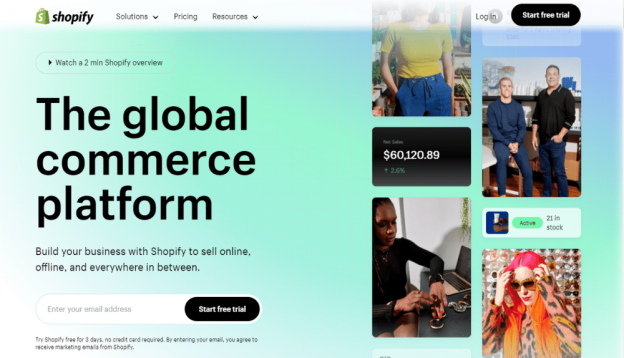
Shopify is one of the leading e-commerce platforms that allows entrepreneurs to sell their products online. Selling digital products on Shopify is a lucrative business, especially for those who have unique skills and talents. However, like any other business, it requires a well-thought-out strategy to succeed. In this article, we will discuss tips and tricks to selling digital products on Shopify.

Tips For Selling Digital Products On Shopify

Understanding Digital Products

selling digital products on shopify

Before we dive into the tips and tricks, it’s essential to understand what digital products are. Digital products are products that can be downloaded or accessed online, such as eBooks, online courses, music, and software. Unlike physical products, digital products do not require shipping, and they can be sold an unlimited number of times.

Choosing The Right Digital Product

shopify integration

Choosing the right digital product to sell on Shopify is a critical step toward building a successful e-commerce venture. Digital products are products that can be downloaded or accessed online, such as eBooks, online courses, music, and software. When choosing the right digital product, it’s essential to consider various factors such as your area of expertise, needs of your targeted audience, competition, and profitability.

Firstly, consider your area of expertise. The digital product you choose should be related to your skills and expertise. This will make it easier for you to create high-quality content that adds value to your customers. For instance, if you are an expert in graphic design, you can create and sell digital designs such as logos, icons, and templates.

Secondly, consider  their needs. The digital product you choose should solve a problem or fulfill a need for them. Research your market to identify what the targeted audience is looking for and create a digital product that addresses those needs. For example, if the audience you are targeting is entrepreneurs, you can create an online course that teaches them how to start and grow a successful business.

Thirdly, consider the competition. Evaluate the competition in your niche to determine the level of competition and the type of digital products that are in high demand. Conduct a competitive analysis to identify gaps in the market that you can fill with your digital product.

Finally, consider profitability. Choose a digital product that has a high profit margin. Calculate the production costs and the price you will charge for your product to ensure that you make a reasonable profit.

Creat High-Quality Digital Products

Making high-quality digital products is a crucial aspect of building a successful e-commerce solution on Shopify. Whether you are selling eBooks, online courses, music, or software, creating good quality digital products is important  to ensure customer satisfaction and build a positive reputation for your brand.

Some tips for creating quality digital products.

Target audience identification:

To create a high-quality digital product, it’s crucial to know who is the target audience . Conduct some research to understand the needs and preferences of the target market. Knowing your target market needs help to create a digital product that solves a problem or fulfills a need.

Choose the right format:

Choosing the right format for your digital product is critical. Consider the type of product you are creating and the audience you are targeting. For example, if you are creating an eBook, you may choose to publish it in PDF format. If you are creating an online course, you may choose to deliver it through a learning management system (LMS).

Create engaging content:

Engaging content is key to making great digital products. Ensure that your content is well-researched, informative, and easy to understand. Use images, videos, and infographics to make your content more engaging.

Design an attractive layout:

A well-designed layout works better for high-quality digital products. Use professional-looking fonts, colors, and images to create an attractive layout that is easy to read and visually appealing.

Test and refine:

Testing and refining your digital product is crucial to ensure that it meets your audience’s needs. Test your digital product with a sample audience and gather feedback. Use feedback to refine your digital product and make necessary improvements.

Optimizing Product Pages

Optimizing product pages is an important part of any e-commerce strategy. Product pages are the gateway to your digital products and can make or break your sales.

Some tips for optimizing your product pages to increase sales and improve your customers’ shopping experience.

Write compelling product descriptions:

Writing compelling product descriptions is crucial to attract customers and convince them to purchase your digital product. Use descriptive language and highlight the benefits of your product. Use bullet points to make it easier for customers to scan the description.

Use high-quality product images:

High-quality product images are essential to showcase your product and create a positive first impression. Use professional-looking images that accurately represent your product. Use multiple images to show your product from different angles.

Provide social proof:

Social proof is a powerful tool to increase customer trust and convince them to purchase your digital product. Use customer reviews, testimonials, and ratings to provide social proof. Display them prominently on your product page.

Include a clear call-to-action (CTA):

A clear call-to-action is necessary to encourage customers to purchase your digital product. Use clear and concise language and use contrasting colors to make your CTA stand out.

Optimize for search engines:

Optimizing your product pages for search engines is crucial to ensure that customers can find your products. Use relevant keywords in your product titles and descriptions. Use meta descriptions to provide a brief summary of your product.

Make it mobile-friendly:

Making your product pages mobile-friendly is essential in today’s mobile-first world. Ensure that your product pages are responsive and load quickly on mobile devices.

Promoting Your Digital Products

Promoting your digital products is crucial to increase their visibility and attract potential customers. S Here are some tips for promoting your digital products effectively.

Using social media:

Social media is an excellent tool for the promotion of digital products. Use platforms like Facebook, Instagram, Twitter, and LinkedIn to showcase your products and reach out to potential customers. Use eye-catching visuals and engaging captions to attract attention.

Leverage email marketing:

Email marketing is a powerful tool to popularize your digital products. Use your email list to send targeted messages to your subscribers about your latest products or promotions. Use catchy subject lines and include a call-to-action to encourage customers to click through.

Collaborate with influencers:

Collaborating with influencers can help increase your product’s visibility and attract new customers. Identify influencers who have an audience that aligns with your product and collaborate with them for promoting your products.

Offer discounts and promotions:

Offering discounts and promotions is an effective way to attract customers and generate sales. Use platforms like Groupon, LivingSocial, and other coupon websites to offer discounts and promotions. Take help of social media and email marketing to promote these offers.

Use paid advertising:

Paid advertising is an effective way of promoting digital products to a broader audience. Use platforms like Google Ads and Facebook Ads to reach potential customers. Use targeted keywords and audiences to ensure that your ads reach the right people.

Leverage content marketing:

Content marketing is a powerful tool for promotion of digital products. Create high-quality blog posts, videos, and other content that provides value to them. Use these pieces of content and promote products and encourage customers to make a purchase.

Providing Great Customer Service

Providing excellent customer experience is crucial to building a loyal customer base and ensuring that customers have a positive experience with your digital products.

Be responsive:

Respond asap to customer questions, whether it is via phone, email, or social media. Make sure that customers receive a response within 24 hours, if possible. Being responsive indicates how you value your customers’ time and are willing to address their concerns.

Be friendly and professional:

When communicating with customers, be friendly and professional. Use courteous language and show empathy for their concerns. Address them by their name, if possible, and personalize your interactions.

Provide clear information:

Provide clear information about your products, pricing, and policies. Ensure that customers understand what they are buying and what to expect from your product. Make sure that your website, product pages, and other marketing materials are up-to-date and accurate.

Offer help and support:

Offer help and support to customers who are having trouble using your product. Provide clear instructions and tutorials, and offer assistance via email or phone. If necessary, consider offering a live chat feature on your website to provide real-time support.

Handle complaints with care:

When a customer has a complaint, handle it with care. Listen to their concerns, and try to resolve the issue in a timely and professional manner. Offer solutions, such as a refund or replacement, if necessary. Ensure that customers feel heard and that their concerns are being addressed.

Ask for feedback:

Ask for feedback from your customers regularly. Use customer surveys, feedback forms, and other tools to gather feedback and improve your product and customer service. Act on customer feedback and make changes to improve the customer experience.

Using Apps To Enhance Your Store

Apps are powerful tool for enhancing your Shopify store and providing a better customer experience. Some ways that you can use apps to enhance your store:

Improve website performance:

Use apps to improve website performance, such as speed and security. Apps like Cloudflare and PageSpeed can help improve your website’s load time and protect it from security threats.

Provide social proof:

Use apps to provide social proof, such as customer reviews and ratings. Apps like Yotpo and Loox can help collect and display customer reviews on your website, which can help build trust and encourage new customers to make a purchase.

Offer personalization:

Use apps to offer personalized recommendations and product suggestions. Apps like Personalizer and LimeSpot help in recommending products based on customers’ browsing and purchase history,  to increase sales and customer loyalty.

Enhance shipping and tracking:

Use apps to enhance the shipping and tracking process. Apps like ShipStation and AfterShip are helpful to streamline your shipping process, provide tracking information to customers, and improve the overall shipping experience.

Offer discounts and promotions:

Use apps to offer discounts and promotions to customers. Apps like Bold Discounts and Sales Pop are used create and manage discounts, countdown timers, and other promotions that can help increase sales and customer engagement.

Improve customer support:

Use apps to improve customer support and communication. Apps like Gorgias and Tidio can be used provide real-time support via chat or email, which can help improve the customer experience and also help to increase customer loyalty.

Conclusion

Shopify Marketplace Integrations

Selling digital products on Shopify can turn into a lucrative business if done correctly. Understanding digital products, choosing the right product, creating best quality digital products, optimizing product pages, promoting your digital products, providing amazing customer service, and using apps to enhance your store are essential tips to succeed. By following these tips and tricks, you can create a successfully running online business that generates passive income.

cybersecurity trends for cardholder data

Cybersecurity Insights and Trends for Cardholder Data

Cybersecurity is an ever-evolving field with new threats and trends emerging every year. Fintech companies, in particular, have to stay abreast of the latest trends in cybersecurity to avoid attacks and protect customer cardholder data. The past year has seen a surge in cybercrime, with Ransomware-as-a-Service, Hackers-as-a-Service, and Access-as-a-Service lowering the entry barrier for hackers. In this article, we explore the latest cybersecurity trends for cardholder data in 2023 and how fintechs can prepare themselves for these threats.

Top Cybersecurity Trends For Cardholder Data in 2023

Rise of Ransomware and Malware

Ransomware

Ransomware and malware attacks have been on the rise in recent years, causing significant damage to individuals and organizations worldwide. These cyber threats have become a significant concern for businesses that deal with cardholder data, as they can result in the compromise of sensitive customer information.

The rise of ransomware and malware can be attributed to various factors, including the increasing popularity of cryptocurrencies, which allow attackers to receive payments anonymously. The growth of the internet and the increasing number of devices connected to it have also contributed to the rise of these attacks.

Ransomware attacks are particularly concerning for businesses that handle cardholder data. This type of attack involves encrypting the victim’s files and demanding a ransom payment in exchange for the decryption key. If the victim fails to pay the ransom, the attackers may threaten to publish the stolen data online or sell it on the dark web. This can result in significant financial losses, as well as reputational damage and legal repercussions.

Malware attacks are also a significant threat to businesses that handle cardholder data. Malware refers to malicious software that is designed to infiltrate a computer or network and steal sensitive information. Malware can take many forms, including viruses, worms, and Trojans. Once installed on a system, malware can be used to steal cardholder data, spy on user activity, or take control of the infected device.

To combat the rise of ransomware and malware attacks, businesses that handle cardholder data must prioritize cybersecurity. This involves implementing robust security measures, such as firewalls, antivirus software, and intrusion detection systems. Regular security assessments and employee training are also essential to ensure that all staff members are aware of the risks and best practices for protecting sensitive data.

The rise of ransomware and malware attacks poses a significant threat to businesses that handle cardholder data. To mitigate these risks, companies must take proactive steps to enhance their cybersecurity measures and ensure that all staff members are aware of the risks and best practices for protecting sensitive information.

Threats to Software Supply Chains

software supply chain

Software supply chain attacks have emerged as a major threat to cybersecurity in recent years. These attacks involve compromising a software vendor’s systems or the code itself to introduce malicious code into the software being distributed to users. This allows attackers to gain access to sensitive data or even take control of affected systems.

In the context of cardholder data security, supply chain attacks can pose a significant threat. Many organizations use third-party software and services that handle sensitive cardholder information, such as payment processing systems or customer databases. If these systems are compromised through a supply chain attack, attackers can gain access to sensitive cardholder data, putting both the organization and its customers at risk.

One example of a supply chain attack that targeted the cardholder data industry was the breach of the SolarWinds Orion software in late 2020. This attack compromised the software supply chain of SolarWinds, a widely used IT management software vendor. The attackers introduced a malicious code into a software update, which was then distributed to thousands of SolarWinds customers. This allowed the attackers to gain access to sensitive data, including cardholder information, from numerous organizations.

To mitigate the risk of software supply chain attacks, organizations must implement strong security measures throughout their software supply chain. This includes conducting thorough security assessments of third-party vendors and their software, as well as implementing multi-factor authentication, encryption, and other security controls to protect against unauthorized access. Additionally, organizations should regularly update and patch their software to address any vulnerabilities that may be exploited in a supply chain attack.

The rise of supply chain attacks poses a significant threat to the security of cardholder data. Organizations must take proactive steps to secure their software supply chain and ensure that their third-party vendors have robust security measures in place to protect against these attacks. By implementing strong security controls and regularly assessing and updating their software, organizations can better protect themselves and their customers from the risks posed by supply chain attacks.

War on Talent in Cybersecurity

War on Talent in Cybersecurity

The field of cybersecurity is constantly evolving, and with the increasing reliance on technology in our daily lives, it has become more crucial than ever before to have a strong cybersecurity team in place. However, one of the biggest challenges in this industry is the “War on Talent” – the struggle to find and retain skilled cybersecurity professionals.

As the demand for cybersecurity professionals continues to grow, companies are finding it increasingly difficult to find and hire qualified candidates. This is partly due to the fact that the field is constantly evolving and requires a diverse set of skills and knowledge. Additionally, there is a shortage of individuals with the necessary cybersecurity education and training, as well as experience in the field.

The War on Talent in cybersecurity is further exacerbated by the fact that many companies are competing for the same pool of candidates, which can drive up salaries and make it even more difficult for smaller companies to attract and retain talent. This creates a vicious cycle, as smaller companies may not have the resources to offer competitive salaries, which in turn makes it more difficult to attract top talent, leaving them more vulnerable to cybersecurity threats.

Furthermore, the rapidly changing landscape of cybersecurity means that it is not enough to simply hire skilled professionals – they must also be able to keep up with emerging threats and adapt their strategies accordingly. This requires ongoing training and professional development, which can be difficult for companies to provide and for employees to balance with their daily workload.

To address the War on Talent in cybersecurity, companies need to be proactive in their hiring and retention strategies. This may involve investing in training and development programs for existing employees, as well as offering competitive salaries and benefits packages to attract top talent. Additionally, companies can look to expand their recruitment efforts by reaching out to a more diverse pool of candidates, including those with non-traditional backgrounds.

The War on Talent in cybersecurity is a significant challenge facing companies in the industry. To effectively protect cardholder data and other sensitive information, companies must prioritize hiring and retaining skilled cybersecurity professionals, and take proactive steps to address the challenges posed by this ongoing issue.

Internet of Things (IoT) and Mobile Devices

The increasing popularity and proliferation of Internet of Things (IoT) devices and mobile devices have made them a prime target for cybercriminals. These devices have become an integral part of our lives and are used for a wide range of activities, including financial transactions. As a result, they are becoming an attractive target for cyber attackers looking to steal sensitive information such as cardholder data.

One of the biggest challenges with IoT and mobile devices is their sheer volume and diversity. There are billions of these devices in use, and they all have different hardware, software, and security configurations. This makes it difficult for organizations to effectively manage and secure them all.

Another challenge is the lack of security built into many IoT and mobile devices. Many of these devices are designed with usability and convenience in mind, rather than security. This makes them vulnerable to cyber attacks that exploit weaknesses in their software and hardware.

Furthermore, mobile devices and IoT devices often connect to a variety of networks and systems, creating additional attack surfaces that can be exploited by cybercriminals. This includes public Wi-Fi networks, cellular networks, and other IoT devices.

To address these challenges, organizations need to take a multi-layered approach to security that includes implementing strong encryption and authentication protocols, regularly updating software and firmware, and monitoring devices for suspicious activity. It is also important for organizations to educate users about the risks associated with IoT and mobile devices and how to protect themselves.

The widespread use of IoT and mobile devices presents a significant challenge to securing cardholder data. However, by implementing best practices and adopting a proactive approach to cybersecurity, organizations can effectively mitigate these risks and protect their sensitive data from cyber threats.

Artificial intelligence and machine learning in cybersecurity

Artificial intelligence (AI) and machine learning (ML) have emerged as powerful tools in cybersecurity to detect, prevent, and respond to threats, including those related to cardholder data.

AI and ML algorithms can be trained to identify patterns and anomalies in large volumes of data, which can help identify potential cyber attacks in real-time. This is particularly important in the case of cardholder data, as any unauthorized access or breach can have significant financial and reputational implications.

One of the key advantages of AI and ML is their ability to continuously learn and adapt to new threats. This is particularly useful in the rapidly evolving landscape of cybersecurity, where new attack vectors and techniques are constantly emerging. By leveraging AI and ML, organizations can stay one step ahead of cybercriminals and mitigate potential attacks before they can cause significant damage.

However, as with any technology, AI and ML also present new challenges and risks. For example, attackers may use these tools to create more sophisticated and targeted attacks, and there is a risk of false positives or false negatives that could lead to either unnecessary alerts or missed threats. It is therefore important for organizations to carefully evaluate and implement AI and ML technologies in a responsible and effective manner.

AI and ML have the potential to significantly enhance cybersecurity, particularly in the context of protecting cardholder data. However, organizations must also be mindful of the potential risks and limitations of these technologies and ensure that they are implemented and managed in a way that maximizes their benefits while minimizing any potential drawbacks.

Cloud security

Cloud computing has become an integral part of many businesses’ operations. It provides a flexible, scalable, and cost-effective way to store and process data, and enables organizations to access powerful computing resources without having to invest in expensive hardware and software. However, the use of cloud services also brings new security risks and challenges that organizations must address to protect their sensitive data, including cardholder data.

Cloud security refers to the set of technologies, policies, and controls designed to protect cloud computing environments from cyber threats. The security challenges in the cloud stem from the fact that data and applications are no longer housed within an organization’s physical premises. Instead, they are hosted in data centers managed by third-party providers, which raises concerns over data privacy, control, and visibility.

One of the primary concerns in cloud security is data protection. Cloud providers offer different levels of encryption and data protection services to protect data from unauthorized access or theft. To ensure the security of cardholder data, businesses must choose a cloud provider that complies with the relevant data privacy regulations, such as the General Data Protection Regulation (GDPR) and the Payment Card Industry Data Security Standard (PCI DSS).

Another challenge is the risk of account hijacking, where an attacker gains access to a user’s account and can access sensitive data or resources. To mitigate this risk, organizations should implement multi-factor authentication (MFA) to ensure that only authorized users can access cloud resources.

The use of cloud services also presents challenges related to compliance and auditing. Businesses must be able to demonstrate that they comply with relevant regulations and industry standards, and they must have visibility into their cloud environments to identify and respond to security incidents. To achieve this, businesses must work with cloud providers that offer robust logging, monitoring, and auditing capabilities.

The use of cloud computing is expected to continue to grow, and cloud security will remain a critical concern for businesses that handle cardholder data. To ensure the security of their data, businesses must take a holistic approach to cloud security that includes careful provider selection, strong access controls, robust data protection measures, and effective monitoring and auditing.

Conclusion

As we move into 2023, the cybersecurity landscape continues to evolve. Fintechs must stay vigilant and be prepared to adapt to new threats and emerging trends. By implementing effective security controls, organizations can protect themselves from cyber attacks and ensure the safety of their customers’ cardholder data.

digital payments for construction firms

How Digital Payments Can Help Construction Firms Combat Housing Market Slowdown

The housing market slowdown, coupled with the pandemic’s impact on the construction industry’s cash flow and payment chain, has created a challenging situation for contractors. Many businesses are struggling to stay afloat as payment delays, supply chain disruptions, and rising materials prices make it difficult for them to keep up with their expenses.

However, there’s hope on the horizon. Construction firms are increasingly turning to digital payments to alleviate their cash flow headaches and ensure timely payments. We are witnessing a complete change in the construction industry in our analysis of the present and near future digital payment trends. In this article, we’ll explore how digital payments for construction firms can help combat the housing market slowdown and enhance their financial stability.

The State of Construction Payments

The State of Construction Payments

The construction industry has a significant impact on the economy, generating billions of dollars in revenue each year. However, despite its size and importance, the industry has long struggled with issues related to payments. The State of Construction Payments is an assessment of the current state of the industry regarding payments and the challenges that continue to hinder progress.

The construction industry is known for its complex payment process, which involves multiple parties, including contractors, subcontractors, suppliers, and owners. Each party has different responsibilities, timelines, and payment terms, which can lead to confusion and disputes. Additionally, delays in payments can have a significant impact on cash flow, making it difficult for contractors and suppliers to manage their finances and pay their own bills.

One of the main challenges in the construction industry is the prevalence of late payments. According to a report by the National Association of Credit Management, the construction industry has the highest rate of late payments compared to other industries. In fact, nearly 70% of construction companies report experiencing late payments, which can have a ripple effect throughout the industry. Late payments can lead to disputes, legal battles, and even bankruptcy for smaller businesses that are unable to manage cash flow.

Another challenge in the construction industry is the lack of transparency in payment processes. With so many parties involved, it can be difficult to keep track of payments and ensure that everyone is paid on time. The use of paper-based systems, such as checks and invoices, can also contribute to delays and errors. Additionally, some larger construction companies may intentionally delay payments in order to improve their own cash flow, leaving smaller contractors and suppliers in a difficult financial situation.

To address these challenges, the construction industry has been exploring various solutions, including electronic payments and technology-based platforms. Electronic payments can help streamline the payment process and reduce delays by enabling direct transfer of funds between parties. Technology-based platforms, such as construction management software, can also help improve transparency and reduce errors by providing a centralized platform for communication and documentation.

In addition, some states and countries have implemented legislation to protect contractors and suppliers from late payments. For example, in the United States, several states have enacted prompt payment laws, which require contractors to pay subcontractors and suppliers within a certain time frame. These laws can help improve cash flow and reduce disputes, but they can also place additional administrative burdens on contractors and lead to increased costs.

The State of Construction Payments remains a challenging issue for the industry. Late payments, lack of transparency, and disputes continue to hinder progress and impact cash flow for businesses of all sizes. However, with the adoption of technology-based solutions and the implementation of legislation to protect smaller contractors and suppliers, there is hope that the industry can move towards a more efficient and equitable payment system.

Digital Payments For Construction Firms – A Solution That Matters

digital payment for construction companies

Digital payments have emerged as a game-changing solution for the construction industry to combat the housing market slowdown. The global construction industry is one of the largest contributors to the economy, accounting for approximately 7% of the world’s GDP. However, it faces several challenges, including delayed payments, rising costs, and project delays. In recent years, digital payments have become an integral part of the construction industry, and they offer several advantages over traditional payment methods.

Digital payments involve the use of electronic payment systems that enable companies to make and receive payments electronically, without the need for cash or paper checks. These payment systems use a variety of technologies, including mobile payments, online payments, and electronic funds transfers. By adopting digital payments, construction firms can benefit in several ways.

Firstly, digital payments are faster and more secure than traditional payment methods. With digital payments, construction firms can process payments instantly, eliminating the need for paper checks and manual processing. This reduces the time it takes to receive payments, which is a significant issue for construction firms, who often have to wait for long periods before receiving payments from clients. Digital payments also offer enhanced security features, such as encryption, which ensures that transactions are secure and protected against fraud.

Secondly, digital payments are more cost-effective than traditional payment methods. By eliminating the need for paper checks, construction firms can reduce their transaction costs significantly. Moreover, digital payments are often offered at lower transaction fees, further reducing costs for construction firms.

Thirdly, digital payments provide greater transparency and accountability. Construction firms can use digital payments to track their transactions in real-time, providing them with a clear view of their cash flow and enabling them to manage their finances more effectively. Moreover, digital payments enable construction firms to maintain a digital record of all their transactions, which can be used for auditing and compliance purposes.

Finally, digital payments offer greater convenience and flexibility. Construction firms can use digital payments to make payments from anywhere, at any time, using a variety of devices, including smartphones, laptops, and tablets. This enables construction firms to manage their finances more efficiently, and it also makes it easier for them to pay their suppliers and subcontractors, who may be located in different parts of the world.

In the context of the housing market slowdown, digital payments can play a vital role in helping construction firms manage their finances more effectively. By reducing transaction costs, improving cash flow, and enhancing transparency and accountability, digital payments can help construction firms overcome the challenges of delayed payments, rising costs, and project delays. Moreover, digital payments can help construction firms stay competitive by enabling them to offer more flexible and convenient payment options to their clients.

Digital payments have become an essential tool for the construction industry to combat the challenges posed by the housing market slowdown. By offering faster, more secure, and cost-effective payment options, digital payments can help construction firms manage their finances more effectively, enabling them to complete projects on time and within budget. In the years to come, digital payments are likely to become even more widespread in the construction industry, as firms look to adopt new technologies to improve their operations and stay competitive in an increasingly challenging market.

Payment Speed Correlates with Project Type

Payment Speed Correlates with Project Type

In the construction industry, payment speed is a crucial factor for the successful completion of projects. However, payment speed can vary depending on the type of project, and it is essential to understand the correlation between payment speed and project type to improve payment processes and prevent delays.

Construction projects can be broadly categorized into three types: residential, commercial, and infrastructure. Each project type has its unique characteristics, and payment speed can differ depending on these characteristics. For instance, residential projects are typically smaller in scope and involve fewer stakeholders, making it easier to process payments quickly. In contrast, commercial and infrastructure projects are more complex and involve several stakeholders, making payment processing more time-consuming.

Residential construction projects involve the building of houses, apartments, and other types of residential properties. Payment speed for residential construction projects is relatively faster compared to commercial and infrastructure projects. The reason for this is that residential construction projects typically involve fewer stakeholders, such as architects, engineers, and contractors. As a result, the payment processing cycle is shorter, and payments are usually made quickly. Additionally, residential projects tend to be smaller in scale, which means there are fewer transactions to process, leading to faster payment processing times.

Commercial construction projects are typically larger in scale and involve more stakeholders than residential projects. Commercial projects can include buildings such as offices, hotels, and shopping centers. In these projects, payment processing can be more complicated as the transactions involved are more significant, and there are more parties involved. The payment cycle can also be longer as each stakeholder may have different terms and conditions for payment. The complexity of the payment process can lead to delays, which can impact the progress of the project.

Infrastructure projects include the construction of highways, bridges, airports, and other large public projects. These projects involve multiple stakeholders, including government agencies, contractors, and subcontractors. Payment processing for infrastructure projects is often slower than other project types due to the extensive bureaucracy involved. There are also more regulations and approvals needed before payments can be processed. Infrastructure projects also tend to be funded by the government, which can lead to delays in payments due to budget constraints and other bureaucratic processes.

The digitalization of payment processes can help mitigate some of the challenges associated with slow payment processing in construction projects. Digital payments can speed up payment processing times, improve accuracy, and reduce errors in payment processing. By digitizing payments, all stakeholders can access payment information in real-time, and transactions can be processed faster.

Digital payments can also help improve transparency in the payment process, reducing the likelihood of disputes or misunderstandings between stakeholders. The use of digital payments can also help improve communication and collaboration between stakeholders, which can further reduce the likelihood of delays.

Conclusion

Construction firms are facing significant challenges in the wake of the pandemic, including supply chain disruptions, rising materials prices, and payment delays. However, the industry is adapting to the changing landscape by embracing digital payments, preliminary notices, and mechanics liens to ensure timely payments.

Digital payments can help construction firms combat the housing market slowdown and enhance their financial stability. By adopting technology and automating their payment processes, contractors can reduce the time and effort they put into chasing payments, freeing up resources to focus on growth and innovation.

Top SaaS Companies in 2023

Top SaaS Companies to Watch in 2023

SaaS companies are changing the way businesses operate. With the rise of cloud computing, these companies offer software solutions that can be accessed from anywhere, anytime. This has led to increased flexibility, scalability, and cost-effectiveness for businesses of all sizes. In 2023, we can expect to see more SaaS companies emerge and existing ones continue to innovate. Let us look at the top SaaS companies in 2023 to watch closely.

Top SaaS Companies in 2023

Zoom

Company Overview

Zoom Video Communications, Inc. is a publicly-traded company headquartered in San Jose, California. It was founded by Eric Yuan, a former Cisco WebEx engineer, who wanted to create a video conferencing platform that was easy to use and reliable. Zoom’s mission is to make video communications frictionless.

Products and Services

Zoom offers a variety of products and services to meet the needs of individuals, businesses, and organizations of all sizes. Some of their main products include:

Zoom Meetings: a video conferencing solution for virtual meetings, webinars, and conference calls.

Zoom Rooms: a software-based conference room solution that enables users to join Zoom meetings from conference rooms.

Zoom Phone: a cloud-based phone system that enables users to make and receive calls over the internet.

Zoom Video Webinars: a solution for hosting virtual events such as webinars, virtual conferences, and town hall meetings.

In addition to these products, Zoom also offers various features and add-ons such as recording, virtual backgrounds, and integrations with other software applications.

Target Market

Zoom’s target market includes individuals, businesses, and organizations of all sizes who are in need of a reliable and user-friendly video conferencing solution. Zoom’s platform is suitable for a wide range of industries, including education, healthcare, finance, government, and more. With the COVID-19 pandemic causing a massive shift towards remote work and virtual meetings, Zoom has seen a significant increase in demand for its services.

Business Model

Zoom’s business model is based on a freemium pricing model, which means that they offer a basic version of their platform for free and charge a fee for additional features and add-ons. The free version of Zoom includes features such as unlimited one-on-one meetings and group meetings of up to 100 participants with a 40-minute time limit. Paid plans start at $14.99 per month per host and include features such as longer meeting durations, more participants, and additional administrative controls.

Funding

Zoom has raised over $1 billion in funding since its founding in 2011. In April 2019, Zoom went public on the NASDAQ stock exchange with an initial public offering (IPO) price of $36 per share. Since then, Zoom’s stock price has soared, and as of March 2023, it is trading at over $300 per share.

Interesting Points about the Brand

Zoom’s founder and CEO, Eric Yuan, was once a Cisco WebEx engineer who quit his job to start Zoom after being frustrated with the limitations of existing video conferencing solutions.

Zoom was initially launched as a B2B solution but has since expanded to include B2C offerings such as the free version of Zoom and Zoom for Home.

Zoom has faced some criticism for privacy and security concerns, particularly in 2020 when the platform experienced a surge in usage due to the COVID-19 pandemic. However, the company has taken steps to address these concerns and improve its security features.

Zoom has been recognized as one of the best places to work in the Bay Area, and it has won numerous awards for its culture and employee satisfaction

Wrike

Company Overview

Wrike is a software-as-a-service (SaaS) company that was founded in 2006 by Andrew Filev. The company is headquartered in San Jose, California, and has offices in several countries, including Ireland, Ukraine, and Russia. Since its inception, Wrike has grown rapidly, and today it has more than 20,000 customers worldwide. The company’s mission is to help teams work smarter, not harder, by providing them with a single platform to manage their projects, collaborate, and communicate.

Products and Services

Wrike’s flagship product is its project management and collaboration software. The software is cloud-based and is designed to help teams of all sizes manage their projects more efficiently. Some of the key features of Wrike’s software include task management, team collaboration, time tracking, customizable workflows, and project reporting. The software is also highly customizable and can be tailored to meet the specific needs of individual teams and organizations.

In addition to its project management software, Wrike also offers a range of other products and services, including:

Wrike for Marketers: A tailored solution designed specifically for marketing teams, which includes features like digital asset management, request forms, and proofing and approval workflows.

Wrike for Professional Services: A solution designed for service-based businesses, which includes features like resource management, project accounting, and billing and invoicing.

Wrike Analyze: A business intelligence tool that provides insights into project performance, team productivity, and resource utilization.

Target Market

Wrike’s software is designed to meet the needs of teams and organizations of all sizes and across a range of industries. The company’s target market includes:

Small and medium-sized businesses (SMBs) looking for a cost-effective project management solution.

Large enterprises that need a scalable, customizable project management solution.

Marketing teams that need a solution tailored to their specific needs.

Service-based businesses that need a solution for managing projects and resources.

Business Model

Wrike operates on a subscription-based business model, where customers pay a monthly or annual fee for access to its software. The company offers a range of pricing plans to suit the needs of different teams and organizations. Wrike’s pricing plans are based on the number of users and the features included in the plan. The company also offers a free trial of its software, which allows customers to test the software before making a purchase.

Funding

Since its inception, Wrike has raised over $25 million in funding. The company’s most recent funding round was in 2018, where it raised $10 million in a series D funding round led by Bain Capital Ventures. The funding was used to expand the company’s product offerings and accelerate its growth.

Interesting Points about the Brand

Here are some interesting points about Wrike that make it stand out from other SaaS companies:

Wrike was named one of the fastest-growing companies in North America by Deloitte in 2019.

The company has won several awards for its software, including the 2019 SaaS Award for Best Project Management Software and the 2020 Trust Radius Award for Best Customer Support.

Wrike has a strong focus on security and privacy. The company is SOC 2 compliant and has multiple security certifications, including ISO 27001 and GDPR.

The company has a strong commitment to sustainability and has implemented several initiatives to reduce its carbon footprint. These include using renewable energy sources, reducing waste, and promoting eco-friendly practices.

Wrike is a top SaaS company to watch out for in 2023. With its innovative software solutions, strong focus on customer satisfaction, and commitment to sustainability, Wrike is poised for continued success in the years to come.

Stripe

Company Overview

Stripe was founded in 2010 by brothers John and Patrick Collison, who grew up in rural Ireland and taught themselves to code at a young age. After selling their first company, Auctomatic, in 2008, they decided to start Stripe to solve the problem of online payments. Since then, Stripe has grown into one of the largest and most successful fintech companies in the world. The company is headquartered in San Francisco, California, and has offices in several other countries, including the UK, Ireland, Singapore, and Australia.

Products and Services

Stripe offers a range of online payment solutions for businesses, including:

Payments

Stripe’s Payments product allows businesses to accept payments from customers anywhere in the world, in more than 135 different currencies. Payments can be made using credit and debit cards, Apple Pay, Google Pay, and other popular payment methods.

Billing

Stripe’s Billing product allows businesses to create and manage subscriptions, send invoices, and handle other billing-related tasks in a streamlined and automated way.

Connect

Stripe’s Connect product allows businesses to build and manage online marketplaces, where buyers and sellers can transact securely and easily. Connect handles all of the complicated payment and regulatory issues that come with building a marketplace, so businesses can focus on building their product and growing their user base.

Radar

Stripe’s Radar product uses machine learning to help businesses detect and prevent fraud. Radar analyzes billions of data points to identify fraudulent activity, and can be customized to suit the specific needs of each business.

Target Market

Stripe’s target market is primarily small to medium-sized businesses that sell goods or services online. The company’s easy-to-use payment solutions, flexible APIs, and robust developer tools make it an attractive option for businesses of all sizes, from independent freelancers to large enterprise companies.

Business Model

Stripe’s business model is based on taking a small percentage of each transaction processed through its platform. The company charges a standard fee of 2.9% + 30¢ per successful transaction, with no additional monthly or setup fees. This pricing model makes Stripe an affordable option for businesses of all sizes, while still allowing the company to generate significant revenue.

Funding

Stripe has raised more than $2 billion in funding since its founding, from some of the world’s most prominent venture capital firms, including Sequoia Capital, Andreessen Horowitz, and General Catalyst. In March 2021, Stripe raised $600 million in a funding round that valued the company at $95 billion, making it one of the most valuable startups in the world.

Interesting Points about the Brand

Here are a few interesting points that make Stripe stand out as a top Saas company to watch out for in 2023:

Developer-friendly

Stripe is known for its developer-friendly APIs and robust set of tools for building custom payment solutions. This has made the company a favorite among developers and has helped to fuel its rapid growth.

Global reach

Stripe’s platform supports payments in more than 135 different currencies, making it an attractive option for businesses that operate globally. The company also has offices in several countries, including the UK, Ireland, and Australia.

Slack

Company Overview

Slack was founded in 2013 by Stewart Butterfield, who previously co-founded Flickr. The company is headquartered in San Francisco, California, and has additional offices in New York, Dublin, Vancouver, Tokyo, and Melbourne. Slack’s mission is to make people’s working lives simpler, more pleasant, and more productive.

Slack’s platform allows teams to collaborate and communicate through channels, direct messaging, and integrations with other tools. The platform offers features such as file sharing, video and voice calls, and custom app integrations. Slack has over 12 million daily active users as of 2023, and the company has been valued at over $23 billion.

Products and Services

Slack’s main product is its messaging platform, which allows teams to communicate and collaborate effectively. The platform offers features such as channels, direct messaging, video and voice calls, and file sharing. Slack also offers a variety of integrations with other tools, such as Google Drive, Trello, and Salesforce.

In addition to its messaging platform, Slack also offers a range of enterprise-level features for larger organizations, such as enterprise mobility management, security and compliance features, and enterprise grid for larger deployments.

Target Market

Slack’s target market is primarily teams and organizations of all sizes that require an efficient way to communicate and collaborate. The company has a strong presence in the technology industry, with customers such as Airbnb, Lyft, and Shopify. However, Slack has also gained popularity in other industries, such as finance, healthcare, and education.

Business Model

Slack operates on a freemium business model, which allows users to use the platform for free with limited features. The company generates revenue through its paid plans, which offer additional features such as unlimited message history, group voice and video calls, and priority support.

Slack’s paid plans are priced per user per month, with pricing ranging from $6.67 per user per month for the standard plan, to $15 per user per month for the plus plan. The company also offers enterprise-level features, which are priced on a case-by-case basis.

Funding

Slack has raised over $1.4 billion in funding to date. The company’s most recent funding round was in 2019, where it raised $427 million at a valuation of $7.1 billion. Notable investors in Slack include SoftBank, Accel, and Andreessen Horowitz.

Interesting Points about the Brand

Slack was originally developed as an internal tool for Stewart Butterfield’s game development company, Tiny Speck.

The name “Slack” is an acronym for “Searchable Log of All Conversation and Knowledge”.

Slack’s logo features a hashtag symbol, which has become synonymous with the company.

Slack has a strong culture of remote work, with over 70% of its employees working remotely.

In 2020, Slack was acquired by Salesforce for $27.7 billion, marking one of the largest tech acquisitions in history.

Atlassian

Company Overview

Atlassian was founded in 2002 in Sydney, Australia by Mike Cannon-Brookes and Scott Farquhar. The company started as a small software consulting business, but it has grown into a global leader in the software industry. Atlassian’s mission is to unleash the potential of every team, and its products and services are designed to help teams work better together.

Products and Services

Atlassian offers a wide range of products and services, including:

Jira Software

Jira Software is a project management tool that helps teams plan, track, and release software.

Confluence

Confluence is a team collaboration tool that helps teams create, organize, and share knowledge.

Trello

Trello is a visual collaboration tool that helps teams organize and prioritize their work.

Bitbucket

Bitbucket is a code collaboration tool that helps teams build, test, and deploy their code.

Jira Service Desk

Jira Service Desk is a service management tool that helps teams provide great service to their customers.

Target Market

Atlassian’s products and services are designed for teams of all sizes and industries. Its customers range from small startups to large enterprises. Atlassian’s focus is on helping teams work better together, regardless of their industry or size.

Business Model

Atlassian’s business model is based on a subscription-based model. Customers pay a monthly or annual fee to use Atlassian’s products and services. Atlassian also offers a free trial of its products and services, which allows customers to try them out before committing to a subscription.

Funding

Atlassian is a publicly traded company on the NASDAQ stock exchange under the ticker symbol TEAM. The company went public in 2015 and raised $462 million in its initial public offering (IPO).

Interesting Points about the Brand

Here are some interesting points about the Atlassian brand:

Work Culture

Atlassian is known for its unique work culture. The company has a “no bullshit” policy, which encourages employees to speak their minds and be honest with each other.

Collaboration

Atlassian’s products and services are designed to promote collaboration among teams. The company also promotes collaboration internally, with its employees working in open-plan offices and using tools like HipChat to communicate with each other.

Corporate Social Responsibility

Atlassian is committed to being a socially responsible company. The company has a program called “Atlassian Foundation,” which supports nonprofit organizations around the world.

Innovation

Atlassian is constantly innovating and releasing new products and services. The company is also known for its innovation in the workplace, with its “ShipIt Days” allowing employees to work on innovative projects outside of their usual work.

Customer Satisfaction

Atlassian is committed to providing great customer service. The company has a Net Promoter Score (NPS) of 71, which is considered to be excellent.

HubSpot

Company Overview

Hubspot was founded in 2006 by Brian Halligan and Dharmesh Shah, and it’s headquartered in Cambridge, Massachusetts. The company’s mission is to help businesses grow better, and they do this by providing a suite of software tools that enable companies to attract, engage, and delight customers.

Products and Services

Hubspot’s product suite is divided into four main categories: marketing, sales, service, and CRM. In the marketing category, Hubspot offers tools for content management, social media, SEO, email marketing, advertising, and analytics. The sales category includes tools for sales automation, pipeline management, and contact management. The service category provides tools for customer service and support, including a help desk and knowledge base. The CRM category ties everything together, providing a unified view of customer interactions across all channels.

Target Market

Hubspot’s target market is primarily small to medium-sized businesses (SMBs) that are looking for an all-in-one software solution to manage their marketing, sales, and customer service. However, the company has been expanding its offerings to include larger enterprises as well.

Business Model

Hubspot’s business model is subscription-based, with customers paying a monthly fee for access to the software. The company also offers add-on services, such as consulting and training, which generate additional revenue.

Funding

Hubspot has raised over $1 billion in funding since its inception, with its most recent funding round in 2021 raising $175 million. The company went public in 2014 and is traded on the New York Stock Exchange under the symbol HUBS.

Interesting Points about the Brand

Hubspot has a strong focus on inbound marketing, which emphasizes attracting customers through content and experiences rather than interruptive advertising.

The company has a robust community of users and partners, with over 100,000 customers and 3,000 agency partners worldwide.

Hubspot has a strong commitment to sustainability, with initiatives such as carbon neutrality and a focus on reducing waste.

Hubspot is a top Saas company to watch out for in 2023 due to its innovative product suite, commitment to customer success, and strong financial backing. As businesses continue to seek all-in-one solutions to manage their operations, Hubspot is well-positioned to meet this demand and continue its growth trajectory.

Asana

Company Overview

Asana is a privately held company that provides a cloud-based project management software platform for individuals and teams to track and manage their work. The platform offers various features, including task management, project tracking, team collaboration, and reporting. Asana’s platform can be accessed through a web application or a mobile app, and it offers integrations with various third-party apps, including Google Drive, Slack, and Dropbox.

Products and Services

Asana offers a range of products and services to help individuals and teams manage their work efficiently. Some of its notable products and services include:

Asana Work Graph

Asana’s Work Graph is a proprietary technology that powers its platform, allowing individuals and teams to track and manage their work effectively. It is a data architecture that organizes and connects all the work that happens within an organization, including tasks, projects, people, and data.

Asana Premium

Asana Premium is a paid version of the platform that offers advanced features such as custom fields, project portfolios, and admin controls. The Premium version is designed for larger teams or organizations that require more complex project management capabilities.

Asana Business

Asana Business is a higher-tier subscription service that offers advanced security features and priority support. The Business version is designed for organizations that require a higher level of security and compliance.

Target Market

Asana targets a broad market of individuals and teams who need to manage their work effectively. Its platform is suitable for a range of industries, including marketing, design, engineering, and project management. Asana’s target market includes small enterprises that require a scalable and flexible project management solution.

Business Model

Asana’s business model is based on a subscription-based SaaS model. The company offers a free version of its platform, which includes basic project management features. It also offers paid versions of its platform with more advanced features, such as Asana Premium and Asana Business. Asana’s revenue is generated primarily from its paid subscription services.

Funding

Since its founding in 2008, Asana has raised over $200 million in funding. Its investors include some of the leading venture capital firms, including Benchmark Capital, Founders Fund, and 8VC. In 2018, Asana raised $75 million in a funding round led by Generation Investment Management, bringing the company’s valuation to over $1.5 billion.

Interesting Points about the Brand

Asana has several interesting points that make it stand out in the SaaS industry. Here are a few notable points:

Dustin Moskovitz, one of Asana’s co-founders, was also a co-founder of Facebook. He left Facebook in 2008 to start Asana.

Asana’s Work Graph is a proprietary technology that sets it apart from other project management software providers. It offers a unique approach to managing work by connecting all aspects of a project in one place.

Asana’s platform is highly customizable, allowing teams to create custom workflows, fields, and templates. This makes it a flexible solution for teams with unique project management needs.

Asana’s platform integrates with over 100 third-party apps, making it a versatile tool for managing work across various platforms and applications.

Top SaaS Companies to Watch in 2023

SaaS companies are changing the way businesses operate. With the rise of cloud computing, these companies offer software solutions that can be accessed from anywhere, anytime. This has led to increased flexibility, scalability, and cost-effectiveness for businesses of all sizes. In 2023, we can expect to see more SaaS companies emerge and existing ones continue to innovate. Let’s take a look at 10 SaaS companies that are making moves in 2023.

Top SaaS Companies to Watch in 2023

============================

Zoom

Zoom is a cloud-based video conferencing platform that enables users to host virtual meetings, webinars, and conference calls. Founded in 2011, Zoom has become one of the most popular video conferencing software in the world, with over 300 million daily meeting participants in 2020. Zoom’s success can be attributed to its user-friendly interface, reliability, and scalability. In this article, we will dive into the details of Zoom’s company overview, products and services, target market, business model, funding, and interesting points about the brand.

Company Overview

Zoom Video Communications, Inc. is a publicly-traded company headquartered in San Jose, California. It was founded by Eric Yuan, a former Cisco WebEx engineer, who wanted to create a video conferencing platform that was easy to use and reliable. Zoom’s mission is to make video communications frictionless.

Products and Services

Zoom offers a variety of products and services to meet the needs of individuals, businesses, and organizations of all sizes. Some of their main products include:

Zoom Meetings: a video conferencing solution for virtual meetings, webinars, and conference calls.

Zoom Rooms: a software-based conference room solution that enables users to join Zoom meetings from conference rooms.

Zoom Phone: a cloud-based phone system that enables users to make and receive calls over the internet.

Zoom Video Webinars: a solution for hosting virtual events such as webinars, virtual conferences, and town hall meetings.

In addition to these products, Zoom also offers various features and add-ons such as recording, virtual backgrounds, and integrations with other software applications.

Target Market

Zoom’s target market includes individuals, businesses, and organizations of all sizes who are in need of a reliable and user-friendly video conferencing solution. Zoom’s platform is suitable for a wide range of industries, including education, healthcare, finance, government, and more. With the COVID-19 pandemic causing a massive shift towards remote work and virtual meetings, Zoom has seen a significant increase in demand for its services.

Business Model

Zoom’s business model is based on a freemium pricing model, which means that they offer a basic version of their platform for free and charge a fee for additional features and add-ons. The free version of Zoom includes features such as unlimited one-on-one meetings and group meetings of up to 100 participants with a 40-minute time limit. Paid plans start at $14.99 per month per host and include features such as longer meeting durations, more participants, and additional administrative controls.

Funding

Zoom has raised over $1 billion in funding since its founding in 2011. In April 2019, Zoom went public on the NASDAQ stock exchange with an initial public offering (IPO) price of $36 per share. Since then, Zoom’s stock price has soared, and as of March 2023, it is trading at over $300 per share.

Interesting Points about the Brand

Zoom’s founder and CEO, Eric Yuan, was once a Cisco WebEx engineer who quit his job to start Zoom after being frustrated with the limitations of existing video conferencing solutions.

Zoom was initially launched as a B2B solution but has since expanded to include B2C offerings such as the free version of Zoom and Zoom for Home.

Zoom has faced some criticism for privacy and security concerns, particularly in 2020 when the platform experienced a surge in usage due to the COVID-19 pandemic. However, the company has taken steps to address these concerns and improve its security features.

Zoom has been recognized as one of the best places to work in the Bay Area, and it has won numerous awards for its culture and employee satisfaction

==============================

Wrike

In today’s fast-paced business world, SaaS companies are quickly becoming the go-to choice for many organizations. These companies offer software solutions that are cost-effective, easy to use, and scalable. Among the top SaaS companies to watch out for in 2023 is Wrike. Wrike is a cloud-based project management and collaboration software that helps businesses streamline their operations and improve productivity. In this article, we will take a closer look at Wrike, including its company overview, products and services, target market, business model, funding, and some interesting points about the brand.

Company Overview

Wrike is a software-as-a-service (SaaS) company that was founded in 2006 by Andrew Filev. The company is headquartered in San Jose, California, and has offices in several countries, including Ireland, Ukraine, and Russia. Since its inception, Wrike has grown rapidly, and today it has more than 20,000 customers worldwide. The company’s mission is to help teams work smarter, not harder, by providing them with a single platform to manage their projects, collaborate, and communicate.

Products and Services

Wrike’s flagship product is its project management and collaboration software. The software is cloud-based and is designed to help teams of all sizes manage their projects more efficiently. Some of the key features of Wrike’s software include task management, team collaboration, time tracking, customizable workflows, and project reporting. The software is also highly customizable and can be tailored to meet the specific needs of individual teams and organizations.

In addition to its project management software, Wrike also offers a range of other products and services, including:

Wrike for Marketers: A tailored solution designed specifically for marketing teams, which includes features like digital asset management, request forms, and proofing and approval workflows.

Wrike for Professional Services: A solution designed for service-based businesses, which includes features like resource management, project accounting, and billing and invoicing.

Wrike Analyze: A business intelligence tool that provides insights into project performance, team productivity, and resource utilization.

Target Market

Wrike’s software is designed to meet the needs of teams and organizations of all sizes and across a range of industries. The company’s target market includes:

Small and medium-sized businesses (SMBs) looking for a cost-effective project management solution.

Large enterprises that need a scalable, customizable project management solution.

Marketing teams that need a solution tailored to their specific needs.

Service-based businesses that need a solution for managing projects and resources.

Business Model

Wrike operates on a subscription-based business model, where customers pay a monthly or annual fee for access to its software. The company offers a range of pricing plans to suit the needs of different teams and organizations. Wrike’s pricing plans are based on the number of users and the features included in the plan. The company also offers a free trial of its software, which allows customers to test the software before making a purchase.

Funding

Since its inception, Wrike has raised over $25 million in funding. The company’s most recent funding round was in 2018, where it raised $10 million in a series D funding round led by Bain Capital Ventures. The funding was used to expand the company’s product offerings and accelerate its growth.

Interesting Points about the Brand

Here are some interesting points about Wrike that make it stand out from other SaaS companies:

Wrike was named one of the fastest-growing companies in North America by Deloitte in 2019.

The company has won several awards for its software, including the 2019 SaaS Award for Best Project Management Software and the 2020 Trust Radius Award for Best Customer Support.

Wrike has a strong focus on security and privacy. The company is SOC 2 compliant and has multiple security certifications, including ISO 27001 and GDPR.

The company has a strong commitment to sustainability and has implemented several initiatives to reduce its carbon footprint. These include using renewable energy sources, reducing waste, and promoting eco-friendly practices.

Overall, Wrike is a top SaaS company to watch out for in 2023. With its innovative software solutions, strong focus on customer satisfaction, and commitment to sustainability, Wrike is poised for continued success in the years to come.

==========================

Stripe

Stripe is a Silicon Valley-based financial technology company founded in 2010 that offers a variety of online payment solutions for businesses of all sizes. The company has rapidly become one of the most successful startups in the world, with a valuation of over $95 billion as of 2022. In this article, we’ll delve deeper into Stripe’s products and services, target market, business model, funding, and other interesting points about the brand that make it a top Saas company to watch out for in 2023.

Company Overview

Stripe was founded in 2010 by brothers John and Patrick Collison, who grew up in rural Ireland and taught themselves to code at a young age. After selling their first company, Auctomatic, in 2008, they decided to start Stripe to solve the problem of online payments. Since then, Stripe has grown into one of the largest and most successful fintech companies in the world. The company is headquartered in San Francisco, California, and has offices in several other countries, including the UK, Ireland, Singapore, and Australia.

Products and Services

Stripe offers a range of online payment solutions for businesses, including:

Payments

Stripe’s Payments product allows businesses to accept payments from customers anywhere in the world, in more than 135 different currencies. Payments can be made using credit and debit cards, Apple Pay, Google Pay, and other popular payment methods.

Billing

Stripe’s Billing product allows businesses to create and manage subscriptions, send invoices, and handle other billing-related tasks in a streamlined and automated way.

Connect

Stripe’s Connect product allows businesses to build and manage online marketplaces, where buyers and sellers can transact securely and easily. Connect handles all of the complicated payment and regulatory issues that come with building a marketplace, so businesses can focus on building their product and growing their user base.

Radar

Stripe’s Radar product uses machine learning to help businesses detect and prevent fraud. Radar analyzes billions of data points to identify fraudulent activity, and can be customized to suit the specific needs of each business.

Target Market

Stripe’s target market is primarily small to medium-sized businesses that sell goods or services online. The company’s easy-to-use payment solutions, flexible APIs, and robust developer tools make it an attractive option for businesses of all sizes, from independent freelancers to large enterprise companies.

Business Model

Stripe’s business model is based on taking a small percentage of each transaction processed through its platform. The company charges a standard fee of 2.9% + 30¢ per successful transaction, with no additional monthly or setup fees. This pricing model makes Stripe an affordable option for businesses of all sizes, while still allowing the company to generate significant revenue.

Funding

Stripe has raised more than $2 billion in funding since its founding, from some of the world’s most prominent venture capital firms, including Sequoia Capital, Andreessen Horowitz, and General Catalyst. In March 2021, Stripe raised $600 million in a funding round that valued the company at $95 billion, making it one of the most valuable startups in the world.

Interesting Points about the Brand

Here are a few interesting points that make Stripe stand out as a top Saas company to watch out for in 2023:

Developer-friendly

Stripe is known for its developer-friendly APIs and robust set of tools for building custom payment solutions. This has made the company a favorite among developers and has helped to fuel its rapid growth.

Global reach

Stripe’s platform supports payments in more than 135 different currencies, making it an attractive option for businesses that operate globally. The company also has offices in several countries, including the UK, Ireland, and Australia.

——————————————–

Slack

Slack is a software-as-a-service (SaaS) company that provides a messaging platform for teams to collaborate and communicate effectively. The company has gained significant popularity in recent years, and as we move into 2023, it remains one of the top SaaS companies to watch out for. In this article, we will explore Slack’s company overview, products and services, target market, business model, funding, and interesting points about the brand.

Company Overview

Slack was founded in 2013 by Stewart Butterfield, who previously co-founded Flickr. The company is headquartered in San Francisco, California, and has additional offices in New York, Dublin, Vancouver, Tokyo, and Melbourne. Slack’s mission is to make people’s working lives simpler, more pleasant, and more productive.

Slack’s platform allows teams to collaborate and communicate through channels, direct messaging, and integrations with other tools. The platform offers features such as file sharing, video and voice calls, and custom app integrations. Slack has over 12 million daily active users as of 2023, and the company has been valued at over $23 billion.

Products and Services

Slack’s main product is its messaging platform, which allows teams to communicate and collaborate effectively. The platform offers features such as channels, direct messaging, video and voice calls, and file sharing. Slack also offers a variety of integrations with other tools, such as Google Drive, Trello, and Salesforce.

In addition to its messaging platform, Slack also offers a range of enterprise-level features for larger organizations, such as enterprise mobility management, security and compliance features, and enterprise grid for larger deployments.

Target Market

Slack’s target market is primarily teams and organizations of all sizes that require an efficient way to communicate and collaborate. The company has a strong presence in the technology industry, with customers such as Airbnb, Lyft, and Shopify. However, Slack has also gained popularity in other industries, such as finance, healthcare, and education.

Business Model

Slack operates on a freemium business model, which allows users to use the platform for free with limited features. The company generates revenue through its paid plans, which offer additional features such as unlimited message history, group voice and video calls, and priority support.

Slack’s paid plans are priced per user per month, with pricing ranging from $6.67 per user per month for the standard plan, to $15 per user per month for the plus plan. The company also offers enterprise-level features, which are priced on a case-by-case basis.

Funding

Slack has raised over $1.4 billion in funding to date. The company’s most recent funding round was in 2019, where it raised $427 million at a valuation of $7.1 billion. Notable investors in Slack include SoftBank, Accel, and Andreessen Horowitz.

Interesting Points about the Brand

Slack was originally developed as an internal tool for Stewart Butterfield’s game development company, Tiny Speck.

The name “Slack” is an acronym for “Searchable Log of All Conversation and Knowledge”.

Slack’s logo features a hashtag symbol, which has become synonymous with the company.

Slack has a strong culture of remote work, with over 70% of its employees working remotely.

In 2020, Slack was acquired by Salesforce for $27.7 billion, marking one of the largest tech acquisitions in history.

——————————–

Atlassian

In the world of technology, software as a service (SaaS) has become a popular delivery model for software applications. One of the top SaaS companies to watch out for in 2023 is Atlassian. This article will provide an overview of Atlassian, its products and services, target market, business model, funding, and interesting points about the brand.

Company Overview

Atlassian was founded in 2002 in Sydney, Australia by Mike Cannon-Brookes and Scott Farquhar. The company started as a small software consulting business, but it has grown into a global leader in the software industry. Atlassian’s mission is to unleash the potential of every team, and its products and services are designed to help teams work better together.

Products and Services

Atlassian offers a wide range of products and services, including:

Jira Software

Jira Software is a project management tool that helps teams plan, track, and release software.

Confluence

Confluence is a team collaboration tool that helps teams create, organize, and share knowledge.

Trello

Trello is a visual collaboration tool that helps teams organize and prioritize their work.

Bitbucket

Bitbucket is a code collaboration tool that helps teams build, test, and deploy their code.

Jira Service Desk

Jira Service Desk is a service management tool that helps teams provide great service to their customers.

Target Market

Atlassian’s products and services are designed for teams of all sizes and industries. Its customers range from small startups to large enterprises. Atlassian’s focus is on helping teams work better together, regardless of their industry or size.

Business Model

Atlassian’s business model is based on a subscription-based model. Customers pay a monthly or annual fee to use Atlassian’s products and services. Atlassian also offers a free trial of its products and services, which allows customers to try them out before committing to a subscription.

Funding

Atlassian is a publicly traded company on the NASDAQ stock exchange under the ticker symbol TEAM. The company went public in 2015 and raised $462 million in its initial public offering (IPO).

Interesting Points about the Brand

Here are some interesting points about the Atlassian brand:

Work Culture

Atlassian is known for its unique work culture. The company has a “no bullshit” policy, which encourages employees to speak their minds and be honest with each other.

Collaboration

Atlassian’s products and services are designed to promote collaboration among teams. The company also promotes collaboration internally, with its employees working in open-plan offices and using tools like HipChat to communicate with each other.

Corporate Social Responsibility

Atlassian is committed to being a socially responsible company. The company has a program called “Atlassian Foundation,” which supports nonprofit organizations around the world.

Innovation

Atlassian is constantly innovating and releasing new products and services. The company is also known for its innovation in the workplace, with its “ShipIt Days” allowing employees to work on innovative projects outside of their usual work.

Customer Satisfaction

Atlassian is committed to providing great customer service. The company has a Net Promoter Score (NPS) of 71, which is considered to be excellent.

==============================

HubSpot

As we step into 2023, the world of software as a service (SaaS) is rapidly expanding, and there is a lot of buzz around Hubspot. Hubspot is a leading CRM, marketing, sales, and customer service software provider, and there are many reasons why it’s a top company to watch out for in 2023. In this article, we’ll dive into Hubspot’s company overview, products and services, target market, business model, funding, and interesting points about the brand.

Company Overview

Hubspot was founded in 2006 by Brian Halligan and Dharmesh Shah, and it’s headquartered in Cambridge, Massachusetts. The company’s mission is to help businesses grow better, and they do this by providing a suite of software tools that enable companies to attract, engage, and delight customers.

Products and Services

Hubspot’s product suite is divided into four main categories: marketing, sales, service, and CRM. In the marketing category, Hubspot offers tools for content management, social media, SEO, email marketing, advertising, and analytics. The sales category includes tools for sales automation, pipeline management, and contact management. The service category provides tools for customer service and support, including a help desk and knowledge base. The CRM category ties everything together, providing a unified view of customer interactions across all channels.

Target Market

Hubspot’s target market is primarily small to medium-sized businesses (SMBs) that are looking for an all-in-one software solution to manage their marketing, sales, and customer service. However, the company has been expanding its offerings to include larger enterprises as well.

Business Model

Hubspot’s business model is subscription-based, with customers paying a monthly fee for access to the software. The company also offers add-on services, such as consulting and training, which generate additional revenue.

Funding

Hubspot has raised over $1 billion in funding since its inception, with its most recent funding round in 2021 raising $175 million. The company went public in 2014 and is traded on the New York Stock Exchange under the symbol HUBS.

Interesting Points about the Brand

Hubspot has a strong focus on inbound marketing, which emphasizes attracting customers through content and experiences rather than interruptive advertising.

The company has a robust community of users and partners, with over 100,000 customers and 3,000 agency partners worldwide.

Hubspot has a strong commitment to sustainability, with initiatives such as carbon neutrality and a focus on reducing waste.

In conclusion, Hubspot is a top Saas company to watch out for in 2023 due to its innovative product suite, commitment to customer success, and strong financial backing. As businesses continue to seek all-in-one solutions to manage their operations, Hubspot is well-positioned to meet this demand and continue its growth trajectory.

——————————————

Asana is a cloud-based project management software company founded in 2008 by Dustin Moskovitz and Justin Rosenstein. The company has been growing rapidly and has become a popular SaaS (Software as a Service) provider in the project management industry. In this article, we will discuss the various aspects of Asana, including its company overview, products and services, target market, business model, funding, and interesting points about the brand.

Company Overview

Asana is a privately held company that provides a cloud-based project management software platform for individuals and teams to track and manage their work. The platform offers various features, including task management, project tracking, team collaboration, and reporting. Asana’s platform can be accessed through a web application or a mobile app, and it offers integrations with various third-party apps, including Google Drive, Slack, and Dropbox.

Products and Services

Asana offers a range of products and services to help individuals and teams manage their work efficiently. Some of its notable products and services include:

Asana Work Graph

Asana’s Work Graph is a proprietary technology that powers its platform, allowing individuals and teams to track and manage their work effectively. It is a data architecture that organizes and connects all the work that happens within an organization, including tasks, projects, people, and data.

Asana Premium

Asana Premium is a paid version of the platform that offers advanced features such as custom fields, project portfolios, and admin controls. The Premium version is designed for larger teams or organizations that require more complex project management capabilities.

Asana Business

Asana Business is a higher-tier subscription service that offers advanced security features and priority support. The Business version is designed for organizations that require a higher level of security and compliance.

Target Market

Asana targets a broad market of individuals and teams who need to manage their work effectively. Its platform is suitable for a range of industries, including marketing, design, engineering, and project management. Asana’s target market includes small enterprises that require a scalable and flexible project management solution.

Business Model

Asana’s business model is based on a subscription-based SaaS model. The company offers a free version of its platform, which includes basic project management features. It also offers paid versions of its platform with more advanced features, such as Asana Premium and Asana Business. Asana’s revenue is generated primarily from its paid subscription services.

Funding

Since its founding in 2008, Asana has raised over $200 million in funding. Its investors include some of the leading venture capital firms, including Benchmark Capital, Founders Fund, and 8VC. In 2018, Asana raised $75 million in a funding round led by Generation Investment Management, bringing the company’s valuation to over $1.5 billion.

Interesting Points about the Brand

Asana has several interesting points that make it stand out in the SaaS industry. Here are a few notable points:

1. Co-Founder Dustin Moskovitz was also a Facebook Co-Founder

Dustin Moskovitz, one of Asana’s co-founders, was also a co-founder of Facebook. He left Facebook in 2008 to start Asana.

2. Asana’s Work Graph is a Unique Approach to Project Management

Asana’s Work Graph is a proprietary technology that sets it apart from other project management software providers. It offers a unique approach to managing work by connecting all aspects of a project in one place.

3. Asana’s Platform is Highly Customizable

Asana’s platform is highly customizable, allowing teams to create custom workflows, fields, and templates. This makes it a flexible solution for teams with unique project management needs.

4. Asana’s Platform Integrates with Over 100 Apps

Asana’s platform integrates with over 100 third-party apps, making it a versatile tool for managing work across various platforms and applications.

=======================

DocuSign

DocuSign is one of the most innovative SaaS companies that provide a complete suite of digital signature and transaction management solutions for businesses. The company is known for its secure, reliable, and easy-to-use platform that enables businesses to sign, send, and manage documents online, anytime, and anywhere. In this article, we will explore DocuSign’s company overview, products and services, target market, business model, funding, and interesting points about the brand.

Company Overview

DocuSign was founded in 2003 by Tom Gonser, Court Lorenzini, and Eric Ranft in Seattle, Washington. The company started as a digital signature service and has grown into a leading global SaaS platform for managing electronic agreements. As of 2023, DocuSign has more than 1,800 employees and offices in over 12 countries worldwide. The company has been recognized as one of the fastest-growing SaaS companies in the world, with a 42% year-over-year growth rate.

Products and Services

DocuSign offers a wide range of products and services that help businesses of all sizes to streamline their workflow and increase productivity. Some of the most popular products and services offered by DocuSign include:

eSignature: A secure and legally binding way to sign documents electronically.

DocuSign Rooms: A virtual workspace for real estate transactions that enables agents to share, collaborate, and manage documents online.

DocuSign Gen: A tool that automates the creation and distribution of customized documents such as contracts, agreements, and invoices.

DocuSign Identify: A digital identity verification solution that helps businesses verify the identity of signers remotely.

Target Market

DocuSign’s target market includes businesses of all sizes and industries that need to sign and manage documents online securely. The company’s customers include real estate agents, healthcare providers, financial services firms, legal professionals, and government agencies. DocuSign’s solutions are especially useful for businesses that require secure and legally binding signatures for compliance reasons.

Business Model

DocuSign’s business model is based on a subscription-based software as a service (SaaS) model. The company offers various pricing plans that allow customers to choose the features and services that meet their specific needs. DocuSign’s pricing plans are based on the number of users, the number of documents, and the level of support required.

Funding

DocuSign has raised over $600 million in funding from leading investors, including Salesforce Ventures, Google Ventures, and Visa. The company went public in 2018 and is listed on the NASDAQ under the ticker symbol DOCU.

Interesting Points about the Brand

Here are some interesting points about the DocuSign brand:

DocuSign was named one of the world’s most innovative companies by Forbes in 2021.

The company has over 750,000 customers worldwide, including more than 800 of the Fortune 1000 companies.

DocuSign has processed over 1.5 billion electronic signatures since its inception.

The company’s CEO, Dan Springer, was named Glassdoor’s Highest Rated CEO in 2018 and 2019.

DocuSign has been recognized as one of the best places to work by Glassdoor and Fortune magazine.

Twilio

Company Overview

Founded by Jeff Lawson, Evan Cooke, and John Wolthuis in 2008, Twilio is one of the most well known companies in the world. Twilio , cloud communications platform, is headquartered in San Francisco, California. It provides APIs for developers messaging, videos and voice to be easily integrated into their applications. With many offices in different countries of the world Twilio has been expanding ever since its inception.

Twilio offers a wide range of products and services that enable developers to build and integrate communication functionalities into their applications. Some of Twilio’s popular products and services include:

Twilio Allows developers to add SMS, MMS, and WhatsApp messaging to their applications. It also enables developers to add voice through VoIP, SIP, and other voice protocols. Programmable video feature provides APIs for developers to add real-time video and group chat with their application

Twilio has a super network that provides a global carrier hat connects to over 5 billion mobile devices and 3.5 billion landlines worldwide.

Target Market

Twilio’s products and services are designed to meet the communication needs of businesses of all sizes, from startups to enterprise-level organizations. Twilio serves customers across a range of industries, including healthcare, finance, retail, and more.

Business Model

Twilio has a pay-as-you-go pricing system, where you only pay for what you use. The company’s pricing is based on usage, such as the number of messages or minutes used, and varies depending on the country and region.

Twilio raised more than $1.4 billion funding since its inception. The company went public in 2016 and is listed on the New York Stock Exchange (NYSE) under the ticker symbol TWLO.

Some Lesser Known Facts About Twilio

Twilio is known for its strong developer community and support. The company offers extensive documentation, tutorials, and community forums to help developers integrate Twilio’s products and services into their applications.

Twilio has a strong commitment to diversity and inclusion. Twilio implemented several initiatives to increase diversity in its workforce and support underrepresented groups in technology.

Twilio is identified and valued for its innovative products and services. It  won several awards, including the 2020 CODiE Award for Best Communication Platform as a Service and the 2020 DevOps Excellence Award for Best Innovation in DevOps Tooling.

Twilio is a top SaaS company to watch out for in 2023. With its innovative cloud communications platform, extensive range of products and services, and commitment to diversity and inclusion, Twilio is poised for continued success in the years to come.

DocuSign

Company Overview

DocuSign was founded in 2003 by Tom Gonser, Court Lorenzini, and Eric Ranft in Seattle, Washington. The company started as a digital signature service and has grown into a leading global SaaS platform for managing electronic agreements. As of 2023, DocuSign has more than 1,800 employees and offices in over 12 countries worldwide. The company has been recognized as one of the fastest-growing SaaS companies in the world, with a 42% year-over-year growth rate.

Products and Services

DocuSign offers a wide range of products and services that help businesses of all sizes to streamline their workflow and increase productivity. Some of the most popular products and services offered by DocuSign include:

eSignature: A secure and legally binding way to sign documents electronically.

DocuSign Rooms: A virtual workspace for real estate transactions that enables agents to share, collaborate, and manage documents online.

DocuSign Gen: A tool that automates the creation and distribution of customized documents such as contracts, agreements, and invoices.

DocuSign Identify: A digital identity verification solution that helps businesses verify the identity of signers remotely.

Target Market

DocuSign’s target market includes businesses of all sizes and industries that need to sign and manage documents online securely. The company’s customers include real estate agents, healthcare providers, financial services firms, legal professionals, and government agencies. DocuSign’s solutions are especially useful for businesses that require secure and legally binding signatures for compliance reasons.

Business Model

DocuSign’s business model is based on a subscription-based software as a service (SaaS) model. The company offers various pricing plans that allow customers to choose the features and services that meet their specific needs. DocuSign’s pricing plans are based on the number of users, the number of documents, and the level of support required.

Funding

DocuSign has raised over $600 million in funding from leading investors, including Salesforce Ventures, Google Ventures, and Visa. The company went public in 2018 and is listed on the NASDAQ under the ticker symbol DOCU.

Interesting Points about the Brand

Here are some interesting points about the DocuSign brand:

DocuSign was named one of the world’s most innovative companies by Forbes in 2021.

The company has over 750,000 customers worldwide, including more than 800 of the Fortune 1000 companies.

DocuSign has processed over 1.5 billion electronic signatures since its inception.

The company’s CEO, Dan Springer, was named Glassdoor’s Highest Rated CEO in 2018 and 2019.

DocuSign has been recognized as one of the best places to work by Glassdoor and Fortune magazine.

Conclusion

The SaaS industry is rapidly growing and evolving, with new players entering the market every year. However, certain companies stand out as ones to watch in 2023 based on their innovative products and services, strong financials, and commitment to customer success. Companies like Wrike and Asana are leading the way in their respective industries and are poised for continued growth and success in the years to come. As businesses continue to rely more on cloud-based software solutions, it is important to keep an eye on these top SaaS companies and their developments. By staying informed about the latest trends and innovations, businesses can stay ahead of the curve and maintain their competitive edge.


Incredible Impact of ChatGPT on Payments Industry

Impact of ChatGPT on Payments in 2023?

In the world of technology, the introduction of artificial intelligence (AI) has revolutionized many industries. One of the most advanced chatbots in the market today is ChatGPT, developed by OpenAI. ChatGPT is transforming the financial industry by providing 24/7 support, quick response times, and automating routine tasks. This has led to increased efficiency, cost savings, and improved customer service.

In this article, we will explore the impact of ChatGPT on payments industry and its implications for the future of AI in finance.

Payments are an integral part of the financial industry, and the payments landscape is rapidly changing. With the rise of FinTech companies, payments have become faster, more secure, and more convenient than ever before. However, with this increased convenience comes increased complexity, and customers are looking for ways to simplify their payment processes. This is where ChatGPT comes in.

What is ChatGPT?

ChatGPT is a large language model developed by OpenAI, based on the GPT-3.5 architecture. It is a computer program designed to process and understand human language, and generate responses that are natural-sounding and coherent.

ChatGPT is trained on a massive amount of data, including books, websites, and other text sources, which allows it to have a vast knowledge base and to understand a wide range of topics. It can also generate new text on its own, using its understanding of language and its training data to produce responses that are often creative and insightful.

One of the key features of ChatGPT is its ability to learn from interactions with users. As people ask it questions or provide input, it can incorporate that information into its understanding and use it to improve its responses in the future.

ChatGPT has many potential applications, such as in customer service, education, and entertainment. It can also be used to assist people with disabilities, such as those who have difficulty speaking or writing.

OpenAI – What you should know?

Elon Musk along with Sam Altman and Greg Brockman founded OpenAi in 2015. It has since become one of the most prominent organizations in the field of AI research. It is a research organization that wants to improve the world by developing advanced artificial intelligence (AI) systems.

The organization is focused on developing cutting-edge AI technologies that can help to solve some of the world’s most challenging problems, such as climate change, economic inequality, and disease. TFor this, OpenAI has assembled a team of leading AI researchers and developers from around the world, who work together to explore the potential of AI and develop new and innovative applications for this technology.

One of OpenAI’s most famous achievements is the development of the GPT (Generative Pre-trained Transformer) series of language models, which includes GPT-3. These models use deep learning techniques to analyze vast amounts of data and generate human-like responses to a wide range of queries, making them useful for a variety of applications such as natural language processing, content creation, and chatbots.

In addition to its research efforts, OpenAI also seeks to promote responsible development and deployment of AI technologies. The organization advocates for transparency and collaboration in the development of AI systems, and works to ensure that AI is used for the betterment of society.

Impact of ChatGPT on Payments Industry

ai impact on finance

As an AI language model, ChatGPT’s role in payments is limited to providing customer support through chatbots and assisting with natural language processing tasks related to payment systems. Chatbots powered by ChatGPT can help customers with common payment-related inquiries, such as checking their account balance, making a payment, or disputing a charge. They can also provide personalized recommendations and offers based on a customer’s transaction history.

ChatGPT can analyze and process natural language queries related to payments, such as voice commands or messages sent through chat or email. This can help improve the accuracy and speed of payment processing systems, reducing errors and delays in transactions.

However, it’s important to note that ChatGPT does not have access to any sensitive payment information, such as credit card numbers or bank account details. Its role is limited to processing natural language queries and providing responses based on pre-existing knowledge and data. All payment transactions are still securely processed by the payment gateway or financial institution.

The Impact of ChatGPT on the Payments Industry

As an AI-powered conversational agent, ChatGPT will impact the payments industry also. Here are some of the ways in which ChatGPT can make a difference:

Improved Customer Experience

 ChatGPT can provide an enhanced customer experience by answering customer queries and resolving issues quickly and efficiently. This can lead to increased customer satisfaction and loyalty, which can ultimately drive revenue growth.

Streamlined Payments

ChatGPT can automate the payment process by enabling customers to make payments through the chat interface. This can simplify the payment process for customers, reduce the need for manual intervention, and speed up the overall payment process.

Fraud Detection

ChatGPT can monitor transactions in real-time and detect fraudulent activity. This can help prevent fraud and improve security for both customers and merchants.

Personalized Recommendations

ChatGPT can analyze customer data and make personalized recommendations for products or services that may be of interest to the customer. This can help increase sales and revenue for merchants.

Operational Efficiency

ChatGPT can automate routine tasks such as customer inquiries and dispute resolution, freeing up human resources to focus on more strategic tasks. This can help increase operational efficiency and reduce costs for merchants.

ChatGPT  will significantly improve the payments industry by providing a more personalized and efficient customer experience, streamlining payments, detecting fraud, and increasing operational efficiency.

The Implications of ChatGPT on the Future of AI in Finance

ChatGPT represents a significant milestone in the development of artificial intelligence (AI) and its potential applications in the finance industry. The implications of ChatGPT on the future of AI in finance are extensive and far-reaching. Here are some possible implications:

Improved customer service

 ChatGPT can improve customer service in the finance industry by providing real-time support to customers. It can handle inquiries, provide information on financial products and services, and guide customers through various processes such as loan applications, account opening, and investment decisions.

Enhanced fraud detection

ChatGPT can help in fraud detection by analyzing customer transactions and flagging any suspicious activities. It can also provide personalized security advice to customers based on their spending patterns.

Automated financial analysis

ChatGPT can perform financial analysis tasks such as risk assessment, portfolio management, and investment recommendations. It can analyze large volumes of financial data and provide insights helping in making informed investment decisions.

Efficient compliance monitoring

ChatGPT can assist in compliance monitoring by analyzing regulatory requirements and ensuring that financial institutions comply with them. It can also keep track of changes in regulations and help institutions adjust their policies accordingly.

Improved data analysis

ChatGPT can help in analyzing large amounts of financial data, enabling financial institutions to make more informed decisions. It can also identify patterns in financial data that may be difficult to detect with traditional methods.

ChatGPT can revolutionize the finance industry by providing innovative solutions that can improve efficiency, accuracy, and customer service. As AI technology continues to evolve, we can expect to see more advanced applications of ChatGPT and other AI-based solutions in the finance industry. However, it is important to note that with any new technology, there are also potential risks and challenges, such as data privacy concerns, bias in decision-making, and cybersecurity threats. Therefore, it is essential to approach the integration of AI in finance with caution and develop robust frameworks for responsible AI development and deployment.

What are the Challenges of Using ChatGPT in Payments?

While ChatGPT will potentially transform the payments industry, there are several challenges that must be addressed before its widespread adoption.

Data Privacy and Security

ChatGPT requires access to large amounts of sensitive financial and personal data in order to provide accurate and personalized responses. This raises concerns about data privacy and security, particularly in the wake of high-profile data breaches and cyber attacks.

Accuracy and Trustworthiness

ChatGPT’s responses are only as accurate as the data it is trained on. While it has the ability to learn and adapt over time, there is a risk of bias and errors in its responses, which could lead to incorrect financial decisions or harm to the user.

Regulatory Compliance

The use of ChatGPT in payments must comply with relevant regulations, such as Know Your Customer (KYC) and Anti-Money Laundering (AML) laws. This requires the development of robust compliance and governance frameworks to ensure that ChatGPT is used in a responsible and ethical manner.

Integration with Existing Systems

ChatGPT must be integrated with existing payment systems and platforms to enable seamless transactions. This requires a significant investment in infrastructure and technology, and may involve complex interoperability issues.

User Acceptance and Adoption

Finally, the success of ChatGPT in payments will depend on user acceptance and adoption. While many consumers are comfortable with chatbots and virtual assistants, others may be skeptical or resistant to using AI-powered tools for financial transactions. This highlights the need for effective marketing and education campaigns to build trust and confidence in ChatGPT.

Conclusion

ChatGPT is transforming the financial industry by providing a highly advanced chatbot that can answer questions and provide information in a conversational manner. The technology is helping financial institutions to improve efficiency, reduce costs, and improve customer service, and is playing a key role in the transformation of the FinTech industry.

However, there are also challenges that need to be addressed, including security, regulatory compliance, and accessibility. As the technology continues to evolve and become more widely adopted, it will be important for financial institutions to address these challenges and ensure that ChatGPT is used in a responsible and ethical manner that benefits both customers and the industry as a whole.

A2A Payment

A2A Payment (Account to Account Payment) Trends and Technologies

Account-to-account payment or A2A payment solution is progressively replacing traditional payment methods, such as bank cards or cash. It is being widely used in eCommerce payments and will account for almost 20% of it in 2023.

If you want to send funds directly from your account to another account, say a merchant’s account, then A2A payments allow that without any difficulty. The rise of open banking has facilitated A2A payment adoption in recent years. A2A transactions are becoming increasingly prevalent and offer a host of advantages over other payment methods. These include lower transaction costs, higher conversion rates, enhanced security features, and seamless payment experiences.

This article delves into the latest trends and technologies used for A2A payments, its growth, future prospects, and latest developments.

A2A transfers involve a direct bank account to bank account transfer of funds. The transfer of funds generally takes place from the payer’s bank directly to the bank of the merchant. This mode of payment eliminates the need for intermediaries and facilitates quicker transactions, making it a preferred payment option for many. By choosing A2A payments, customers can ensure that their funds reach the intended recipient quickly and securely, without incurring any additional fees.

The popularity of A2A payments has soared in recent years, with experts predicting that by 2023, it will account for approximately 20% of all eCommerce payments across the globe. This article explores the A2A payments’ latest trends and technologies, innovation, its growth, future prospects, and latest developments.

What Are the Driving Factors Behind the Rising Popularity of A2A Payments?

A2A payments has was already available for merchants and users for some years now. However, businesses have traditionally opted for card network schemes because A2A payments did not offer benefits that would exceed those given by card companies.

Recently, however, Open Banking allowed third party economic service suppliers, thus giving a huge scope for A2A payments. This has caused a surge in A2A transactions as it offers several benefits, including easy client reach, no intermediaries, improved rate of conversion, lower cost of transaction, easy and quick settlements, and easy, smooth and secured payments.

Easy client reach is an exceptional feature of A2A payments. A2A payment can be made to a wider range of clients, including those who do not have access to credit or debit cards.

There are no intermediaries thus there is no need for a middleman to facilitate the transaction, reducing the risk of fraud and errors in the transaction process.

Rates of conversion are improved. With A2A There is a higher likelihood of completing a sale as the payment process is streamlined, leading to a better user experience.

The cost of transaction is low. And therefore, it makes A2A payments an attractive option for businesses looking to save money. Settlements that are quick and easy enable faster payment processing, while exclusively robust security ensures that transactions are secure and protected against fraud. The payments are frictionless and easy. This makes A2A payments convenient for users and widely accepted.

These benefits makes A2A transactions an increasingly popular payment method for both businesses and consumers. It is expected that this trend will continue in the future as A2A payments continue to offer more advantages over traditional card network schemes.

The growth of A2A payments can be attributed to several factors:

Cost-effectiveness

A2A payments are cheaper than traditional payment methods, such as credit cards, which charge merchants a fee of 2-3% per transaction. A2A payments eliminate the need for intermediaries, which reduces transaction costs for both merchants and consumers.

Convenience

 A2A payments are fast and convenient, allowing consumers to transfer money between bank accounts instantly. This is particularly useful for bill payments and other regular transactions, such as paying rent or making loan repayments.

Security

A2A payments are considered more secure than traditional payment methods, as they eliminate the need for consumers to provide sensitive financial information, such as credit card details, to third-party payment processors.

Open banking

The emergence of open banking regulations in many countries has encouraged the development of A2A payment systems. Open banking allows third-party developers to access financial data and payment systems, creating new opportunities for innovation in the payments industry.

Digitalization

The rapid digitalization of the global economy has driven the growth of A2A payments. As consumers increasingly conduct transactions online, the demand for fast and convenient payment options has grown.

A2A Payments – Global Reach and Acceptance

A2A (account-to-account) payments is significant due to the rapid growth and adoption of digital payment solutions. A2A payments are becoming increasingly popular as businesses and individuals seek faster, more efficient, and cost-effective ways to transfer money globally.

A2A payments are facilitated by digital payment platforms and software, which are designed to allow payments to be made directly between bank accounts, without the need for intermediaries like credit cards or payment gateways. This means that funds can be transferred faster and more securely, with fewer fees and transaction costs.

In recent years, the adoption of A2A payment solutions has been driven by several factors. Firstly, the growing demand for faster and more efficient payment methods, particularly in the context of global commerce and cross-border transactions. With businesses operating in multiple countries and consumers shopping online from all over the world, the need for fast and secure payment solutions has become critical.

Secondly, the rise of mobile and digital technology has played a significant role in fueling the growth of A2A payments. With the proliferation of smartphones and mobile devices, consumers are increasingly looking for ways to make payments and manage their finances on the go. This has led to the development of mobile payment solutions that enable A2A payments via mobile devices.

Finally, the COVID-19 pandemic has also accelerated the adoption of digital payment solutions, including A2A payments. With lockdowns and social distancing measures in place, consumers and businesses have turned to digital payment methods as a way to continue making transactions without the need for physical contact.

Today, many countries in the world are using A2A payment, with many digital payment platforms offering A2A payment solutions for both domestic and cross-border transactions. These solutions are being adopted by businesses of all sizes, from large multinational corporations to small and medium-sized enterprises (SMEs) and even individual consumers.

A2A Payments Trend: Current State and Future Prospects

As digital payments continue to gain popularity, Account-to-Account (A2A) payments are becoming increasingly common. A2A payments are electronic transfers of funds between bank accounts without the need for intermediaries such as credit cards or payment gateways.

Europe’s A2A Payment Landscape

image source – Wikipedia

European Payments Initiative (EPI) in European countries is becoming rapidly popular by days. This is a strong and fast growing coalition. At the moment it has more than 30 banks and present in 7 countries in the EU zone.

At present, the EPI manages a significant portion of all transactions in Europe, accounting for 65% of the total volume. The organization’s wants to establish a cohesive payment system that will serve as the new industry benchmark for financial transactions across the European Union. This will be useful for markets from Europe and outside.

A2A payment model forms the backbone of this ambitious project, which is set to revolutionize the way consumers and merchants conduct business.

The United States’ A2A Payment Landscape

FedNow instant payment service is already been used by some limited users as a trial. Federal Reserve plans to launch it in 2023. This service will provide instantaneous, around-the-clock, low-cost payments to consumers and businesses alike. With the FedNow instant payment service, the Federal Reserve hopes to establish a modern payment system that serves the public interest by providing a foundation for innovation in faster payments.

Australia’s A2A Payment Landscape

BPAY Group, NPP Australia and Eftpos merged and created the Australia Payments in 2021. This combination is working on improving the management of investment and augmentation of payment systems offered by each individual.

This unification is all set to enhance the overall efficiency of payment operations while also broadening the range of payment alternatives for customers, thus offering greater convenience and flexibility. As a result, Australia Payments Plus promises to bring about a significant transformation in the payment landscape in Australia.

A2A Payments – Challenges

A2A payments have revolutionized the way we conduct transactions, making it easier and faster for individuals and businesses to transfer funds. However, with the emergence of this new technology, there are several challenges that come with it.

One of the biggest challenges is security. With A2A payments, the risk of fraud and cybercrime increases. There is a need for robust security measures to protect against unauthorized access, data breaches, and identity theft. As more transactions are conducted online, it is essential to implement multi-factor authentication and encryption technologies to safeguard sensitive information.

Another challenge is interoperability. A2A payments involve multiple parties such as banks, payment processors, and other financial institutions. Ensuring that these systems can communicate with each other effectively is crucial for seamless transactions. There is a need for standardized protocols and formats to ensure interoperability between different systems.

The lack of standardization is also a significant challenge. Different payment systems have different standards and protocols, making it difficult for them to work together. There is a need for a common standard that can be used across all payment systems to ensure uniformity and interoperability.

Moreover, there are regulatory challenges. A2A payments are subject to various regulations and compliance requirements, which vary by jurisdiction. It is essential to comply with these regulations to avoid penalties and legal action.

Finally, there is a need to educate consumers and businesses about the benefits and risks of A2A payments. Many people are still not aware of the technology, and some may be hesitant to use it due to security concerns. Raising awareness and providing education about the benefits and risks of A2A payments is crucial for its widespread adoption.

A2A payments have tremendous potential to revolutionize the way we conduct transactions. However, there are several challenges that need to be addressed, including security, interoperability, standardization, regulation, and education. By addressing these challenges, A2A payments can become a reliable and secure way to transfer funds globally.

Future Outlook of A2A Payments

The future outlook of A2A payments is very promising. With the continuous growth of digitalization and e-commerce, the demand for instant and secure payments between businesses and individuals will only continue to increase. In addition, the ongoing pandemic has accelerated the shift towards cashless transactions, further fueling the growth of A2A payments.

One of the major developments in the A2A payments industry is the emergence of blockchain technology, which is expected to revolutionize the way A2A payments are processed. Blockchain technology provides a decentralized and transparent system that eliminates the need for intermediaries and ensures secure and instant transactions. This technology is already being adopted by various companies and financial institutions and is expected to become more widespread in the coming years.

Moreover, collaborations and partnerships between banks, payment providers, and fintech companies are also expected to increase in order to provide seamless and efficient A2A payment services. These partnerships will allow for greater integration between different payment systems and enhance the overall user experience.

Another significant trend in the A2A payments industry is the shift towards mobile payments. As smartphones become more ubiquitous and digital wallets become more popular, the use of mobile devices for A2A payments is expected to increase. This will provide greater convenience and accessibility for users, allowing them to make payments on-the-go without the need for physical cards or cash.

The future of A2A payments looks very bright. With the increasing demand for instant and secure payments, the adoption of new technologies such as blockchain, and the rise of mobile payments, the A2A payments industry is poised for continued growth and innovation. As more businesses and individuals shift towards digital payments, A2A payments will become an even more integral part of the global financial ecosystem.

Conclusion

Account-to-account (A2A) payments are a rapidly growing payment method that offer numerous benefits, including lower transaction costs, instant settlements, and advanced security measures. The adoption of open banking and real-time payment infrastructures has accelerated the growth of A2A transactions, and the ongoing COVID-19 pandemic has further boosted their adoption.

While A2A payments still face challenges related to standardization, security, and data privacy, industry stakeholders are working to address these issues and create a more robust and secure payment ecosystem.

With the potential to comprise 20% of global eCommerce payments by 2023, A2A payments are poised to become an essential part of the payments landscape, creating a promising future for this payment method.

Sezzle Files For Listing on Nasdaq

Sezzle Buy Now, Pay Later (BNPL) Firm to List on Nasdaq

The world of e-commerce has been changing rapidly in recent years, with more and more people turning to online shopping for convenience and affordability. One of the biggest trends in e-commerce is the rise of Buy Now, Pay Later (BNPL) services, which allow customers to pay for their purchases in installments rather than all at once. Sezzle is one of the leading BNPL firms in the United States, and the recent announcement that Sezzle files for listing on Nasdaq is the talk of the town. In this article, we’ll take a closer look at Sezzle as a company and its plans for the future.

What is Sezzle?

Sezzle is a financial technology company based in Minneapolis, Minnesota that offers Buy Now, Pay Later (BNPL) services to customers across the United States and Canada. Sezzle was founded in 2016 with the mission to provide customers with a flexible and affordable way to pay for their purchases.

Sezzle allows customers to pay for their purchases in four interest-free installments, with no credit check or hidden fees. Customers can sign up for Sezzle’s service through its website or mobile app and link their debit or credit card. When making a purchase from a merchant that partners with Sezzle, customers can select Sezzle as their payment option and complete their transaction as they normally would.

Once the purchase is complete, Sezzle pays the merchant in full and the customer pays Sezzle back in four equal installments over the course of six weeks. Sezzle charges no interest or fees as long as the customer makes their payments on time. Sezzle also offers customers the ability to reschedule their payments if they need more time to pay.

Sezzle’s BNPL services are designed to help customers afford purchases they might not be able to make otherwise. Sezzle’s services are particularly popular among young people, who may not have established credit histories or the financial means to pay for large purchases upfront.

In addition to providing a flexible and affordable payment option for customers, Sezzle also offers benefits to merchants. Sezzle can help increase sales and customer loyalty by offering customers a flexible payment option. Sezzle also takes on the risk of payment defaults and chargebacks, which can be a significant burden for merchants.

Sezzle has rapidly grown since its founding in 2016 and now has over 2 million active users and partnerships with over 34,000 merchants. Sezzle has also been recognized for its innovative approach to BNPL services and has won numerous awards for its services and technology.

Sezzle Files For Listing on Nasdaq

Sezzle’s journey to the Nasdaq began in 2019 when the company completed its initial public offering (IPO) on the Australian Securities Exchange (ASX). Sezzle became the first American fintech company to list on the ASX, which provided the company with access to capital and a global investor base.

Since going public on the ASX, Sezzle has experienced rapid growth and expanded its presence in the United States and Canada. Sezzle’s services have become increasingly popular among young people, who value the company’s flexible and affordable payment options.

In 2020, Sezzle announced that it had applied for a dual listing on the Nasdaq, which would allow the company to access a larger pool of investors and potentially increase its valuation. Sezzle’s application was approved by the Nasdaq in December 2020, and the company began trading on the Nasdaq under the ticker symbol “SZL” in January 2021.

Sezzle’s listing on the Nasdaq was a significant milestone for the company and the BNPL industry as a whole. The listing provided Sezzle with access to a larger investor base and increased visibility, which could help the company continue to grow and expand its services.

Sezzle’s successful journey to the Nasdaq is a testament to the company’s innovative approach to BNPL services and its commitment to providing customers with a flexible and affordable way to pay for their purchases. As Sezzle continues to grow and expand, it is likely that the company will continue to play a significant role in the evolution of the BNPL industry.

Why is Sezzle’s Nasdaq Listing Important?

Sezzle’s Nasdaq listing is important for several reasons. First, the listing provides Sezzle with access to a larger pool of investors and increased visibility, which could help the company continue to grow and expand its services. The Nasdaq is one of the world’s largest stock exchanges, with a global investor base and a reputation for listing innovative and high-growth companies. Sezzle’s listing on the Nasdaq could help the company attract new investors and potentially increase its valuation.

Second, Sezzle’s Nasdaq listing is a significant milestone for the BNPL industry as a whole. The BNPL industry has experienced rapid growth in recent years, driven by changing consumer preferences and a shift away from traditional credit products. Sezzle’s successful listing on the Nasdaq could help validate the BNPL business model and attract additional investment and attention to the industry.

Third, Sezzle’s Nasdaq listing could help the company compete more effectively with other BNPL firms, such as Afterpay and Klarna, which are also listed on major stock exchanges. The BNPL industry is becoming increasingly crowded and competitive, with new entrants launching services and traditional lenders entering the space. Sezzle’s listing on the Nasdaq could help the company differentiate itself from competitors and position itself as a leading player in the industry.

Overall, Sezzle’s Nasdaq listing is an important milestone for the company and the BNPL industry as a whole. The listing provides Sezzle with access to a larger investor base and increased visibility, which could help the company continue to grow and expand its services. It also validates the BNPL business model and could attract additional investment and attention to the industry. As the BNPL industry continues to evolve and mature, Sezzle’s Nasdaq listing could help the company remain a competitive and innovative player in the space.

The Benefits of Sezzle’s BNPL Services

Sezzle’s BNPL (Buy Now Pay Later) services offer several benefits to consumers, retailers, and the economy as a whole.

Firstly, Sezzle’s BNPL services provide consumers with a flexible and affordable way to pay for their purchases. Sezzle allows consumers to break their payments into smaller, interest-free installments, making it easier for them to manage their budgets and pay for larger purchases over time. This can help consumers avoid high-interest credit cards and other costly financing options, and reduce the risk of falling into debt.

Secondly, Sezzle’s BNPL services can help retailers increase their sales and customer loyalty. By offering Sezzle’s payment options at checkout, retailers can appeal to a wider range of consumers who might not be able to afford a purchase outright. Sezzle’s payment options can also help retailers reduce cart abandonment rates and increase average order value, as consumers are more likely to complete their purchases when they have access to flexible payment options.

Thirdly, Sezzle’s BNPL services can benefit the economy as a whole by increasing consumer spending and supporting small businesses. By providing consumers with affordable financing options, Sezzle can help stimulate demand for goods and services, which can lead to job creation and economic growth. Sezzle’s services can also help small businesses compete more effectively with larger retailers by offering flexible payment options that can attract new customers and increase sales.

The Future of Sezzle

Sezzle, has announced its intention to list shares of common stock on the Nasdaq Global Market. The move will enable the company to expand its potential investor base to the United States, as its shares of common stock continue to trade on the Australian Securities Exchange (ASX). Sezzle also plans to undertake a reverse split of its common stock to meet or exceed the minimum $4 bid price required by Nasdaq Global Market, subject to stockholder approval.

Sezzle’s decision to list on Nasdaq is seen as a natural evolution, given that the company is already filing necessary reports with the Securities and Exchange Commission (SEC). Although it is not seeking to raise capital as part of the listing, Sezzle’s CEO Charlie Youakim has expressed excitement about expanding the company’s potential investor base.

This announcement comes on the heels of Sezzle’s impressive fourth-quarter earnings release, which reported a record income of $38.3 million, a 16.2% jump from the previous year. The company has also identified other revenue sources that could bring in an additional $10 million in 2023.

Sezzle’s success is attributed to the hard choices and tough actions it took to reach profitability, as the company pivoted its model in late 2021. Partners who had grown frustrated with Sezzle’s changes eventually saw the firm’s perceptive approach to fixing its model and appreciated its transparency. Sezzle’s CEO believes that honesty helped to build smarter relationships with its partners.

Sezzle’s decision to list on Nasdaq is a significant move for the company, enabling it to expand its reach and offer its BNPL services to a wider audience.

Conclusion

Sezzle’s decision to list on the Nasdaq is a significant milestone for the company and the BNPL industry as a whole. As Sezzle continues to grow and expand, it will be interesting to see how the company competes with other BNPL firms and how the industry as a whole evolves to meet the changing needs of consumers.

Gen Z Focused Payment Options

Gen Z Focused Payment Options and Technology Trends

As Gen Z becomes the largest demographic in the workforce, they are reshaping the way we think about payments and financial technology. This generation has grown up with mobile devices and instant gratification, and they expect the same level of convenience in their financial transactions. This article will explore the gen Z focused payment options and technology trends that are most important to Gen Z and how financial services providers can meet their needs.

Gen Z Focused Payment Options and Technology Trends – 2023

Gen Z and Cash

cash vs credit card usage

Gen Z is the demographic cohort that follows the millennials, typically born between the mid-1990s and mid-2010s. This group has grown up in a digital age, and their relationship with cash is quite different from previous generations. Gen Z is less reliant on cash for everyday transactions, with many preferring to use digital payment options.

The rise of online shopping and e-commerce has also contributed to this trend, as many Gen Zers are more comfortable making purchases using their smartphones or computers rather than carrying cash. Additionally, the COVID-19 pandemic has accelerated the move away from cash as people are looking for contactless payment options to reduce the risk of infection. Overall, Gen Z is a generation that is driving the shift towards digital payments and the adoption of new payment technologies.

P2P Payments

peer to peer payment

P2P (peer-to-peer) payments refer to a type of digital payment that allows individuals to transfer money from one person to another using a mobile app or website. These payments can be made between friends, family members, or even strangers, and are often used to split bills, pay for goods and services, or simply send money to someone else.

P2P payments are becoming increasingly popular among younger generations, including Gen Z, as they offer a convenient and secure way to transfer funds without the need for cash or checks. In most cases, users can link their bank accounts or credit/debit cards to the P2P app, making it easy to send and receive money with just a few taps on their mobile device. Some popular P2P payment apps include Venmo, Zelle, PayPal, and Cash App.

BNPL

bnpl services

BNPL (Buy Now, Pay Later) is a type of payment option that allows customers to make purchases without having to pay for them upfront. With BNPL, customers can split their purchases into smaller, interest-free installments that are paid over a set period of time.

This option is becoming increasingly popular among Gen Z consumers who may not have access to traditional credit options, or who prefer not to use credit cards due to concerns about high-interest rates and debt. BNPL allows consumers to make purchases that they may not have been able to afford otherwise, and it also provides them with greater flexibility and control over their spending.

Some popular BNPL services include Afterpay, Klarna, and Affirm. While BNPL can be a convenient option for some consumers, it’s important to understand the terms and conditions of the service, as missed payments or late fees can have negative consequences, including damage to credit scores.

Mobile Wallets

mobile wallet

Mobile wallets are a type of digital payment solution that allows users to store and manage their payment information on their smartphones. These wallets can be used to make purchases in stores, online, or within mobile apps, eliminating the need for physical cash or cards. Mobile wallets typically work by linking a user’s bank account or credit/debit card to their smartphone, allowing them to make transactions with just a few taps on their device. Popular mobile wallets include Apple Pay, Google Pay, and Samsung Pay.

These wallets use Near Field Communication (NFC) technology, allowing users to tap their phone against a compatible payment terminal to complete a transaction. Mobile wallets offer several advantages over traditional payment methods, including faster checkout times, enhanced security features, and the ability to track and manage to spend more easily. Additionally, some mobile wallets offer rewards or cashback programs for using their services, making them an attractive option for many consumers, including Gen Z.

Cryptocurrency

Best Crypto Exсhаngеѕ and Apps оf 2023

Cryptocurrency refers to a digital or virtual currency that uses encryption techniques to secure and verify transactions and control the creation of new units. Unlike traditional currencies, which are backed by governments or central authorities, cryptocurrencies operate on decentralized networks that are managed by a community of users.

This means that they are not subject to the same regulations or controls as traditional currencies, and their value can fluctuate rapidly based on market demand and other factors. Some popular cryptocurrencies include Bitcoin, Ethereum, and Litecoin. Cryptocurrencies are becoming increasingly popular among Gen Z consumers who value privacy, decentralization, and the ability to conduct transactions without the need for intermediaries like banks or payment processors.

Cryptocurrencies can be bought and sold on exchanges, and can also be used to make purchases with merchants who accept them as payment. While the adoption of cryptocurrencies is still relatively low compared to traditional currencies, many experts believe that they have the potential to transform the way we think about money and finance in the future.

Financial Education

business statistics success concept businessman analytics financial chart and graph 88207955

Financial education refers to the process of teaching individuals the skills and knowledge needed to manage their finances effectively. This can include topics such as budgeting, saving, investing, debt management, and understanding financial products and services.

Financial education is important for individuals of all ages, but it is particularly critical for Gen Z consumers who are just entering the workforce and starting to make financial decisions that will impact their long-term financial well-being. Many Gen Z consumers have grown up in a world of economic uncertainty and financial instability, and may not have had access to the same level of financial education and resources as previous generations.

As a result, there is a growing need for financial education programs that can help Gen Z consumers develop the skills and knowledge they need to make informed financial decisions and achieve their financial goals.

Some organizations and initiatives that offer financial education programs and resources include government agencies, non-profit organizations, and financial institutions. By investing in financial education, Gen Z consumers can take control of their financial futures and build a foundation for long-term financial success.

Sustainable Finance

World Wide Business And Financial Success 4299789

Sustainable finance refers to financial products and services that promote sustainable development and environmental responsibility. This includes investments in renewable energy, clean technologies, and other environmentally friendly projects, as well as loans and other financial products that support sustainable businesses and practices.

Sustainable finance is becoming increasingly important as individuals and organizations seek to address the challenges of climate change and other environmental issues. For Gen Z consumers, who are often passionate about social and environmental causes, sustainable finance represents an opportunity to align their financial goals with their values and make a positive impact on the world.

Some examples of sustainable finance products and services include green bonds, which fund environmentally sustainable projects and impact investing, which seeks to generate both financial returns and positive social or environmental outcomes. As sustainable finance continues to gain momentum, it has the potential to drive positive change and encourage more sustainable practices in the financial industry and beyond.

Personalization

personalized finance

Personalization refers to the process of tailoring products, services, or experiences to meet the specific needs and preferences of individual consumers. In the context of finance, personalization can include everything from customized investment portfolios to personalized marketing messages and offers. Personalization is becoming increasingly important as consumers, including Gen Z consumers, seek more personalized and relevant experiences from the brands and companies they interact with.

Personalization can help financial institutions build stronger relationships with their customers and provide a more engaging and satisfying experience. Some examples of personalization in finance include personalized investment recommendations based on an individual’s risk tolerance and financial goals, targeted marketing messages and offers based on an individual’s spending habits and preferences, and customized user interfaces that make it easier for individuals to manage their finances.

As technology continues to evolve, the potential for personalization in finance is only expected to grow, providing opportunities for financial institutions to differentiate themselves and better serve their customers.

Conclusion

To conclude, Gen Z is reshaping the payments and financial technology landscape with their demand for convenience, digital options, and personalized experiences. Financial services providers that can meet these needs will be well-positioned to capture the loyalty of this influential demographic. By offering P2P payments, BNPL, mobile wallets, cryptocurrency, financial education, sustainable finance, and personalization, financial services providers can stay ahead of the curve and meet the needs of this important demographic.