Author Archives: hostmerchantservices

Square and Sysco partnership

Square Partners with Sysco to Roll Out Tools for Efficient Operations and Better Cash Flow in the Restaurants

Square has initiated a collaboration with Sysco, a leading food service distributor, to enhance restaurants’ technological offerings. Announced on December 18, this partnership integrates Square into the Sysco Restaurant Solutions program, where its suite of technologies will be actively promoted, co-marketed, and distributed to Sysco’s clientele.

This strategic alliance enables Square and Sysco to deliver advanced technology solutions to various restaurants. Alongside this partnership, Square has also unveiled new features specifically for restaurant operations, which are set to be fully operational early next year.

Key Takeaways
  • Strategic Partnership for Enhanced Efficiency: Square and Sysco have joined forces to improve operational efficiency and cash flow for restaurants globally, providing restaurateurs with increased access to advanced technology solutions.
  • Innovative Features for Restaurant Operations: Square has introduced key features like Bar Tabs, Instant Payouts, and House Accounts to address common challenges, including cash flow issues, customer management, and operational efficiency.
  • Sysco’s Role in Expanding Square’s Reach: Through Sysco’s Restaurant Solutions program, Square’s suite of technology will be promoted and sold, expanding access to tools designed to streamline operations and support restaurant growth.
  • Flexible and Adaptive Technology Adoption: Square for Restaurants sellers can leverage Release Manager to implement new features at a customized pace, ensuring seamless integration without disrupting daily operations.

Square and Sysco Partner to Transform Restaurant Operations with Advanced Technology Solutions

Square, a leading payment solutions provider and business management tool, has announced a strategic partnership with Sysco, a global foodservice distributor, to enhance operational efficiency and improve restaurant cash flow. This will significantly increase technological access for restaurants globally, making restaurateurs more apt to the “digital outbreak.”

square

Square has been at the forefront of innovation for over ten years, offering products that help food and beverage operators optimize their processes and expand their enterprises. Square is poised to extend its sophisticated, user-friendly technological solutions to a broader network of restaurants worldwide through its latest partnership with Sysco.

Sysco, renowned for its comprehensive support services for food service operators, will now promote and sell Square’s suite of technology solutions through its Sysco Restaurant Solutions program. This collaboration aims to bring Square’s intuitive and powerful tools to a broader range of restaurants worldwide, enabling them to streamline operations and discover new growth opportunities.

Neil Russell, Chief Administrative Officer at Sysco, emphasized that Sysco is dedicated to supporting its customers’ success with innovative solutions and advanced technology. He highlighted that Square’s technology suite is comprehensive and user-friendly for operators and their teams. Russell expressed confidence that these solutions will enable food and beverage enterprises to operate more efficiently, enhance productivity, and discover new growth opportunities.

In conjunction with the partnership, Square has introduced several new features tailored to address common challenges faced by restaurants and bars:

  1. Bar Tabs:

This feature allows establishments like bars and breweries to preauthorize bar tabs when customers pay with credit cards or digital wallets. It eliminates the need to hold physical cards, which can be cumbersome and risky as customers often forget to close their tabs, leading to operational headaches.

Eric Lurwick, General Manager at Cisco Brewers in Nantucket, discussed the challenges of managing customer credit cards at the bar, noting that typically, 20-30 patrons nightly forget to close their tabs. Eager to find a solution, Cisco Brewers partnered with Square to pilot the Bar Tabs feature at their locations. Lurwick emphasized the collaborative effort with Square, providing essential feedback to refine the product. Implementing Bar Tabs has significantly improved the experience for Cisco employees and their customers.

  1. Instant Payouts:

Addressing a critical pain point in cash flow, Instant Payouts enable restaurants using Square Checking to receive funds instantly from orders made through third-party delivery platforms like Uber Eats or DoorDash without additional fees. This feature is crucial for restaurants as it provides immediate access to revenue, thereby helping with liquidity and enabling quicker inventory restocking and staff payments.

Typically, restaurants could wait up to 11 days to receive funds from third-party platforms, but Instant Payouts makes the money available in their accounts immediately after order processing​. Instant Payouts is now accessible for Square for Restaurants Plus and Premium merchants who use DoorDash or UberEats through Square, and plans are in place to expand this feature to include additional third-party providers in 2025.

  1. House Accounts:

Square has introduced the ability for sellers to set up House Accounts for regular or institutional clients. This feature allows for flexible invoicing schedules and encourages stronger customer relationships by providing a more personalized service. It’s designed to make transactions smoother by allowing trusted clients to pay on a schedule that suits both parties, thereby easing operational pressures.

Square for Restaurants sellers can utilize Square’s Release Manager, allowing them to adopt new features at a pace that suits their business needs. This flexibility ensures operators can adequately prepare their staff for upcoming changes, maintain smooth operations, and introduce new functionalities without disrupting service.

Ming-Tai Huh, the Head of Food and Beverage at Square, highlighted that their sellers face a dynamic and complex restaurant environment daily. He emphasized Square’s commitment to understanding and addressing its sellers’ challenges and needs by developing solutions that simplify operations. Huh stressed the importance of offering advantages to businesses, such as time savings or faster access to revenue without additional fees, as crucial support to help them thrive.

About Square

About Square

Block, Inc., formerly known as Square, Inc., is a distinguished financial technology company celebrated for its cutting-edge point-of-sale (POS) systems, primarily serving small businesses. Founded in 2009 by Jack Dorsey and Jim McKelvey, Block has become an essential part of the U.S. market by providing tools that help merchants accept card payments, manage operations, track sales, and access financial services such as loans. In December 2021, the company rebranded to Block, Inc., broadening its focus to encompass a wider array of financial products and services and enhancing its commitment to empowering individuals and businesses with more cohesive financial solutions.

Block’s POS system simplifies operations for both online and brick-and-mortar sellers, aiding various business processes from payment processing to inventory management. The company’s expanding portfolio also includes the popular Cash App, which facilitates peer-to-peer payment transactions, and TIDAL, a music streaming service, which showcases Block’s strategy to diversify its offerings. Block continues to be a leader in fintech innovation, delivering comprehensive solutions that support the economic activities of millions around the world.

About Sysco

About Sysco

Image source

Based in Houston, Texas, Sysco Corporation is the world’s leading food service distributor and the largest broad-line food distributor globally. The company, founded to cater to various food service venues, including restaurants, hospitals, schools, and hotels, offers a vast array of products ranging from food items to kitchen equipment and tabletop items. Sysco’s extensive distribution network is designed to efficiently meet the needs of its diverse global clientele, ensuring timely delivery and service across multiple sectors.

Sysco’s operations are extensive and well-organized, with broadline operations distributing a complete range of food and numerous non-food products to various customer segments. The company also addresses specialized needs through its Sysco Specialty Companies and boasts a significant international footprint, serving customers in over 90 countries. This broad reach highlights Sysco’s critical role in the food service industry, providing essential supply chain services that sustain food service operations worldwide.

Conclusion

The partnership between Square and Sysco marks a significant step forward in equipping restaurants with tools to enhance efficiency and address everyday operational challenges. By integrating Square’s advanced technology suite into Sysco’s Restaurant Solutions program, the collaboration opens new opportunities for restaurants to adopt modern solutions that simplify cash flow management, streamline customer transactions, and foster stronger client relationships.

Square’s introduction of features such as Bar Tabs, Instant Payouts, and House Accounts directly tackles long-standing industry pain points. Bar Tabs provides a seamless way to manage pre-authorized payments, reducing the risk of lost or forgotten customer cards. Instant Payouts offer restaurants immediate access to revenue from third-party delivery services, alleviating cash flow delays and supporting quicker inventory and payroll management. House Accounts further strengthen business relationships through tailored invoicing options that suit both parties.

This partnership underscores a shared commitment to empowering foodservice operators with accessible, user-friendly technology. Sysco’s expansive distribution network ensures that these innovations will reach a broad audience, helping restaurants thrive in an increasingly digital and dynamic environment. Square and Sysco are paving the way for a more efficient, tech-enabled restaurant industry.

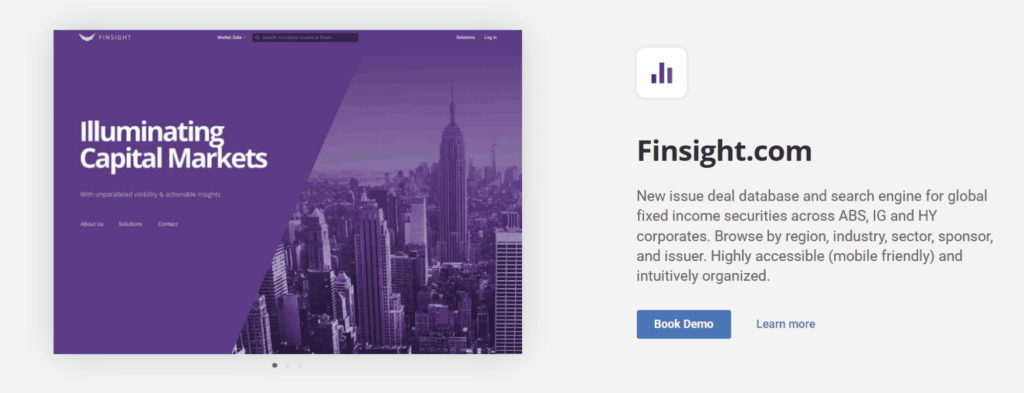
Finsight

FINSIGHT Acquires Leading Bond Market Data Provider, Credit Flow Research (CFR)

FINSIGHT, a prominent technology and market data provider for institutional capital markets, has recently completed the purchase of Credit Flow Research. Credit Flow, which serves a vast network of over 85 broker-dealers and thousands of subscribers, is recognized for delivering detailed, real-time insights and data on the corporate bond markets, both investment grade and high yield. Their offerings include comprehensive deal flow, analyses before and after deals, tracking of new issues, and historical pricing information accessible through both web and API platforms.

This strategic move positions FINSIGHT as a dominant player in monitoring new issues within the US fixed-income market’s principal sectors. Furthermore, the acquisition enhances FINSIGHT’s API services and expands its analytical and commentary capabilities, improving its support to issuers, institutional investors, and broker-dealers in fixed-income markets worldwide.

Key Takeaways
  • Strategic Expansion in Fixed-Income Market: FINSIGHT has entered the market commentary and analysis domain by acquiring Credit Flow Research (CFR), a prominent research and pricing data provider for U.S. investment-grade and high-yield corporate bonds. This move enhances Finsight’s offerings in the U.S. fixed-income sector and strengthens its position as a key new issue monitor.
  • Enhanced Data and Analytical Capabilities: By integrating CFR’s tools, including real-time deal flow, pre-deal and post-deal analysis, and historical pricing data, FINSIGHT expands its API-based services. This provides clients with broader and more detailed market insights, catering to the needs of issuers, institutional investors, and broker-dealers.
  • Focus on Technological Innovation: FINSIGHT aims to drive technological evolution in the institutional fixed-income markets by delivering structured, timely, and accessible data. CEO Leo Efstathiou emphasized the importance of integrating CFR’s expertise to provide flexible solutions that seamlessly integrate into proprietary systems and internal large language models (LLMs).
  • Commitment to Market Leadership: This acquisition reinforces Finsight’s global mission to deliver high-reliability financial technology solutions. The integration of CFR’s offerings is expected to bolster Finsight’s existing platforms, including Deal Roadshow and FINSIGHT Market Data, to support efficient workflows and facilitate informed decision-making in a rapidly evolving market.

FINSIGHT Expands Fixed-Income Offerings with Credit Flow Research Acquisition

FINSIGHT

Image source

Market data and technology company FINSIGHT has broadened its offerings in the US fixed-income sector by acquiring Credit Flow Research, a leading provider of new issue research and pricing data for the U.S. investment-grade and high-yield corporate bond markets. This acquisition signifies Finsight’s debut in providing market commentary and analysis services.

CFR is renowned for offering go-to comprehensive, proprietary, pre-deal, and post-deal analysis, including real-time deal flows, historical pricing data, and new issue monitoring through web platforms and APIs. With thousands of subscribers across 85 broker-dealers active in the corporate bond markets, CFR has established itself as a trusted source of critical market information.

This acquisition places FINSIGHT at the forefront of the U.S. fixed-income market as a top provider of new issue monitoring across its three main pillars. It expands FINSIGHT’s API services and adds commentary and analysis features, offering institutional investors, issuers, and broker-dealers a fuller set of resources for global fixed-income market navigation.

Leo Efstathiou, CEO of FINSIGHT, believed that the institutional hard-and-fast-income markets are on the brink of a significant technological evolution. He stated that their goal is to equip market players with the most detailed, timely, and well-structured data and analysis, which are easily accessible through APIs and offer flexible terms for integration into internal LLMs and proprietary systems. He also mentioned his enthusiasm and appreciation for the chance to collaborate with the team at CFR to fulfill this vision.

This strategic initiative furthers FINSIGHT’s goal of delivering dependable financial technology solutions that optimize distribution and provide valuable insights to institutional capital markets globally. FINSIGHT’s suite of applications, such as Deal Roadshow, FINSIGHT Market Data, and Evercall, enhances workflow efficiency, facilitating substantial capital distribution and supporting numerous leading investment banks, corporations, and institutional investors.

The integration of CFR’s data and analytical capabilities is set to essentially enhance FINSIGHT’s market data offerings, delivering enriched, real-time insights and comprehensive market coverage to clients – providing them with a rich source of information they can rely on. This acquisition highlights FINSIGHT’s dedication to leading innovation in financial technology and its commitment to providing market participants with the most precise and timely information.

As the fixed-income market continues to evolve, FINSIGHT’s expanded capabilities will play a crucial role in supporting the needs of issuers, investors, and broker-dealers, facilitating more informed decision-making and efficient market operations.

About FINSIGHT

About FINSIGHT

FINSIGHT, established in 2013 and headquartered in New York City, is a financial technology company that provides high-reliability solutions designed to offer unparalleled visibility and actionable insights into capital markets. Serving thousands of leading investment banks, corporations, and institutional investors globally, FINSIGHT’s suite of applications streamlines workflows and facilitates the activity of hundreds of billions of dollars worth of capital markets.

The company’s product offerings include Deal Roadshow, DealVDR, FINSIGHT.com, and 17g5.com, each tailored to enhance deal management and compliance within the financial sector. FINSIGHT is renowned for its commitment to customer service, providing unlimited, 24/7 U.S.-based phone, email, and live chat support to all stakeholders. This dedication has earned the company unsolicited positive client feedback, highlighting its exceptional service and innovative solutions.

About Credit Flow Research (CFR)

Credit Flow Research logo

Credit Flow Research (CFR), developed by Boston Light Research, is a premier source of data, analysis, and insights into the credit market. Powered by a skilled team of credit market analysts, CFR actively monitors and analyzes updates on deals, price discussions, roadshows, and book statistics. The platform delivers in-depth views on initial pricing, distribution metrics, spreads, comparative pricing, new issue concessions (NICs), and book data, providing clients with instantaneous narratives and consistent reports.

credit flow reasearch

Image source

CFR offers expansive coverage that includes pipelines, transaction volumes, records, and league tables, enabling detailed analysis before and after deals. It also provides access to historical pricing data, equipping clients with the necessary context to make well-informed decisions. Renowned for its independence and deep connections within the market’s selling and buying sectors, CFR is recognized as a reliable provider of unbiased credit market insights.

Conclusion

FINSIGHT’s acquisition of Credit Flow Research marks a significant step in its growth within the U.S. fixed-income market. By integrating CFR’s robust analytical tools and market data capabilities, FINSIGHT strengthens its position as a leader in providing detailed, real-time insights to issuers, institutional investors, and broker-dealers.

This move reflects FINSIGHT’s commitment to technological innovation and its mission to deliver reliable, actionable solutions that enhance decision-making in institutional capital markets. FINSIGHT’s expanded offerings will improve market efficiency, support client needs, and foster data-driven strategies in a competitive global environment as the fixed-income sector evolves.

digital economy

What Will Redefine the Digital Economy in 2025

Success in the ever-changing digital world depends on having a strong, forward-looking strategy that keeps up with changes, whether it is data analytics, artificial intelligence, blockchain, or cloud computing. Taking the time today to make sure your strategy is clear and focused on future growth is crucial. Here are some key trends in the digital economy 2025, derived from the initiatives of leading professionals and the current technological innovations across the industries poised to transform the digital economy.

1. AI Agents to Replace Most Autonomous Jobs

This year will be the year of AI, bringing with it the power to make decisions independently. This shift is creating profound changes in companies’ operations, boosting productivity and efficiency and providing a competitive edge in numerous sectors.

AI agents are particularly adept at taking over complex, labor-intensive tasks. It melds smoothly with existing systems such as CRM and ERP, allowing it to analyze data on the fly and make bright, timely decisions that improve operations. This helps businesses quickly adapt to market changes, enhance supply chain management, and refine customer service. For example, in customer support, AI agents can manage inquiries and offer personalized help 24/7 without needing human input, thus elevating customer satisfaction and operational flexibility.

AI Agents to Replace Most Autonomous Jobs

The financial benefits of deploying agentic AI are noteworthy. Companies report significant gains in efficiency and productivity as AI automates routine activities like data handling and customer engagements. This saves time and frees up staff to concentrate on more strategic initiatives that contribute more significantly to the company’s goals. As agentic AI is scalable, it grows with the company, enhancing capabilities without a corresponding increase in costs or complexity.

In a recent statement, Sam Altman of OpenAI shared his insights about the future of AI in the workforce. He anticipates that in 2025, we’ll start seeing AI agents that can autonomously perform tasks, significantly impacting company productivity. Altman expressed confidence in OpenAI’s progress toward developing artificial general intelligence (AGI), suggesting that iterative improvements to these powerful tools could lead to widespread benefits.

In his statement, Altman emphasized OpenAI’s aim to achieve superintelligence, a level of AI that could vastly surpass human capabilities. This intelligence could revolutionize scientific discovery and innovation, pushing the boundaries of what’s possible and ushering in an era of unprecedented abundance and prosperity.

2. Integrated Ecosystems to Drive Digital Transformation

As we approach 2025, the rise of the “orchestration economy” signifies a transformative shift in the digital economy from isolated applications to integrated ecosystems that enhance both consumer and business experiences. It is a move towards connected services that simplify operations and increase efficiency across various sectors. In the early 2010s, the digital world was cluttered with various standalone apps and platforms, each functioning independently. This required extensive efforts to manage and integrate and led to inefficiencies for users and businesses handling multiple service providers.

The decade’s latter part saw a pivotal change driven by consumer demands for more unified digital experiences. Instacart and Uber exemplified this trend by amalgamating various services within a single platform, setting the stage for a more integrated approach to digital service delivery.

Entering the 2020s, this integration has evolved into a comprehensive strategy where businesses are no longer just platform providers but orchestrators of services. This new role involves managing and enhancing the interplay between different services, reducing operational complexities, and leveraging data for more personalized user experiences.

The strategic application of AI and automation technologies is central to advancing the orchestration economy. These technologies are essential for knitting together various AI functionalities into streamlined systems that improve productivity and facilitate complex decision-making processes, overcoming the challenge of integrating AI into user-friendly applications.

As this trend continues, the orchestration economy is set to reshape industries by standardizing basic functions and amplifying strategic capabilities. This shift prioritizes the quality and integration of services over the mere number of options available, likening the role of orchestrators to that of a digital operating system that manages both technological access and complexity for businesses.

3. Security Takes Center Stage

As the financial sector transforms, consumer preferences increasingly lean towards integrating robust security within their financial transactions. Highlighting the importance of security and convenience, industry reports since 2015 illustrate a growing demand among consumers for innovative security solutions prioritizing fraud prevention over traditional metrics of convenience and efficiency.

Security Takes Center Stage

Fraud remains a critical concern, significantly shaping consumer behavior. Financial scams have targeted an estimated 77 million U.S. consumers in the last five years, with average losses of $545 per incident. Some scams, like romance scams, have even higher average losses. The prevalence of such sophisticated frauds has catalyzed a demand for more secure transaction processes.

Financial institutions are increasingly focusing on enhancing fraud prevention mechanisms, utilizing cutting-edge technology to offer more secure banking experiences. This includes shifting towards passwordless systems and incorporating more comprehensive identity verification measures. The drive towards adopting such technologies is also motivated by consumer loyalty, with many indicating a readiness to switch banks following a fraud incident to ensure greater security.

Plus, advancements in biometric technologies such as fingerprint, facial, and palm recognition are becoming more common, providing both security and convenience. This adoption extends to digital wallets, which are now evolving into comprehensive platforms that integrate payments, banking, and identity management, offering a fortified safeguarding of consumer data.

The emergence of decentralized identity systems further empowers consumers, offering unprecedented control over their personal data and potentially reshaping the foundations of consumer trust and privacy in financial dealings. This shift not only enhances security features but also aligns with the evolving expectations of consumers who demand rapid and secure adaptations from their financial service providers.

4. Energy-Efficient Computing Drives Sustainability

The demand for data processing and AI capabilities is skyrocketing. This has spotlighted the need for energy-efficient computing, particularly in data centers, where balancing high performance with sustainability is key to reducing environmental impacts.

Data centers are expanding rapidly to support AI-driven applications, which consume significantly more energy than traditional computing tasks. For example, the power used by AI tools like ChatGPT can be up to ten times greater than that used by standard web services. To address this, industry leaders are pioneering new ways to optimize power and cooling technologies in these facilities.

Cooling solutions are a major area of innovation. With the immense heat generated by high-power computing tasks, more sustainable methods like direct liquid cooling and immersion cooling systems are coming to the forefront. These not only help in slashing energy use but also prolong hardware life by managing heat more efficiently.

The shift towards renewable energy is another significant trend. Designing data centers close to renewable sources minimizes carbon emissions and reduces the operational costs of running high-energy AI operations. Plus, many new data center projects are using digital twins—virtual models that simulate and predict real-world data center behavior to boost energy efficiency.

An exciting development is the reuse of waste heat from data centers. Some initiatives are looking to channel this heat into industrial processes or agriculture, such as algae farming, which supports broader sustainability goals and helps foster a bio-circular economy.

The industry is also moving towards autonomous energy solutions to ensure reliable power supplies and lessen reliance on traditional power grids. Innovations include small modular nuclear reactors and high-capacity battery storage systems, offering clean, stable, and resilient energy for data centers. These advancements reflect a commitment to future-proofing digital infrastructure while keeping environmental concerns front and center.

5. Advanced Logistics Redefine Digital Economy

Logistics has become a game-changing element in the digital economy, and its influence is only growing as we move into 2024. Companies like Amazon and Uber are at the forefront, revolutionizing the delivery of goods and services and showcasing the impact of sophisticated logistics on both the economy and consumer convenience.

Advanced Logistics Redefine Digital Economy

Amazon is turning heads with its ultra-efficient logistics, making physical stores outdated for several product categories. As of 2024, 60% of Amazon Prime members in 60 major cities receive orders the same or the next day—a 50% increase from the previous year. Most of these deliveries are from third-party sellers who benefit from Amazon’s robust logistics network, including its Fulfillment by Amazon service. Amazon’s continuous investments in regional fulfillment centers, robotics, and AI to predict shopping trends have dramatically improved inventory accuracy. In fact, an analyst from Truist recently highlighted logistics as potentially Amazon’s next $100 billion venture.

Uber, on the other hand, extends beyond just ride-sharing. Its logistics operations span global delivery and freight services, setting it apart from competitors like Lyft. Uber’s logistical approach optimizes how both people and packages are transported, making it a leader in efficient and innovative transportation solutions.

Sustainability is becoming increasingly crucial in logistics. Companies are adopting eco-friendly practices, like using electric vehicles and optimizing routes to reduce carbon emissions. This shift is driven by regulations, environmental concerns, and consumer expectations, pushing businesses toward greener operations.

Moreover, advancements in AI and IoT are transforming logistics by enhancing real-time data analytics, improving demand forecasting, and automating inventory management. These technologies are crucial in making supply chains more efficient, reducing delays, and supporting better decision-making.

As logistics evolves, it’s integrating cutting-edge technology and sustainability efforts, redefining business operations and consumer value. Companies investing in these innovations are setting themselves up as leaders in the logistics sector, offering faster, more cost-effective, and environmentally responsible solutions.

6. Evolving Regulations Shape Cryptocurrency Future

As 2024 approaches, the U.S. is on the cusp of potentially transformative changes in cryptocurrency regulation, influenced by recent shifts in the political landscape. The potential for a new, crypto-friendly political administration is creating buzz around the possibility of revitalizing digital currencies that took a hard hit in 2022.

A more receptive administration could mean fewer regulations and a chance for the cryptocurrency markets to stabilize and grow after enduring significant losses. The need for some regulatory trimming is becoming apparent, especially in light of past oversights. For example, the crypto winter exposed serious legal breaches that went unnoticed outside of certain cryptocurrency circles, revealing the consequences of unchecked ambition in the face of regulatory requirements.

Many in the business and tech communities are hopeful that the Trump Administration might significantly reduce regulations that they believe restrict business growth and innovation. There are talks of radical changes, including cutting down government agencies and slashing the budget to make more room for entrepreneurial activities.

Under a potential Trump administration, there might be a push to relax securities laws for crypto companies and introduce regulatory sandboxes to spur innovation while maintaining oversight. This approach could make it easier for crypto businesses to experiment and advance technologically without the heavy hand of overregulation.

On the other hand, a Harris administration might opt for a more balanced approach, possibly more lenient than the Biden administration but still committed to strong regulatory enforcement. This stance would aim to nurture innovation in the crypto sector while ensuring investor protection and market stability.

Meanwhile, some U.S. states are advocating for a more decentralized approach to crypto regulation, pushing back against stringent rules. This movement suggests a growing preference for more freedom in the industry, coupled with responsible innovation and market practices.

Globally, the attitude towards crypto regulations is also shifting. Countries like Nigeria, for example, are becoming more open to crypto firms operating within a regulated framework. This trend reflects a broader movement towards a regulated yet stable cryptocurrency market that could attract more institutional investors and bring new stability to the sector.

7. Quick Commerce (Q-Commerce) Expands Beyond Urban Centers

Q-Commerce is transforming the retail industry, moving beyond big cities and urban hubs to make its mark in smaller towns and emerging markets. This growth is fueled by improvements in digital payment systems and infrastructure, making these ultra-fast delivery services efficient and widely accessible.

Quick Commerce (Q-Commerce) Expands Beyond Urban Centers

At its heart, Q-Commerce thrives on its ability to deliver goods in minutes, made possible by strategically located micro-fulfillment centers, often called “dark stores.” These centers are designed to handle high-demand items efficiently, meeting the growing appetite for instant gratification—especially in densely populated areas. Cutting-edge technology, like AI-powered inventory systems and real-time demand tracking, ensures popular items are always in stock and that delivery routes are optimized for speed.

Globally, the Q-Commerce sector is experiencing rapid growth. In India alone, the industry has grown by an impressive 73% annually, reflecting a clear shift in consumer preferences toward faster, more convenient delivery options. This pattern isn’t limited to one region—businesses worldwide are expanding their offerings, with many adopting eco-friendly practices such as electric vehicles and optimized delivery logistics to cater to environmentally conscious shoppers.

One of the most exciting aspects of Q-Commerce is its expansion into Tier 2 and Tier 3 cities. These markets, once overlooked, are now seeing significant attention as companies recognize their potential. Investments in digital infrastructure, like improved payment systems and advanced logistics, make extending services to these untapped areas possible. By forming local partnerships and integrating region-specific features, companies are tailoring the shopping experience to suit diverse customer needs.

Q-Commerce is reshaping how we shop, setting new benchmarks for speed, convenience, and customer satisfaction. With constant innovations in technology and delivery methods, this sector is not only meeting but exceeding customer expectations, ensuring its continued growth and evolution. The rise of Q-Commerce isn’t just about faster delivery—it’s about creating a seamless shopping experience that keeps pace with the modern world.

8. AI Trust, Risk, and Security Management Become Priorities

As AI weaves itself into the fabric of various industries, the focus on AI Trust, Risk, and Security Management (AI TRiSM) has become a top priority for organizations worldwide. With AI playing a crucial role in critical fields like healthcare, finance, and autonomous driving — where its decisions can significantly affect human lives — the need for AI systems to be trustworthy, secure, and regulation-compliant is more important than ever.

Key Components of AI TRiSM:

  • Explainability: Transparency in AI operations is crucial, not only to help users trust and understand AI decisions but also to meet regulatory requirements. Industries such as finance and healthcare, where accountability is paramount, are leading the push for clearer and more transparent AI systems.
  • Ethical Frameworks and Compliance: Developing strong ethical guidelines and ensuring compliance with legal standards is important. These frameworks are designed to keep AI operations in line with organizational values and societal norms, safeguarding user privacy and rights.
  • Security and Anomaly Detection: With AI becoming more common, the risks of security breaches and data leaks are on the rise. Effective security measures and anomaly detection systems are critical to protect sensitive information and preserve the integrity of AI technologies.
  • Continuous Monitoring and Improvement: AI systems need constant monitoring to adapt to new risks and maintain their effectiveness. Regular updates to AI TRiSM strategies help tackle evolving threats and leverage technological advancements.
  • Stakeholder Engagement and Collaboration: Forging strong collaborations with all stakeholders—including employees, customers, and regulators—is vital. These partnerships help set industry standards and share best practices, creating a safer and more reliable AI environment.

The AI TRiSM market is poised for continued growth, with significant investments flowing into technologies that enhance AI’s security, explainability, and ethical governance. These efforts are not just about reducing risks; they’re about maximizing AI’s potential responsibly and effectively, ensuring it adds value to our lives while upholding high ethical standards.

Conclusion

The digital economy of 2025 is poised to undergo significant transformations driven by technological advancements and evolving market dynamics. AI agents, integrated ecosystems, enhanced security measures, sustainable computing, advanced logistics, cryptocurrency regulations, Q-Commerce expansion, and AI TRiSM all represent key developments shaping this future.

To thrive in this rapidly changing landscape, businesses must adopt a proactive approach, focusing on strategic innovation, collaboration, and adaptability. Organizations that leverage these trends effectively will position themselves as leaders in the next phase of the digital economy, ready to capitalize on new opportunities while navigating emerging challenges. By aligning with these advancements today, businesses can secure a competitive edge in tomorrow’s digital marketplace.

Chime Financial

Fintech Giant Chime Files Secretly for IPO in the US

Chime Financial has reportedly enlisted Morgan Stanley to spearhead preparations for its initial public offering (IPO), aiming for a confidential filing by 2025. While the FinTech firm is targeting a public debut that year, the exact timeline remains uncertain and subject to change.

The company achieved a $25 billion valuation in 2021 during rapid technological growth, which later cooled as inflation and interest rates climbed.

Key Takeaways
  • Chime Targets 2025 IPO Amid Market Uncertainty: Chime has confidentially filed for an IPO, aiming for a public debut in 2025. The timeline remains flexible and will depend on market conditions.
  • Strong Growth and Market Position: With 7 million customers and $1.3 billion in revenue (2023), Chime is a leader in digital banking, offering services like fee-free overdrafts, early paycheck access, and credit-building tools.
  • Strategic Acquisitions and Partnerships: Chime acquired Salt Labs in 2024 to expand its offerings for hourly workers and deepened its partnership with NCR Atleos, increasing brand visibility at thousands of ATMs nationwide.
  • Robust Valuation and Investor Backing: Valued at $25 billion in 2021, Chime has attracted investment from top firms like Sequoia Capital and Menlo Ventures, reflecting strong confidence in its long-term potential.

Chime Financial IPO: Fintech Giant Prepares Industry Evolves

Chime Financial, a prominent player in the fintech industry, has recently taken a significant step toward entering the public market. The company has confidentially filed for an initial public offering (IPO) with the U.S. Securities and Exchange Commission (SEC), aiming for a public debut in 2025.

Founded in 2012 by Chris Britt (CEO) and Ryan King (CTO), Chime has established itself as a leading financial technology company offering no-fee banking services. Headquartered in San Francisco, California, Chime’s mission is to provide essential banking services that are helpful, easy, and free, mainly targeting less affluent communities and individuals living paycheck to paycheck.

Chime’s product offerings include fee-free overdraft protection, early access to paychecks, and tools to help members improve their credit. The company is backed by prominent investors such as Menlo Ventures, Forerunner Ventures, Sequoia Capital, Coatue Management, and Acrew Capital. The company partners with FDIC-insured banks, such as The Bancorp Bank, N.A., and Stride Bank, N.A., to hold members’ account balances, ensuring the security of their funds.

Earlier this year, Chime Financial launched a feature enabling customers to access up to $500 of their paychecks in advance. In June, Chime completed the acquisition of Salt Labs, a technology company focused on helping hourly workers capture and build long-term value from their labor. This acquisition provides Chime access to Salt Labs’ existing enterprise client portfolio, opening avenues for expanding primary account memberships and creating new revenue opportunities.

Over the years, Chime Financial has experienced substantial growth. As of 2024, the company reported having 1,300 employees and 7 million customers, processing $8 billion in transactions monthly. In 2023, Chime’s revenue was approximately $1.3 billion. The company’s customers are mainly young Americans with annual incomes ranging from $35,000 to $65,000.

In August 2021, Chime raised $750 million in a Series G funding round led by Sequoia Capital Global Equities, bringing its valuation to about $25 billion. Chime’s journey toward an IPO has been marked by strategic planning and adjustments in response to market conditions. Initially, the company had planned to go public in March 2022 but delayed its IPO in February 2022 due to unfavorable market conditions.

As of December 2023, Chime Co-founder Chris Britt announced that the company had reached a state of complete readiness for an IPO. However, he emphasized that deciding to proceed would depend on carefully observing economic conditions and stock market dynamics.

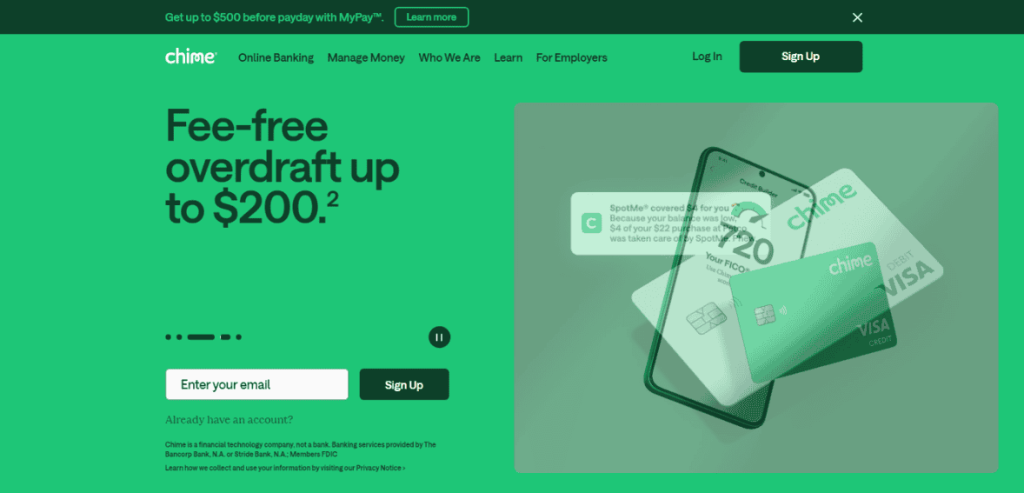
In October, Chime Financial revealed that its free overdraft feature, SpotMe, had provided members with $30 billion in fee-free overdrafts since its launch in 2019. Highlighting traditional banks’ typical $35 overdraft fees, Chime emphasized that SpotMe is designed to address users’ short-term liquidity needs. The feature allows eligible members to overdraw their accounts by up to $200 without incurring fees.

In August, Chime strengthened its collaboration with NCR Atleos, a provider of self-service banking solutions, to further elevate its brand visibility. As part of this partnership, NCR Atleos will display the Chime logo on ATMs located in 4,000 Walgreens stores, enhancing recognition among customers.

Since 2021, Chime members have benefited from free access without fees to over 50,000 ATMs nationwide through Atleos’ Allpoint Network.

The recent confidential filing with the SEC indicates that Chime targets a 2025 public debut. While the exact timing is yet to be finalized and could change based on market conditions, this move reflects Chime’s confidence in its business model and growth prospects.

Chime’s anticipated IPO is when the fintech industry is experiencing significant growth and transformation. The company’s no-fee, digital-first approach appeals to consumers seeking alternatives to traditional banking, particularly those frustrated with fees and seeking more accessible financial services.

About Chime

Image source

Chime, established in 2013 by Chris Britt and Ryan King and based in San Francisco, California, is a financial technology company that offers an alternative to traditional banking. Its mission is to provide simple, accessible, cost-effective financial solutions tailored to the everyday consumer. Chime’s services include features like fee-free overdraft protection, early access to direct deposit paychecks, a secured credit card to help users build credit, and a high-yield savings account. By eliminating fees and offering intuitive tools, Chime empowers users to save money and make financial progress.

Unlike conventional banks, Chime operates without physical branches. Instead, it collaborates with FDIC-insured partner banks to hold customer deposits, ensuring funds remain secure. The company’s revenue model is based on interchange fees collected from merchants when customers use their Chime debit cards, allowing it to provide services without monthly fees or minimum balance requirements.

With a valuation of approximately $25 billion as of 2024, Chime has attracted substantial investment and continues to grow its customer base. Its focus on transparency, accessibility, and financial empowerment has solidified its position as a leader in the fintech industry.

Conclusion

Chime’s confidential filing for a 2025 IPO marks a pivotal moment in its trajectory as a leader in the fintech sector. With a valuation of $25 billion and a robust suite of digital banking services, Chime has positioned itself as a key player in addressing the evolving needs of modern consumers, particularly those seeking alternatives to traditional banking. Strategic acquisitions like Salt Labs and collaborations with NCR Atleos underscore the company’s focus on innovation and growth.

Despite its strong financial performance, including $1.3 billion in revenue and 7 million customers as of 2023, Chime faces challenges in navigating uncertain market conditions. Its history of delaying public market entry demonstrates a cautious approach, aligning its plans with broader economic trends. Nevertheless, Chime’s continued investment in customer-centric services, such as fee-free overdraft protection and early paycheck access, reflects its commitment to financial inclusion and empowerment.

As the fintech industry expands, Chime’s forthcoming IPO represents a milestone for the company and a potential indicator of market sentiment toward digital banking platforms. By leveraging its innovative offerings and solid market presence, Chime is well-positioned to capitalize on future opportunities.

Fiserv and ADP

Fiserv Teams Up with ADP to Empower Small Business Owners

Fiserv, Inc., a premier global provider of payment and financial services technology, and ADP, a top global technology firm offering human capital management solutions, have declared a strategic alliance today. This Fiserv and ADP partnership will combine Fiserv’s leading small business solutions, such as Clover and CashFlow CentralSM, with ADP’s top-tier small business payroll and HR service, RUN Powered by ADP.

The collaboration between Fiserv and ADP is set to commence this quarter, with plans to launch their combined services at the start of 2025, according to the announcement.

Key Takeaways
  • Integrated Solutions for Small Businesses: Fiserv and ADP have partnered to deliver an all-in-one platform combining Fiserv’s payment and cash management tools with ADP’s payroll and HR services, streamlining essential operations for small business owners.
  • Enhanced Efficiency and Financial Management: The collaboration integrates features such as payment processing, payroll management, and cash flow tracking, reducing administrative tasks, minimizing errors, and enabling real-time financial decision-making.
  • Robust Support for Growth and Compliance: By uniting Clover, CashFlow CentralSM, and RUN Powered by ADP®, the solution offers scalability, accurate payroll processing, tax compliance, and workforce management, helping businesses adapt to evolving needs.
  • Launch Timeline and Market Impact: Services will be available by early 2025, targeting U.S.-based small businesses. This partnership is expected to enhance operational efficiency, promote local economic growth, and provide a competitive advantage to adopters.

Fiserv and ADP Partner to Simplify Small Business Operations with Integrated Solutions

Fiserv and ADP Partner to Simplify Small Business Operations with Integrated Solutions

In a strategic move poised to revolutionize small business operations across the United States, Fiserv, Inc., a global leader in payments and financial services technology, has partnered with ADP®, a renowned provider of human capital management (HCM) solutions. Announced on November 19, 2024, this collaboration aims to deliver an integrated, all-in-one solution that streamlines small business owners’ payroll, cash management, and payment processes.

Fiserv’s suite of small business solutions, notably the Clover® platform and CashFlow CentralSM, will be integrated with ADP’s RUN Powered by ADP®, a leading HR and payroll solution tailored for small businesses. This integration will provide U.S.-based small companies with a comprehensive platform that addresses critical operational needs, enabling entrepreneurs to manage their businesses more efficiently.

Clover is a cloud-based point-of-sale (POS) and business management system that facilitates payment processing, inventory management, and customer engagement. Its versatility makes it a preferred choice for various small business types, including restaurants, retail stores, and service providers. CashFlow CentralSM is an integrated account payable (AP) and accounts receivable (AR) management platform that assists businesses in efficiently managing cash flow, ensuring timely payments, and maintaining healthy financial operations.

RUN Powered by ADP®is an industry-leading HR and payroll solution designed specifically for small businesses. RUN offers features like tax filing, payroll processing, compliance support, and employee management, simplifying workforce administration.

Research conducted by Fiserv indicates that 87% of small business owners express interest in a unified, easy-to-use business management system. The fragmented nature of existing tools often leads to inefficiencies, increased administrative burdens, and potential errors. By integrating their respective platforms, Fiserv and ADP aim to alleviate these challenges, providing a seamless experience that consolidates essential business functions into a single interface. The benefits of an integrated platform include:

small business payment processing
  • Operational Efficiency: Combining payment processing, payroll, and cash flow management reduces the need for multiple systems, minimizing manual data entry and the risk of errors.
  • Enhanced Cash Flow Management: With real-time insights into accounts payable and receivable, business owners can make informed financial decisions, ensuring liquidity and economic stability.
  • Simplified Payroll and HR Processes: The integration facilitates accurate payroll processing, tax compliance, and employee management, allowing business owners to focus on strategic growth initiatives.

Frank Bisignano, Chairman, President, and CEO of Fiserv, emphasized the partnership’s alignment with Fiserv’s commitment to meeting the unique needs of small business owners. He remarked that their strategic alliance with ADP reinforces their dedication to developing an integrated solution tailored to the specific requirements of modern small business owners. Incorporating ADP’s payroll services into Clover simplifies the financial management for small businesses, enhancing their ability to conduct transactions, settle bills, and handle payroll more easily.

Maria Black, the CEO and President of ADP stated that uniting two established industry leaders enhances their capacity to support the numerous small businesses that are vital to the U.S. economy. From the outset, their goal has been to assist companies in prospering, and they are streamlining how small businesses handle their workforce with outstanding payroll and HR solutions supported by excellent service. Their commitment continues to be firm in backing, applauding, and investing in small businesses, aiding them in amplifying their community influence.

The partnership between Fiserv and ADP is set to commence in the current quarter, with services anticipated to roll out to small businesses by early 2025. This timeline ensures sufficient preparation to integrate the two platforms and deliver a robust, user-friendly solution.

business

The collaboration between Fiserv and ADP is expected to have a profound impact on the small business landscape:

  • Competitive Advantage: Businesses adopting the integrated solution may gain a competitive edge through streamlined operations and improved customer service.
  • Scalability: The unified platform can accommodate business growth, offering tools that scale with the enterprise’s evolving needs.
  • Community Impact: By empowering small businesses with efficient management tools, the partnership contributes to local economic development and job creation.

Small businesses that expanded their payment acceptance methods — covering in-store and online transactions — tended to perform better than those offering fewer payment options. Research indicates that in 2023, small businesses experiencing growth averaged 6.4 types of accepted payments, while those with declining revenues accepted only 4.7.

On October 31, Fiserv unveiled a new collection of tools tailored for small businesses, launched through Clover and specifically designed to cater to the needs of restaurants, retail stores, and service-oriented businesses.

In January, ADP announced a partnership with AWS to introduce ADP Assist, a generative AI-powered, cross-platform solution to improve support for employees and managers across various businesses.

About Fiserv

Fiserv

Fiserv is a leading global company serving over 13,000 clients and is supported by a dedicated team of 21,000 associates worldwide. The organization is committed to empowering its clients to achieve exceptional outcomes through cutting-edge financial technology and innovative services. Fiserv is renowned for its expertise and offers award-winning solutions across mobile and online banking, payments, risk management, data analytics, and core account processing.

Focusing on pushing the limits of innovation in financial services, Fiserv partners with financial institutions, businesses, and consumers to streamline money movement and management. By delivering advanced tools and specialized knowledge, Fiserv enables faster, easier, and more efficient financial transactions, shaping the industry’s future.

About ADP

About ADP

Image source

Automatic Data Processing, Inc. (ADP) provides cloud-based human capital management (HCM) solutions to businesses globally. The company operates through two main divisions: Employer Services and Professional Employer Organization (PEO). Employer Services offers strategic cloud-based platforms like RUN Powered by ADP for small business payroll and HR needs, ADP Workforce Now for mid-sized and large businesses to manage employees, and ADP Vantage HCM for advanced HR, payroll, and talent management solutions.

Under the ADP TotalSource brand, the PEO division provides HR outsourcing through a co-employment model. This includes employee benefits, compliance support, recruitment process outsourcing, and comprehensive HR management. Founded in 1949 and headquartered in Roseland, New Jersey, ADP is a trusted partner for businesses looking to optimize workforce management and streamline HR processes.

Conclusion

The partnership between Fiserv and ADP marks a significant step forward for small businesses, offering an integrated solution that combines payroll, HR, payment processing, and cash flow management into a single, efficient platform.

By leveraging the strengths of Clover, CashFlow CentralSM, and RUN Powered by ADP®, this collaboration aims to simplify operations, enhance financial decision-making, and support growth. Scheduled for rollout in early 2025, this initiative underscores both companies’ commitment to empowering small business owners with tools to succeed in an increasingly complex market.

B2B Services for Construction Industry

American Express Expands B2B Services for Construction Industry Merchants

American Express (Amex) recently announced new business-to-business B2B services for construction industry merchants. The major player in business payments is joining forces with several B2B companies such as Billd, BILT, and Levelset. With these strategic partnerships, Amex aims to tackle common challenges in the industry by offering better financial solutions, simplifying payment processes, and expanding access to a wide range of resources. The collaboration is expected to provide tools that help manage expenses and improve cash flow in sectors that often encounter financial obstacles.

Each partner offers discounts on services and solutions for eligible merchants who accept American Express or their qualifying customers. Construction businesses could lower their financial risks with new payment options and credit facilities. Introducing these resources might also boost growth among smaller contractors who usually face difficulties securing financing. These organizations hope their joint efforts will support individual businesses and contribute to a more stable construction market.

Key Takeaways
  • Enhanced Financial Solutions for Construction Merchants: American Express’s partnership with Billd offers contractors extended payment terms of up to 120 days, enabling better cash flow management and reducing financial risks. These financing options address a critical challenge in the construction industry—managing erratic payment timelines.
  • Streamlined Payment Processes: Collaboration with Levelset simplifies lien rights management by automating document exchanges and payment workflows. This reduces manual inefficiencies, lowers lien risks, and ensures more predictable and timely payments for merchants and contractors.
  • Innovative Worker Training Solutions: Through its partnership with BILT, American Express supports merchants by offering discounts on interactive 3D-guided training tools. These tools improve installation accuracy, reduce task time, and enhance workforce efficiency, addressing skill gaps in the construction sector.
  • Strategic Support for Industry Growth: By integrating advanced tools and resources into construction operations, these partnerships aim to reduce administrative burdens, empower businesses to secure more significant projects, and foster long-term growth for small and mid-sized contractors.

American Express B2B Services For Construction Industry Strengthens Strategic Partnerships with Billd, BILT, and Levelset

American Express B2B Services For Construction Industry Strengthens Strategic Partnerships with Billd, BILT, and Levelset

In the construction industry, efficiency and smooth operational flow are paramount. American Express recognizes these needs and has been on a strategic plan to enhance support for construction merchants through collaborations with a suite of B2B partners with established payment companies like Billd, BILT, and Levelset. Each company has developed a renowned platform that leverages technology to ensure contractors and subcontractors receive prompt payments, a crucial service in an industry where delays can significantly hinder project schedules.

Meanwhile, with its long-standing expertise in financial management, American Express aims to enhance this support by collaborating to develop a comprehensive system for those in the construction sector.

The construction industry faces many operational challenges, compounded by outdated processes and a shortage of skilled labor. Complex financial transactions, including large-scale purchases, extended project timelines, and intricate supply chains, characterize the construction industry. Managing cash flow, securing financing, and ensuring timely payments are critical challenges that construction merchants face daily.

The challenges often manifest in complex document management, unpredictable cash flow due to delayed payments, and difficulties in finding and training skilled workers adept at using modern technologies.

One of the primary issues plaguing the construction industry is the complicated and slow payment process. Many companies operate with a delayed payment structure that significantly stretches the cash flow, sometimes taking as long as 94 days to settle payments. This delay hampers operational efficiency and imposes financial burdens on contractors, who must often front the costs of labor and materials.​

Manual workflows compound these issues, leading to slow payments and limited terms that force contractors to shoulder labor and material costs upfront. At the same time, finding skilled labor has become increasingly complex, prompting companies to invest in training programs. However, traditional training materials often fail to resonate with digital-native workers, limiting their effectiveness.

Recognizing these unique needs, American Express collaborates with innovative solution providers to bring modern tools and resources to the construction sector. These solutions include advanced process automation tools designed for commercial contractors and building material suppliers, simplifying operations and supporting more predictable cash flow. Additionally, new training solutions aim to engage and upskill technicians more effectively, helping construction firms build a more competent workforce.

These tools are intended to streamline operations and stabilize cash flow, making financial operations more predictable. Their offerings include tools like Buyer Initiated Payments (BIP) and AP Automation, designed to integrate seamlessly with existing accounts payable systems, facilitating quicker payment cycles and reducing the reliance on manual, error-prone processes.

While the specific details of the new partnerships have not been fully disclosed, American Express has a history of collaborating with various financial technology companies to enhance its offerings. For instance, Amex’s acquisition of Kabbage has enabled the provision of flexible lines of credit to small businesses, including those in construction. Kabbage Funding from American Express allows eligible small business customers to apply for lines of credit ranging from $2,000 to $250,000, providing flexible access to funds when needed.

With these partnerships, construction merchants can expect the following:

  • Enhanced Financing Options:

Addressing a critical challenge in construction, Billd, a financial services leader in the industry, provides a solution for contractors’ working capital and procurement needs. Through its partnership with American Express, Billd offers commercial contractors extended payment terms of up to 120 days on eligible materials purchases.

Eligible American Express-accepting merchants can refer their contractor customers to Billd, enabling them to access these benefits. This collaboration ensures merchants receive timely payments while offering contractors a reliable financial tool to manage their cash flow.

Chris Doyle, the Chief Executive Officer of Billd, expressed enthusiasm about joining forces with American Express. This partnership aims to provide commercial contractors with accessible material financing. This collaborative venture will enable merchants to secure prompt payments and offer contractors the necessary working capital to manage the erratic payment timelines typical in the construction sector.

  • Innovative Training & Implementation Solutions:

Training workers efficiently and accurately is another critical aspect of construction management, and BILT Incorporated is revolutionizing this process. The creators of the 3D BILT platform provide interactive, 3D-guided instructions with voice, text, and animated guidance to help contractors minimize installation errors and reduce time on tasks. Eligible merchants accepting American Express can benefit from discounts on production costs for these innovative training tools.

Nate Henderson, President & CEO of BILT, stated that their collaboration with American Express focuses on providing merchants with the tools to directly offer digital training to construction workers. 3D-guided work instructions aim to decrease installation errors, reduce time spent on tasks, and minimize the need for follow-up calls.

  • Streamlined Payment Processes:

Managing lien rights and payments in the construction industry has long been challenging, often burdened by manual processes and inefficiencies. To address this, Levelset, a Procore company, offers a cutting-edge solution for merchants. As a leading construction software platform, Levelset streamlines lien rights management by organizing documents across the payment chain, eliminating a significant pain point in the industry.

For eligible merchants accepting American Express, the collaboration brings cost-saving opportunities in lien rights management. It helps merchants manage payment processes more smoothly by automating the exchange of waivers and preliminary notices, significantly reducing lien risks and the hassle associated with manual document handling. The Procore integration allows general contractors to automate waiver requests and collection processes, making the management of compliance workflows easier and enhancing visibility into project participants​.

Ryan Beason, the Head of Sales at Procore’s Levelset, announced their partnership with American Express, which aims to enhance the capabilities of financial leaders in the construction sector. This initiative focuses on simplifying the management of lien rights and automating reminders for payment escalations, allowing merchants to concentrate on expansion and their core activities — constructing tomorrow. This collaboration reflects their mutual commitment to equipping suppliers, equipment lessors, and contractors with the necessary tools and resources for success.

Streamlined Payment Processes

Together, these partnerships with Billd, BILT, and Levelset supported by American Express, showcase a united effort to address key challenges in construction management — ensuring smooth operations, improved financial solutions, and efficient worker training, all aimed at empowering merchants and contractors to focus on building the future.

R.J. Ancona, VP and GM of B2B Products, Partnership & Client Management, and Merchant Services at American Express, noted that the construction sector is crucial in bolstering various industries and communities.

He highlighted that the sector is navigating distinct challenges requiring innovative responses. American Express is enhancing its support to construction merchants with B2B payment solutions and has introduced referral partnerships to mitigate industry-specific difficulties. These initiatives help construction companies optimize operations, pursue expansion, and sustain robust, dependable connections throughout the supply chain.

Introducing these partnerships signifies American Express’s commitment to address the specific challenges construction merchants face. With streamlined payment and financing solutions, merchants can reduce administrative burdens and focus more on core business activities. It will also encourage enhanced competitiveness as access to flexible financing and business insights can empower merchants to bid on larger projects and expand their market presence.

About American Express

American Express

American Express Company, along with its subsidiaries, is a comprehensive payments company. It provides credit card products, along with travel-related services. It is divided into several segments: Global Commercial Services, Global Consumer Services Group, Global Merchant and Network Services, and Corporate & Other. The company offers a range of products and services, such as credit and charge cards, banking, other payment and financing options, network services, expense management tools, and travel and lifestyle services. It provides merchant acquisition, servicing, processing, and settlement services, marketing at the point of sale, and fraud prevention. Additionally, it manages customer loyalty programs and operates airport lounges under the Centurion Lounge brand.

American Express markets its products and services to individual consumers, small businesses, and large corporations using mobile and online applications, referrals, affiliate marketing, direct mail, third-party providers, in-house teams, telephone sales, and advertising. Founded by Henry Wells, William G. Fargo, and John Warren Butterfield on March 28, 1850, American Express is headquartered in New York, NY.

About Billd

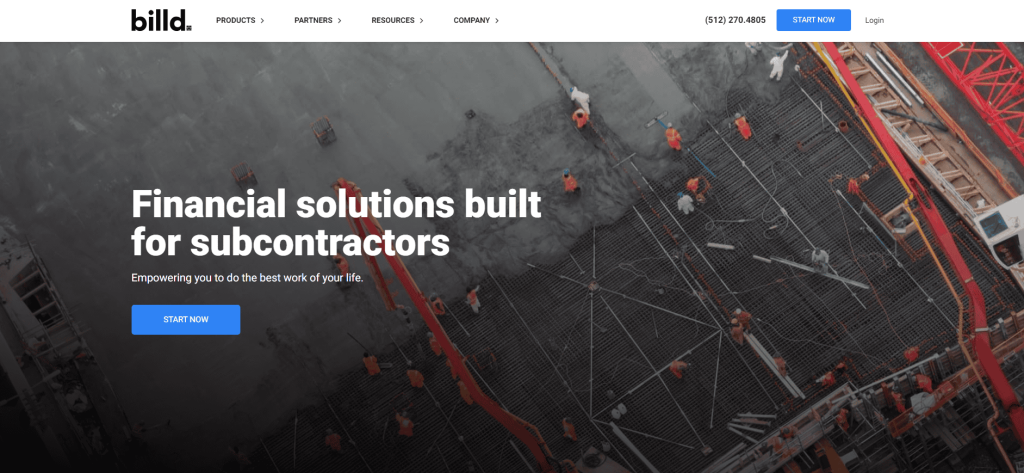
billd website screenshot

Image source

Billd is a pioneering financial services firm based in Austin, Texas, established in 2018 by Christopher Doyle and Jesse Weissburg. The company focuses on resolving the cash flow challenges commonly faced in the construction industry by providing tailored financing solutions. Billd empowers subcontractors by offering project-based financing, allowing them to purchase materials upfront and manage payments over time, aligning with the construction industry’s unique financial cycles. This approach helps subcontractors maintain liquidity and stability through more predictable cash flow, supporting their operational and business growth needs.

Billd has raised $90 million through various funding rounds to support its mission, underscoring its commitment to transforming financial access and management for subcontractors. The firm operates with a deep understanding of the construction sector’s nuances, positioning itself as more than just a financier but a client partner.

About BILT

BILT

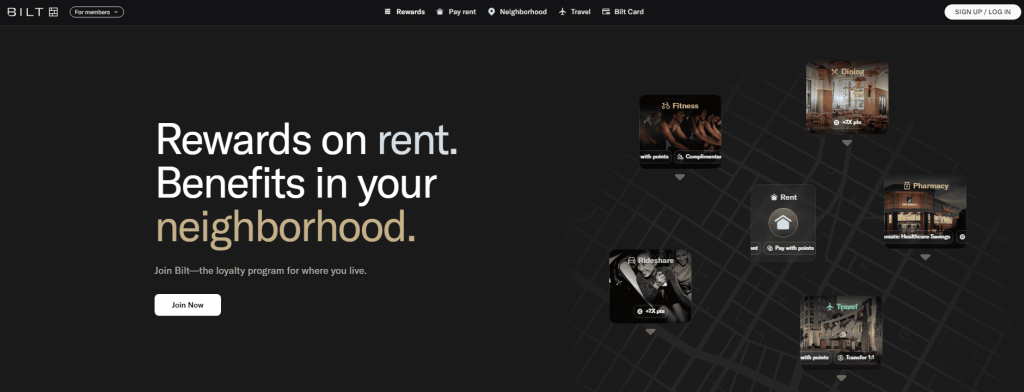
Image source

BILT, established in 2012 and based in Grapevine, Texas, has developed a customer experience platform known for its innovative approach to user instruction via 3D interactive guides. These guides are enhanced with voice and text support, fundamentally changing how users interact with a variety of products. BILT’s technology makes complex assembly, installation, and setup processes more straightforward and intuitive, which is especially valuable in retail and government sectors where clarity and efficiency are crucial.

The company has garnered attention for its pioneering solutions, securing $10.8 million in funding to advance its technology and expand its reach. BILT’s dedication to improving the user experience is reflected in its substantial growth and recognition in the industry, making it a notable player in the tech and customer service landscapes.

About Levelset

About Levelset

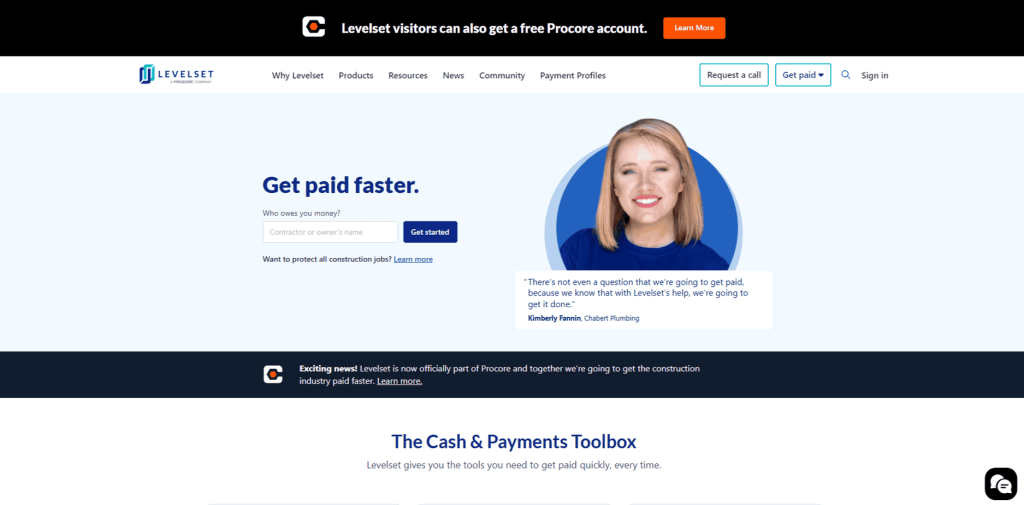
Image source

Levelset, now a subsidiary of Procore, specializes in enhancing payment processes in the construction industry through a robust platform designed to manage lien rights and streamline job-related financial transactions. Established in 2007 and based in New Orleans, Louisiana, Levelset mitigates risk and enhances the visibility of payment workflows, aiding contractors, suppliers, and other stakeholders in ensuring timely compensation.

With features like job research and risk intelligence, the company supports construction projects by providing critical tools to navigate the complexities of project payments. Levelset’s platform has been instrumental in the smooth operation and financial management of numerous construction projects, maintaining a strong focus on construction finance’s legal and procedural aspects.

Conclusion

American Express’s strategic partnerships with Billd, BILT, and Levelset highlight its commitment to addressing critical challenges construction merchants face.

By offering advanced financial tools, streamlined payment processes, and innovative training solutions, these collaborations provide construction businesses with the resources to enhance efficiency, manage cash flow, and upskill their workforce. These initiatives reinforce American Express’s dedication to empowering merchants and contractors, enabling them to overcome industry-specific hurdles and focus on driving growth and building the future.

Mastercard and Worldpay Roll Out Virtual Card Solutions for Travel Agents

Mastercard and Worldpay Roll Out Virtual Card Solutions for Travel Agents

Worldpay, a payment technology firm, has joined Mastercard to enhance supplier payment processes and develop specialized solutions for travel agents. This collaboration addresses travel agents’ challenges in managing payments to suppliers like airlines and hotels. The goal is to streamline these supplier payouts and offer customized services to travel agents.

This partnership builds on an alliance between Mastercard and Worldpay, established in March 2024 and focused on improving merchant transaction experiences. This involved assisting merchants in handling disputes more efficiently and reducing chargebacks. Worldpay had integrated Mastercard’s Ethoca Alerts into its services, providing merchants with an early warning system to prevent disputes from escalating into chargebacks and to reduce financial losses from fraud.

Key Takeaways
  • Streamlined Payment Processes for Travel Agents: Mastercard and Worldpay’s virtual card solutions simplify supplier payments for travel agents, addressing challenges with multi-currency transactions and improving the efficiency, security, and flexibility of financial operations.
  • Enhanced Transaction Transparency and Customization: The integration of dynamic product code by Mastercard allows travel suppliers and agents to establish customized payment terms, providing detailed payment insights and fostering improved financial management.
  • Reduced Fraud Risk and Improved Cash Flow: Virtual cards generate unique numbers for each transaction, reducing unauthorized usage risks. They also facilitate quicker payments than traditional methods, enhancing travel agents’ cash flow and operational efficiency.
  • Strategic Focus on the Travel Industry: Leveraging Worldpay’s expertise in the travel industry, with a transaction volume exceeding $100 billion annually, this collaboration enhances tailored payment solutions for travel agencies while encouraging broader acceptance of virtual cards among suppliers.

Mastercard and Worldpay Launch Virtual Card Solutions to Streamline Payment Processes for the Travel Industry

Mastercard and Worldpay Launch Virtual Card Solutions to Streamline Payment Processes for the Travel Industry

Mastercard and Worldpay are making payment processes easier for travel agents by introducing virtual card solutions. The Mastercard Wholesale Program is a new initiative that tackles the long-standing challenge of managing payments to suppliers like hotels, airlines, and other service providers in the travel industry. It enables transactions that are streamlined, secure, and flexible.
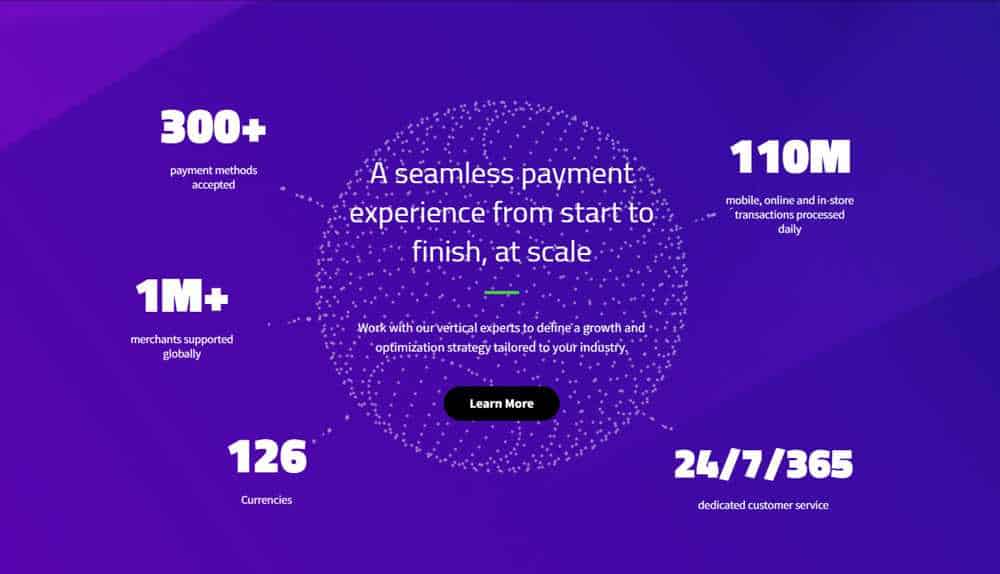
Virtual cards offer numerous advantages, including faster payments and enhanced security. Each transaction uses a unique card number, reducing the risk of unauthorized use and protecting travel clients’ and agents’ financial information. This is especially important in the travel industry, where many transactions occur online and are vulnerable to fraud.

Plus, the flexibility of virtual cards is a significant benefit. Travel agents can manage payments in different currencies and customize the cards for specific vendors or transactions. This makes tracking expenses and budgeting more accurate and straightforward. As a result, financial management becomes simpler for travel agents, and they gain a clearer, more transparent view of expenses related to each client or project.

Through Mastercard’s Wholesale Program, Worldpay can offer virtual cards to travel agents, enhancing payment processing efficiency for its clients across Europe and the U.K.

One of the standout features of this partnership is Worldpay’s introduction of Mastercard’s dynamic product codes. Worldpay is the first company to offer this business-to-business service, making transactions clearer and more adaptable. Travel suppliers and agents can create customized payment terms that benefit both parties.

Additionally, the collaboration between Mastercard and Worldpay enhances transaction transparency even further. With access to detailed payment insights and reports, travel suppliers and agents can better take advantage of virtual card payments, optimizing their financial interactions and making the most of their partnerships.

Mastercard and Worldpay

Chiara Quaia, Mastercard’s Senior VP for Travel Industries, shared her thoughts on the new initiative. She mentioned that more and more businesses are looking for payment options that are fast, secure, and flexible, like virtual cards. Chiara is excited about pushing this technology forward with Worldpay’s partnership. With the Mastercard Wholesale Program, Worldpay is boosting its services for travel agencies by providing a customizable business-to-business payment system that you can customize to fit specific market and product needs.

The collaboration between Mastercard and Worldpay, utilizing virtual cards within the travel industry, marks a pivotal advancement in updating the payment systems. This modernization enhances the efficiency, security, and customization of financial transactions throughout the travel sector. Worldpay offers its clients access to the API of the dynamic product code through this partnership, ensuring a flexible program implementation without the complexities of a traditional setup.

Nabil Manji from Worldpay highlighted the company’s commitment to the travel and airline industries. Worldpay partners with over 130 airlines and the top three global agencies, processing over $100 billion in travel transactions last year alone. This extensive experience makes them experts in addressing the unique payment needs of the sector. By teaming up with Mastercard on the virtual card program, Worldpay aims to streamline payment processes for travel agents to encourage travel suppliers to adopt virtual cards through more precise, data-driven methods.

Virtual cards play a key role in Worldpay’s all-in-one payment solutions for the travel industry. These virtual cards help travel distributors improve cash flow and lower credit risks by combining global payment processing with card issuance. As a leading payment provider in the travel sector, Worldpay is well-equipped to create customized technical and commercial solutions that meet the industry’s specific needs.

Businesses looking to simplify their payable processes should consider using virtual cards, especially when dealing with suppliers hesitant to disclose their banking details for ACH transfers.

Virtual cards offer almost immediate payment capabilities, unlike paper checks, which can be delayed by postal service and require manual deposit. These cards expedite payment times, give businesses better control over cash flow, decrease the risk of fraud, and occasionally offer cash-back rewards.

In recent years, virtual cards have become increasingly popular, particularly among mid-sized companies that want to improve the speed and security of their payments.

About Mastercard

Mastercard

Founded in 1966, Mastercard Inc. is a pivotal player in the global payments industry, linking consumers, financial institutions, merchants, governments, and businesses to streamline transaction processes such as authorization, clearing, and settlement. The company provides a variety of payment methods, including credit, debit, prepaid, and commercial cards, alongside digital and real-time account-based payment options. Mastercard also offers additional services like loyalty programs and sector-specific consulting.

With operations in over 210 countries and territories, Mastercard is headquartered in Purchase, New York. It was initially established as the Interbank Card Association by a consortium of banks as a competitor to BankAmericard, now known as Visa. Throughout its history, Mastercard has expanded its influence and technological capacity through mergers and partnerships, including significant alliances with Eurocard and Europay International. Today, the company focuses on technological advancement and security, driving digital innovation within the financial services industry.

About Worldpay

Worldpay

Image source

Worldpay is a prominent payment technology and services player, serving various omni-commerce merchants worldwide. The firm offers a robust array of services, including processing transactions for debit and credit cards, providing cloud-based payment solutions, and supplying point-of-sale (POS) systems. Worldpay also facilitates mail and telephone payment services, enabling businesses to operate efficiently across multiple payment channels.

The company serves a broad spectrum of clients across various sectors like retail, finance, and travel, from small businesses to major corporations and software platforms. Known for improving merchant capabilities for both in-person and online payments, Worldpay simplifies international commerce. With over 40 billion transactions processed annually in 146 countries, Worldpay demonstrates its extensive reach and impact in fintech.

Conclusion

The partnership between Worldpay and Mastercard marks a significant advancement in the payment solutions offered to travel agents. By introducing virtual cards, the partnership effectively addresses the challenges of managing supplier payments, offering increased efficiency, enhanced security, and greater flexibility. Integrating dynamic product codes further supports transparency and customization, making it easier for travel suppliers and agents to agree on terms that work for both parties.

With the ability to streamline transactions across different currencies and improve financial oversight, this initiative is poised to transform payment processes in the travel industry, providing a much-needed solution to simplify financial operations and reduce fraud risk. As the industry continues to embrace digital payment solutions, this partnership sets a strong foundation for future innovations in payment infrastructure.

Credit Card Reward

CFPB Cracks Down on Deceptive Credit Card Reward Practices

The Consumer Financial Protection Bureau (CFPB) has recently issued a circular addressing concerns about deceptive practices in credit card reward programs. The agency warned that specific credit card issuers might be violating federal law by devaluing earned rewards, obscuring conditions for earning and retaining rewards and failing to deliver promised benefits.

The CFPB highlighted that since 2019, over 90% of the general-purpose card spending has been on rewards credit cards. By the end of 2022, 75% of general-purpose credit cards offered rewards. Consumers have reported difficulties in redeeming rewards and unexpected devaluations due to policy changes by issuers or their partners.

The circular emphasized that devaluing earned rewards, hiding conditions in fine print, and failing to deliver promised benefits could constitute unfair, deceptive, or abusive acts or practices under federal law.

JPMorgan Chase, Bank of America, and Wells Fargo Sued by CFPB for Negligence on Zelle Fraud
Key Takeaways
  • Deceptive Practices in Credit Card Rewards Programs: The CFPB is addressing issues such as devaluing earned rewards, obscuring terms for earning or redeeming them, and failing to deliver promised benefits, which may violate federal laws prohibiting unfair, deceptive, or abusive acts or practices (UDAAP).
  • Transparency and Consumer Protection Tools: The CFPB launched the “Explore Credit Cards” tool to enhance competition and transparency, allowing consumers to compare over 500 credit card options using unbiased data. This initiative aims to empower consumers to make informed financial decisions.
  • Retail Credit Cards and High Costs: Retail credit cards often carry higher costs than general-purpose cards, with more than 90% having maximum APRs exceeding 30%. The CFPB highlights the disproportionate impact of these cards on late fees and consumer dissatisfaction.
  • Industry Response and Regulatory Challenges: The Electronic Payments Coalition criticized the CFPB’s actions as politically motivated, arguing that credit card rewards are essential for many Americans. Ongoing scrutiny of the industry includes the Capital One–Discover merger, which raises concerns about competition and consumer choice.

CFPB Targets Deceptive Practices in Credit Card Rewards Programs

CFPB Targets Deceptive Practices in Credit Card Rewards Programs

The CFPB has recently intensified its scrutiny of deceptive practices in credit card rewards programs, particularly those resembling bait-and-switch tactics. These practices involve enticing consumers with attractive rewards, which later diminish their value or make them difficult to redeem. Such actions erode consumer trust and violate federal laws prohibiting unfair, deceptive, or abusive acts or practices (UDAAP).

On December 18th, the CFPB issued a circular to law enforcement agencies, highlighting potential legal violations by credit card companies that devalue earned rewards or obscure the terms for earning and redeeming them. The Bureau emphasized that such practices could constitute unfair or deceptive acts, urging other regulators to take action against these schemes.

  • Devaluation of Earned Rewards: Some credit card issuers reduce the value of rewards that consumers have already accumulated. This devaluation can occur through changes in redemption rates or by increasing the points or miles required for certain rewards, effectively diminishing the benefits consumers were promised.
  • Obscured Conditions for Earning or Retaining Rewards: Issuers may bury critical terms and conditions in fine print or use vague language, making it difficult for consumers to understand the requirements for earning or maintaining rewards. Such lack of transparency can lead to consumers being unfairly denied rewards they believed they had earned.
  • Not Delivering the Said Benefits: Technical issues or system failures can prevent consumers from redeeming rewards. When issuers do not address these problems promptly, consumers may lose out on benefits they were led to expect.

These deceptive practices have significant financial implications for consumers. Since 2019, over 90% of general-purpose credit card spending has been on rewards cards, indicating the importance consumers place on these programs. When rewards are devalued or rendered inaccessible, consumers may not receive the benefits that influenced their choice of credit card, leading to financial losses and diminished trust in financial institutions.

The CFPB has acted against companies like Bank of America and American Express for unlawful practices involving credit card rewards programs. The agency plans to monitor these programs and address any issues as needed.

CFPB Director Rohit Chopra criticized major credit card issuers for using deceptive tactics to attract consumers to expensive cards, prioritizing their profits while withholding promised rewards. He stated that companies should fulfill those commitments when advertising cashback offers or complimentary airfare. The CFPB is addressing these misleading practices and working to encourage greater competition in the credit card industry to safeguard consumers and expand their options.

In the same release, CFPB published new research focusing on retail cards, a significant consumer credit card market segment. As of 2024, private-label retail cards represent 25% of all credit card accounts, totaling more than 160 million open accounts.

According to the CFPB, retail credit cards carry higher costs than general-purpose cards. Specifically, more than 90% of retail credit cards have maximum APRs over 30%, whereas non-retail general-purpose credit cards have a maximum APR of 38%. In December 2024, the average APR for new accounts on top retailer private label cards was 32.66%.

Consumer complaints reported to the CFPB highlight issues, including aggressive sales tactics during purchases, challenges in redeeming promotions, and dissatisfaction with fees related to paper statements and late payments. The CFPB’s analysis reveals that private-label store cards contribute disproportionately to late fee volumes relative to their account volume.

The CFPB also encourages more credit card issuers, especially smaller providers, to contribute to the dataset to enhance market competition and broaden consumer choices. The next update to this publication is scheduled for Spring 2025.

The CFPB has introduced “Explore Credit Cards,” an online system designed to help consumers compare over 500 credit cards using unbiased, comprehensive data to solve these issues. This resource aims to enhance competition and transparency in the market, enabling consumers to make more informed decisions and potentially avoid cards with deceptive rewards programs.

Harsh Response From EPA Amidst Industry Scrutiny and Major Merger Developments

Harsh Response From EPA Amidst Industry Scrutiny and Major Merger Developments

The CFPB’s efforts come during the high-activity shopping and travel period at the end of the year. Retail card issuance is typically seasonal, with a noticeable increase in November and December due to elevated holiday sales and promotional offers.

However, the Electronic Payments Coalition responded by describing the CFPB’s actions as politically driven and disconnected from the practical ways American families use credit card rewards to mitigate the impact of inflation.

EPC Executive Chairman Richard Hunt stated that credit card rewards are crucial for Americans across all income levels, particularly during the holiday season, as they help manage inflation and cover essential expenses like gas, groceries, and travel to visit family. He argued that if regulators genuinely aimed to support Americans, their attention should be directed toward large retailers and grocery chains that significantly increased prices, disrupted the supply chain, and harmed small businesses while undermining competition during the pandemic.

EPC continued that the CFPB’s investigation into credit card rewards began after Senators Dick Durbin and Roger Marshall used the Bureau and the Department of Transportation to target opposition to their proposed legislation that would impose new regulations on credit cards.

EPC further highlights that the CFPB’s press release gives a glimpse of the competitiveness of the credit card market, pointing out that consumers have access to over 500 credit card options and that the Bureau’s comparison tool underscores the range of benefits offered by these cards.

The CFPB’s circular warns credit card issuers that engaging in bait-and-switch tactics with rewards programs can lead to legal consequences. The Bureau has previously taken action against issuers for similar practices, including ordering financial restitution to affected consumers. Issuers are advised to review their rewards programs to ensure transparency and fairness, thereby avoiding potential violations of consumer protection laws.

In a related development, Capital One Financial Corporation and Discover Financial Services have scheduled special meetings for their shareholders on February 18, 2025, to vote on Capital One’s proposed acquisition of Discover. The all-stock deal, valued at $35.3 billion, aims to create a formidable competitor in the credit card industry. The merger has faced scrutiny from regulators and consumer advocates concerned about potential impacts on competition and consumer choice.

Conclusion

The CFPB’s circular underscores the importance of transparency and fairness in credit card rewards programs, highlighting issuers’ legal and ethical obligations to uphold their commitments. With consumers’ growing reliance on reward cards, deceptive practices such as devaluing earned rewards and obscuring terms pose significant risks to consumer trust and financial stability.

The introduction of tools like “Explore Credit Cards” aims to provide consumers with the information needed to make informed choices while fostering competition in the market. However, the debate surrounding the CFPB’s actions and the broader credit card industry, including major merger developments, reflects the complexity of balancing consumer protection, market competition, and corporate interests.

As regulatory scrutiny intensifies, credit card issuers must reassess their practices to align with legal standards and consumer expectations, ensuring a fairer and more transparent credit card ecosystem.

interest rate cut

Stocks Decline as Fed Suggests Slower Rate Cuts

U.S. stocks dropped sharply, with all three major indexes seeing their most significant daily decline in months following the Federal Reserve’s proposed interest rate cut by 0.25 percentage points. However, the central bank’s forecasts for next year, indicating a more gradual pace of rate cuts, left some investors dissatisfied. The Fed lowered rates to a range of 4.25% to 4.50%, and its economic projections suggested that rate cuts of 0.5 percentage points could occur by the end of 2025 in light of a strong labor market and recent challenges in reducing inflation.

Key Takeaways
  • Federal Reserve Rate Cuts: On December 18, 2024, the Federal Reserve reduced interest rates by 0.25 points to a range of 4.25% to 4.50%. This was the third rate cut of the year but signals a slower pace for 2025, with only two more projected cuts than four previously anticipated.
  • Market Reactions: Major stock indices, including the Dow Jones, S&P 500, and Nasdaq, fell significantly following the announcement. Investor concerns were driven by the Fed’s cautious stance on future monetary easing and the potential impact on economic growth.
  • Economic and Policy Uncertainties: The Fed’s projections reflect concerns about persistent inflation and uncertainties surrounding policy changes under the incoming Trump administration, including potential tariffs and economic reforms that could elevate inflationary pressures.
  • Broader Economic Impact: Treasury yields rose in response to the announcement, further pressuring interest-rate-sensitive sectors. Smaller companies, represented by the Russell 2000 index, were particularly affected, while tech stocks, including Nvidia, continued to experience declining momentum.

Federal Reserve Announces Interest Rate Cut Amid Signals of Slower Easing in 2025

Federal Reserve Announces Interest Rate Cut Amid Signals of Slower Easing in 2025

On December 18, 2024, the Federal Reserve announced a 0.25 percentage point reduction in its benchmark interest rate, bringing it to a target range of 4.25% to 4.5%. This decision marks the third rate cut of the year, following a 0.5 percentage point reduction in September and a 0.25 percentage point cut in November.

In addition to the rate cut, the Federal Reserve signaled a more cautious approach for 2025, projecting only two additional rate cuts, down from the four cuts anticipated in previous forecasts. This adjustment reflects concerns about persistent inflationary pressures and uncertainties surrounding the incoming administration’s economic policies. The reduced number of rate cuts could potentially lead to a slower economic growth rate and higher inflation, which may impact market trends in the coming year.

The Fed’s announcement had an immediate and significant impact on financial markets. Major stock indices experienced substantial declines, with the Dow Jones Industrial Average plummeting over 1,100 points, a decrease of approximately 2.6%. The S&P 500 fell 2.9%, and the Nasdaq Composite declined 3.6%. These movements underscore the investor apprehension regarding the Federal Reserve’s revised monetary policy trajectory and its potential implications for economic growth, highlighting the gravity of the situation.

Federal Reserve Chair Jerome Powell emphasized the need for a measured approach to future rate adjustments, citing the current strength of and ongoing inflation concerns. He noted that while the economy has shown resilience, the central bank must remain vigilant to achieve price stability and maximum employment.

This marked a significant change after the Fed implemented a higher-than-usual half-point rate cut in September amid expectations that a series of rate reductions might follow. At a press conference following the meeting, Jerome Powell mentioned that the decision was tough but ultimately the right choice. He also noted that from now on, the Fed would enter a new phase and proceed with caution regarding future rate cuts.

This was the last scheduled rate decision before Democratic President Joe Biden leaves office, making way for Republican Donald Trump, whose economic agenda includes raising tariffs and deporting millions of undocumented workers. Updated projections reveal that Fed officials expect inflation to remain more persistent next year than earlier forecasts suggested, possibly due to policy shifts from President-elect Donald Trump.

The non-partisan Congressional Budget Office (CBO) predicts new tariffs would slow economic growth and increase inflation.

After Trump’s November election win, some analysts reduced their expectations for rate cuts in 2025, cautioning that the Fed might need to maintain higher rates for an extended period.

The Federal Reserve’s updated projections suggest that the federal funds rate could end 2025 at approximately 3.9%, implying two 0.25 percentage point cuts during the year. This is a more conservative estimate than earlier forecasts, which anticipated a more aggressive easing cycle.

Analysts have expressed concerns that the Federal Reserve’s cautious stance may be influenced by potential fiscal policies under the incoming administration, including proposed tariffs and tax reforms, which could exert upward pressure on inflation. The central bank’s approach reflects a balancing act between supporting economic growth and preventing an overheating economy.

When asked about the Federal Reserve’s decision to slow the pace of interest rate cuts, Jerome Powell highlighted the job market’s strong performance and the recent inflation increase. He also mentioned the uncertainties in the economy that might require policy adjustments in the future.

stock market crash

Lower interest rates generally help stimulate the economy by making borrowing cheaper, but they can also increase inflation. As a result, the Fed faces the challenge of supporting economic growth while managing inflation risks.

Some Fed officials are factoring in uncertainties related to the new administration’s policies, including the possibility of higher tariffs and other actions that could affect inflation and overall economic conditions. Powell cautioned that these uncertainties call for a careful approach, comparing the situation to “driving on a foggy night or walking into a dark room full of furniture.”

The Fed’s decision to slow rate cuts has significantly affected financial markets. Treasury yields have risen, with the 10-year yield increasing from 4.40% to 4.50% and the two-year yield moving from 4.25% to 4.35%. These higher yields have led to a decline in the stock market, particularly among companies sensitive to rising interest rates. For example, the Russell 2000 index, which tracks small-cap stocks, dropped 4.4%, as smaller companies tend to rely more heavily on borrowing and are more impacted by higher rates.

Nvidia, a major contributor to Wall Street’s recent gains, saw its stock drop by 1.1%, extending a downward trend. The stock has fallen more than 13% from its peak last month and has declined in nine of the past 10 days as its growth momentum slows.

Conclusion

The Federal Reserve’s decision to slow the pace of interest rate cuts reflects its cautious approach amid persistent inflationary pressures and economic uncertainties. While the modest 0.25 percentage point reduction aligns with prior easing efforts, the updated projections for 2025—indicating only two additional cuts—underscore a shift in strategy. This recalibration considers a resilient labor market, inflationary concerns, and potential policy shifts under the incoming administration.

Investor reactions were swift, with significant declines in major stock indices signaling apprehension about the Fed’s revised trajectory. Rising Treasury yields further illustrate the market’s adjustment to the prospect of prolonged higher interest rates. Companies reliant on borrowing, particularly smaller firms, bore the brunt of the impact, as evidenced by the sharp drop in the Russell 2000 index.

Federal Reserve Chair Jerome Powell emphasized the importance of balance, prioritizing economic stability while managing inflation risks. His analogy of navigating uncertainty reflects the delicate nature of monetary policy in the current environment. As the Fed adapts to evolving fiscal and economic conditions, its approach highlights the complexities of fostering growth without exacerbating inflation.

This decision sets the tone for 2025, as market participants anticipate further developments under a new administration and the central bank’s measured strategy to achieve its dual mandate.

afterpay

Afterpay’s BNPL Features Now Available on Google Pay

Google Pay is expanding its payment capabilities by seamlessly integrating services from Afterpay and Klarna into its versatile platform. Now, users shopping online through Google Pay can take advantage of Afterpay, a feature that will gradually roll out to an increasing number of retailers. Customers in the U.S. will also have the opportunity to utilize Klarna’s interest-free payment plans for their purchases, provided they are $35 or more. Afterpay BNPL on Google Pay will enhance the shopping experience for Google Pay users, offering them increased flexibility and a wider array of choices during the checkout process.

In addition, Google Pay will introduce financing options accompanied by annual percentage rates (APRs), enabling users to choose payment methods that better suit their financial needs. With the Klarna app at their fingertips, customers will benefit from a streamlined experience where they can easily track their deliveries, manage returns, and oversee their payments—all from a convenient location.

Key Takeaways
  • Enhanced Payment Flexibility: The integration of Afterpay’s BNPL services with Google Pay allows U.S. consumers to make purchases at select online merchants and pay in installments, offering a more flexible payment option for holiday shopping.
  • Strategic Expansion for Google Pay: By adding Afterpay to its platform, Google Pay expands its payment options, catering to consumer demand for more versatile financial solutions, especially for larger purchases that can be paid over time.
  • Consumer Budget Management: Afterpay’s BNPL service helps consumers manage their budgets by splitting purchases into smaller, manageable payments without interest, provided payments are made on time. This is particularly useful during peak shopping seasons like the holidays.
  • Merchant Benefits and Growth: Merchants offering Afterpay through Google Pay can attract new customers, increase transaction volumes, and encourage repeat business. The integration helps businesses expand their customer base and improve retention through flexible payment options.

Afterpay BNPL on Google Pay: Google Pay Expands Payment Options with Buy Now, Pay Later Integration

Afterpay BNPL on Google Pay

Image source

Integrating Afterpay’s Buy Now, Pay Later (BNPL) services with Google Pay marks a significant enhancement in digital payment flexibility and choice, particularly timed with the holiday shopping season. This feature enables U.S. consumers to use Afterpay at select online merchants directly through the Google Pay platform, facilitating purchases that can be paid in installments​.

Google Pay’s adoption of Afterpay’s services is a strategic expansion of its payment options, aligning with consumer demands for more versatile payment solutions. The service is designed to make online shopping more accessible and manageable by allowing users to defer payments without interest, appealing especially to those who prefer to spread out the cost of large purchases over time​.

Drew Olson, Senior Director of Google Pay, noted that Google processes over a billion shopping transactions daily, and there is a growing demand among consumers for varied and flexible payment methods. By collaborating with pay-over-time services such as Afterpay, they are enhancing the checkout experience for Google Pay users by offering additional payment choices and supplying merchants with new growth opportunities.

Consumers May Favor BNPL Options This Holiday Season

Consumers benefit from Afterpay’s BNPL feature by gaining the ability to manage their budgets more effectively during significant shopping periods, such as the holidays. The service offers payment plans that split the total cost of purchases into smaller, more manageable parts without additional fees if payments are made on time. This option is particularly appealing as it does not require upfront full payments and is reported to help consumers extend their shopping budgets further​.

Merchants offering Afterpay through Google Pay will likely see advantages such as increased customer acquisition and retention, given that 24 million people use Afterpay and 85 million Klarna. The flexibility of BNPL options can attract a broader customer base, encourage larger basket sizes, and promote repeat business. Afterpay’s data suggests significant merchant benefits, including increased transaction volumes and customer loyalty​.

Tanuj Parikh, head of Global Partnerships at Afterpay, stated that the timing for integrating Afterpay with Google Pay aligns well with the increasing adoption of BNPL options, mobile commerce, and digital wallets by younger shoppers. They are eager to extend their BNPL services to Google’s network to enhance the shopping experience for these consumers, aiming to fulfill their specific requirements.

Sebastian Siemiatkowski, CEO of Klarna, remarked that this development continuously advances them toward their goal of making Klarna accessible at all checkouts for every transaction. In collaboration with Google, they are simplifying the process for millions of customers to select Klarna, offering a clearer and more intelligent payment option readily available to them.

Google Pay’s integration with Afterpay, along with its future plans to incorporate more BNPL services like Klarna, strengthens its competitive position in the digital payments market. This move is not just about offering an additional payment option; it’s about enhancing the user experience and meeting evolving consumer preferences. The strategy behind adding diverse BNPL options like Afterpay and Klarna is to cater to a generation that favors digital solutions and values flexibility in financial management​.

This update follows approximately one year after Google announced partnerships with Zip and Affirm, adding more BNPL choices to its Google Pay service. Although providing four BNPL options at online checkouts might seem extensive, not all retailers provide each BNPL service. The specific agreements between Google Pay, BNPL providers, and the merchants themselves determine the availability of these options.

Consumer Agency to Regulate BNPL-Like Credit Cards

The announcement followed closely after Apple revealed collaborations with BNPL providers Affirm and Klarna, allowing Apple Pay users to access buy now, pay later options at checkout. Apple included Affirm in Apple Pay as of September and announced last month that users could also make payments with Klarna through the digital wallet.

Buy now, pay later services are gaining traction. According to a survey conducted by the Federal Reserve Bank of Boston, which involved about 4,200 U.S. adults, 9.3% reported using buy now, pay later services in October 2023, an increase from 8% in 2022 and 6.6% in 2021. Data for 2024 were not reported.

Major retailers, including Rite Aid, Adidas, and Uber, use Klarna’s BNPL service. In September, Klarna also entered into a partnership with Adyen. Afterpay is partnered with various retailers: Sephora, Ikea, Calvin Klein, Nordstrom, Bed Bath and Beyond, and Best Buy.

Conclusion

Integrating Afterpay and Klarna’s BNPL services into Google Pay reflects a trend toward flexible payment options, providing users with more online shopping choices. This strategic move enhances the payment experience and aligns with the rising consumer demand for convenient financial solutions, particularly around large purchases and holiday shopping. By offering interest-free payment plans and financing options, Google Pay aims to make online shopping more accessible and manageable for a broader audience, including younger, tech-savvy shoppers who prefer to spread out payments over time.

For consumers, these BNPL options allow for better budget management, especially during peak shopping seasons. For merchants, offering Afterpay and Klarna through Google Pay opens new opportunities for customer acquisition, higher transaction volumes, and repeat business. As BNPL services gain more traction, the integration of these platforms into major payment systems like Google Pay positions it as a competitive player in the evolving digital payments market. As more retailers and payment providers like Apple expand their BNPL partnerships, it’s clear that flexible payment solutions are becoming a key feature in modern online shopping experiences.