Author Archives: hostmerchantservices

drive-thru convenience stores

Convenience Stores Offering Drive-Thru to Increase Loyalty

As the demands of modern life continue to push consumers to seek quicker and more efficient ways to fulfill their daily needs, the convenience store industry finds itself at a pivotal crossroads. Enter the game-changer: the drive-thru. Breaking away from the traditional brick-and-mortar model, drive-thru convenience stores are revolutionizing the way we shop, offering an unparalleled level of convenience that tantalizes our time-starved souls.

Leading this charge is GetGo Cafe + Market, the dynamic subsidiary of Giant Eagle, one of the nation’s most esteemed grocery chains. With its first-ever newly built location adorned with a drive-thru lane, GetGo sets the wheels of progress in motion, promising to redefine loyalty and captivate the hearts of busy consumers across the nation.

Why Convenience Stores are Offering Drive-Thru?

In the fast-paced world of retail, convenience is the name of the game, and convenience stores are constantly evolving to meet the ever-changing demands of their customers. As the “new normal” emerges, marked by shifts in consumer behavior and expectations, convenience stores are taking bold steps to embrace innovative technologies that enhance the shopping experience.

Among these cutting-edge developments, the introduction of drive-thru services has emerged as a game-changer, offering a host of compelling reasons for its widespread adoption.

Why Convenience Stores are Offering Drive-Thru

First and foremost, the drive-thru option caters to the contemporary lifestyle characterized by time constraints and a preference for quick solutions. In a society where every minute counts, the drive-thru eliminates the need for customers to park, wander the aisles, and wait in line, enabling them to swiftly pick up their essentials without disrupting their busy schedules.

This newfound efficiency resonates profoundly with modern consumers, positioning drive-thru convenience stores as a beacon of time-saving relief amidst the daily hustle and bustle.

Moreover, the integration of new retail apps and loyalty programs further reinforces the appeal of drive-thru convenience stores. Embracing the digital era, these stores leverage mobile applications to facilitate seamless ordering, payment, and pick-up processes.

Through personalized loyalty programs, customers are enticed with exclusive rewards and discounts, fostering a sense of appreciation and belonging. By combining the convenience of drive-thru with the perks of digital engagement, these stores create a holistic shopping experience that strengthens customer retention and loyalty.

Multi-lane drive-thrus are yet another strategic addition, ensuring a smooth and uninterrupted flow of customers. The ability to serve multiple vehicles simultaneously minimizes waiting times, reduces congestion, and optimizes operational efficiency, delivering unparalleled convenience and customer satisfaction. As a result, convenience stores offering multi-lane drive-thrus not only elevate the shopping experience but also cement their reputation as trendsetters in the industry.

Overall, the incorporation of drive-thru services in convenience stores exemplifies a forward-thinking approach to meet the needs of the “new normal” consumer. By embracing technological advancements, streamlining operations, and putting convenience at the forefront, these stores successfully deepen their connection with customers, ensuring they remain at the vanguard of modern retailing.

As the journey towards innovation continues, convenience stores offering drive-thru experiences are driving loyalty, one satisfied customer at a time.

Key Features of Drive-Thru Convenience Stores

Drive-thru stores have become a prominent feature in the retail landscape, providing customers with a convenient and efficient shopping experience. Several key features distinguish drive-thru stores from traditional brick-and-mortar establishments, making them highly appealing to time-conscious consumers. Here are some of the essential features that set drive-thru stores apart:

Features of Drive-Thru Convenience Stores

Convenient Ordering and Payment

Drive-thru stores offer a streamlined ordering process, often through digital interfaces such as intercoms or mobile apps. Customers can quickly place their orders without leaving the comfort of their vehicles. Moreover, these stores typically facilitate contactless payment options, making transactions swift and secure.

Efficient Pick-up Windows

One of the primary attractions of drive-thru stores is the presence of dedicated pick-up windows. These windows are strategically designed for easy access, allowing customers to receive their purchases without the need to park or enter the store physically.

Multi-Lane Layouts

Larger drive-thru stores often feature multiple lanes, similar to those seen at fast-food drive-thru restaurants. The multi-lane layout minimizes wait times, reduces congestion, and enhances the overall efficiency of the drive-thru process.

Digital Menu Boards

Drive-thru stores commonly employ digital menu boards that display product offerings, prices, and promotions. These dynamic displays enable real-time updates, allowing stores to showcase their offerings effectively and adapt to changing demands.

Mobile Ordering and Loyalty Programs

Many drive-thru stores integrate mobile ordering systems and loyalty programs into their operations. Through dedicated mobile apps, customers can place orders in advance, earn rewards, and receive personalized offers, enhancing the overall customer experience and fostering loyalty.

Dedicated Drive-Thru Staff

Efficient and friendly staff members are crucial to the success of drive-thru stores. Trained employees handle orders, payments, and deliveries, ensuring the process runs smoothly and customers are satisfied with their experience.

Expanded Product Range

While drive-thru stores typically focus on convenience items, some locations offer an expanded product range. This may include freshly prepared food, beverages, and even certain grocery items, catering to a broader spectrum of customer needs.

Extended Operating Hours

Drive-thru stores often boast extended operating hours, catering to customers who require services outside of traditional retail hours. This flexibility enables them to serve a diverse range of consumers, including night-shift workers or those seeking late-night essentials.

Order Customization

Just like in physical stores, drive-thru customers can often customize their orders to suit their preferences. The ability to request specific variations or add-ons to products adds an element of personalization to the experience.

Sustainability Initiatives

Some drive-thru stores prioritize sustainability by incorporating eco-friendly packaging, encouraging recycling, or implementing energy-efficient practices. These initiatives align with growing consumer preferences for environmentally responsible businesses.

The integration of these key features makes drive-thru stores an attractive option for consumers seeking a convenient, time-saving, and modern shopping experience. As technology and consumer expectations continue to evolve, drive-thru stores are likely to further innovate and refine their offerings to remain at the forefront of retail convenience.

How Drive-Thru Can Be Helpful for Convenience Stores?

In the fiercely competitive retail landscape, convenience stores are continuously seeking innovative ways to bolster customer loyalty and stay ahead of the curve. With changing consumer preferences and expectations, the need for quick and efficient purchasing channels has become paramount.

Enter the drive-thru—a game-changing feature that has proven to be highly beneficial for convenience stores in their quest to provide unparalleled convenience to their customers. Here, we explore the various advantages of incorporating drive-thru services into convenience stores, examining how they elevate the shopping experience and foster long-term customer loyalty.

Streamlining the Shopping Process

One of the most significant benefits of drive-thru services for convenience stores is the seamless and efficient shopping process they offer. By providing customers with a quick and hassle-free way to make purchases, drive-thru stores eliminate the need for customers to park, enter the store, and navigate through aisles.

This streamlined approach not only saves valuable time for busy consumers but also enhances their overall shopping experience, making it more enjoyable and convenient.

Catering to Time-Conscious Consumers

In today’s fast-paced world, time is a precious commodity. Convenience stores that offer drive-thru services cater to the needs of time-conscious consumers who seek convenience without compromising on quality. Whether it’s a morning coffee on the way to work or last-minute essentials during a busy day, the drive-thru option provides a quick and reliable solution for customers on the go.

Embracing Contactless and Digital Payments

With the growing demand for contactless and digital payment options, drive-thru stores are at the forefront of modernizing payment processes. By offering secure and convenient digital payment methods, such as mobile apps or card readers at the pick-up window, convenience stores can cater to tech-savvy consumers who prefer cashless transactions.

Embracing these payment trends not only enhances the safety and convenience of the shopping experience but also positions the store as a technologically advanced and customer-centric retailer.

Enhancing Order Customization

Drive-thru stores excel in providing customers with the flexibility to customize their orders to suit their preferences. Through intercom systems or mobile apps, customers can easily communicate their specific requirements, whether it’s choosing toppings for a sandwich or requesting modifications to a beverage.

This level of personalization fosters a sense of customer satisfaction and loyalty, as shoppers feel that their needs are being catered to individually.

Boosting Operational Efficiency

Multi-lane drive-thru layouts allow convenience stores to serve multiple customers simultaneously, reducing wait times and increasing operational efficiency. With a well-trained staff dedicated to handling drive-thru orders, stores can ensure a smooth and swift process, even during peak hours. This optimized efficiency not only improves customer satisfaction but also maximizes the store’s revenue potential.

Extended Reach and Operating Hours

The incorporation of drive-thru services allows convenience stores to expand their reach and cater to a wider audience. Customers who may not have the time or opportunity to visit the physical store can now conveniently access the store’s offerings through the drive-thru option.

Additionally, with extended operating hours, drive-thru stores can serve customers beyond regular store hours, capturing business from night-shift workers or late-night shoppers.

Overall, drive-thru services have emerged as a valuable asset for convenience stores seeking to enhance customer loyalty and satisfaction.

By streamlining the shopping process, offering convenience to time-conscious consumers, embracing digital payments, enhancing order customization, boosting operational efficiency, and extending their reach, convenience stores can leverage drive-thru services to create a truly customer-centric shopping experience.

As consumer expectations continue to evolve, convenience stores that embrace innovative solutions like drive-thru services are poised to remain at the forefront of the retail industry, fostering enduring relationships with their customers.

Embracing Convenience: Ordering at Drive-Thru Convenience Stores through Mobile Apps

In the digital age, mobile apps have transformed various aspects of our lives, and the realm of convenience shopping is no exception. Drive-thru convenience stores have embraced this technological wave, offering customers the convenience of ordering through mobile apps. As a result, the traditional drive-thru experience has evolved, catering to the needs of tech-savvy consumers seeking efficient and personalized solutions.

Convenience at Your Fingertips: Placing Orders on Mobile Apps

Gone are the days of waiting in long lines or navigating intercom systems at the drive-thru. With mobile apps, convenience is at customers’ fingertips. These apps enable users to browse the store’s offerings, add desired items to their digital cart, and customize their orders according to their preferences. Whether it’s adjusting toppings on a burger, choosing the perfect beverage size, or requesting specific dietary modifications, the app allows for effortless order customization.

Pre-Order and Pick-Up: A Seamless Experience

Mobile apps enable customers to pre-order their items before arriving at the drive-thru convenience store. This pre-ordering feature saves valuable time and ensures a seamless pick-up process. By the time customers reach the store, their orders are ready for collection, eliminating any wait times and providing an efficient and enjoyable experience.

Digital Payment Options: A Secure and Contactless Solution

Mobile apps for drive-thru convenience stores often offer a range of digital payment options, including credit/debit cards, mobile wallets, and digital payment platforms. Embracing contactless payment solutions, customers can complete transactions securely, avoiding the need for physical cash handling or exchanging payment cards.

This touch-free approach not only enhances convenience but also aligns with health and safety measures, particularly during challenging times like the COVID-19 pandemic.

Loyalty Programs and Rewards: Incentives for Repeat Business

Many mobile apps for drive-thru convenience stores incorporate loyalty programs and rewards systems to incentivize customer loyalty. Through these programs, frequent customers can earn points, receive exclusive discounts, and unlock special offers. This gamified approach fosters a sense of appreciation and encourages customers to return for their future convenience store needs.

Real-Time Updates and Special Promotions

Mobile apps keep customers informed in real-time about the store’s current offerings, promotions, and new product launches. Push notifications and updates ensure that users stay in the loop, enhancing engagement and encouraging exploration of different products and deals.

With mobile apps becoming an integral part of daily life, drive-thru convenience stores have harnessed this technology to provide a convenient, efficient, and customer-centric experience.

By enabling customers to place orders with ease, offering contactless payment options, incorporating loyalty programs, and providing real-time updates, mobile apps have transformed the drive-thru convenience store landscape.

As consumer preferences continue to evolve, these apps are likely to remain a key driver of enhanced customer satisfaction and loyalty, solidifying drive-thru convenience stores’ position as leaders in modern retailing.

How Drive-Thru Can Increase Customer Loyalty?

Drive-thru services can significantly increase customer loyalty for convenience stores through various strategic advantages they offer. Here’s how drive-thru can foster stronger customer loyalty:

Enhanced Convenience

Convenience is the cornerstone of drive-thru services. By providing customers with a quick and hassle-free shopping experience, drive-thru stores save valuable time and effort. The convenience of ordering from the comfort of their vehicles and swiftly picking up purchases appeals to busy customers, leading to increased satisfaction and loyalty.

Time-Saving Solution

In today’s fast-paced world, time is a precious commodity. Drive-thru services eliminate the need for customers to park, browse aisles, or wait in line. With reduced wait times and efficient service, customers are more likely to return to a drive-thru convenience store, knowing they can quickly fulfill their needs.

Personalization and Customization

Many drive-thru stores allow customers to personalize their orders. From choosing toppings on a sandwich to selecting the right coffee blend, the ability to customize orders creates a sense of individual attention and fosters customer loyalty.

Contactless and Digital Payments

Drive-thru convenience stores often offer contactless and digital payment options. Embracing modern payment methods enhances the safety and convenience of transactions, reflecting a store’s commitment to meeting customer preferences and evolving technology trends.

Mobile Apps and Loyalty Programs

Drive-thru convenience stores that integrate mobile apps and loyalty programs further enhance customer loyalty. Mobile apps provide a seamless ordering experience, while loyalty programs reward customers for frequent visits, encouraging repeat business.

Extended Operating Hours

Some drive-thru stores operate 24/7 or have extended business hours. Catering to customers during off-peak hours, such as night-shift workers or late-night shoppers, demonstrates a commitment to meeting diverse needs and deepens customer loyalty.

Efficient Service and Accuracy

Drive-thru stores prioritize efficiency and order accuracy. By using advanced technology and well-trained staff, these stores ensure a smooth and pleasant shopping experience, instilling confidence and trust in customers.

Safety and Social Distancing

Especially during the COVID-19 pandemic, drive-thru services provide a safe and socially distanced shopping option. Customers appreciate the safety measures implemented by the store, creating a positive association and reinforcing loyalty.

Community Connection

Drive-thru convenience stores often become part of the local community fabric, serving as go-to spots for quick purchases and friendly interactions. This sense of community connection builds a loyal customer base.

Consistent Experience

Drive-thru services aim to deliver a consistent and reliable experience to customers. When customers know they can depend on a store’s convenience, speed, and quality, they are more likely to become loyal patrons.

By focusing on convenience, personalization, safety, and efficiency, drive-thru convenience stores create a compelling shopping environment that fosters customer loyalty. The ability to meet customers’ diverse needs while saving them time and effort creates a positive brand association, making drive-thru services a powerful tool for building long-term customer loyalty.

Conclusion

The incorporation of drive-thru services and mobile apps in convenience stores has revolutionized the shopping experience, aligning perfectly with the demands of the “new normal.”

By prioritizing convenience, efficiency, and customer-centricity, drive-thru stores have transformed the way consumers interact with retail outlets. Through seamless ordering, contactless payments, extended operating hours, and loyalty programs, these stores have successfully enhanced customer loyalty and satisfaction.

The convergence of technology and convenience has propelled drive-thru convenience stores to the forefront of the retail industry, redefining the standards for modern shopping.

As consumer preferences continue to evolve, these stores remain agile and innovative, poised to meet the ever-changing demands of the retail landscape with an unwavering dedication to enhancing convenience for customers on the go.
Frequently Asked Questions (FAQs)

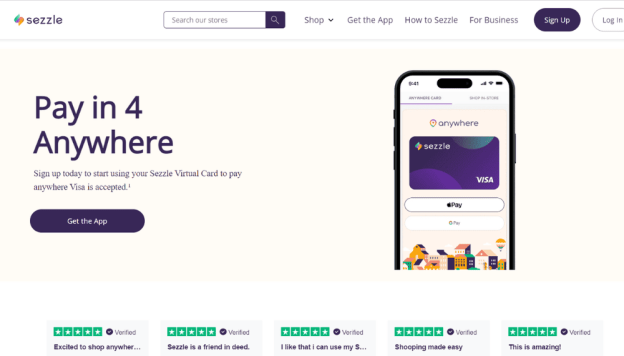
Sezzle Pay Anywhere

Sezzle Unveils New Subscription Service to Enable Installment Payments Anywhere

Sezzle, one of the fastest growing payment platforms, has just unveiled a game-changing solution – Sezzle Pay Anywhere – that is set to revolutionize the way consumers shop and pay. But it’s not just about convenience; it’s about leveling the playing field for those who have faced barriers to traditional financing.

With this latest innovation, Sezzle is heralding a new era of responsible financing, offering unparalleled choice and flexibility to consumers seeking a seamless shopping experience.

Company Overview

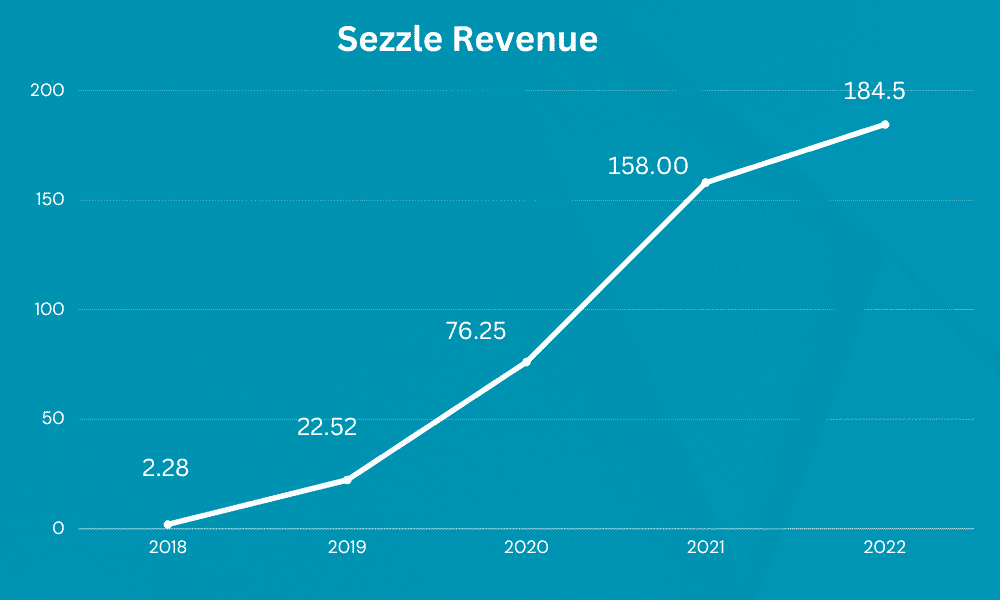
Sezzle is a dynamic and forward-thinking financial technology company that has rapidly grown to prominence in the bustling world of online payments. Headquartered in Minneapolis, U.S., with a widespread presence in both the United States and Canada, the company has solidified its position as a leading player in the alternative payment sector. At its core, Sezzle offers a groundbreaking platform that empowers consumers with interest-free installment plans, fostering a seamless and responsible shopping experience at a wide array of online stores.

sezzle revenue growth

Sezzle revenue in $ million

Driven by a mission to make finance more accessible and inclusive, Sezzle has disrupted the traditional payment landscape by redefining the way consumers shop and pay for their purchases. With a commitment to innovation and customer satisfaction, the company has garnered a loyal customer base while forging strong partnerships with renowned retailers. As a publicly traded entity, Sezzle continues to inspire confidence and trust among its stakeholders as it pioneers the future of modern, flexible, and responsible financing.

What is Sezzle Pay Anywhere?

Sezzle Pay Anywhere is a groundbreaking subscription-based service offered by Sezzle Inc., designed to revolutionize the world of payments. It enables consumers to utilize their Sezzle Virtual Card for interest-free installment payments at any retailer or merchant where Visa Inc. transactions are accepted. This innovative payment solution offers unparalleled flexibility and convenience, catering to modern consumers’ evolving preferences for responsible financing options.

Whether shopping online, making in-store purchases, or paying bills, Sezzle Pay Anywhere empowers users to split their purchase amount into multiple installments, eliminating the need for immediate full payment. With a seamless integration process, transparent fee structure, and the added benefit of rewards and credit-building opportunities, Sezzle Pay Anywhere stands at the forefront of financial inclusion, ensuring consumers have access to a frictionless shopping experience across a vast network of participating merchants and retailers.

Why is Sezzle Pay Making A Move To BNPL?

bnpl market growth

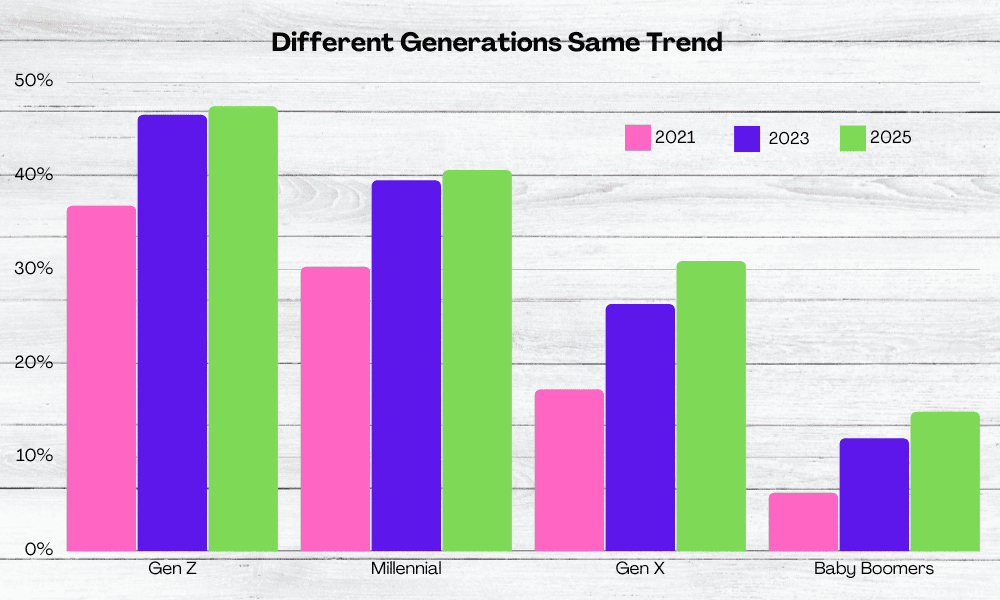
BNPL is getting quickly popular with Gen Z.

With the booming popularity of the buy now, pay later (BNPL) trend, Sezzle Inc., a prominent payment provider, recognizes the importance of catering to evolving consumer needs and preferences. As forecasts project the U.S. BNPL volume to soar to a staggering $6.5 billion by 2027, Sezzle is strategically positioning itself to empower consumers with more flexibility and accessibility.

recommended article Recommended : Sezzle Buy Now Pay Later Review

To achieve this goal, the company has recently unveiled Sezzle Pay Anywhere, a revolutionary subscription-based service designed to enhance the BNPL experience by enabling consumers to use Sezzle’s virtual card across various shopping platforms, including online, in-store and anywhere Visa Inc. transactions are accepted. In this article, we delve into the key factors driving Sezzle’s move into BNPL, the benefits it offers to both consumers and merchants and its anticipated impact on the future of payment solutions.

Catering to Consumer Preferences

The rapid ascent of BNPL in recent years has been fueled by its ability to offer consumers an alternative to traditional payment methods. Shoppers, especially millennials and Gen Z, appreciate the convenience of making purchases without the immediate burden of paying the full amount upfront.

By making the move to BNPL, Sezzle acknowledges the changing dynamics of consumer behavior and the increasing demand for flexible payment options. Sezzle Pay Anywhere emerges as a strategic response to consumer preferences, ensuring they can utilize the installment payment service across a wide range of retail settings and payment channels. This inclusivity opens up new avenues for Sezzle to reach a broader customer base and foster stronger brand loyalty.

Expanding Market Presence

As the BNPL market continues its meteoric rise, competition among payment providers intensifies. To maintain its competitive edge and solidify its position as a market leader, Sezzle is proactively expanding its market presence with the introduction of Sezzle Pay Anywhere.

bnpl domestic e-commerce market trends

recommended articleRecommended: Buy now, pay later market trends in 2023

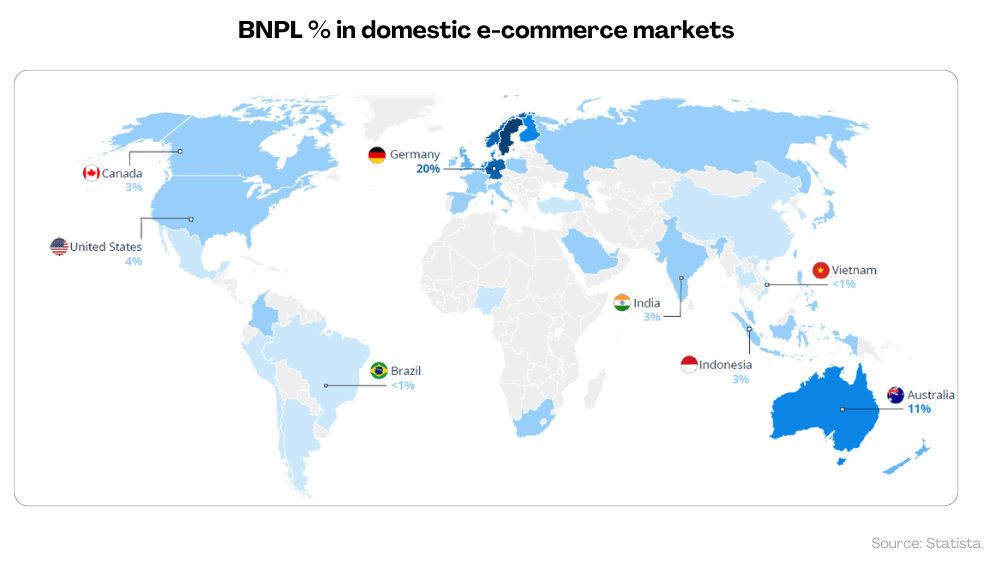
By offering consumers the freedom to shop online, in physical stores, and virtually anywhere Visa Inc. transactions are accepted, Sezzle taps into a diverse and vast ecosystem of retailers and merchants. This move not only enhances Sezzle’s brand visibility but also establishes it as a versatile and comprehensive BNPL solution provider.

Enhancing Financial Inclusion

One of the key driving forces behind Sezzle’s move to BNPL is its commitment to financial inclusion. Traditional financing options often pose significant barriers for consumers with limited credit histories or those who face challenges accessing credit. Sezzle Pay Anywhere aims to bridge this gap by offering an interest-free installment payment service to consumers, regardless of their credit scores.

This not only provides responsible financing options by Sezzle to a broader spectrum of consumers but also instills confidence and financial empowerment among those who have previously been excluded from traditional payment methods.

Benefits for Merchants

Sezzle Pay Anywhere not only benefits consumers but also offers numerous advantages to merchants. By integrating Sezzle’s installment payment service into their checkout process, merchants can tap into a larger customer base and increase conversions.

The convenience of BNPL attracts impulse purchases and encourages higher cart values, thus driving revenue growth for businesses. Moreover, Sezzle’s commitment to responsible financing mitigates the risk of defaults, ensuring that merchants receive timely payments while offering consumers a frictionless shopping experience.

As the BNPL landscape continues to evolve, Sezzle’s move to introduce Sezzle Pay Anywhere represents a strategic leap forward in the payment industry. By catering to consumer preferences, expanding market presence, enhancing financial inclusion, and providing benefits to merchants, Sezzle is poised to revolutionize the way consumers shop and pay for their purchases. As Sezzle Pay Anywhere gradually rolls out and gains broader availability, it is expected to shape the future of payment solutions, empowering consumers with greater financial flexibility and driving the growth of e-commerce and retail industries alike.

recommended articleRecommended: Crackdown on Buy Now, Pay Later (BNPL) Companies

Key Features of Sezzle Pay Anywhere

Sezzle Pay, the innovative installment payment platform from Sezzle Inc., stands out as a pioneering solution that redefines the way consumers shop and pay for their purchases. Designed to provide responsible financing to underrepresented consumers, Sezzle Pay offers a comprehensive set of features that not only empower shoppers with flexible payment options but also incentivize them with rewards and opportunities to build credit. Let’s explore the key features that make Sezzle Pay a game-changer in the world of payments.

Bridging the Financing Gap

Sezzle Pay takes pride in addressing a significant challenge faced by many consumers: lack of access to responsible and flexible financing. By launching Sezzle Pay Anywhere, Sezzle is bridging this gap, ensuring shoppers can use the installment payment service across a vast network of retailers and payment channels. Whether consumers are shopping online, paying bills, or making in-store purchases, Sezzle Pay Anywhere enables them to enjoy the convenience of BNPL wherever Visa is accepted.

Responsible Financing

The core philosophy of Sezzle Pay revolves around promoting responsible financial practices. Unlike traditional credit options that may come with high interest rates and hidden fees, Sezzle Pay offers interest-free installment plans, providing consumers with a transparent and manageable way to spread out their payments. This approach fosters financial discipline and helps consumers stay within their budget while making essential purchases.

1% Cashback on Eligible Transactions

Sezzle Pay goes beyond just facilitating installment payments; it also rewards consumers for their loyalty and usage. With Sezzle Pay Anywhere, shoppers have the opportunity to earn 1% cashback on eligible transactions. This enticing incentive not only encourages consumers to use Sezzle Pay more frequently but also adds value to their shopping experience.

Building Credit with Sezzle Up

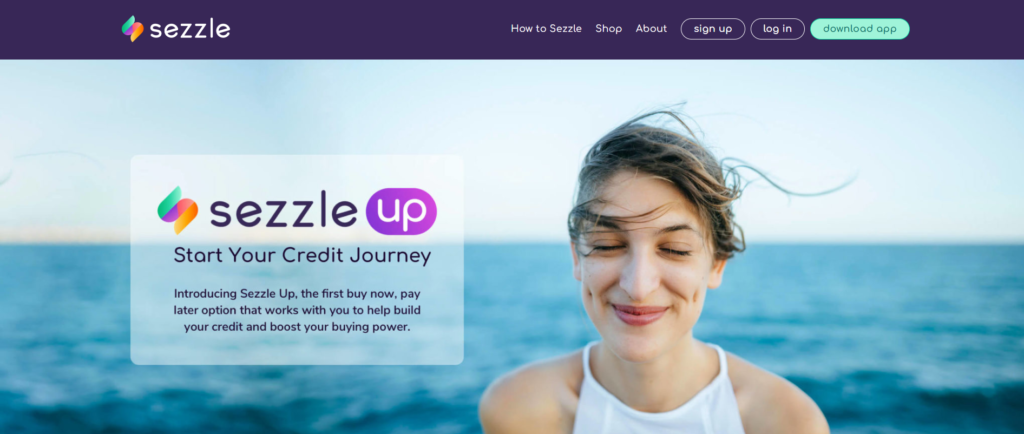
Sezzle Pay demonstrates its commitment to the financial well-being of consumers through its innovative feature, Sezzle Up. This opt-in program allows users to build their credit while utilizing Sezzle’s installment payment service responsibly. By making timely payments, consumers can improve their credit scores, paving the way for better financial opportunities in the future.

Seamless Integration

Sezzle Pay boasts a user-friendly and seamless integration process that makes it easy for consumers to access the service across various platforms. Whether it’s integrating into an online store’s checkout process or facilitating in-store transactions, Sezzle Pay ensures a smooth and hassle-free experience for both consumers and merchants.

Increased Conversions for Merchants

Merchants partnering with Sezzle Pay benefit from increased conversions and higher cart values. The convenience of BNPL attracts more customers, leading to reduced cart abandonment rates and an uptick in sales. Moreover, Sezzle’s responsible financing approach reduces the risk of defaults, giving merchants peace of mind and a reliable payment solution for their businesses.

Sezzle Pay’s key features encompass a holistic approach to payments, focusing on responsible financing, consumer rewards, and building credit. By bridging the financing gap and making installment payments accessible at any Visa-accepting retailer, Sezzle Pay empowers consumers with a flexible and transparent payment solution.

As it incentivizes responsible financial behavior through cashback rewards and Sezzle Up, the platform not only benefits consumers but also proves to be a valuable asset for merchants seeking increased conversions and customer loyalty. With its user-friendly integration and commitment to financial well-being, Sezzle Pay is set to reshape the payment landscape, leading the charge towards a more inclusive and responsible financial future.

Sezzle Up

Image source: Sezzle Up

Benefits of Sezzle Pay Anywhere

Universal Accessibility

The primary advantage of Sezzle Pay Anywhere is its universal accessibility. Consumers can use Sezzle’s installment payment service not only for online purchases but also for in-store transactions and anywhere Visa transactions are accepted. This broad acceptance ensures a seamless and consistent shopping experience, whether customers are shopping online or visiting physical retail locations.

Bridging the Financing Gap

Sezzle Pay Anywhere is specifically designed to cater to consumers who may have had difficulty accessing traditional financing options. By offering interest-free installment plans, Sezzle bridges the financing gap and provides a responsible financing alternative to individuals with limited credit histories or those facing financial constraints.

Increased Shopping Power

With Sezzle Pay Anywhere, consumers can enjoy increased shopping power. They can make purchases without the need for immediate full payment, making higher-priced items more attainable and encouraging impulse buying, thereby benefiting both consumers and merchants.

Seamless Integration

Sezzle Pay Anywhere seamlessly integrates with various retailers and payment platforms. This user-friendly integration ensures a smooth checkout process for consumers and a straightforward implementation for merchants, making it a hassle-free solution for both parties.

Rewards and Credit Building

Sezzle Pay Anywhere offers additional incentives to consumers. Shoppers can earn 1% cashback on eligible transactions, providing an added benefit to their shopping experience. Moreover, the opt-in Sezzle Up program allows consumers to build their credit by making timely payments, potentially improving their financial standing in the long run.

Consumer Loyalty

By providing a flexible and rewarding payment option, Sezzle Pay Anywhere fosters customer loyalty. Satisfied consumers are more likely to return to merchants who offer Sezzle Pay, leading to increased repeat business and enhanced brand loyalty for participating retailers.

Risk Mitigation for Merchants

For merchants, Sezzle Pay Anywhere offers a risk-mitigation advantage. With Sezzle handling the installment payments and ensuring timely disbursements, merchants are protected from potential defaults, allowing them to focus on their core business operations without financial uncertainty.

Increased Conversions and Sales

Increased Conversions and Sales

The availability of Sezzle Pay Anywhere at the point of purchase can significantly boost conversions for merchants. The convenience and affordability of BNPL options attract a broader customer base, reduce cart abandonment rates, and ultimately lead to increased sales for participating retailers.

Enhanced Customer Experience

Sezzle Pay Anywhere enhances the overall customer experience by providing a payment option that aligns with the preferences and financial situations of a diverse range of consumers. It eliminates the need for credit checks and empowers shoppers with more control over their purchases.

Financial Inclusion

Sezzle Pay Anywhere contributes to financial inclusion by extending responsible financing options to individuals who may have been excluded from traditional credit avenues. This empowerment fosters financial stability and opens doors to broader economic opportunities for consumers.

Overall, Sezzle Pay Anywhere offers a comprehensive set of benefits to consumers and merchants alike. Its universal accessibility, flexibility, and rewards make it an appealing payment solution for consumers, while merchants benefit from increased sales, risk mitigation, and enhanced customer loyalty. With its commitment to responsible financing and financial inclusion, Sezzle Pay Anywhere stands as a pioneering force in the world of modern payment solutions.

Conclusion

In conclusion, Sezzle Pay Anywhere emerges as a trailblazing payment solution that not only meets the evolving demands of modern consumers but also empowers merchants to thrive in a competitive landscape. With its universal accessibility, flexibility, and focus on responsible financing, Sezzle Pay Anywhere bridges the financing gap and extends financial empowerment to a broader audience.

By seamlessly integrating with various retailers and offering rewards through cashback and credit-building opportunities, Sezzle Pay Anywhere fosters consumer loyalty and enhances the overall shopping experience.

Moreover, its risk mitigation benefits and potential for increased conversions make it an invaluable asset for merchants seeking growth and success in the digital marketplace. As Sezzle continues to revolutionize the payment industry with its commitment to financial inclusion and responsible financing, Sezzle Pay Anywhere sets the stage for a future where convenience, accessibility, and consumer satisfaction reign supreme.

Embracing Sezzle Pay Anywhere not only marks a step towards financial empowerment for shoppers but also signifies a strategic move towards a more inclusive and prosperous retail landscape.

Frequently Asked Questions (FAQs)

Regulations On BNPL Companies And Implications

Examining the Crackdown on Buy Now, Pay Later (BNPL) Companies

In today’s fast paced world there is a groundbreaking trend that has captivated consumers: Buy Now Pay Later companies. These innovative businesses have completely changed consumer behavior by allowing users to instantly acquire products and services without paying the full amount upfront. And the industry has seen an astounding growth as there were very few regulations on BNPL companies.

No Regulations On BNPL Companies

Inspired by the moves of the tech industry the BNPL market initially thrived without government regulations on BNPL companies, enjoying high level of success and growth.  Initially the BNPL was used for short term property rentals or streaming media subscriptions. Fintech disruptors experienced success and started implementing in other sectors of the market. At the same time government was struggling as there were no controls on this new trend.

However, as the BNPL sector continues to grow, concerns about consumer protection, financial stability and fair lending practices have sparked debates. In this analysis we understand the catalysts and implications of this on BNPL industry and its customers.

Pros And Cons Of Buy Now, Pay Later

Pros

Convenience: Buy Now Pay Later (BNPL) offers convenience by allowing consumers to make purchases without paying the amount upfront. This can be especially helpful when funds are tight.

Interest Free Periods: Some BNPL services provide interest-free periods. Thus, enabling you to pay the same amount in installments that was used for purchase. Thus making purchases accessible to a larger buyer group.

Split Payments: BNPL breaks down the cost into installments making larger purchases more affordable and simpler to budget for over a period of time.

Flexible Credit Requirements: Many BNPL providers have low credit requirements and they may not be eligible for traditional loans and credit cards. With buy now, pay later option even people with low credit scores can enjoy purchasing easily.

Instant Satisfaction: With BNPL consumers can enjoy their purchases immediately even if they don’t have the amount at the time of purchase.

Cons

Interest On BNPL: While some BNPL options are interest free others may impose interest or fees if you fail to pay off the amount within a timeframe. It’s important to be cautious as this could lead to higher cost than actual, if not managed carefully.

Spending Beyond Limits: The convenience of BNPL can tempt buying. Going overboard with spending. Without discipline you may find yourself buying things which are of no real use to you. And also increasing your debt burden. BNPL is an encouragement to spend more.

This also leads to debt accumulation and can be financially devastating for many.

recommended article Suggested: BNPL schemes make it easy to spend, but harder to understand the risks

Credit Consequences: While some BNPL providers may not require a credit check others might report your activity to credit agencies. Late payments or defaults could have an impact, on your credit score.

Lack of Awareness: Consumers may not fully grasp the terms and conditions of BNPL agreements leading to surprises like fees, interest charges or payment deadlines.

Complexity Concerns: Managing multiple BNPL payments, from providers can become complex and overwhelming potentially resulting in missed payments or confusion.

How Does the BNPL Industry Operate?

how does BNPL work?

The industry of Buy Now Pay Later (BNPL) is causing disruption in the retail and finance sectors by revolutionizing how consumers make their purchases. Essentially, BNPL enables shoppers to get their hands on goods and services while spreading out the payment into multiple instalments over a certain period of time.

This innovative payment option has become incredibly popular due to its convenience, flexibility and ability to empower consumers with control. The operation of the BNPL industry is relatively straightforward.

recommended article Recommended: What is BNPL?

When a customer chooses the BNPL option during checkout they go through an approval process which is often automated. Many online stores, as well as, brick-and-mortar stores offer BNPL services but more or less the verification process is the same.  

The verification process evaluates the consumers creditworthiness based on factors like their credit score, spending habits and transaction history. Unlike credit cards BNPL providers usually take a lenient approach when assessing creditworthiness. Thus, making this payment method accessible to a wider range of consumers.

Once it’s confirmed that the customer is eligible for BNPL they can proceed with their purchase without having to pay the amount upfront. Rather, the total cost is divided into instalments typically ranging from two to six months (although some BNPL companies offer even longer plans). These instalments are often interest free which gives shoppers flexibility without having to worry about high interest rates associated with credit card debt.

BNPL companies generate revenue using a two strategy. First, they charge merchants a fee, for utilizing their BNPL services. This is similar to the transaction fee applied by traditional payment processors. This encourages merchants to offer BNPL as a payment option since it attracts customers and boosts sales.

Second, BNPL providers make money through fees and interest charges if a customer fails to make payments on time as scheduled. While some BNPL companies maintain an interest-free structure for a certain period of time, others may apply interest to specific payment plans or in cases where the customer fails to pay on time.

buy now pay later is popular with Gen Z

BNPL is highly popular with Gen Z.

The success of the BNPL industry can be attributed to its appeal to both consumers and merchants. Shoppers are attracted to the convenience of splitting payments for priced items without accumulating burdensome interest. Merchants benefit from increased conversion rates, order values and decreased cart abandonment rates because the customer doesn’t have to pay the full amount. The customer gets far more time to pay back the amount in parts.

The workings of the BNPL industry have revolutionized how consumers approach purchases and payments ushering in an era of flexibility and accessibility. As the popularity of BNPL continues to rise both consumers and merchants are likely to embrace this evolving payment model that shapes the future of retail and finance with its approach, to commerce.

US Plans to Regulate BNPL Companies: An Unprecedented Move in the Fintech Landscape

The U.S. Government is planning to introduce regulations on Buy Now Pay Later (BNPL) companies marking a move in the fintech industry. This decision comes as the sector faces increasing pressure due to rising funding costs and reduced consumer spending caused by soaring inflation.

The Consumer Financial Protection Bureau (CFPB) led by director Rohit Chopra took the lead in this effort. They are now focusing on examining technology driven companies that have been encroaching upon traditional financial institutions.

read more Read More : Press release by CFPB to highlight the reasons why we need regulations on buy now, pay later companies.

The BNPL industry is currently under strain from challenges it is encountering. The escalating funding costs have significantly impacted the profitability of BNPL firms compelling them to explore approaches to stay competitive. Additionally, due to inflation the consumers are adopting an approach towards purchases due to a decrease in their spending power.

These factors combined have dealt a blow to the BNPL market raising many concerns about its sustainability in the run.

Overcoming Operational Challenges

The regulatory crackdown on BNPL companies in the United States will undoubtedly pose hurdles for industry players. Companies will need to invest in compliance infrastructures that meet the regulatory requirements.

This could involve strengthening data privacy and security measures implementing risk assessment models and offering consumer education programs to promote responsible spending habits.

Balancing Innovation and Regulation

As the U.S. Government crafts its framework for the BNPL industry finding a balance, between innovation and regulation becomes crucial.

recommended article SuggestedHM Treasury (UK) draft for regulating BNPL

It is crucial for policymakers to avoid suppressing innovation and competition in the fintech industry. Buy Now Pay Later (BNPL) has proven to be an attractive and a market disruptive payment option for consumers. By implementing forward thinking regulations on BNPL companies, the government can create an environment that balances consumer interests and market growth.

The U.S. Governments intention to regulate BNPL companies indicates a change in the fintech landscape. Under Consumer Financial Protection Bureau (CFPB) there will be scrutiny of the industry so that all important issues and concerns related to consumers can be addressed. As regulatory frameworks evolve, finding a balance between promoting innovation and ensuring fair practices will shape the future of BNPL in the United States.

What Is Happening Around The World In Regulating the BNPL Industry?

Perspectives from Europe and the United States

Regulators on both sides of the Atlantic are closely monitoring the growth of Buy Now Pay Later (BNPL) services. The Consumer Financial Protection Bureau (CFPB), in the United States is proactively investigating any risks associated with using BNPL options.

Meanwhile in Europe significant progress has been made towards developing a framework that incorporates this emerging payment model into existing credit regulations. Lets take a look, at the factors and strategies that each region is employing to create comprehensive legislation for Buy Now Pay Later (BNPL) services.

global BNPL acceptance

Regulation of BNPL in the European Union: Progressing with Purpose

In contrast to the United States significant progress has been made within the European Union (EU) in developing regulations on BNPL services. In 2021 an amendment was approved by the European Commission to incorporate BNPL offerings within existing consumer credit regulations, under the Consumer Credit Directive.

This strategy demonstrates the approach taken by the EU to address the opportunities and challenges presented by BNPL. The updated guideline aims to enhance consumer protection in the mobile centric BNPL market.

To achieve this the EU plans to introduce safeguards, including prohibiting selected contract agreement checkboxes that can trap customers into contracts unknowingly. Additionally, all BNPL contracts will be required to be available, in a mobile format allowing users to make decisions about their credit terms before committing.

Promoting International Standardization

As the EU and US move forward with their BNPL regulations there is an increasing possibility of harmonizing standards. Given the reach of the BNPL industry and its impact on customers worldwide it would be beneficial for collaboration in developing and robust regulatory frameworks. Such harmonization would enhance understanding among BNPL providers. This will also facilitate border transactions and strengthen consumer trust and confidence.

The BNPL industry is currently is at a juncture. Regulators in the EU and the US are actively considering implementing regulations to safeguard customers and promote ethical conduct. While the US regulations on BNPL companies are still in development the EU has made progress in integrating BNPL into its existing credit regulations.

Both regions aim to strike a balance that fosters the growth of the BNPL sector. This will ensure a transparent experience for customers by addressing risks and enhancing consumer protection.

Impact of Regulation on BNPL

The impact of measures on BNPL is expected to be substantial marking a moment for the industry and its stakeholders. As regulators in the EU and the US move forward with regulations on BNPL companies several key areas are likely to be influenced:

  • Consumer Protection and Trust

One of the goals of BNPL regulation is to strengthen consumer protection. By establishing guidelines regarding data usage, transparency and responsible lending practices customers will have information to make informed financial decisions.

Building trust among consumers in BNPL services will be crucial, for sustaining industry growth and ensuring long term viability.

  • Business Operations and Compliance

BNPL companies will need to adjust their business operations to align with the requirements. Investing in risk assessment models, implementing data security measures and educating customers are some of the steps that may need to be taken.

However, complying with these regulations on BNPL companies could result in consolidation, within the industry as smaller players struggle to meet the standards set by regulators.

  • Market Competition and Innovation

When it comes to market competition and innovation finding the right balance between regulation and fostering innovation will be crucial.  While regulations on BNPL companies are intended to protect consumers, strict rules could hinder the creativity and subsequently growth of fintech companies.

  • Access to Credit

One important factor to consider is how BNPL regulations impact access to credit. While stricter regulations can promote responsible and safe lending practices, they may also restrict credit access for individuals. Without regulation even a customer with lower credit scores get to purchase with BNPL. But this won’t be possible after regulations.

  • International Regulations

It is believed by the experts that after the regulation of the BNPL in the US and EU  it will be possible to move ahead to the next step. The next step will be for international standard regulations. This can be achieved only if there is a harmony between BNPL regulations of different nations.

This will help the BNPL industry grow further. This will facilitate cross-border operations and offer standardized protection measures for consumers.

  • Financial Stability

Financial stability is not possible without proper regulations. This applies to BNPL market too. Good regulations on BNPL in the US will help in maintaining financial in this market. These regulations will mitigate the risks associated with debt accumulation. It will protect the consumers as well by controlling over-spending.

The main aim of the regulators is to prevent potential financial crises stemming from uncontrolled lending practices.

The growth and adaptation of the industry will be influenced by the regulations, on Buy Now Pay Later (BNPL). Companies will need to come up with ideas and adjust their business models to fit the changing environment while still ensuring growth and profitability.

Conclusion:

To conclude the impending regulatory measures in the US marks a defining moment for the industry. Regulators want to safeguard consumers and encourage safe practices. Thus, both challenges and opportunities lie ahead for this industry.

Striking a balance between fostering innovation while also protecting consumers will be essential for growth and sustainability of BNPL services. While regulations in the US are still being developed significant progress has been made in incorporating BNPL into existing credit regulations in the EU.

By focusing on serving consumers best interests the BNPL sector can continue to thrive as an innovative payment option for consumers.

Frequently Asked Questions (FAQs)

Buy Now Pay Later Trends for 2023 and beyond

Buy Now Pay Later Trends for 2023

Welcome to the world of consumer finance! As we step into the year 2023 it’s clear that the financial landscape is going through a big transformation, with the emergence of Buy Now Pay Later services. BNPL has become a game changer in the industry captivating people worldwide and revolutionizing how we shop and pay for our purchases.

Let us explore today some of the most important buy now pay later trends in 2023 and beyond. These BNPL trends will set the course of how the market forces will interact with consumers in future. It will redefine the entire market for better.

bnpl domestic ecommerce market around the world

From groundbreaking advancements to collaborations 2023 holds immense promise for the BNPL industry. It offers us a glimpse into a future where “shop now pay later” isn’t just a phrase but a way of life.

What is BNPL?

It’s an increasingly popular payment service that completely transforms notions of buying goods and services.

BNPL allows consumers to make purchases without having to pay the amount upfront. Instead they can choose to divide the cost into interest free installments over a specific period typically ranging from a few weeks to several months. 

This new payment model offers advantages, for both consumers and merchants. For shoppers BNPL offers flexibility and affordability by allowing them to spread out their obligations over time. This makes it easier for them to manage high cost purchases and eliminates the need for credit cards since many BNPL platforms have no credit checks making it accessible to an audience. 

buy now pay later trends for different generations including Gen Z

From the merchants perspective BNPL drives conversion rates and increases average order values as it encourages customers to make impulse purchases without significant financial strain. However there are concerns about overspending and accumulating debt if not used responsibly. As BNPL continues to reshape the landscape consumers should exercise prudence and budgeting while enjoying its conveniences. 

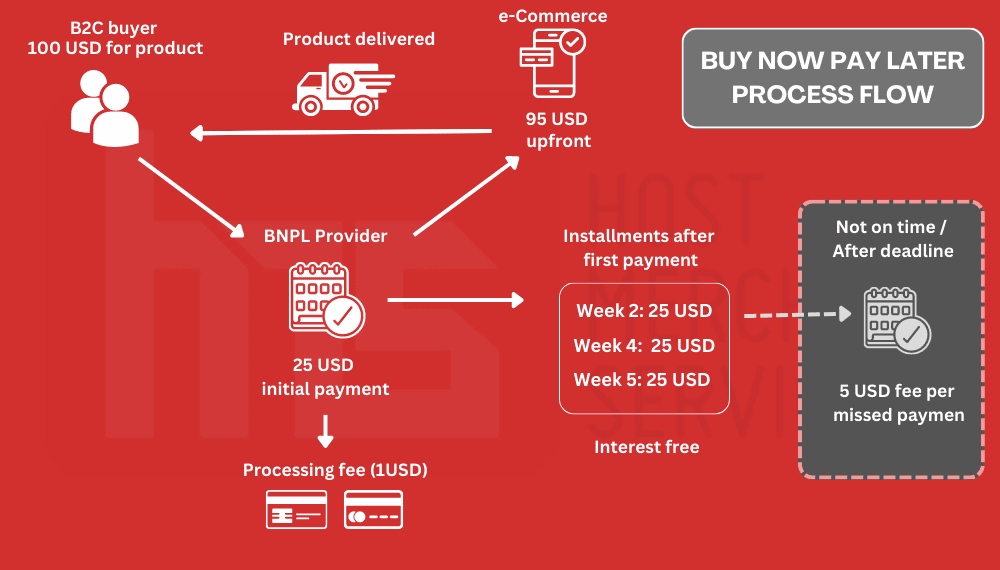
How Does BNPL Work?

How Does BNPL Work? complete bnpl process flow diagram

BNPL process flow diagram

In years Buy Now Pay Later (BNPL) has emerged as a game changer, in consumer finance offering a payment option that transforms the traditional buying experience.

With its appeal of interest free payments and increased flexibility Buy Now Pay Later (BNPL) has become increasingly popular, among both consumers and merchants. It is crucial to understand how BNPL operates in order to responsibly leverage its benefits and make informed choices. Lets delve into the mechanics of BNPL and explore the process that empowers shoppers to make purchases while deferring payment thus revolutionizing the retail industry. 

Sezzle, Perpay, PrimaHealth Credit, Klarna, etc. are some of the well-known BNPL companies in the US.

Source: Company data available in the public domain . Also read Klarna review

Choosing the BNPL Option during Checkout

When customers make a purchase online or in store they are given the choice to select BNPL as their payment method at the checkout stage. This option is typically available on partnered e commerce platforms or integrated into physical store point of sale (POS) systems. 

Creating an Account and Obtaining Approval

If a customer is new, to the BNPL provider they will be prompted to create an account. This usually involves providing information and on occasion undergoing a soft credit check. The benefit of approval times often accompanies BNPL services enabling customers to start utilizing the service without delay. 

Dividing Payments into Installments

Once the account setup is complete and approval granted customers can proceed with their purchase using BNPL. The total cost of items is split into a series of installments for ease of payment. The number of payments (installments) or how often they are made depend, on the BNPL service provider and the terms agreed upon by the customer.

Payment Schedule / Auto Debit

Customers receive a payment schedule that outlines when each payment is due. In cases these payments are automatically deducted from the customers chosen payment method, such as a linked bank account or a debit/credit card. This automated process reduces the risk of missed payments and late fees.

Interest Free Periods (Might Vary)

Some BNPL providers offer interest free periods where customers won’t be charged any interest on their purchases as long as they make all payments on time. However if customers fail to pay within the agreed timeframe interest charges may apply, with variations depending on the BNPL service.

Flexibility

BNPL provides flexibility for customers. They often have the option to pay off their balance without facing any penalties or fees. Early repayment can be especially beneficial for those who want to clear their debts and reduce interest costs.

BNPL providers typically offer communication channels and customer support to assist users with any questions, payment concerns or changes, to their payment plans.

This accessibility ensures that everyone can have an satisfying experience, with BNPL. The option to pay conveniently interest free and with flexibility has made BNPL a popular choice for both consumers and merchants. It has transformed the way we shop and pay for our purchases in todays landscape.

Key Features of BNPL

Key Features of BNPL

1. Flexible Payment Options: BNPL services allow customers to divide their purchase cost into more manageable installments. This lets them make purchases without having to pay the amount upfront.

2. Interest Free Periods: Many BNPL providers offer interest free periods encouraging customers to settle their balances within a timeframe. During this period customers can avoid paying interest charges making it an affordable choice, for budget shoppers.

3. Quick and Easy Approval: Setting up a BNPL account is typically easy and straightforward involving approval processes that may require no credit checks. This level of accessibility enables a range of consumers to utilize BNPL services compared to credit options.

4. Transparent Pricing: BNPL services are known for their transparency ensuring there are no fees or upfront charges. Customers can be confident that the costs and payment terms are clear and easily understandable.

5. Seamless Integration with Retailers:

BNPL platforms have integrated with a range of physical retailers making it incredibly easy for customers to select BNPL as their preferred payment option when checking out.

6. No Need for Credit Cards:

Unlike credit cards that often involve credit checks BNPL services may not require customers to possess a credit card. This accessibility ensures individuals without established credit histories can also benefit from using BNPL.

7. Automatic Payments:

BNPL payments are usually set up for deductions from the customers chosen payment method. This automated process helps prevent any missed payments or late fees ensuring a smooth and hassle free payment experience.

8. No or Low Interest Charges:

While certain BNPL services may charge interest particularly if payments are missed or delayed others offer interest free alternatives. This makes it an appealing choice for those seeking an alternative, to credit card financing.

9. User Friendly Mobile Apps:

BNPL providers often provide user apps that allow customers to conveniently manage their accounts track payments and stay updated on their payment schedules.

10. Early Repayment Options:

Customers have the flexibility to pay off their balances early without incurring any penalties. This empowers them financially. Allows them to clear their debts ahead of schedule.

11. Wider Range:

A wide variety of partner retailers collaborate with BNPL services spanning across industries. This collaboration provides customers with a range of options, for their shopping needs. By utilizing these features BNPL has become an convenient payment method that empowers consumers to make immediate purchases while maintaining control and flexibility over their finances.

As the retail industry continues to evolve BNPL is expected to play a role in shaping the future of consumer finance.

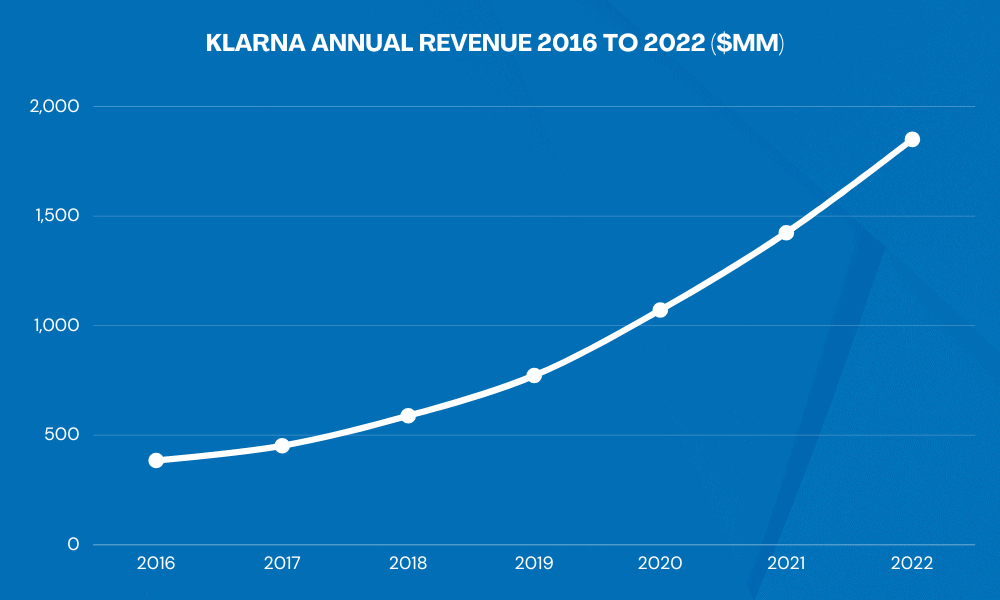
klarna bnpl

Looking ahead to 2023 the world of Buy Now Pay Later (BNPL) is poised for transformations and innovations. Here are some key trends in BNPL to keep an eye on throughout the year: 

1. Integration, with Cryptocurrencies:

With the growing popularity of cryptocurrencies certain BNPL providers may explore incorporating currencies into their payment options. This expansion would provide customers with choices when it comes to making payments and could attract tech consumers who are already involved in the cryptocurrency market.

2. Sustainable and Ethical Shopping:

As environmental and social concerns gain attention BNPL services may collaborate with retailers that are committed to practices and ethical standards. This trend is likely to resonate with eco consumers who prioritize shopping choices. 

3. BNPL For Services:

Buy Now Pay Later (BNPL) is no longer limited to purchases. Its now extending its reach to cover a range of services, including travel, fitness memberships and educational courses. This means that installment based payment options are becoming a part of our lives in aspects. 

4. Rewards:

To encourage people to use BNPL providers might form partnerships, with other fintech companies, credit card issuers or loyalty programs. These collaborations could offer rewards like cashback offers or discounts for BNPL users.

5. Regulation and Compliance:

Considering the growth of the BNPL sector its expected that there will be increased scrutiny. Governments and financial authorities will likely introduce guidelines to ensure consumer protection and responsible lending practices among BNPL providers.

6. Personalization:

To better understand customer behavior and preferences BNPL platforms are likely to invest in data analytics. By utilizing this data providers can offer personalized shopping experiences. Customize payment plans according to individual needs.

7. Luxury Goods:

In addition to purchases BNPL services are also expected to make their way into luxury markets. This means that customers may have the opportunity to spread the cost of high end items over time. Such an approach could potentially democratize access, to luxury goods and open up the markets.

8. BNPL for In-Store Installments:

Buy Now Pay Later (BNPL) has traditionally been used for payments. It is now becoming more popular, in physical retail stores. This means that customers can have the flexibility of using BNPL options while shopping in store.

9. Global Acceptability:

As BNPL gains popularity worldwide providers may expand their services to regions allowing consumers from countries to enjoy the convenience and flexibility of paying in installments.

10. Responsible Usage:

To address concerns about consumer debt BNPL providers may focus on promoting literacy and responsible usage of their services. They could offer budgeting tools and educational resources to empower users in managing their finances.

In 2023 the BNPL landscape is expected to be dynamic and influenced by technology evolving consumer preferences and a commitment, to practices. By staying informed about these trends both consumers and merchants can make the most of the evolving BNPL ecosystem.

Why Should Businesses Use BNPL in 2023? BNPL Trends That Cannot Be Ignored

There are reasons why businesses should consider integrating BNPL options into their payment systems in 2023:

Increased Conversion Rates:

BNPL encourages purchases. Reduces cart abandonment rates.

When customers are given the choice to pay in installments they tend to be more inclined to complete transactions, which ultimately boosts conversion rates for businesses.

Bigger Average Order Value

One of the advantages of Buy Now Pay Later (BNPL) is that it allows customers to afford priced items by spreading out the costs over time. Consequently businesses often witness an increase, in their order value leading to revenue per transaction.

Attract New Customers

Another benefit of offering BNPL is its appeal to a range of consumers. This payment option caters not to those who prefer payment methods but also individuals who might not have access to credit cards or traditional financing. By embracing BNPL businesses can attract customers who appreciate the convenience and affordability it provides.

Improved Customer Loyalty

Furthermore implementing BNPL services can foster customer loyalty. Encourage repeat business. When customers have an experience with BNPL they are more likely to return for purchases from the same retailer thereby strengthening the relationship between customer and business.

Competitive Advantage

In a market landscape providing BNPL sets businesses apart from their competitors that solely rely on payment methods. Offering this alternative payment option can often be a deciding factor for customers when choosing where to shop.

Appeal to Younger Demographics

generation Z will use bnpl the most

Lastly incorporating BNPL appeals to younger demographics such as millennials and Gen Z. These generations are generally more open minded towards alternative payment methods like BNPL. By including this option, in their offerings businesses can better cater to the preferences of these consumer groups.

Seamless Integration and Support

BNPL providers typically offer to use integration options and dedicated support, for businesses. Implementing BNPL is straightforward making it convenient for businesses of all sizes to adopt this payment solution.

Reduced Risk of Unpaid Debts

BNPL providers often take on the credit risk associated with payments. This decreases the chances of businesses facing debts as they receive payment from the BNPL provider regardless of when customers repay.

Access to Customer Insights

Businesses may gain customer data and insights through BNPL platforms. Analyzing this information can help businesses better understand their customers customize marketing strategies and enhance customer experiences.

Responsible Financing Choice

BNPL services can be a financing option for customers since they usually come with terms and interest free periods. By offering BNPL businesses contribute to consumers financial well being. Encourage spending habits.

Overall embracing BNPL can bring advantages to businesses by creating a win win situation that benefits both the company and its customers. With increased sales improved customer loyalty and access to demographics BNPL becomes a tool, for driving growth and achieving success in todays competitive retail landscape.

Final Words

In summary Buy Now Pay Later (BNPL) is not a trend: it has firmly established itself as a game changer, in the world of consumer finance. As we move into 2023 the BNPL landscape continues to evolve offering opportunities for both businesses and consumers. With its promise of flexibility, convenience and increased purchasing power BNPL provides a win win solution that meets the shoppers needs.

For businesses incorporating BNPL into their payment systems can result in conversion rates average order values and enhanced customer loyalty. As this innovative payment option gains popularity across industries and global markets it has the potential to revolutionize our shopping and payment habits by empowering individuals to make financial decisions and embrace responsible spending practices.

By embracing BNPL and staying up to date with trends businesses can navigate this landscape successfully and cultivate long lasting relationships with customers – propelling their success, in the fast paced retail industry of 2023 onwards.

Frequently Asked Questions (FAQs)

Digital Payment Trends to Watch out For in the Second Half of 2023

Digital Payment Trends to Watch out For in the Second Half of 2023

As we enter the latter half of 2023, the landscape of payments is transforming at an unprecedented pace. Driven by technological breakthroughs, shifting consumer habits, and global economic shifts, the evolution in digital payment trends is striking. This period sees the incorporation of cryptocurrencies into widespread platforms and the adoption of advanced authentication methods to secure transactions. Numerous innovative possibilities are unfolding in the world of digital payments. Join us as we explore these pioneering trends and gain insights into the dynamic world of payments during this thrilling phase. Let’s delve into what the second half of 2023 holds for digital payment trends.

What Are Digital Payments?

Digital transaction growth trends and projections

Digital transaction growth trends and projections [Data / Image source]

Digital payments refer to methods of money transfer or conducting transactions without cash. These forms of payment take place through channels like online platforms, mobile apps, e wallets and other digital devices. Digital payments have gained popularity in years due to their convenience, speed and security features. They have become a choice, for both consumers and businesses. 2023 digital payment trends are significantly different from the payment trends in the past many years. These digital payments trends are going to change the entire ecosystem of the global economy. Never ever in the history of mankind, the payment system was so democratized like we are witnessing now in the present payment trends.

Biggest and the fastest growing digital payment markets in the world (2023-2030)

Biggest and the fastest growing digital payment markets in the world (2023-2030) – Data source

There are payment methods available including:

 1. Mobile Wallets: Anything that can be of the most significant aspect of modern digital payment trends is mobile wallets. This smartphone applications store payment information, like credit/debit card details or bank account numbers. They allow users to make secure transactions through their devices.

read more Read more: Mobile payment vs. mobile wallet

2. Online Banking: This method enables individuals to conduct transactions directly through their bank’s website or mobile app. It facilitates fund transfers, bill payments and more.

read more Suggested: Top 10 best business bank accounts in 2023
read more Banks: Ally vs. Marcus by Goldman Sachs

3. Contactless Payments: Contactless payments utilize near field communication (NFC) technology. Users can make transactions by tapping their contactless enabled cards or devices on payment terminals.

read more Read more: What is contactless payment. A comprehensive FAQ.

4. Peer to Peer (P2P) Transfers: P2P payment services allow users to send money directly to one another using apps or online platforms without intermediaries.

5. Cryptocurrencies: Digital currencies like Bitcoin, Ethereum and others enable peer to peer transactions over networks. Cryptocurrencies offer enhanced security and anonymity.

6. Biometric Payments: This innovative approach utilizes data such as fingerprints or facial recognition for authentication making payments more secure and user friendly.

7. QR Code Payments: QR codes can be scanned by smartphones enabling payments without the need, for cards or cash.

As technology advances the world of payments is set to evolve and expand offering seamless and efficient ways to conduct transactions in today’s era. Trends in digital payment as we see in 2023 will bring in a complete change in the global economic system, especially when payment solution companies start integrating AI for a better customer experience and results.

Advantages of Digital Payments

Advantages of Digital Payments

In the changing landscape of finance digital payments have emerged as a game changer transforming the way we transact and do business. With technology constantly evolving, adopting new payment methods bring benefits to individuals, businesses and society as a whole. Let’s explore some advantages that come with using payments.

Convenience and Accessibility

One of the benefits of digital payments is the unmatched convenience they offer. Users can easily make transactions from the comfort of their homes. Or, while, on the go with just a few taps on their smartphone or clicks on their computer. This level of accessibility allows people to manage their finances effectively making it simple to make payments and keep track of spending.

Speed and Efficiency

Traditional payment methods like checks or cash often involve time consuming processes, for both consumers and businesses. In contrast digital payments enable real time transactions that significantly reduce the time required to complete exchanges.

The use of fund transfers, automatic bill payments and fast checkout processes has become the practice saving valuable time, for everyone involved.

Improved Security

When it comes to digital transactions, security is of importance. Digital payment methods incorporate security protocols to protect data and prevent fraudulent activities. Measures such as encryption, tokenization and two factor authentication are implemented to ensure transactions and safeguard user information. As a result users can feel more confident about using payment platforms.

Cost Efficiency

Digital payments offer cost efficient solutions for both consumers and businesses. Customers can enjoy reduced fees when conducting transactions compared to banking services or money transfers. Similarly, businesses can benefit from transaction costs, payment processes and reduced reliance on physical cash handling.

Financial Inclusion

Digital payments play a role in promoting inclusion especially in underserved or remote areas. With the increasing internet and smartphone penetration worldwide more people have access to payment platforms. This helps break down barriers that limited individuals access, to financial services. The inclusion of these individuals empowers them to participate in activities. Effectively manage their finances.

Transparency and Accountability

Digital payment systems offer increased transparency and accountability by generating electronic transaction records. This is advantageous, for businesses as it enables them to maintain records and easily track cash flows. For consumers it provides the ability to monitor spending patterns and review transaction histories contributing to management.

Environmental Impact

The adoption of payments also has environmental implications. By reducing reliance on paperwork, checks and cash digital payments help reduce paper waste and energy consumption associated with printing and transportation. This aligns with sustainability efforts. Contributes to a greener ecofriendly future.

Overall, the advantages of payments are undeniable. Their convenience, speed, security, cost effectiveness and positive impact on inclusion and the environment make them an appealing choice for individuals and businesses. With advancements we can anticipate even more innovations, in the realm of digital payments that will further enhance our financial experiences and transform how we interact with money in the digital age.

Key Digital Payment Trends to Watch in 2023 And Beyond

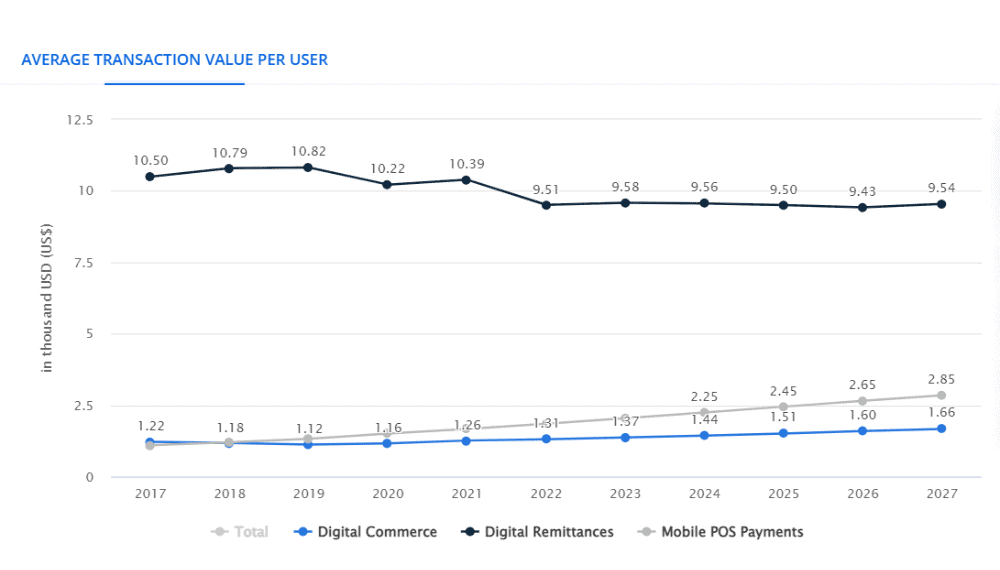
Global average transaction value per user for digital commerce, digital remittances and mobile POS payments

Global average transaction value per user for digital commerce, digital remittances and mobile POS payments. Data source

The landscape of payments is always evolving. As we step into 2023 exciting trends are shaping the future of transactions.

The world of transactions is undergoing a transformation thanks, to advancements like mobile first fintech solutions and the emergence of central bank digital currencies. In this article we’ll delve into the trends in digital payments to keep an eye on in 2023. These trends in digital payments are poised to have an impact on the financial ecosystem.

Mobile First Fintech

Mobile fintech solutions continue to dominate the landscape of payments. With the increasing penetration of smartphones businesses are harnessing apps and platforms to offer convenient payment experiences. From wallets to peer-to-peer payment apps consumers can now perform transactions effortlessly while on the move. A few taps on their devices enable purchases and fund transfers. As we look ahead to 2024 we can anticipate innovative mobile payment solutions that cater to the evolving needs of tech savvy consumers.

Data Privacy and Security

As digital payments become more prevalent ensuring data privacy and security remains paramount. The rise in cyberattacks and data breaches has underscored the importance of security measures for safeguarding financial information. In 2023 and beyond there will be an increased focus, on enhancing security protocols through encryption methods, multi factor authentication and biometric verification – all aimed at ensuring secure digital transactions.

read more Read more: A comprehensive guide on data security for merchants

E commerce

The field of e commerce has seen growth in years and this upward trend is expected to continue in 2023. As more and more people shift towards shopping digital payment platforms play a role, in facilitating smooth transactions for consumers. To cater to audience, eCommerce businesses are likely to offer payment options such as digital wallets, cryptocurrencies and more. This approach aims to enhance customer convenience and further boost the industry’s growth.

Digital Identity Verification

As cyber threats become increasingly sophisticated authentication methods are also evolving. In 2023 we can anticipate advancements in identity verification techniques that include verification, behavioral analytics and blockchain based solutions. These technologies will contribute to establishing a seamless process for verifying one’s identity while reducing the risk of fraud. Ultimately, they aim to provide users with a frictionless payment experience.

recommended article Recommended: Common challenges of identity verification that that a business face

Changing Regulatory Environment

The digital payments industry operates under evolving regulations and compliance requirements. Governments and regulatory bodies worldwide closely monitor this sector to ensure consumer protection, data privacy and fair competition. In 2023 we can expect updates in existing regulations as the introduction of new frameworks designed to address emerging challenges and promote responsible innovation, within the realm of digital payments.

Customer Communication

Effective communication with customers is crucial in the payment field as it helps build trust and loyalty. In the year 2023 businesses will increasingly utilize customer support through chatbots, AI powered assistants and social media platforms to engage with customers promptly and efficiently. These enhanced communication channels will not assist in resolving issues. Also provide real time transaction updates ultimately fostering stronger relationships with users.

Sustainability and Ethics

Sustainability and ethical considerations are becoming more important across all industries, including payments. Consumers are now more aware of the social impacts of their choices, which has prompted businesses to adopt eco practices and ethical frameworks. In 2023 we can expect digital payment providers to take steps towards reducing their carbon footprint while promoting inclusion and adhering to ethical standards in their operations.

Embedded Finance

Embedded finance is an emerging trend that seamlessly integrates services into financial platforms. For instance, retail apps now offer in app purchases and financing options. This trend blurs the lines between banking services and everyday consumer experiences making financial services more accessible and convenient for everyone. In 2023 we anticipate collaborations, between fintech companies and non-financial entities as they strive to offer embedded finance solutions.

recommended article Recommended:
What is embedded finance
Embedded finance trends for 2023 and beyond

Central Bank Digital Currencies (CBDCs)

Many central banks, around the world are currently exploring the idea of introducing their currencies, commonly known as CBDCs. These digital versions of currencies have the potential to bring about a revolution in the realm by improving payment efficiency reducing costs and promoting financial inclusion. In the year 2023 we can expect to see pilot programs and trials of CBDCs taking place in countries as central banks continue to study and assess their implications for implementation.

country status on the launch of Central Bank Digital Currencies (CBDCs)

The year 2023 holds promise for transformations in digital payments. This will be driven by advancements in technology shifts in consumer behavior and changes, in frameworks. The trends outlined here regarding payments will shape the future of transactions and contribute to a more seamless, secure and inclusive global financial ecosystem. As businesses and consumers embrace these trends the world of payments is set for an evolution that promises remarkable developments.

recommended articleRecommended: Watch our video on digital payment trends in 2023

Why Should Businesses Consider Following Digital Payment Trends?

There are reasons why businesses should seriously consider adopting digital payment trends. By embracing these trends businesses can position themselves to thrive within a changing landscape while meeting the evolving expectations of their customers.

There are reasons why businesses should consider embracing digital payment trends:

1. Customer Convenience: As digital payment methods become more widespread customers have come to expect businesses to offer secure ways to make transactions. By adopting payment trends businesses can meet these expectations providing customers with user friendly payment options. Offering a variety of payment methods helps cater to customer preferences enhancing overall satisfaction and encouraging repeat business.

2. Gaining an Advantage: In today’s market it is crucial for businesses to stay ahead of the curve in order to stand out from their rivals. Embracing payment trends can provide an edge by offering superior payment experiences compared to competitors who rely solely on traditional payment methods. This advantage not only attracts customers but also retains existing ones positioning the business as an innovative and customer centric brand.

3. Enhancing Efficiency and Cost Savings: Digital payment methods often streamline processes reducing the burden, on businesses. Through automation of tasks like digital payment processing, invoicing and reconciliation valuable time and resources can be saved for employees to focus on tasks. Furthermore, digital payments tend to be more cost effective than methods due to transaction fees and reduced reliance, on physical paperwork.

4. Improved Security and Fraud Prevention : Although there are concerns regarding security, with payment methods they actually provide protection against fraud in comparison to traditional payment methods. Numerous digital payment platforms include security measures, like encryption, tokenization and multi factor authentication all of which contribute to safeguarding financial information. By assuring customers that their data is secure and protected businesses can establish trustworthiness.

5. Expanding Horizons and Entering New Markets: The advancements, in payment methods have made it possible for businesses to go beyond boundaries and effortlessly access international markets. We already are witnessing a revolution in digital payment in healthcare market and construction industry.

By offering digital payment options companies can now sell their products and services to customers worldwide without being limited by cash or location-based transactions. This global reach opens up opportunities for businesses to explore revenue streams and drive growth.

6. Insights from Data and Personalized Experiences: Digital payment platforms generate insights about customer behavior spending habits and preferences. Businesses can leverage this data to gain an understanding of their customers enabling them to create marketing campaigns and tailored offers. With the help of data driven insights companies can optimize their strategies enhance customer engagement and boost revenue growth.

7. Compliance with Regulations: The payment landscape is subject to regulatory requirements and standards. To safeguard themselves from financial risks businesses, need to stay updated with the digital payment trends. Complying with regulations such as data protection laws and industry standards not ensures legal compliance but also builds trust among customers, vendors and partners.

8. Contributing Towards Environmental Sustainability: Digital payment trends play a role in promoting sustainability by reducing reliance, on paper based transactions. By embracing eco practices through payments instead of physical paperwork businesses contribute towards a greener future.

By encouraging customers to choose receipts and opt, for paperless billing businesses can actively contribute to reducing the impact on the environment in it’s own small way. In todays paced world driven by technology, businesses should view adopting digital payment processing as a strategic necessity.

Embracing these trends enables businesses to meet customer expectations gain an edge enhance efficiency improve security measures and access markets. By staying of the game and embracing payment solutions businesses can position themselves for growth, success and sustainability in the digital era.

The evolving digital payment trends of 2023, offer an opportunity for businesses to embrace innovation enhance customer experiences and drive growth. From the adoption of first fintech solutions, to exploring central bank digital currencies (CBDCs) the financial landscape is experiencing thrilling advancements.

By embracing these digital payment processing trends into their operations businesses can lead in the revolution by offering secure and efficient payment options that align with customer expectations. Embracing these payment trends not only provides a competitive advantage but also fosters trustworthiness regulatory compliance and contributes towards building a more sustainable future.

As we move forward in 2023 and beyond, companies that actively adapt to these trends will surely thrive in the evolving realm of payments.

Frequently Asked Questions (FAQs)

Guide to Email Marketing

Beginner’s Guide to Email Marketing

In the ever-evolving landscape of digital marketing, there’s one classic tool that continues to stand the test of time and remains at the heart of communication strategies for businesses and individuals alike – email marketing.

Whether you’re a budding entrepreneur looking to launch your first online venture or a seasoned marketer seeking to optimize your outreach efforts, mastering the art of email marketing is an essential skill. In this Beginner’s Guide to Email Marketing, we will unravel the secrets to crafting compelling campaigns, building meaningful connections with your audience, and unlocking the tremendous potential that lies within the confines of your subscribers’ inboxes.

Get ready to embark on a journey that will empower you to harness the true power of email and transform your communication game forever. So, let’s dive in and discover the wonders of email marketing – a realm where innovation, strategy, and creativity converge to drive unprecedented success!

What is Email Marketing? – A Complete Beginner’s Guide To Email Marketing

Information source

Sending targeted, tailored, and relevant emails to a group of people or potential clients via email is a highly effective digital marketing approach. Through direct communication with customers, organizations can create lasting relationships and increase customer loyalty. Obtaining email addresses through opt-ins, sign-ups, or lead generation initiatives is the first step in the procedure. Marketers may produce and send a variety of emails, including newsletters, promotional offers, product updates, and invites to events, once they have a contact list in place.

Email marketing enables businesses to deliver tailored content based on customer preferences, behaviors, and demographics, making it a highly effective tool for driving engagement and conversions.

Additionally, with the integration of analytics and tracking tools, marketers can measure the performance of their campaigns, click-through rates, monitor open rates, and other key metrics, enabling continuous improvement and optimization. When executed thoughtfully and ethically, email marketing can yield substantial returns on investment and play a crucial role in the overall marketing strategy of businesses across diverse industries.

How Email Marketing Works?

how email marketing works

The first step in email marketing is to build an email list of subscribers who have opted to receive communications from your business. There are several ways to collect email addresses, such as website sign-up forms, lead magnets (free resources or discounts in exchange for an email address), and social media campaigns.

Crafting Engaging Content

Once you have an email list, the next crucial step is to create compelling and relevant content for your email campaigns. This content can include newsletters, promotional offers, product updates, blog articles, and more. It’s essential to tailor the content to suit the interests and preferences of your audience.

Segmentation and Targeting

Not all subscribers on your email list are the same, and they may have different interests or needs. Segmentation involves dividing your email list into smaller groups based on specific criteria, such as demographics, purchase history, or engagement level. This allows you to send targeted emails to each segment, increasing the chances of engagement and conversion.

Designing Eye-catching Emails

The visual appeal of your emails can significantly impact their effectiveness. Creating well-designed, eye-catching emails with clear call-to-action buttons can encourage recipients to take the desired actions, such as clicking on a link or making a purchase.

Automating Email Campaigns

Email marketing tools offer automation capabilities that allow you to set up automated email sequences based on triggers and actions. This could include welcome emails for new subscribers, abandoned cart reminders, or personalized follow-ups based on previous interactions.

Monitoring and Analytics

Monitoring the performance of your email campaigns is vital for assessing their success. Email marketing tools provide analytics that tracks open rates, bounce rates, click-through rates, and other metrics. These insights enable you to measure the effectiveness of your campaigns and make data-driven improvements.

Compliance with Email Regulations

Lastly, it is crucial to adhere to email marketing regulations, such as GDPR (General Data Protection Regulation) and CAN-SPAM Act, to ensure that you are sending emails responsibly and legally.

By following these steps and continually refining your approach based on insights and customer feedback, email marketing can be a highly effective tool for driving engagement, nurturing relationships with your audience, and achieving your marketing goals.

Fundamentals of Email Marketing

tips for effective email marketing

In the fast-paced digital world, where marketing messages bombard consumers from all directions, email marketing remains a tried-and-true method for businesses to connect with their audience in a personal and effective way. To excel in this arena, mastering the fundamentals of email marketing is essential. Let’s explore five key principles that can help businesses build strong relationships with their subscribers and achieve successful email campaigns.

Stay Human

Amidst the sea of automated and impersonal communications, staying human in your emails can make a significant impact. Address recipients by their names, and use a conversational tone that resonates with your brand’s personality. Share authentic stories, valuable insights, and meaningful experiences to create a genuine connection with your audience. Building trust through humanized communication can lead to stronger customer loyalty and engagement.

Use Engaging Titles, But Don’t Bait And Switch

Your email subject lines play a critical role in determining whether your email gets opened or sent straight to the trash folder. Craft compelling and engaging titles that pique recipients’ curiosity, but be careful not to use misleading tactics or “clickbait.” Deliver on the promises you make in your subject lines to build credibility and maintain subscribers’ trust.

Keep Messages Short

In a world where attention spans are shrinking, brevity is key to capturing your audience’s interest. Keep your email messages concise and to the point. Use clear and straightforward language to convey your message effectively. If the content requires more explanation, consider using well-designed visuals or provide a link to a landing page for further information.

Include CTAs at the Top and Bottom

A well-placed and clear Call-to-Action (CTA) can significantly impact the success of your email campaign. Including CTAs both at the top and bottom of your email ensures that recipients can act on your message immediately, regardless of where they are in the email. Make the CTA stand out by using contrasting colors and compelling language, driving subscribers to take the desired action.

Ask Permission and Deliver On Your Promises

Respect and trust are the cornerstones of effective email marketing. Always seek explicit permission from your audience before adding them to your email list. Utilize double opt-in processes to confirm subscribers’ intent and reduce the likelihood of spam complaints. Once on your list, deliver on the promises you made during sign-up, providing the content or offers you initially offered. Meeting expectations will keep your subscribers engaged and eager to receive future communications.

By adhering to these fundamentals, businesses can create impactful and successful email marketing campaigns that not only drive engagement but also foster long-lasting relationships with their audience. Email marketing remains a powerful tool when used thoughtfully, and by embracing authenticity, relevance, and respect for subscribers, marketers can unlock the true potential of this timeless communication channel.

Benefits of Email Marketing

Benefits of Email Marketing

Email marketing offers a wide range of benefits for businesses and marketers. When implemented effectively, it can be one of the most powerful and cost-efficient tools in the digital marketing arsenal. Here are some of the key advantages of email marketing:

Wide Reach and High ROI

Email has a broad reach, with billions of active users worldwide. It helps businesses to communicate with their audience on a global scale. Moreover, email marketing consistently delivers a high return on investment (ROI). The relatively low cost per email sent compared to the potential revenue generated makes it a cost-effective marketing strategy.

Direct and Personal Communication

Email marketing enables direct and personalized communication with subscribers. Businesses can segment their email lists based on customer behavior, interests, or demographics, allowing them to send targeted and relevant content. Personalization fosters a stronger connection with recipients and increases the chances of engagement and conversion.

Increased Engagement and Brand Awareness

Engaging and well-crafted email campaigns can captivate recipients and encourage them to take action. Whether it’s clicking on a link, making a purchase, or sharing content with others, email marketing can drive higher engagement rates and boost brand awareness.

Relationship Building and Customer Loyalty

Emails provide a platform for businesses to nurture relationships with their customers. By delivering valuable content, exclusive offers, and personalized recommendations, companies can strengthen customer loyalty and retain their existing customer base.

Targeted Marketing Opportunities

With email marketing, businesses can precisely target specific segments of their audience. This level of targeting ensures that the right message reaches the right people, increasing the effectiveness of the marketing efforts.

Data-Driven Insights and Analysis

Email marketing solutions include thorough reporting and analytics tools that let companies monitor the success of their initiatives. Metrics like open rates, conversion rates, and click-through rates offer insightful information on subscriber behavior, assisting marketers in honing their tactics and enhancing next campaigns.

Automation and Efficiency

Email marketing automation is helpful for businesses to set up pre-scheduled emails, triggered messages, and personalized workflows based on user behavior. Automation streamlines the communication process, saves time, and ensures consistent messaging.

Measurable and Scalable

Unlike traditional marketing methods, email marketing is highly measurable. Marketers can track the success of each campaign and adjust their strategies accordingly. Additionally, email marketing can scale easily as a business grows, making it suitable for both small startups and large enterprises.

Increased Website Traffic and Conversions

Well-crafted emails with compelling calls-to-action can drive traffic to a business’s website or specific landing pages, leading to increased conversions and sales.

Overall, email marketing is a versatile and impactful marketing channel that empowers businesses to reach their audience directly, build lasting relationships, and drive significant business growth with relatively low costs. When executed strategically and ethically, email marketing can be a game-changer for businesses across industries.

How to Find Your Target Audience?

How to Find Your Target Audience?

Finding your target audience is a crucial step in any marketing strategy. Understanding who your ideal customers are allows you to tailor your products, services, and marketing messages to better meet their needs. Here are some steps to help you find your target audience:

Conduct Market Research

Start by conducting thorough market research to gain insights into your industry, competitors, and potential customers. Identify your competitors’ target audience and analyze their marketing strategies. Use surveys, focus groups, or online tools to gather data and feedback from potential customers.

Define Your Buyer Personas

Develop thorough buyer personas for your ideal clients. Age, gender, and geography should all be included in these personas, as well as psychographic information on interests, values, and lifestyle, as well as information about behavior patterns like online shopping preferences. You can more accurately identify your target audience if you are aware of these characteristics.

Utilize Analytics and Customer Data

Leverage data from your website, social media, and email marketing tools. Analyze metrics like website traffic, conversion rates, and engagement levels to gain insights into the characteristics of your existing customers. Use this data to refine your understanding of your target audience.

Study Your Customer Support and Feedback

Pay close attention to customer support inquiries, comments, and feedback. They can provide valuable information about your customers’ pain points, needs, and preferences. Addressing these concerns can help you better cater to your target audience.

Engage in Social Listening

Monitor conversations and discussions related to your industry, products, and services on social media platforms. Social listening allows you to understand what people are saying about your brand and your competitors, as well as the needs and desires of your target audience.

Conduct Surveys and Interviews

Reach out to your existing customers and potential leads through surveys and interviews. Ask open-ended questions to gain insights into their challenges, motivations, and preferences. Use their responses to refine your target audience profile.

Test and Refine

As you implement marketing strategies, continuously test and analyze the results. A/B test different messages, visuals, and targeting parameters to see what resonates best with your audience. Use the data to refine your target audience and optimize your marketing efforts.

Be Specific and Realistic

Avoid trying to appeal to everyone. Be specific in identifying your target audience and ensure it is realistically attainable for your business. Narrowing down your focus allows you to create more personalized and impactful marketing campaigns.

Finding your target audience is an ongoing process that requires continuous monitoring and adaptation. By combining market research, data analysis, and customer insights, you can develop a deep understanding of your ideal customers and tailor your marketing efforts to effectively reach and engage with them.

How to Incorporate Email Marketing in Your Business?

Incorporating email marketing into your business can be a highly effective way to connect with your audience, nurture customer relationships, and drive business growth. Here’s a step-by-step guide to help you get started with email marketing:

Define Your Email Marketing Goals

Identify the specific objectives you want to achieve with email marketing. These goals could include increasing website traffic, driving sales, promoting new products, building brand awareness, or engaging with your audience. Clearly defined goals will guide your overall email marketing strategy.

Choose an Email Marketing Service Provider

Select a reputable email marketing service provider that suits your business needs. Some popular options include Mailchimp, Constant Contact, AWeber, and ConvertKit. These platforms offer user-friendly interfaces, customizable templates, automation features, and analytics to track your email campaigns’ performance.

Build and Segment Your Email List

Start building your email list by incorporating sign-up forms on your website, social media platforms, and landing pages. Offer incentives, such as exclusive content or discounts, to encourage visitors to subscribe. Segment your email list according to pertinent factors, such as demographics, past purchases, or level of participation. You’ll be able to do this to distribute targeted and customized material to particular subscriber groups.

Create Compelling Content

Create interesting and useful content that appeals to your target audience and supports your email marketing objectives. Content options include blog articles, product updates, advertisements, and newsletters. Ensure your content is well-designed, mobile-friendly, and has clear calls-to-action (CTAs) to encourage recipients to take the desired actions.

Implement Automation and Triggered Emails

Take advantage of email automation features to save time and improve efficiency. Set up automated email sequences based on triggers such as welcome emails for new subscribers, birthday greetings, or abandoned cart reminders. Automation allows you to nurture leads and maintain consistent communication with your audience.

Test and Optimize Your Campaigns

Utilize the analytics offered by your email marketing platform to constantly check the effectiveness of your email campaigns. Follow data like click-through, open, and conversion rates. To improve the effectiveness of your campaigns, A/B test several aspects of your emails, including the subject line, the images, and the CTAs.

Ensure Compliance and Respect Subscriber Privacy

Adhere to email marketing regulations, such as GDPR and CAN-SPAM Act, to protect your subscribers’ privacy and maintain compliance. Provide a clear option for subscribers to unsubscribe from your emails and promptly honor their preferences.

Monitor and Improve

Regularly review the results of your email marketing efforts and gather feedback from your subscribers. Use this information to refine your email marketing strategy, enhance your content, and adapt your approach to better meet your audience’s needs.

By incorporating email marketing into your business strategy and following these steps, you can leverage the power of email to build meaningful relationships with your audience, drive engagement, and achieve your business objectives.

Final Words

Email marketing remains a versatile and indispensable tool for businesses of all sizes and industries. Its ability to connect with audiences on a personal level, foster strong customer relationships, and drive tangible results makes it a valuable addition to any marketing strategy. By understanding the fundamentals of email marketing, businesses can create engaging and compelling campaigns that resonate with their target audience.

From building a high-quality email list and crafting relevant content to utilizing automation and analytics, email marketing offers endless possibilities for growth and success. Embracing authenticity, respect for subscribers, and data-driven optimizations are the keys to unlocking the true potential of this powerful communication channel. As technology and consumer preferences evolve, email marketing continues to stand the test of time, providing a timeless and effective approach to reach, engage, and delight customers in the digital age.

So, let your business embark on this journey of connection and success, and watch your email marketing efforts flourish as you forge lasting bonds with your valued audience.

Frequently Asked Questions (FAQs)

Top Ways to Make Money on Instagram

Top Ways to Make Money on Instagram in 2025

Welcome to the dynamic world of social media entrepreneurship, where the picturesque landscapes of Instagram have transcended far beyond mere photo-sharing, evolving into an extraordinary avenue for financial success. As we embark on a thrilling journey into 2025, the opportunities to make money on Instagram have never been more diverse and enticing.

Instagram revenue over the years

From captivating influencers, trendsetting creators, and savvy marketers to ingenious e-commerce wizards, the digital landscape of this visual powerhouse offers a tempting array of avenues to turn your passion and creativity into a lucrative income stream. So, fasten your seatbelts and get ready to uncover the top ways to make money on Instagram in 2025– where the art of captivating content meets the science of shrewd business savvy!

Why You Should Learn to Make Money on Instagram?

Why You Should Learn to Make Money on Instagram?

In today’s digital era, learning to make money on Instagram has become a game-changing skill that holds the potential to unlock a world of opportunities. Instagram, with its vast user base and visually captivating platform, has emerged as a thriving marketplace where individuals can harness their creativity and turn their passions into profitable ventures. Here are compelling reasons why you should dive into the realm of Instagram money-making:

Firstly, Instagram offers a level playing field, providing everyone with a chance to build their personal brand and reach a global audience. Regardless of your background or location, with the right content and strategy, you can carve out a niche and attract loyal followers.

Secondly, the monetization options on Instagram are diverse. From sponsored posts, brand collaborations, and affiliate marketing to selling digital products, running online courses, and establishing your e-commerce store, the opportunities are boundless.

Moreover, the ever-growing influencer culture has demonstrated that authenticity and relatability hold significant value in the digital space. By staying true to your unique voice and style, you can build trust with your audience, leading to more fruitful partnerships and increased revenue.

Additionally, the flexibility of Instagram money-making allows you to pursue your passions and hobbies while generating income, making it an ideal side hustle or even a full-time career option.

Lastly, as social media continues to shape the modern business landscape, mastering the art of making money on Instagram equips you with valuable digital marketing skills, benefiting any future entrepreneurial ventures or marketing endeavors you might embark upon.

Overall, learning to make money on Instagram not only opens doors to financial gains but also cultivates creativity, community building, and business acumen. Embracing this ever-evolving platform can be a transformative journey that empowers you to turn your dreams into a reality while leaving a lasting impact in the vast digital world. So, why wait? It’s time to seize the moment and embark on this thrilling pathway to success.

What You Need to Make Money on Instagram?

In the bustling world of social media, Instagram stands out as a powerful platform for those seeking to transform their passions and creativity into a lucrative income stream. However, to embark on this journey of making money on Instagram, certain key elements and strategies are essential for success. Whether you’re an aspiring influencer, a budding entrepreneur, or a digital marketer, here’s a comprehensive guide on what you need to thrive in the Instagram money-making realm.

Compelling Content: The Backbone of Success

At the heart of any successful Instagram account lies compelling content that resonates with the target audience. To captivate users and keep them coming back for more, it’s crucial to curate visually appealing and engaging content. This may include stunning photos, eye-catching graphics, thought-provoking videos, or even entertaining reels and stories. Maintaining a consistent and authentic visual style will help establish your brand identity and make your content instantly recognizable amid the sea of posts on the platform.

Define Your Niche: Stand Out from the Crowd

In a competitive digital landscape, finding and establishing your niche is vital. Determine what sets you apart and what makes your content unique. Focusing on a specific niche allows you to build a loyal and engaged following of like-minded individuals who share a genuine interest in your content. Whether it’s fashion, fitness, travel, food, or any other passion, honing in on your niche will help you carve a distinctive place in the Instagram community.

Building a Strong Follower Base: Quality Over Quantity

While having a large number of followers can be enticing, the true value lies in building a quality follower base. Aim to attract genuine followers who are genuinely interested in your content and are likely to engage with your posts. Organic growth is not an overnight process, but it’s essential to focus on creating meaningful connections with your audience. Respond to comments, engage in conversations, and show appreciation for your followers to foster a sense of community and loyalty.

Monetization Strategies: Diversify Your Income Streams

Monetization Strategies: Diversify Your Income Streams

Instagram offers various monetization opportunities to help you generate income from your account. Some popular strategies include:

  • Sponsored Posts and Brand Collaborations: Partnering with brands that align with your niche can be a lucrative way to make money. Brands may pay you to promote their products or services to your followers.
  • Affiliate Marketing: Recommend products or services through affiliate links, and earn a commission for every sale that originates from your referral.
  • Digital Products and Online Courses: If you have valuable expertise, consider creating and selling digital products or online courses to your audience.
  • E-commerce Store: Set up an online store to sell merchandise, such as branded merchandise or products related to your niche.
  • Instagram Shopping: If you have a business account and sell physical products, you can take advantage of Instagram Shopping features to tag and sell products directly in your posts and stories.

Consistency and Frequency: Stay Active and Engaging

To stay relevant and maintain your audience’s interest, consistency and frequency are vital. Develop a content schedule and stick to it. Whether you post daily, a few times a week, or at specific times, ensure you remain consistent. However, don’t compromise on quality for quantity. Deliver valuable and engaging content that keeps your audience excited and coming back for more.

Utilize Instagram Analytics: Data-Driven Decision Making

Leverage the insights provided by Instagram analytics to understand your audience better. Analyze metrics like reach, engagement, and audience demographics to gain valuable insights into what content resonates most with your followers. Use this data to make informed decisions about your content strategy and optimize your approach for better results.

Stay Updated: Embrace Platform Changes

Instagram continuously evolves with updates, new features, and algorithm changes. To thrive on the platform, stay informed about the latest trends and features. Embrace new opportunities like Instagram Reels, IGTV, and any other features that can help expand your reach and engagement.

Overall, making money on Instagram requires dedication, creativity, and business acumen. By curating compelling content, defining your niche, building a strong follower base, diversifying your income streams, maintaining consistency, leveraging analytics, and staying updated with platform changes, you can position yourself for success in the ever-evolving world of Instagram money-making. Remember, success may not come overnight, but with persistence and a genuine passion for your craft, you can unlock the potential for financial growth and fulfillment on this visually enchanting platform.

Top 10 Proven Ways to Make Money on Instagram in 2025

Top 10 Proven Ways to Make Money on Instagram

In the fast-paced world of social media, Instagram remains a dominant force for individuals seeking to turn their content into a lucrative source of income. As the platform continues to evolve, new and innovative opportunities have emerged for creators, influencers, and entrepreneurs to monetize their presence. In this comprehensive guide, we will explore the top 10 ways to make money on Instagram in 2025, focusing on leveraging your content to unlock a world of financial possibilities.

Become an Influencer

Best tips for marketing and promotion

One of the most prominent avenues to make money on Instagram is by becoming an influencer. Influencers are individuals who have amassed a substantial following and possess the power to influence their audience’s opinions and purchasing decisions. Brands are keen to collaborate with influencers who can effectively promote their products or services to a targeted audience.

To become a successful influencer, identify and establish your niche. Focus on creating high-quality, engaging content that resonates with your audience. Showcase your unique personality and expertise, allowing your authenticity to shine through. As an influencer, you can monetize your account through sponsored posts, brand collaborations, and even long-term partnerships with businesses.

Embrace Instagram Reels

Instagram Reels, short-form videos set to music or audio, have become a dominant content format on the platform. By embracing Reels, you can tap into a vast audience and showcase your creativity in fun and exciting ways. As Reels continue to gain popularity, brands are eager to collaborate with creators who can incorporate their products or services into compelling Reel content.

To make money through Reels, consider partnering with brands for sponsored Reels or creating engaging Reel series that showcase your expertise or niche. Reels’ discovery algorithm is potent, making it a fantastic opportunity to reach new audiences and grow your following.

Leverage Instagram Live

Instagram Live provides an interactive and real-time way to connect with your audience. You can use this feature to host Q&A sessions, tutorials, behind-the-scenes glimpses, and virtual events. By leveraging Instagram Live, you can engage with your followers on a deeper level, fostering a sense of community and loyalty.

To monetize Instagram Live, consider hosting paid live sessions, where participants pay a fee to attend exclusive events or receive personalized advice. Additionally, brands may approach you for sponsored live sessions, where you promote their products or services in real-time.

Sell Digital Products and E-books

Creating and selling digital products and e-books can be a profitable venture on Instagram. If you possess specialized knowledge or expertise in a particular field, consider packaging it into a digital product or e-book. This could include guides, tutorials, templates, presets, or any other valuable content that appeals to your audience.

Promote your digital products through captivating posts, stories, and even Instagram Shopping. Utilize call-to-action (CTA) features to direct your followers to a link in your bio where they can make purchases. Selling digital products allows you to generate passive income while showcasing your expertise.

Affiliate Marketing and Sponsored Content

Affiliate marketing remains a popular strategy for making money on Instagram. Partner with brands and use unique affiliate links to promote their products or services. When someone makes a purchase through your affiliate link, you earn a commission.

In addition to affiliate marketing, sponsored content continues to be a lucrative avenue for creators. Brands may approach you to create sponsored posts, where you showcase their products or services in exchange for compensation.

Host Virtual Workshops and Masterclasses

With the rise of remote work and online learning, virtual workshops, and masterclasses have become highly sought after. If you possess expertise in a particular field, consider hosting virtual workshops or masterclasses through Instagram Live or IGTV.

Promote your workshops through engaging posts and stories, highlighting the value participants will gain from attending. Charge a fee for entry, and ensure you deliver valuable content that meets your audience’s expectations.

Launch an Online Shop

If you offer physical products, consider setting up an online shop on Instagram. Instagram Shopping features allow you to tag your products directly in your posts and stories, streamlining the purchasing process for your followers.

Invest in eye-catching product photography and compelling captions that drive your audience to make purchases. Engage with your customers, provide excellent customer service, and maintain a strong brand presence to encourage repeat business.

Provide Social Media Management Services

If you have a knack for managing social media accounts and creating engaging content, consider offering social media management services to businesses and individuals. Many businesses are willing to outsource their social media efforts to professionals who can effectively curate their online presence and drive engagement.

Use your Instagram account as a portfolio to showcase your social media expertise. Highlight case studies and success stories to demonstrate your ability to grow and manage accounts effectively.

Sell Merchandise and Branded Products

If you have a substantial following and a strong brand identity, consider selling merchandise and branded products. Create unique and appealing merchandise, such as clothing, accessories, or novelty items that resonate with your audience.

Promote your merchandise through Instagram posts, stories, and highlights. Collaborate with other creators or influencers to increase the visibility of your products and expand your customer base.

Offer Personalized Services

Personalized services can be an excellent source of income on Instagram. Whether it’s one-on-one coaching, consulting, or personalized content creation, many individuals are willing to pay for tailored experiences.

Promote your personalized services through your Instagram bio and highlight the benefits of working with you. Use engaging content to showcase your expertise and build trust with potential clients.

As Instagram continues to evolve in 2025, so do the opportunities to make money on the platform. From becoming an influencer, embracing Instagram Reels and Live, selling digital products and e-books, to affiliate marketing, hosting workshops, launching an online shop, providing social media management services, selling merchandise, and offering personalized services, there are numerous avenues for creators, influencers, and entrepreneurs to monetize their content and turn their passions into profitable ventures.

To succeed in the competitive Instagram landscape, focus on creating authentic and engaging content that resonates with your audience. Build meaningful connections with your followers and consistently provide value to nurture a loyal and dedicated community. With dedication, creativity, and strategic planning, you can unlock the full potential of Instagram and turn it into a thriving source of income in 2025 and beyond.

Final Words

Instagram has undoubtedly become a dynamic and lucrative platform for individuals to transform their passions and creativity into profitable ventures. As we explore the top 10 ways to make money on Instagram in 2025, it becomes evident that authenticity, dedication, and engaging content are the cornerstones of success in this ever-evolving digital landscape.

Whether you choose to become an influencer, leverage Instagram Reels and Live, sell digital products, engage in affiliate marketing, host workshops, launch an online shop, provide social media management services, sell merchandise, or offer personalized services, the key to thriving on Instagram lies in building genuine connections with your audience and consistently delivering value.

Embrace the diverse opportunities Instagram presents, stay updated with the latest trends, and above all, stay true to your unique voice and vision. By doing so, you can unlock the full potential of Instagram and embark on an exciting journey towards financial success and fulfillment in the thriving world of social media entrepreneurship.

Frequently Asked Questions (FAQs)

A Guide to Improving Your Marketing with Guest Blogging

A Guide to Improving Your Marketing with Guest Blogging

Discovering innovative strategies to enhance your brand’s visibility and connect with a broader audience is essential to staying ahead of your competitors. Our guide to improving your marketing with guest blogging offers valuable insights into one of the most effective techniques available today. Whether you’re a seasoned marketer looking to refresh your strategies or a new entrepreneur aiming to establish a solid online presence, this guide is packed with practical advice and expert tips to help you leverage guest blogging to its fullest potential. Prepare to explore a wealth of strategies that will boost your content marketing efforts and help you forge meaningful industry connections, driving your brand to new heights of success.

What are Guest Posts? – Guide to Improving Your Marketing with Guest Blogging

What are Guest Posts? - Guide to Improving Your Marketing with Guest Blogging

Guest posts, in the realm of digital marketing and content creation, refer to articles or blog posts authored by individuals who are not regular contributors to a particular website or blog. Essentially, it involves inviting external writers, industry experts, or influencers to craft unique and valuable content for your platform. These guest authors offer fresh perspectives, expertise, and insights on topics relevant to your niche or audience, enriching your site with diverse voices and knowledge.

The practice of guest posting benefits both parties involved. For website owners, it brings a myriad of advantages, such as driving organic traffic, increasing search engine rankings, and expanding brand exposure. By featuring content from authoritative and well-known figures, the website gains credibility and authority in its field. On the other hand, guest authors gain exposure to a new audience, build their personal brand, and establish themselves as thought leaders. It’s a mutually beneficial symbiosis that fosters collaboration and fosters a sense of community within the digital landscape.

How do Guest Posts Work?

How do Guest Posts Work?

Guest posts are a collaborative content marketing strategy wherein individuals or organizations contribute articles or blog posts to another website or blog they don’t own or regularly contribute to. Here’s a breakdown of how guest posts work:

Finding Opportunities

Guest authors identify websites or blogs that are relevant to their niche or target audience. They research potential platforms that align with their expertise and offer opportunities for guest contributions.

Pitching Ideas

Once a suitable website is found, the guest author pitches content ideas to the site’s owner or editor. The pitch aims to demonstrate the value and relevance of the proposed topic to the site’s audience.

Content Approval

If the website owner accepts the pitch, the guest author begins crafting the post while adhering to any specific guidelines provided by the host site. These guidelines may include word count, writing style, and any SEO requirements.

Writing the Guest Post

The guest author creates a high-quality, original article that provides value to the host site’s readers. The content should be informative, engaging, and aligned with the website’s tone and subject matter.

Editing and Review

The host site reviews the guest post, ensuring it meets their quality standards and aligns with their content guidelines. They may request revisions or edits if necessary before final approval.

Publishing

Once approved, the guest post is published on the host site with proper attribution to the guest author. The post may include a brief bio about the author, along with links to their website or social media profiles.

Promotion and Engagement

The guest author and the host site promote the published guest post through various channels, such as social media, newsletters, and other marketing efforts. The guest author engages with the host site’s audience by responding to comments and interacting with readers.

Guest posts offer a win-win scenario, as the host site receives valuable content to share with their audience, while the guest author gains exposure to a new readership, builds authority in their industry, and boosts their own website’s SEO through backlinks. When executed effectively, guest blogging can be a powerful tool for expanding reach, establishing industry credibility, and fostering valuable relationships within the online community.

Benefits of Guest Posts

Benefits of Guest Posts

Guest posts offer numerous benefits for both the host site and the guest author. Here are some of the key advantages

Increased Website Traffic

Guest posts can drive new, targeted traffic to the host site. When the guest author promotes the post to their audience, their followers are likely to visit the host site, resulting in increased website traffic.

Expanded Audience Reach

Guest posts enable the host site to tap into the guest author’s existing audience. This exposure to a new readership helps the host site reach a broader demographic and potentially gain new followers.

Boost in SEO

Backlinks to the guest author’s website are frequently included in high-quality guest posts. These hyperlinks not only increase referral traffic but also let search engines know that the guest author’s website is trustworthy, which could help the site’s rating.

Credibility and Authority

Hosting guest posts from industry experts and influencers helps the host site build credibility and authority in its niche. Associating with reputable guest authors enhances the site’s reputation and attracts a loyal readership.

Diverse Content and Perspectives

Guest posts bring fresh ideas, unique perspectives, and varied writing styles to the host site. This diversity of content keeps the audience engaged and encourages them to return for more insightful content.

Networking Opportunities

Guest posts foster valuable relationships between the host site and the guest author. This networking can lead to future collaborations, partnerships, or co-marketing opportunities.

Content Generation

Guest posts can be a valuable content source for the host site, especially during busy periods or when the site’s regular contributors are limited.

Brand Exposure

For guest authors, contributing to established websites exposes their brand or business to a wider audience. This increased visibility can lead to brand recognition and potential customer acquisition.

Thought Leadership

By sharing expertise through guest posts, authors can position themselves as thought leaders in their industry. This can lead to invitations for speaking engagements, interviews, and other opportunities to showcase their knowledge.

Backlink Opportunities

Guest posting on reputable websites allows guest authors to acquire backlinks, which is beneficial for their website’s SEO and domain authority.

Overall, guest posts present a mutually beneficial arrangement, allowing both the host site and guest authors to leverage each other’s strengths and resources to achieve their marketing and content goals.

Determining Your Guest Blogging Goals

Vision Goal Action Success Business Strategy 84946026

Determining your guest blogging goals is essential to ensure your efforts align with your broader marketing strategy and yield meaningful results. Here’s a step-by-step guide to help you define your guest blogging goals:

Understand Your Overall Marketing Objectives

Start by clarifying your broader marketing objectives. What do you aim to achieve with your overall marketing efforts? This could include increasing website traffic, boosting brand awareness, generating leads, improving SEO, establishing thought leadership, or building strategic partnerships.

Identify Your Target Audience

Who is your target audience, and what are their needs and preferences? Understanding your audience will help you craft guest posts that resonate with them and provide value.

Define Your Key Performance Indicators (KPIs)

Based on your marketing objectives, establish specific KPIs to measure the success of your guest blogging efforts. For example, if your goal is to increase website traffic, your KPI could be the number of visitors referred from guest posts.

Determine Your Content Themes

Decide on the topics and themes you want to focus on in the guest posts. Ensure they align with your niche, expertise, and target audience’s interests.

Research Relevant Websites

Look for websites and blogs that cater to your target audience and accept guest posts. Consider their domain authority, audience size, engagement metrics, and the relevancy of their content to your goals.

Set Guest Blogging Frequency

Decide on the frequency at which you’ll contribute guest posts. Consistency is key to building relationships and maintaining a strong online presence.

Establish Outreach and Relationship Building Strategy

Plan how you will approach website owners or editors with your guest post pitches. Building a rapport with them can increase your chances of being accepted.

Craft Compelling Pitches

Create well-crafted pitches that showcase your expertise and explain how guest post will provide value to their audience. Tailor each pitch to the target website’s content and audience.

Monitor and Analyze Results

Regularly monitor the performance of guest posts using the established KPIs. Analyze which posts perform well and which ones need improvement, and use these insights to refine your guest blogging strategy.

Adjust and Evolve

As you gain experience with guest blogging, be willing to adapt your goals and strategy based on the results you achieve. Continuously refine your approach to maximize the benefits of guest blogging.

By following these steps and maintaining a clear focus on your guest blogging goals, you can harness the full potential of guest posts as a powerful tool to enhance your marketing efforts and achieve your desired outcomes.

How to Find Guest Blogging Opportunities?

Finding guest blogging opportunities requires a strategic approach and thorough research. The following are some useful techniques for locating possible guest blogging opportunities:

Google Search

Use keywords and search phrases such as “write for us,” “submit a guest post,” or “guest post guidelines,” as well as your expertise or sector. This will be helpful to find websites that are actively looking for guest contributors.

Social Media

Research social media networks, particularly LinkedIn and Twitter, to discover websites and blogs that frequently publish guest articles from different authors. On these networks, a lot of website owners and editors advertise their guest blogging possibilities.

Guest Blogging Communities

Join online communities and forums that focus on guest blogging. These platforms allow website owners and guest authors to connect and exchange opportunities.

Competitor Analysis

Research your competitors’ guest posts to identify the sites where they contribute. You can use tools like Moz, Ahrefs, or SEMrush to see which websites link to your competitors’ content.

Content Aggregator Sites

Look for websites that curate guest posts from various authors in your niche. Contributing to such aggregator sites can increase your exposure to a broader audience.

Blogger Outreach Tools

Some platforms and tools, like Pitchbox or Ninja Outreach, can help you find websites open to guest posts and streamline your outreach process.

Industry Events and Conferences

Attend industry-specific events and conferences where you can network with website owners, editors, and fellow guest authors who might be interested in collaboration.

Guest Blogging Directories

Some websites maintain directories of blogs that accept guest posts. Look for these directories to discover potential opportunities.

Contact Website Owners

If you have specific websites in mind that you’d like to contribute to, reach out to the website owners directly. Create a tailored pitch that emphasizes the value you can offer their audience.

Networking and Relationships

Cultivate relationships with other bloggers and industry influencers. Networking can lead to guest blogging invitations or referrals to suitable opportunities.

Remember to thoroughly review the guidelines and content requirements of each website you approach for guest blogging. Tailor your pitches to align with their audience and focus on providing valuable content. Building a strong portfolio of guest posts on reputable websites can significantly enhance your online presence and boost your credibility as an industry expert.

Pitching a Guest Blogging Post

Pitching a guest blogging post requires a well-crafted and compelling message that captures the attention of the website owner or editor. Here’s a step-by-step guide to help you pitch your guest blogging post effectively:

Research the Target Website

Familiarize yourself with the target website’s content, audience, and style. Understand their niche and the topics they usually cover. This will help you tailor your pitch to match their preferences.

Find the Right Contact

Look for the appropriate contact person responsible for guest submissions or content partnerships. This information is often available on the website’s “Write for Us” or “Contributor Guidelines” page.

Craft a Strong Subject Line

Your email subject line should be attention-grabbing and concise, clearly conveying your intention to submit a guest post. Avoid generic subject lines and personalize it when possible.

Introduce Yourself Briefly

In the opening paragraph, introduce yourself and mention your qualifications or expertise related to the proposed topic. Establishing credibility is crucial at this stage.

Highlight the Value

Clearly outline the value your guest post will bring to their audience. Explain how your content will educate, entertain, or provide actionable insights that align with their readers’ interests.

Propose a Specific Topic

Instead of vague ideas, offer a well-defined topic or headline for the guest post. Make it clear what you intend to cover and how it relates to the target website’s audience.

Showcase Writing Samples

Provide links to your previous guest posts or relevant articles demonstrating your writing style and expertise. This builds confidence in your ability to deliver quality content.

Mention Your Audience

If you have a substantial following or a niche-specific audience, mention this to showcase your potential reach and influence.

Adhere to Guidelines

Respect the website’s guest post guidelines. If they have specific instructions for pitching, follow them meticulously. Ignoring guidelines might lead to rejection.

Show Enthusiasm

Express your enthusiasm for contributing to their website. Genuine interest and passion for the subject matter can make your pitch more compelling.

Be Polite and Professional

Maintain a courteous and professional tone throughout your pitch. Avoid sounding overly promotional or desperate.

Follow Up

If you don’t receive an immediate response, follow up after a reasonable time. A brief and polite follow-up email can demonstrate your commitment and persistence.

Make your pitch stand out by being informative, relevant, and beneficial in light of the fact that website owners and editors receive countless pitches. Each pitch should be customized for the particular website you are contacting, and as you wait for a response, be patient. An effective pitch for guest blogging can lead to worthwhile industry partnerships, exposure, and networking opportunities.

How to Submit a Great Guest Post?

Submitting a great guest post involves more than just writing quality content. It’s about understanding the target website’s audience, adhering to their guidelines, and providing value. Here’s a comprehensive guide on how to submit an outstanding guest post:

Research the Target Website

Familiarize yourself with the website’s content, tone, and style. Understand their audience, the topics they cover, and the format of their articles.

Review Guest Post Guidelines

Pay close attention to the website’s guest post guidelines. Follow their instructions regarding word count, formatting, images, links, and any other specific requirements.

Choose an Engaging Topic

Select a topic that aligns with the website’s niche and audience. Ensure it’s informative, relevant, and provides unique insights or solutions to their readers’ problems.

Craft an Attention-Grabbing Title

Create a compelling and relevant headline that entices readers to click and read your post. A strong title can significantly impact the success of guest post.

Write High-Quality Content

Produce well-researched, error-free content that adds value to the readers. Use clear and concise language to convey your message effectively.

Use Visuals

Include relevant images or visuals to enhance your content and make it more engaging. Ensure you have the rights to use any images you include.

Provide Actionable Takeaways

Offer practical tips, advice, or actionable steps that readers can implement after reading your post. This makes your content more valuable and memorable.

Include Internal and External Links

Incorporate a few relevant internal links to other articles on the target website and include external links to authoritative sources that support your points.

Craft an Author Bio

Write a brief and informative author bio that introduces yourself and your expertise. Include links to your website or social media profiles to build credibility.

Be Unique

Ensure the guest post is original and not published elsewhere. Website owners seek fresh content that hasn’t been duplicated on other platforms.

Proofread and Edit

Before submitting, thoroughly proofread and edit your post for grammar, spelling, and clarity. A polished article reflects professionalism.

Submit as Per Instructions

Follow the website’s submission process precisely. Attach your post as a Word document or paste it into the email body, as specified.

Be Patient

After submission, be patient and give the website owner time to review your post. Avoid following up too soon unless specified in their guidelines.

Promote Your Guest Post

Once published, share your guest post on your social media channels and website to extend its reach and show appreciation to the host website.

Remember, the goal of a guest post is to provide value to the host website’s audience while showcasing your expertise. By respecting their guidelines, tailoring your content to their readers, and delivering high-quality insights, your guest post is more likely to be well-received and make a positive impact on both your brand and the host website.

Final Words

In conclusion, guest blogging presents an extraordinary opportunity for marketers and content creators to forge meaningful connections, amplify their reach, and establish themselves as industry authorities. By understanding the core principles of successful guest posting from setting clear goals, identifying relevant opportunities, and crafting compelling pitches to delivering high-quality, tailored content one can unlock the full potential of this dynamic marketing strategy.

Embracing the art of guest blogging allows us to transcend the confines of our own platforms and immerse ourselves in a vast community of knowledge-sharing and collaboration. As we venture into this ever-expanding landscape of guest posting, let us not only aim to enrich the digital world with valuable insights but also embrace the spirit of collaboration and mutual growth that lies at the heart of this thriving content ecosystem.

Frequently Asked Questions (FAQs)

4 Ps of Marketing

What are the 4 P’s of Marketing?

In a bustling world of products and services, where competition is fierce, and attention spans are fleeting, successful marketers wield a powerful arsenal of strategies to captivate their audience. Among these, a steadfast foundation has been laid by the “4 Ps of Marketing” – a timeless framework that serves as the compass guiding businesses towards prosperity.

These four pillars, often referred to as the marketer’s golden formula, offer a roadmap for crafting winning marketing strategies that resonate with consumers, making it an indispensable tool for companies striving to stay ahead in an ever-evolving landscape. So, let’s dive into the enchanting realm of marketing and unlock the secrets behind the 4 P’s that can transform mere ideas into awe-inspiring brands with unwavering allure.

What are the 4 P’s of Marketing?

4 P’s of Marketing

The 4 P’s of marketing, also known as the marketing mix, are a fundamental framework used by businesses to create and implement effective marketing strategies. They were introduced by E. Jerome McCarthy in the 1960s and have since become a cornerstone of marketing theory and practice.

Product

The first “P” focuses on the product or service a company offers to its target customers. This involves understanding and developing products that meet the needs and desires of the target market. Marketers must consider features, quality, design, branding, and packaging to ensure their product stands out in the competitive landscape.

Price

The second “P” involves determining the pricing strategy for the product or service. Pricing decisions should align with the value perceived by customers while also considering production costs, competitor pricing, and overall market conditions. Striking the right balance between perceived value and affordability is critical for successful pricing.

Place

The third “P” emphasizes the distribution and placement of the product. Marketers need to decide on the most appropriate channels to make their products accessible to the target audience. This could involve physical stores, online platforms, or a combination of both, depending on customer preferences and market trends.

Promotion

The fourth “P” focuses on the promotional activities used to communicate the product’s benefits and persuade customers to make a purchase. This includes advertising, public relations, sales promotions, and other communication efforts. The goal is to create awareness, generate interest, and ultimately drive sales.

By carefully considering and balancing these four elements, businesses can develop comprehensive marketing strategies that effectively reach and engage their target audience, leading to increased sales and long-term success.

Understanding the 4 P’s of Marketing

Video credit

In the realm of marketing, the 4 P’s, also known as the marketing mix, represent a fundamental framework that lays the groundwork for successful business strategies. Developed by E. Jerome McCarthy in the 1960s, these four pillars – Product, Price, Place, and Promotion – are essential components that help marketers shape and implement their plans effectively.

Product: Crafting the Core Offering

The first “P” in the marketing mix is Product. This element revolves around understanding and developing the core offering – the product or service that a company brings to the market. To ensure success, marketers must conduct thorough research to comprehend their target customers’ needs, preferences, and pain points. By aligning the product with these insights, businesses can create offerings that cater directly to their customers’ demands.

Key considerations in the product phase include defining product features, quality, design, and branding. Additionally, product packaging plays a crucial role in influencing consumer perception and setting the product apart from competitors. A well-crafted product strategy can foster brand loyalty and lead to a competitive advantage in the market.

Price: Determining Value and Affordability

The second “P” stands for Price, and it is all about determining the right pricing strategy for the product or service. Pricing decisions should be based on a thorough analysis of various factors, including production costs, market demand, competitor pricing, and the perceived value of the product in the eyes of the target customers.

Finding the right balance between perceived value and affordability is crucial. A pricing strategy that aligns with the target market’s willingness to pay can lead to increased sales and higher profitability. Additionally, marketers must be mindful of pricing adjustments over time, considering factors such as product lifecycle, market conditions, and customer feedback.

Place: Reaching the Right Audience

The third “P” in the marketing mix is Place, which refers to the distribution and placement of the product or service. It involves determining the most appropriate channels to make the product accessible to the target audience. This could include physical stores, online platforms, wholesalers, retailers, or a combination of distribution channels.

Understanding the target market’s purchasing behavior and preferences is vital in selecting the right distribution channels. Marketers need to ensure that the product is available at the right place and at the right time to meet customer demand effectively.

Promotion: Communicating and Persuading

The fourth and final “P” is Promotion. This aspect of the marketing mix involves the promotional activities used to communicate the product’s benefits and persuade customers to make a purchase. Marketers employ various strategies such as advertising, public relations, sales promotions, and personal selling to create brand awareness and generate interest in the product.

Promotion plays a crucial role in capturing the attention of potential customers and converting interest into sales. An effective promotional campaign should be tailored to the target audience and aligned with the overall marketing objectives.

The 4 P’s of marketing provide a comprehensive and time-tested framework for marketers to create successful marketing strategies. By understanding and carefully balancing these four elements – Product, Price, Place, and Promotion – businesses can enhance their market presence, effectively engage their target audience, and ultimately drive sales and success in the competitive business landscape.

How to Use the 4 P’s of Marketing in Your Marketing Strategy

Marketing Strategy

Using the 4 P’s of marketing in your marketing strategy involves a systematic and thoughtful approach to ensure your products or services effectively meet your target customers’ needs and create a strong market presence. Here’s a step-by-step guide on how to incorporate the 4 P’s into your marketing strategy:

Product: Understand Your Customers and Develop a Winning Offering

Start by conducting in-depth market research to understand your target audience’s preferences, pain points, and desires. This will help you create a product or service that addresses their specific needs and differentiates itself from competitors. Focus on product features, quality, design, and branding to ensure your offering appeals to your target customers.

Price: Set the Right Pricing Strategy

Analyze your production costs, competitor pricing, and market demand to determine the optimal price for your product or service. Consider the perceived value of your offering in the eyes of your customers and their willingness to pay. Strive to find the right balance between affordability and perceived value to attract your target market while maintaining profitability.

Place: Select the Most Suitable Distribution Channels

Identify the distribution channels that align with your target audience’s shopping habits and preferences. Whether it’s physical stores, online platforms, wholesalers, or retailers, ensure your product is readily available at the right place and time. Establish strong partnerships with distributors or retailers to enhance the accessibility and visibility of your offering.

Promotion: Communicate and Engage with Your Audience

Develop a comprehensive promotional strategy to create awareness and generate interest in your product or service. Utilize various promotional channels, including advertising, social media, content marketing, public relations, and personal selling, to effectively communicate your brand’s message. Tailor your promotional efforts to resonate with your target audience, emphasizing the unique selling points of your offering.

Continuous Monitoring and Adaptation

Marketing is an ever-evolving process, and monitoring your strategy’s performance is crucial. Keep a close eye on sales, customer feedback, market trends, and competitor activities. Use data analytics to gain insights into your customers’ behaviors and preferences. Based on the feedback and data gathered, be prepared to adapt and fine-tune your marketing mix as needed to stay relevant and competitive in the marketplace.

Integrating the 4 P’s of marketing into your marketing strategy provides a solid foundation for success. By understanding your customers’ needs, developing a compelling product, setting the right price, selecting appropriate distribution channels, and communicating effectively through promotions, you can create a powerful marketing mix that resonates with your target audience and propels your business toward long-term success. Remember to continuously evaluate and adjust your strategy to stay ahead in the ever-changing business landscape.

How 4 P’s Can Help Enhance Your Marketing Strategy?

The 4 P’s of marketing (Product, Price, Place, and Promotion) serve as a powerful toolset to enhance your marketing strategy in various ways. By leveraging these elements effectively, businesses can develop more targeted, customer-centric, and successful marketing approaches. Here’s how each of the 4 P’s can contribute to enhancing your marketing strategy:

Product

  • Meeting Customer Needs: Understanding your target audience’s preferences and pain points allows you to develop products or services that directly address their needs, increasing the chances of adoption and satisfaction.
  • Differentiation: Focusing on product features, design, and branding enables you to create a unique value proposition that sets your offering apart from competitors, making it more attractive to potential customers.
  • Building Brand Loyalty: A well-crafted product strategy that consistently delivers value and meets customer expectations fosters brand loyalty, leading to repeat purchases and positive word-of-mouth marketing.

Price

  • Maximizing Profitability: Determining the optimal pricing strategy ensures that your products generate revenue while considering production costs and market demand, thus maximizing profitability.
  • Value Perception: Setting the right price creates a perception of value for your customers, influencing their purchase decisions and willingness to pay.
  • Competitive Advantage: Strategic pricing can give you a competitive edge, making your products more appealing than those offered by rivals.

Place

  • Efficient Distribution: Selecting appropriate distribution channels ensures your products reach your target customers in a timely and convenient manner, increasing accessibility and sales potential.
  • Geographic Reach: An effective place strategy enables you to expand your market reach and tap into new customer segments in different regions or countries.
  • Channel Partner Collaboration: Building strong relationships with distributors or retailers can enhance visibility and customer engagement with your products.

Promotion

  • Creating Awareness: Promotional efforts such as advertising and content marketing help raise awareness about your brand and offerings among your target audience.
  • Engagement and Interest: Effective promotion generates interest and engagement, piquing the curiosity of potential customers and driving them to learn more about your products.
  • Building Brand Identity: Consistent promotion reinforces your brand identity and message, establishing trust and credibility in the minds of consumers.

The 4 P’s of marketing play a crucial role in enhancing your marketing strategy by guiding you to understand your customers’ needs, craft compelling products, set competitive prices, and develop efficient distribution and promotional tactics. By integrating these elements seamlessly and continuously monitoring and adapting your strategy, you can create a robust and customer-focused marketing approach that leads to increased brand awareness, customer loyalty, and improved business performance.

What Businesses Can Use the 4 P’s of Marketing?

The 4 P’s of marketing (Product, Price, Place, and Promotion) are versatile and can be applied to various types of businesses across different industries. Whether it’s a small startup, a large corporation, a service-based company, or a retail business, the 4 P’s provide a foundational framework for developing effective marketing strategies. Here are some examples of businesses that can use the 4 P’s:

Consumer Goods Companies

Businesses that produce and sell tangible products, such as food and beverages, clothing, electronics, and household items, can use the 4 P’s to tailor their offerings to specific target markets and create compelling marketing campaigns.

Technology Companies

Companies in the tech industry, such as software developers, hardware manufacturers, and IT services providers, can utilize the 4 P’s to design and promote innovative products, set competitive pricing, and choose appropriate distribution channels.

Retailers

Both brick-and-mortar and online retailers can use the 4 P’s to curate their product selections, determine pricing strategies, optimize store or website locations, and implement effective promotional activities to attract and retain customers.

Hospitality and Tourism

Hotels, resorts, airlines, and travel agencies can leverage the 4 P’s to design attractive travel packages, set competitive pricing, choose strategic locations, and promote their services to potential travelers.

Financial Services

Banks, insurance companies, and investment firms can use the 4 P’s to develop and promote various financial products, set fees and interest rates, select convenient branch locations, and execute effective marketing campaigns.

Professional Services

Businesses offering services like legal, accounting, consulting, and marketing can utilize the 4 P’s to communicate their expertise, set competitive pricing for their services, and reach target clients through appropriate channels.

Healthcare Providers

Hospitals, clinics, and medical practitioners can apply the 4 P’s to optimize their services, determine pricing for medical procedures, ensure convenient locations for patients, and promote health awareness campaigns.

Fast-Food Chains

Restaurants and fast-food chains can use the 4 P’s to design appealing menus, set competitive pricing, choose strategic locations for their outlets, and run promotional campaigns to attract customers.

Automotive Industry

Car manufacturers and dealerships can employ the 4 P’s to design and promote vehicles, set competitive pricing, choose dealership locations, and create marketing campaigns that highlight the features and benefits of their cars.

E-commerce Companies

Online businesses can apply the 4 P’s to curate their product offerings, set competitive pricing, optimize their website’s user experience, and implement effective digital marketing strategies.

Overall, virtually any business that aims to succeed in the market can benefit from incorporating the 4 P’s of marketing into their strategies. By understanding their customers, developing compelling products, setting competitive pricing, choosing appropriate distribution channels, and implementing effective promotional efforts, businesses can enhance their market presence and achieve sustainable growth.

Final Words

In conclusion, the 4 P’s of marketing – Product, Price, Place, and Promotion – serve as a timeless and indispensable framework for businesses striving to thrive in today’s competitive landscape. Companies can create customer-centric marketing strategies that resonate with their audience and drive success by understanding their target audience, crafting products that meet specific needs, setting competitive pricing, choosing appropriate distribution channels, and executing effective promotional campaigns.

Whether it’s a consumer goods company, a tech startup, a retail business, or a service provider, the 4 P’s provide a versatile and comprehensive approach to enhancing marketing efforts. Continuously monitoring market trends, customer feedback and adapting strategies accordingly will further ensure businesses stay relevant and maintain a competitive edge.

Ultimately, embracing the 4 P’s enables businesses to create powerful and impactful marketing strategies that lead to increased brand awareness, customer loyalty, and sustainable growth in the ever-evolving world of marketing.

Frequently Asked Questions (FAQs)

How To Protect Your Business From Bank Failures In Case of Financial Crisis

How To Protect Your Business From Bank Failures In Case of Financial Crisis

In the fast-paced world of business, where fortunes can be made and lost in the blink of an eye, one of the greatest fears that keep entrepreneurs up at night is the possibility of a financial crisis leading to bank failures. We’ve witnessed the devastating impact such events can have on businesses, both large and small, leaving them vulnerable and struggling to survive in the aftermath. But fear not, for in this guide, we will unveil a strategic roadmap to protect your business from bank failures during a financial crisis.

By arming yourself with knowledge and implementing smart risk management techniques, you can fortify the foundations of your enterprise and navigate the treacherous waters of uncertainty with confidence. So, prepare to safeguard your business’s financial future as we delve into the essential strategies that will shield you from the stormy winds of bank failures.

What is a Bank Failure?

SAFE Banking Act

A bank failure refers to a situation where a financial institution, typically a bank, becomes insolvent and is unable to meet its financial obligations to depositors and creditors. In simpler terms, it is when a bank collapses due to severe financial distress, leading to its inability to fulfill its contractual obligations. This can occur for various reasons, such as mismanagement, excessive risk-taking, economic downturns, or a combination of factors. When a bank fails, it can have far-reaching consequences, affecting not only the bank itself but also its customers, shareholders, and the broader economy.

Depositors may lose access to their funds, businesses may face difficulties in obtaining credit, and confidence in the overall financial system can be shaken. Governments and regulatory bodies often intervene to manage the fallout and prevent systemic risks. Bank failures highlight the importance of robust risk management practices, effective regulation, and the need for businesses to be prepared for such contingencies to safeguard their interests.

How Do Banks Fail?

Bank failures can be disastrous, causing significant turmoil in the financial system and leaving businesses and individuals in a state of uncertainty. Understanding the factors contributing to bank failures is essential for safeguarding your business’s financial interests. Whether it’s due to mismanagement, economic downturns, lack of capital, regulatory non-compliance, or systemic risks, the consequences can be far-reaching.

By recognizing these risks and taking proactive measures, you can protect your business from the adverse effects of bank failures. In the following sections, we will explore the key reasons why banks fail and delve into the underlying causes and implications of each factor. By gaining insights into these dynamics, you will be better equipped to navigate through challenging times and shield your business from the fallout of bank failures.

Mismanagement and Poor Risk Assessment

Banks can fail due to mismanagement and poor risk assessment practices. This can involve making risky investments, extending loans to borrowers with a high likelihood of default, or inadequate monitoring of credit risks. When these risks materialize and result in significant losses, the bank’s financial health deteriorates, leading to potential failure.

Economic Downturns and Financial Crises

Banks are highly sensitive to economic conditions. During economic downturns or financial crises, businesses may struggle to repay their loans, leading to a rise in non-performing loans (NPLs). If the bank has substantial exposure to these troubled loans, it can suffer significant losses and face insolvency.

Lack of Sufficient Capital and Liquidity

Banks must maintain adequate capital and liquidity to ensure their stability and ability to meet depositor withdrawals and financial obligations. If a bank fails to maintain sufficient capital reserves or faces a sudden surge in withdrawal requests, it may experience liquidity problems and become unable to honor its obligations, ultimately resulting in failure.

Regulatory Non-Compliance and Legal Issues

Banks operate under strict regulations to ensure the stability and integrity of the financial system. Failure to comply with these regulations, such as engaging in fraudulent activities, money laundering, or violating capital adequacy requirements, can lead to regulatory penalties, loss of public trust, and even the revocation of the bank’s license.

Contagion and Systemic Risk

The failure of one bank can have a domino effect, triggering a chain reaction of financial instability. This contagion occurs when the failure of a bank causes a loss of confidence in the entire banking system, leading to depositors withdrawing funds from other banks and creating a liquidity crunch. Systemic risks can arise when banks are interconnected, relying on each other for funding, or when the failure of a major bank disrupts the overall financial infrastructure.

It’s important to note that these factors are not mutually exclusive and often interact with one another, amplifying the risk of bank failures. Effective risk management, strict regulatory oversight, and prudent lending practices are crucial to mitigate the likelihood and impact of bank failures.

Major Historical Bank Failure Events

Major Historical Bank Failure Events

The Great Depression (1929-1933)

The Great Depression was a severe worldwide economic downturn that resulted in numerous bank failures. The stock market crash of 1929 and subsequent economic collapse led to widespread business failures and high unemployment rates. The failure of thousands of banks during this period caused significant financial losses for depositors and contributed to the deepening economic crisis.

Savings and Loan Crisis (1980s-1990s)

The Savings and Loan (S&L) Crisis in the United States was a result of risky lending practices and inadequate regulatory oversight. Many S&L institutions made high-risk loans and investments, leading to massive losses. Ultimately, over 1,000 S&Ls failed, costing taxpayers billions of dollars in bailout funds.

Global Financial Crisis (2007-2008)

The Global Financial Crisis, triggered by the collapse of Lehman Brothers, was a pivotal event that caused a wave of bank failures worldwide. Banks had engaged in risky mortgage lending and securitization practices, which resulted in the subprime mortgage crisis. This led to a widespread credit freeze, severe liquidity problems, and the failure of several major financial institutions, such as Bear Stearns and Washington Mutual.

Eurozone Debt Crisis (2010-2014)

The Eurozone Debt Crisis affected several European countries, primarily Greece, Ireland, Portugal, and Spain. Banks in these countries faced significant losses due to exposure to sovereign debt and a decline in property values. As a result, several banks required government bailouts, while others faced mergers, acquisitions, or closures.

Icelandic Financial Crisis (2008-2011)

The Icelandic Financial Crisis was a result of a collapse in the country’s banking system. Icelandic banks had expanded rapidly, accumulating excessive debt and engaging in risky investments. When global credit markets froze, the banks were unable to refinance their debts, leading to their collapse. The crisis had a severe impact on the Icelandic economy and required an international bailout.

These historical bank failure events serve as reminders of the importance of prudent risk management, effective regulation, and the need for proactive measures to prevent or mitigate the devastating consequences of financial crises.

How To Protect Your Business From Bank Failures In Case of Financial Crisis

Protect Your Business From Bank Failures

Safeguarding your business from the potential risks of bank failure is crucial for maintaining its financial stability and resilience. The consequences of a bank failure can be severe, impacting cash flow, access to funds, and overall business operations.

By implementing proactive strategies and taking necessary precautions, you can protect your business from the adverse effects of bank failures. In the following sections, we will explore key steps to safeguard your business, including diversifying banking relationships, maintaining cash reserves, and exploring alternative funding sources, among others. These measures can help fortify your business’s financial position and ensure its ability to navigate through challenging times.

Diversify Your Banking Relationships

Avoid relying on a single bank for all your financial needs. Diversify your banking relationships by spreading your funds across multiple reputable banks. This reduces the risk of losing all your funds in the event of a bank failure.

Conduct Regular Financial Health Checks

Keep a close eye on your business’s financial health. Regularly review your financial statements, cash flow, and profitability to identify any potential risks or warning signs. Promptly address any issues and take necessary actions to strengthen your financial position.

Maintain Adequate Cash Reserves

Build up cash reserves to provide a cushion during turbulent times. Having readily available cash can help your business weather periods of financial instability and avoid relying heavily on bank financing.

Establish Lines of Credit and Alternative Funding Sources

Explore options for securing lines of credit or establishing relationships with alternative funding sources such as venture capitalists, angel investors, or crowdfunding platforms. Having multiple funding sources can provide backup options in case of a bank failure.

Stay Informed and Engage Professional Advisors

Keep yourself updated on the financial landscape and market conditions that may impact your business. Seek guidance from financial advisors, accountants, or business consultants who can provide expert advice on risk management strategies and help navigate potential challenges.

Understand Deposit Insurance Coverage

Familiarize yourself with the deposit insurance coverage provided by your country’s regulatory authorities. This coverage often provides protection for a certain amount of deposits in case of a bank failure. Ensure your funds are within the insured limits to safeguard your business’s assets.

Monitor Bank Stability and Reputation

Regularly assess the stability and reputation of the banks you work with. Stay informed about their financial performance, capital adequacy ratios, and any news or events that could impact their stability. Choose banks with strong financial standings and a track record of reliability.

Develop a Contingency Plan

Prepare a contingency plan outlining the steps you would take in case of a bank failure. This plan should include alternative banking options, strategies for accessing funds, and how you would communicate with customers, suppliers, and employees to minimize disruptions.

Maintain Strong Internal Controls

Implement robust internal controls to safeguard your business’s finances. Have clear segregation of duties, regular audits, and strong oversight mechanisms to detect and prevent any fraudulent activities or mismanagement that could jeopardize your financial stability.

Remember, while these measures can help mitigate the risks of bank failure, they do not guarantee complete protection. It is essential to remain vigilant, adapt to changing circumstances, and be prepared to act swiftly and decisively to safeguard your business’s interests.

How to Limit Your Risk in the Event of Bank Failure?

When it comes to protecting your business from the risks associated with bank failures, proactive risk management is paramount. The potential consequences of a bank failure can have a significant impact on your business’s financial stability and operations. By implementing strategies to limit your risk exposure, such as diversifying banking relationships, understanding deposit insurance coverage, and maintaining adequate cash reserves, you can safeguard your business’s interests and navigate through potential bank failures with greater resilience. In the following sections, we will delve into key steps that you can take to minimize the risks and mitigate the potential impact of bank failures on your business.

Monitor Bank Stability and Performance

Stay informed about the financial health, stability, and reputation of the banks you work with. Regularly review their financial statements, capital adequacy ratios, and any news or indicators that could signal potential issues. This proactive monitoring allows you to assess and react to any warning signs promptly.

Understand Deposit Insurance Coverage

Familiarize yourself with the deposit insurance coverage provided by your country’s regulatory authorities. Deposit insurance typically protects a certain amount of deposits per account holder in case of a bank failure. Ensure your funds are within the insured limits to minimize potential losses.

Maintain Adequate Cash Reserves

Building and maintaining adequate cash reserves is crucial for limiting risk during bank failures. Having a reserve of liquid funds allows your business to continue operations, meet immediate financial obligations, and avoid relying solely on bank financing or credit lines.

Review and Update Contracts and Agreements

Review your contracts and agreements, particularly those related to financing, loans, and payment terms. Understand the provisions regarding bank failures, defaults, and alternative dispute resolution mechanisms. Ensure you have contingency plans and backup arrangements in place to minimize disruptions.

Maintain Strong Internal Controls

Implement robust internal controls to protect your business from potential financial risks. This includes regular audits, segregation of duties, and thorough oversight to detect and prevent any fraudulent activities or mismanagement that could jeopardize your financial stability.

Remember, risk mitigation is an ongoing process, and it’s essential to stay proactive, informed, and adaptable. Regularly assess and reassess your risk exposure, maintain strong financial management practices, and seek professional advice when necessary to effectively limit your business’s risk in the event of a bank failure.

What Should You Do if Your Bank Fails?

If your bank fails, it can be a stressful and concerning situation. However, there are steps you can take to navigate through this challenging time:

Stay Calm and Gather Information

Remain calm and gather as much information as possible about the situation. Check official announcements from the regulatory authorities or government agencies regarding the bank’s status and any available guidance for depositors.

Contact the Bank and Understand Your Rights

Reach out to the bank directly to gather information about the impact of the failure on your accounts and services. Understand your rights as a depositor, including the coverage provided by deposit insurance schemes and any potential reimbursement or compensation programs.

Assess the Impact on Your Finances

Evaluate the extent of your exposure to the failed bank. Determine the funds you have deposited and any outstanding loans or obligations you may have with the bank. This assessment will help you understand the potential financial impact on your business.

Identify Alternative Banking Options

Research and identify alternative banking institutions where you can transfer your accounts and funds. Consider reputable banks with strong financial stability, good customer service, and suitable products and services that meet your business’s needs.

Transfer Your Accounts and Funds

Open accounts with the alternative banking institution(s) you have chosen and initiate the process of transferring your funds and accounts from the failed bank. Follow the necessary procedures and provide the required documentation to facilitate a smooth transition.

Review and Update Your Financial Operations

Adjust your financial operations to accommodate the changes resulting from the bank’s failure. Update your records, payment systems, and any automated transactions to ensure a seamless continuation of your business operations.

Seek Professional Advice

Consult with financial advisors, accountants, or legal professionals who specialize in dealing with bank failures. They can provide guidance on the best course of action based on your specific circumstances and assist you in navigating any legal or regulatory processes.

Maintain Open Communication

Stay in communication with your customers, suppliers, and employees to address any potential disruptions caused by the bank’s failure. Provide updates and reassurance about your business’s financial stability and the measures you are taking to ensure continuity.

Remember, the specific steps to take will depend on the regulations and support mechanisms in your jurisdiction. It is advisable to seek personalized advice and follow the guidance provided by the relevant authorities during a bank failure situation.

Final Words

Protecting your business from the risks associated with bank failures is of utmost importance for its financial stability and long-term success. By implementing proactive strategies, such as diversifying banking relationships, maintaining adequate cash reserves, and exploring alternative funding sources, you can limit your exposure to potential bank failures.

Additionally, staying informed about the stability and performance of the banks you work with, understanding deposit insurance coverage, and developing a comprehensive contingency plan are essential steps to mitigate the impact of a bank failure on your business. Remember, risk mitigation is an ongoing process, and it requires vigilance, adaptability, and a thorough understanding of your business’s financial landscape. By staying proactive and seeking professional advice when needed, you can safeguard your business’s interests, maintain continuity, and navigate through challenging times with resilience.

Frequently Asked Questions (FAQs)