Author Archives: hostmerchantservices

Top Ways to Make Money Online, Offline, and From Home

Top Ways to Make Money Online, Offline, and From Home

With rising inflation, the prices of many items have reached new heights. It’s worthwhile for everyone to consider earning a side income tailored to their skills and knowledge. There are numerous ways to make money online, offline, and from home.

You’ll find a variety of simple tasks that can help you earn extra money. Almost daily, new platforms emerge designed to facilitate money-making through online freelancing in innovative ways. Traditional methods are also viable; for instance, driving for ride-sharing services remains a popular way to earn. From teenagers to senior citizens, everyone has the opportunity to earn quick extra cash.

In the following sections, we’ll explore diverse ways to make money quickly, whether online, offline, or from home.

What Are the Best Ways to Make Money Online?

What Are the Best Ways to Make Money Online?

Many people aspire to work online, drawn by the potential benefits, but weighing these against the possible drawbacks before committing is essential. The primary advantage of online work is its flexibility; you can choose your work environment and schedule. This also eliminates the need for commuting, saving both time and money.

If you’re looking for effective ways to start earning money online today, here are some viable options to explore:

1. Launch Your Blog

Expected Earning: $500 to $10,000+ per month

If you have a passion for writing and prefer to avoid the traditional 9-5 job structure, starting a blog might be the right choice. A blog is a platform where you can consistently share your insights or expertise with an audience. Initially, you’ll need to set up a website, which you can either build yourself using user-friendly platforms like Wix or outsource to a professional developer.

Once your website is operational, the focus shifts to producing engaging content regularly and promoting your blog to draw in readers and subscribers. Building a sizable audience is essential for generating income from your blog. Revenue can be earned through affiliate marketing, where you recommend products, or through advertisements. Additionally, you could develop and sell your products or services directly on your blog.

2. Exploring Freelance Opportunities

Freelancing opens a realm of income opportunities for various skills and interests. Here are some of the most sought-after freelance roles:

  • Web Developer ($30 to $150 per hour): If you’re proficient in web development, you can earn by building websites for clients. Successful web developers combine functionality with aesthetic appeal to create websites that meet client needs.
  • Graphic Designer ($25 to $85 per hour): For those with a knack for art, freelancing as a graphic designer might be ideal. This role involves creating eye-catching graphics for logos, posters, and ads, providing a profitable avenue for those with creative skills.
  • Social Media Manager ($50 to $75 per hour): As a freelance social media manager, you would manage the online presence of businesses or individuals, crafting content, developing strategies, engaging with audiences, and analyzing performance metrics.
  • Virtual Assistant ($15 to $30 per hour): This role supports businesses remotely by managing emails, scheduling appointments, and preparing documents, offering a flexible way to work from anywhere.
  • Data Entry Specialist ($10 to $20 per hour): If you have a keen eye for detail, data entry could be a suitable freelance job. This role involves accurately entering information into digital systems like spreadsheets or databases.

Websites like Freelancer, Fiverr, and Upwork are excellent places to start looking for freelance work. These platforms cater to freelancers seeking to supplement their income or considering a full transition to self-employment.

Additionally, our virtual job board is an invaluable resource for expanding your online career. It offers a comprehensive list of remote and freelance job opportunities, including virtual assistant roles and other freelance positions.

Your earnings as a freelancer will vary based on your skills, specialization, location, and market demand. Freelancers can earn anything from a few hundred to several thousand dollars per project, with highly experienced professionals potentially commanding even higher fees.

3. Transcription Work

Expected Earning: $2 to $25 per hour

Transcription involves converting audio files into written text, similar to data entry but with a focus on audio content. This job requires fast and accurate typing skills.

Websites like Rev and Transcribe Me offer opportunities for transcriptionists. Initially, the pay might be modest, but as you improve your typing speed and accuracy, your potential to earn more will increase.

4. Affiliate Marketing

Expected Earning: $100 to $10,000+ per month

Leveraging a strong online presence can make affiliate marketing a profitable venture. In affiliate marketing, you promote products or services from other companies on your platform and earn a commission for each purchase made via your referral links.

The key to success in this field is to partner with the right companies and tailor your promotions to match your audience’s interests.

Affiliate Marketing

5. Online Courses and Tutoring

Expected Earning: $20 to $60 per hour

The demand for online learning is continuously growing. If you possess specialized knowledge in a particular area, you might consider creating an online course on platforms like Thinkific.

Additionally, online tutoring offers an opportunity to impart math, science, or languages expertise through platforms like Tutor.com.

6 Starting a YouTube Channel

Expected Earning: $3 to $5 per 1,000 views

Creating a YouTube channel offers multiple avenues to generate income online. A common method is incorporating AdSense ads into your videos, which earns you money each time an ad is clicked. Additionally, you can promote products directly in your videos by using or wearing them, linking to your online store where viewers can purchase these items or partnering with third parties to advertise their products. Ensure your promotions are attractive to your audience.

Another revenue option is through sponsored content, where you can profit by featuring branded products or producing content specifically for marketing purposes.

7.   Launching a Dropshipping Business

Expected Earning: $500 to $5,000+ per month

Dropshipping is a straightforward and potentially profitable business model. It eliminates the need for inventory storage, as you serve as an intermediary. Source products at wholesale prices from suppliers online, then sell them at a markup to make a profit.

With thousands of suppliers, you can deal in a wide range of products, from electronics and apparel to jewelry and health foods. For this business, you’ll need your website or online store to market and sell the products effectively.

8.   Participating in Online Surveys

Expected Earning: $1 to $5 per survey

You can indeed earn money by participating in online surveys. Numerous survey sites allow you to fill out surveys during your free time in exchange for gift cards or cash. However, it’s important to note that some survey sites offer better rewards than others.

Branded surveys, for instance, are popular for their attractive features, like sign-up bonuses, competitions, loyalty programs, and competitive payouts, with potential earnings of up to $5 per survey. Payment methods vary among survey programs: some may offer a bonus upon registration, others might credit cash to your online account, and some provide loyalty points redeemable for gift cards at popular stores or restaurants.

It’s also crucial to choose surveys that match your background to increase your chances of qualifying and maximizing your earnings.

9. Writing and Publishing an Ebook

Expected Earning: $500 to $5,000 per book

Writing and Publishing an Ebook

Another approach if you are a keen writer and possess knowledge on a specific topic is to consider writing and publishing an ebook as a way to earn money online.

Ensure that your ebook’s subject aligns with your blog’s theme to enhance sales prospects, as your blog audience is already interested in your niche. Additionally, you could grow a newsletter list to promote your ebook to potential buyers.

10. Begin Investing

Expected Earning: Varies widely based on market performance

Although it’s worth exploring alternative investment options such as real estate and cryptocurrency, take notice of the traditional stock market. Many people think they can’t invest in stocks due to a lack of funds.

Fortunately, entering the stock market usually doesn’t require a minimum balance. Numerous brokerage platforms are available, and you should watch a YouTube channel that reviews these platforms to help you choose the one that best suits your needs.

However, investing in the stock market requires caution. Predicting market movements is challenging, and anyone claiming certainty about future trends likely doesn’t have your best interests in mind.

Therefore, consider taking some courses, watching videos, or reading books about the stock market. It’s wise to diversify your investments, and investing in an industry you are familiar with can be a strategic move.

What Are the Best Ways to Earn Money at Home?

What Are the Best Ways to Earn Money at Home?

Apart from all the “online” options that we have discussed above, here are some more ideas to earn some extra bucks while sitting at your home:

1. In-Home Daycare

Expected Earning: $200 to $800 per week

Starting an in-home daycare could be a rewarding option if you enjoy caring for children or are already watching your own kids at home. These daycares often offer lower rates than traditional centers, potentially drawing a consistent clientele.

Your earnings will vary based on your location, how many children you can accommodate, and their ages. Typically, providers set a daily or weekly fee.

2. Pet Sitting

Expected Earning: $15 to $40 per visit

For those who love animals, pet sitting is another viable income source. This role involves caring for pets, often at the owner’s residence. If you choose to host pets at your own home, consider investing in marketing and insurance to enhance your business’s credibility.

Consulting with an accountant, bookkeeper, or lawyer about liability issues is also advisable.

3. Room Rentals

Expected Earning: $50 to $200 per night

Renting out an unused bedroom or basement can provide extra income with platforms like Vrbo or Airbnb.

You can attract guests by creating an appealing listing that highlights your space’s features and amenities. Simplifying access, such as using a lockbox for keys and employing a cleaning service, can help streamline the process, turning it into a source of passive income.

4. Selling Handmade Crafts and Art

Expected Earning: $500 to $3,000+ per month

Consider selling your creations online if you’re skilled in arts or crafts, including painting, sewing, or crafting. You can establish a personal website with an e-commerce platform or utilize established online marketplaces like Redbubble, Amazon, or Etsy.

Selling through these marketplaces can simplify the process as they handle much of the marketing and traffic, but they take a portion of your earnings or charge fees. If you prefer to retain full profit, creating your website might be the way to go, although it requires more investment in terms of design, security, and overall management.

5. Car Rental

Expected Earning: $30 to $100 per day

Renting out your car is an alternative if you’re hesitant to rent out your home. Ensure your vehicle meets the necessary standards for cleanliness and maintenance as required by the rental platform. Additionally, confirm that your car insurance covers this type of usage.

It’s also important to understand the insurance and liability coverage offered by the rental platform, especially if the renter incurs traffic violations or is involved in an accident.

6. Remote Customer Service Jobs

Expected Earning: $12 to $20 per hour

For those interested in more traditional employment that allows you to work from home, remote customer service positions are a good choice.

Many customer service jobs today are home-based rather than in call centers. This role typically requires specific equipment like a headset with a microphone and a quiet work environment to handle calls effectively.

What Are the Best Ways to Earn Money Offline?

What Are the Best Ways to Earn Money Offline?

1. Work as a Rideshare or Delivery Driver

Expected Earning: $15 to $25 per hour

Working as a driver for popular delivery or rideshare companies offers a way to earn money quickly with a flexible schedule. This type of job is active and allows you to set your own hours. It provides opportunities to interact with new people and discover different areas.

To drive for companies like Uber or Lyft, you need a vehicle insured and in good condition, typically no older than 10 years, a clean driving record, and a valid driver’s license. The entry requirements are minimal, and you can start driving once approved.

Consider these platforms if you’re interested in such work:

  • Uber
  • Lyft
  • Uber Eats
  • Instacart
  • Grubhub
  • Amazon Flex
  • DoorDash

2. Work as a Fitness Instructor or Personal Trainer

Expected Earning: $30 to $70 per hour

If fitness is your passion and you have knowledge in a particular exercise discipline, working as a fitness instructor or personal trainer could be a rewarding career path. You could lead group fitness classes or conduct individual training sessions to assist others in reaching their health and fitness objectives.

Start by acquiring the required certifications and qualifications. Then, advertise your services at local gyms, community centers, or through social media. Design customized workout plans for your clients to keep active, motivate others, and make money from your passion.

3. Launch a Food Truck or Side Food Venture

Expected Earning: $1,000 to $5,000+ per month

In the world of culinary delights, great and unique offerings are always sought after. If you have a distinct concept for a food item or service, pursuing it could lead to substantial rewards. Food trucks, especially, have carved out a niche in various sectors, including events like weddings where they are becoming increasingly popular.

Remember, every successful product in a grocery store began as an idea. Consider local preferences, health and safety regulations, and potential hotspots for parking your food truck to maximize visibility and attract a steady stream of customers.

4. Start an Errand or Cleaning Service

Expected Earning: $20 to $50 per hour

In today’s fast-paced world, many people, including busy professionals and seniors, struggle to find time for everyday chores like cleaning or running errands. Starting a service that offers high-quality, reliable help in these areas can be lucrative. Focus on building a reputation for dependable and efficient service to command premium rates. Market your services through local community centers, social media, and by word of mouth.

Consider leveraging or emulating platforms that connect consumers with immediate help for daily tasks. These platforms include services such as cleaning, moving, delivery, and handyman tasks. By creating or joining a similar platform, you can reach a broader audience that seeks quick and efficient solutions to their routine needs. This approach not only diversifies your service offerings but also enhances your accessibility to potential clients looking for flexible and prompt service solutions.

Conclusion

In today’s economy, there are numerous opportunities to generate supplementary income. Whether you prefer working online, offline, or from home, the options available cater to a wide range of skill sets and preferences. From blogging and freelancing to more traditional roles like providing ride-sharing services, each avenue comes with its own set of advantages.

Flexibility and accessibility are key perks, allowing individuals from diverse backgrounds to seek out additional income. Exploring these opportunities can assist you in identifying the best fit for your lifestyle, enabling you to effectively capitalize on your skills and interests to increase your earnings.


The Future of Digital Wallets

The Future of Digital Wallets

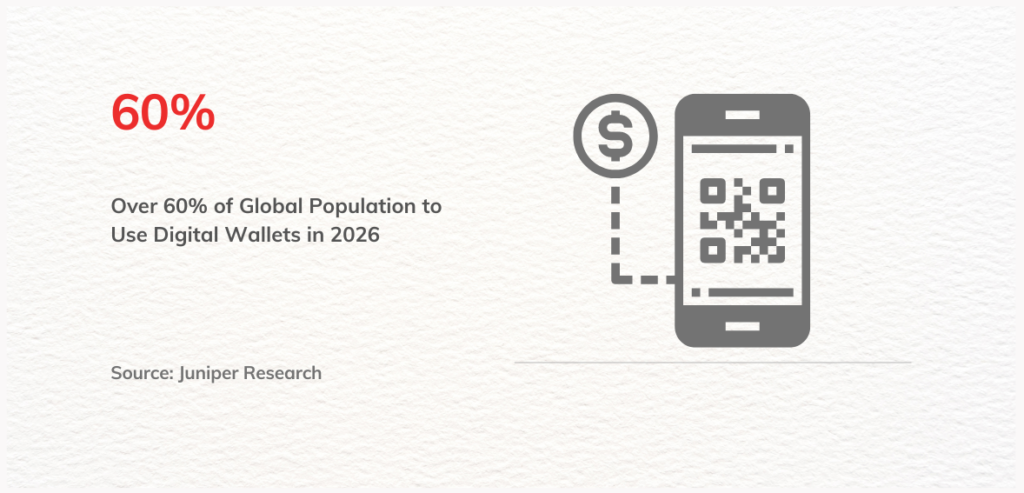
Digital wallets are becoming increasingly important in today’s digital transformation, significantly altering how we handle our finances. In 2022, approximately 2.8 billion mobile wallets were in use globally, making up about half of all e-commerce payment transactions. Research predicts that by 2026, the number of digital wallet users will rise to over 5.2 billion, representing more than half of the world’s population. As we look to the future, it’s essential to examine the emerging trends and innovations that will influence the future of digital wallets.

What Are Digital Wallets?

Digital wallets, or e-wallets, are electronic devices or online services that facilitate digital transactions and streamline payment management. These wallets store various payment methods, such as credit card and bank account details, allowing users to purchase goods and services across numerous platforms.

Digital wallets provide a convenient, quick, and secure payment method, eliminating the need for physical cards and cash. Additionally, they typically offer features like transaction histories, loyalty rewards, and budgeting tools, making them essential in modern financial management.

Evolution and History of Digital Wallets From 1990s to 2024

Evolution and History of Digital Wallets From 1990s to 2024

The history of digital wallets is marked by pivotal technological developments and increasing adoption across the globe. The concept was first introduced in 1997 when Coca-Cola enabled consumers in Helsinki to purchase drinks via SMS. This early example was followed by the launch of PayPal in 1999, which quickly became a preferred method for securing online transactions, highlighting the importance of digital wallets in e-commerce.

The early 2000s witnessed significant milestones that shaped the digital wallet landscape:

  • In 2003, Alibaba introduced Alipay in China, revolutionizing regional payment methods and setting a model for future digital wallets.
  • M-PESA was launched in Kenya in 2007, providing essential mobile money transfer and financial services, especially for populations without traditional bank accounts.
  • The emergence of Bitcoin in 2009 introduced the concept of decentralized digital payments, leading to the development of cryptocurrency wallets.

In 2011, Google Wallet was introduced, allowing users to store card information and make mobile payments. This initiative was initially limited to specific phones and banks. This innovation was followed by Apple’s introduction of Passbook in 2012, which evolved into Apple Wallet, broadening its capabilities beyond mere payment information.

The integration of financial transactions with social media platforms was showcased in 2013 when WeChat Pay was incorporated into the WeChat messaging platform. The launch of Apple Pay in 2014, followed by Android Pay and Samsung Pay in 2015, extended digital wallet services to a global audience, simplifying payments via smartphones and contributing significantly to the rise of digital wallets worldwide.

These services have progressively incorporated features such as loyalty programs, budgeting tools, and biometric security measures, enhancing their appeal and security. The adoption of NFC technology and tokenization in recent years has further enhanced payment safety and convenience.

By 2023, digital wallets accounted for $13.9 trillion in global transaction value, covering half of all online and 30% of in-person sales at retail points. This trend is expected to accelerate, with projections indicating that digital wallets could manage over $25 trillion in global transactions by 2027, driven by their convenience, security, and rapid adoption of mobile technologies.

These continuous advancements highlight the critical role of digital wallet technologies in transforming financial transactions and shaping the interactions between businesses and consumers in the evolving digital economy.

The Rise of Super Apps and Super Wallets

The Rise of Super Apps and Super Wallets

The digital world is continually changing, and super apps have emerged as a significant force within this ecosystem. But what exactly is a super app?

A super app is a comprehensive digital platform that combines various services like gaming, shopping, transportation, and payments into one cohesive experience. It goes beyond being just another mobile app—it’s a versatile tool that offers everything from instant messaging and social media to e-commerce, digital payments, and transportation services. The goal of super apps is to simplify life by consolidating multiple functionalities into one platform, increasing daily usage and user engagement due to its convenience.

The popularity of super apps is especially noticeable in markets across Asia, Africa, and Central America. Companies like WeChat, Paytm, Gojek Tech, and Grab have captured significant market shares by integrating numerous services into a single, easy-to-use interface. Even Elon Musk has plans to transform X, previously known as Twitter, into a super app.

On the other hand, digital “super wallets” are expanding the scope of financial services accessible to users. Beyond merely facilitating payments, these wallets enable investments, loans, account tracking, and more. While traditional mobile wallets primarily secure tokenized information for credit cards, debit cards, and bank accounts, the newer digital wallets enhance functionality by incorporating additional financial services such as loans, insurance, investments, and digital banking.

In the US, several fintech companies are entering the arena of super apps, hinting at an upcoming surge in competition. Success in this space, marked by becoming the go-to super app with widespread customer trust and adoption, could make a company exceptionally valuable. PayPal, for instance, launched its financial super app in 2021, positioning itself against major players like WeChat and AliPay.

This app builds on PayPal’s existing services, such as its mobile wallet and P2P payments, by adding features like high-yield savings accounts through a partnership with Synchrony Bank Financial, a bill management tool, an early access direct deposit feature, credit and “buy now, pay later” (BNPL) options, gift card and rewards, and an in-app shopping function with loyalty rewards. Through these enhancements, PayPal is striving to craft a comprehensive financial ecosystem where users have little reason to look elsewhere.

Similarly, Venmo, a PayPal subsidiary popular among Gen Z users, is expanding its offerings. Since its acquisition, Venmo has introduced a cash account, debit and credit cards, direct deposits, in-store QR payments, shopping, and crypto investments, further diversifying its functionalities.

Future of Digital Wallets: Trends and Technology Predictions

future of digital wallet infographic

Source: Juniper Research

As digital wallets become more popular, the industry is expected to expand and innovate continuously. Here’s a look at some anticipated trends and developments in the digital wallet sector:

Artificial Intelligence Integration

A key trend is incorporating artificial intelligence (AI) in digital wallets. AI enhances the banking experience by offering personalized recommendations and alerts.

For example, digital wallets might use AI to recommend the most suitable credit card or payment method based on a user’s spending patterns. AI also plays a crucial role in fraud prevention by analyzing transaction data in real-time to identify and stop fraudulent activities.

Worldwide Payments and Remittances

Digital wallets utilizing blockchain technology are also revolutionizing global payments and remittances. Traditional services like MoneyGram and Western Union often impose high fees and can take several days to process international transfers. In contrast, blockchain-enabled digital wallets provide a faster, more cost-effective alternative for international money transfers, benefiting global remittances and e-commerce.

As digital wallets continue to embrace blockchain technology and support new applications such as cryptocurrencies, smart contracts, and global transactions, they are set to change financial services fundamentally. The future of fintech is likely to be dominated by platforms that offer open, decentralized, and secure access to digital assets and programmable money. Digital wallets are expected to lead this transformative era.

Expansion Into New Markets

Digital wallets are also making headway into new markets. With increasing access to smartphones and the internet globally, these wallets are becoming a favored payment option.

Companies are targeting expansion in regions like developing countries, where traditional banking facilities are less accessible. In places like India, digital wallets are widely used for transactions, including in rural areas where conventional banking is limited.

Adapting to Consumer Behavior

Banks face the challenge of adapting to changing consumer behaviors as digital wallets gain traction. They need to ensure that their services are compatible with digital wallet platforms and invest in the necessary infrastructure to support these services.

Plus, understanding and responding to shifts in customer preferences is vital. Younger consumers are more inclined to use digital wallets, necessitating banks to tailor their offerings to appeal to this demographic. Banks might also consider implementing small business phone systems to enhance communication with younger customers.

The Smart Contract Revolution

The Smart Contract Revolution

Blockchain platforms such as Ethereum are pioneering the use of “smart contracts,” which are self-executing contracts with the terms of the agreement directly written into code. These smart contracts eliminate the need for intermediaries by automatically enforcing agreements. Digital wallets integrate smart contract capabilities and enable users to effortlessly create and interact with these advanced contracts, potentially transforming business practices.

Decentralized Finance (DeFi) Integration

Digital wallets are poised for significant changes with the addition of decentralized finance (DeFi) features. These features will allow users to directly participate in decentralized lending, borrowing, and earning interest through digital wallets. This shift towards decentralization gives users direct control over their financial transactions and eliminates the need for traditional financial intermediaries such as banks and brokers.

Incorporating DeFi capabilities into digital wallets could create a more inclusive financial environment. Users from diverse economic backgrounds, including those previously excluded from traditional banking systems, will have the opportunity to access financial services. This could change the way people manage their finances, making it more democratic and widely accessible. The ability to manage assets in a secure, decentralized setting could also increase trust and adoption of digital financial services, potentially broadening the scope for investment and wealth building for a larger group of people.

Central Bank Digital Currencies (CBDCs)

Recent studies show that over 80% of the world’s central banks actively research or test Central Bank Digital Currencies (CBDCs). Following this trend, digital wallets are expected to add support for CBDCs soon, making it easier for users to switch between traditional and digital currencies.

This addition is likely to enhance the efficiency of financial transactions significantly. By facilitating immediate, digital transfers of money issued by central banks, CBDCs could lower the costs and time linked to traditional banking operations. Moreover, including CBDCs in digital wallets is a step towards an increasing shift towards a cashless society. It simplifies transactions and promotes financial inclusion by offering accessible digital currency options for those without traditional banking accounts. This development is expected to improve overall economic efficiency and foster the wider use of digital financial services globally.

Predictive Analysis:

Leveraging predictive analytics with digital wallets offers a pathway to craft personalized application user experiences. This technique enables businesses to anticipate user needs and tailor interactions based on individual behavior and preferences.

Companies can predict future buying behaviors by analyzing transaction patterns and user data, thus facilitating more tailored and proactive customer service. This strategic application of predictive analytics enhances user satisfaction and streamlines transaction processes, making them more efficient.

Enhanced Authentication:

Integrating digital wallets with the biometric capabilities of smartphones and other devices significantly enhances security. This security measure is becoming a standard practice among global digital wallets, attracting users by offering stronger protection of their financial information.

Biometric authentication reinforces security and simplifies the transaction process. Users can complete payments swiftly and securely, enhancing overall transaction efficiency and user trust in the digital wallet platform.

Conclusion

Digital wallets are poised to revolutionize financial transactions, reflecting a significant shift from traditional banking. With the number of users projected to exceed 5.2 billion by 2026, their impact on global commerce is undeniable. The evolution from basic payment tools to multifaceted super apps and super wallets showcases their expanding role in daily life.

Future AI, blockchain, and biometric security advancements will further enhance their functionality and security. As they integrate features like smart contracts, DeFi, and CBDCs, digital wallets will continue transforming the financial landscape, making transactions more efficient, secure, and accessible worldwide. Businesses and consumers must stay informed and adaptable to harness these innovations effectively.

Ways to Improve Your Credit Score Fast

Ways to Improve Your Credit Score Fast

A good credit score can secure more favorable terms and lower interest rates on loans and credit cards. Industry experts emphasize the importance of pinpointing the factors affecting your credit score. Understanding these factors is crucial for devising effective strategies to improve your credit score fast.

What Is a Credit Score?

A credit score is a three-digit number that provides banks or lenders with an indication of your reliability in repaying debts. A high credit score suggests that you have responsibly managed past loans or credit cards by consistently making timely payments. This history of reliability often influences a lender’s decision to approve your application for new credit or loans.

Credit scores are derived from data about your credit activities collected by credit-reporting agencies such as Experian, TransUnion, and Equifax. These agencies compile this information into credit reports that form the basis for your score.

FICO and VantageScore primarily dominate the credit scoring industry. Both organizations generally use a scoring range of 300 to 850, although they apply slightly different formulas to calculate scores. The most common models in use today are VantageScore 3.0 and FICO 8. Despite their differences, these scoring models often produce similar results; a high score with VantageScore usually correlates with a high FICO score.

FICO Score Overview
  • 580 or below: Poor
  • 580 – 669: Fair
  • 670 – 739: Good
  • 740 – 799: Very Good
  • 800 or above: Excellent
VantageScore Overview
  • 300 – 600: Poor
  • 601 – 660: Fair
  • 661 – 780: Good
  • 781 – 850: Very Good

The Significance of Your Credit Score

The Significance of Your Credit Score

A strong credit score is crucial because it influences your ability to secure loans under favorable conditions. Lenders consider individuals with higher credit scores, typically above 700, to be at lower risk. This favorable risk assessment makes obtaining loans with attractive terms from a wider range of lenders easier for them.

Credit scores range from 300 (indicative of poor credit management) to 850 (reflecting excellent credit management). A high score is usually the result of consistent on-time payments, prudent use of credit, and maintaining long-standing credit accounts. Conversely, a low score might signal to potential lenders that a borrower poses a higher risk due to past payment delinquencies or high credit utilization.

Your credit score will vary throughout your life based on your financial activities and debt management. Factors such as the number of credit cards you use, the acquisition of a mortgage, or taking out loans for education or vehicles can affect your score. Your score adjusts to reflect your handling of increased financial obligations and debt repayment behavior.

Understanding How Credit Scores Are Calculated

Understanding How Credit Scores Are Calculated

Credit scores are a vital aspect of your financial profile, impacting everything from loan rates to housing applications. Leading credit bureaus such as FICO determine your credit score based on five key elements:

  • Payment History—35% Impact: This component influences your score the most. It evaluates your punctuality in making payments and the amounts paid, whether they’re the full balance, the minimum required, or something in between.
  • Credit Utilization—30% Impact: This factor calculates how much of your available credit you are using. To demonstrate responsible borrowing, it is recommended that you use less than 30% of your credit limits. Utilizing more than your available credit can be viewed negatively and may decrease your score.
  • Credit History—15% Impact: A long credit history is beneficial as it shows a lengthy track record of your financial habits and repayment practices, which can enhance your score.
  • Credit Mix—10% Impact: A varied range of credit accounts, such as credit cards, home loans, and car loans, can contribute positively to your score. It’s crucial to manage these responsibly. Adding new credit types primarily to boost your score is generally not advisable as this factor is less significant in the overall scoring formula.
  • Fresh Credit—10% Impact: Opening new credit accounts can reflect positively on your financial management and growth. Nevertheless, too many new accounts in a short period can seem risky and might reduce your score.

These factors combine to form a comprehensive picture of your financial reliability, helping lenders and financial institutions assess your creditworthiness.

Effective Strategies to Improve Your Credit Score Fast

Effective Strategies to Improve Your Credit Score Fast

Improving your credit score is achievable through a combination of strategies that range from quick fixes to longer-term efforts. Each action you take, regardless of the duration, contributes to building a robust credit history. Below, we explore various steps to enhance your credit score and estimate the required time.

1. Make a Habit of Reading Your Credit Report

Learning how to read your credit report is essential for managing your finances effectively. This report provides a comprehensive view of your credit history, debt levels, and payment records. It highlights issues such as late payments or high credit card balances that could negatively affect your credit score. By regularly checking your credit report, you can spot any inaccuracies or signs of fraud and address them quickly to maintain or enhance your credit status.

You are entitled to a free annual credit report from the three major credit bureaus—Equifax, Experian, and TransUnion—available through AnnualCreditReport.com. Accessing these reports regularly is important for keeping track of changes and identifying any discrepancies in your credit history.

Taking proactive steps based on your credit report can help you make smart decisions to improve your credit score. For example, reducing high balances and making payments on time can boost your creditworthiness. This improvement in your credit score can lead to better opportunities when applying for loans, obtaining lower interest rates, and achieving your financial objectives.

2.  Limit Your Credit Utilization

Focus on lowering your credit utilization rate to boost your credit score effectively. This typically means managing how much you owe on your credit cards. Experts advise keeping your credit usage below 30% of your total limit, whether on a single card or across several. For example, if your credit card limit is $500, try not to exceed $150 in spending to adhere to this guideline.

Reducing your credit card balances to zero or almost zero is the most direct way to increase your credit score significantly, provided no other issues like late payments affect your score. If paying off your debt immediately isn’t possible, and your utilization is over 30%, consider other approaches.

One method is to ask for an increase in your credit limit, which can lower your utilization percentage. If you owe $700 on a card with a $1,000 limit (70% utilization), raising the limit to $2,000 brings your utilization down to 35%. You can usually request a higher limit via your online banking platform or by contacting customer service. Note that this might involve a hard credit inquiry, which can temporarily reduce your score.

Another approach is to open a new credit card, which increases your total credit available and helps lower your overall credit utilization ratio. When selecting a new card, consider your current credit situation. For those with lower scores, a secured card might be advisable as it requires a deposit matching the limit and is generally easier to get. For those with higher scores, consider a rewards card or one with a favorable introductory APR. Always check if you prequalify with issuers like AmEx before applying, as this might show a good chance of approval with less impact on your score than a formal application.

3. Make Timely Bill Payments

Paying your bills on time is essential if you’re looking to improve your credit score. Delays or missed payments can negatively impact your credit and can accumulate if not appropriately managed.

Try to pay your bills before their due dates and consider setting up automatic payments for accounts that support this feature. Some service providers may allow you to alter your payment dates, helping you avoid missed or late payments.

If you miss a payment due to an oversight and have generally been consistent with your payments, contact your service provider immediately. When you speak to customer service, be prepared to settle the payment and request that they overlook this lapse and refrain from reporting it to the credit bureaus. Keep in mind that this approach can usually only be successful once or twice.

You typically have 30 days before a late payment is reported to the credit bureaus, though some lenders may offer up to 60 days. If it’s your first time being late, many creditors are willing to overlook an initial late payment, as it will otherwise remain on your credit report for seven years.

4. Explore a Credit-Builder Loan

A credit-builder loan is specifically crafted to assist individuals in building or improving their credit score. Unlike traditional loans, the funds from a credit-builder loan are not immediately accessible.

Instead, the lender places the borrowed amount into a locked account. As you make regular payments towards the loan, these payments are reported to the credit bureaus, contributing positively to your credit history.

5. Dispute Errors in Your Credit Report

If your credit score drops due to an error on your credit report, it’s crucial to check your report regularly to catch these mistakes. If you find incorrect entries, such as accounts that don’t belong to you, name errors, or wrongly reported payments, you should dispute these inaccuracies.

Collect any documents confirming your correct information to start the dispute process. Write a dispute letter detailing the errors to the credit bureau and the data provider. This letter should be clear and include all necessary supporting documents.

Disputes can be submitted online, by mail, or via phone. Each credit bureau has specific procedures:

  • Equifax: File disputes through their online portal or by mail with supporting documents to Equifax Information Services LLC, P.O. Box 740241, Atlanta, GA 30374.
  • Experian: Disputes can be filed online or mailed to Experian, P.O. Box 4500, Allen, TX 75013.
  • TransUnion: You can submit disputes online or send documents to TransUnion Consumer Solutions, P.O. Box 2000, Chester, PA 19016.

The credit bureau is required to investigate within 30 days. During this period, they will assess your documents, consult the information provider, and correct any errors identified. You will receive the outcome of the investigation once it is completed.

improving your credit score fast

6.   Consider Becoming an Authorized User

If you know someone with a solid credit history—like a family member or a close friend—you might want to ask if they can add you as an authorized user on one of their credit cards. This arrangement allows you to share in their positive payment history, which can then be reflected on your credit report.

Interestingly, you don’t need to use the card to actively reap the benefits. However, because the primary cardholder’s financial behaviors will directly affect your credit, it’s important to choose someone reliable.

This strategy can be particularly effective if you’re new to credit or have a limited credit history, with a significant potential positive impact. For those with established credit, being added as an authorized user can help mitigate past credit issues or reduce overall credit utilization.

It’s essential to discuss with the cardholder the extent of your access to the card and account. Whether you’ll use the card or be listed as an authorized user should be clearly agreed upon. Once added, and as the account reports to the credit bureaus, it should start to influence your credit profile positively.

7.   Maintain Older Credit Accounts

It may appear illogical to keep old credit accounts open when aiming to enhance your credit score, but shutting them down might not be beneficial. Closing a credit card, for example, might lower your overall debt, but it also reduces the average age of your credit accounts and can increase your credit utilization ratio.

Focus on reducing balances on revolving credit accounts, such as credit cards and home equity lines of credit. However, it’s advisable to keep these accounts open. Be aware that creditors might close accounts that show minimal or no activity, so occasional use is important to keep them active.

8.   Add Phone and Utility Payments to your Credit Report

Normally, payments for utilities and phone bills are only reported to credit bureaus if there is a payment default. However, Experian offers a complimentary service called Experian Boost. This tool is designed to help individuals with low credit scores or limited credit histories by allowing them to add utility, phone bills, and even Amazon Prime subscription payments to their credit history.

It’s important to note that improvements using Experian Boost will only reflect on your credit score derived from Experian data. If a lender checks your credit score using information from Equifax or TransUnion, these additional payment histories will not be included.

Additionally, some services can report your rent payments to one or more credit bureaus, though these services might require a fee.

Conclusion

To quickly enhance your credit score, adopt both short-term measures and sustained practices. Start by examining your credit report carefully and contest any mistakes you find. Work on lowering your credit utilization by paying off outstanding balances and possibly requesting increases in your credit limits.

Ensure you always make payments on time. Consider taking out credit-builder loans or getting added as an authorized user on another individual’s reliable account. Use services such as Experian Boost to have your utility and phone bill payments reflected in your credit history. Together, these actions, along with careful financial management, can substantially improve your credit score, opening up more favorable financial conditions and opportunities.

Frequently Asked Questions

Walgreens to Close Significant Number of Underperforming Stores

Walgreens to Close Significant Number of Underperforming Stores

Walgreens plans to close many of its stores in the United States. Targeting underperforming stores, the closures are due to continuous struggles with profitability and declining margins. These closures are part of Walgreens’ ongoing effort to optimize its store network. Although the number of stores to be closed has not been disclosed, CEO Tim Wentworth indicated that a substantial portion of the underperforming stores would close.

The company is adjusting its store presence, with approximately 25% of its 8,700 locations deemed non-contributory to its long-term goals. Walgreens’ stock price fell in pre-market trading on Thursday following a reduction in its profit forecast for 2024. The stock has declined over 45% in the past year.

Key Takeaways
  • Strategic Store Closures: Walgreens is undertaking significant store closures across the United States to address profitability challenges and declining margins. Approximately 25% of its locations are targeted for closure, reflecting a strategic effort to optimize its store network amidst challenging market conditions.
  • Financial Impact and Market Response: The announcement of store closures coincided with a sharp decline in Walgreens’ stock price, highlighting investor concerns over the company’s profit forecast for 2024. Despite recent sales and operating income improvements, Walgreens continues to navigate substantial losses from previous years.
  • Industry-wide Challenges: Like its competitors, Walgreens faces industry challenges such as reduced profits from prescription services and heightened competition from larger retail chains and online platforms like Amazon. Adjustments in product offerings and strategic shifts towards house brands aim to enhance profitability and competitiveness in the retail pharmacy sector.
  • Future Strategic Focus: Looking ahead, Walgreens is prioritizing its core retail pharmacy business while exploring new payment structures with insurers and benefit managers. Despite ongoing market uncertainties and competitive pressures, this strategic realignment underscores its commitment to sustainable growth and operational efficiency.

Walgreens’ Strategic Restructuring Amidst Challenging Market Conditions

Walgreens' Strategic Restructuring Amidst Challenging Market Conditions

Walgreens intends to shut down many of its underperforming stores throughout the United States as part of a strategy to mitigate losses. This move was announced alongside the company’s third-quarter earnings in a press release that received an adverse reaction from Wall Street. Following the announcement, Walgreens’ stock price fell more than 20% due to difficult trends in the pharmacy sector and a tougher-than-expected consumer environment in the U.S.

The decision to close these struggling stores aims to improve the company’s performance as it enters a new quarter. However, the specific number and locations of the stores to be closed were not revealed. However, the decision to close stores will be based on each store’s profitability and shrink levels, consumer behavior, and local competition. Walgreens may also close stores that are near another Walgreens location. The company plans to reassign nearly all employees affected by these closures to other stores to prevent widespread job losses.

A Walgreens representative stated that about 25% of its stores are not aligned with the company’s long-term goals, and a substantial number of these stores are expected to close within the next three years.

CEO Wentworth stated in a press release that the company is dealing with a challenging operating environment, facing ongoing pressures on the US consumer and recent market dynamics that have reduced pharmacy margins. He noted that these factors are reflected in the company’s results and projections. Inflation has significantly impacted the drugstore business, affecting both the retail and pharmacy ends. Wentworth also mentioned that consumers are becoming more selective and sensitive to prices. He added that he expects the challenging conditions in the US to persist without foreseeable improvement.

The company indicated it might consider further store closures if profitability does not improve.

Walgreens reported a 2.6% increase in sales to $36.4 billion and a quarterly operating income of $111 million, a significant improvement from a $477 million loss last year. Boots Alliance also reported net earnings of $344 million for the quarter. However, the company is still addressing earlier losses from this year, with an operating loss of $13.1 billion and a net loss of $5.6 billion, up from $2.9 billion year over year.

Sales in the US retail pharmacy segment grew by 2.3% YOY to $28.5 billion, and U.S. healthcare sales increased by 7.6% to $2.1 billion for the quarter. VillageMD and Shields contributed to this growth, with sales up 7% and 24%, respectively, from last year. Notably, Walgreens is reducing its stake in VillageMD and has shifted its strategy away from investing in medical offices. Last year, Walgreens began reducing VillageMD’s footprint to boost the division’s profitability. Earlier this year, Walgreens intensified its cost-saving efforts by increasing the number of VillageMD clinic closures, although its strategy has since evolved.

Furthermore, the U.S. healthcare business reduced its operating losses from $522 million last year to $220 million in the third quarter.

Wentworth added that guided by its strategic review, its focus is on enhancing its core business, retail pharmacy, which is crucial to the future of healthcare. They are urgently addressing key challenges and striving to create growth opportunities. While many of these initiatives will require time, he expressed confidence in having the right team and strategy to drive a turnaround for Walgreens, which their customers and patients rely on.

Adapting to Industry Challenges

Adapting to Industry Shifts…

Walgreens’ competitors like Rite Aid and CVS have also encountered significant difficulties, primarily driven by reduced profits from their prescription filling operations. These issues arise from lower reimbursement rates for prescription drugs and heightened competition from new market players like Amazon, which has expanded into prescription services via its online platform.

Additionally, these chains face competition at the front end of their stores—areas selling daily necessities like snacks and household items—from larger retailers like Target and dollar stores, which generally offer lower prices and greater convenience.

Walgreens is adapting its strategy to address these industry-wide issues. The company is modifying its product selection by discontinuing eight national brands in favor of its house brands and selecting “preferred partners,” especially in health and wellness categories. This adjustment aims to sharpen their focus and improve profitability in their retail operations.

Despite these ongoing challenges, drugstores saw a temporary increase in business during the pandemic, spurred by the demand for COVID-19 vaccines and a general rise in health consciousness. Nevertheless, this surge did not fully mitigate the persistent decline in in-store visits and prescription volumes, which were also affected by a decrease in elective medical procedures.

What Does the Future Hold for Walgreens?

What Does the Future Hold for Walgreens?

Continuing forward, Walgreens is concentrating its approach once again on its main line of retail pharmacies. The firm intends to launch a retail pharmacy action plan to improve customer experience in its stores, better integrate its pharmacy and healthcare operations, and focus on products that sell—particularly in women’s health.

Furthermore, Walgreens is attempting to stabilize an unstable reimbursement environment by modifying the payment structure for its pharmacies through negotiations with pharmacy benefit managers and health insurers. This measure is similar to what its national rival CVS did last year to boost sluggish income by changing how it paid for prescription medications. According to Wentworth, the present pharmacy approach is unworkable.

Walgreens is not giving up on the healthcare industry entirely, either. The business does not intend to sell its specialist pharmacy, Shields Health Solutions, or Boots drugstore network in the United Kingdom. As previously said, Shields helped the division record a second straight quarter of positive adjusted profitability during the third quarter by continuously supporting expansion in the US healthcare industry.

Walgreens has been cutting costs, as evidenced by the large number of corporate employees it let go at the end of last year. It has also recently sold off other healthcare assets, such as its shares in drug distributor Cencora and home infusion provider Option Care Health.

About Walgreens

Walgreens Co., established in 1901 by Charles R. Walgreen Sr., is a U.S.-based drugstore chain headquartered in Deerfield, Illinois. The company operates numerous stores nationwide, offering prescription and over-the-counter drugs, general merchandise such as household items, food, personal and beauty care products, photofinishing services, and candy.

The company offers various nationwide pharmacy services, including retail and specialty pharmacy, infusion and respiratory services, mail services, and clinics in convenient places and workplaces. Walgreens specializes in managing complex and chronic health conditions through these services. It provides infusion therapy for conditions like cancer, chronic pain, heart failure, and other infections, which can be administered at homes, workplaces, physician offices, or at Walgreens’ alternative treatment sites.

Walgreens’ advanced pharmacy system improves pharmacists’ ability to access patient records, assisting with prescription refills, emergency supplies, prescription transfers, and consultations for ongoing treatment. The company also operates websites that sell products from beauty and personal care items to home medical equipment and health supplements.

Conclusion

Walgreens’ decision to close many underperforming stores underscores its commitment to strategic optimization amidst challenging market conditions. With a clear focus on enhancing profitability and aligning with long-term goals, these closures are part of a broader effort to streamline operations and navigate a complex economic landscape. CEO Tim Wentworth’s proactive approach reflects a necessary adaptation to sustain competitiveness and drive future growth in the retail pharmacy sector.

As Walgreens continues to refine its business strategy and prioritize core operations, including innovative healthcare services, the company remains poised to navigate ongoing challenges and capitalize on emerging opportunities in the evolving healthcare marketplace.

what is tipflation?

What Is Tipflation?

Tipflation is a combination of tip and inflation. It is a new phenomenon in which servers expect more tips than ever before because of consistent inflation since 2021. This is a shift from the traditional tipping norms after the pandemic. For decades, the typical tip in the US hovered around 15%, but this rate has risen over the last 15 years, with the average American now tipping closer to 20%.

If you find the tipping screen that pops up when you buy a sandwich or a coffee confusing or frustrating and makes you feel guilty or ashamed, you’re not alone. A recent survey reveals that many Americans share these feelings. In this blog, we’ll focus on tipflation, the discomfort it’s causing, and its pros and cons.

But first, let’s briefly review how we arrived at this point.

How Tipping Culture Came in America? A Brief History

How Tipping Culture Came in America? A Brief History

The origin of tipping has yet to be definitively known, but historical evidence indicates it was practiced in Tudor England from 1485 to 1603. During this period, visitors would give tips to the servants of their hosts as a thank-you for providing services during their stay. By the 19th century, boxes marked “to insure promptness (TIP)” appeared in English coffeehouses and inns, promoting tipping in exchange for swift and good service.

In the 1800s, Americans who traveled abroad and observed tipping in Europe decided to adopt this practice back in the US, keen to follow European traditions. The practice became widespread as a business strategy in the post-Civil War reconstruction era. Some hospitality businesses, notably employing freed slaves, paid them minimal wages and suggested that customers leave tips instead.

Today, tipping is standard in many service industries, irrespective of whether workers are paid the tipped minimum wage of $2.13 or the regular minimum wage of $7.25 per hour. Tipping is common in industries involving bartenders, restaurant servers, delivery personnel, drivers, porters, valets, baristas, and hairstylists.

Understanding Tipflation

Understanding Tipflation

Tipflation is a term gaining popularity online. As we have just gone through, tipping, giving a small sum of money to service providers such as waiters, hairdressers, or taxi drivers, is typically voluntary and reflects the customer’s satisfaction with the service – ranging from 15% to around 30%.

Tipping practices vary globally, being customary in countries like the US, the UK, and Canada but less common and even obscure in places like Japan, China, India, New Zealand, and even Australia.

Traditionally, tipping has been confined to service sectors where employers pay lower hourly wages. Still, employees retain the tips—a system seen as beneficial for both parties, particularly in the US.

Tipflation describes the trend of increasing demands for tips across a broader range of industries, extending beyond traditional service roles to include jobs and services previously untipped. This expansion is influenced by social norms, peer pressure, and feelings such as guilt or gratitude, but it is also significantly driven by technology and changes in payment systems, accelerated by the pandemic. Companies like Square facilitate tipping on any transaction, making it easier to add a tip with just a few clicks.

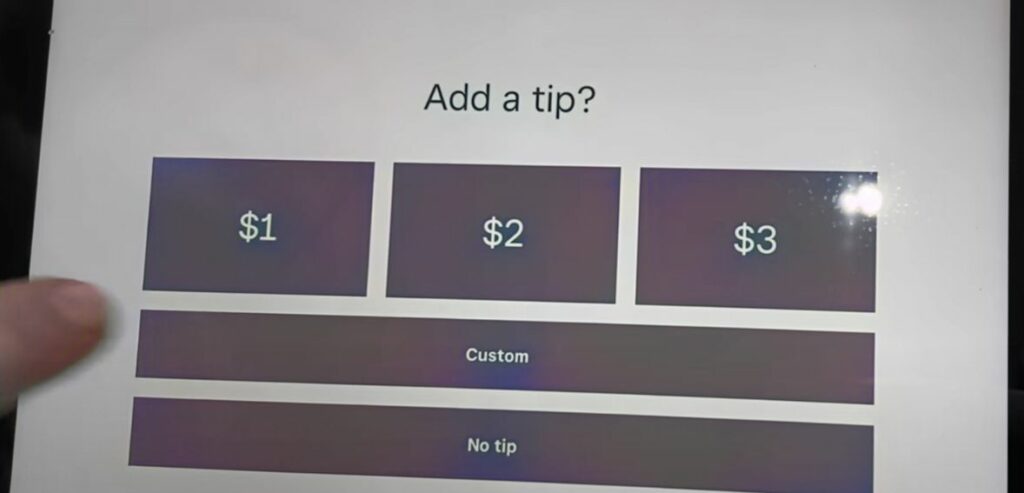
As these systems become widespread, the number of tips and the percentage of customers who tip will likely increase business revenue. This shift is evident when a payment kiosk turns towards a customer, signaling an upcoming prompt for a tip on a transaction that traditionally wouldn’t involve one.

With this new approach, businesses find innovative ways to encourage tipping or donations. However, tipflation is complicating the already contentious debate over tipping. While some view it as a personal choice unaffected by external pressures, others consider it a social and moral duty reflecting service quality. The evolving practice of tipflation is muddying these waters, leading to a backlash—so much so that a recent survey indicates that 66% of Americans now view tipping negatively, which could impact those who rely on tips as a significant part of their income.

What Causes Tipflation?

What Causes Tipflation?

The growing gap between wages and the cost of living, especially for those in the hospitality sector, has led people to increase their tipping voluntarily. Social pressures and expectations also contribute, creating a feeling of obligation to tip.

The pandemic played a role in accelerating tipflation, with many individuals tipping more generously to support service industry workers facing financial difficulties. Due to the pandemic and shifts in lifestyle, sales in the US food delivery industry increased by $28 billion from 2019 to 2020.

These workers, often on the front lines, fulfilled essential tasks such as running errands and delivering meals through various apps. During this time, leaving a 30% tip became a common practice, a trend that has persisted. Despite the end of pandemic-related restrictions, many of the increased service charges and tipping norms have persisted.

Low wages in the service industry further drive tipflation. Many workers depend on tips to supplement inadequate salaries, creating an impression that higher tips are essential for proper compensation. Companies have responded by setting higher default tipping options and encouraging customers to tip more.

What’s a Tip Creep in All This?

What’s a Tip Creep in All This?

Tip creep refers to a trend influenced by the shift to digital point-of-sale systems and app-based service platforms, which plays a role in the broader phenomenon of tipflation. These systems typically present customers with preset tipping options at the end of a transaction, regardless of the service quality, prompting users to leave a tip.

This method of soliciting tips can feel more compulsory than the passive presence of a cash tip jar on a counter. The constant prompts from digital screens can overwhelm and pressure customers into deciding whether to tip and how much to give.

Plus, attempting to leave a custom tip amount often proves cumbersome due to the design of many digital systems, which complicates entering a specific dollar value. Coupled with the social pressure of not wanting to appear stingy or ungrateful in the presence of staff, this setup can lead consumers to default to higher, preset tip percentages.

Previously, not leaving a tip was a standard default. However, digital payment technologies now typically require users to choose not to leave a tip actively. Behavioral economics suggests that people generally prefer to avoid making financial decisions, and these systems effectively force decisions on users who might prefer not to engage with them at all.

The Both Sides of Tipping Culture

Tipping presents both advantages and challenges within service industries. On the positive side, it allows some workers to earn more than they would with a fixed wage, especially in sectors where tipping is common and generous. This system also enables customers to reward exceptional service or express appreciation for a well-done job.

However, the tipping culture has significant drawbacks. Workers who rely on tips and do not receive sufficient amounts may face financial insecurity and struggle to meet basic needs. This dependency can burden customers with the expectation to tip, adding the stress of calculating appropriate gratuities.

About 30% of survey participants believe that tipping culture has become excessive, noting a rise in businesses prompting customers to tip at checkout. Many find preset tip screens irritating. 32% of Americans argue that companies should increase employee wages instead of depending on gratuities.

Furthermore, non-tipped employees might earn less than their tipped colleagues despite having similar job responsibilities. Overall, tipping contributes to income disparities and fosters a reliance on customer generosity rather than ensuring fair compensation from employers.

How Are Businesses Leveraging Tipping Culture to Their Benefit?

How Are Businesses Leveraging Tipping Culture to Their Benefit?

Businesses have found financial advantages in the current tipping system, particularly in the US, where, as mentioned, the minimum wage for tipped workers is $2.13 per hour, significantly lower than the standard minimum wage of $7.25 per hour. This legal framework allows companies to pay their employees below the minimum wage, relying on customer tips to supplement their earnings. This dependency on tips is bolstered by the “tip credit” policy adopted by the U.S. Congress in the 1960s, which permitted employers to pay a lower wage provided that tips make up the difference to reach a decent earning level, often expected to be 15-30% of service fees.

For businesses, particularly those operating with narrow profit margins, this system helps reduce labor costs since the tips contributed by customers help cover a substantial part of what would otherwise be direct wages from employers. While there have been efforts in some regions to increase the minimum wage, there are also discussions about potentially removing the minimum wage requirement for tipped workers altogether.

This arrangement leaves many customers questioning why they are responsible for ensuring fair compensation for service workers rather than the businesses that employ them.

Should You Tip? If So, How Much?

Should You Tip? If So, How Much?

As of 2024, attitudes toward tipping have shifted, even in the United States (being the bearer of the tipping culture). Many view it as a form of social pressure, particularly with online transactions or at new venues that offer limited choice in whether to tip.

The issue is that expected tipping amounts have increased. Restaurants dealing with higher food and labor costs have come to depend more on tips to compensate their employees, often incorporating suggested higher tip percentages in online payment systems.

The suitable tip amount varies based on the service provided and the quality of the service. According to many etiquette experts, a standard tip for services in the U.S. is about 20% of the total bill, with 30% considered quite generous. Since several employees, like restaurant servers and bartenders, make below the federal minimum wage, tipping them is considered appropriate.

Conclusion

Tipflation reflects a shift in tipping norms, extending beyond traditional service roles and impacting a broader range of industries. This trend has been accelerated by digital payment systems, inflation, and social pressures, resulting in increased tipping amounts and more frequent prompts. While tipping can reward exceptional service and support workers financially, it also raises concerns about fairness and the adequacy of wages.

Many Americans now view tipping as a source of discomfort, leading to calls for higher wages from employers instead of relying on customer gratuities. Understanding the complexities of tipflation helps navigate this evolving landscape and highlights the ongoing debate over tipping practices and their implications.

Frequently Asked Questions

Apple Teleport

AI Advances Bring Apple’s Teleportation and Time Travel “Almost” Real

In a world where communication and travel are essential, Apple has introduced a revolutionary concept called Apple Teleport. This innovative idea is designed to change how we connect and move using advanced technologies. Apple Teleport, with a price tag of $29 million, aims to eliminate the challenges of distance and physical constraints, allowing for the instant transportation of individuals and objects across great distances, potentially in the future.

While it’s important to be optimistic, and we acknowledge the enthusiasm of forward-thinkers and technology enthusiasts, the reality of teleportation and time travel remains far off. So, what exactly is Apple Teleporter? This initiative is essentially a striking demonstration of AI’s ability to generate futuristic concepts that are as persuasive as fictional. Continue reading to learn more!

What Is Apple Teleport?

What Is Apple Teleport?

Many images and videos are circulating widely, and Apple has presumably launched a teleportation device named Apple Teleport at one of their events. Scientific advancements supposedly power this device and enable users to teleport instantly from one location to another. It is a transformative invention that will alter how people travel and connect.

Even Tim Cook, the CEO of the company, is featured in a viral video with a voiceover stating that today marks the beginning of a new era. He suggests that Apple’s Teleportation Device will overcome geographical barriers and expand the possibilities of human experience. He states that their goal has always been to develop products that significantly improve lives, and Apple Teleport is the epitome of this ambition. He imagines scenarios where people can visit the most remote places or reunite with loved ones instantly—highlighting seemingly limitless possibilities.

However, Apple Teleporter is part of an ambitious yet fictional vision that may not be possible, at least not in this decade. At the core of these misleading Apple Teleporter images and reports are generative AI models. These models are programmed to create new content based on the data they’ve been trained on.

These models utilize various neural network architectures, such as transformers for text (for example, Gemini, ChatGPT) and Generative Adversarial Networks (GANs) or diffusion models for images (for example, Midjourney, DALL-E).

How Can You Create These Types of Images Yourself?

How Can You Create These Types of Images Yourself?

First, you need to come up with some ideas you might like. You can request ideas from ChatGPT to begin.

You can give any prompt, like “Suggest some unique and funny product ideas that could be launched at an Apple Event this year.”

To which it generated:

  • Apple iBrush: “Brush smarter, smile brighter.”

A smart toothbrush that connects to your iPhone to track your brushing habits. It offers real-time feedback on brushing techniques, tracks dental health metrics, and even entertains you with jokes or trivia while you brush. The iBrush can also play your favorite playlist or podcasts via Bluetooth.

  • iMoodRing: “Wear your feelings on your finger.”

A modern twist on the classic mood ring that syncs with your Apple Watch to give more accurate readings. The iMoodRing changes color based on your mood, as detected by sensors that monitor heart rate, body temperature, and other biometrics. It can send notifications to your phone with mood-boosting activities or messages.

  • Apple AirCan: “Take a breath of adventure.”

A futuristic can of air that promises the “purest, cleanest air” from exotic locations worldwide. It comes in flavors like “Mountain Breeze,” “Ocean Mist,” and “Forest Fresh.” Each can have an AR feature that lets you see the scenic view from the air’s origin on your iPhone.

After having an idea and short content for your image, now you can use Midjourney,

Midjourney is an AI image generator that operates through Discord, allowing you to create images from text prompts. Here’s how to use Midjourney to generate images:

  • Register for both Discord and Midjourney.
  • Join the Midjourney Discord channel by accepting an invitation.
  • Navigate to the #newbies channel and type /subscribe.
  • Select a Midjourney subscription plan.
  • Initiate image generation by typing /imagining.
  • In the prompt field, enter a description of the image you want to create. For example: “Create an image of Tim Cook presenting a new Apple product at an Apple Event. He stands on stage with the iconic Apple backdrop, showcasing {YOUR PRODUCT}. The product is displayed prominently. Tim Cook has a playful smile, and the atmosphere is lighthearted yet professional.”
  • Send your message to start the process.

The development of imaginative products like Apple Teleport highlights the remarkable ability of artificial intelligence to generate creative content that is more than just entertainment and amusement. There are loads of possibilities in Pandora’s box that have yet to be opened.

This demonstrates the vast potential of AI technologies, such as OpenAI’s models like SORA, which can create highly advanced AI-generated videos that might surpass what is possible with high-end cameras. The future leans towards AI, and with these tools, a wide range of possibilities emerges—from teleportation to space exploration, reaching as far as Neptune and even the sun!

What Can You Expect in the Upcoming Apple Event?

What Can You Expect in the Upcoming Apple Event?

Even though Apple Teleport will not be released for some time, the company is anticipated to reveal new goods at WWDC, which takes place from June 10 to June 14.

Though specific goods to be unveiled are unknown, there are speculations of new iPads, Macs, and Apple accessories. This is what we could observe:

  • Mac Mini with M3 and M3 Pro Chips: With the iMac and MacBook Pro already equipped with M3 series chips, it seems logical that the Mac mini will soon follow. Although there are rumors that the Mac mini might wait for the M4 chips, missing the M3 update would leave a noticeable gap, especially since the Mac mini could be the only desktop model offering the M3 Pro chip.
  • Mac Studio with M3 Max and M3 Ultra Chips: The Mac Studio is also due for an update to include the M3 Max and M3 Ultra chips.
  • Redesigned Magic Keyboard: This new design features a larger trackpad and a partially aluminum enclosure.
  • New Apple Pencil: Expect at least one new model.

Significant developments are also likely for iPads. The M2 chip will be available in two new iPad Air versions, which will have a bigger 12.9-inch screen. Significant improvements are in store for the iPad Pro models, including adding an M3 CPU, OLED screens, a slimmer design, and a front camera best suited for landscape orientation. These devices might also have MagSafe charging capabilities and a revised rear camera bump.

Finally, Apple is set to introduce new color options for the iPhone 15 and iPhone 15 Plus, as well as coordinating options for Apple Watch bands and iPhone cases. These developments are intended to provide users with additional customization options, facilitating individual expression through color. The new cases improve the phone’s look and can be customized with a custom lanyard, allowing users to incorporate themes such as their favorite anime or movie. This add-on adds a unique touch and boosts security and convenience by making the phone easier to carry and less likely to be misplaced.

Conclusion

Apple’s concept of teleportation and time travel through Apple Teleport highlights the immense creative potential of AI. However, it remains firmly within the realm of fiction for now. The viral images and videos demonstrate how generative AI models can craft compelling and futuristic scenarios. While we may see such groundbreaking technology later, Apple continues to push boundaries in innovation.

Upcoming announcements at WWDC may include new products like the Mac mini, Mac Studio, iPads, and more, demonstrating Apple’s ongoing commitment to enhancing user experiences through advanced technology. As AI and other technologies evolve, the possibilities for future innovations remain excitingly vast.

Visa Has Issued 10 Billion Tokens Since Launching Tokenization  in 2014

Visa Has Issued 10 Billion Tokens Since Launching Tokenization  in 2014

Visa Inc. reports that since 2014, it has issued 10 billion tokens and anticipates a significant increase in tokenized transactions in the coming years. The company reached this 10-billion milestone early this month.

In April, tokens were used in 29% of all Visa transactions. Tokenization involves a cryptographic key that substitutes sensitive payment information typically found on credit and debit cards and can be integrated into various devices. Known as a critical element of mobile payment applications such as Apple Pay and Google Pay, token technology is now also being used in vehicles to facilitate in-car payments. Visa issued its one billionth token as recently as 2020. The network has over 8,000 issuers who have adopted Visa’s tokenization technology.

Key Takeaways
  • Rapid Growth and Widespread Adoption: Visa has issued over 10 billion tokens since 2014, with a notable acceleration in token issuance recently. This rapid growth underscores the effectiveness of tokenization in securing payments and its increasing integration across various devices, including mobile phones and vehicles.
  • Significant Impact on Fraud Prevention and Revenue: Tokenization has played a crucial role in reducing payment fraud, preventing $650 million in fraud last year and contributing an additional $40 billion in global eCommerce revenue. This highlights the technology’s dual benefit of enhancing security while driving economic growth.
  • Broad Integration and Consumer Trust: Currently, 29% of all Visa transactions are tokenized, reflecting broad acceptance and trust in this secure payment method. The technology’s integration into over 8,000 issuers and availability in over 200 markets demonstrate its global reach and importance in digital payments.
  • Future of Digital Commerce and AI Integration: Visa’s tokenization strategy is shaping the future of digital commerce by providing secure and personalized transactions. Enhanced by AI, tokenization enables consumers to control their data, address privacy concerns, and reinforce Visa’s leadership in innovation in financial technology.

Visa’s Tokenization Milestone: Over 10 Billion Tokens and Rising

Visa's Tokenization Milestone: Over 10 Billion Tokens and Rising

Visa has now generated over 10 billion payment tokens since the introduction of its first token in the autumn of 2014—almost six years after the billionth token milestone. However, the most recent billion were generated within just three months. This rapid increase highlights the effectiveness of tokens in enhancing payment security and facilitating innovation. Tokenized payments substitute sensitive personal information with a cryptographic token or key. This approach prevented $650 million of fraud in 2023 alone and generated an additional $40 billion in eCommerce revenue worldwide.

This significant development was announced at the Money 20/20 event in Amsterdam, demonstrating the profound effect of tokenization on the payment industry.

In the past decade, Visa has significantly improved security in the payment industry through tokenization. With this method, payment data is effectively hidden by substituting a cryptographic token for sensitive personal information. Any device can be made to integrate tokenization, which improves digital payment security and practically eliminates the value of the data for criminals.

visa tokenization

Jack Forestell, Visa’s CPO, noted that the widespread adoption of tokenization over the past ten years has markedly influenced the entire payment industry.

This technology not only secures digital payments but also broadens its application to various devices, from mobile phones to in-car payment systems. At the moment, 29% of all Visa transactions are tokenized, demonstrating the widespread use of this safe payment option and the confidence that customers have in it.

Tokenization technology has increased global payment approval rates by six basis points. It can also lower fraud rates by as much as 60%, improving businesses’ transaction success and giving customers and retailers of all sizes more security.

Forestell emphasized that tokens have revolutionized online payments, facilitating innovations such as contactless phone payments and enabling a tomorrow where individuals have greater leverage over their data, even in the AI era.

The transition to digital platforms during the COVID-19 pandemic significantly sped up the adoption of tokenization in the past four years. Currently, more than 8,000 issuers are equipped for tokenization, and the technology is available in over two hundred markets worldwide. In the past year, more than 1.5 million e-commerce merchants have conducted daily transactions using Visa Tokens.

Visa’s foray into data tokenization is setting the stage for the future of digital commerce. By enabling consumers to manage their data, Visa is reshaping the payment environment, delivering personalized and secure transactions through sophisticated AI algorithms. This strategy builds consumer trust and reinforces Visa’s role as a leader in financial technology innovation.

According to a recent survey by Visa, fewer than 33% of consumers believe they have control over their personal information, and just over 33% understand how their data is used. To address these concerns, Visa plans to enhance security by tokenizing sensitive cardholder data. Customers will have the option to authorize or deny data sharing with merchants directly from their banking applications. Initiatives like these are expected to increase Visa’s transaction volumes and improve customer retention.

According to Mehret Habteab, senior vice president of product and solutions at Visa Europe, Visa has extended its token infrastructure over the last ten years to facilitate safer and more convenient digital trade for merchants and consumers in almost every market globally. As AI enhances online personalization, Visa is leveraging its expertise in tokens to give individuals greater control over their payment data.

Visa officials anticipate that Visa data tokens will enable merchants and commerce platforms to handle consumer data transparently while giving consumers control. Enhanced by AI, Visa data tokens will allow consumers to manage, consent to, and withdraw data-sharing permissions directly through their banking app.

About Visa

Update on Visa MasterCard Settlement

Visa Inc. is a leading payments technology company with a global presence in over 200 countries and territories. It serves a wide network that includes consumers, merchants, financial institutions, businesses, strategic partners, and government entities, leveraging technology to connect these participants. The company primarily operates in the payment services sector. Visa offers transaction processing services such as authorization, clearing, and settlement through its processing network, VisaNet.

Its main offerings include debit cards, credit cards, prepaid cards, and cash access programs tailored for businesses, governments, and individuals. Additionally, Visa provides various value-added services, including issuing solutions, acceptance solutions, identity and risk management, open banking, and advisory services. The company also develops products and solutions that support money movement within the financial ecosystem.

Conclusion

Visa’s advancement in tokenization has enhanced payment security and driven significant growth in eCommerce. The rapid adoption and widespread integration of tokenized payments underscore the trust and efficiency that this technology brings. As Visa expands its token infrastructure, merchants and consumers benefit from improved security, higher approval rates, and reduced fraud.

With plans to further empower consumers through AI-enhanced data control, Visa is leading the way in transforming the digital payment landscape, ensuring a safer and more transparent future for global commerce.

Top Snapchat Ad Strategies

Top Snapchat Ad Strategies

Advertising on Snapchat can significantly benefit your business by helping you connect with new audiences, increase engagement, and boost conversions. Adopting the right approaches is essential to effectively using Snapchat for marketing. These include utilizing intelligent data sources, improving how you target your audience, and enhancing your return on investment (ROI). Developing effective Snapchat ad strategies can be time-consuming if you do not know how to create one. Our guide outlines many high-ROI Snapchat advertising strategies to save your precious time.

Why Use Snapchat Ads?

Snapchat is an effective advertising platform that can enhance brand growth and attract high-value customers effectively. What makes Snapchat a potent tool for marketing?

The platform reaches a large audience, helping marketers increase brand awareness and establish a stronger presence on social media. Snapchat boasts over 800 million monthly users, with a significant portion of them—39% of the advertising target audience—being between 18 and 24 years old. Additionally, 64% of users view ads with the sound on, indicating active engagement. Plus, over 57% of businesses utilize video ads on Snapchat.

Furthermore, Snapchat offers a diverse array of innovative ad formats. Besides standard video ads that provide broad reach, specialized formats like Filters and AR Lenses offer dynamic and engaging ways to connect with users.

Why Is a Good Snapchat Ad Strategy Crucial for Marketing?

Why Is a Good Snapchat Ad Strategy Crucial for Marketing?

A strong marketing strategy on Snapchat is essential because of its unique characteristics and appeal to a young, active user base. Crafting a strategy informed by data helps direct your campaign efforts, from content creation to audience targeting, ensuring that your marketing initiatives align with your business goals.

With its 420 million daily active users, primarily between 18 and 24, Snapchat provides a valuable opportunity for reaching a youthful audience. Employing Snapchat’s advertising tools like AR Lenses, Filters, and Snap Ads can enhance user engagement. These features enable brands to deliver interactive and impactful experiences that increase brand recognition and conversions.

Additionally, utilizing Story Ads that integrate well into user feeds, along with creative formats like AR try-ons and exclusive content, can greatly enhance user interaction and visibility. Successful marketers on Snapchat often combine strategic content development with precise advertising, constantly refining their approach using immediate data and analytics. The platform’s robust analytics tools allow marketers to track campaign performance and adapt quickly, concentrating efforts on the most successful strategies. This flexible, dynamic marketing approach is vital for keeping pace with the rapid changes in social media trends and user behavior on Snapchat.

Popular Snapchat Ad Strategies for Result-Driven Outcomes

Popular Snapchat Ad Strategies for Result-Driven Outcomes

Set Clear Objectives

When setting up your advertising strategy on Snapchat, the first crucial step is to choose an objective. Think about what action you want Snapchatters to take after seeing your ad. If you’re running an ecommerce business, you might consider several objectives.

  • Awareness ads are useful for building brand or product recognition among new customers.
  • The Promote Places option is appropriate if you want to promote physical locations.
  • App Installs encourage users to download your app, while the Traffic objective directs them to a specific webpage, like a landing page or a product page.
  • Engagement objectives aim to increase interactions with your ad, Video Views boost the visibility of your video content, Website Conversions track significant activities like purchases on your site, and Catalog Sales showcase your product catalog.

These objectives can be grouped into three broad categories that align with the typical phases of the customer journey: Awareness, Consideration, and Conversations. Customers are introduced to your brand, service, or product in the Awareness phase. During the Consideration phase, they delve deeper into what you offer and think about making a purchase. In the Conversion phase, they purchase or take another action they deem valuable. Selecting an objective requires understanding where your customers are in their journey and tailoring your ads to match.

For those new to Snapchat, it is advisable to start with awareness-oriented ads to cultivate familiarity among potential customers. Then, retargeting engaged users with ads that encourage consideration and ultimately drive conversions is recommended.

Ensure Your Ads Integrate Well with the Snapchat Experience

Snapchat focuses on its users, and it’s clear that they prefer a feed without intrusive ads. Your goal should be to ensure that your ads do not interfere with or disturb the user experience. The aim is for your ads to appear as a natural part of the Snapchat environment.

To do this, adopt the concise and direct storytelling style typical of Snap, making your ads feel like they belong on Snapchat. Limit your ad duration to a short 5-6 seconds. Although this might seem brief, it is the ideal length to connect with potential customers naturally and unobtrusively within the Snapchat community. This strategy puts your brand in the middle of their conversations.

Consider using user-generated content (UGC) and Snapchat-style features in your ads. Studies show that such ads are significantly more effective in establishing a stronger connection with your audience than more polished ads.

Select the Best Ad Format for Your Goals

Select the Best Ad Format for Your Goals

When advertising on Snapchat, choosing the right ad format is crucial for meeting your marketing goals. Snapchat provides several ad formats designed for specific outcomes. Whether your aim is to increase app installs, enhance brand awareness, or drive conversions, the correct ad format choice can substantially influence your campaign’s effectiveness. Here are some popular ad formats:

  • Single Image or Video Ads: These full-screen ads allow you to highlight your products or services and motivate Snapchatters to act by swiping up.
  • Story Ads: Positioned between Snapchat stories, these branded tiles are effective for creating excitement about your brand or latest offerings.

  • Collection Ads: With four clickable tiles, these ads let Snapchatters easily browse through multiple products.

  • Dynamic Ads: Tailored automatically to showcase a variety of products and their variations, these ads are effective for promoting a broad product range.

Choosing the best ad format for your specific objectives can lead to a more effective and engaging advertisement experience for your audience.

Create Visually Compelling and Engaging Ads

Ensure your ad captures and holds attention, encouraging viewers to watch it through to the end—or even replay it. Achieve this by crafting distinctive visuals, utilizing filters, and narratively structuring your ads. Employ bright colors and integrate text into your visuals, allowing viewers to follow along as the story progresses in real-time easily, or to catch details they might have missed on a first watch.

Correctly Linking Your Ads

It is crucial to link your ads properly to ensure a smooth user experience and optimize for conversions. Snapchat provides several attachment types tailored to different campaign objectives, all designed to prompt an action that leads into your sales funnel and boosts conversions.

Snapchat Ads presents three main types of ad links:

  • Web view attachments: Ideal for increasing online sales, this option enables users to swipe up to access your landing page quickly.
  • App install attachments: These attachments promote app downloads with buttons like “Install Now” or “Download” that link directly to your app installation page.
  • Deep link attachments: These links direct users to specific areas within your app, such as new product collections or special promotions, which help engage current app users.

The type of ad link you choose should correspond with the goals of your landing page and the characteristics of your products. For example, a landing page typically targets specific campaign goals, such as:

  • Increasing sales
  • Building an email list
  • Distributing white papers

For instance, directing users to the Google Play or App Store to download your app would be suitable if you develop mobile apps. If you manage an e-commerce site, you might use your landing page to provide a sign-up incentive, like a 10% discount code for new newsletter subscribers.

Introduce product-oriented Shopping Lenses.

Introduce product-oriented Shopping Lenses.

Snapchat’s AR Lenses are not merely for entertainment; they are a practical tool for business. By utilizing AR to present your products, you can immediately grab the attention of your desired audience and give them strong reasons to purchase.

For example, you could enable users to view physical products through an AR Lens or highlight a seasonal promotion with a creative filter. AR’s interactive nature tends to be more engaging for consumers, assisting you in creating effective Snapchat campaigns.

Augmented reality can be an effective marketing tool when backed by a strong creative strategy. Therefore, consider integrating AR Lenses into your Snapchat strategy.

Use Appropriate Sound or Music Effects

Focusing on your ads’ auditory aspects can improve their effectiveness. Remember, over 60% of Snapchat ads are watched with sound turned on. This highlights the importance of using sound to engage viewers effectively, as neglecting to include sound may lead to missed opportunities to connect with your audience.

A proven sound strategy includes using spoken customer testimonials in your advertisements. Hearing actual customers speak about your products or brand helps the audience grasp what you offer, establishes a connection with your brand, and demonstrates the value your business provides.

Evaluate Your Ad Creatives

While Snapchat ads are a robust method to connect with and engage your audience, it is not advisable to rely indefinitely on a single ad creative. Given that both trends and user behavior are in constant flux, it’s crucial to continuously assess and update your ad creatives and consider different ad formats.

Testing your ads provides critical insights into what appeals most to your target demographic. Snapchat suggests running an ad for at least 2-4 weeks to gather sufficient data to assess its performance. Plus, it’s beneficial to experiment with various ad formats, allowing you to identify the most effective strategy for your brand.

Implement Goal-Based Bidding to Target Specific Actions

Goal-based bidding is an effective method for steering your ad delivery towards particular actions you want Snapchatters to take, such as app installs, video views, or purchases. This approach allows you to set a desired cost-per-action (CPA) and ensures that your ads are targeted to achieve these objectives efficiently.

Snapchat provides several automated bidding strategies like Auto-Bidding, Max Bid, and Target Cost Bidding to align with your business goals. Utilizing goal-based bidding helps you enhance your ad performance and achieve the desired results while adhering to your budget.

Make Use of Retargeting Ads

Make Use of Retargeting Ads

Using retargeting ads to guide an audience through a marketing funnel can yield a higher conversion rate than employing a single advertisement. Retargeting involves showing another ad or a series of ads to an audience based on their interactions with a previous ad.

Snapchat refers to these groups as ad engagement audiences, focusing on retargeting strategies specifically for actions taken on Snapchat ads.

Here’s how you might structure a sequence of retargeting ads:

  • Start with a seven-second video ad showcasing your product’s unique features and uses, serving as an initial brand awareness push.
  • Next, target users who engaged with this video, such as those who swiped up, by showing them an ad highlighting your brand’s sustainability commitment. This will move them to the consideration stage of the funnel.
  • For those who engage with this second ad, advance them to the conversion stage by offering them an ad featuring a sale and free shipping.

Offering discounts and free shipping can be particularly effective in converting users who are undecided about making a purchase.

Optimize Through Understanding Your Audience Reach

Gaining a comprehensive understanding of your audience reach is crucial to enhancing your Snapchat ads campaigns effectively. Snapchat’s Audience Insights tool offers essential data on your target audience, such as demographics, interests, and behaviors. Use this information to customize your ad creatives for specific audience segments and improve engagement.

By examining your performance data and discerning effective strategies, you can adjust your targeting, messaging, and creative elements to increase the impact of your campaigns.

Conclusion

Leveraging Snapchat for advertising offers substantial benefits, including the ability to reach a young and engaged audience. Businesses can significantly enhance their marketing efforts by setting clear objectives, integrating seamlessly with the platform’s user experience, and selecting the most effective ad formats.

Utilizing tools such as AR Lenses, appropriate sound effects, goal-based bidding, and continuously evaluating and retargeting ads ensures campaigns remain effective and relevant. Snapchat’s robust analytics and diverse ad formats enable marketers to craft compelling, high-ROI strategies that align with their business goals, driving brand growth and customer engagement in a dynamic social media landscape.

Frequently Asked Questions

Instagram Marketing Strategies That Actually Work

Instagram Marketing Strategies That Actually Work

Instagram has become a dominant force in social media for businesses of all sizes. As of early 2024, Instagram has reached two billion monthly active users globally, positioning it as a strong competitor to Facebook and YouTube. It is an essential platform for brands aiming to expand their reach, strengthen their presence, and increase sales. A business can grow substantially by formulating robust Instagram marketing strategies.

However, the many businesses on Instagram make it challenging to differentiate yourself. This makes having a robust Instagram marketing strategy crucial for success. In this comprehensive guide to Instagram marketing strategies, we’ll cover everything you need to develop an effective strategy, from refining your profile to crafting engaging content and utilizing paid advertising.

What Is Instagram Marketing?

Instagram marketing involves brands utilizing Instagram to connect with their audiences and promote their products and services. This platform has become increasingly popular for brands to showcase their company culture, recruit employees, engage with customers, and feature products from different perspectives.

Instagram functions similarly to Facebook and X, where users maintain a profile and newsfeed. Interactions occur through following, being followed, sending private messages, and engaging with content by commenting or liking videos and photos. Its editing options and in-app filters are unique to Instagram, which enhance the platform’s exclusivity. Users can post videos and photos to their profiles and edit them using a variety of tools.

Instagram proves to be a highly effective marketing tool for entrepreneurs, brands, and creators. Marketing strategies on Instagram include:

  • Organic content such as photos, videos, stories, reels, and carousel posts.
  • Paid content, including various ad types like story ads and shopping ads.
  • Influencer marketing.
  • Shopping tools which encompass the shop tab, catalog, Instagram checkout, live shopping, and shopping ads.

Why Should Businesses Use Instagram for Marketing?

Why Should Businesses Use Instagram for Marketing?

Social media marketing is highly effective due to over 5.1 billion users globally. In this landscape, Instagram stands out as a top choice, ranking as the second most visited social media platform in the United States and the third worldwide, boasting 169.65 million users.

Furthermore, recent studies indicate that 73% of U.S. teenagers consider Instagram the most effective channel for brands to communicate about new products or promotions. It is the preferred platform for consumers to engage with and learn about brands, influencing their buying decisions.

Instagram’s diverse user base in terms of age and gender makes it a valuable platform for reaching various customer segments.

A Look at the Advantages of Instagram Marketing

A Look at the Advantages of Instagram Marketing

As mentioned, Instagram has a couple of billion monthly active users worldwide, presenting a substantial opportunity for marketing your products or services. Marketers utilizing Instagram have reported generating over 7 billion dollars in revenue from mobile users alone. The platform hosts over 2 million advertisers, further underscoring its importance in digital marketing.

Instagram’s integration with Facebook enhances its advertising capabilities, allowing targeted advertising based on age, location, gender, interests, and other factors. This precision in targeting can lead to higher conversion rates. Studies show that over a third of Instagram users have used the app to make a purchase, suggesting that advertising on Instagram can significantly increase sales.

Furthermore, Instagram facilitates the development of solid brand-follower relationships. Marketers can make informed decisions that potentially convert followers into customers by engaging directly with followers and understanding their preferences based on interaction data. This strategic interaction not only improves content relevance but also boosts customer acquisition.

How to Set Up Instagram for Marketing Purposes?

How to Set Up Instagram for Marketing Purposes?

Creating a professional Instagram account enhances your credibility and grants access to advanced features such as analytics (Insights) and advertising options.

Here’s how to set up an Instagram business account:

  • Download and open the Instagram app on your mobile device.
  • If you have a personal account, navigate to your profile, tap the three horizontal lines in the top right corner, and then tap the gear icon at the bottom to access settings.
  • Choose “Switch to Professional Account” from the menu.
  • Select “Business” for the account type.
  • Link your new Instagram business account to your Facebook business page.
  • Fill in your business profile details and select a business category.
  • Read and accept the terms of service and privacy policy.

You’re now set to begin using your account for business marketing.

How to Develop an Effective Instagram Marketing Strategy?

A straightforward approach to your Instagram marketing strategy is generally more effective. Here are five essential steps to consider:

  • Set Clear Objectives: Start by defining what you aim to accomplish through your Instagram marketing efforts, such as increasing brand awareness or boosting sales. Focus on one or two main objectives.
  • Analyze Your Competitors: Research your competitors’ Instagram activities. Pay attention to their content, posting frequency, and engagement levels.
  • Understand Your Audience: Pinpoint your ideal customer profile. Consider their preferred content and main concerns.
  • Plan Your Content: Organize a content calendar well in advance. Schedule posts based on insights you gather about your audience.
  • Select Content Themes: Choose the kinds of content you’ll post, whether it’s product images, lifestyle photos, or content created by your users.

Consider enhancing your skills with top digital marketing certifications to improve your Instagram strategy further.

Creating an Instagram Marketing Strategy

While a few Instagram accounts may grow successfully by chance, the majority of successful brands on Instagram rely on well-established methods and strategies.

Here are some effective strategies to develop a successful Instagram marketing strategy for your business account.

Set Clear Objectives

Beginning any Instagram marketing strategy requires setting clear objectives. These objectives are crucial for guiding your efforts and assessing the success of your campaigns. By setting specific goals, you can monitor the progress of your activities and adjust as needed.

A common objective is to increase brand awareness. This goal focuses on extending your visibility and making your brand more recognizable to a wider audience. Objectives might include enlarging your follower count, broadening your reach, and enhancing engagement rates. Additionally, you can strengthen your brand’s identity and values by regularly posting well-crafted content and engaging stories.

Another important goal is to drive traffic to your website. Instagram can effectively encourage users to visit your site, where they can discover more about your products or services and partake in desired actions. Tactics might involve incorporating a website link in your bio, utilizing swipe-up options in stories, or creating compelling visuals and captions that prompt clicks.

Generating leads is also a crucial objective. This involves gathering user information, such as email addresses or contact details, to grow your customer database. Utilize Instagram to offer incentives like exclusive content or discounts that users can obtain by registering. You can also direct users to fill out lead capture forms on your website.

Review and Update Your Instagram Profile

Understanding the significance of your Instagram bio is essential for an effective Instagram marketing strategy. It’s typically the initial element someone notices upon visiting your profile. If visitors like your posts but can’t quickly grasp your role or find additional information from your bio, your strategy might falter.

Regular updates to your Instagram profile are essential whether you’re a newcomer or a seasoned user. First, consider if you have selected the right type of account. A creator account with a specialized label is ideal for individual creators, while businesses benefit from a business account that includes sales-oriented features like a “Shop Now” button. Next, assess if your profile picture is of high quality—creators should use a personal photo, and brands should use their logo. Your bio should communicate who you are and what you do, using specific keywords to attract the right audience.

Also, ensure your username is straightforward and searchable, reflecting your name or your business’s name consistently across all social media for better searchability and verification by Google. Lastly, effectively use the bio link feature. Despite Instagram allowing multiple links, using a single landing page like Buffer’s Start Page can help keep your profile tidy and organized, linking directly to further information about you. This approach not only simplifies your profile but also enhances user engagement.

Know Your Audience

Creating engaging content hinges on your awareness of who is reading your posts. A robust Instagram marketing strategy is built on a comprehensive grasp of your target audience.

Consider questions like their location, age, favorite online hangouts, and the hashtags or online communities they frequent. Use analytics and data from your offline marketing initiatives to better understand your audience.

Insights such as top city locations and age ranges of followers. These details will guide your team in choosing content, refining your editorial voice, and designing campaigns that effectively engage your audience.

Publish Attractive Visuals

Posting high-quality images or videos is crucial on a platform like Instagram, where visuals take center stage. Superior visuals capture attention and elevate your brand’s professionalism and trustworthiness. Consider investing in professional photography or sophisticated design tools to craft appealing content to ensure your visuals are impactful.

Focus on elements such as lighting, composition, and clarity to produce striking visuals. It’s important to maintain a consistent aesthetic that reflects your brand’s identity and appeals to your target audience. Utilize engaging visual elements like bright colors, innovative perspectives, and striking details to make your posts stand out.

Develop a Content Strategy

A content strategy goes beyond merely planning your posts—it addresses the purpose behind your content, identifies the target audience, and defines clear objectives.

Begin by establishing specific goals for your Instagram marketing to guide the creation of content ideas and campaigns aligned with these objectives. Organize this content using an editorial calendar, which should incorporate significant events, holidays, and key shopping periods pertinent to your business. Include flexibility in your planning to enable quick responses to emerging trends, viral memes, and significant global developments. This adaptability ensures your brand remains relevant and engaged with current events.

Maintain Your Brand Aesthetic

Instagram is a visual platform, so it’s crucial that your images maintain a consistent brand aesthetic. This consistency not only sets clear expectations for your audience but also enhances brand recognition. Consider employing the same presets or filters across your content to achieve a uniform appearance. You can take pictures of anything and refine them to fit your brand aesthetic during the editing process.

Knowing how to arrange images effectively will help maintain a balanced profile. Mix simple, minimalist posts with more detailed ones to keep the feed interesting. Branding also extends to your written content; ensure your captions align with your brand’s voice. Additionally, the accounts you choose to follow and interact with should reflect your brand’s values and interests.

Write Engaging Captions

Each Instagram post you make should feature a distinctive caption. Small details in these captions can significantly affect your engagement rate and the visibility of your posts.

You have up to 2,000 characters at your disposal, providing plenty of room for creativity. Despite this, you’ll find that many businesses prefer a concise approach to their Instagram captions.

Ensure your captions include a mix of the following elements, regardless of your message or product:

  • A call-to-action (e.g., a question prompting followers to visit your bio)
  • A personal touch (using emojis, adopting a conversational tone)
  • Relevant hashtags, including any specific to your brand (it’s an important aspect; let’s talk about it more in the next section).

Use Relevant Hashtags

Implementing relevant hashtags on Instagram can significantly enhance the visibility and discoverability of your posts. Selecting precise hashtags that match your content ensures it reaches individuals interested in those specific topics. For instance, if you’re posting a photo of a freshly baked cake, use hashtags like #baking, #homemadecake, and #desserttime.

Monitor the performance of your hashtags to determine their effectiveness in achieving your campaign goals. This monitoring can also help you identify leading influencers in your industry early on. Connecting with these influencers, especially if they are highly successful, can be beneficial for your brand.

Know Instagram’s Different Marketing Post Formats

Instagram provides a variety of content formats beyond the usual photo posts:

  • Carousel Posts:

These allow you to combine multiple photos and videos into one post instead of posting them separately, which might annoy your followers. Carousels are perfect for showing different product perspectives, capturing event highlights, or presenting before-and-after visuals. Starting with a promotional video followed by photos can give your audience a clearer idea of the message.

  • Instagram Stories:

Ideal for sharing quick, interactive content. While you can plan Stories as carefully as your regular posts, impromptu shares are also effective. Stories include several creative tools like hashtags, geotags, emoji sliders, user mentions, clickable links, polls, questions, options to annotate images, and photo filters. Stories vanish after 24 hours but can be saved to your Highlights to serve as a permanent part of your profile.

  • Reels:

Reels, similar to Stories, are a type of Instagram post that doesn’t automatically appear on your main profile grid, though you can choose to add them if you prefer. The key distinction is that Reels appear within the main Instagram feed, allowing views from users who don’t follow you. These are short-form videos that can be less formal than the more curated content typically seen in your main grid.

Reels achieve double the reach rate compared to other Instagram content types. Considering their effectiveness and the rising popularity of short-form videos on platforms like YouTube and TikTok, incorporating Reels is a strategic move for your Instagram marketing efforts.

  • Live Video:

Great for real-time broadcasting, especially for events that benefit from immediate sharing. Followers are notified to join live, and interaction is facilitated through real-time chat, which is useful for Q&A sessions.

Utilize User-Generated Content

When customers post about your products, it presents an excellent opportunity to utilize their content with their permission. Featuring user-generated content on your platforms validates their positive experiences and demonstrates real-life satisfaction with your brand.

Displaying customer posts allows you to highlight genuine interactions with your products. When individuals see their posts shared on your page, it enhances their connection to your brand and motivates them and others to share more content for a chance to be featured. This strategy effectively amplifies customer engagement and draws in potential new customers by providing an authentic view of your brand.

Repurposing content encourages more user interaction and attracts new followers by showcasing genuine customer experiences.

Post Sponsored Ads

A practical strategy for marketing on Instagram is the creation of sponsored ads. Many users encounter these ads as they scroll through their feeds, indicating their widespread use on the platform. Numerous brands leverage this feature to broaden their audience. One of the key benefits is budget control; you can determine precisely how much to spend on an ad.

You can create a single ad or utilize the carousel feature for multiple ads. Sponsored ads provide brands with a fresh way to reach their target audience. Previously, only followers could see updates and photos. Any business can promote its products to a specific audience using engaging content and demographic details.

Engage with Your Followers and Monitor Your Performance

Acknowledging your followers’ interactions, they value recognition just like anyone else. Show your appreciation by liking their posts and responding to their comments. This approach fosters positive relations with your audience and motivates them to engage with your content more frequently.

Also, Instagram offers detailed analytics tools that provide insights into your account’s performance from a broad and detailed perspective. Although many metrics are available, it’s crucial to become acquainted with the key ones that offer the most significant insights into your performance.

Conclusion

Instagram marketing offers a powerful avenue for brands to engage with a broad audience, drive sales, and enhance their online presence. Businesses can effectively navigate the competitive landscape by leveraging a mix of organic content, paid advertising, and influencer collaborations.

Key strategies include setting clear objectives, understanding your audience, maintaining a consistent brand aesthetic, and using engaging visuals and captions. Additionally, utilizing relevant hashtags and varied post formats like Reels and Stories can boost visibility and engagement. By continuously interacting with followers and monitoring performance through Instagram’s analytics, brands can refine their strategies for sustained success on the platform.

Frequently Asked Questions

Double Your Traffic With These SEO Strategies

Double Your Traffic With These SEO Strategies

Small businesses often find it challenging to stand out amid increasing online competition. Local SEO has emerged as a significant tool, offering smaller companies a way to boost their online presence and attract local customers. However, with algorithms controlling visibility and search engine rankings, how can small businesses effectively use local SEO to prosper in their communities?

Even with hard work and dedication put into their products, many small businesses remain obscured by countless search results. How can they break through the digital clutter and establish a presence in the local market? This is a common challenge for numerous small businesses leveraging local SEO.

This detailed blog will explore practical local SEO strategies tailored to help small businesses improve their local search rankings.

Understanding What Is an SEO Strategy

Understanding What Is an SEO Strategy

SEO involves adjusting a website’s content and structure to align with search engines’ algorithms to rank sites. An SEO strategy is a planned approach to enhancing your website’s standing with search engines. When executed effectively, SEO leads to higher rankings in search results and an increase in organic traffic.

This plan involves refining various aspects of your website and its content to ensure search engines like Google easily find it. The primary goal is to boost your site’s visibility in search engine results pages (SERPs), differentiating organic traffic from paid advertising. SEO strategies include various tactics such as keyword research, content development, technical improvements to the website, and link building.

Top 10 SEO Strategies That Every Business Owner (and Marketing Head) Should Know in 2024

The rules of SEO are evolving, and the strategies that previously propelled websites to the top of search results might no longer work.

You must adopt a new approach to stay ahead of the competition and avoid common SEO errors that lower your rankings. The strategies outlined below will assist you in this transition and help you adhere to the latest SEO best practices.

1. Define Buyer Personas

Define Buyer Personas

The user or buyer personas are crafted profiles that serve as stand-ins for your ideal customers. Each persona captures the desires, needs, and obstacles of different potential audience members at various stages in your sales funnel.

Creating user personas enables you to understand your target market’s behaviors, skills, goals, challenges, attitudes, and demographics.

For example, suppose you offer an email automation tool. One persona could be a startup founder looking to improve their email-driven customer acquisition. Another might be a marketing leader responsible for managing email newsletters, while a third could be focused on engaging customers with updates on new products. Each persona faces distinct challenges and objectives, and the methods to engage them, as well as their use of your tool, will vary.

There are also ‘negative’ user personas, which depict potential customers who are unsuitable for your product. These profiles are useful for identifying individuals whose needs do not match your product’s capabilities or who may be at a stage that is not appropriate for your offering. For example, if your product is designed for enterprises that require extensive customer data for marketing analysis, it would not be suitable for small businesses that lack these resources.

By understanding positive and negative personas, you can more effectively customize your marketing and content strategies, ensuring you attract the right customers while avoiding those who are not a good fit.

2. Defining Your Sales Funnel

Defining Your Sales Funnel

Take the time to analyze your sales funnel. Identify the user persona at each stage of the funnel. Consider what information users need and their preferred format for receiving it. Do they prefer reading detailed blog posts, participating in live webinars, or engaging with email campaigns? Understanding the type of content your audience consumes will help inform your keyword research, content marketing strategies, marketing channel selection, and language use.

Before diving into keyword research, prioritize determining the topics you want your content to cover. These topics will form the basis of your content pillars and guide more detailed keyword research later. Start by compiling a dozen words and terms related to your service, known as ‘seed keywords.’

Use an SEO tool to explore these terms and their variations to discover their search volume. This process will help you identify popular short-tail keywords that will serve as the foundation for your content pillars. Instead of creating individual posts for each keyword, organize your blog posts around these topics and target specific long-tail keywords within each group.

3. Do Extensive Keyword Research

Do Extensive Keyword Research

Thorough keyword research lays a strong base for all your SEO activities. It’s like using a broad approach to capture a wider audience online.

Focusing on the most common keywords in any niche is usually insufficient because they tend to be highly competitive, making it hard to rank for them.

Begin by listing at least 300 keywords. This approach helps you dig deeper, uncovering a variety of niche terms, long-tail keywords, and specific phrases that might not be immediately apparent yet are still relevant to your audience.

This task might initially seem challenging, but you can utilize various SEO tools to pinpoint low-difficulty keywords that your competitors might have yet to notice. These overlooked keywords can attract focused traffic to your website with less competition.

Furthermore, it’s wise to examine your competitors’ keywords to find gaps and understand your target audience’s language and search behaviors to pinpoint the most promising keyword opportunities.

4. Study Competition

Study Competition

While it may not be the most out-of-the-box strategy, it’s still essential. One of the most practical methods of evaluating your position in search engines is analyzing your competitors for the topics and keywords you want to rank for.

For instance, if you want your nonprofit website to rank for the topic of healing music and keywords related to “songs for healing,” you can begin by using Google as usual to check out your competitors. However, this method exposes you to search personalization, where Google displays results it thinks you prefer based on your previous searches and website interactions.

A more objective method might involve using SEO tools like Ahrefs’ “SERP Overview” feature, which provides a non-personalized view of the organic search results.

This tool allows you to identify which websites hold the most authority within your niche for a specific topic or search term. This insight helps you gauge the type of content that Google deems relevant, allowing you to adjust your content strategy effectively to aim for the Top 10 search results.

5. Improve Your Website’s Mobile SEO

Improve Your Website's Mobile SEO

Over 50% of web traffic now comes from mobile devices, making it essential for your website to be mobile-friendly and optimized for mobile SEO. To achieve this, start by using a responsive design that adapts well to any screen size.

Google prioritizes mobile-friendly sites in search rankings. Additionally, ensure your site loads quickly, as slow loading speeds can increase bounce rates and negatively impact your search ranking. To speed up your website, compress images, enable browser caching, and reduce the use of CSS and JavaScript that block rendering. Also, adjust your content for mobile viewing by breaking up large text blocks, using subheadings, and adding visuals.

6. Active Link Building

Active Link Building

The advancement of AI tools has enhanced and expedited the content creation process, leading to an abundance of quality content online. Consequently, Google and other search engines now emphasize additional factors, such as the quantity and quality of backlinks, to determine website rankings.

This shift highlights the need for a focused effort on active link-building as part of your SEO strategy.

Effective strategies to consider include:

  • Competitor Backlink Outreach: Aim to obtain backlinks from sources that link to your competitors.
  • Niche Edits: Contact other websites to request the inclusion of your backlink in an existing, relevant article.
  • Guest Posting: Contribute high-quality blog posts to well-regarded websites within your industry.

7. Improving Content Shareability

Improving Content Shareability

Maintaining a robust social media presence is essential in today’s business environment, largely due to the ability to share content effectively. Social media platforms boost connectivity and are instrumental in enhancing SEO. Sharing content like website links on platforms such as Facebook, Twitter, and LinkedIn can increase website traffic and improve organic search rankings.

It is crucial to include social media sharing options with every piece of content you produce, whether it’s an infographic or a blog post. Offering incentives for sharing content can also prove beneficial. For example, you might hold a contest that requires participants to share a link on their social media profiles to enter.

Employing a range of strategies that respond to changes in the social media landscape in 2024 will improve the shareability of your content on social media.

  • Utilize Short-Form Video Content: Platforms such as TikTok, Instagram Reels, and YouTube Shorts are pivotal in social media engagement due to their high engagement and retention rates. Creating short, engaging videos that reflect your brand’s messaging and values can effectively capture attention. Use a combination of informative, entertaining, and promotional content to maintain audience interest.
  • Interactive and Audio Content: Engaging your audience with interactive formats like audio chat rooms (e.g., Twitter Spaces, LinkedIn Live) or even podcasts allows for real-time interaction, which helps build stronger connections with your audience. This method is particularly effective among younger audiences who prefer direct and authentic communication with brands.
  • Content That Reflects Brand Values: Sharing content that reflects your brand values connects with consumers who value purpose and ethical practices in brands. This strategy not only builds brand loyalty but also drives higher engagement levels.
  • User-Generated Content (UGC): Encouraging your audience to create content related to your brand can significantly expand your reach and authenticity. UGC typically receives more engagement and can influence purchasing decisions more effectively than standard brand messaging. Sharing and celebrating user-created content is important to build a community atmosphere.
  • Optimized Profile and Bio: Make sure your social media profiles are optimized with relevant keywords and a clear bio that conveys your brand’s core message and value proposition. This enhances discoverability through both social and regular search engines.
  • Responsive Customer Interaction: Actively engage with comments, messages, and mentions. Establishing a dedicated customer service channel on social media can enhance user satisfaction and foster more interaction, increasing your content’s visibility and shareability.
  • Visuals and Media Enhancements: Incorporating high-quality images, videos, and infographics can make your content more attractive and comprehensible, thus boosting the likelihood of shares and engagement. Ensure all visual content is SEO-optimized to increase visibility.

8. Optimize Landing Page

Optimize Landing Page

You likely already have a landing page or two set up. It’s important to ensure these pages, along with any additional ones, adhere to SEO and content optimization standards, including Schema markup, keyword research, content marketing strategies, and link-building techniques. Optimizing your landing pages effectively requires attention to several key areas that boost both user experience and search engine visibility.

  • Page Speed and Accessibility:

Your landing page should load quickly. Pages that load in more than four seconds often experience higher abandonment rates. A fast-loading page enhances user experience and helps keep visitors engaged.

  • Strong SEO Practices:

Use targeted keywords effectively in your page’s title tags, meta descriptions, and body content to match your audience’s search habits. Position these elements strategically to improve your page’s visibility and ranking.

  • Simplified Forms and Distinct CTAs:

Reduce the number of fields in your forms to boost conversion rates—simpler forms usually lead to more user engagement. Make sure your call to action (CTA) is clear and prominently displayed to quickly draw the user’s eye without causing confusion.

  • Internal Linking and Navigation:

Keep your navigation simple to encourage user interaction with your content, avoiding any complexity that might deter engagement. Strategically use internal links to retain users on your site, supporting the conversion path without creating distractions.

  • Continuous Testing and Analytics:

Utilize tools such as A/B testing and analytics to gain insights into user behavior and preferences. These insights help you make informed decisions to enhance your landing page’s effectiveness continuously.

Conclusion

Adopting effective SEO strategies is essential for small businesses looking to enhance their online presence and attract local customers. Businesses can improve their search rankings by focusing on tailored tactics like defining buyer personas, conducting thorough keyword research, studying competition, optimizing for mobile SEO, and engaging in active link building.

Additionally, enhancing content shareability through social media and optimizing landing pages for better user experience and search engine visibility are crucial steps. These strategies collectively ensure that small businesses not only stand out in search results but also drive meaningful engagement and conversions, setting the stage for growth in 2024.

Frequently Asked Questions