Author Archives: hostmerchantservices

Color Theory in Business and Marketing

Color Theory in Business and Marketing

Have you ever considered why brands select specific colors for their logos and advertising? The influence of color is more significant than it might seem. Colors can sway our feelings and perceptions, directly impacting consumer behavior and purchase choices in marketing. An entire discipline, color theory, is dedicated to exploring the effects of color on our emotions, perceptions, and actions.

The choice of colors plays a critical role in shaping how consumers receive a business’s products and services. Companies can harness a crucial edge in design by grasping the significance of colors and their impact on viewers. Let’s explore the fundamentals of color theory in business and marketing and how you can leverage it to your advantage.

What Is Color Psychology?

Color influences the brain’s emotional sensors, capturing attention, eliciting emotions, providing reassurance, evoking nostalgia, and swaying consumer choices. This significance of color psychology extends beyond simple definitions of what each color signifies in marketing and branding.

The foundation of color psychology in marketing lies in people’s emotional responses to color, shaped by their experiences from childhood through adulthood. It details how colors affect human emotions, behaviors, and perceptions, and how different shades can influence moods and reactions.

Leading brands often become synonymous with their signature colors—Coca-Cola uses red, Starbucks uses green, and Facebook and IBM use different shades of blue. These colors are employed so deliberately and consistently that they are instantly recognizable, often before the company’s tagline or logo is noted. Studies show that people form subconscious judgments about a person, environment, or item within the first 90 seconds of exposure, with 62% to 90% of that impression influenced primarily by color.

Brand colors can be used strategically and creatively across social media, enhancing content recognition. In today’s digital age, where visual media circulates rapidly online, leveraging your brand colors can significantly increase your brand’s visibility and impact.

Basics of Color Wheel

 color wheel, created by Isaac Newton in 1666

The color wheel, created by Isaac Newton in 1666, has familiar concepts such as primary, secondary, and tertiary colors, along with various hues, tints, shades, and tones for each category.

  • Primary colors—red, yellow, and blue—are fundamental and cannot be produced by blending other colors. They serve as the foundation for creating all different hues.
  • Secondary colors, which include green, purple, and orange, are formed by blending equal parts of two primary colors.
  • Tertiary colors are derived by mixing a primary color with a secondary color, yielding six unique hues: blue-violet, blue-green, red-violet, red-orange, yellow-green, and yellow-orange.

Beyond these categories, an infinite array of colors can be achieved through shading, tinting, or toning a hue. A hue represents a pure pigment without adding any shade, tint, or tone, typically exhibiting a vibrant intensity. A shade is created by adding black to a hue, a tint by adding white, and a tone by adding gray.

Pastel and muted colors, often found in serene environments like yoga studios and spas, are known for their calming effects. Vibrant colors are joyful and energizing, while darker shades are linked to sadness and melancholy. Cool tones like blues and greens are associated with tranquility and relaxation, whereas warm tones with reds and oranges suggest energy and excitement. Each color carries associated emotions, both positive and negative. This comprehensive chart captures these associations and serves as a valuable reference tool.

Exploring Color Models

Image source

In the era of Isaac Newton and for many years following, the trio of primary colors—red, yellow, and blue—dominated the realm of color theory. However, the CMYK color model became vital with printing automation in the late 19th century. This model utilizes cyan, magenta, yellow, and key (black) shades to achieve any desired color. Now, CMYK and its variants are fundamental for print media. The CMYK method employs a subtractive process, where mixing colors effectively reduces the light wavelengths reflected, ultimately crafting the final hue.

In this system, combining cyan, magenta, and yellow results in a dark, nearly black color; thus, the ‘K’ in CMYK stands for “key,” representing black.

Conversely, the RGB color model starts from complete darkness. It employs different intensities of red, green, and blue light to generate colors. Achieving maximum brightness in all three lights yields white. Established as a standard called sRGB in 1996 through a collaboration between HP and Microsoft, this model is crucial for digital displays and visualizes color overlap on screens. Unlike CMYK, RGB operates on an additive principle, where colors emerge by layering light, not pigment.

In practical applications, this means designers use RGB for all digital projects like websites, social media graphics, and more. Conversely, CMYK is essential for print materials. Designers typically begin projects in RGB and convert them to CMYK before printing to maintain color consistency across platforms. This process may require additional color adjustments to ensure uniformity across all used media.

Role of Different Colors in Business and Marketing

Role of Different Colors in Business and Marketing

We often associate different colors with basic moods, emotions, and feelings. Color theories provide a structured approach to understanding color through a framework of definitions, concepts, and design applications. However, it’s important to note that the interpretation of each color can vary widely based on personal experiences and individual perspectives.

Acknowledging cultural variations that influence how colors are perceived in different contexts is crucial. For instance, while red may signify love and passion in Western cultures, it represents good fortune in Chinese traditions and mourning in South African societies. Here’s how brands can use different colors according to business branding and marketing:

  • Red

Red is a vivid and compelling color, often linked to powerful emotions like passion, love, longing, energy, conflict, and danger. In advertising, red quickens heart rates and instills a sense of urgency, making it ideal for clearance sales and calls to action. It also stimulates the appetite, which explains its frequent use in restaurant logos. The vividness of red and its ability to stir potent emotions make it a top choice for brands aiming to capture attention and express excitement or urgency.

In the US, red frequently represents romance and can trigger various sensations (erotic feelings, peril, vigor, appetite). It is among the most emotionally charged colors and is known to elevate blood pressure.

  • Pink

Pink represents joy, youthfulness, and femininity. It is commonly targeted at female audiences and can induce feelings of care, warmth, and sensitivity. Softer shades of pink lend a friendly, accessible vibe to a brand, while vibrant pinks express audacity and vigor.

Nevertheless, it’s crucial to employ pink carefully to sidestep associations with immaturity or frailty. Brands seeking a fun, feminine image often integrate pink into their palette.

  • Purple

Purple has long been tied to royalty, aristocracy, and affluence, owing to purple dye’s historical scarcity and expense. It exudes sophistication, creativity, and a sense of exclusivity. Darker tones of purple suggest elegance and ambition, whereas lighter hues can introduce a playful or feminine flair.

In branding, purple is frequently chosen to denote luxury or high-end aspirations. However, its overuse can seem pretentious or overbearing, so it is usually used sparingly as an accent color.

  • Blue

Blue is a highly adaptable choice in branding. It symbolizes trust, loyalty, and reliability. It’s the color of choice for banks and technology firms, reflecting professionalism and a sense of security.

Healthcare and wellness brands prefer soothing light blues for their calming effect, whereas bold, darker blues project authority and self-assurance. While blue can ooze a sense of calm and loyalty among customers, an excess can impart a sense of detachment or lack of warmth.

  • Black

Black is synonymous with sophistication and elegance, embodying luxury and exclusivity. Premium brands, such as high-fashion houses and tech giants, favor it for its sleekness and formal aura.

In Western traditions, black also represents mourning and enigma, which enriches its branding utility with layers of depth and intrigue. Its authoritative vibe is prized in fashion and luxury markets, though when overdone, it can seem oppressive, prompting brands to blend it with other hues to maintain balance.

  • Green

Green is the hue of nature, health, and rejuvenation, appealing to brands aiming for an eco-conscious or growth-oriented image. It radiates calmness and is tied to ideas of stability and endurance.

Fresh, light greens are linked to vitality and new starts, while rich, deep greens suggest sophistication and wealth. In marketing, green is employed to signal dependability and to create a peaceful, comforting environment, making it ideal for use in the health, environmental, and financial industries.

  • Yellow

Yellow shines with optimism, vitality, and intellect. It’s an energizing color that both stimulates the mind and invigorates physically. In advertising, yellow captures attention and radiates cheer and hope. However, its overuse might induce anxiety, necessitating careful application. Brands like McDonald’s and Nikon use yellow to show a friendly, inviting atmosphere.

  • Orange

Orange melds red’s vigor with yellow’s cheer, exuding enthusiasm, creativity, and warmth. It’s typically used to project a friendly, confident image, especially suitable for more casual, approachable brands.

Known for symbolizing affordability, orange is often seen in budget-conscious and value-driven businesses. Yet, it can also trigger irritation or seem juvenile if not used mindfully. Orange is particularly effective in attracting attention and prompting spontaneous purchases.

Tips for Making Effective Color Decisions in Business and Marketing

Tips for Making Effective Color Decisions in Business and Marketing

Choosing the right colors for your brand can be complex, as there are no straightforward rules. The most crucial factor is whether the color matches the essence of what you’re selling, known as “perceived appropriateness.” This means the color should fit your product and appeal to your target demographic.

Here are key considerations to guide your color selection process:

  • Appropriateness for Your Brand: Research shows that the suitability of a color for a specific brand has a more significant impact on consumer response than the color itself. Therefore, assess whether the color aligns with what you are selling, perhaps by gathering customer feedback.
  • Brand Personality Representation: Colors significantly influence brand perception and personality. Instead of adhering to typical color associations, choose colors that best represent the personality and attributes you want your brand to convey. Consider the traits you want your brand to reflect and select colors that embody these qualities.
  • Audience Appeal: People’s color preferences can vary, often influenced by cultural perceptions and gender norms. Men generally prefer bolder colors, and women favor softer shades. However, challenging these stereotypes can benefit brands, offering a chance to stand out and appeal across traditional boundaries.
  • Brand Differentiation: Selecting distinctive colors can help differentiate your brand from competitors. The Isolation Effect suggests that items that starkly contrast with their surroundings are more memorable. This principle can be applied by using a color scheme that includes base colors and contrasting accent colors, which can help highlight important elements and guide customer actions on your website.
  • Color Naming: The names given to colors can also influence perceptions. Studies have shown that creatively named colors are more appealing than simpler ones. For example, “mocha” may be preferred over “brown.”

While the process can seem daunting, understanding these principles and considering your brand’s unique context will help you make more informed color choices that enhance your brand’s identity and appeal to your target audience.

Conclusion

Color theory is a powerful tool in business and marketing. It provides insight into how colors influence consumer behavior and brand perception. Understanding the emotional and psychological effects of colors allows brands to make strategic choices that resonate with their target audience.

By considering cultural variations and individual experiences, businesses can effectively use colors to evoke desired emotions, create strong brand identities, and differentiate themselves from competitors. Whether it’s the urgency of red, the reliability of blue, or the optimism of yellow, each color has unique properties that can enhance marketing efforts. These insights can lead to more effective branding and stronger connections with consumers.


Frequently Asked Questions

Technology Industry Layoffs Surpass 100K in 2024

Technology Industry Layoffs Surpass 100K in 2024

Artificial intelligence is transforming the technology sector and causing substantial changes in employment. In 2024 alone, more than 100,000 jobs were cut in 380 companies. As AI technology advances, it has become a significant reason for reducing staff numbers at various tech firms. This blog covers the effects of AI-fueled layoffs and examines the difficulties and prospects they create within the industry. Ultimately, the growing prevalence of AI is altering the technological framework, forcing technology industry layoffs.

Key Takeaways
  • Significant Layoffs in the Tech Industry: In 2024, over 100,000 tech jobs were cut across 380 companies. Major firms like Intuit, Dyson, Tesla, and SAP have all significantly reduced their workforces, driven largely by the push toward AI and automation.
  • AI’s Role in Employment Shifts: AI advancements are a primary factor in layoffs as companies adapt to new technologies. While some roles are being eliminated, there is a trend toward hiring new employees with AI expertise to handle evolving job functions.
  • Broad Impact Across Sectors: The effect of AI extends beyond tech companies to industries such as gaming and banking. For example, the video game industry has faced significant layoffs, and the banking sector is also at risk, with a high percentage of roles susceptible to automation.
  • Potential and Limitations of AI: AI can replace certain job functions like data entry, customer support, and telemarketing. However, jobs requiring complex decision-making, creativity, or emotional intelligence, such as product managers and UX/UI designers, are less likely to be replaced by AI in the near future.

Surge in Technology Industry Layoffs Reflects Shift Toward AI and Automation

Surge in Technology Industry Layoffs Reflects Shift Toward AI and Automation

The tech industry has experienced a notable increase in job layoffs this year, with over 100,000 positions eliminated by mid-July, reaching approximately 106,000. Among the major layoffs, Intuit, known for products like QuickBooks and TurboTax, announced plans to dismiss 1,800 employees as it transitions to AI-focused operations and away from conventional methods. Intuit’s strategy is not to replace these roles with AI bots but rather to hire new staff proficient in AI technologies for roles in product development, engineering, and customer-facing positions such as marketing, sales, and customer success.

The 2024 Economic Report of the President indicates that up to 20% of the U.S. workforce could face a high risk of job displacement due to AI advancements.

Intuit’s layoffs were part of a broader trend last week, with Dyson cutting 1,000 jobs, a third of its workforce. Tesla reduced its staff by about 14,500 employees, or 10% of its total, while SAP let go of over 8,000 employees, around 7% of its workforce. On July 8, the board of directors at UiPath sanctioned a reduction in its global workforce by approximately 10%, which translates to 420 jobs. The company is also shifting its business strategy to emphasize generative AI more.

Earlier, on July 3, OpenText announced its decision to eliminate around 1,200 positions as part of its ongoing restructuring to prioritize AI. The company anticipates hiring about 800 new employees in the future, focusing on expanding its sales, professional services, and engineering departments.

tech layoffs in 2024

Tech giants like Google and Microsoft have also conducted several year-round layoffs. Recently, ByteDance also reduced its workforce by approximately 450 positions in its Indonesian e-commerce division, following the integration of TikTok Shop with local competitor Tokopedia in January. Meta allegedly eliminates 250 and 300 vice president roles in a separate development, adding to a broader wave of job reductions it commenced last year and in 2022, totaling 21,000 positions. Other firms such as PayPal, Snap, and eBay have also implemented job cuts this year.

The video game industry has been particularly affected, with major layoffs at Electronic Arts, Activision, and Riot Games, contributing to the sector’s total of over 10,000 job cuts in 2024. Additionally, a study reveals that 54% of positions in the banking industry are highly susceptible to automation, with 12% potentially benefiting from advancements in artificial intelligence (AI).

In the first quarter of the year, the tech industry saw over 57,000 layoffs, with an additional 41,000+ job cuts occurring in the second quarter. This brings the total for the year’s first half to a figure less than the 200,000+ job cuts during the same period in 2023, indicating a reduction in layoffs.

Overall, US businesses declared 322,043 layoffs from January to April, a decrease of 4.6% from the 337,411 layoffs reported in the corresponding months of the previous year.

Jobs AI Can Potentially Replace

Jobs AI Can Potentially Replace

Artificial Intelligence is making significant strides in automating various job roles, particularly in the tech industry. Here’s a look at some of the tech jobs that AI can potentially replace:

  • Data Entry: AI tools efficiently handle large datasets, making data entry one of the first tech roles at risk. Automated systems can process data faster and with fewer errors than humans, reducing the need for manual data entry jobs.
  • Customer Support Representatives: AI-powered chatbots and virtual assistants can manage routine customer inquiries, allowing human representatives to focus on more complex issues. This shift can significantly reduce the number of entry-level customer support roles.
  • Telemarketers: AI-driven systems can perform telemarketing tasks more efficiently by handling calls and responding to customer queries without fatigue, which poses a risk to jobs in telemarketing and sales.
  • Copywriting and Content Production: AI tools like ChatGPT can generate written content quickly and efficiently. While AI-generated content still requires human oversight for quality and creativity, many basic writing tasks can be automated.
  • Graphic Design: AI platforms like DALL-E can create images and designs, challenging traditional graphic design roles. While these tools currently complement rather than replace designers, rapid advancements could see more significant impacts soon
  • Financial Analysts and Accountants: AI’s ability to analyze financial data and detect patterns can replace many routine tasks performed by financial analysts and accountants. AI can predict market trends, perform audits, and handle bookkeeping more efficiently than humans.

Despite the advancements in AI, there are still many roles that it is unlikely to replace soon, especially those requiring human interaction, emotional intelligence, and complex decision-making, such as Product Managers, Data Scientists, AI Trainers and Annotators, Tech Support Specialists, Software Developers (with specialized skills), UX/UI Designers, Innovation and R&D Specialists, and System Architects, among many others.

Conclusion

The tech industry is undergoing a significant transformation driven by advancements in artificial intelligence. With over 100,000 job cuts in 2024, AI is reshaping job roles and workforce structures across various sectors. While many traditional positions are being eliminated, there is a shift toward hiring individuals with AI skills to manage and develop new technologies. This trend is affecting not only tech companies but also industries like gaming and banking, where automation threatens many jobs.

Despite the challenges, AI also presents opportunities for growth and innovation, particularly in roles that demand creativity and complex problem-solving. As companies adapt to these changes, the impact of AI on employment will continue to evolve, highlighting the need for both workforce adaptation and strategic planning in the face of technological progress.

Essential Online Store KPIs for Your Business

Essential Online Store KPIs for Your Business

In online business, success frequently hinges on understanding and analyzing specific metrics. These are not just any figures; they are the ones that provide a clear view of how well your business is doing, influence your strategic decisions, and support choices based on solid data. Online companies are always exploring new methods to expand. Utilizing key performance indicators (KPIs) is an effective strategy for growth. By identifying and tracking the right KPIs, e-commerce businesses can make choices that positively affect their profitability. This blog will cover essential online store KPIs and metrics.

These metrics are vital; they are not merely numbers on a spreadsheet but fundamental to your online business’s functioning. However, selecting the most impactful ones can be challenging, as many KPIs are available.

We have created a comprehensive list of KPIs tailored for online businesses to address this. These are the metrics that experts monitor and that have been proven to be significant in driving business success.

What Is a KPI (Key Performance Indicator)?

In a competitive business environment where the wall between profit and loss is often really thin, a clear understanding of what your business aims to achieve and how it’s performing is crucial. While many metrics could measure performance, companies typically focus on a few—two or three significant data points—that are the most telling. These are known as key performance indicators (KPIs). KPIs are the specific measurements that clearly indicate whether a business is on track to meet its objectives.

To improve your business, you must first identify areas needing enhancement and select appropriate KPIs according to your goals. For an e-commerce business, critical metrics to monitor include customer conversion rate, acquisition cost, and customer retention rate.

Why Are KPIs Essential for Business Success?

Why Are KPIs Essential for Business Success?

Key performance indicators (KPIs) are crucial for business revenue management as they provide a clear metric for evaluating progress over time. Without KPIs, decision-making becomes a function of guesswork, personal bias, or other unreliable methods. KPIs offer valuable insights about your business and customers, enabling well-informed and strategic decision-making.

The significance of KPIs, however, extends beyond mere data collection. Their actual value emerges through analyzing this data, which helps craft precise strategies to increase online sales and pinpoint potential issues within the business.

Plus, KPI-related data benefits the entire team when shared. It educates employees and fosters collaborative problem-solving. Here are some other key reasons why KPIs are vital:

  • They guide businesses in defining major objectives and tracking achievements across various sectors.
  • They allow management to align business decisions with the company’s primary objectives.
  • They help employees see the impact of their work on broader organizational goals and overall success.
  • They can help create an environment that supports continuous learning and personal development among employees.

Different Types of KPIs

Various KPIs can effectively gauge your business’s performance or progress. Here’s a breakdown of different types:

  • Financial KPIs

These KPIs assess a business’s financial health and performance. They are crucial for understanding profitability, liquidity, and financial stability. They help management make informed decisions regarding budgeting, investment, and overall financial strategy.

  • Customer KPIs

Customer KPIs measure customer satisfaction and loyalty, which are critical for assessing how well a business meets customer expectations. These metrics provide insights into customer retention, acquisition costs, and overall customer experience, guiding strategies for improvement​.

  • Operational KPIs

Operational KPIs are useful when evaluating the efficiency and effectiveness of business processes. They identify areas for process improvement, ensuring that operations are streamlined and resources are used efficiently. These KPIs are essential for maintaining productivity and quality standards​.

  • Employee KPIs

Employee KPIs focus on workforce performance and development. They provide insights into employee satisfaction, retention, and productivity. Monitoring these KPIs helps create a better work environment, employee engagement, and overall organizational performance.​

Top Metrics and Online Store KPIs for E-commerce

Top Metrics and Online Store KPIs for E-commerce

The rise of the internet has transformed business practices, with e-commerce becoming a dominant commerce method. Many KPIs exist to evaluate the success of an e-commerce business. Here are some of the top KPIs to consider:

1. Overall Sales

Monitoring overall sales is crucial for assessing your online store’s financial health and growth. This involves tracking your store’s total revenue and providing insight into your revenue trends over time.

Studying these sales trends is key to making informed strategic decisions that could enhance revenue and profitability. Monitoring this metric helps set realistic sales targets, gauge the effectiveness of sales strategies, and pinpoint opportunities for improvement within your e-commerce operations.

For stores with hundreds of SKUs, where fixed costs remain relatively stable regardless of inventory sold, measuring sales in terms of gross revenue is advisable. Gross revenue represents the total sales income received within a specific period.

In some scenarios, tracking total sales and gross revenue might be beneficial. For example, businesses needing a specific sales threshold to qualify for discounts from third-party fulfillment services will find this dual-tracking approach particularly valuable. Additionally, tracking both metrics can help determine whether increases in gross revenue are due to an uptick in customer numbers or an increase in average order values.

While your e-commerce platform likely includes this key performance indicator in its analytics dashboard, monitoring these sales figures using tools like Google Analytics can offer further insights.

2. Conversion Rate

The conversion rate is a critical performance indicator for assessing the effectiveness of your organization. This metric is especially relevant for online retailers, typically representing the sales rate.

It calculates the proportion of your online store’s visitors who complete a specific action, such as purchasing or signing up for a newsletter. Monitoring this rate helps pinpoint weaknesses in your website, allowing you to modify elements to enhance the shopping experience and increase sales. Factors such as website design, clarity of product descriptions, and the impact of your CTAs can affect your store’s conversion rate. The formula for calculating the conversion rate is:

Conversion rate = (Number of sales / Number of visitors) x 100

3. Costs of Goods Sold (COGS)

COGS represents the expenses involved in producing your products or services. COGS comprises the direct labor and material costs required to manufacture each item or service your business offers. It’s crucial to exclude certain costs when calculating COGS, such as:

  • Indirect expenses, including specific overhead costs
  • Costs associated with unsold goods or services
  • Marketing costs
  • Utilities
  • Shipping charges

The costs of raw materials and direct labor used in its production are summed up to determine the COGS for a product. The formula for COGS is:

COGS = Beginning inventory + Purchases during the period – Ending inventory

4. Customer Lifetime Value

Customer Lifetime Value

Customer Lifetime Value (CLV) is a crucial metric for online businesses that informs customer retention strategies. Retaining existing customers can be more cost-effective than acquiring new ones.

Focusing on current customers builds trust and encourages more business, which is vital for financial stability and growth, as customer reviews will influence future success. The CLV helps businesses estimate the total revenue a customer will generate during their relationship with the company. The formula for CLV is:

Customer Lifetime Value = (Profit x Average Customer Lifespan) – Acquisition Cost.

Using CLV, businesses can forecast future spending patterns and make informed marketing decisions. For example, if the average CLV is $2,000, you can justify spending up to $200 to acquire a new customer without incurring losses.

5. Customer Acquisition Cost (CAC)

CAC represents the average cost of acquiring a new customer. This key performance indicator reflects the efficiency of your advertising efforts and investments.

To calculate CAC, monitor your marketing activities across various channels (such as advertisements, SEO, etc.), and divide the total expenditure by the number of new customers gained from each channel.

Monitoring CAC helps identify which marketing channels are most effective at driving sales. It’s also crucial to recognize that a customer may be influenced by multiple marketing efforts across different channels rather than a single campaign.

The formula for CAC is:

Customer Acquisition Cost = Total acquisition costs / Number of new customers.

6. Average Net Profit Margin

Although often overlooked, the net profit margin is a vital indicator of the health of an e-commerce business, typically around 10% for online retailers.

Net profit measures the remaining revenue after all expenses are paid, indicating your store’s overall profitability. This figure is essential for startups as it informs budget allocations for marketing, customer service, and expansion efforts. Additionally, it gauges the effectiveness of sales-boosting strategies such as discounts, special promotions, and free shipping.

Analyzing this metric alongside marketing strategies can reveal how increased conversions affect your bottom line. If these strategies are not financially beneficial, reevaluating them may be necessary.

Net Profit = Total Revenue – Total Expenses

7. Average Order Value

Focus on the average order value (AOV) to effectively assess your online store’s financial health and growth. This metric is essential for understanding customer spending patterns and increasing profitability.

A higher AOV indicates that customers are spending more, which could increase profits. By examining AOV trends, you can adjust pricing strategies to boost revenue and employ effective cross-selling and upselling techniques to improve customer expenditures.

The formula for AOV is straightforward:

Average Order Value = Total Revenue / Number of Orders.

For instance, if an online store earns $250,000 from 2,500 orders, the AOV is $100.

8. Shopping Cart Abandonment Rate

The shopping cart abandonment rate measures the percentage of users who add items to their cart but do not complete the checkout process. Ideally, this rate should be low. A high abandonment rate could indicate problems in the checkout process that deter customers from finalizing their purchases.

Reasons for abandonment often include unexpected fees, complex checkout procedures, and excessive shipping costs. The formula for calculating this KPI is:

Shopping Cart Abandonment Rate = 1 – (Number of completed transactions / Number of carts created)

9. Churn Rate

The churn rate is a critical metric for e-commerce sites. It reflects the number of customers who have discontinued using your site over a period of time. A high churn rate may suggest that your website needs to align with customer expectations, which can result in reduced sales and profitability.

To lower the churn rate, consider enhancing the customer experience, adjusting pricing strategies, and improving customer support. Addressing why customers leave your site is essential to retaining them and encouraging repeat business.

The formula to calculate the churn rate is:

Churn Rate = (Number of customers lost / Total customers at the start of the period) x 100

10. Return on Ad Spend (ROAS)

Return on Ad Spend (ROAS)

If you’re managing advertising campaigns, ROAS indicates the revenue generated for every dollar spent on advertising through specific channels such as Google or Facebook. ROAS is calculated as follows:

ROAS = Total sales/Total ad spend

The average ROAS for Google ads is 200 percent or a 2:1 ratio. Achieving a higher ROAS indicates strong performance. A robust ROAS suggests that your advertising efforts are effectively attracting high-paying customers. Increasing your ad spend could lead to greater revenue. Conversely, a low or negative ROAS indicates a need to reduce ad spending or improve conversion rates.

Google Analytics can be a valuable tool here. It allows you to track your digital marketing campaigns and understand the customer journey for each user who clicks on your ads.

11. Customer Retention Rate

The customer retention rate is a critical ecommerce KPI that measures customer loyalty and satisfaction, both of which are essential for the long-term success of a business. It is generally more cost-effective to keep existing customers than to acquire new ones.

Regularly monitoring this KPI allows businesses to identify effective retention strategies and improve the overall customer experience to support steady business growth. The customer retention rate can differ significantly among stores. For example, furniture companies may experience lower retention rates due to the infrequent need for their products, while subscription-based businesses often enjoy higher rates.

Customer Retention Rate Formula (CRR):

Customer Retention Rate = (E −N/S) × 100

Here;

  • E is the number of customers at the end of the period.
  • N is the number of new customers acquired during the period.
  • S is the number of customers at the start of the period.

12. Traffic Volume

Monitoring the traffic volume of your e-commerce website is essential for understanding how many visitors your site attracts and for assessing the effectiveness of your marketing efforts. By monitoring traffic volume, you can improve your site’s performance, determine the best times for promotions based on peak traffic, and make well-informed decisions about adjusting your marketing strategies.

Gaining insights into traffic patterns and user behavior on your e-commerce platform is crucial for driving business growth.

Setting up Google Analytics on your site makes tracking traffic volume straightforward. Navigate to Acquisition > All Traffic > Channels to view your site’s traffic data for any selected period, broken down by acquisition channel.

It’s beneficial to monitor traffic volume weekly, monthly, quarterly, and annually. You might notice that traffic increases during specific periods, such as the holiday season, making it useful to track across extended periods for a clearer understanding of trends.

13. Organic Search Rankings

Approximately 43% of all e-commerce traffic originates from Google’s organic search results. A key strategy for reducing customer acquisition costs is to increase traffic without incurring direct expenses, showcasing the importance of SEO and the need to monitor your site’s organic search rankings.

Enhancing your store’s organic rankings can be achieved through various methods. Here are some effective SEO strategies:

  • Content: Develop high-quality, unique content that aligns with search intent. Conduct keyword research to target relevant keywords in strategic locations such as titles, descriptions, and headings, and optimize content for potential inclusion in featured snippets.
  • Structure: Effectively organize your site using appropriate headers and subheadings and optimize your URLs for clarity and keyword inclusion.
  • Links: Establish a network of internal and external links, including securing backlinks from reputable sources. Ensure anchor text for internal links is descriptive and helpful.
  • Images: Incorporate alt text for all images and optimize them for search engines. Consider reducing image file sizes to improve load times.
  • Site Speed: Work on enhancing your site’s loading speed.
  • Mobile: Ensure your website is mobile-friendly to accommodate users on various devices.

Utilize tools like Google Analytics to monitor your site’s ranking. Go to “Acquisition” > “All Traffic” > “Channels” and select “Organic Search” to view which keywords are attracting traffic to your site.

14. Inventory Turnover

Inventory turnover is another crucial metric for e-commerce businesses. It indicates the speed at which a company sells and restocks its inventory. A high turnover rate suggests efficient sales and stock replenishment, while a low rate may point to slow sales or excessive inventory.

The most typical method to calculate inventory turnover involves dividing the cost of goods sold by the average inventory level to determine annual inventory cycles.

Alternatively, daily inventory cycles can be calculated by dividing total sales by the days it takes to sell the average inventory.

Inventory Turnover Formula:

Inventory Turnover = Total Sales / Average Inventory

15. Time on Site

Time on Site (TOS) measures the duration of a visitor’s stay on a website or specific pages. It offers insights into visitor engagement by revealing how long they spend on your site. A prolonged TOS often suggests visitors find the site engaging and consider purchasing. Conversely, a brief TOS might indicate that the site is irrelevant, difficult to navigate, or visually unattractive.

TOS is a vital metric for assessing how captivating your store is to potential customers. Generally, the more time customers spend exploring your products or engaging with your content, the higher the likelihood of purchasing.

For example, in June 2024, amazon.com recorded 3.25 billion visits with an average session duration of 10 minutes and 40 seconds, highlighting how highly engaging stores tend to report longer browsing times.

You can use web analytics tools like Google Analytics to check visitor time on your site. First, log into your Google Analytics account and select the website property you want to analyze. Then, navigate to the “Audience” section in the left-hand menu and choose “Overview.” Here, you can find the “Average Session Duration” metric, which shows the average time visitors spend on your site.

Conclusion

Effectively monitoring essential online store KPIs is critical for the success of any e-commerce business. These metrics provide valuable insights into various aspects of business performance, from financial health to customer engagement and operational efficiency. Businesses can make data-driven decisions that enhance profitability and growth by focusing on key indicators such as conversion rates, customer acquisition costs, average order values, and customer retention rates.

Tools like Google Analytics offer comprehensive tracking capabilities, making measuring important metrics like visitor time on site and traffic volume easier. Regularly analyzing these KPIs helps identify improvement areas and ensures that strategic decisions align with the overall business goals. Ultimately, the strategic use of KPIs fosters a proactive approach to managing an online store, leading to sustained success and competitive advantage in the e-commerce landscape.

Frequently Asked Questions

Strategies for Offering Discounts to Increase Revenue: Top Tools and Tips

Strategies for Offering Discounts to Increase Revenue: Top Tools and Tips

Discounts often serve as a strong incentive for many consumers to make purchases. It’s a common experience to find both marketers and businesses drawn to attractive deals. The strategy behind discounts to increase revenue taps into our psychological tendencies and perception of value. This typically involves comparing the discounted price of an item to its original cost to assess its worth. When consumers perceive that they are getting a good deal, this perception can heavily influence their purchasing decisions.

Statistics show that 91% of consumers in the US are looking for discounts when purchasing anything online.

infographics about 93% usa shoppers prefer discount to buy a product

Source: Criteo

While discount marketing can be an effective way to increase revenue, it’s essential to balance this approach to avoid reducing the perceived value of your products or services. A well-structured plan and the right tools are essential for maximizing the benefits of discount strategies without compromising product value. In this article, we will discuss the strategic use of discounts and provide insights into managing discount strategies efficiently, especially for busy business owners. Keep reading for more details.

Using Discounts to Increase Revenue: The Psychology of Customer Perceptions

Understanding the psychological impact of discounts on customers is essential for using them effectively as a strategy for business growth. Initial discounts can boost sales, but intense discounts may lead to reduced returns. Eventually, additional discounts stop having a significant impact on increasing sales volume.

Customers may view huge discounts with suspicion, doubting the product’s quality and the seller’s credibility. This doubt can decrease their likelihood of purchasing, a phenomenon known as the plateauing effect.

Discounts are generally more effective towards the end of the purchasing process. Presenting customers with numerous deals at the beginning of their interaction with your brand can deter purchases and may make the business seem overly eager to sell off inventory.

Using Discounts to Increase Revenue: The Psychology of Customer Perceptions

Discounts can also offer psychological reassurance that helps customers feel justified in spending.

On the other hand, very large discounts might foster distrust about pricing and lead to buyer’s remorse, which can negatively affect customer loyalty.

When applied thoughtfully, discounts are more than mere price cuts; they are a strategic tool for encouraging growth. Effective discount strategies find a balance that maximizes revenue while maintaining the perceived value of products and the brand’s integrity.

The timing and size of discounts are crucial, particularly for smaller businesses. Employing seasonal discounts, flash sales, and loyalty rewards can drive sales by creating a sense of urgency and exclusivity.

Significant shopping events like the Black Friday sale offer excellent opportunities to maximize sales by tapping into consumer spending readiness. Aligning discount strategies with these events can greatly improve sales performance.

Using Discount Management Tools for Effective Pricing Strategies

Reducing prices can energize your promotional efforts, but managing these discounts often poses challenges, especially for online retailers with extensive product offerings. Automation tools are beneficial here. They help businesses manage discount processes automatically, monitor discount utilization, and assess how discounts affect sales and profitability.

Using the right tools can greatly improve your promotional efforts. Below are some examples of different essential tools to help you manage and optimize discount offers:

  • Shopify Discounts: This feature is built into the Shopify platform, making it straightforward for store owners to set up and oversee discounts. Options include percentage reductions, dollar-off discounts, and promotions such as buy-one-get-one-free, all accessible via the Shopify admin panel.
  • OneSignal Push Notification Tool: This tool can help you send alerts directly to customer devices, like smartphones or tablets. Notifications may include information about current discounts, special deals, or limited-time offers. It can help you create urgency and a sense of special access, enhancing customer loyalty and driving increased traffic to your site or app.
  • WooCommerce Dynamic Pricing & Discounts: This WooCommerce plugin allows for precise discount rules based on products, categories, and customer types. It is highly adaptable, providing options for bulk discounts, tiered pricing, and other promotional deals.
  • Mailchimp: Primarily an email marketing platform, Mailchimp also supports the integration of discount codes into email campaigns. This is particularly useful for targeted promotions designed to improve customer retention and boost conversion rates.
  • AutomateWoo: Another tool for WooCommerce, AutomateWoo facilitates a range of marketing activities, such as dispatching personalized coupon codes triggered by customer actions like adding items to wish lists or making previous purchases.
  • Exit Intent Coupons for WooCommerce: This plugin offers coupons to users just as they are about to leave your website. It can sway undecided shoppers by offering a last-minute incentive to complete their purchase.
  • Groupon: This platform is well-suited for local businesses and service providers. It offers them a way to draw in new customers through limited-time discounts on various products and services. It is beneficial for boosting brand recognition and increasing in-store visits.
  • Snipcart: Perfect for web developers who want to integrate e-commerce features into any existing website, Snipcart provides robust options for discounts and coupons, all manageable via an easy-to-use dashboard.
  • CouponFollow.com: This website lists coupons by store name, enabling shoppers to locate top deals from online and brick-and-mortar stores quickly. Businesses can easily sign up and offer value discounts to a vast audience. It also offers cashback opportunities, which shoppers can combine with coupons for even more significant savings.
Using Discount Management Tools for Effective Pricing Strategies

Top Strategies for Offering Discounts in 2024 (While Boosting Revenue)

1. Understanding the Purpose Behind Offering Discounts

Before implementing discounts, reflecting on why you are considering this strategy is important. Are discounts being considered because customers are requesting them? Have you lost clients to less expensive competitors?

These reasons would suggest you’re undervaluing your own skills, time, and effort. Ideally, customers should not feel entitled to demand discounts; if they do, it might indicate that they have been overindulged or they may not be your target clientele.

Customers who insist on reductions may not value your work highly, choosing instead to prioritize cost over quality. It’s advisable to address this behavior early on to prevent potential issues. In some markets, it’s normal for clients to suggest a discount, especially if they have been loyal, timely, and consistent in their dealings with your services.

In various cultures, rewarding long-standing customers with discounts is a regular practice. These customers might hint at a discount respectfully, without aggressive demands. If a discount is feasible and the client has demonstrated significant value, then offering one might be appropriate.

Overall, discounts should be used as a tool to show gratitude for customer loyalty and collaboration, not as a desperate measure to retain clients by diminishing the worth of your services.

2. Encourage New Visitors with a Special Offer

When visitors first arrive at your site, they may not be immediately prepared to make a purchase. Attracting new customers can be costly, and it’s common for first-time visitors to exit your site without buying anything. Impressions are formed exceptionally quickly, within just 50 milliseconds, emphasizing the importance of a positive initial impact.

Therefore, presenting them with an immediate discount code might not be the most effective approach.

Rather than pushing new visitors to make a purchase so soon in their shopping journey, consider requesting a smaller commitment—such as their email address in return for a discount code.

When developing a campaign for new visitors, it’s crucial to:

  • Target a specific visitor segment: Place a tracking cookie in their browsers to ensure the discount is only available to new site visitors. This helps differentiate between new and returning visitors and allows you to tailor your campaigns accordingly.
  • Personalize your message: Confirm that your targeted segment understands the offer is just for them. Personalizing the message can make the offer appear more relevant and likely to increase engagement.
  • Justify your discount: People appreciate having reasons for their actions. Offering a rationale can enhance acceptance of the discount. For example, you could explain that the discount is available simply because they are new visitors.

3. Using Overstock to Attract New Subscribers and Clear Inventory

Using Overstock to Attract New Subscribers and Clear Inventory

Clear out inventory by giving away overstocked, outdated, or discontinued items as free gifts. If your stock includes items nearing expiration or discontinuation, incorporate them into your marketing initiatives. Including older inventory as free gifts for new subscribers achieves multiple objectives.

First, it reduces your inventory of products that are being phased out. Second, it establishes a positive relationship with new customers by offering them valuable free gifts. Entice new subscribers by providing a complementary set of gifts when they sign up, using your excess stock to boost sales.

4. Offer Special Discounts for Repeat Customers

Enhancing the number of repeat customers is a vital tactic that many online retailers neglect. Successfully engaging customers who make multiple purchases from your online store can significantly boost your revenue without additional costs for acquiring new customers.

One effective method to increase repeat visits and purchases is to offer special discounts to loyal customers. For example, a week after a customer’s initial purchase, you could email them a $25 discount on their next order.

Consider sending a more substantial discount offer to customers who haven’t purchased in over a month. To re-engage them, you might offer $150 off on purchases of $500 or more.

Alternatively, a discount voucher can motivate continued patronage by rewarding customers who have spent a significant amount over a set period, such as $800 in the past three months.

The crucial factor here is to ensure the product is delivered on time and in perfect condition. If customers are satisfied with their purchase and the benefits of the discount, they are more likely to return to your store for future purchases.

5. Offer Discounts During Holiday Seasons

Customer traffic and sales increase noticeably during the holiday seasons. Implementing strategic actions can make your brand a preferred choice over competitors. Offering discounts and coupons can be an effective way to take advantage of this peak period.

Consider setting up a dedicated page for all your special deals for added customer convenience. This allows customers to review their options and make decisions on the spot quickly. If customers need to search extensively across your website to find discounted items, it might reduce their likelihood of purchasing due to the hassle involved.

Additionally, you can encourage larger purchases by offering bulk discounts during these periods, particularly around holidays known for gift-giving, like Christmas, Halloween, and Easter.

6. Boost Sales with Creative Bundle Discounts

Boost Sales with Creative Bundle Discounts

A bundle discount involves offering customers a reduced price when they purchase a group of products or services together. Online retailers widely use this approach to encourage the purchase of multiple items simultaneously, increasing the average order value and potentially enhancing sales.

Start by analyzing your customer data to understand buying behaviors, identify popular products, and determine which items are often purchased together. This information helps craft bundle deals that are appealing and relevant to your customers. Select products that naturally complement each other or are commonly used together.

For instance, if your business sells photography equipment, consider offering a bundle that includes a camera body, a lens, a camera bag, and a memory card. Make sure the savings from purchasing the bundle are substantial compared to buying each item separately.

7. Set Time Limits on Discounts

Discounts can be a great incentive for consumers to sign up and commit to subscriptions, and having a deadline can motivate them to act swiftly. Implementing expiration dates or limits on promotions helps create a sense of urgency that consumers can ignore.

Consider how some subscription companies warn customers that a 50% discount on their signup fee will end at midnight, and they might never see such an offer again.

Effective calls to action, like the examples below, can also drive quick responses:

  • Offer Expires Today!
  • Redeem to Save 50% NOW!
  • Get It Before It’s Washed Up

8. Explore Various Strategies to Limit the Impact on Profits

Discounts aren’t universally effective, and not all businesses are comfortable reducing their rates. Consider showing client appreciation by providing a discount, alone or combined with additional strategic elements. You might include extra services for certain clients or groups, ensuring these additions are valuable to them.

Consider these options:

  • Creating modern call-to-action buttons
  • Designing a new banner
  • Producing a promotional brochure for a new client’s website
  • Updating an older project for a loyal customer
  • Developing a new image gallery
  • Designing an engaging newsletter
  • Offering free maintenance for a static website for a set period
  • Providing free domain name registration for a year
  • Adding seasonal design features

These enhancements can significantly boost customer satisfaction. If you’re considering a discount, consider reducing the discount rate while adding one of these features. For instance, instead of offering a 10% discount, you might offer 5% off plus a new banner.

Finally, ensure your promotions are sustainable and stay within your business. Act cautiously and only after a detailed analysis of market conditions and financial stability. Assess your client base and financial health before implementing a new pricing strategy.

Conclusion

Offering discounts strategically can significantly enhance revenue while maintaining the perceived value of your products. Understanding the psychological impact of discounts, ensuring they are applied at the right time and for the right reasons, and leveraging effective discount and revenue management tools are crucial steps in maximizing their benefits.

Tailoring discounts to specific customer segments, employing automation tools, and integrating discounts into broader marketing strategies can help businesses maintain profitability and customer loyalty. Striking a balance, ensuring discounts drive sales without undermining the product’s value or the brand’s integrity, is essential. Implement these strategies thoughtfully to achieve sustainable growth and customer satisfaction.

Tesla to Create and Employ Humanoid Robots in 2025

Tesla to Create and Employ Humanoid Robots in 2025

Tesla CEO Elon Musk announced that the company intends to deploy humanoid robots internally beginning next year and aims for wider production by 2026. Musk recently revealed on social media that these robots, named Optimus, will undertake factory duties this year and may hit the market by late 2025.

Over the years, companies, including Honda and Hyundai’s Boston Dynamics, have dedicated significant resources to developing humanoid robots. The primary aim behind these efforts is to address labor shortages and to enable the performance of repetitive and potentially hazardous tasks within the logistics, warehousing, and manufacturing sectors. These humanoid robots are envisioned to contribute significantly to increased efficiency and safety in these industries.

Key Takeaways
  • Deployment and Market Introduction: Tesla plans to use its Optimus humanoid robots in its factories in 2025, with broader production and commercial availability slated for 2026. These robots are intended to perform repetitive, hazardous, or mundane tasks, enhancing efficiency and safety in manufacturing and other sectors.
  • Cost and Affordability: The Optimus robots are expected to cost less than a car, making them an affordable solution for businesses looking to automate operations. In 2024, the average price of a Tesla car was just under $45,000.
  • Market Impact and Revenue Potential: Elon Musk anticipates that robot sales could surpass Tesla’s primary revenue source, electric vehicles, which currently account for 81% of the company’s revenue. This ambitious projection suggests significant growth potential for Tesla in the robotics sector.
  • Competitive Landscape and Industry Trends: Other major companies, including Honda, Hyundai, and BMW, also invest heavily in humanoid robotics to address labor shortages and automate repetitive tasks. Tesla’s Optimus robot joins a growing trend in the manufacturing, warehousing, and logistics industries to adopt advanced robotics for improved productivity and safety.

Tesla’s Optimus Robot Poised to Revolutionize Robotics and Business by 2025

Tesla's Optimus Robot Poised to Revolutionize Robotics and Business by 2025

Tesla’s foray into humanoid robotics is set to make significant strides by 2025 with its Optimus robot’s planned release and employment. This development could potentially transform the company into a multi-trillion-dollar entity, according to Tesla CEO Elon Musk. The company envisions these robots performing repetitive, dangerous, or dull tasks, thus freeing up human workers for more complex roles.

Tesla CEO Elon Musk revealed this on Monday (July 22, 2024) on X (previously known as Twitter). This update comes months after Musk initially projected a rollout by the end of 2024.

Musk tweeted that Tesla is on track to produce humanoid robots for internal use in limited quantities next year and intends to scale up production for commercial sales to other businesses by 2026.

Optimus was introduced to the public in 2022 as a bipedal, autonomous robot designed to handle various tasks traditionally assigned to human workers, particularly in manufacturing settings. Named Optimus as a tribute to the leader of the Autobots in the Transformers franchise, the robot stands approximately 1.7 meters tall and weighs 56 kilograms.

Musk has shared updates on the robot’s development, including its ability to fully understand the factory environment and perform tasks like poaching eggs, signaling significant progress in robotic autonomy and functionality.

By 2025, Tesla aims to begin integrating these robots within its operations, setting the stage for potential broader use across various sectors. Musk has suggested that the cost of these robots would be “less than a car,” making them a potentially affordable solution for businesses looking to automate more of their operations. In 2024, the average price of a Tesla car worldwide was just below $45,000.

Musk has stated that he expects robot sales to potentially exceed Tesla’s other products, such as its EV cars, in terms of revenue (which accounts for 81%). He also mentioned that Tesla is in a strong position compared to other humanoid robot manufacturers to achieve mass production while maintaining efficient operations on the robot itself.

tesla robots

Musk announced this on X, just one day before his company was scheduled to release its latest financial results. Following his post, the company’s stock price increased by over 5% by the close of Monday’s trading session in New York.

Musk has frequently not met his ambitious commitments to Wall Street. In 2019, he promised Tesla investors that by 2020, the company would have a fleet of autonomous “robotaxi” vehicles. Recently, he indicated that the launch of the robotaxi would be delayed, mentioning that he had requested a significant redesign at the front of the vehicle. In September 2022, Tesla introduced the first generation of its Optimus robot, named Bumblebee.

Recently, Tesla showcased a video of its second-generation bipedal robot performing tasks like folding a T-shirt at one of its facilities. Over the past few months, Musk has shifted his focus to artificial intelligence, autonomous driving software, robotaxis, and the Optimus robot, as the demand for electric vehicles, which constitute over 80% of Tesla’s quarterly revenue, begins to struggle among different market and compliance complexities.

In the first quarter of 2024, which ended on March 31, the company reported sales of close to 387,000 vehicles, a 9% decrease compared to last year. Musk has not provided a sales prediction for 2024, yet some analysts anticipate that the company will sell 2.2 million vehicles. This estimate suggests a growth of 22%, significantly lower than Musk’s goal of a 50% annual increase for the coming years.

Additionally, Tesla has faced setbacks in its autonomous vehicle development. The National Highway Traffic Safety Administration has requested additional information from Tesla regarding its autopilot system following ongoing accidents, even after a recall of over two million vehicles in December.

The Department of Justice is also examining Tesla for potential securities or wire fraud, investigating if the company misled investors and consumers about the self-driving capabilities of its electric vehicles.

While autonomous technology encounters challenges on public roads, the controlled environments of warehouses and distribution centers offer a distinct setting for this technology to function.

Automobile Industry to Adopt Humanoid Robots

Automobile Industry to Adopt Humanoid Robots

Apart from Honda and Hyundai’s ‘Altas’ humanoid robot, other major companies, including luxury car maker BMW, are actively engaging with this technology. BMW recently introduced its ’01’ humanoid robot at its South Carolina facility. This robot, developed by robotics startup Figure, is tasked with car assembly operations. The ’01’ robot indicates a growing trend where firms invest in humanoid robots to prepare for anticipated labor shortages over the next ten years. These robots are specifically designed to manage repetitive and hazardous tasks unsuitable for humans.

The deployment of these robots is considered a vital step for maintaining productivity and safety in sectors like manufacturing, warehousing, and logistics. Other companies, such as Agility Robotics, are also developing similar technologies.

Manufacturing, warehousing, and logistics sectors rely on humanoid robots to help address expected labor shortages in the coming decade due to their capability to handle repetitive tasks considered risky or monotonous for human workers.

About Tesla

Tesla, Inc. is involved in creating, producing, and selling fully electric vehicles and energy generation and storage systems. The company also operates service centers for its vehicles and charging stations and develops autonomous driving technology. Its product lineup includes the Model S, Model 3, Model X, Model Y, Cybertruck, Tesla Semi, and Tesla Roadster.

Tesla operates in two primary divisions: Automotive, which focuses on the development and production of electric vehicles, and Energy Generation and Storage, which deals with the production and installation of energy storage systems and solar panels, along with selling the electricity these systems generate. Tesla was established by Jeffrey B. Straubel, Elon Musk, Martin Eberhard, and Marc Tarpenning on July 1, 2003, and has its headquarters in Palo Alto, California.

Conclusion

Tesla’s ambitious plan to introduce the humanoid robot Optimus is a major step toward addressing labor shortages and automating repetitive or hazardous tasks. Expected to be employed internally by 2025 and available for broader commercial use by 2026, these robots could transform manufacturing, logistics, and warehousing.

By leveraging advanced robotics, Tesla aims to increase efficiency and safety in various industries, potentially significantly shifting the company’s revenue dynamics. As the company navigates its challenges in autonomous vehicle development and market competition, the success of Optimus could solidify Tesla’s position as a leader in innovative technology solutions.

Block Layoffs

Block, the Parent Company of Square, Continues Layoffs in 2024

Block Inc., a company focused on blockchain and payment services and headed by Twitter founder Jack Dorsey, has laid off 1000 employees. Block layoffs align with its earlier announcement to reduce its workforce by up to 10% by the end of 2024. The firm, which owns Square Inc., Cash App, and Tidal, indicated during last year’s earnings call that its workforce would decrease from 13,000 employees in the third quarter of 2023 to no more than 12,000 by the end of the year.

Key Takeaways
  • Layoffs and Workforce Reduction: Block Inc. is laying off nearly 1,000 employees, which accounts for 10% of its workforce, as part of a plan to reduce its employee count to a maximum of 12,000 by the end of 2024.
  • Challenges and Strategic Adjustments: CEO Jack Dorsey cited the mismatch between the company’s rapid hiring during the pandemic and its business growth, necessitating decisive action to address the resulting imbalances and inefficiencies.
  • Financial Performance and Competitive Pressures: Block reported significant revenue from its third-quarter earnings, with $5.62 billion in revenue and a 21% increase in profits year-over-year, despite substantial losses from its Afterpay acquisition and competitive pressures on its Square subsidiary.
  • Future Workforce Management: Dorsey emphasized a careful approach to restructuring, focusing on performance management, refining work scope, and eliminating redundancy, with an ongoing commitment to transparency and open communication with employees.
Company to Lay Off Nearly 1,000 Employees Amid Business Challenges

Block Layoffs: Company to Lay Off Nearly 1,000 Employees Amid Business Challenges

Jack Dorsey‘s financial services company, Block, dismisses nearly 1,000 employees, representing 10% of its workforce. This reduction has impacted employees at its Afterpay, Square, and Cash App subsidiaries. CEO Jack Dorsey has openly discussed the challenges facing Block. The company experienced a surge in hiring during the pandemic, which brought a significant influx of talent and supported its earlier growth trajectory. According to an internal memo from CEO Jack Dorsey, the company’s expansion has significantly exceeded its business and revenue growth.

In the memo, Dorsey explained that implementing these layoffs was made to avoid dragging out the process, which he felt would be unfair to the employees and the company. He emphasized the importance of acting decisively rather than allowing unresolved issues to persist.

Dorsey also outlined in the memo that his company will have a smaller workforce by the end of next year. He plans to achieve this through performance management, refining the scope of work, and restructuring to eliminate overlap and redundancy.

During an earnings call last year, Block announced its plan to decrease its workforce from 13,000 employees in the third quarter of 2023 to a maximum of 12,000 by the end of the year. This limit will remain until the company’s business growth substantially exceeds its employee growth. However, in his February 22nd quarterly letter to shareholders, CEO Jack Dorsey reported that Block currently employs fewer than the 12,000-person cap they had set. As of December 31, 2023, the company had 12,985 employees globally, including 3,154 based outside the U.S.

Additionally, the company reported a significant drop in revenue from Cash App, its peer-to-peer payment service.

Block’s BNPL (buy now, pay later) services, Afterpay, acquired in 2021 for $29 billion, has reported substantial losses. Additionally, its subsidiary Square is contending with multiple competitors, such as Clover and Stripe.

Block Inc. layoffs

Block announced its fourth-quarter revenue for 2023 as approximately $5.8 billion, an increase from $4.7 billion in the same quarter of the previous year. The company also reported a net income of $178.1 million for common shareholders in the fourth quarter, in contrast to a net loss of $122.5 million in the final quarter of 2022.

For 2023, Block recorded a net income of $9.8 million for common shareholders, a significant recovery from a net loss of $540.7 million in 2022. The company’s total revenue for 2023 reached $21.9 billion, showing a substantial rise from $17.5 billion in 2022.

Dorsey explained that this limit compels the company to focus on more effective and significant projects, which he believes will drive growth. He indicated that Block would maintain this cap until it restricts their progress, a point he sees as several years away. Meanwhile, the company will critically assess its organizational structure and priorities.

Additionally, Dorsey shared that Block is restructuring its team divisions to a streamlined Product/Engineering/Design/Sales framework. He noted that previous structures were detrimental, slowing progress and diluting expertise. He also outlined plans to expand its Cash App services, making it the primary banking choice for households earning up to $150,000 annually, among other strategies.

Dorsey, the founder of Twitter and Cash App, explained that this will not be a single action but a thorough examination and careful approach to their operations.

He also mentioned that considering the anticipated workforce reductions, it would be understandable for employees to consider leaving. Dorsey preferred transparency, stating he would rather employees openly discuss their plans than hide them.

In September of the previous year, Jack Dorsey was named Head and Chairperson of Block, known initially as Square, which he co-founded in 2009. Concurrent with this appointment, Dorsey’s role shifted from CEO, President, and Chairperson to Head and Chairperson of Block, effective immediately.

Block stated in a document submitted to the US Securities and Exchange Commission (SEC) that Jack Dorsey’s roles and responsibilities within the company will remain unchanged, and he will continue as the principal executive officer.

About Block Inc.

Image source

Block, Inc. and its affiliated companies develop systems for commerce and finance both domestically and abroad. The organization functions in two primary divisions: Square and Cash App. The Square division delivers products for various commercial entities, including solutions for restaurant management, retail operations, and online sales. This includes tools for handling transactions, software and hardware for making payments, and banking services like loans and account management. Additionally, this division offers services for customer loyalty programs, marketing, employee management, payroll, and gift cards.

The Cash App division provides financial management tools through its mobile app, enabling services such as money transfers, investments in bitcoin and stocks, and issuing a debit card named Cash App Card. It also provides direct deposits, promotional offers, tax filing assistance, and a deferred payment option called Afterpay. This division further offers business accounts and different cards under the Afterpay brand.

Plus, Block manages TIDAL, a music platform; TBD, which focuses on decentralized finance; Bitkey, a Bitcoin wallet; and Spiral, which is dedicated to Bitcoin’s open-source development. Previously known as Square, Inc., the company renamed itself Block, Inc. in December 2021. Established in 2009, its headquarters are located in Oakland, California. Block caters to a broad client base through digital and physical distribution networks.

Conclusion

Block Inc.’s decision to reduce its workforce reflects the company’s significant challenges in aligning its rapid expansion with its business performance. CEO Jack Dorsey’s memo highlights the necessity of decisive action to ensure fairness and efficiency, avoiding prolonged uncertainty for employees. The layoffs, primarily affecting Afterpay, Square, and Cash App, underscore the company’s strategy to streamline operations amid competitive pressures and declining revenues, particularly from Cash App.

Despite a profitable year, with $5.62 billion in revenue and a 21% increase in profits, the company’s growth has not matched its hiring surge during the pandemic. Block aims to stabilize its 12,000 employees, focusing on performance management and operational refinement. As the company navigates these transitions, its commitment to transparency and a thorough evaluation of its operations remains pivotal.

Important Things to Know in the Aftermath of the CrowdStrike Outage

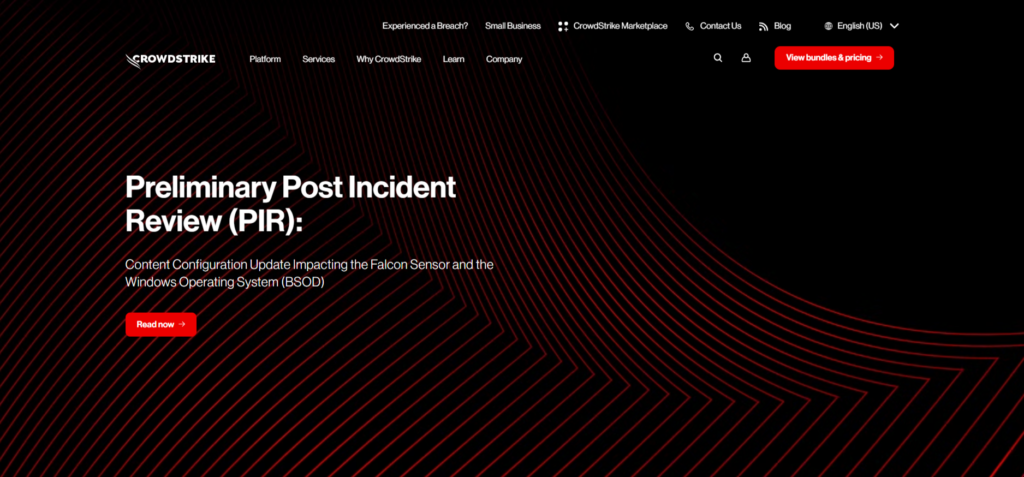
In today’s interconnected world, even major cybersecurity firms like Microsoft and CrowdStrike occasionally encounter disruptions. The CrowdStrike incidents highlight systems’ vulnerabilities that are otherwise highly secure. The recent glitch in the content update has impacted millions of Microsoft Windows systems, leaving them non-functional until each system is manually fixed. CrowdStrike is actively working on developing and improving technical guidance for remediation. Here is a comprehensive guide about important things you should know in the aftermath of the CrowdStrike outage..

As recovery efforts from the global IT outage attributed to CrowdStrike proceed, numerous questions follow. Despite the company’s reputation for effective security measures, this event has highlighted particular vulnerabilities critical for stakeholders in sectors like IT, banking, or even a keen techie should be aware of.

What Led to the CrowdStrike Outage?

Aftermath of the CrowdStrike Outage

Image source

The outage at CrowdStrike occurred following a problematic security update to Falcon, the company’s leading endpoint detection and response software. Falcon requires extensive access to computer operating systems to effectively scan for and respond to suspicious activities, operating continuously in the background. When Falcon detects anomalies, it locks the affected device to safeguard the system.

Regular updates are crucial for Falcon to keep pace with evolving security threats. However, any deficiencies in these updates can have significant repercussions. Unfortunately, the update released before the outage contained errors that caused disruptions across millions of Microsoft systems worldwide, leading to the widespread outage.

Additionally, around the same time, Microsoft’s Azure cloud services experienced a separate issue. Although Microsoft resolved this problem, it cautioned users about the lingering effects of the CrowdStrike outage.

Aftermath of the CrowdStrike Outage

The consequences have been substantial despite the CrowdStrike event impacting less than 1% of all Microsoft-enabled systems.

Due to the faulty update, the airline industry has faced significant disruptions. On Friday alone, over 3,300 flights were canceled globally. In the United States, major carriers such as Delta, American, and United paused their operations for several hours, leading to extensive passenger and cargo transport delays. Major international airports, including those in Tokyo, Amsterdam, and Delhi, also experienced disruptions.

The banking sector was equally affected, with outages hitting everything from ATMs to mobile banking apps and customer service call centers. More critically, the outage disrupted essential emergency services, including hospitals and 911 dispatch centers.

While Microsoft has stated that it was not directly responsible for this incident, the ongoing effects underscore our deep reliance on a tightly interlinked technology and service ecosystem.

How Has CrowdStrike Addressed the Issue?

CrowdStrike responded to the incident by issuing a correction 79 minutes after deploying the initial problematic update, specifically targeting removing the defective content from Channel File 291. Systems that had not downloaded this update remained unaffected by the error. However, those who had already acquired the flawed update experienced more severe complications.

CrowdStrike released additional guidance through a blog post to address systems trapped in continuous reboot cycles. This guidance provided a comprehensive list of steps for remotely detecting and recovering the affected systems. It also included detailed instructions for temporary fixes applicable to both physical machines and virtual servers, such as manual reboot procedures.

Lessons Learned from the CrowdStrike Outage

Lessons Learned from the CrowdStrike Outage

The outage at CrowdStrike underscores the fragility of global computer networks and emphasizes the importance of robust cyber resilience strategies. This incident demonstrates the risks associated with centralized systems. Key lessons learned from this event include:

  • Immediate Action and Communication:

CrowdStrike’s swift identification and resolution of the problem was pivotal. Their clear communication with stakeholders effectively managed expectations and minimized panic. The CEO of CrowdStrike publicly clarified that the issue stemmed from a software defect, not a cyberattack, emphasizing the importance of transparency during crises.

  • Thorough Testing of Updates:

This incident highlighted the need for strict testing protocols before updates are deployed, particularly in critical systems. Adopting an exhaustive update management strategy, which includes thorough pre-deployment testing in varied environments, can reveal potential issues early. Companies might benefit from phased deployments that allow for step-by-step monitoring and troubleshooting, which mitigates risks before a widespread launch.

  • Varied Backup Strategies:

The incident demonstrated the dangers of depending too heavily on a single system or solution, as shown by the outage’s broad impact across sectors such as airlines, healthcare, and financial services. Establishing redundancy and varying IT solutions, such as adopting hybrid or multi-cloud infrastructures, can improve resilience and lessen the dangers of relying on single points of failure. This strategy ensures continued operations, even if one component fails.

  • Preparedness for Unintended Consequences:

The outage impacted IT services, airlines, banks, and emergency services, highlighting how closely linked modern technology infrastructures are. Companies must evaluate and prepare for the possible widespread effects of technological disruptions across various sectors.

  • Enhanced Incident Response Plans:

This incident underscored the need for thorough incident response strategies that cover all crucial operational areas, not just IT departments. An effective plan should include protocols for quick problem identification, isolation, and resolution and should be tested regularly to ensure that all teams can respond quickly and effectively.

  • Educating Stakeholders:

It is essential to raise awareness among all stakeholders, including employees and customers, about potential vulnerabilities and appropriate responses. Education can improve the organization’s security by ensuring everyone knows their role in protecting the system and their actions during disruptions.

  • Review and Adapt Security Measures Regularly:

It is critical to assess and improve security measures continually. This involves regularly updating security protocols and incident response plans to keep them current with emerging threats and industry best practices. Implementing phased deployments and staging environments can identify issues before they affect the entire network.

  • Balancing Automation with Manual Oversight:

While automation enhances efficiency, the CrowdStrike incident demonstrated the importance of maintaining manual oversight to address anomalies swiftly. Incorporating redundancy and ensuring systems have failover capabilities can sustain operations even if part of the system breaks down. Additionally, robust monitoring systems are crucial as they can promptly identify and notify teams about anomalies, facilitating quicker issue resolution.

Conclusion

The CrowdStrike outage is a critical reminder of the vulnerabilities within our interconnected digital infrastructure. Despite advanced security measures, the incident underscored the importance of robust testing, clear communication, and diverse backup strategies to maintain operational continuity. CrowdStrike’s immediate action and transparent communication were crucial in managing the crisis and mitigating panic. The event highlights the need for thorough pre-deployment testing, varied IT solutions to avoid single points of failure, and comprehensive incident response plans.

Educating stakeholders and regularly updating security measures are essential to improve resilience against future disruptions. This outage has reinforced the necessity of balancing automation with manual oversight, ensuring systems are prepared for anticipated and unforeseen challenges. By learning from this incident, organizations can enhance their cyber resilience and better navigate the complexities of the modern technological landscape. Users should also know about the various alternatives to CrowdStrike to ensure a quick transition to a safer company if the same type of outage happens again.

Frequently Asked Questions

Biggest Data Breaches in 2024

The Biggest Data Breaches in 2024: AT&T, Snowflake, UnitedHealth, and More

As we approach halfway through 2024, we’ve witnessed some of the most significant and harmful data breaches on record. Each new hack surpasses the previous in severity. Here is a comprehensive analysis of the biggest data breaches in 2024, including data breaches in AT&T, Snowflake, UnitedHealth, and many more.

This year has seen extensive compromises involving vast amounts of personal and medical information affecting a significant portion of the US population. To date, these breaches have involved more than 1 billion records. These incidents have severe repercussions for the individuals whose information has been compromised and by empowering the criminals who carry out these attacks.

Biggest Data Breaches in 2024 Affecting Major Companies

In recent months, several high-profile data breaches have impacted major organizations across various industries, from telecommunications and financial services to healthcare and technology. These incidents highlight growing concerns over data security and the need for robust protective measures. Here’s an overview of the key breaches reported this year:

1. AT&T

  • Date of Disclosure: July 12, 2024
  • Data Breach Period: May 1, 2022 – October 31, 2022
  • Affected Parties: Current and former AT&T customers, mobile virtual network operators using AT&T’s network, and landline users who interacted with these cellular numbers
  • Compromised Data: Call and text logs, including recipients, timing, duration, and some cell tower locations
AT&T

Image source

On July 12, AT&T reported that in April 2024, hackers accessed phone records of virtually all current and former customers. This breach also extended to individuals contacted by AT&T customers, as it included call and text logs. Upon being informed, the U.S. Department of Justice approved delaying public disclosure.

The compromised data was stored on third-party cloud services and included details such as the recipients of calls and texts, the timing, and the duration. This affected not only direct AT&T cellular subscribers but also mobile virtual network operators who utilize AT&T’s network and landline users who interacted with these cellular numbers from May 1, 2022, to October 31, 2022, and a few from January 2, 2023.

The breach did not expose the contents of the communications or sensitive personal information like social security numbers or credit card details. However, the exposed phone numbers could be linked to individual identities, providing insights into personal connections. Additionally, some of the data included cell tower locations, which could give information about the customers’ geographical movements and living areas.

Recently, it was revealed that AT&T paid approximately $370,000 in bitcoin to a hacker linked with the ShinyHunters group to ensure the deletion of the stolen customer data. This payment was made on May 17th after negotiations brought down the hacker’s initial demand of $1 million. Acting through an intermediary named Reddington, the hacker confirmed the deletion with video proof.

This marked the second data breach AT&T experienced in the year. In March, a data breach broker released 73 million customer records on a cybercrime forum accessible to the public. This event occurred three years after an initial, smaller data set was revealed online. The released records included personal details such as names, phone numbers, and postal addresses, which some customers verified as accurate.

The situation escalated when a security researcher found that the leaked data included encrypted passcodes that customers use to access their AT&T accounts. The researcher informed TechCrunch that these passcodes could be decrypted relatively easily, potentially compromising the security of approximately 7.6 million active customer accounts.

2. Snowflake

  • Date of Disclosure: July 2024.
  • Data Breach Period: Mid-April 2024 – May 23, 2024
  • Affected Parties: Around 165 companies, including major companies like Ticketmaster, Santander Bank, Advance Auto Parts, and AT&T.
  • Compromised Data: The stolen data included customer information and sensitive records, which hackers attempted to sell or use for extortion.
Snowflake

Image source

This year, Snowflake, a prominent cloud-based data storage and analytics provider, has been embroiled in a cybersecurity issue. Recent disclosures indicate that unauthorized parties accessed its systems, potentially compromising the sensitive data of several notable clients, including Santander Bank and Ticketmaster.

Snowflake detected unusual activities in its systems around April 2024 and confirmed the possibility of unauthorized access by May 23, 2024. The company has since been actively investigating the breach and informed the affected clients, offering guidance on Indicators of Compromise (IoCs) and measures to secure their accounts.

Snowflake asserts that the breach occurred due to compromised user credentials and not because of any defects or vulnerabilities in its products. The company clarified in a statement on the Snowflake Forums that the security issue was not caused by any product misconfigurations or malicious internal actions, urging customers to check their security settings.

The breach’s impact on Santander Bank could potentially affect 30 million customers, while the Ticketmaster incident might influence up to 560 million customers.

Advance Auto Parts also reported that an attack on its Snowflake setup in April affected over 2.3 million people, with stolen data possibly including names, driver’s license numbers, and Social Security numbers. Furthermore, AT&T was among over 165 companies whose data was compromised from unsecured Snowflake accounts during April and May.

The primary cause of the breach was the exploitation of single-factor authentication credentials, which were used in a credential-stuffing attack to access customer databases.

3. UnitedHealth

  • Date of Disclosure: February 21, 2024
  • Data Breach Period: February 17, 2024 – February 20, 2024
  • Affected Parties: Change Healthcare (part of UnitedHealth Group’s Optum), over 67,000 pharmacies, and more than 100 million individuals
  • Compromised Data: Data related to claims submission, benefits verification, prior authorization, and remittance data transmission
UnitedHealth

Image source

On February 21, 2024, a significant cyberattack struck Change Healthcare, affecting hundreds of pharmacies globally and disrupting patient care. The attack is attributed to the notorious ALPHV/BlackCat ransomware group. Change Healthcare, which became part of UnitedHealth Group’s Optum healthcare business following a 2022 merger, handles prescription processing services for Optum. This subsidiary provides technology services to over 67,000 pharmacies and serves more than 100 million people.

Change Healthcare processes half of all U.S. medical claims. The breach impacted over 100 services offered by Change Healthcare, including critical operations like claims submission, benefits verification, prior authorization, and the transmission of remittance data.

The cyberattack resulted in prolonged service disruptions, stretching into weeks and leading to significant outages in hospitals, pharmacies, and healthcare practices throughout the United States. The full extent of the breach’s aftermath is still unfolding, with potential long-term consequences for those impacted. In response to the breach, a ransom was paid to prevent further data disclosure, aligning with the company’s commitment to protect patient information.

However, UnitedHealth has not disclosed the total number of individuals affected. UnitedHealth’s CEO, Andrew Witty, indicated to lawmakers that the breach might impact around one-third of Americans, with the possibility of affecting even more.

4. Synnovis

  • Date of Disclosure: June 3, 2024, when the pathology laboratory experienced significant disruptions to its IT systems.
  • Data Breach Period: The exact period over which data was accessed or stolen is not specified, but the data published by the hackers began appearing online by June 20, 2024, suggesting that the breach occurred prior to this date.
  • Affected Parties: Patients and health service users in these areas faced disruptions and potential privacy concerns.
  • Compromised Data: The data published included a partial copy from Synnovis’ administrative working drives, potentially containing personal data like names, NHS numbers, and test codes. However, the Laboratory Information Management Systems, which hold patient test requests and results, were reportedly not compromised.
Synnovis

Image source

In June, a cyberattack targeted Synnovis, a UK pathology lab that performs blood and tissue tests for hospitals across London, resulting in significant service disruptions. This incident led to the postponement of thousands of medical procedures as local National Health Service trusts, which depend on the lab, struggled to cope. The attack impacted over 3,000 hospital and general practitioner appointments.

A Russian ransomware group known as Qilin was responsible for the cyberattack, which compromised data from approximately 300 million patient interactions over many years. The group leaked about 400GB of sensitive information on a darknet website, similar to a previous incident at Change Healthcare, posing severe and long-lasting risks to affected individuals.

Despite the hackers demanding a $50 million ransom, Synnovis chose not to comply, which prevented the criminals from profiting but left UK officials in a difficult position, especially if the health records were to be released publicly.

It was also reported that one of the NHS trusts managing five hospitals in London did not meet the required data security standards in the years leading to the cyberattack on Synnovis.

5. Truist Bank

  • Date of Disclosure:  June 13, 2024
  • Data Breach Period: October 2023
  • Affected Parties: Approximately 65,000 Truist Bank employees are directly affected. The breach may also impact customers whose transaction details were part of the compromised data.
  • Compromised Data: The stolen data includes employee records with personal and professional information, customer bank transactions (including names, account numbers, and balances), and the source code for the bank’s Interactive Voice Response (IVR) system.
Truist Bank

Image source

In October 2023, Truist Bank, ranked among the top 10 U.S. commercial banks by assets, was the target of a cyberattack. The breach was only confirmed recently when, on June 12, 2024, a notorious data broker on the dark web, known as “Sp1d3r,” began selling what is purported to be a large cache of stolen data from Truist Bank.

Truist operates as a bank holding company with 2,781 branches across 15 states and Washington, D.C. The data being offered for $1,000,000 includes:

  • Employee Records: 65,000 records with comprehensive personal and professional details.
  • Bank Transactions: Information including customer names, account numbers, and account balances.
  • IVR Source Code: The source code for Truist’s Interactive Voice Response (IVR) system, used for funds transfers.

The IVR system allows customers to interact with a computer-based telephone system using voice or keypad inputs (Dual-tone multi-frequency signaling, or DTMF). This source code could allow criminals to identify and exploit security weaknesses.

6. Dell

  • Date of Disclosure: May 9, 2024, after being alerted by the threat actor about vulnerabilities in their system.
  • Data Breach Period: Nearly three weeks.
  • Affected Parties: Approximately 49 million customers.
  • Compromised Data: The data accessed includes customer names, physical addresses, and specific details related to Dell hardware and order information, such as service tags, product descriptions, order dates, and warranty details.
Dell

Image source

In May 2024, Dell experienced a significant cyberattack that could potentially impact its 49 million customers. The attacker, Menelik, disclosed that he extracted substantial data by establishing partner accounts in Dell’s system.

Once these accounts were set up, the attacker initiated brute-force attacks, continuously sending over 5,000 requests per minute to the portal for almost three weeks. During this period, Dell did not detect these activities. After sending nearly 50 million requests and extracting data successfully, Menelik contacted Dell to report the security flaw.

Dell confirmed that although no financial information was compromised, there is a possibility that sensitive customer data such as home addresses and order details could be at risk. There are reports that the data from this breach has appeared for sale on various hacker forums, indicating that information on roughly 49 million customers has been compromised.

Conclusion

The data breaches of 2024 have underscored the critical need for enhanced cybersecurity measures across various industries. The breaches at AT&T, Snowflake, UnitedHealth, Synnovis, Truist Bank, and Dell have collectively impacted billions of records, exposing sensitive personal and professional information. These incidents have compromised individuals’ privacy and revealed significant vulnerabilities within major corporations and their data management practices.

As hackers refine their methods, organizations must invest in stronger security protocols, regular audits, and comprehensive response strategies. This year’s events serve as a stark reminder that robust cybersecurity defenses are essential in protecting corporate assets and individual privacy in an increasingly digital world.

Minnesota Minimum Wage

Judge Rejects $30B Swipe Fee Settlement by Visa, MasterCard

A federal judge rejected a $30B swipe fee settlement between Visa, Mastercard, and retailers. This decision suggests that the credit card companies must offer more significant concessions to settle the ongoing dispute with merchants. In March, MasterCard and Visa, among the largest global credit card networks, reached this tentative antitrust agreement with US retailers. The terms of the deal, pending judicial approval, required the companies to reduce swipe fees by at least four basis points for a minimum of three years and to fix their fees at 2023 rates for the following five years.

Key Takeaways
  • Judge Dismisses $30 Billion Settlement: A US judge has rejected a proposed $30 billion antitrust settlement between Visa, MasterCard, and various retailers over swipe fees, citing the need for more significant concessions from the credit card companies.
  • Settlement Aimed at Reducing Swipe Fees: The proposed settlement, announced in March, included a reduction in swipe fees by at least four basis points for three years and fixed fees at 2023 rates for five years, along with increased flexibility for merchants to offer discounts or surcharges.
  • Merchant Criticism and Legal Claims: Merchants and trade groups criticized the settlement as inadequate, arguing that it allowed Visa and MasterCard to maintain control over swipe fees and limited competition. They claimed that the card companies conspired to impose excessive fees.
  • The judge’s decision, with its potential to push Visa and MasterCard to seek a more favorable agreement or face a trial, could significantly influence future mergers and financial transactions in the sector. The settlement’s outcome could reshape market dynamics in the coming months.

Judge Rejected a $30B Swipe Fee Settlement

Federal Judge Rejects $30 Billion Antitrust Settlement with Visa and MasterCard.

Judge Rejected a $30B Swipe Fee Settlement

On Tuesday, a US judge dismissed a proposed $30 billion antitrust agreement where Visa and MasterCard would reduce the fees charged to merchants for accepting their credit and debit cards. Judge Margo Brodie of the US District Court in Brooklyn indicated that she was unlikely to approve the settlement definitively, leading her to deny the preliminary approval sought by the plaintiffs. This decision could push Visa and MasterCard to seek a more favorable agreement with merchants or face a trial.

The settlement, announced in March, aimed to settle ongoing litigation from 2005 concerning the interchange or swipe fees that merchants incur to process payments through Visa and MasterCard’s networks.

The specifics of Judge Margo Brodie’s ruling from the US District Court for the Eastern District of New York on Tuesday have yet to be disclosed. A court memo stated she was “not likely to grant final approval” to the preliminary settlement without modifications.

Retailers are usually charged 2% of each transaction as swipe fees, which can rise 4% for transactions made with certain premium rewards cards based on industry data. The proposed agreement aimed to reduce these fees by at least 0.04 percentage points for at least three years and consented to maintain rates at least 0.07 percentage points under the current five-year average. Additionally, they agreed to a five-year rate cap and eliminated clauses preventing customers from being steered to other payment methods. In return, merchants gained increased flexibility to apply discounts or add surcharges.

In the lawsuit, merchants claimed that the card companies and their partnering banks conspired to impose excessive swipe fees, blocking them from steering customers towards less expensive payment methods.

As part of the initial settlement, the card companies did not admit wrongdoing and agreed to keep swipe fees at the levels set on December 31, 2023, for five years. Furthermore, Visa and MasterCard consented to scrap any restrictions that prevented merchants from promoting alternative card options to customers.

Additionally, the agreement allowed merchants to apply surcharges for using specific types of Visa or MasterCard cards, particularly affecting customers with cards that offer rewards like cash back and airline miles, which generally have higher swipe fees.

people holding credit card

Visa reported that over 90% of the merchants supporting the initial agreement with Visa and MasterCard were small businesses. However, the National Federation of Independent Business described this agreement as only a “temporary relief” for small businesses, not a permanent fix. Large trade groups representing major retailers were even more critical.

The Merchants Payments Coalition, representing various businesses, from supermarkets to online merchants, criticized the initial settlement as inadequate. Some industry experts argued it would allow credit card companies to continue controlling swipe fees and limiting competition. Fortunately, the judge recognized this agreement’s negative impact on small merchants and their customers.

The Retail Industry Leaders Association, which includes large retailers like CVS and Target, also praised the recent court decision. A MasterCard spokesperson expressed disappointment in the decision, claiming the settlement was a fair resolution that would have provided business owners more control over card acceptance practices. MasterCard intends to explore further options to resolve the issue.

Brodie will explain her decision once merchants and the card networks submit proposed redactions by Friday. This recent ruling by the judge does not alter a previous settlement where Visa and MasterCard agreed to a $5.6 billion class-action lawsuit with approximately 12 million merchants regarding swipe fees.

In March 2023, a federal appeals court in Manhattan confirmed this agreement seven years after rejecting a $7.25 billion settlement that did not adequately compensate some retailers.

The settlement might influence upcoming mergers, such as the proposed union between Capital One and Discover, and other financial transactions. This settlement is anticipated to significantly affect the financial sector in the upcoming months, a notion supported by the slight rise in Visa and MasterCard’s share prices following the announcement.

Conclusion

A federal judge’s rejection of the $30 billion swipe fee settlement underscores the need for Visa and MasterCard to propose more substantial concessions to resolve the ongoing antitrust litigation with merchants. This decision reflects the strong dissatisfaction among retailers and trade groups, who argue that the initial agreement was insufficient to address the high costs imposed by swipe fees.

Moving forward, Visa and MasterCard may have to negotiate a more favorable settlement or face the possibility of a trial. The outcome of this case is likely to have significant implications for the financial sector, influencing future mergers and market dynamics. Judge Brodie’s written explanation will provide further insights into the rationale behind the dismissal and potential directions for resolution.

US Government Bans Kaspersky Software Over Links to Russia - Kaspersky to Shut Down US Operations

US Government Bans Kaspersky Software Over Links to Russia – Kaspersky to Shut Down US Operations

Kaspersky Labs, a significant antivirus provider, is on the verge of exiting the US market following a ban imposed by the US government. The Biden administration initiated this ban in response to heightened US-Russia tensions after Russia invaded Ukraine. Concerns had been raised about the potential for Russian authorities to compel Kaspersky to surrender user data.

The ban, which prohibits the sale of Kaspersky software in the US directly or through US-based resellers, took effect on July 20. A subsequent phase of the ban, set for September 29, will prevent Kaspersky from delivering security updates or software patches to its US customers, impacting the effectiveness of its antivirus products.

The Commerce Department designed the ban in two stages, providing US consumers time to transition to alternative antivirus solutions. As part of this move, Kaspersky has been added to the Commerce Department’s trade restriction list, which bars US companies from engaging in commerce with the Moscow-headquartered firm.

Key Takeaways
  • Ban Implementation and Impact: The US government banned the sale of Kaspersky software starting July 20, with a second phase on September 29 preventing security updates, affecting the software’s effectiveness for US customers.
  • Reason for the Ban: The ban was initiated due to concerns over potential data security threats, with fears that Russian authorities could compel Kaspersky to hand over user data amid heightened US-Russia tensions.
  • Kaspersky’s Response and Future: Kaspersky decided to cease its US operations, affecting fewer than 50 employees, after concluding that continuing business in the US was not feasible. The company had initially intended to contest the ban.
  • Broader Implications: The ban on Kaspersky adds to the ongoing US-Russia conflict and reflects the Biden administration’s heightened scrutiny of companies with potential links to foreign governments, including other firms like TikTok.

Kaspersky to Cease US Operations Following Commerce Department Ban

Add New Post ‹ Host Merchant Services — WordPress

Cybersecurity company Kaspersky has announced the closure of its operations in the United States following a ban by the Commerce Department on the use of its software. Starting from July 20, Kaspersky will progressively shut down its activities in the US, as outlined in a statement from the company based in Moscow. This will also lead to the elimination of all US-based positions. The company later clarified that this action will affect fewer than 50 employees.

Kaspersky has been active in the US for nearly 20 years, actively supporting the nation’s strategic cybersecurity objectives by protecting organizations and individuals from constantly changing cyber threats. After a thorough review of the implications of US legal requirements, the company has made the difficult decision to cease operations in the US, citing that continuing business there is no longer feasible.

Kaspersky at first intended to contest the ban in court, staring at the time of the announcement that it does not engage in any activities that compromise US national security. The company also intended to use all legal avenues to maintain its operations and partnerships.

In June, the US Commerce Department implemented an unprecedented ban on selling Kaspersky’s antivirus software to US consumers, pointing to increased security and privacy threats due to the company’s headquarters in Russia. US Commerce Secretary Gina Raimondo noted that Russia has demonstrated not only the capability but also the intent to use companies like Kaspersky to gather and exploit Americans’ personal data.

Following the enforcement of this ban, Kaspersky will be prohibited from selling its software directly to US consumers or through US-based resellers, some of whom have voiced concerns that the ban negatively affects their businesses. Starting September 29, Kaspersky will also be unable to distribute software or security updates to its US customers, resulting in less effective antivirus protection.

The US government has added OOO Kaspersky Group (Russia), Kaspersky Labs Limited (United Kingdom), and AO Kaspersky Lab to its list of companies barred from doing business with US-based organizations.

Following an extensive investigation, US authorities also concluded that allowing the company to continue its operations in the United States poses a national security threat, given the Russian Government’s advanced cyber capabilities and potential to control or influence Kaspersky’s activities.

These prohibitions fuel the tension between the US and Russia, which worsens with each company departure. The Biden administration is also scrutinizing another firm, the social media platform TikTok.

Kaspersky Premium

Established in 1997 in Russia by Eugene Kaspersky, the prominent antivirus company serves over 400 million users and stands out as one of Moscow’s few IT enterprises to achieve international success. Kaspersky has refuted all accusations from the US government, stating that the decision was influenced by the geopolitical environment and hypothetical issues rather than being based on independent verification.

The US government had previously prohibited Kaspersky software from federal networks in 2017, at the time, media coverage suggested that Kaspersky Lab had accessed hacking tools from a National Security Agency employee, which subsequently found their way to the Russian government. In response, Kaspersky acknowledged discovering the code but asserted that it was not seen by any third parties. That ban was challenged in the court.

The recent scrutiny of its US activities underscores the increasing difficulties Kaspersky encounters in preserving its market share in the United States.

For American customers, Kaspersky’s winding down of operations necessitates a prompt search for other cybersecurity providers ahead of the Commerce Department’s deadlines. This cessation marks a notable change in the cybersecurity environment, leading American companies and government entities to explore alternative suppliers for their security requirements.

About Kaspersky Lab

Add New Post ‹ Host Merchant Services — WordPress

Image source

Kaspersky Lab is the world’s largest privately owned provider of endpoint protection solutions. It ranks among the top four global security solution vendors for endpoint users. The company is a leader in IT security, offering robust digital security solutions and threat management systems for individual consumers, small to medium businesses, and large enterprises.

The antivirus engine developed by Kaspersky also underpins products and solutions offered by other security companies, including Bluecoat, Check Point, Sybari, Juniper Networks, Clearswift, Netintelligence, Netasq, FrontBridge, Wedge Networks, among others. Kaspersky Lab’s headquarters are in Moscow, Russia, and it operates 30 regional offices across various countries including Austria, Australia, the Benelux countries, Canada, Brazil, France, China, Hong Kong, Germany, Italy, India, Japan, Taiwan, Korea, Kazakhstan, Malaysia, Latvia, Portugal, Poland, the Russian Federation, Romania, Spain, South Africa, Switzerland, Sweden, Ukraine, Turkey, the UK, the UAE, and the US.

Founded by Eugene and Natalia Kaspersky in 1997, Kaspersky Lab employs more than 2,500 people, including over 800 specialists in research and development. It provides security for more than 300 million users worldwide.

Conclusion

The recent US government ban on Kaspersky software marks a significant turning point in the cybersecurity company’s long standing presence in the American market. Prompted by security concerns and geopolitical tensions, the ban underscores the broader conflict between the US and Russia. As of July 20, Kaspersky is prohibited from selling its products in the US, with a further restriction on security updates taking effect on September 29. This phased approach aims to give consumers time to find alternative solutions.

The decision to cease US operations affects fewer than 50 employees and concludes nearly two decades of Kaspersky’s efforts to support US cybersecurity. While Kaspersky contests the allegations, stating the decision is politically motivated, the move highlights increasing scrutiny of foreign tech firms operating in the US. The broader implications of this ban may further strain US-Russia relations and signal future actions against other international companies.