Author Archives: hostmerchantservices

Top 17 Direct Mail Ideas to Market Your Small Business

Top 17 Direct Mail Ideas to Market Your Small Business

In 2024, marketing is dominated by digital channels, with email and social media marketing becoming more popular due to their convenience and wide reach. Startups and even big corporations are allocating high budgets just for online marketing. Yet, direct mail marketing always stands out from many “offline” marketing options. By incorporating direct mail ideas for marketing into your broader marketing strategy, you can offer your customers a distinct, personalized experience that differentiates your business from competitors. This discussion will cover the use of direct mail for business purposes and provide insights on developing an effective and memorable direct mail campaign.

What Is Direct Mail Marketing?

Before the internet was everywhere, we used to get many things in the mail—newspapers, coupons, bills, magazines, birthday cards, ads, and more. Now that many things have moved online, our digital spaces are getting crowded. Because of this, many people feel like they’re getting too much information online, especially since we spend so much time on social media. This is making it more expensive for businesses to advertise online, and people are starting to ignore those online ads more and more.

With email inboxes becoming increasingly crowded, direct mail is an appealing option for businesses. Daily, over 360 billion emails are sent, marking a nearly 20% increase since 2017. In this saturated digital environment, direct mail offers marketers a tangible way to stand out. Direct mail options include:

  • Catalogs
  • Postcards
  • Checks
  • Booklets
  • Flyers
  • Self-mailers
  • Sales letters
  • Coupons
  • Free samples

In 2024, 61% of marketers increased their direct mail investments. The tangible nature of direct mailers adds a personal touch that can engage customers more effectively than the typical, often ignored email. Receiving a personalized piece of direct mail can make customers feel valued and recognized beyond just an email address in a database. This sense of appreciation can enhance customer loyalty and increase your returns. Additionally, a physical mail item can remain in view in a home for weeks, continuously reminding the recipient of your message.

infographic : In 2024, 61% of marketers increased their direct mail investments

Source: Forbes

Why Is Direct Mail Effective?

Direct mail marketing offers distinct advantages that enhance its effectiveness within a comprehensive marketing strategy. Below is an analysis of its benefits:

  • High ROI:

Direct mail consistently shows high engagement rates, with an open rate of 80-90%, compared to email’s 20-30%. It achieves the highest return on investment (ROI) among marketing mediums, at 112%, outperforming SMS (102%), email (93%), and paid search (88%). The physical nature of direct mail, coupled with the option for personalized offers, significantly drives up engagement.

  • Precise Targeting:

Tools like the Every Door Direct Mail (EDDM) (by USPS) enable targeting by geographic areas without requiring individual addresses. Utilizing the USPS database alleviates the need to gather personal address information independently. Additionally, businesses can employ their own mailing lists for further precision.

 This method is exceptionally beneficial for local businesses aiming to connect with nearby customers. Demographic targeting by age, income, or household size helps ensure your message reaches the most appropriate recipients.

  • Reliable Delivery:

Direct mail avoids the pitfalls of digital mail filters and is consistently delivered to a recipient’s physical mailbox, ensuring visibility among their daily mail. This reliability helps your message get noticed.

  • Trackable Results:

The ability to monitor the impact of direct mail campaigns has significantly improved. Businesses can track responses directly by setting up unique contact details for each campaign—such as specific phone numbers, personalized URLs, or QR codes.

For instance, directing recipients to a specific website landing page or using unique tracking tags helps identify traffic originating from the mail. Including QR codes or shortened URLs simplifies the user experience, while unique phone numbers for calls can pinpoint the source of inquiries. This systematic approach allows for precise measurement of campaign success.

  • No Prior Consent Needed:

Direct mail does not require recipients to opt in, which simplifies the process of reaching new potential customers. This avoids the complications associated with email marketing, such as users unsubscribing from mailing lists. However, there are no broad prohibitions against sending direct mail advertisements.

No Prior Consent Needed:
  • Enhances Digital Efforts:

Direct mail can boost online engagement when combined with digital marketing strategies. Including QR codes, personalized URLs, and social media links in mailings can drive recipients to digital platforms, supporting a unified marketing approach.

  • Building Brand Recognition:

Ongoing direct mail campaigns help enhance brand awareness, even if recipients don’t respond immediately. Regular exposure to your brand builds recognition and trust, which may encourage future interactions or purchases when a need arises for your products or services.

To capture attention, include appealing offers such as a discount coupon for a local eatery, a gift card for a florist, or an invite to a newly opened mall. These items often find a place on a fridge or a tabletop, keeping your brand visible until the recipient requires similar services, possibly giving your business an edge over competitors.

  • Physical Presence:

Direct mail’s tangible aspect ensures it remains in homes for potentially longer periods, increasing the chances of interaction. Unlike quickly disappearing online ads, direct mail can be revisited, giving it a longer-lasting impact.

  • A Unique Approach in Modern Marketing:

In an era where digital marketing dominates, direct mail offers a unique touch that can capture a consumer’s attention amidst the usual influx of emails and online ads. Personalized elements, like handwritten notes, can make communication even more striking, distinguishing it from commonplace digital messages.

17 of the Best Direct Mail Ideas to Market Your Small Business

17 of the Best Direct Mail Ideas to Market Your Small Business

Direct mail remains a powerful tool for small businesses to reach their target audience. Here are 17 of the best direct mail ideas to help you effectively market your business and stand out.

1. Send Postcards (With a Coupon)

Postcards remain an effective yet often underutilized tool in direct marketing. They offer a simple way to draw attention to your brand from your desired audience. Opt for a clean design on your postcards, incorporating essential details such as a call to action (CTA) (we will talk about this one later), contact information, and potentially your physical address.

Including an incentive, like a coupon, can prompt immediate action on your CTA–This is because

80% of consumers are more inclined to purchase from a new brand when offered a discount coupon, rising to 89% among millennials.

For an added touch, add a map of your location directly on the postcard to capture the recipient’s interest and guide them to your storefront. If your business operates online, adding a URL linked to the direct mail campaign allows you to track its success rate effectively.

Consider using oversized mailers to make your postcard more noticeable among daily mailers. While standard postcards measure 4 x 6 inches, oversized versions are 6 x 11 inches, making them more conspicuous. Additionally, leverage online design platforms that offer a variety of free templates to create visually appealing postcards that stand out.

2. Offer Anniversary/Birthday Discounts

Direct mail is an effective method for maintaining customer relationships by showing appreciation. A great example is sending discounts or promo codes for customer anniversaries and birthdays.

These discounts can enhance customer loyalty and keep your brand in their minds. This approach can be implemented with a simple postcard or included in a catalog, brochure, or mailing type. Although sending these offers via email is possible, studies show that direct mail typically receives a higher response rate.

Timing is crucial for these promotions; ideally, the postcard should arrive on or near the special day, particularly if the discount expires.

3. Focus on Bold (Yet Meaningful) Designs to Stand Out

To grab recipients’ attention in a full mailbox, creating a visually appealing design is crucial. This can be achieved using strong typography, high-quality images, and innovative layouts highlighting your main message. However, it’s crucial to maintain a balance between creativity and clarity. The design should catch the eye and convey the important aspects of your offer or message.

If you lack an in-house designer, consider hiring a freelancer from platforms like Fiverr to produce professional postcards, brochures, or catalogs representing your brand well. While loading your materials with extensive details about your business may be tempting, a more effective approach is to focus on the most pertinent information. A straightforward design with a single, clear CTA often yields better results than a cluttered one.

4. Giveaway Free Catalogs and Product Samples

Including free product catalogs and samples is a proven strategy to increase engagement in direct marketing campaigns. People appreciate receiving complimentary items, and incorporating small sample packs in your direct mail can effectively demonstrate your product’s value. Indeed, offering free samples has led to significant sales increases, sometimes by up to 2,000%.

Some instances, including an actual product sample, might need to be more practical due to the product’s characteristics. For example, Function of Beauty, which specializes in customizable hair care products, used scented paper strips to let customers experience the fragrance of their offerings. This creative solution allowed them to conduct a successful direct mail campaign using just an added piece of paper.

5. Add QR Codes and Links

Add QR Codes and Links

Direct mail marketing can effectively initiate customer engagement by directing them to perform specific actions like visiting your website. A practical way to achieve this is by incorporating QR codes or concise, trackable URLs into your direct mail pieces, guiding customers to your website, store, or particular landing pages.

QR codes link your physical mail campaigns to your digital marketing initiatives. These simple barcodes are easily printed on mail items and can be scanned with any smartphone.

A single scan of a QR code can direct your customers to a designated landing page or other digital destinations. Given the widespread familiarity with QR codes, including them in your mail is straightforward and user-friendly.

6. Add Handwritten Notes

Sending handwritten messages can create a memorable impact, particularly for a smaller, more defined audience. This method demonstrates a strong commitment to personal service, which can enhance customer loyalty. Although unsuitable for large-scale campaigns, it effectively maintains relationships with high-value customers or clients in specialized markets.

7. Provide Detailed Information Through Brochures

While postcards are effective for quick communication about your business, they often need more space for more comprehensive details about your services. In such cases, brochures are an excellent alternative.

Brochures allow for an expanded presentation, including photographs, icons, illustrations, product descriptions, and menu options—typically too extensive for a postcard format.

For small businesses, brochures serve as a powerful marketing tool by offering ample space for detailed content, including product information and visual aids like images and infographics, enhancing both appeal and clarity. Additionally, distributing small batches of brochures to similar customer segments can help identify the most effective version for consistent results.

8. Enhance Your Mail with Embossed Envelopes

Embossed envelopes can significantly enhance your direct mail’s visual and tactile appeal, making it stand out. An embossed envelope introduces a tactile quality that can spark curiosity and motivate recipients to open your mail. This technique is handy when aiming for a sleek, minimalist design but still wanting to leave a strong impression.

9. Use Creativity in Mail Pieces

Not all businesses require detailed information about the product through catalogs or brochures; sometimes, you will require a little creativity to attract the audience. Invest effort into crafting mail that distinctly represents your brand. By adopting creative approaches, you can convey your product’s purpose more effectively with mail that stands out visually. This could involve unique designs such as fold-out letters, interactive cut-outs that become three-dimensional upon opening, or mail pieces that defy the conventional appearance of a letter.

For example, Papa John has utilized this strategy by sending out physical paper representations of their pizzas to customers, with each paper slice featuring a coupon for pizza deals. Employing creative and unusual mail designs can capture your target audience’s attention more quickly than traditional direct mail methods.

Nike set another great example with direct mail. Nike aimed to inspire young people to engage in sports. To this end, they distributed limited edition shoeboxes that featured a stadium print on the interior. Additionally, upon opening, these boxes would emit the sounds of a cheering crowd, aiming to motivate the recipient to get active.

10. Personalized Messages

Direct mail that acknowledges each customer’s unique preferences significantly boosts how valued they feel. By noting past purchases or particular interests, you deepen their connection to your brand.

For instance, HelloFresh enhances customer relations by sending personalized thank-you notes acknowledging customer loyalty and preferences. Adopting this method in your direct mail campaigns could make each recipient feel more recognized.

11. Promote Environmental Responsibility in Your Marketing

Consumers are increasingly aware of their purchases and the companies they support, particularly when these interactions are frequent. Brands must acknowledge the impact of their operations on the environment, especially when employing direct mail campaigns. Companies that demonstrate a real commitment to sustainability often gain a competitive edge.

You can opt for recycled paper or soy-based inks for your mailers. Make it a point to communicate these eco-friendly choices in your marketing materials, informing customers about your sustainable efforts. This transparency attracts consumers who prioritize environmental responsibility and boosts your brand’s image. Additionally, a note stating “Printed on 100% recycled paper” can positively impact your audience and possibly sway their preference towards your business instead of competitors who do not prioritize eco-friendly practices.

12. Focus on Solutions, Not Just Products

When crafting a direct mail marketing plan, it’s beneficial for companies to concentrate on how their services or products address specific customer problems rather than just listing features.

This shift in focus from merely selling a product to providing a solution makes your communication more effective and pertinent. For example, rather than detailing a water filter’s specifications, emphasize how it improves water quality and supports health. This method will likely increase engagement and response rates as customers perceive the tangible benefits of your offerings.

13. Distribute Branded Merchandise

Sending branded merchandise through direct mail effectively keeps your business prominent in customers’ minds. These items are physical reminders of your brand, leaving a lasting impact. The key is to select practical and relevant items for your business.

These gifts connect positively with your brand and prompt recipients to consider your business for related products or services first. This approach smartly blends the allure of a physical gift with ongoing brand reinforcement, ensuring your business remains memorable.

14. Enhance Engagement Through Storytelling

Enhance Engagement Through Storytelling

Incorporating storytelling into direct mail campaigns is an excellent strategy for emotionally engaging your audience and memorably delivering your message. Rather than just listing facts or promotions, sharing a story that connects with your audience can forge a stronger bond.

This tactic is equally effective for commercial enterprises. Sharing tales of customer successes or how your products or services have beneficially influenced someone’s life can incentivize recipients to trust and interact with your brand.

15. Use Infographics

Incorporating clear and informative infographics in your direct mail can help break down complex information and make it easier to understand.

This technique is useful in sectors like finance, where companies such as American Express use infographics to explain complicated subjects clearly and attractively. Infographics draw attention and improve the chances that your message will be understood and remembered.

16. Consider Implementing an EDDM Strategy

EDDM is a cost-effective way to reach a broad local audience without requiring a specific mailing list. With EDDM, you can target particular zip codes or neighborhoods, perfect for businesses aiming to grow their local customer base. This approach is beneficial for distributing postcards highlighting special deals, events, or new store openings.

For the best results in your EDDM campaign, select a dependable direct mail service that can assist with design and distribution.

17. Include a Clear CTA

The success of a direct mail campaign largely depends on a clear and motivating CTA. Your CTA should be noticeable and easy to understand, directing the recipient to the next steps. This can be enhanced by using contrasting colors, bold fonts, or design elements like arrows highlighting the CTA.

Your CTA language should be straightforward and prompt immediate action, such as “Call now for a free consultation” or “Visit our store today for exclusive discounts.” To prevent confusion, it’s crucial to direct your customers to a single destination, be it a website, a phone number, or a physical address.

Conclusion

Direct mail remains a potent tool for small businesses despite the dominance of digital marketing. Its tangible nature and personal touch offer advantages that online channels often need to improve. Integrating direct mail into your marketing strategy provides a unique customer experience that stands out in an era of digital overload. From postcards and catalogs to QR codes and personalized messages, direct mail allows for creative, targeted approaches that can significantly enhance customer engagement and brand recognition.

As businesses increasingly recognize the value of direct mail, those who leverage its benefits can effectively complement their digital efforts and foster deeper connections with their audience. With its ability to offer high ROI and reliable delivery, direct mail should be a key component in any comprehensive marketing plan, ensuring your business remains memorable and impactful in a crowded marketplace.

Frequently Asked Questions

Fiserv SpendTrend Report July 2024

Fiserv SpendTrend Report July 2024: Spending Slows on Lighter Foot Traffic

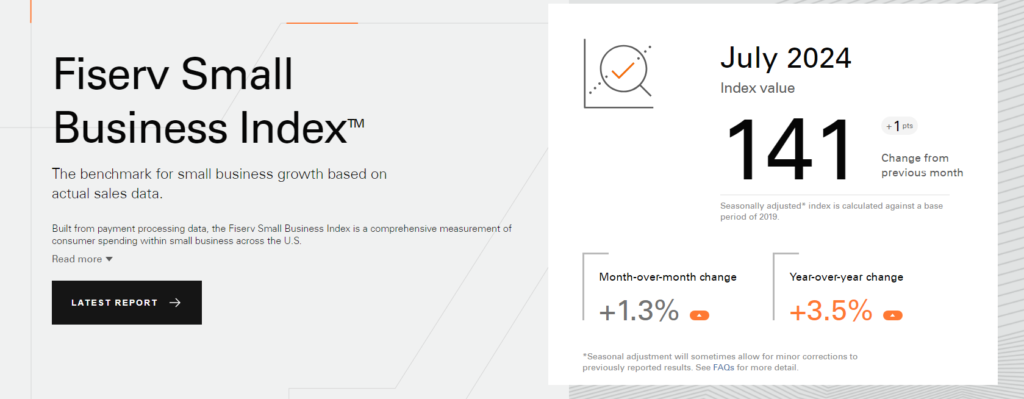
Fiserv, Inc., a prominent provider of payments and financial services technology worldwide, has released the Fiserv Small Business Index for July 2024. This index measures the performance of small businesses across the United States, focusing on national, state, and industry-specific levels.

The July 2024 Fiserv SpendTrend report offers substantial information on declining consumer spending, specifically highlighting the effects of reduced foot traffic. Fiserv’s thorough analysis presents changes in spending habits and provides detailed performance metrics across various sectors, offering essential information for businesses operating in the current economic environment. Read on for further details.

Key Takeaways
  • Decline in Consumer Spending Due to Reduced Foot Traffic: The report highlights a slowdown in consumer spending, with year-over-year (YOY) growth slowing to 4% in July, primarily driven by reduced foot traffic. Sectors reliant on in-person visits, such as retail and restaurants, faced significant declines, with retail seeing a 1.4% YOY drop in spending.
  • Shift Toward Essential Services: While discretionary spending in areas like dining and travel declined, essential services, including insurance premiums and utilities, experienced robust growth. For instance, insurance spending surged by 18.2% YOY, reflecting consumers’ focus on necessary expenditures despite the overall economic slowdown.
  • Regional Variations in Spending Growth: The report identifies notable regional differences. New England and the Midwest showed strong spending growth, at 6.8% and 4.2% YOY, respectively. By comparison, the Southwest exhibited the weakest growth, with spending rising by just 1.3%, indicating regional disparities in economic activity.
  • Changes in Payment Method Preferences: Signature debit transactions saw significant growth, with a 7.5% increase in spending and a 5.4% rise in transactions, outpacing other payment methods. However, credit card usage grew more modestly, and PIN debit transactions declined, reflecting shifts in consumer payment behavior amid economic uncertainty.

Spending Growth Slows as Foot Traffic Declines Across Key Sectors

The latest Fiserv data indicate a slowdown in spending growth, a noticeable change from the stronger growth earlier in the year. In July, spending increased only 4% yearly, which is lower than previous rates.

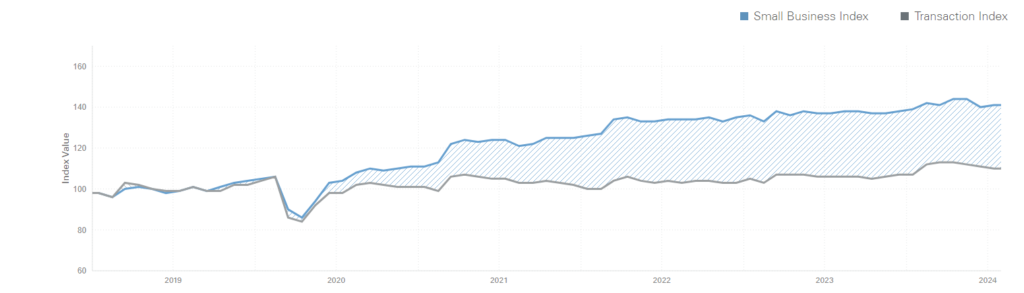
Small Business Sales Regain Footing in July

Source: Fiserv

Sectors dependent on in-person attendance, like retail, restaurants, and accommodations, saw more significant drops. This downturn can be partly linked to seasonal trends that typically lead to lower consumer activity and spending in the summer months.

Small businesses, especially those in industries hit hard by decreased foot traffic, experienced the adverse effects of this slowdown. For example, retail stores faced difficulties as reduced customer visits led to lower sales and revenue. However, while some areas, like insurance and digital subscriptions, reported gains, physical stores struggled.

In July, same-store consumer spending also dropped. YOY sales growth fell to 3.3%, a decrease from June’s 5.0%. This downturn was mainly due to reduced foot traffic, with transaction growth slowing to 2.8% from the previous month’s 4.5%, marking the slowest since January.

Fiserv Small
Business IndexTM

Source: Fiserv

The average ticket size showed a minimal rise of 0.5%, suggesting that consumers spend approximately the same per transaction as they did the previous year despite a general decline in economic activity.

The report points out that the decrease in foot traffic plays a significant role in this overall slowdown. With fewer consumers visiting physical stores, there is a corresponding drop in the number of transactions, affecting revenue growth. This trend appears common across different sectors, indicating that the change in consumer behavior could be broad rather than limited to certain industries.

Essential Services Show Growth Amid Declines in Retail and Dining Spending

In July, the food and beverage sector saw a slight increase in spending, climbing to 3.5% YOY, up from 3.1% in June. This growth suggests that consumers focus more on essential purchases than discretionary spending. On the other hand, the restaurant industry faced setbacks, encompassing food services and drinking places. Spending growth dropped to 2.4% YOY in July from 3.7% in June, and foot traffic in restaurants also decreased to a mere 1.0%, the lowest since January 2024. This trend indicates a reduction in dining out, possibly due to economic uncertainties or altered spending habits.

The broader retail sector saw a downturn, with spending decreasing by 1.4% in July YOY, a sharper fall than June’s 0.4% decline. Transaction growth dipped into the negatives for the first time since October 2023, falling to -0.7%. Despite this general downturn, some areas, such as merchandise and other retail stores, experienced minor growth, 1.5% and 0.7%, respectively.

The travel sector faced significant cutbacks in discretionary spending, with growth plummeting to 7.1% in July from 18.6% in June. Similarly, travel spending slowed to 1.1%, down from 2.1% in June, with notable declines in short-term vacation and car rentals. However, hotel spending remained nearly unchanged, showing a minimal decrease of 0.4%.

The services sector, on the other hand, showed robust growth in July, increasing by 8.8% YOY. This was led mainly by essential areas like insurance premiums, which surged by 18.2%, utilities, which grew by 13.0%, and deferred tax payments, which saw a dramatic increase of 40.0%. This strong performance in essential services suggests that despite a decrease in discretionary spending, consumers continue to prioritize necessary expenditures.

Regional Spending Trends Highlight Strong Growth in New England and the Midwest, Slowdown in the Southwest

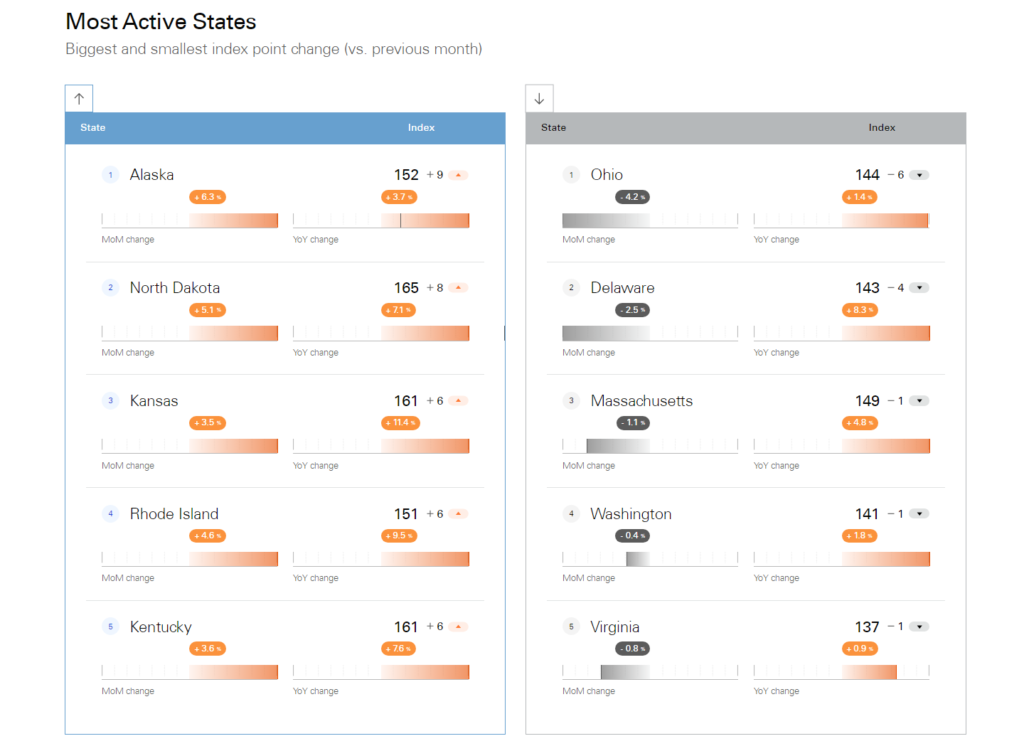
Most active state

Source: Fiserv

The report details consumer spending trends across various regions. New England led with the most robust performance, with overall spending growing by 6.8% and transactions growing by 5.6%, with an average ticket size increase of 1.2%. The Midwest also saw strong activity, with spending growth at 4.2% and transaction growth at 2.6%, accompanied by a significant ticket size increase of 1.6%.

Alternatively, the Southwest showed the weakest growth among the regions, with only a 1.3% increase in spending and a 0.9% rise in transactions. The average ticket size in this region grew marginally by 0.3%. The South, West, and Middle Atlantic regions experienced moderate growth, with spending increases ranging from 2.5% to 3.8% and transaction growth from 2.0% to 3.1%. Changes in the average ticket size in these areas were negligible or minimal.

Credit Card Usage Slows While Signature Debit Transactions Lead in Consumer Spending Growth

The report sheds light on trends in consumer payment methods. Credit card usage saw a spending increase of 2.5%, with transaction growth higher at 3.9%, although the average ticket size for these transactions decreased by 1.3%. Meanwhile, signature debit transactions outperformed other methods, showing a 7.5% rise in spending, a 5.4% increase in transactions, and a 2.0% growth in the average ticket size.

PIN debit transactions, however, moved in the opposite direction, experiencing a decline with spending falling by 3.3% and transaction growth decreasing by 4.6%, coupled with a 1.4% reduction in the average ticket size. Transactions using EBT, predominantly for food and beverage purchases, had marginal increases, with spending slightly up by 0.2% and transaction growth at 1.5%.

About Fiserv SpendTrend Report

The Fiserv Small Business Index is released during the first week of each month and is unique in its approach, which directly aggregates consumer spending data from the US small business sector. Unlike other reports that rely on surveys or sentiment analysis, this index is based on actual point-of-sale transaction data, including card, cash, and check transactions made both in-store and online, across approximately 2 million small businesses in the US.

Using 2019 as a baseline, the index offers a numerical value reflecting consumer spending and a separate transaction index that tracks customer traffic. The data can be accessed through a straightforward interface, allowing users to explore information by region, state, or business category, which are classified according to the North American Industry Classification System (NAICS). The index is calculated monthly for 16 sectors and 34 sub-sectors, providing a timely and consistent measure of small business performance, even in industries typically dominated by larger companies.

About Fiserv

Fiserv, Inc. operates in the financial services technology sector. The company is divided into three segments: Payments, Financial, Corporate, and Other. The Payments segment offers services like electronic bill payments, internet and mobile banking solutions, inter-account transfers, personal payment services, and debit and credit card processing. It also covers payment infrastructure and various other electronic payment-related services.

The Financial segment delivers services to financial institutions, including account processing, transaction processing services, loan management products, cash management, consulting, and other financial transaction support services.

The Corporate and Other segment includes activities not directly tied to segment performance evaluations such as intercompany adjustments, amortization of acquired intangible assets, unallocated corporate expenses, profits from business sales, and related transition services. Fiserv was established by Leslie M. Muma and George D. Dalton on July 31, 1984, and has its headquarters in Brookfield, WI.

Conclusion

The July 2024 Fiserv SpendTrend Report underscores a notable slowdown in consumer spending, attributed primarily to reduced foot traffic across critical sectors. While essential services like insurance and utilities have grown significantly, sectors reliant on in-person visits, such as retail and dining, have struggled. Regional disparities highlight more robust performance in New England and the Midwest, contrasting with slower growth in the Southwest.

The shift in payment methods also reflects changing consumer preferences, with signature debit transactions leading in growth. This report is a crucial tool for small businesses to navigate the current economic climate and adapt to evolving consumer behaviors. As companies adjust to these trends, understanding regional and sector-specific dynamics will be essential for strategic planning and resilience.

JP Morgan Introduces Biometric Payment Processing

JP Morgan Introduces Biometric Payment Processing

JP Morgan Payments is introducing biometric payment technology at specific pilot merchant locations in the US through a growing partnership with PopID, a facial recognition company based in California. This system allows customers to use facial recognition for payment verification, removing the need for physical cards or mobile wallets.

The technology, developed by PopID, a subsidiary of Cali Group, oversees the enrollment process, while JP Morgan Payments handles the transaction processing. The technology was initially launched in March of the previous year among physical retail stores, with South Florida Motorsports being one of the first to adopt it. A proof of concept demonstrated a 100% rate of transaction verification, with transactions being processed in less than a second.

Recently, the American restaurant chain Whataburger started to incorporate this technology, aiming to improve its existing biometric payment setup with the processing services provided by JP Morgan Payments.

Key Takeaways
  • Expansion of Biometric Payments: JP Morgan is testing its biometric payment system, which was developed in partnership with PopID, at various retail and restaurant locations across the US. This move is part of a broader effort to evaluate and expand the use of facial recognition technology for payment processing.
  • Enhanced Transaction Efficiency: The biometric payment system, which uses facial recognition for verification, aims to streamline transactions by eliminating the need for physical payment methods like cards and mobile wallets. This technology has demonstrated the potential to speed up transactions and improve overall efficiency significantly.
  • Pilot Programs and Early Adoption: Initial tests have involved notable participants, including Whataburger and the Formula 1 Crypto.com Miami Grand Prix. Both have reported improvements in transaction speed and customer engagement, indicating a positive reception to the new payment method.
  • Broader Industry Trends: JP Morgan’s initiative reflects a growing trend in the payments industry, with other major companies like Visa, Mastercard, and Amazon also exploring biometric solutions. These advancements highlight a shift towards more secure and convenient payment methods using biometric technology.

JP Morgan Expands Biometric Payments Testing with PopID at US Retailers and Restaurants

JP Morgan is testing biometric payments with PopID’s identification technology at increasing numbers of US retail stores and restaurants, preparing for a broader deployment next year. This initiative extends JP Morgan’s ongoing partnership with PopID, which specializes in biometric identification, to explore this technology with various US retailers.

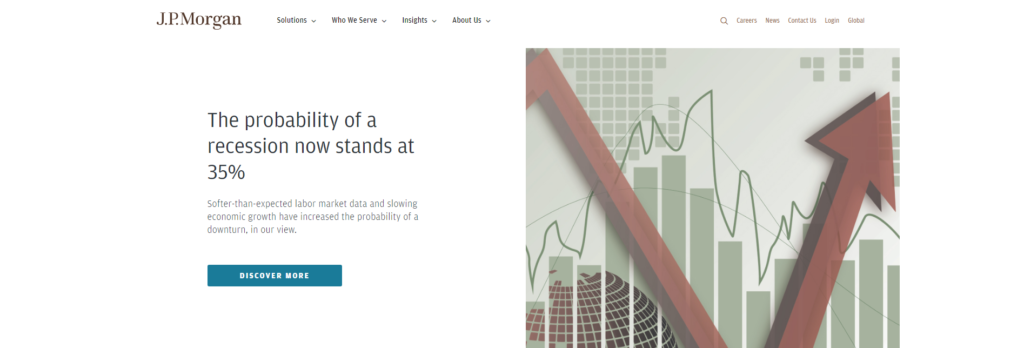
JP Mrogan

Image source

Biometric technologies are increasingly used for various purposes, from unlocking smartphones to securing building access. JP Morgan’s system is designed to simplify the checkout process by reducing reliance on physical payment methods and enhancing transaction security.

This technology involves securely capturing and storing biometric data, such as facial structures and palm and fingerprint scans. Once customers register their biometric data, they can pay by showing their face or hand at the checkout point. This approach eliminates the need for conventional payment methods like credit cards or mobile wallets, quickening transactions and minimizing physical contact.

According to research conducted by PopID, their platform reduces transaction times by 90 seconds each and can potentially increase average purchase amounts by 4%.

Jean-Marc Thienpont, Managing Director of Omnichannel & Biometric Solutions at JP Morgan Payments, stated that this initiative represents a significant advancement in enhancing the retail experience for their clients and introducing top-tier biometric payment solutions. He added that their offering is uniquely competitive, combining the reliability, scope, and credibility of a leading global bank with a fintech company’s innovative technology and flexibility.

The Formula 1 Crypto.com Miami Grand Prix was one of the first events to test JP Morgan’s biometric payment system, making it the inaugural Formula 1 race to incorporate such technology.

PopID

Image source

Ramon M Peneda, VP & Chief Information Officer of the Formula 1 Crypto.com Miami Grand Prix 2023, expressed enthusiasm about collaborating with JP Morgan Payments on this innovative technology. He emphasized that Formula 1 is dedicated to adopting groundbreaking solutions and advanced technology. Implementing this biometric payment method, he noted, would improve the event experience by streamlining the payment process for attendees. He highlighted that the Miami International Autodrome aims to provide a premier experience, and this technology plays a key role in achieving that goal.

Whataburger, a fast food chain, is also testing the biometric payment method and has already implemented it. Whataburger has observed notable improvements with this system, including quicker transactions and more active participation in its loyalty program at both the counter and self-ordering kiosks. Once customers register their biometric data in the Whataburger mobile app, they can bypass the need to use their phones to scan QR codes for loyalty check-ins or payment authentication, streamlining the process with a simple biometric scan.

Whataburger, headquartered in San Antonio, Texas, operates over 1,000 locations across 16 states. The chain still needs to implement the new facial scan technology at all of its outlets.

Jerry Phillips, VP of Technology at Whataburger, expressed enthusiasm for the continued adoption of biometric payments, aiming to transform how customers purchase their food securely and dependably. Phillips noted that innovation is a core value at Whataburger, and this technology represents a key advancement in improving the dining experience. He highlighted that this new system allows for a quicker, safer checkout experience for customers, supported by the robust infrastructure of a leading financial institution.

Should these pilot tests continue to show positive results, the biometric payment system will be introduced to a wide range of merchants across the country, including quick-service restaurants, event venues, and stores. However, it will be available to all sectors.

JP Morgan’s announcement also referenced a forecast that biometric payments will engage 3 billion users and account for $5.8 trillion in transactions worldwide by 2026.

The Mechanics of Biometric Payment Processing

The Mechanics of Biometric Payment Processing

The biometric checkout system from JP Morgan Payments, developed in collaboration with PopID, utilizes facial recognition technology to authenticate customer identities and process payments. Initially, customers register by having their facial image captured and converted into a digital format, which is then encrypted and stored in the PopID cloud database. For purchases, the system compares a live facial scan with the encrypted template to confirm the transaction.

This system eliminates the need for physical IDs, phones, or cards, allowing payments through facial recognition at any participating store. It is compatible with various merchants, facilitating a universal application once customers register. Furthermore, customers can join or leave the service at their discretion, giving them full control over their involvement.

John Miller, CEO at PopID, expressed enthusiasm about advancing biometric payment and check-in solutions in partnership with JP Morgan Payments. He noted significant improvements in transaction speed and customer loyalty when implementing biometric solutions. He emphasized the importance of providing consumers with secure, flexible payment and authentication options in today’s market.

Additionally, JP Morgan commits to implementing standards for privacy, consent, transparency, and data minimization. Prashant Sharma, executive director of biometrics and identity solutions at JP Morgan, acknowledges biometrics’ concerns and emphasizes the company’s responsibility to build trust in this area.

Merchants can purchase tablets from JP Morgan Payments or use existing devices. They are also required to pay ongoing support fees and transaction and processing fees.

JP Morgan Is Not Alone in the Biometric Payment Processing Race

About JP Morgan’s Corporate & Investment Bank

JP Morgan is not alone in pursuing biometric solutions for in-person payments. Visa is demonstrating its pay-by-palm technology at its Innovation Center in Singapore, anticipating a mainstream adoption of biometric payments within the next ten years. Similarly, Mastercard has partnered with NEC to incorporate facial recognition technology into its retail biometric offerings, having initially tested the service with Aramark, a food service company in Texas.

Amazon is also advancing in this space with its Amazon One system, which integrates into a retailer’s existing IT framework to merge loyalty programs and personalization features with payment processes. Amazon One, which combines palm and sub-surface imaging techniques, is claimed to be highly accurate and is currently implemented in over 500 Whole Foods stores, among other Amazon and third-party locations.

About JP Morgan’s Corporate & Investment Bank

JP Morgan’s Corporate & Investment Bank (CIB) is a major component of JP Morgan Chase & Co., one of the largest financial services firms worldwide. This division provides a comprehensive suite of services, including corporate banking, investment banking, treasury, and securities services, catering to governments, corporations, institutional investors, and financial institutions.

In particular, the CIB specializes in mergers and acquisitions (M&A), offering strategic advice for complex global transactions. The division is also a leader in capital markets, with deep expertise in debt and equity markets. It provides corporate financial advisory services as well, assisting clients in understanding market challenges and achieving their long-term objectives.

Additionally, JP Morgan’s CIB engages in financial transaction processing and asset management and offers strategies related to Environmental, Social, and Governance (ESG) issues. With a focus on technology and innovation, the CIB aids clients across various industries worldwide, supporting activities ranging from daily treasury operations to long-term strategic investments.

About PopID

PopID is a private entity specializing in developing facial recognition technology for identity verification. Established in 2016 by founders Sean Olson, Kourosh Gohar, Virginia Dadey, Dimitar Dyankov, and John Miller, the company is based in Los Angeles, CA. PopID’s system leverages biometric verification, enabling users to confirm their identity using facial or palm recognition for various purposes, such as loyalty programs, check-ins, ordering, building access, payments, event entry, and temperature screenings.

The software serves both individual consumers and businesses. Consumers benefit from using PopID for quick, device-independent payments at places like drive-thrus, while businesses can offer their customers and staff quicker, simpler, and touch-free interactions.

Conclusion

JP Morgan’s integration of biometric payment technology, in collaboration with PopID, represents a significant shift in the retail and restaurant payment landscape. By using facial recognition for transaction verification, this system aims to streamline the payment process, enhance security, and reduce reliance on physical payment methods. The successful pilot tests with various partners, including Whataburger and the Formula 1 Crypto.com Miami Grand Prix, highlight the technology’s potential to transform customer experiences through faster and more secure transactions.

As biometric payments become more prevalent, JP Morgan’s efforts, backed by robust privacy and data protection measures, are set to pave the way for wider adoption. The anticipated growth in biometric payment users and transaction volumes underscores the potential for this technology to redefine the future of payment processing. If these pilot programs continue to succeed, we can expect a broader rollout, significantly impacting how transactions are conducted across different sectors.

NCR Voyix Sells Digital Banking Division for $2.5 Billion

NCR Voyix Sells Digital Banking Division for $2.5 Billion

NCR Voyix has agreed to sell its digital banking division to a New York-based investment firm for approximately $2.45 billion in cash.

The deal, set to be completed by the end of the year, will see Veritas Capital acquire NCR Voyix’s digital banking operations. This business is recognized as the biggest independent platform in the country, supporting over 1,300 financial institutions and 20 million users. The sale is an important development for both companies and will likely impact the wider fintech and digital banking industries.

Key Takeaways
  • Sale of Digital Banking Division: NCR Voyix is selling its digital banking division to Veritas Capital for $2.45 billion in cash, with a potential additional payment of up to $100 million. The transaction is expected to close by the end of 2024.
  • Strategic Focus: The sale is not just a transaction but a strategic move by NCR Voyix to streamline operations and focus on its core businesses, specifically the restaurant and retail sectors. This decision, made with foresight and planning, will allow the company to reduce debt and invest in key business areas, instilling confidence in its future direction.
  • Impact on Digital Banking Platform: Under Veritas Capital’s ownership, NCR Voyix’s digital banking platform, which currently supports over 1,300 financial institutions and 20 million users, is poised for significant growth and innovation. The investment firm’s plans to expand and enhance the platform, focusing on its capacity for growth and innovation, should inspire optimism about the platform’s future.
  • Market Context: NCR Voyix has faced challenges since becoming an independent entity in 2023, with its market value decreasing by around 20%. This transaction is seen as a move to enhance shareholder value and stabilize the company’s financial position. The sale is expected to significantly reduce NCR Voyix’s debt and provide a substantial cash influx, which could potentially improve its financial standing and future growth prospects.

NCR Voyix to Sell Digital Banking Division to Veritas Capital for Up to $2.55 Billion

NCR Voyix, a fintech firm in Georgia, is modifying its business structure. The company has agreed to divest its cloud-based digital banking unit to a subsidiary of Veritas Capital. As part of the agreement, NCR Voyix will be paid $2.45 billion in cash. Up to $100 million may be paid based on future performance, potentially elevating the total value of the deal to $2.55 billion. The transaction is anticipated to close by the end of 2024.

NCR Voyix

Image source

Launched in 2014, NCR Voyix’s digital banking platform has expanded significantly. It serves 1,300 financial institutions with 20 million active retail and commercial banking users. The platform offers mobile and online banking, customer interaction tools, and personal financial management for retail clients. For commercial clients, it includes features like treasury services, business banking, and cash management solutions.

David Wilkinson, CEO of NCR Voyix, stated that Veritas Capital is the perfect new owner of its digital banking business, with its strong technology investment background. He noted that Veritas Capital is expected to continue developing leading products and solutions that will serve the needs of its financial institution customers well. This sale will enhance value for their shareholders by improving their financial standing and allowing them to concentrate on their primary restaurant and retail clients.

Ramzi Musallam, Managing Partner and CEO of Veritas commented that the digital-first banking platform is a leader in mobile and online banking, offering outstanding value and substantial potential for growth. He expressed confidence that the platform provides an attractive investment opportunity in essential solutions that will support both community and larger financial institutions and deliver innovative banking tools to millions of customers.

NCR Voyix offerings

The company’s recent financial supplements revealed that average revenues per unit in the segment increased by 6% yearly, with the active user count rising 3% to 19.8 million. NCR Voyix reported that its digital banking revenues grew 9% in the second quarter, reaching $154 million. However, the company’s overall revenues fell by 7%, totaling $876 million.

During a conference call, CEO David Wilkinson highlighted that digital banking provides a unique end-to-end service spanning both physical and digital channels.

Brendan Tansill, Executive Vice President and President of NCR’s digital banking unit, discussed the general perception of private equity firms. He noted two common scenarios: one where the firm minimizes costs aggressively to boost cash flow and plans a rapid exit, and another where the firm invests significantly in the target to spur long-term growth through enhancements in technology and personnel.

According to Tansill, Veritas Capital exemplifies the latter approach, having invested in technology companies for over twenty years. Veritas focuses intensely on a limited number of investments, each supported by substantial financial commitment.

Tansill also mentioned considerable interest in the business, which allowed them to select a strategic partner thoughtfully.

This sale is part of the company’s strategy to streamline operations and focus on its primary software and services targeted at global restaurants and retailers. NCR Voyix intends to use the proceeds from this sale to meet specific financial targets, such as lowering its debt, enabling more focused investments in its key business sectors, and potentially expanding its offerings in the restaurant and retail sectors.

Image source

NCR Voyix was previously a division of NCR Corp before the latter divided into two separate entities in 2023: Voyix, which specializes in digital commerce, and NCR Atleos, which concentrates on automatic teller machines (ATMs). Since becoming an independent entity last year, NCR Voyix has faced challenges in the competitive fintech and digital banking industries, leading to a decrease in its market value by approximately 20%. As of early July, its market capitalization was around $4.6 billion, debt included.

About NCR Voyix

NCR Voyix is a global technology company that delivers digital commerce solutions to the restaurant, digital banking, and retail sectors. It is a leading point-of-sale (POS) software provider, servicing over 100,000 retail and restaurant stores and caters to grocery and convenience stores.

NCR Voyix assists brands in gaining loyal customers, managing their operations, and increasing sales. The company works closely with clients to streamline and manage their technology systems, helping their businesses thrive. NCR Voyix’s platform-led SaaS and services enhance the functionality of retail stores, restaurant operations, and digital banking experiences. The company’s main office is in Midtown Atlanta, Georgia, and it employs around 15,000 people in 35 countries worldwide.

Conclusion

The sale of NCR Voyix’s digital banking division to Veritas Capital for $2.45 billion marks a significant shift as it refocuses on its core retail and restaurant sectors. Given the platform’s extensive reach and user base, the transaction is poised to influence the broader fintech and digital banking landscapes. NCR Voyix’s decision aligns with its strategy to streamline operations and strengthen its financial position, particularly by reducing debt.

Meanwhile, Veritas Capital’s acquisition reflects its commitment to investing in technology-driven solutions with long-term growth potential. This deal, expected to close by year-end, is a crucial move for both companies as they pursue their strategic goals.

Payoneer Looks to Grow Through Acquisitions

Payoneer Looks to Grow Through Acquisitions

Payoneer, a global financial technology company, is expanding by acquiring other businesses to enhance its standing in the competitive fintech sector. Under the leadership of CEO John Caplan, the company recently purchased the Singapore-based firm Skuad for $61 million.

This move is part of Payoneer’s effort to broaden its range of services, particularly in the B2B area, by integrating companies that align with its current infrastructure and clientele.

Key Takeaways
  • Strategic Acquisitions Drive Growth: Payoneer is actively pursuing acquisitions, such as its $61 million purchase of Skuad, to expand its service offerings and strengthen its position in the B2B fintech sector.
  • Focus on B2B Services: Under CEO John Caplan, Payoneer is pivoting towards the B2B cross-border payment market, aiming to capitalize on the growing demand for comprehensive financial and workforce management solutions.
  • Revenue and Market Expansion: Payoneer’s focus on acquisitions and organic growth in key regions like Asia-Pacific, China, and Latin America has led to significant revenue increases, reaching $239.5 million in Q2 2024.
  • Ongoing Growth Strategy: Payoneer plans to expand its global reach and service capabilities through further acquisitions, particularly in the accounts payable and workforce management sectors, to serve SMBs better worldwide.

Payoneer Expands Global Reach with Strategic Acquisitions

Payoneer, a FinTech company that supports small businesses, recently completed a $61 million cash purchase of Skuad, a payroll and HR platform based in Singapore. This acquisition enhances Payoneer’s capabilities to provide a comprehensive financial framework for small and medium-sized businesses (SMBs) operating globally.

Additionally, Payoneer may spend up to $10 million more if Skuad achieves certain performance targets within the first 18 months following the acquisition. Payoneer has also agreed to issue $10 million in restricted stock units, which depend on the continued employment of essential staff. The potential expenditure for Payoneer is approximately $81 million.

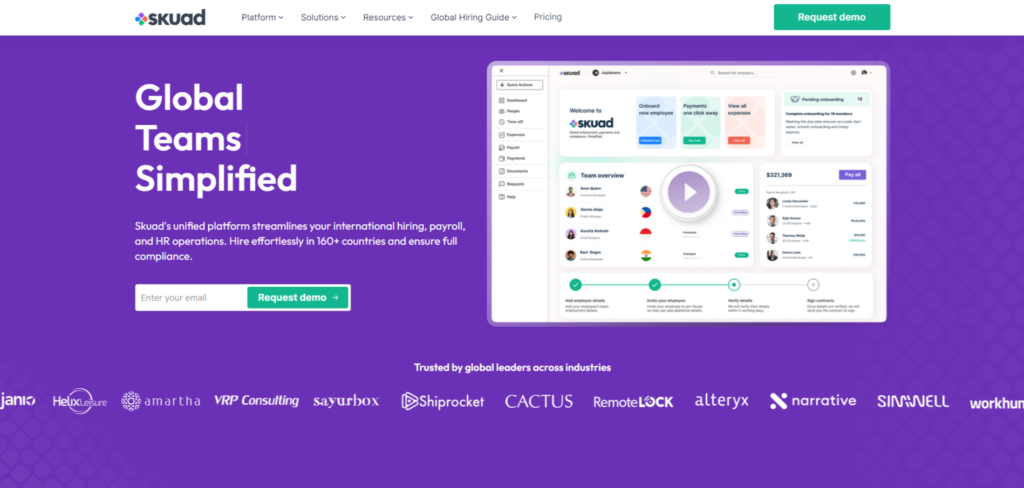
Skuad

Image source

B2B transaction volume has increased by 40% year-over-year, indicating strong demand for Payoneer’s solutions in cross-border commerce. Payoneer aims to stand out from competitors by providing a comprehensive suite of services tailored to the specific needs of SMBs in the global market.

A recent news release revealed that 25% of Payoneer’s B2B customers need better workforce management tools, including payroll, employer of record, and contractor management services. This demand suggests a substantial opportunity for increased sales through this acquisition.

During Payoneer’s earnings call on Wednesday, CEO John Caplan highlighted the acquisition’s role in enhancing the company’s accounts payable (AP) services and expanding its presence in Singapore.

Caplan emphasized the critical nature of workforce and payroll management within AP, noting the importance of ensuring these processes are prompt, precise, and compliant with local regulations.

This transaction marks John Caplan’s third acquisition since he became CEO in March of the previous year. He took over from Scott Galit, who was the former CEO and also served as a co-CEO.

Payoneer’s financial results have improved due to its focus on acquisitions and organic growth in key markets. In the second quarter of 2024, the company reported revenues of $239.5 million, a rise from $206.7 million in the previous year. This increase is attributed to more active integrated channel partners (ICPs) and higher average revenue per user (ARPU), both of which are vital for the company’s ongoing success.

Gaining larger customers and boosting transaction volumes have been vital, especially in regions like Asia-Pacific, China, and Latin America, where Payoneer has concentrated its expansion.

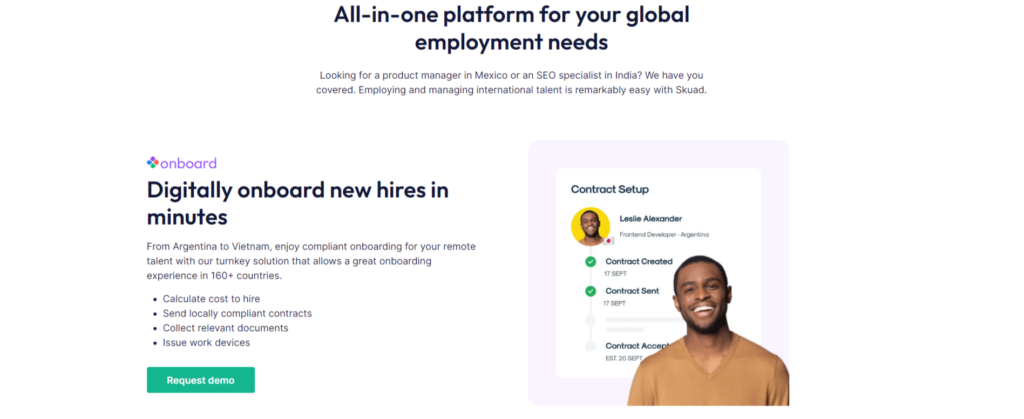
All-in-one platform for your global
employment needs

Payoneer’s pricing strategies, such as introducing account and transaction fees, have also contributed to its revenue growth and are expected to continue. The company’s ability to expand its customer base and increase its take rate (the percentage of transaction volume retained as revenue) demonstrates its successful growth strategy execution.

In a recent interview, Caplan revealed significant changes to the management team since he assumed his leadership role. He has shifted Payoneer’s focus towards catering to the B2B market’s need for cross-border payment services, although it still supports its original marketplace niche.

Historically, Payoneer facilitated payments for small business owners on platforms like Upwork and Amazon, holding a 20% share in that $300 billion market, according to Caplan. Caplan highlighted a more significant potential in the $6 trillion B2B cross-border payment sector, noting that he has been steering the company assertively into this area. This strategic pivot includes targeting larger clients, particularly those transacting at least $10,000 monthly.

Despite these shifts, Payoneer primarily serves small to mid-sized enterprises, especially those with fewer than 500 employees in emerging markets.

Payoneer recently expanded its services, operating in 190 countries with a customer base of two million, including significant markets like China, Argentina, and the Philippines. Following the acquisition of Skuad, it now offers payroll and workforce management services. Payoneer has integrated Skuad’s 200 employees into its workforce, totaling about 2,150. Caplan committed to further acquisitions to enhance service capabilities, actively exploring more opportunities in the AP sector.

About Payoneer

About Payoneer

Image source

Payoneer Global Inc. is a financial technology company that provides a comprehensive payment infrastructure platform. This platform enables customers to manage their accounts receivable and payable by offering a unified, global, multi-currency account. The company offers various services, including cross-border payments, physical and virtual MasterCard cards, working capital, and risk management.

Additionally, it provides various payment solutions with minimal integration, complete back-office functions, and customer support. Payoneer ensures bank-level security, stability, and redundancy in its services. The company caters to small and medium-sized businesses across around 190 countries and territories globally. Founded in 2005, Payoneer Global Inc. is headquartered in New York, New York.

Conclusion

Payoneer’s strategic acquisitions, particularly the $61 million purchase of Skuad, illustrate its commitment to expanding its global reach and enhancing its B2B service offerings. By focusing on the rapidly growing cross-border payment market and workforce management solutions, Payoneer positions itself to meet the increasing demands of small and medium-sized businesses worldwide.

The company’s recent financial success, marked by a significant revenue rise, reflects its effective growth strategy under CEO John Caplan’s leadership. With continued acquisitions and a clear focus on expanding services, Payoneer is well-poised to strengthen its market position and drive further growth in the fintech sector.

Stripe Acquires Lemon Squeezy

Stripe Acquires Lemon Squeezy

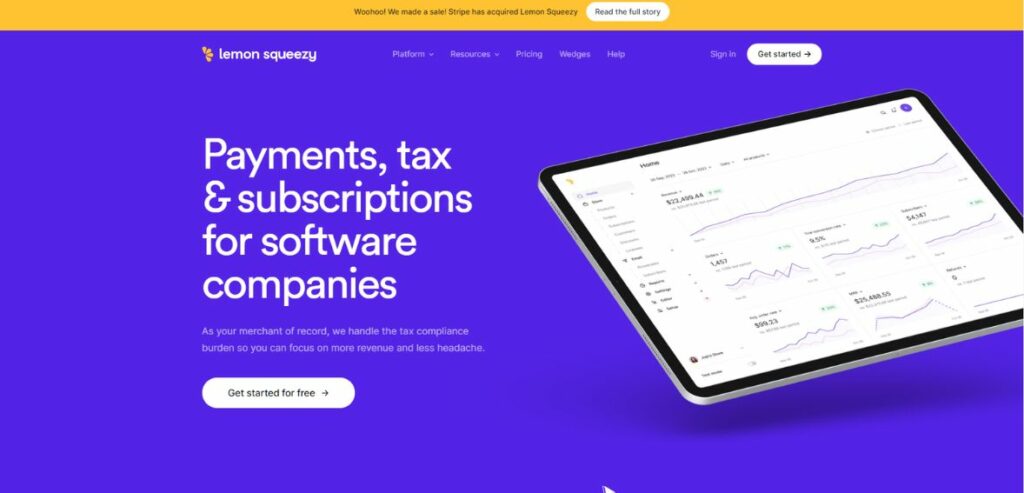
Stripe has announced its acquisition of Lemon Squeezy to improve payment solutions and simplify sales processes. The official statement notes that this move unites two companies recognized for prioritizing customer needs and pioneering technology.

The talks leading to the acquisition emphasized Stripe and Lemon Squeezy’s shared values and objectives. With this new development, Lemon Squeezy stands to gain from Stripe’s expertise in developer experience, API standards, and commitment to quality. This merger combines the strengths of both entities, providing a superior and more user-friendly experience for customers.

Key Takeaways
  • Strategic Acquisition to Enhance Merchant of Record Services: Stripe’s acquisition of Lemon Squeezy aims to strengthen its merchant of record operations, where Lemon Squeezy has shown significant success, particularly in handling complex payment processes for SaaS businesses.
  • Shared Values and Collaborative History: The acquisition is rooted in Stripe and Lemon Squeezy’s shared values and collaborative history. Despite being a competitor, Lemon Squeezy has used Stripe’s payment processing services since its inception, reflecting their aligned objectives.
  • Rapid Growth and Recognition: Lemon Squeezy, founded in 2021, grew to generate over $1 million in annual recurring revenue within its first nine months. The company’s rapid success and recognition in the market attracted multiple acquisition offers, ultimately leading to Stripe’s acquisition.
  • Stripe’s Continued Expansion: The acquisition of Lemon Squeezy is part of Stripe’s broader strategy to expand its services. This follows other strategic moves, including the acquisition of Supaglue and Okay, further solidifying Stripe’s position as a leader in the fintech space.

Stripe Acquires Lemon Squeezy to Strengthen Merchant of Record Services

Stripe Acquires Lemon Squeezy to Strengthen Merchant of Record Services

Image source

Stripe has purchased Lemon Squeezy, a four-year-old payments processing startup from the United States. Lemon Squeezy, located in Salt Lake City, Utah, operates as a merchant of record, handling the complex tasks associated with processing payments. The company offers an integrated platform for SaaS businesses that covers payment processing, subscription management, and fraud prevention. After launching publicly in 2021, Lemon Squeezy quickly achieved over $1 million in annual recurring revenue within nine months. JR Farr, Gilbert Pellegrom, and Orman Clark founded it.

This acquisition marks a significant development for Stripe, which aims to boost its services, especially in merchant of record operations. Lemon Squeezy has excelled in this area since its start.

Patrick Collison noted that this acquisition allows Stripe to expand its scale significantly in merchant-of-record services. Stripe CEO Patrick Collison revealed the acquisition in a post, emphasizing the plan to expand merchant-of-record services significantly. Will Gaybrick, Stripe’s Chief Product Officer, also highlighted in his post that based on feedback asking for merchant-of-record capabilities, they are enthusiastic about incorporating Lemon Squeezy’s robust product into their offerings to support more business launches and expansions.

Lemon Squeezy’s co-founder and CEO, JR Farr, mentioned in a blog post that since the company’s public introduction in 2021, they had received multiple acquisition offers and investment proposals. On one occasion, Farr discussed declining a $50 million Series A investment offer during a podcast. Details about the startup’s venture capital involvement remain unspecified.

Farr commented that Stripe consistently leads in the payments sector through its superior developer experience, high API standards, and commitment to exceptional design and detail. He acknowledged that his admiration for Stripe is widely shared. Farr stated that despite these offers, they believed their creation was unique and required the ideal partner to advance. He expressed pride in choosing Stripe, transitioning from concept to acquisition in less than three years.

Lemon Squeezy

Despite being competitors, the two companies’ relationship has also been collaborative. Farr highlighted in his blog that Lemon Squeezy has utilized Stripe’s payment processing services since its start. According to Farr, the recent acquisition results from long-standing efforts and underscores the strong partnership and shared goals between the two entities.

The initial acquisition discussions quickly revealed a perfect alignment in their values and objectives. Looking ahead, their mission to simplify the sale of digital products remains unchanged. With Stripe’s support, they plan to enhance their merchant-of-record services by improving billing support, creating a more user-friendly customer interface, and more.

Recently, Sequoia Capital proposed purchasing shares from fintech investors, valuing Stripe at around $70 billion. Its valuation reached $95 billion in 2021 but was adjusted to $50 billion the following year and has been gradually recovering.

This acquisition of Lemon Squeezy is not Stripe’s only move this year. In March, Stripe executed an “acqui-hire” of Supaglue’s four-person team for an undisclosed amount. Supaglue, previously known as Supergrain, had secured a $6.8 million seed investment led by Benchmark’s Chetan Puttagunta in November 2021. It functioned as an open-source developer platform for user integrations.

Stripe acquired Okay last summer, a startup that developed low-code analytics software to help engineering leaders track team performance. Okay was a small company with only seven employees. Following its participation in Y Combinator’s Winter 2020 cycle, it had accumulated $6.6 million in funding from investors like Sequoia Capital and Kleiner Perkins.

About Stripe

About Stripe

Based in California, Stripe delivers essential financial infrastructure tailored for online environments. The company caters to diverse commercial markets with a spectrum of products facilitating online and in-person payments across various platforms. Stripe’s services encompass automated revenue management and finance tools, including customizable payment interfaces, fraud and risk control, and subscription handling. Additionally, the company integrates services for streamlining VAT and sales tax, account automation, and the incorporation of startups.

Stripe’s comprehensive suite supports businesses in expanding revenue streams and refining financial operations by offering solutions like cost reduction, management of revenue activities, and the introduction of novel business models. They also provide extensive third-party integrations. Stripe’s capabilities extend to facilitating global payments, recurring revenue capture, multi-party transaction management, and developing fintech solutions through banking-as-a-service. The company is pivotal for vendors and service providers aiming to optimize payment processing, ensure fast transactions, and customize user interfaces, all while maintaining robust fraud prevention measures.

About Lemon Squeezy

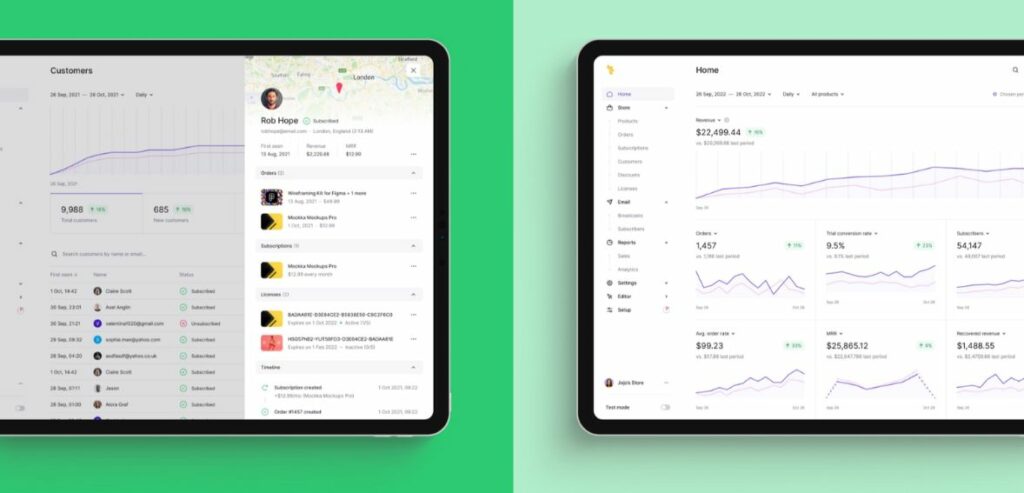
Lemon Squeezy is a private company specializing in payment software development for SaaS businesses. The company offers a platform that supports clients in operating their software enterprises with features for handling payments, subscriptions, tax compliance, and fraud prevention. As a Merchant of Record, Lemon Squeezy provides numerous companies with global payment infrastructure and tax compliance services.

The platform lets users sell subscriptions, digital products, courses, and software licenses. It also assists clients with managing their products, customers, taxes, discounts, and email lists.

Conclusion

Stripe’s acquisition of Lemon Squeezy is a strategic move that enhances its merchant of record services, leveraging Lemon Squeezy’s expertise in handling complex payment processes for SaaS businesses. This merger highlights both companies’ shared values and goals, combining their strengths to deliver a more streamlined and efficient customer experience. Lemon Squeezy benefits from Stripe’s resources and commitment to innovation, which will likely accelerate its growth and service offerings.

As Stripe continues to expand its capabilities, this acquisition underscores its position as a leader in the fintech industry, focused on supporting business growth through advanced payment solutions.

PayPal Fastlane Service Now Available

PayPal Fastlane Service Now Available

Beginning in August, users of US-based Braintree and PayPal payment gateways can utilize PayPal Fastlane for faster checkout. Fastlane simplifies guest checkout by enabling online shoppers to finalize their purchases with a single click. This service uses PayPal’s comprehensive network and payment processing prowess to streamline the checkout process, increase conversion rates, and enhance customer satisfaction.

Key Takeaways
  • Enhanced Checkout Experience: PayPal’s Fastlane simplifies the guest checkout process, enabling consumers to complete purchases quickly, often with just one click, which can significantly improve conversion rates for US merchants.
  • Increased Conversion Rates: Merchants using Fastlane have reported higher conversion rates, with studies showing up to a 50% improvement in performance compared to traditional guest checkouts.
  • Customer Recognition and Security: Fastlane efficiently identifies returning customers through their email addresses, allowing for quick retrieval of stored data with advanced security measures like tokenization and encryption to protect customer information.
  • Easy Integration and Customization: Fastlane is available on PayPal Complete Payments and Braintree and will soon expand to other platforms. Merchants can easily activate and customize the service to align with their store’s branding through a simple setup process.

PayPal Fastlane Streamlines Guest Checkout, Boosting Conversion Rates for US Businesses

PayPal Fastlane Streamlines Guest Checkout, Boosting Conversion Rates for US Businesses

All image source

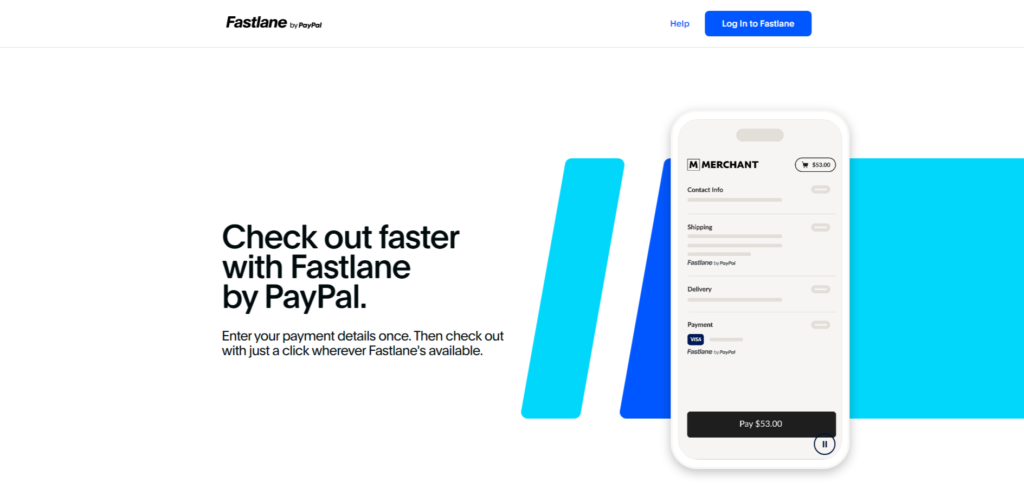
PayPal recently launched its Fastlane service, which is designed to make the guest checkout experience more efficient for US businesses. Fastlane addresses typical obstacles in guest checkout, such as lengthy forms and the need to remember passwords, which often lead to customers abandoning their shopping carts. It allows consumers to complete purchases quickly, typically with just one click.

Introduced in January, PayPal Fastlane holds customer information like names, phone numbers, emails, payment details, and shipping addresses. When customers shop on a merchant’s website, they can quickly fill in their information using a verification code received via email. PayPal identifies users by details like emails or phone numbers to retrieve information from Fastlane and offers new users the option to enroll during checkout.

PayPal said in a statement that many merchants experience lost sales due to prolonged guest checkout processes. Despite being time-consuming, many consumers still prefer guest checkout.

The company developed PayPal Fastlane to overcome these obstacles, focusing on the needs of both merchants and consumers. PayPal Fastlane identifies consumers early in the checkout process through their email, enabling them to use the information they store after verifying it with a one-time passcode. This allows them to quickly complete their purchases, often with just one click.

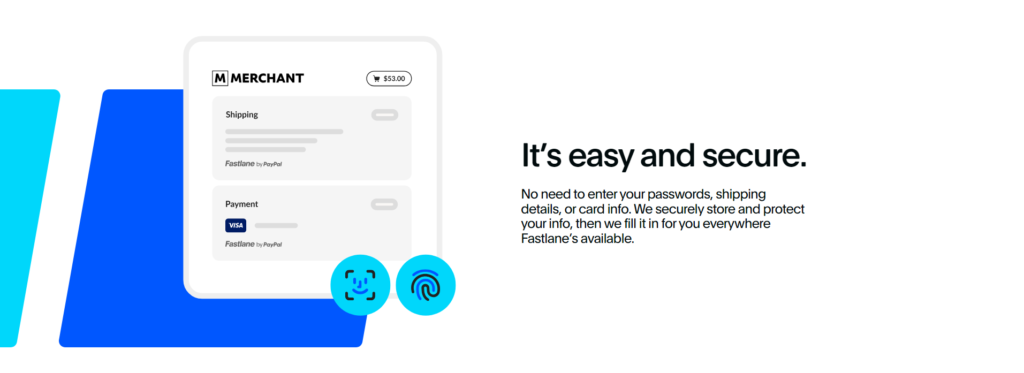
paypal fastlane is secured and easy

Additionally, the release mentioned that consumers who are not recognized during checkout can set up a Fastlane profile, enabling quicker future purchases without the need to fill out forms or create new passwords.

The motivation for creating PayPal Fastlane is rooted in the inefficiencies of traditional guest checkout processes. Despite the option to create user accounts, 43% of consumers still prefer guest checkout, with 72% choosing it even when they have an account. Furthermore, 66% of consumers expect checkout to last less than four minutes, a benchmark often missed by conventional guest checkouts due to extensive forms and multiple steps.

PayPal reports a noticeable improvement in conversion rates with the adoption of Fastlane. From early April to mid-June, a study showed that 86% of shoppers at Black Forest Décor—a retailer specializing in rustic bedding and cabin décor—completed purchases using Fastlane, compared to 76% who opted for standard guest checkout. Customers using PayPal Fastlane also completed transactions in under two minutes, significantly faster than the roughly 3.9 minutes for those using the traditional method.

BigCommerce, another primary partner of PayPal and the first ecommerce platform to incorporate PayPal Fastlane has collaborated with its merchants over several months to evaluate the Fastlane experience. These evaluations show that guest shoppers using PayPal Fastlane have a conversion rate of over 80%, perform up to 50% better than those not using Fastlane, can complete their checkout in approximately two minutes, and reduce their checkout time by 32%.

PayPal Fastlane helps sellers quickly recognize returning customers through their email addresses, enabling them to access their saved data with a one-time passcode. This method considerably reduces the time and effort needed to complete a transaction, meeting consumer expectations for quick and convenient shopping experiences.

The service is now offered on PayPal Complete Payments and PayPal Braintree and will soon be available on additional platforms like Adobe Commerce and Salesforce Commerce Cloud. The integration process for merchants is designed to be simple, which could lead to rapid adoption.

Should Your Business Offer Fastlane?

Should Your Business Offer Fastlane?

The efficiency of your storefront’s checkout process can determine whether a shopper completes a purchase or abandons their cart. This impact is particularly significant for guest shoppers who usually manually input their shipping and payment details.

PayPal Fastlane allows your shoppers to set up a payment profile at any participating business. Once a Fastlane profile is established, shoppers can confirm their identity with a mobile code on subsequent purchases to automatically fill in their details, enabling them to finalize their checkout with a single click.

Fastlane also incorporates advanced security measures, including tokenization and encryption of customer card details, to ensure compliance with PCI DSS standards. This helps protect customer data and reduces the burden on merchants to manage these compliance requirements independently.

How Can You Get Started with PayPal Fastlane?

To begin using Fastlane by PayPal, make sure your store is in the United States and uses USD for transactions. Fastlane is accessible for new users who connect through PayPal or Braintree gateways, and it is automatically turned on during the initial setup. If you’re an existing user, you can activate Fastlane by going to the settings section of your preferred gateway under the “Payments” category in your control panel. Select the “Enable Fastlane by PayPal” checkbox and save your settings.

Once Fastlane is active, you can personalize the checkout process. This includes altering how privacy information is shown to customers and changing the design of Fastlane components to align with your store’s branding. These adjustments are made through your store’s control panel.

For further instructions on setting up Fastlane and understanding what to expect from your shoppers, please consult the resources available in your platform’s Knowledge Base.

About PayPal

PayPal Holdings, Inc. develops technology for digital payment processes. Its product line includes PayPal, PayPal Credit, Braintree, Venmo, Xoom, and Paydiant. The company operates a proprietary global technology platform that connects both merchants and consumers, supporting various payment transactions. Users can make purchases, pay for goods, or transfer and withdraw funds using their accounts.

PayPal users can also pay merchants using multiple funding sources, such as bank accounts, PayPal Credit, PayPal balance, and debit or credit cards. The company provides personal payment solutions via its website and mobile apps, including Xoom and Venmo. It was established in December 1998 and has its headquarters in San Jose, California.

Conclusion

PayPal’s introduction of Fastlane marks a significant improvement in the checkout experience for US businesses and their customers. By simplifying the guest checkout process to just a few clicks, Fastlane effectively addresses the common challenges that lead to cart abandonment, such as lengthy forms and forgotten passwords.

The early success reported by merchants, including higher conversion rates and faster transaction times, highlights the effectiveness of this service. With easy integration and robust security features, Fastlane is poised to become a valuable tool for merchants looking to streamline their checkout processes and enhance customer satisfaction.

12 Best Low-Cost Businesses to Start

12 Best Low-Cost Businesses to Start in 2025

If you’re considering starting your own business in 2025, we’ll help you discover a great business idea. There are many types of online and offline businesses that you can start this year. But today, we will focus only on the 12 best low-cost businesses you can start and start earning immediately.

Things to Consider When Contemplating the Profitable Business Idea

A low-cost small business idea must align with your budget, skills, and availability. Additionally, the idea should address a market need and generate steady profits over time.

Here are key factors to evaluate for a robust small business idea:

  • Market Demand: Effective small business ideas address problems for defined customer groups. Before proceeding with an idea, investigate your target market, customer needs, and the solutions offered by competitors. Examine industry trends, customer feedback, and sales data to gauge what consumers and businesses seek.
  • Competitive Advantage: The method of addressing market demand is crucial. Successful businesses typically have innovative methods that distinguish them from the competition, whether through a novel product, a unique selling proposition, or an effective pricing strategy. Assess your competitors to identify their strengths and areas of vulnerability, and devise a business plan that takes advantage of these insights.
  • Scalability: Consider whether your business can expand without being constrained by geographical, financial, or market-related limitations. Businesses that scale well often use ecommerce to access broader markets without substantial physical investments.
  • Low Barrier to Entry: It’s easier to launch businesses that require lower start-up costs, have fewer regulatory hurdles, need less specialized training, and have basic technology requirements. For instance, businesses like freelance content creation or drop shipping can be initiated with little initial investment and a straightforward setup.
  • Profitability: A small business must be profitable. Estimate potential earnings and construct a financial model based on anticipated sales and operational expenses.
  • Sustainability: Evaluate whether your business will operate within a growing sector or a declining trend. Consider how your business practices will meet environmental, social, and regulatory standards. Businesses that maintain sustainable practices gain consumer trust and position themselves for enduring success.

Top 12 Low-Cost Businesses to Venture in 2025

Starting a business doesn’t have to come with high upfront costs in 2025. With careful planning (and little skills), you can venture into profitable, low-cost businesses that align with current market demands. Whether you’re interested in providing services like pet sitting or diving into digital fields like social media management, the opportunities are vast.

Below are the top 12 low-cost business ideas for 2025 that offer the potential for growth and sustainability without breaking the bank.

1. Pet Sitting

By 2025, 66% of households in the US, which amounts to 86.9 million families, have pets. When families travel for long periods, your pet-sitting business can reassure them. As a pet sitter, you’ll care for your clients’ cats, dogs, or other pets in their homes. Your responsibilities include feeding, watering, playing with the pets, and walking the dogs as needed. Regular updates to your clients about their pets’ well-being are crucial for customer satisfaction.

Pet Sitting

Source: Insurance Information Institute

If you have other income streams and need a laptop and an internet connection, pet sitting might be a good business option. Many pet owners value having someone in their home, which allows them to work remotely on another job while also looking after their pets, thereby managing two income streams simultaneously.

2. Bookkeeping and Accounting

If you’re skilled with numbers and have experience in accounting or bookkeeping, starting your own business can be cost-effective. You need a computer and client-specific accounting software.

Many individuals and businesses require the services of a skilled bookkeeper or accountant for tax preparation, business advice, or financial planning. Starting your practice can be lucrative if you are a Certified Public Accountant.

If you are not yet trained or licensed as an accountant, you should look into your state’s necessary education and licensing requirements. Many tax preparation companies offer training programs, courses, and seminars that prepare you for certification and employment with them.

Consider the scope of services you plan to offer:

  • Will you focus on bookkeeping for small businesses?
  • Do you plan to prepare detailed financial reports such as balance sheets and income statements?

Nevertheless, focusing on a niche market, like serving restaurants, retailers, or manufacturers, can give you a competitive advantage.

3. Cleaning Services

Cleaning services are crucial for residential and commercial settings, tackling tasks many find unappealing or lack the time to handle. These services can operate from a home base, providing weekly or daily support for businesses. In the U.S., over 1 million residential cleaning businesses exist, with 22% of households employing professional cleaning services.

Cleaning Services

Source: Gitnux

Starting a cleaning service can be advantageous as it doesn’t require a physical office, equipment costs are minimal and can often be charged to clients, and work hours are adaptable. This makes it an appealing sector for budding entrepreneurs.

Commercial cleaning services present a more significant opportunity for those looking to expand further. Securing contracts for office cleaning and other business-related jobs can be highly profitable, though it does require a larger initial investment for staff, specialized equipment, uniforms, and more.

4. Consulting

Consulting is a robust business choice that thrives in any economic condition. Businesses often seek consultants to scale their operations to new heights when the economy is expanding. Conversely, they look to consultants in a downturn to help navigate challenges and regain stability.

Starting a consulting business is notably cost-effective. Since your knowledge and expertise are your main assets, you can launch with minimal expenses. Essentials for beginning include a compelling consulting proposal and an understanding of how to price your services and locate clients.

The scope of consulting is broad, allowing flexibility to adapt to consumer demands. For instance, as AI’s relevance grows, there could be an increasing need for consultancy in both the technical and marketing aspects of this field.

5. Dropshipping

In conventional retail, the expenses associated with manufacturing, acquiring, storing inventory, and managing packaging and shipping can be substantial. Dropshipping has altered the landscape significantly. This model allows you to bypass these initial costs by partnering with a third-party supplier who handles product creation, packaging, and delivery directly to your customers. The global dropshipping market is anticipated to grow to $243.42 billion in 2025, a 23.5% increase from the previous year.

Dropshipping

Source: Meteor Space

This approach enables rapid entry into e-commerce, offering access to a vast range of products ready for shipment. Dropshipping is also an economical method of evaluating product-market fit or exploring trending items.

6. Social Media Management

A young woman wearing glasses looks at her phone, smiling, with social media reaction icons around her. Managing professional social media accounts often involves optimizing and scheduling content to post during peak traffic times using well-chosen tags. Influencers frequently hire managers for their social media to tap into this lucrative market.

To become a social media manager, you need a strong online presence and a deep understanding of social media algorithms and digital marketing strategies.

Start by creating business profiles on all key platforms, learning about online marketing tools, promoting your services through freelance websites or your own portfolio, and keeping a record of your social media engagement as a reference.

Managing a few social media accounts is doable, but expanding your services to handle more accounts might require financial investment. Costs for social media management services can start at around $100 for basic tools and can soar into the thousands for comprehensive advertising campaigns.

7. Content Writing Business

Content writing stands out as a top choice for entrepreneurs today. While often confused with blogging, content writing encompasses a broader range of services. It covers diverse formats, including business, technical, video scripting, legal, PDF reports, white papers, academic writing, creative writing, web content, email communication, sketch writing, and more. Blogging is just one facet of this extensive field.

Starting a content writing business can quickly escalate to success if you adopt superior writing qualities. This type of business can grow rapidly, accumulating a robust client portfolio in a short time.

Content writers and bloggers share similar job functions due to the fundamental nature of writing required in both roles. Key responsibilities of a content writer include crafting flawless copy that aligns with a client’s business objectives, collaborating with sales, marketing, and design teams to produce integrated content, and promoting this content across social media platforms.

8. Print on Demand

Print-on-demand is a business model that benefits from low initial costs and minimal inventory requirements. You can sell your products on established platforms like Etsy or your custom website. As your business grows, your revenue can increase through existing product sales.

The key to starting a print-on-demand business is selecting a dependable supplier that fits your sustainability goals. With print-on-demand, you can:

  • Launch a t-shirt line with your own designs
  • Offer novelty socks with cat images
  • Sell stickers aimed at dog enthusiasts
  • Market merchandise featuring your original artwork

Your business should focus on design, marketing, and delivering superior customer service to convert your creative concepts into financial gains.

9. Tutoring, Consulting and Coaching

Tutoring, consulting, and coaching are effective ways to leverage your passions and expertise into additional income, whether through in-person or online engagements. These ventures often require low startup costs and can provide high-profit margins. You possess the necessary knowledge and must utilize platforms that help market your services and expand your client base.

If you’re considering a move into consulting, such as becoming a social media consultant, this path allows you to control your career trajectory using your existing skills and experiences. Starting small in consulting can be cost-effective, and there is potential for significant growth as you attract more clients.

To establish a successful business in tutoring, consulting, and coaching, consider promoting your services through platforms like LinkedIn and other social media. Encourage referrals from your network, including friends, family, and past clients. Offering virtual and in-person sessions will enable you to reach a wider audience. Developing a clear and engaging website can effectively convey what you offer and attract potential clients.

10. Web and App Development

Due to the rising demand for digital solutions in various industries, web and app development are low-cost, solid business opportunities. Effective online platforms and mobile apps have become essential for businesses aiming to remain competitive. As the global web development market grows, entrepreneurs can serve a broad range of clients, from small businesses to large corporations, all looking for customized, user-friendly digital platforms.

Web and App Development

Starting costs are low. The only requirements are a computer, internet access, and coding skills, which can be learned through affordable online courses.

Businesses are willing to invest significantly in quality web design and app development, with project costs ranging from a few thousand to over $100,000 with corporate clients. This field also offers substantial potential for growth, enabling developers to begin with small projects and gradually expand their services. The availability of open-source tools and online resources further reduces the entry barrier, allowing aspiring developers to build their skills without large financial outlays. With the potential to reach a global market, web and app development are scalable and profitable business ventures.

11. Event Planning

Starting a small business in event planning can be a viable idea. Begin by managing events like birthday parties, family gatherings, and anniversaries. These smaller events are a good way to build a client base and develop event management skills. With an increasing reputation, you can gradually handle more detailed projects.

Event planning is a sought-after service, similar to the food industry. Creating a website and engaging in online marketing are effective ways to attract potential clients. Additionally, traditional advertising methods such as newspaper ads and radio spots help increase brand awareness.

Event planning can have profit margins as high as 40%, presenting a substantial opportunity for business growth and profitability. Starting with smaller events is a sensible approach to gaining experience and solidifying your business foundation.

Running an event planning business includes conducting thorough research and building networks with related service providers like caterers, decorators, and transport services. It requires coordinating with vendors, managing budgets, and ensuring every detail aligns with the client’s needs.

12. Airbnb host

Becoming an Airbnb host is a practical, low-cost business option, particularly for those with extra home space. You don’t need to own a separate property or make significant initial investments to start making money.

Starting as an Airbnb host requires minimal upfront costs. If you have an available room, basement, or guesthouse, you can begin listing it with basic preparations and some initial supplies. Initial setup costs, such as furnishing, cleaning, and basic supplies, are affordable, particularly if you use existing furniture and decor. Some hosts begin with as little as $2,000 to $3,000, covering these essentials.

Airbnb has a wide international presence with over 7 million listings, establishing it as a prominent platform for short-term rentals. This extensive network increases your likelihood of attracting guests, especially in sought-after locations or during busy periods like events and holidays.

Conclusion

Starting a low-cost business presents numerous opportunities across various sectors in 2025. From pet sitting to Airbnb hosting, these ventures share common traits—low startup costs, flexibility, and scalability. Whether leveraging digital platforms for dropshipping or using personal expertise in bookkeeping, the key to success lies in identifying market needs, offering unique value, and planning for growth.

Staying adaptable and informed about industry shifts will be crucial as trends evolve. These business ideas provide aspiring entrepreneurs with a solid foundation for building a profitable and sustainable venture with minimal initial investment.

Apple Tap-to-Pay

Apple Opening Tap-to-Pay Access to Third Parties – For a Fee

Apple Inc. has unveiled plans to open up the iPhone’s NFC chip to third-party developers in an unprecedented move. This groundbreaking decision to open access for Apple tap-to-pay means that banks and other financial institutions will now have the opportunity to create their payment systems within the iOS platform. This development, set to be introduced in the highly anticipated iOS 18.1 update, marks a significant shift in Apple’s approach to its payment ecosystem.

The decision to open up the NFC chip comes as a response to mounting regulatory pressure, particularly from the European Union, to promote competition within digital payment systems. Until now, the NFC chip has been exclusively dedicated to Apple Pay, facilitating secure transactions through short-range device communication.

Key Takeaways
  • Apple Opens iPhone NFC Chip to Third Parties: Apple will allow third-party developers, including banks and financial institutions, to use the iPhone’s NFC chip for contactless payments, expanding beyond the previously exclusive Apple Pay system.
  • Regulatory Pressure Drives Decision: Apple’s decision to broaden access to the NFC chip comes in response to regulatory demands from the European Union and the United States, aiming to increase competition in the mobile payments market.
  • Developers Face Fees and Agreements: Third-party developers must sign commercial agreements and pay Apple fees to access the NFC chip and Secure Element, ensuring compliance with Apple’s security and privacy standards.
  • Wider Availability with iOS 18.1: The new functionality will be available in iOS 18.1, initially in the US, UK, and several other countries, with plans to expand further. Users can also set third-party apps as their default payment option on iPhones.

Apple Tap-to-Pay: Expands NFC Access to Third-Party Developers in Response to Regulatory Pressure

Apple Tap-to-Pay:  Expands NFC Access to Third-Party Developers in Response to Regulatory Pressure

On August 14, Apple Inc. announced that it would open the iPhone’s payment chip to third-party developers, allowing banks and other services to offer alternatives to Apple Pay. This decision comes in response to regulatory demands from the US and EU.

According to the company, developers in the US and UK will be able to use Apple’s NFC chip, which supports tap-to-pay functions, in the beta version of the upcoming iOS 18.1. This feature will also roll out in Australia, Canada, Brazil, New Zealand, and Japan, with more countries expected to be added later.

The tech giant announced that starting with iOS 18.1, developers can enable NFC contactless transactions using the Secure Element within their own iPhone apps, independently of Apple Wallet and Apple Pay.

Apple also stated that with the new SE (Secure Element) and NFC APIs, developers can facilitate in-app contactless transactions for various uses such as in-store payments, transit systems, car keys, student IDs, corporate badges, hotel keys, home keys, rewards cards, event tickets, and merchant loyalty programs. Support for government IDs is planned for future updates.

The European Commission (EC) has investigated Apple for years due to its exclusive control over the iPhone’s NFC capabilities. The EC accuses Apple of stifling competition in the mobile payments sector. This scrutiny eventually led Apple to grant third-party access to its tap-and-go technology within the region. In response, Apple announced in June that it would make its payment technology available to third parties, thereby avoiding a potential fine from the commission.

NFC

Previously, Apple permitted third-party access to NFC technology, such as reading NFC tags. Still, the EU’s antitrust proceedings compelled the company to open the iPhone’s Secure Element for mobile payments to competitors. This action prevented a possible antitrust fine that might have reached up to 10% of its yearly income, or roughly $40 billion.

As other regions begin to adopt similar regulatory approaches to those of the EU, Apple is proactively broadening NFC access to developers, possibly to preempt further regulatory challenges.

Margrethe Vestager, the EU’s Vice President for Competition Policy, stated that this change would allow competitors to effectively challenge Apple Pay in the mobile payments market for in-store transactions. She emphasized that consumers would benefit from a broader selection of secure and innovative mobile wallets. The regulator’s report added that broader access to this technology might encourage all providers to innovate and develop new features and services to retain their customers.

The issue with the NFC chip was also highlighted in a comprehensive antitrust lawsuit the US Department of Justice filed against Apple in March. The lawsuit accuses Apple of unlawfully sustaining a smartphone monopoly and claims that Apple prevents other payment services from competing with Apple Wallet. The company charges card issuers 0.15% for each transaction processed through Apple Pay.

A report from the US Consumer Financial Protection Bureau estimated that Apple Pay was used for about $200 billion in transactions in the US during 2022. Although Apple does not specify earnings from financial services, its services division, which includes Apple Pay, consistently shows double-digit solid growth. This division reached a record high in revenue last quarter.

Users will now have the option to designate a third-party app as their default payment app on their iPhone, a capability previously limited to Apple Pay, which was accessible via a double-click of the iPhone’s side button.

Apple stated that to make a contactless payment using these newly accessible APIs; users can launch the app directly or set it as their default contactless payment app in the iOS Settings. This will allow them to initiate a transaction simply by double-clicking the side button.

Older iPhone models are also anticipated to support these new features without restrictions on the NFC chip and security measures. This compatibility extends to models as early as the iPhone XR in 2018, consistent with iOS 18’s compatibility range. Notably, the NFC chip has been included since the iPhone 6, and the Secure Enclave has been present since the iPhone 5s. However, backward compatibility will depend on the iOS version and software security and be limited to devices supporting iOS 18.

Apple has stated that third-party developers must first sign a commercial agreement with the company to access the Secure Element (SE) and NFC capabilities. With the new policy, Apple will continue to charge “developers fees” for using the NFC chip. The specific amount of the fees has not been detailed publicly.

apple tap to pay opensource

According to the company’s statement, this requirement ensures that only developers who comply with specific industry and regulatory standards and agree to uphold Apple’s security and privacy protocols will be granted access to the necessary APIs.

About Apple

Apple Inc. was established in 1976 by Steve Jobs and Steve Wozniak, initially focusing on selling Wozniak’s Apple I personal computer. The company is based in Cupertino, California, in the heart of Silicon Valley, and has played a crucial role in advancing modern computing through product innovation, design, and aesthetics. Apple also supports third-party developers, enhancing its products’ functionality and strengthening its position in the market.

The company’s product range includes the iPhone, Mac, iPad, Vision Pro, Apple Watch, and Apple TV in electronics; iOS, macOS, iPadOS, tvOS, watchOS, and visionOS in software; and services such as Apple Pay, Apple Card, Apple Music, iCloud, and Apple TV+. Apple has been the largest company in the world by market capitalization almost continuously since 2011, with some periods when Microsoft led in 2024. Apple reached significant financial milestones, becoming the first US public company to be valued at over $1 trillion in August 2018, and later reaching valuations of $2 trillion in 2020 and $3 trillion in 2022.

Conclusion

Apple’s decision to open its NFC chip to third-party developers signifies a major shift in its approach to mobile payments, driven by regulatory pressures from the US and EU. By allowing developers to access the Secure Element and NFC capabilities, Apple is expanding the competitive landscape for mobile payment services beyond Apple Pay. This move is expected to foster innovation among developers and provide consumers with more options for mobile wallets and contactless payment.

As Apple responds to these regulatory demands, it aims to maintain its revenue streams by balancing compliance with continued control over access to its technology.

Why Is WhatsApp Banned in China?

Why Is WhatsApp Banned in China?

Globally, WhatsApp is a popular messaging app for connecting with friends, family, and various groups. However, this isn’t the case in China. So, why is WhatsApp banned in China and prohibited under the country’s strict internet censorship regulations? Following directives from China’s internet regulatory authority citing national security issues, Apple also pulled WhatsApp and Threads from its App Store in China.

You are wrong if you think Threads and WhatsApp are alone in this. Other social media platforms like Signal and Instagram are banned in China. This restriction is part of a widespread ban on foreign internet services, often called the Great Firewall, which limits the digital interaction of Chinese users with the global community.

But what is the motive behind the ban on WhatsApp? As an end-to-end encrypted messaging app, what harm does it pose that China banned it over six years ago?

Key Takeaways
  • WhatsApp has been banned in China since 2017 due to the government’s strict internet censorship and concerns over its end-to-end encryption.
  • The ban on WhatsApp aligns with China’s broader effort to block foreign social media platforms, reinforcing the Great Firewall and limiting access to global communications.
  • The Chinese government favors domestic platforms like WeChat, which allows easier surveillance and aligns with state policies.
  • Using a VPN can temporarily bypass the ban on WhatsApp in China, but it may expose users to legal scrutiny and risks under local laws.

Understanding Why Is WhatsApp Banned in China

Understanding Why Is WhatsApp Banned in China

Since 1949, China has been governed by the Chinese Communist Party (CCP), an authoritarian regime that controls various aspects of life, including internet access. In 1998, the Chinese government established the Great Firewall, a comprehensive internet filtering system designed to censor and surveil online activities, blocking any services considered harmful to its objectives.

The ban on WhatsApp in China is part of a broader government initiative to regulate social media messaging applications that intensified in 2009. WhatsApp, a Meta-owned platform (previously Facebook), was the last to face a ban, following Facebook in 2009 and Instagram in 2014. China has actively worked to block other major global social media platforms, like Twitter (now X) and Google. This list has expanded over the years to include a variety of websites and apps.

WhatsApp’s situation in China is unique because it is mainly used on mobile devices. Although WhatsApp also provides desktop applications, similar to Instagram in China, it is predominantly used on smartphones. In September 2017, media outlets reported that China blocked WhatsApp, citing national security concerns.

Censorship on WhatsApp began in July of that year when users experienced issues sending and receiving multimedia, voice, and video calls. Issues with text messages soon followed while accessing the internet within China.

The Chinese government maintains tight control over information flow within its borders using a Great Firewall. This digital blockade prevents access to foreign websites and apps, including WhatsApp. The main reason is to block information that the government considers sensitive or potentially disruptive. WhatsApp’s end-to-end encryption presents a challenge because it hinders the government’s ability to monitor and filter communications. Many governments request that such apps create “backdoors” in their encryption to facilitate the monitoring of messages and calls “for national security reasons.”

The motive behind these measures is apparent: the authorities seek to control the flow of information and suppress potential adversaries by accessing data on platforms like WhatsApp.

Therefore, the authorities favor platforms like WeChat, which allow easier surveillance and control and ensure that the content conforms to state policies.

WeChat extends beyond simple messaging; it’s a comprehensive platform incorporating payment systems, social media capabilities, and more, all under governmental oversight. This approach is part of China’s broader objective to achieve technological independence. By restricting foreign competitors, China fosters the growth of domestic firms in a secure market environment, diminishing its dependence on Western technologies.

A Brief Look at the ‘National Security’ Issues That Led to the Ban

A Brief Look at the ‘National Security’ Issues That Led to the Ban

The Chinese government cited national security as another major factor in banning WhatsApp. The Communist Party of China is intensifying its grip on internet use within the country through extensive censorship of sensitive subjects on social media and increased surveillance of communications. The government has also introduced initiatives to limit the duration of internet usage by children.

The specifics of the national security concerns prompting these measures remain undefined. The Chinese authorities have expressed concerns that foreign entities could use the app to disseminate propaganda, coordinate activities that could threaten state stability, or facilitate espionage. WhatsApp’s encryption makes it difficult for Chinese security agencies to intercept messages, raising fears that the platform could be exploited for purposes that conflict with national interests.

China has tightened its grip on Internet activities even further in recent years. For instance, in 2024, China introduced new regulations requiring all apps to register with the government, allowing the authorities greater oversight and control. WhatsApp and other apps like Telegram, Threads, and Signal did not comply with these regulations, which recently led to their removal from Chinese app stores like Apple’s.

A spokesperson for Apple recently stated that the company must comply with the laws of the countries in which it operates, even if they disagree with them. The Cyberspace Administration of China has directed the removal of certain apps from Apple’s China app store, citing national security concerns, though these apps are still available in other markets.

Duncan Clark, chairman of Beijing-based investment advisory BDA China, commented that Apple’s action marks a further separation between the technological landscapes within China and the rest of the world. He noted that this removal could disrupt connections for consumers and businesses in China who communicate with contacts abroad. Even if individuals use VPNs to access services like WhatsApp, these apps will eventually become outdated without regular updates.

Meanwhile, other popular Western social media platforms such as X (formerly known as Twitter), Facebook, Instagram, and Messenger are accessible through Apple’s app store in China.

Can You Unblock WhatsApp in China?

While WhatsApp remains officially banned in China, there have been sporadic reports of the app becoming temporarily accessible. These instances often lead to speculation about policy shifts or technical glitches in enforcing the ban. However, such occurrences are usually short-lived, and access is quickly blocked again–meaning there is no chance that you can unblock WhatsApp in China unless or otherwise, the order of unblock comes directly from the Communist Party of China.

However, if you are considering traveling there for a short time (or even if you live in China), you’ll need to find an alternative method to access certain services; many opt to use a virtual private network (VPN). A reliable VPN encrypts your internet traffic, allowing access to services like WhatsApp while preventing detection by authorities.

As mentioned above, it may not be the permanent solution, but it could be the go-to solution for using WhatsApp in China.

Step 1: Choosing the Right VPN

 Choosing the Right VPN

When selecting a VPN for use in China, it’s essential to pick a provider known for successfully bypassing the Great Firewall. Look for a VPN that offers robust privacy features, a wide range of server locations, and compatibility across multiple operating systems. Verify that the VPN has a proven track record of stable performance in restrictive environments and adheres to a strict no-logs policy to protect your privacy.

The VPNs we recommend are:

  • ExpressVPN
  • NordVPN
  • PureVPN
  • PrivateVPN
  • Surf Shark

These can unblock apps like WhatsApp thanks to their ability to refresh server IPs and use obfuscation techniques quickly. Ensure the VPN offers robust security features, including military-grade encryption, a no-logs policy, DNS leak protection, and a kill switch to prevent data leaks. Despite the inevitable slowdown due to encryption, the top VPNs minimize this impact significantly, maintaining relatively fast speeds.

Opt for a VPN with a vast server network, preferably with servers in 50+ countries and locations near China, like Japan, South Korea, or Malaysia, to enhance speed and reliability. Choose a user-friendly VPN with intuitive apps for all major platforms, allowing easy server connections within seconds. Finally, ensure good value with affordable plans and generous money-back guarantees, ensuring a risk-free purchase.

Step 2: Installing Your VPN

Begin by visiting the VPN provider’s official website. Create an account and choose a subscription plan that aligns with your needs. Select and download the appropriate version of the VPN software for your device, such as Android, iOS, Windows, or macOS. Complete the installation by following the detailed VPN service steps, including setting configuration preferences to optimize performance and security.

Step 3: Connecting to a Server Outside China

Open the installed VPN application and log in with your credentials. Choosing a server location outside of China—opting for nearby regions like Hong Kong or Taiwan can lead to faster and more stable connections. Connect to the server by selecting it within the app, ensuring it’s configured to effectively reroute your internet traffic through that location.

Step 4: Downloading WhatsApp

Since WhatsApp might not be accessible through Chinese app stores, obtain it from a trusted source. The most secure options are downloading directly from the official WhatsApp website or a well-known third-party app store that ensures verified applications. Follow the typical installation process for your device and approve all necessary permissions to enable the app’s complete functionality.

Step 5: Using WhatsApp in China with a VPN

Once the VPN runs, launch WhatsApp and connect to a server outside of China. This configuration lets you circumvent local internet restrictions and access WhatsApp without limitations. Verify your account using your phone number to enable all functionalities, such as messaging, voice and video calls, and sharing media. Keep the VPN active during your WhatsApp sessions to ensure continuous access and to secure your communications within China.

Remember to maintain your VPN connection when using WhatsApp to avoid disruptions and protect your privacy from monitoring.

Is It Safe to Use a VPN in China?

Using a VPN in China could present certain risks. Though not illegal, using a VPN exposes users to potential legal scrutiny. Chinese authorities can use anything you communicate online as evidence against you if it violates local laws.

During travel within China, such as crossing borders or moving between cities, you may be required to surrender your smartphone for inspection. Authorities may search for illegal content or signs of VPN use, typically employed to circumvent the Great Firewall.

While using a VPN in China isn’t illegal or dangerous, it introduces several other potential complications. Exercise caution with what you share online while in the country.

Conclusion

The ban on WhatsApp in China reflects the government’s broader strategy to control information flow and maintain social stability through tight internet censorship. By blocking apps with strong encryption like WhatsApp, the Chinese authorities aim to prevent unmonitored communication that could threaten state security. Instead, the government promotes domestic platforms like WeChat, which are more easily monitored and regulated.

While a VPN offers a workaround, it carries legal risks, and users must exercise caution. The situation underscores China’s commitment to technological self-sufficiency and its ongoing efforts to limit foreign influence on its internet landscape.

Frequently Asked Questions