
Author Archives: hostmerchantservices

REI Layoffs in 2024

REI Layoffs in 2024

The retail industry is experiencing layoffs, predominantly affecting corporate staff. REI has also been affected, recently dismissing seven employees due to restructuring in its experiences division, prompted by changes in business strategy. These layoffs are part of a recent pattern at the outdoor retailer.

In earlier actions, REI let go of 357 employees: 200 from its headquarters in Sumner, Washington, 121 from distribution centers, and 36 from various other roles, including the experiences division. This marks the third significant cutback in the past year.

Key Takeaways
  • Ongoing Restructuring: REI has laid off a total of 357 employees across various divisions, including headquarters, distribution centers, and the Experiences department. This follows a trend of significant workforce reductions that began in early 2023.
  • Financial Struggles: The layoffs are a response to REI’s financial difficulties, including a $164.7 million loss in 2022 and four consecutive quarters of declining sales. Despite a strong sales record, the company faces challenges in the outdoor retail sector.
  • Market Downturn: The broader outdoor market, which experienced a boost during the pandemic, is now seeing a slowdown. This shift has led REI to recalibrate its revenue expectations and adjust its cost structure accordingly.
  • Future Growth Plans: Despite the layoffs, REI plans to open 10 new stores in 2024 and two more in 2025. The company is balancing cost-cutting measures with strategic investments to ensure long-term growth and sustainability.

REI Faces Financial Struggles and Layoffs Amid Changing Retail Industry

In 2024, REI, the well-known outdoor retailer, faced significant challenges that led to a series of layoffs. These layoffs were part of a broader effort to manage financial difficulties amidst a changing retail environment. REI has recently confirmed a modest number of layoffs, totaling seven positions, continuing a trend of workforce reductions that began last year. Early in the year, REI announced that 357 employees would be laid off, which included 200 from its corporate headquarters, 121 from distribution centers, and 30 from its Experiences department, which organizes classes and outdoor events.

REI Faces Financial Struggles and Layoffs Amid Changing Retail Industry

This reduction represented about 2.2% of the company’s workforce. This move followed an earlier layoff in October 2023, where 275 in-store workers were affected, marking an ongoing effort to streamline operations and adjust to market conditions. The company initially cut 167 corporate roles in January 2023, followed by 275 store-based positions in October as part of a restructuring initiative.

The layoffs were largely driven by financial necessity, as stated by REI’s CEO, Eric Artz. He noted that the company had experienced four consecutive quarters of declining sales in the outdoor specialty retail sector, which significantly impacted the business. Although the U.S. economy had managed to avoid a recession, the outdoor retail sector, in particular, was struggling.

CEO Eric Artz has frequently pointed to the necessity of steering REI back to profitability amid challenging economic conditions. The company recorded a $164.7 million loss in 2022, despite achieving a historical high in sales at $3.9 billion.

The broader outdoor market, which saw a surge during the pandemic due to increased interest in activities away from indoor settings, is now experiencing a downturn. For instance, Dick’s Sporting Goods, after acquiring Moosejaw from Walmart in 2023 and closing most of its stores later that year, has reported adverse trends affecting its Moosejaw and Public Lands brands.

Increased participation in outdoor activities during the pandemic temporarily boosted the U.S. market. However, revenue growth has slowed, reverting to the traditionally modest increases typical of the outdoor sector.

A consulting firm has highlighted the importance of innovative growth strategies within the industry, suggesting a shift towards incorporating traditional fashion, expanding customer demographics, and focusing on emotional appeal in marketing rather than solely promoting technical specifications.

The slowdown in this sector caught up with REI in the final quarter of 2023, leading to a recalibration of revenue expectations for 2024. The company expected a decline in revenue for the year and had to adjust its cost structure to manage the downturn effectively. This prompted the strategic decision to lay off employees and restructure certain parts of the business, especially non-store roles such as those in headquarters and distribution centers.
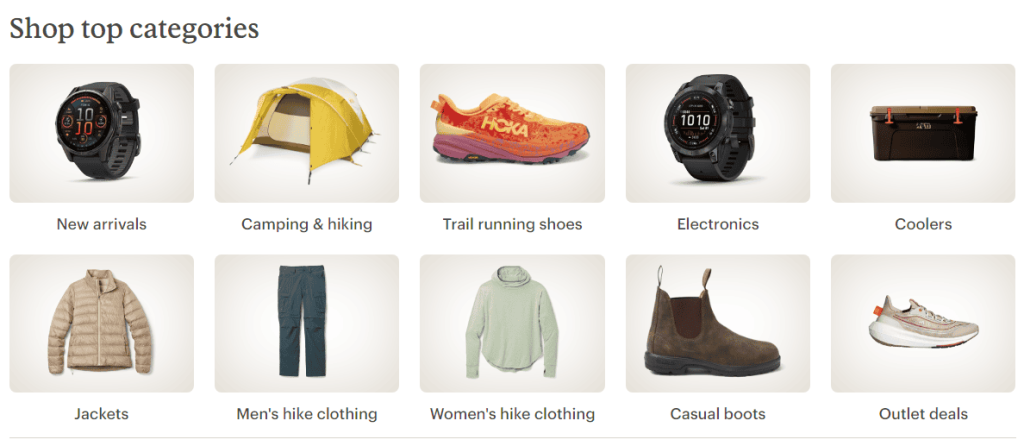
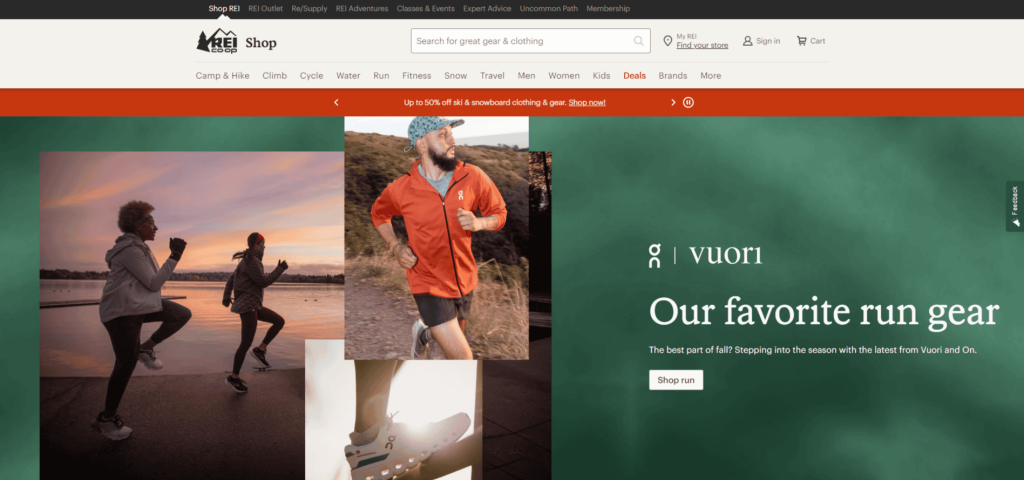
top categories on REI

Interestingly, as mentioned, REI’s leadership has emphasized that these layoffs are part of a longer-term strategy to ensure the health and sustainability of the co-op. Eric Artz emphasized that REI is committed to long-term success, noting that the company, as a cooperative, must make tough decisions not just for immediate quarters but with a focus on the future. The restructuring efforts and layoffs are seen as necessary steps to bring the company back to profitability after a challenging period marked by increased promotions and declining sales.

These layoffs did not affect store-specific roles, which suggests that REI is still committed to maintaining its customer-facing retail operations, even as it cuts back in other areas. However, the store operations were not entirely immune to restructuring, as seen in the October 2023 layoffs, which involved the elimination of sales lead roles across all stores. This restructuring was aimed at improving operational efficiency, particularly in terms of scheduling and store management​.

Despite these challenges, REI continues to push forward with its expansion plans. The company announced plans to open 10 new stores in 2024, with two more slated for 2025. This may seem contradictory given the layoffs, but it reflects REI’s strategy to balance cost-cutting measures with investments in growth areas that align with its long-term vision. The company appears to be focusing on areas where it can still find growth opportunities, even as it scales back in other parts of the business​.

In addition to financial struggles, REI has faced internal pressure from its employees, particularly around unionization efforts. Over the past few years, several REI stores have unionized, with employees seeking better representation and working conditions. The layoffs, particularly those affecting non-unionized staff, have intensified calls for stronger worker protections. Union leaders have criticized the layoffs as “ill-conceived” and have called for more respect and accountability from the company toward its employees.

REI’s leadership acknowledges the tough road ahead but remains optimistic that the steps being taken will set the company on a path to long-term health. The focus, according to Artz, is on making strategic decisions that ensure REI can continue to serve its members and customers for years to come. These decisions, while difficult, are seen as necessary to navigate a challenging retail environment and maintain REI’s position as a leader in outdoor retail​.

About REI

About REI

Image source

Recreational Equipment, Inc., commonly known as REI Co-op, is headquartered in Washington and is a prominent retailer of outdoor gear and clothing. Lloyd and Mary Anderson established The company in 1938 in Seattle as a cooperative to supply quality outdoor equipment to its members, starting with an imported ice axe for mountaineers. Over the years, REI has expanded significantly and now operates more than 160 stores across the US, providing a broad array of products for various outdoor pursuits like hiking, cycling, camping, climbing, and water sports. Additionally, REI offers expert advice, rents out gear, and coordinates outdoor experiences such as adventure travel and instructional classes.

REI distinguishes itself with a cooperative business structure. As a consumer co-op, members join by paying a one-time fee, earn dividends from purchases, and enjoy exclusive discounts. With over 21 million members, the co-op model is central to REI’s ethos, emphasizing member benefits and community involvement over traditional profit motives.

Committed to sustainability and environmental protection, REI encourages responsible recreation, supports conservation initiatives, and inspires its employees and members to engage with nature, notably by shutting its doors on Black Friday to promote spending time outdoors.

Conclusion

REI’s recent wave of layoffs reflects broader challenges facing the retail industry, particularly in the outdoor sector. The company’s financial struggles, marked by significant losses and declining sales, have prompted a series of workforce reductions aimed at streamlining operations and addressing shifting market conditions. Despite these setbacks, REI remains committed to its long-term vision, balancing necessary cost-cutting measures with strategic investments in growth.

The planned expansion of new stores and ongoing adjustments in business strategy underlines REI’s determination to navigate the current economic landscape while maintaining its core values and cooperative structure. As REI moves forward, its focus on both financial stability and sustainable growth will be crucial in overcoming these challenges and continuing to serve its members and customers effectively.

What Happened to Sam Ash

What Happened to Sam Ash? All Assets Liquidated for $15.2M!

In May 2024, Sam Ash, a renowned music retailer with a legacy spanning over 100 years, filed for Chapter 11 bankruptcy. The company announced the closure of all its stores across the US, marking a significant transition in its operations. This ultimately led to the acquisition of its assets by Gonher, a Mexican-based retailer. Originating from a single storefront in Brooklyn in 1924, the family-run business experienced dwindling sales exacerbated by the COVID-19 pandemic.

Jordan Meyers, Sam Ash’s chief restructuring officer, explained in judicial filings that this public health crisis hastened a broader trend toward online musical instrument purchases. In this blog, we will briefly discuss the reasons that led to Sam Ash’s closure.

Key Takeaways
  • Significant Asset Liquidation: Sam Ash Music, a century-old music retailer, filed for Chapter 11 bankruptcy and announced the closure of all its stores, ultimately liquidating its assets for $15.2 million to Gonher, a Mexican retailer. This marks a significant transition for the company from physical retail to potentially focusing on online sales.
  • Strategic Acquisition by Gonher Music Center: Gonher Music Center’s acquisition includes key assets from Sam Ash, such as Samson Technologies, and parts of the e-commerce operations. This strategic move could position Gonher to enhance its presence in the US music retail market, especially against competitors like Sweetwater and Guitar Center.
  • Focus on Intellectual Property and Employee Retention: The deal highlights the importance of Sam Ash’s intellectual property and brand reputation, which were considered valuable assets during the acquisition. Additionally, the agreement includes provisions for the retention of some Sam Ash employees, showcasing a commitment to workforce stability amidst corporate restructuring.
  • Impact of the Pandemic and Shift to E-commerce: The COVID-19 pandemic accelerated a broader shift towards online musical instrument sales, contributing to financial strains for Sam Ash, which heavily relied on in-store traffic. This situation underscores the challenges faced by traditional retailers in adapting to the digital marketplace.

Gonher Music Center Acquires Key Assets of Sam Ash Amid Store Closures and Bankruptcy

Image source

Industry experts are keenly watching the developments at Sam Ash Music following its acquisition by Gonher Music Center, a Mexican retailer. Gonher has purchased Samson Technologies and selected e-commerce assets from the iconic 100-year-old musical instrument retailer.

Reports from March indicated that Sam Ash was planning to shut down 18 of its stores across the US, including the iconic flagship store in New York, as it struggled to compete with the surge in online musical instrument sales.

By May, Sam Ash Music had declared that it would be closing all of its stores permanently by the end of July due to filing for Chapter 11 bankruptcy protection, marking the closure of its operations that spanned over a century. During this period, it was reported that the company was considering selling its e-commerce operations and intellectual property.

Recently, Gonher Music Center was confirmed as the new owner of select assets from Sam Ash following an asset auction, with a winning bid of $15.2 million. This acquisition includes parts of Sam Ash’s wholesale and online business components.

Although the closure of all physical Sam Ash stores is proceeding, resulting in job losses for many retail employees, the acquisition terms do offer some employees the opportunity to transition to Gonher, likely to support the ongoing online business activities of Sam Ash.

As outlined in an updated bankruptcy filing, Gonher placed a bid for Sam Ash’s assets on June 14. The auction, held on June 20, saw Gonher as the lead bidder for the Samson Technologies and Sam Ash e-commerce assets. Initially valued at $10.3 million, the bids went through several rounds, with Gonher ultimately winning the auction with a final bid of $15.2 million. When filing, the retailer operated 42 stores across 16 states, but its website later listed only 36 stores in 14 states.

Derek Ash, a descendant of founders Sam and Rose Ash who opened the original store in Brooklyn’s Brownsville area in 1924, mentioned that the company’s numerous locations struggled to remain viable in a market increasingly dominated by online sales. In March, the company had already closed 18 stores as a strategic move to extend its operational longevity, according to Mr. Ash. However, he acknowledged at the time that completely closing down was ultimately “a necessity.”

Clayton Durant, the founder of CAD Management and an adjunct professor at the Roc Nation School of Long Island University, recently offered his perspective on Gonher Music Center’s acquisition of Sam Ash Music. He underscored the importance of Sam Ash’s intellectual property, particularly its established brand reputation, as a valuable asset that would be attractive to buyers like Gonher. Durant also commended the deal for its focus on employee retention, noting the transfer of some Sam Ash workers to Gonher as a positive step, particularly in a corporate climate often dominated by shareholder interests.

Further, Durant discussed the potential impact on the competitive landscape of the US music retail industry if Gonher integrates Sam Ash’s e-commerce capabilities. He suggested that this move could position Sam Ash as a formidable competitor against primarily online retailers like Sweetwater, and even against larger entities like Guitar Center, which operates 300 stores. By enhancing its digital offerings, Sam Ash could effectively strengthen its market presence under Gonher’s leadership.

Financial Challenges and Bankruptcy Filing Highlight Sam Ash’s Decline Amid Pandemic and E-Commerce Shift

Financial Challenges and Bankruptcy Filing Highlight Sam Ash's Decline Amid Pandemic and E-Commerce Shift

Image source

Court filings revealed that Sam Ash’s financial troubles were due to heavy dependence on physical store traffic, excessive store locations, a halt in customer visits during the pandemic’s peak, and falling revenues. In May, the company reported that its assets and liabilities were each estimated to be between $100 million and $500 million.

Compounding these challenges, Sam Ash faced severe liquidity issues, leading to unpaid rent for most of its properties in April and May, along with delays in payments to vendors. Consequently, vendors stopped deliveries or tightened their terms, significantly disrupting the supply of products to both physical stores and online consumers, further aggravating the financial and operational struggles of Sam Ash, as previously reported by the company.

Sam Ash Music entered Chapter 11 bankruptcy with approximately $20 million in debts owed to its main financier, Tiger Finance, and an additional $20 million to landlords and suppliers, including notable names like Yamaha Corp, Gibson, and Fender.

To salvage its assets, Tiger Finance had proposed acquiring Sam Ash’s remaining inventory, intellectual property, and other assets while providing financial support up to $20 million to assist with the bankruptcy proceedings at the time, as per court records–which was refused for a potential “better deal.”

In the fiscal year 2023, Sam Ash’s physical stores generated $145 million in revenue, whereas online sales accounted for $42 million. Despite these figures, the company’s total revenue still feels well below its pre-pandemic performance. The shift towards online shopping, a trend that gained significant momentum during the COVID-19 pandemic, posed substantial challenges to the retailer. Based in Hicksville, New York, Sam Ash employed 830 staff across all of its stores in different states, including Florida, New York, and California.

About Sam Ash

About Sam Ash

Established in 1924, Sam Ash Music Corporation is a leading family-owned music retailer in the United States, boasting over 40 locations nationwide. The retailer is renowned for a broad spectrum of musical and audio products, ranging from guitars, basses, and drums to keyboards and orchestral instruments. Sam Ash also offers a comprehensive line of professional audio, recording, and DJ equipment.

The company serves musicians at all skill levels and features prominent brands such as Fender, Gibson, and Yamaha. It provides a host of specialized services, including instrument rentals and repairs, and offers discounts for students participating in school music programs. Additionally, Sam Ash stocks an extensive array of live sound and recording gear, as well as lighting equipment, catering to the needs of bands, DJs, and recording artists.

While Sam Ash maintains a significant presence with its physical stores, it also operates an online platform for e-commerce. Despite some critiques regarding its user interface, which some shoppers find less intuitive than that of rivals like Guitar Center, Sam Ash is celebrated for its expert staff, comprised largely of experienced musicians, who elevate the customer service experience with their deep knowledge and expertise.

Conclusion

Sam Ash Music’s liquidation and subsequent acquisition by Gonher Music Center mark the end of a significant chapter in US music retail history. Overextended by its reliance on physical stores and disrupted by the pandemic, Sam Ash faced severe financial challenges that ultimately led to its bankruptcy filing.

Despite these setbacks, Gonher’s acquisition of key assets, including the e-commerce platform and intellectual property, may allow Sam Ash to continue in a digital format. As industry experts like Clayton Durant suggest, with the right strategy, Sam Ash could reemerge as a competitive force in the online music retail space, potentially rivaling established players like Sweetwater and Guitar Center. However, the closure of all physical stores signals a great shift in the company’s business model and the broader retail industry.

Sephora Adds Paze Checkout Option

Early Warning Services has introduced Paze as an online checkout option for Sephora’s Beauty Insider Loyalty program members. Paze, available through participating banks and credit unions, allows Sephora members to complete transactions without manually entering card details.

Banks offering Paze include Capital One, Bank of America, PNC Bank, Chase, US Bank, Truist, and Wells Fargo. The service does not require a separate app, username, or password.

Sephora’s Beauty Insider Loyalty program, with over 40 million members across the U.S. and Canada, allows customers to earn points on purchases and redeem them for rewards. The program is free to join.

Key Takeaways
  • Sephora Introduces Paze for Easy Checkout: Sephora’s Beauty Insider members can now use Paze to complete transactions online without manually entering card details or needing a third-party app or password, improving the checkout experience.
  • Bank-Supported Digital Wallet: Paze consolidates debit and credit cards from major banks like Capital One, Bank of America, and Chase into a single digital wallet, simplifying users’ payment processes.
  • Enhanced Security with Tokenization: Paze uses tokenization technology to protect card details during transactions, ensuring that sensitive information is kept hidden from merchants, reducing fraud risks.
  • Expanding Availability: With plans to go national by the end of 2024 and partnerships with 80,000 online merchants, Paze is rapidly expanding, providing more opportunities for Sephora customers to benefit from this secure payment option.

Sephora Integrates PazeSM to Enhance Online Checkout for Beauty Insider Members

On August 28, Early Warning Services, LLC revealed that Sephora had integrated the PazeSM online checkout feature for its Beauty Insider Loyalty program members. Paze facilitates a seamless online shopping experience by enabling purchases without the need to manually enter card details, use a third-party app, or remember a specific username and password. This feature is supported by a consortium of banks and credit unions, including Capital One, Bank of America, PNC Bank, Chase, US Bank, Truist, and Wells Fargo.

Early Warning Services

Image source

Sephora’s Beauty Insider Loyalty program, boasting over 40 million members in the United States and Canada, is a complimentary rewards initiative. Members accumulate points on all purchases, which can be exchanged for various rewards.

Stefan Jensen, Vice President of Sephora, emphasized their ongoing commitment to prioritizing customers and continually exploring innovative shopping solutions for their favorite beauty products. He noted that Sephora’s aim to streamline the shopping experience is further enhanced by introducing Paze to their devoted clientele. The integration of Paze into Sephora’s systems offers Beauty Insider members greater flexibility and ease in online transactions.

Paze, developed by Early Warning Services, consolidates eligible debit and credit cards into a single digital wallet, allowing users to complete online purchases without the need to input card details. It does not require downloading any third-party apps or remembering additional passwords. With tokenized transactions, Paze ensures heightened security during checkout, as actual card numbers remain undisclosed to merchants. Being bank- or credit union-supported, Paze also instills confidence among users in their ability to secure online shopping.

Here are the additional benefits and features Paze offers to enhance the Sephora Beauty Insider experience:

  • Efficiency: Paze integrates multiple eligible debit and credit cards from various participating banks and credit unions into one digital wallet. This streamlines the checkout process for Sephora customers, eliminating the need to enter payment details for each transaction. Once set up, this system speeds up repeat purchases significantly.
  • Security Upgrade: Paze employs tokenization technology to replace actual card numbers with unique identifiers during transactions. This process keeps card details hidden from merchants, significantly decreasing the potential for fraud.
  • Reliable Payment Solution: Paze is supported by reputable financial institutions such as Capital One, Bank of America, PNC Bank, Chase, US Bank, Truist, and Wells Fargo. This reassurance is particularly valuable for customers making online purchases at Sephora.

These features make Paze a convenient and secure payment method, enhancing the shopping experience for Beauty Insider members.

Catherine Murchie, head of operations at Paze, remarked that Sephora is at the forefront of adopting payment innovations, and Paze enhances the online checkout process for their Beauty Insider members. This partnership significantly improves the shopping experience, offering Sephora customers a more streamlined and effective way to make their purchases.

To utilize Paze during checkout, shoppers click the Paze button on the checkout screen and input their email address. A pop-up window then facilitates the completion of the purchase. According to Early Warning, Paze operates without downloading third-party apps or memorizing passwords.

Early Warning plans to expand Paze’s availability nationally by the end of 2024. As of June, Paze has secured partnerships with 80,000 online merchants, including notable names like Omaha Steaks, Teleflora, and Whataburger, though some may require setting up an account with the merchant. Furthermore, GoDaddy Inc. has been enlisted as a service provider and payments facilitator, and in July, payment-processing software company Aurus Inc. announced plans to incorporate Paze into its offerings.

About Sephora

About Sephora

Image source

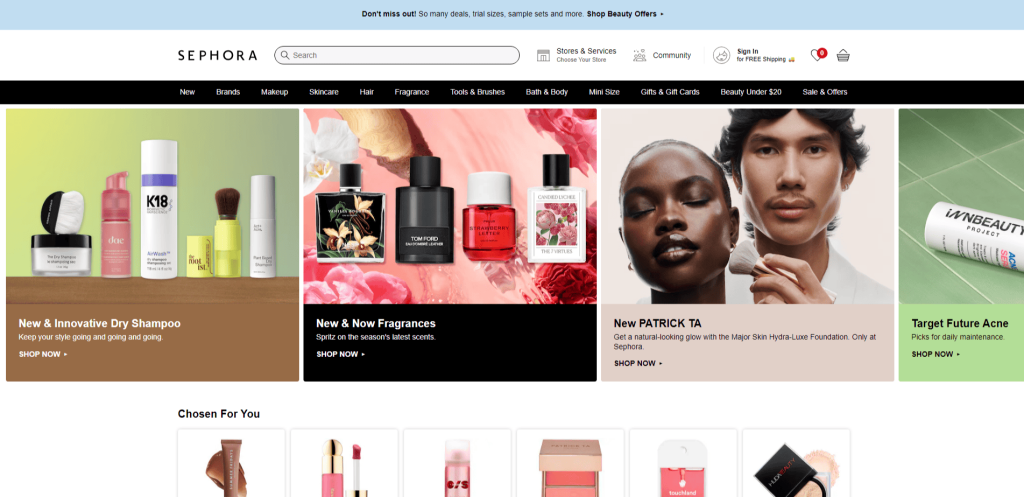
Sephora is an online retailer offering various beauty products, including cosmetics and skincare. The company aims to provide an inviting shopping experience and encourage customer confidence.

Sephora’s product selection includes moisturizers, foundations, blush, face powder, eyeliners, contour products, lipsticks, nail polish, makeup removers, face brushes, toners, cleansers, masks, eye creams, body lotions, perfumes, sunscreens, hand creams, and more.

Founded in 1969 by Dominique Mandonnaud in France, Sephora is known for its open-sell concept. It offers established and emerging brands in categories such as skincare, body care, fragrances, hair care, and its own SEPHORA COLLECTION line.

About Paze

About Paze

Image source

Paze is a digital wallet and online checkout service designed to let consumers make purchases without directly sharing their card details with merchants. Operated by Early Warning Services, LLC, a company specializing in fraud prevention and payment technologies, Paze focuses on secure transactions.

Available through participating banks and credit unions, Paze simplifies the checkout process by offering a payment method linked directly to users’ financial institutions. It prioritizes privacy and user control, ensuring transactions are safe and secure under strict privacy policies. As a bank-offered digital wallet, Paze sets itself apart from third-party options by building on the trust between users and their financial institutions.

Conclusion

The integration of Paze into Sephora’s Beauty Insider Loyalty program marks a significant advancement in online shopping convenience and security. By allowing members to complete transactions without manually entering card details, Paze streamlines the checkout process and enhances user experience.
Supported by major banks and credit unions, Paze offers both efficiency and heightened security through tokenization technology. As Sephora continues to innovate in customer service, adding Paze is a testament to their commitment to improving the shopping experience. Looking ahead, Paze’s expansion and growing partnerships promise to further transform online payment landscape.

Bob’s Stores Closing All Locations

Bob’s Stores Closing All Locations

Bob’s Stores, a discount retail chain with a rich history spanning almost seven decades, has been a staple in many communities, providing budget-friendly clothing and footwear. However, the company is liquidated due to financial difficulties and has shut down all its outlets. The liquidation process began following a Chapter 11 bankruptcy filing on June 18 this year, signaling the end of operations despite efforts to restructure and sustain the business financially.

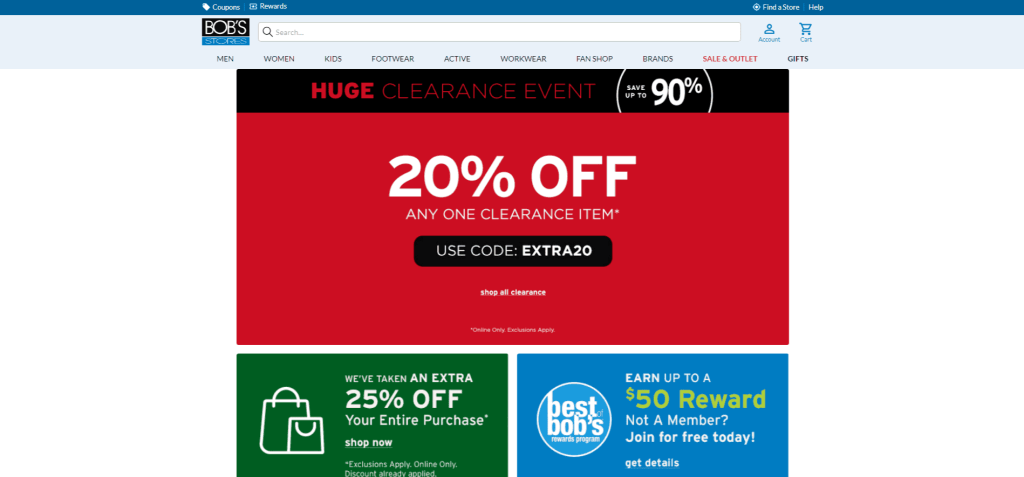
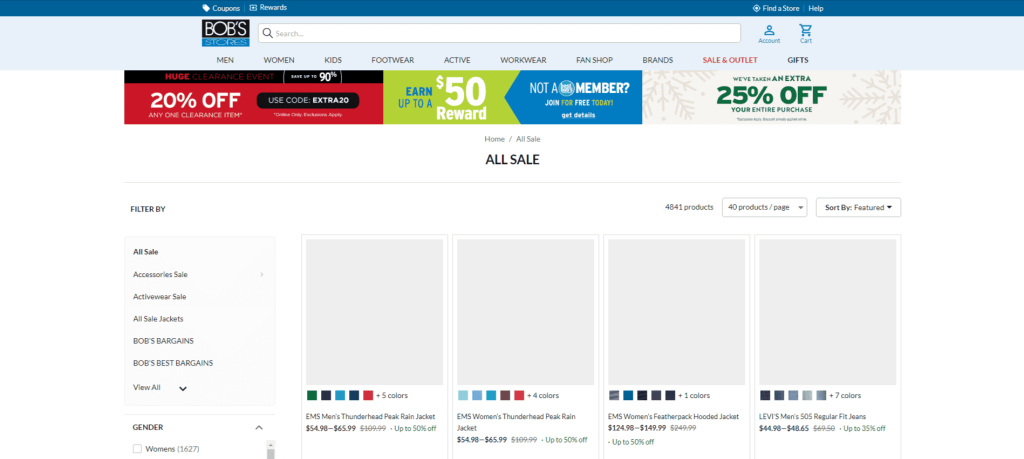
Liquidation sales were in effect at all locations, with substantial markdowns of 30% to 70% on merchandise. Shoppers could find store fixtures, furniture, and equipment for sale. The use of gift cards and exchange options was available till July 14.

Key Takeaways
  • All Bob’s Stores Locations Closed After Bankruptcy: Bobs’ Stores, a well-known discount retail chain, closed all 21 locations following its Chapter 11 bankruptcy filing on June 18. The company’s financial difficulties and failed restructuring efforts led to its liquidation.
  • Significant Discounts During Liquidation Sales: The stores offered liquidation sales with discounts ranging from 30% to 70% on all merchandise, including clothing, footwear, and store fixtures. Gift cards and merchandise exchanges were accepted until July 14.
  • Long History and Multiple Ownership Changes: Founded in 1954 as a surplus store in Connecticut, Bob’s Stores expanded to 36 locations before facing financial issues in the early 2000s, resulting in multiple ownership changes and four bankruptcies.
  • Economic Pressures Contributed to Closure: Bob’s Stores’ closure reflects broader economic challenges in the retail industry, including rising inflation and decreased consumer spending. Its parent company, GoDigital Media Group, also faced similar struggles with Eastern Mountain Sports, which announced closures.

Bob’s Shuts Down All Stores Following Bankruptcy

Bobs Stores Shuts Down All Stores Following Bankruptcy

Bob’s Stores, a popular retail chain in the Northeast since its inception in 1954, announced in early June that it would cease operations following unsuccessful efforts to secure financial backing amidst ongoing bankruptcy proceedings. The chain started as a surplus store in Connecticut and expanded to 36 outlets across six states, including Massachusetts, New Hampshire, New Jersey, New York, and Rhode Island. Despite its expansion, the beginning of the 2000s marked the start of financial challenges that led to multiple ownership changes and four bankruptcy filings.

The retailer entered Chapter 11 bankruptcy protection and permanently closed all 21 locations. All 21 Bob’s Stores offered significant discounts on their signature product lines, including footwear, workwear, family clothing, and team apparel, until July 14. Store fixtures, equipment, and furniture are also up for grabs. While all sales were final, with no returns accepted, the stores honored gift cards and allowed merchandise exchanges until the close of business on July 14.

In a press release, Dave Barton, the president of Bob’s Stores, expressed regret over the company’s financial difficulties, which led to its liquidation. He noted that Bob’s Stores has been a cornerstone in local communities for almost 70 years, playing a part in many significant life events for its customers.

best of bobs

Bob’s Stores, with half of its locations in Connecticut and others in New Hampshire, Massachusetts, New York, Rhode Island, and New Jersey, offered substantial discounts ranging from 30% to 70% on all merchandise, including shoes and clothing.

The company then encouraged customers to visit their nearest store soon to enjoy the widest selection of discounted items before they sold out. These Bob’s Stores close during the liquidation:

 State CityZip Code Address
Connecticut Ansonia06401409 Main Street
Massachusetts Attleboro02703287 Washington Street
New York Centereach11720191 Centereach Mall
Rhode Island Cranston029201400 Oaklawn Avenue
Massachusetts Fitchburg01420146 Whalon Street
New Jersey Freehold077283710 US-9
Connecticut Hamden065142300 Dixwell Avenue
Massachusetts Holyoke0104050 Holyoke Street Unit C242
Connecticut Manchester06042179 Pavilions Drive
Massachusetts Middleton01949230 Main Street
Connecticut Middletown06457416 East Main Street
Connecticut Milford06460195 Cherry Street
Connecticut Newington06111172 Kitts Lane
Massachusetts Randolph0236859 Mazzeo Drive
New Hampshire Salem0307992 Cluff Crossing
Connecticut Simsbury06070504 Bushy Hill Road
Connecticut Southington06489835 Queen Street
Connecticut Waterbury06705910 Wolcott Road
Connecticut Waterford06385167 Parkway North
New York West Islip11795135-187 Sunrise Highway
Massachusetts Westborough01581168 Milk Street

Founded as “Bob’s Surplus” in Connecticut in 1954, Bob’s Stores underwent several ownership changes, starting with its 2003 acquisition by TJX, the parent company of Marshalls and T.J.Maxx. Five years later, it was sold to various private equity firms and eventually acquired by GoDigital Media Group in 2022.

The retail landscape has faced significant challenges in 2024, with an increase in store closures nationwide due to bankruptcies and the economic pressures of inflation affecting consumer spending.

Bob’s Stores closed its doors concurrently with issues faced by Eastern Mountain Sports (EMS), another retailer under the GoDigital Media Group umbrella. EMS also recently announced closures and plans to exit its headquarters in Connecticut.

About Bobs Stores

Bob’s Stores, a private company established in 1954, is currently led by President and CEO Mike Skirvin. Headquartered in Meriden, Connecticut, USA, the company employs between 100 and 250 people and has an annual revenue ranging from $25 million to $100 million. Registration is available on SignalHire for those interested in connecting with Bob’s Stores employees.

About Bobs Stores

Starting as a single store in Middletown, CT, Bob’s Stores has expanded to 35 locations across the Northeast, offering unbeatable deals on footwear, workwear, team wear, and everyday clothing for the entire family. Their selection is vast, with each store carrying an average of 20,000 pairs of shoes and top brands such as Under Armour, Nike, Carhartt, Lee, Levi’s, Reebok, Timberland, Champion, Adidas, and New Balance.

Bob’s Stores is a go-to destination for rugged workwear from trusted brands like Dickies, Carhartt, and TimberlandPro. They also offer an impressive collection of shirts, hats, jackets, and other items featuring logos and colors of your favorite sports teams, making them the perfect stop for workwear and fan gear.

Conclusion

The closure of Bob’s Stores marks the end of a long-standing retail presence that has served Northeast communities for nearly 70 years. Despite its efforts to overcome financial struggles through Chapter 11 bankruptcy protection and liquidation sales, the company has been unable to secure the necessary backing to continue operations.

With all 21 locations now shut, shoppers have taken advantage of final discounts and the opportunity to purchase store fixtures and equipment. The closure reflects broader challenges in the retail industry, where economic pressures and shifting consumer habits continue to drive store closures and financial reorganization. Bob’s Stores’ departure, alongside similar issues faced by Eastern Mountain Sports, underscores the problematic landscape for traditional retail in today’s economy.

Appliance Retailer Pirch Files Bankruptcy, Plans to Liquidate

Appliance Retailer Pirch Files Bankruptcy, Plans to Liquidate

Pirch, a company in San Diego County known for manufacturing high-end appliances, has declared Chapter 7 bankruptcy. Documents filed with the US Bankruptcy Court for the Southern District of California show that Pirch lists between 1,000 and 5,000 creditors, with debts ranging from $100 million to $500 million. The company’s assets are estimated to be between $10 million and $50 million.

Previously operating several showrooms across Southern California, including Solana Beach and La Jolla locations, Pirch announced on its website that it ceased showroom operations on March 20. The closure was described as a temporary halt to allow the company’s management to develop a plan for the future.

Key Takeaways
  • Bankruptcy Filing and Liquidation: Pirch, a high-end appliance retailer, has filed for Chapter 7 bankruptcy, indicating a liquidation process. The company has significant financial liabilities, ranging from $100 million to $500 million, and assets estimated between $10 million and $50 million.
  • Store Closures and Operational Halt: Pirch has permanently closed its six Southern California stores in La Jolla and Solana Beach. This decision follows a temporary halt in operations announced earlier, meant to reassess the company’s strategy.
  • Financial Impact on Stakeholders: The bankruptcy has caused widespread disruption, affecting interior designers, vendors, and customers. Many are left with unresolved orders and economic losses, including substantial claims against Pirch from suppliers and service providers.
  • Legal and Financial Complications: The bankruptcy proceedings involve numerous creditors, major appliance suppliers, and payment processors like American Express. The latter has sued for significant chargeback issues, highlighting broader concerns about potential fraud and unresolved financial disputes.

High-End Appliance Retailer Pirch Files for Chapter 7 Bankruptcy Amidst Closure of Southern California Stores

Pirch, a high-end appliance retailer based in San Diego County, has filed for Chapter 7 bankruptcy, as indicated by records in the US Bankruptcy Court. The filing occurred on Friday, shortly after the company informed its employees that it would permanently close its approximately six stores in Southern California, with locations including La Jolla and Solana Beach.

High-End Appliance Retailer Pirch Files for Chapter 7 Bankruptcy Amidst Closure of Southern California Stores

Image source

The bankruptcy documents reveal that Pirch has between 1,000 and 5,000 creditors, with liabilities totaling $100 million to $500 million and assets valued between $10 million and $50 million.

Several years ago, Pirch shifted its strategy away from expanding its physical store presence and refocused on its core market in California, aiming to fortify partnerships with interior designers, architects, builders, and other intermediaries.

However, these relationships appear to be under strain. Several interior designers, frustrated by undelivered orders and caught off guard by the abrupt closure of showrooms, have united to seek legal counsel, especially as Pirch has remained quiet about its plans.

Whitney Solomon, who owns Whit at Home, described the situation as a horror story unlike anything she has ever encountered. With a decade of experience in interior design, Solomon frequently sourced a variety of remodeling essentials from Pirch, ranging from kitchen appliances to bathroom fixtures and lighting.

Solomon shared that obtaining estimated delivery times for items she had been waiting on for months was becoming increasingly difficult, and she began to suspect something was amiss. She visited a Pirch showroom to resolve these issues, but her client faced additional complications even after the items arrived.

She estimated the financial impact on her business to be around $25,000, which included the cost of a range they were waiting on and additional expenses incurred while trying to resolve the delays.

Furthermore, Solomon highlighted that the aftermath of Pirch’s issues extends beyond her losses. She knows many industry colleagues also dealing with significant unresolved orders for their clients, ranging from $50,000 to $150,000, leading to a frantic search for solutions.

Investigations involving vendors, former employees, customers, and court documents suggest that the creditor’s list may include a diverse group, such as individual customers, landlords, vendors, business partners, and various unresolved financial liabilities accrued during operations.

Pirchn website

The notification list for the bankruptcy includes a wide array of entities: several plumbing services, Direct TV, AT&T, Amazon.com, numerous architectural and construction firms, a coffee supplier, and many individual names. Prominent appliance suppliers like Caliber Range, Whirlpool, and Sub-Zero Wolf—the latter having filed a lawsuit against Pirch for outstanding payments—are also mentioned. Additionally, payment processors Worldpay and American Express, which recently filed a $33 million lawsuit against Pirch, are listed as creditors.

American Express claims that Pirch’s actions are causing a significant increase in customer disputes. According to American Express, Pirch has failed to provide transaction data and other information that it is contractually required to share, leaving American Express to deal with over $5 million in chargebacks already processed and potentially up to $33 million more in pending chargeback requests from Pirch’s customers. These are for transactions where Pirch has already received the funds.

Adding fuel to the fire, Pirch has not communicated with American Express, leaving the company uncertain about Pirch’s ability to fulfill customer orders, manage disputes, or even if it plans to address these issues. There are also concerns about potential fraudulent activities by Pirch that require investigation. This situation underscores the urgency for protective measures and the relief American Express seeks to safeguard the public’s and its stakeholders’ interests.

Investment groups, US Bank National Association, at least one real estate firm that pursued legal action for unpaid rent, the city of Glendale’s water and power services, the California Department of Tax and Fee Administration, and the Nevada Department of Taxation are also implicated.

According to the court filings, the company ceased operations in late March, leading to a situation in which customers did not receive their orders, landlords and vendors were left with unpaid dues, and various other stakeholders were affected financially.

Filing for Chapter 7 Bankruptcy entails a complete liquidation of assets to repay creditors. Now, repayment follows a specific order, with taxes given the highest priority. This recent bankruptcy declaration halts any ongoing litigation against the company, including existing lawsuits from landlords, creditors, and customers, effectively pausing all such legal actions.

About Pirch

About Pirch

Pirch is a retail innovator offering high-end lifestyle products for homes. It stands out with its experiential shopping model, allowing customers to interact with home appliances and bathroom fixtures in a setting similar to their homes. Shoppers can test products directly, such as experiencing a variety of 34 shower heads in a dedicated room, all while receiving expert advice from well-trained sales consultants.

The concept originated from the personal shopping frustrations experienced by co-founders Jeffery Sears and James Stuart, who came from the construction industry. Established in 2010, Pirch is based in Oceanside, California.

Conclusion

Pirch’s bankruptcy filing marks a significant turning point for the company and its stakeholders. As Pirch enters Chapter 7 liquidation, the once-prominent high-end appliance retailer faces immense financial challenges, with substantial liabilities and a stark contrast between its debts and assets. The closure of its Southern California stores and the subsequent operational halt have left numerous creditors, including customers, vendors, and suppliers, grappling with unresolved issues and financial losses.

The situation’s complexity is further compounded by ongoing legal disputes and concerns over potential fraudulent activities. Moving forward, the focus will be on managing the fallout of the bankruptcy, addressing the needs of affected parties, and seeking resolution in the face of a challenging retail environment.

Shift4 to Acquire GiveX Corp

Shift4 to Acquire GiveX Corp

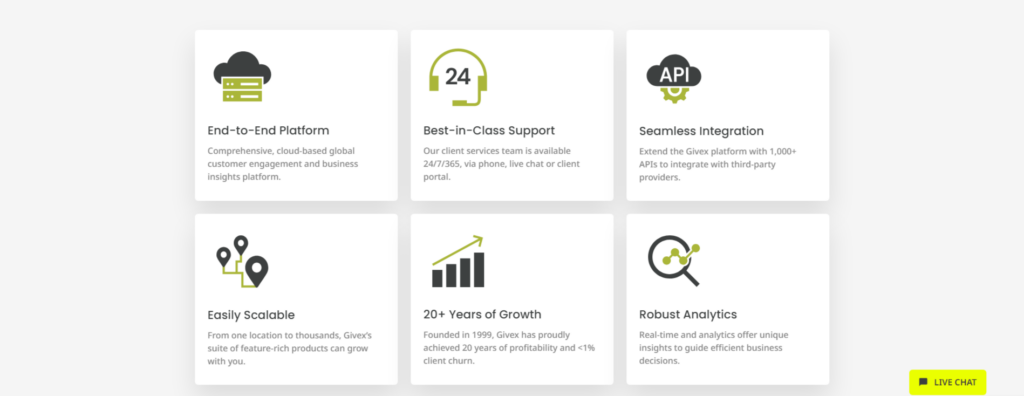
Shift4, a leading company in integrated payments and commerce technology, has entered into a definitive agreement to acquire Givex Corp., a global provider of gift cards, loyalty programs, and point-of-sale (POS) solutions, in a deal valued at C$200 million (approximately USD 148 million). The acquisition will take Givex private and be executed as an all-cash transaction.

Givex, founded in 1999 and based in Toronto, has become a prominent provider of cloud-based payment systems, customer engagement tools, and omnichannel POS solutions. Operating in 10 countries, including Brazil, China, and the United Kingdom, Givex serves major brands like Marriott, Nike, and Wendy’s.

The agreement is subject to standard closing conditions, with the transaction expected to be finalized in the fourth quarter of this year. This acquisition aligns with Shift4’s strategy of expanding its global payments network by acquiring companies with complementary offerings and strong customer bases.

Key Takeaways
  • Shift4 to Acquire Givex for C$200 Million: Shift4 will acquire Givex in an all-cash transaction valued at C$200 million, taking Givex private and adding its gift card, loyalty, and POS solutions to Shift4’s offerings.
  • Expanded Global Reach: With Givex operating in 130,000 locations across 10 countries, this acquisition will significantly expand Shift4’s international presence and enhance its customer engagement capabilities.
  • Strategic Fit for Shift4’s Growth Plan: The deal aligns with Shift4’s strategy of acquiring companies with complimentary services at a low customer acquisition cost, adding value for Shift4’s existing clients.
  • Substantial Premium for Givex Shareholders: Givex shareholders will receive C$1.50 per share, representing a 64% premium over the 20-day average price. This will provide immediate cash liquidity and a definitive exit.

Givex Acquisition Enhances Shift4’s Global Reach and Service Offerings

Givex Acquisition Enhances Shift4's Global Reach and Service Offerings

Image source

Founded in 1999 and led by CEO Don Gray, Givex specializes in providing merchants with cloud-based software solutions for payments, customer engagement (including loyalty programs), and omnichannel point-of-sale (POS) systems. The company also offers data mining capabilities to help clients gain valuable insights from their operations. Operating in 130,000 locations across ten countries, Givex has demonstrated strong growth, reporting annual revenue of C$80.8 million in the most recent period, a significant increase from C$49.3 million in 2019.

Shift4 President Taylor Lauber highlighted Givex’s extensive global presence, noting that its acquisition will significantly expand Shift4’s customer base. He also emphasized the strength of Givex’s gift card and loyalty solutions, which will enhance Shift4’s offerings, foster deeper customer relationships, and strengthen the overall value proposition for clients.

Taylor mentioned that, like their other recent acquisitions, this deal is a strategic fit for their capital allocation strategy, which focuses on acquiring premier merchants inexpensively and enhancing customer value.

Shift4, a publicly traded company with a market valuation of approximately $7 billion, has recently been the subject of acquisition rumors. After putting itself on the market in December, the company received multiple offers but rejected them due to disagreements over valuation.

In recent months, Shift4 has been actively pursuing its acquisitions. It secured a majority stake in European hospitality POS provider Vectron and completed its acquisition of U.S.-based Revel Systems in June. Commenting on the Givex acquisition, Lauber noted that, like their recent deals, this transaction aligns with Shift4’s strategy of deploying capital to acquire blue-chip merchants at a low customer acquisition cost while offering enhanced benefits to its existing customer base.

givex to be acquired by shift4

In a separate press release regarding the acquisition, Shift4 highlighted some of Givex’s major clients, including global brands such as Marriott, Nike, Wendy’s, 7/11, Texas Roadhouse, Best Western, and many more.

Don Gray, CEO of Givex, expressed enthusiasm about the merger with Shift4, highlighting the opportunity to introduce their enterprise gift card solutions and loyalty programs to a vast new customer pool. He noted that integrating Shift4’s comprehensive payment solutions with Givex’s engagement services will provide unmatched offerings to the customers of both companies.

Transaction Details

In the agreed acquisition of Givex by Shift4 Payments, Givex shareholders are set to receive C$1.50 per share in cash. The purchase price pegs Givex’s value at around C$200 million, marking a 64% premium relative to the 20-day volume-weighted average price of Givex’s shares before the announcement. Furthermore, Givex shareholders who possess in-the-money options or warrants will be compensated at an equivalent rate, and any outstanding options or warrants will be terminated.

The acquisition process will proceed through a statutory plan of arrangement according to the Business Corporations Act (Ontario). It will require the green light from both the Ontario Superior Court of Justice and Givex’s shareholders. Approval must come from at least two-thirds of the votes at a special shareholder meeting. Additionally, a majority approval may be needed, excluding votes from specific shareholders as per MI 61-101 regulations.

The arrangement includes typical provisions for such agreements, including a no-solicitation clause and a C$7.75 million breakup fee that Shift4 will receive if the agreement is terminated under certain conditions. Shift4 also reserves the right to match any better offers that may appear.

The board of directors of Givex, guided by an independent fairness opinion from Canaccord Genuity, has unanimously endorsed the agreement, with significant shareholders holding 57.4% of Givex’s shares already backing the transaction. The acquisition is expected to be finalized by November 2024, pending approvals and other standard conditions. Following completion, Givex’s shares will be removed from the Toronto Stock Exchange, and the company will aim to discontinue its status as a reporting issuer by Canadian securities regulations.

This deal gives Givex shareholders immediate cash liquidity and a definitive exit, securing a substantial premium on their shares and sidestepping the uncertainties of Givex’s future business trajectory.

Shift4 Expands with Key Acquisitions While Facing Speculation of Being a Buyout Target

Shift4 Expands with Key Acquisitions While Facing Speculation of Being a Buyout Target

Shift4 has been on an acquisition spree as part of its strategy to become a dominant player in the payments industry and expand into various market segments. Earlier this year, the company announced its purchase of Atlanta-based point-of-sale vendor Revel Systems for $250 million, a deal finalized in June. Around the same time, Shift4 also acquired a majority stake in Vectron Systems AG, a German software company specializing in point-of-sale systems for Europe’s restaurant and hospitality sectors.

These acquisitions come amid earlier reports suggesting that Shift4 could be an acquisition target. CEO Jared Isaacman has been vocal about his disappointment with the company’s stock performance, which led to a strategic review last year, including the option of taking the company private. Despite the speculation, Shift4 has continued to operate as a publicly traded entity.

As the payments industry grows increasingly competitive, Shift4 is positioning itself to expand its footprint, particularly in its core market of serving merchants across sectors like stadiums, restaurants, and retail. Competitors like Adyen, Toast, and Fiserv’s Clover also aggressively target various parts of this merchant-focused market, fueling intense competition.

Advisors

Goldman Sachs & Co. LLC served as the exclusive financial advisor to Shift4 in acquiring Givex, a global provider of gift cards, loyalty programs, and point-of-sale solutions, with Bennett Jones LLP providing legal counsel. On the Givex side, Canaccord Genuity Corp. acted as the exclusive financial advisor and Wildeboer Dellelce LLP offered legal counsel. Torys LLP also served as legal counsel to the Special Committee, representing Givex’s interests throughout the transaction.

This strategic acquisition is expected to significantly expand Shift4’s customer base, adding over 130,000 locations in more than 100 countries and integrating Givex’s advanced technology solutions and customer engagement tools into Shift4’s platform.

About Shift4

Shift4 CEO Deemed the Buyout Offers Insufficient

Shift4 Payments, Inc. delivers a comprehensive range of software and payment processing services domestically and globally. The company’s offerings encompass an all-in-one payment platform that supports diverse payment modes, including debit, credit, contactless, and mobile payments, along with QR Pay and various alternative payment options.

Shift4 Payments also develops specialized technology solutions to enhance business scale and operational efficiencies. These include SkyTab POS, a versatile point-of-sale (POS) system; VenueNext, a suite for mobile ordering and digital transactions; Lighthouse, a cloud-based business intelligence hub; and SkyTab Mobile, which supports mobile dining and feedback management.

Additionally, the company operates The Giving Block, a platform for cryptocurrency donations, and Shift4Shop, an ecommerce system for managing online stores. Its Marketplace facilitates integration with third-party applications and manages loyalty and inventory systems. Shift4 Payments also provides a range of services, including payment security, risk management, merchant services, and compliance. Established in 1999, the company is based in Center Valley, Pennsylvania, and sells its products via a mix of software vendors, internal teams, and resellers.

.

About GiveX Corp

Givex Corp. delivers integrated solutions across multiple channels, specializing in gift cards, loyalty programs, payment processing, and cloud-based POS systems. Operating in regions such as the US, Canada, the UK, Australia, and beyond, the company’s offerings include processing and managing gift card transactions, designing points-based or tailored loyalty schemes and providing self-service kiosks for streamlined shopping and payment processes. Givex Corp. also offers data analytics services that transform complex business data into clear, actionable insights through digital dashboards, Uptix Ticketing, enhancing the spectator experience with advanced ticketing solutions, and GivexPay, a robust payment processing platform.

The company’s GivexPOS system also supports quick-service restaurants by expediting order processing to minimize wait times, offers specialized POS systems for restaurant and retail environments, and manages high-volume sales at event venues. Originally named Givex Information Technology Group Limited, the company rebranded to Givex Corp. in November 2022. Founded in 1999, Givex is based in Toronto, Canada.

Conclusion

Shift4’s acquisition of Givex Corp. represents a significant strategic move to enhance its position in the global payments and commerce technology market. By integrating Givex’s advanced solutions for gift cards, loyalty programs, and point-of-sale systems, Shift4 is set to broaden its service offerings and expand its customer base across over 130,000 locations worldwide.

The all-cash transaction, valued at C$200 million, provides Givex shareholders with immediate liquidity and aligns with Shift4’s ongoing strategy of acquiring complementary companies to drive growth and strengthen its market presence. With both companies poised to benefit from the merger, the deal is expected to close by the end of the year, marking another milestone in Shift4’s ambitious expansion efforts.

IDEX Biometrics Solution Certified by Visa

IDEX Biometrics Solution Certified by Visa

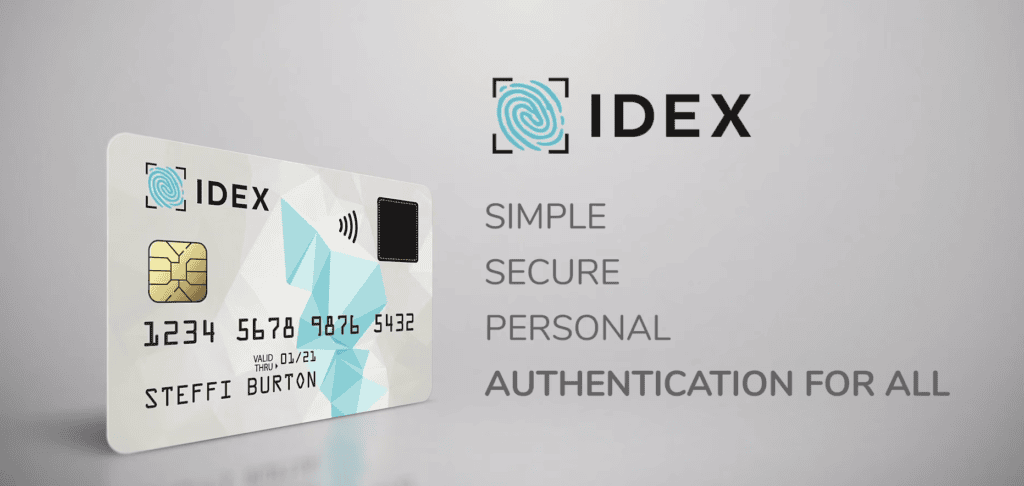
IDEX Biometrics has achieved a significant breakthrough with its IDEX Pay product by securing Visa’s certification through the latest VBSS biometric payment application. This IDEX Pay biometric solution integrates IDEX Biometrics’ exclusive card operating system and advanced technology fingerprint sensor alongside Infineon’s robust SLC38 secure element.

This certification marks the culmination of extensive biometric performance evaluations and verifies that the solution complies with Visa’s security and functional standards. This achievement paved the way for IDEX Pay to be commercially scaled across Visa’s payment network.

Key Takeaways
  • IDEX Pay Gets Visa Certification: IDEX Biometrics’ IDEX Pay solution has received Visa’s certification under the Visa Biometric Sensor Standard, confirming its compliance with stringent security and functional requirements for global deployment.
  • Strategic Market Expansion: With certifications from Visa and Mastercard, IDEX Pay is not just ready but poised for commercial rollout across major markets. This expansion, supported by partnerships in APAC, Latin America, and Africa, is a testament to its commitment to expanding access to biometric payment technology and its potential for significant growth.
  • Growing Demand for Biometric Cards: IDEX Biometrics is entering new markets, including India, where over 90% of affluent consumers show interest in biometric payment solutions. This positions the company for significant adoption and growth.
  • Enhanced Accessibility and Security: IDEX Biometrics is collaborating with partners like TaluCard to develop biometric payment systems that improve accessibility for visually impaired and elderly users, emphasizing security and inclusivity.
idex website

Image source

IDEX Biometric Gets Visa Certification, Paving the Way for Global Expansion

IDEX biometric has been certified by Visa under the Visa Biometric Sensor Standard (VBSS). This certification confirms that this payment system offers the minimum security and functional standards required under Visa’s network. Strict testing was required for the certification in a number of areas, including security, biometric performance, and payment card operation. With this approval, Idex Pay can now be widely used commercially.

This payment system consists of a robust Infineon SLC38 security chip, software to control the biometric features in payment cards, and a fingerprint sensor that verifies biometric queries. This certification gives card manufacturers worldwide more influence, as Visa has issued over 3 billion cards and is well-established in emerging countries in APAC, Africa, and Latin America.

IDEX Biometric Gets Visa Certification, Paving the Way for Global Expansion

IDEX Pay has also received certification from Mastercard, and several card manufacturers have either approved or are nearing completion of their Mastercard Letter of Approval process. Visa and Mastercard account for 64% of the annual 687 billion payment transactions, providing extensive global reach for IDEX Pay.

Catharina Eklof, CEO at IDEX Biometrics, stated that the company is at the forefront of transforming the payment industry by being one of the initial firms to launch a certified biometric solution utilizing the Visa payment applet. She highlighted that this development confirms the solution’s adherence to global card manufacturers’ and banks’ stringent security and functionality standards.

Recently, TaluCard has partnered with IDEX Biometrics to roll out a new biometric payment system designed to increase accessibility and security, catering to the visually impaired and senior citizens.

Additionally, following its debut in South Asia through collaboration with a progressive bank, IDEX Biometrics plans to broaden its digital reach with its technology. This initiative supports the bank’s objective of offering advanced, ethical financial services and promoting economic growth.  With a production capacity of 25 million cards per month, the partner was poised to assist the company in driving its expansion and growth across the Middle East, the US, and Africa.

As an accredited Mastercard, Visa, and RuPay provider, and with a client base that spans banks, government agencies, telecom companies, transportation authorities, and corporate enterprises, the collaboration was strategically positioned to accelerate the market entry of biometric payment and access cards. Leveraging IDEX Pay and IDEX Access technologies, these biometric smart cards are expected to launch by the end of 2024.

idex details

Furthermore, IDEX plans to improve its biometric card offerings throughout Asia. More than 1 billion cards are currently in use in India, where IDEX Biometrics recently announced its entry into the market. The corporation’s biometric payment cards are anticipated to acquire popularity rapidly, as data indicates that more than 90% of India’s affluent consumers are leaning toward utilizing this technology.

Catharina Eklof emphasized that Idex Biometrics’ intuitive card solution is key in advancing payment digitization efforts in India while addressing every aspect of market implementation. This growth is further bolstered by integrating local card manufacturing facilities and customized IDEX Pay implementation programs, paving the way for wider adoption of biometric payment solutions in the region.

IDEX Pay’s biometric card, which has earned Visa certification, was initially reported by Electronic Payments International, a division of GlobalData.

About IDEX Biometrics

about IDEX biometrics

Image source

IDEX Biometrics operates internationally, developing and distributing fingerprint-based identification technologies for payment authentication, access management, and digital identity verification. Their offerings are designed for optimal security, ease of use, and simplicity. The company has crafted a comprehensive fingerprint biometric platform encompassing sensors or modules, various reference designs and integration kits, biometric algorithms, and solutions for remote enrollment.

Their technologies enhance convenience, bolster security, and provide peace of mind while delivering smooth user experiences. Leveraging patented and proprietary sensor technologies, innovative integrated circuit designs, and advanced software, IDEX Biometrics focuses on card-based applications for secure payments and digital authentication. As a pivotal player in the industry, they collaborate with top card manufacturers and technology firms to advance and distribute their biometric solutions.

Conclusion

The Visa certification of IDEX Pay marks a critical step for IDEX Biometrics as it prepares to scale its biometric payment solution across global markets. With certifications from both Visa and Mastercard, the company is well-positioned to capitalize on the growing demand for secure, user-friendly payment technologies.

Strategic partnerships, such as those with TaluCard and a leading South Asian bank, further enhance IDEX’s market presence. As IDEX Biometrics continues to expand into key regions like India, its innovative solution

PayPal Partners with Fiserv to Improve Checkout Experience

PayPal Partners with Fiserv to Improve Checkout Experience

In August 2024, PayPal, a well-known global payments platform, and Fiserv, a prominent provider of financial services technology, announced they are broadening their collaboration to enhance the checkout process for US merchants. This PayPal Fiserv partnership will integrate PayPal’s payment solutions—including PayPal itself, Venmo, and the Fastlane service—into Fiserv’s extensive merchant-serving ecosystem, which includes small businesses and large enterprises. Through this partnership, businesses will access a unified connection point to Fastlane by PayPal to streamline and quicken the guest checkout flow.

Key Takeaways
  • PayPal Expands Checkout Efficiency with Fiserv: PayPal and Fiserv have deepened their collaboration to streamline the checkout process for US businesses by integrating PayPal’s Fastlane, PayPal, and Venmo services into Fiserv’s ecosystem.
  • Boosting Conversion Rates: The Fastlane solution is designed to reduce checkout times by 32% and increase conversion rates by up to 50%, significantly improving the efficiency of guest checkouts and reducing cart abandonment.
  • Simplifying Guest Checkout: Fastlane by PayPal enables users to complete purchases with fewer clicks, eliminating the need to re-enter personal information and creating a faster and smoother checkout process.
  • Long-Standing Partnership: This expanded collaboration builds on a decade-long partnership. Offering a range of payment solutions to millions of businesses reinforces PayPal and Fiserv’s commitment to simplifying commerce operations for their clients.

PayPal Expands Partnership with Fiserv to Streamline Checkout and Boost Conversion Rates

PayPal has broadened its collaboration with Fiserv to improve the checkout process for businesses across the US. This initiative aims to facilitate integrating PayPal and Venmo services within Fiserv’s client network, enhancing the efficiency of guest checkouts via PayPal’s Fastlane.

This development enhances a longstanding partnership between the two firms, which has provided a wide array of merchant and payment services to millions of businesses worldwide over the past decade. With this expansion, Fiserv’s clients will have more straightforward access to PayPal’s offerings, including the Fastlane service, known for significantly boosting conversion rates and decreasing checkout durations for guest shoppers.

Fastlane by PayPal utilizes the company’s payment expertise to enable users to complete purchases with fewer clicks. PayPal’s updated guest checkout service enables shoppers to buy online items without the need to re-enter passwords, shipping addresses, or other card payment details if this information is already stored in PayPal’s system.

Fastlane by PayPal

Image source

A standout feature of the collaboration is the integration of PayPal’s Fastlane, a guest checkout solution that leverages PayPal’s payment expertise. Fastlane offers merchants a fast, streamlined checkout option for customers not logged into an account.

PayPal’s data indicates that Fastlane can boost conversion rates by as much as 50% and shorten checkout times by 32%, markedly enhancing payment process efficiency. Speeding up the checkout experience, particularly for guest shoppers, can increase sales and reduce abandoned shopping carts, a frequent issue in e-commerce.

Businesses utilizing Fastlane have experienced significant improvements in their checkout metrics. PayPal’s reports show that guest shoppers at these businesses convert at rates over 80%. This substantial rise in conversions—50% higher than those experienced by non-Fastlane users—demonstrates the effectiveness of a seamless checkout process in influencing customer decisions.

Reducing obstacles during checkout is crucial, as it increases the likelihood of purchase completion. In the competitive e-commerce landscape, where enhancing user experience and boosting sales are paramount, minimizing checkout barriers is essential.

Frank Keller, Executive Vice President and General Manager of the Large Enterprise and Merchant Platform Group at PayPal, expressed enthusiasm about expanding their partnership with Fiserv, aiming to offer their innovative products and solutions to a wider market. He highlighted this alliance as a step forward in their goal to improve checkout efficiency by collaborating with top-tier payment service providers and e-commerce platforms.

For over ten years, PayPal and Fiserv have collaborated on a range of superior merchant and payment services, including payment processing, payouts, network services, and other e-commerce functionalities, impacting millions of merchants worldwide. PayPal regards Fiserv as a fundamental strategic partner that provides the technology and capabilities essential for PayPal’s focus on customer-centric innovations across various domains and product lines.

Jennifer LaClair, Head of Merchant Solutions at Fiserv, remarked that their company is dedicated to reducing the complexities of commerce, thereby generating value for their clients. By simplifying business operations to foster new, engaging customer experiences, their enhanced partnership with PayPal aligns with Fiserv’s commitment to boosting client success through straightforward, advanced solutions that improve and expedite the commerce process.

Alongside its partnership with Fiserv, PayPal has recently expanded its new guest checkout features to include Adyen and Shopify clients. This enhancement allows merchants within these networks to utilize PayPal’s services.

Previously, PayPal and Adyen had collaborated to offer PayPal’s Venmo and buy now, pay later options to Adyen’s merchant base.

Similarly, other major payment companies are also forging partnerships to boost their checkout capabilities. Stripe has entered into a partnership with the buy now, pay later firm Zip to integrate installment payment options at the checkout stage. Additionally, American Express has partnered with Nigerian payment provider Flutterwave, enabling AmEx cardholders to make payments for selected online businesses.

About PayPal

paypal

PayPal Holdings Inc.’s technology platform facilitates digital transactions and enhances commerce experiences. The company primarily focuses on processing monetary transactions for individuals and businesses and provides various payment options, including person-to-person transfers.

Key services offered by PayPal include proprietary payment systems, transaction authorization and completion capabilities, and immediate fund access and distribution. PayPal is linked with prominent brands like Venmo, Braintree, and Xoom. Its services are widely utilized by both consumers and merchants for online and offline transactions and payment management. PayPal supports a comprehensive international network that bridges merchants with consumers. It is based in San Jose, California, USA.

In January, PayPal launched Fastlane, an initiative designed to streamline the checkout process by facilitating one-click guest checkouts for users who store their information with PayPal. According to PayPal’s announcement, Fastlane improves the checkout by removing common obstacles such as the need to update credit card and shipping information and avoiding disruptions like password requests and slow response times, which can hinder the shopping experience.

On August 6, the company broadened its access to this one-click checkout tool, making it available to any business utilizing PayPal’s Complete Payments or Braintree platforms.

About Fiserv

Fiserv

Fiserv, Inc. offers a comprehensive suite of integrated information management and electronic commerce systems and services. The company delivers a variety of solutions, including transaction processing, electronic bill presentation and payment, business process outsourcing, document distribution services, and software and system solutions. Within its Payments segment, Fiserv provides services that encompass electronic bill presentation, mobile and online banking software, person-to-person and account-to-account transfer services, and credit and debit card processing.

This segment also covers payment infrastructure and other related electronic payment services. The Financial segment caters to financial institutions by offering services like item and account processing, source capture, servicing products, loan origination, consulting, cash management, and other support for financial transactions. The Corporate and Other segment includes intercompany eliminations, amortization of acquisition-related intangible assets, unallocated corporate costs, and other non-operational activities such as business sales gains and associated transition services. Fiserv was established by Leslie M. Muma and George D. Dalton on July 31, 1984, and is based in Brookfield, WI.

Conclusion

The expanded collaboration between PayPal and Fiserv marks a significant advancement in optimizing the checkout experience for US merchants. By integrating PayPal’s payment solutions, including Fastlane, into Fiserv’s extensive ecosystem, the partnership aims to simplify and expedite the checkout process for both businesses and their customers. This integration promises to enhance transaction efficiency, boost conversion rates, and reduce checkout times, addressing key pain points in e-commerce.

With Fastlane’s one-click checkout functionality, merchants can offer a more streamlined and user-friendly payment experience, which is crucial for minimizing cart abandonment and driving sales. This partnership not only reinforces the longstanding relationship between PayPal and Fiserv but also aligns with broader industry trends where improving checkout efficiency remains a top priority. As both companies continue to innovate and expand their offerings, the enhanced collaboration is set to deliver significant benefits to a wide range of businesses and their customers.

Shopify Partners with PayPal

Shopify Partners with PayPal

In an ongoing partnership, PayPal will be responsible for processing specific credit and debit card transactions for Shopify Payments in the United States. Additionally, Shopify Payments, a comprehensive payment solution for Shopify merchants, will include PayPal’s wallet, streamlining various merchant services such as payouts, chargebacks, and reporting into a single, comprehensive solution. This solution will be further enhanced by integrating PayPal’s Complete Payments, a robust payment processing platform.

This partnership is similar to PayPal’s establishment for Shopify users in France a few years ago. The integration for US users is expected to be operational in a matter of weeks, positioning PayPal as an additional processor for online credit and debit transactions through its PayPal Complete Payments solution.

Key Takeaways
  • Expanded Payment Options: PayPal will be a processing provider for online debit and credit card payments on Shopify Payments in the US. This allows merchants to use PayPal’s Complete Payments system, providing more flexibility in payment processing options​.
  • Unified Transaction Management: Shopify Payments will incorporate PayPal wallet transactions, resulting in a more efficient solution for retailers. This integration simplifies tasks like payouts, order management, reporting, and handling chargebacks, enhancing overall operational efficiency.​
  • Strengthened Partnership: This partnership builds on a previous collaboration in 2022, where PayPal supported Shopify Payments in France. The new US expansion demonstrates a continued commitment to strengthening their relationship and improving payment solutions for merchants​.
  • Impact on Merchant Experience: The enhanced features resulting from this partnership aim to make the checkout process smoother and more efficient, which is crucial for merchants. Studies have shown that a streamlined checkout experience can significantly impact customer satisfaction and repeat business​.

Shopify and PayPal Expand Partnership to Enhance Payment Solutions in the US

The US-based financial technology giant PayPal, known for its expertise in global payment solutions, has revealed an expansion of its partnership with Shopify in the United States. In this expanded collaboration, PayPal, with its proven track record, will process additional online credit and debit card payments for Shopify through the PayPal Complete Payments solution. This platform, tailored for marketplaces, includes versatile, optimized developer tools. The partnership began in 2022 with the launch of Shopify Payments in France, showcasing Shopify’s innovative approach to e-commerce.

Shopify and PayPal Expand Partnership to Enhance Payment Solutions in the US

PayPal is also set to enhance Shopify Payments in the US by integrating its wallet services and streamlining transaction management, including payouts, orders, chargebacks, and reporting. This initiative aims to create a coherent experience for both PayPal and Shopify merchants, providing them with more advanced payment solutions and enhanced operational efficiency.

In a press release, Alex Chriss, PayPal’s president and CEO, expressed enthusiasm for the strong partnership with Shopify. He highlighted that this collaboration aims to deliver superior experiences to their mutual customers, underscoring PayPal’s prominence as a top choice for major global commerce brands, payment processors, and technology companies.

Recent earnings reports from Shopify and PayPal, among other platforms, highlight a shared focus: optimizing the final stages of online transactions. The checkout process is a crucial aspect of e-commerce, as it can either complete or derail a purchase. Platforms are working to simplify and speed up checkout, making it a competitive advantage that could attract more merchants.

Data shows that 50% of consumers consider ease of checkout when choosing where to shop, and 91% say a good experience at checkout affects their willingness to return. As a result, improving this step in the transaction process is seen as a key driver of future growth for these companies.

Shopify has also observed a growing demand for advanced in-store features replicating digital capabilities, reflecting consumers’ expectations for a seamless experience between online and offline shopping. Shopify’s President Harley Finkelstein explained that the company is introducing new tools for merchants, such as features that allow better customization of in-store point-of-sale systems. Offline sales are becoming more significant, with Shopify’s in-store gross merchandise volume increasing 27% YOY.

shopify balance

Finkelstein emphasized the continuing significance of in-store transactions and detailed new features designed to enhance merchant operations. These include a remote smart grid layout editor, omnichannel return policies, and the ability to apply multiple discounts at checkout, all of which aim to help merchants refine their promotional strategies and improve operational efficiency.

Over the past few months, PayPal has focused on expanding its partnerships with key industry players such as Adyen and Fiserv. In August 2024, significant developments were announced: PayPal and Fiserv enhanced their global strategic partnership to streamline the integration of PayPal solutions for Fiserv’s merchant clients. This extended cooperation includes integrating PayPal and Venmo services, making it easier for Fiserv’s clients to offer these options.

Additionally, they aimed to facilitate access to PayPal’s Fastlane, a service designed to expedite guest checkout processes in the US by as much as 40% with its one-click functionality. Recently, PayPal also upgraded its debit card features, which now support physical store transactions and integration with Apple Wallet.

Before this, PayPal collaborated with Adyen to roll out Fastlane in the US, targeting enterprise and marketplace clients. This partnership enhanced checkout speeds and supported Adyen’s global expansion and service offerings.

About Shopify

About Shopify

Shopify Inc. offers a comprehensive suite of services on its platform across the United States, Canada, the Middle East, Europe, Asia Pacific, Africa, China, Australia, and Latin America. The platform allows merchants to display, manage, market, and sell products across various channels, such as mobile and web storefronts, physical stores, social media platforms, pop-up shops, buy buttons and marketplaces, and mobile apps. It facilitates inventory and product management, payment handling and order processing, order fulfillment and shipping, customer acquisition, relationship development, data analytics, product sourcing, financing access, and other financial management tools.

Additionally, Shopify provides customizable themes and apps, domain name registration, and merchant solutions, including shipping services, payment processing, and capital financing. Originally named Jaded Pixel Technologies Inc., the company rebranded to Shopify Inc. in November 2011. Founded in 2004, Shopify is headquartered in Ottawa, Canada.

About PayPal

paypal

PayPal Holdings, Inc. manages a technological platform designed to facilitate digital payments globally for merchants and consumers. The company oversees a dual-sided network that links merchants with consumers, allowing for seamless transactions and the movement of funds in person and online. With its user-friendly interface and diverse payment options, PayPal ensures all users a convenient and secure payment experience.

Users can utilize a variety of payment sources, including bank accounts, balances from Venmo or PayPal accounts, PayPal and Venmo branded credit offerings like installment plans, and credit and debit cards. Additionally, PayPal supports cryptocurrency transactions and other value storage options, such as gift cards and applicable rewards. The company offers its payment solutions under several brands, including PayPal, Braintree, PayPal Credit, Xoom, Venmo, Hyperwallet, Zettle, Paidy, and Honey. Founded in 1998, PayPal is based in San Jose, California.

Conclusion

The partnership between Shopify and PayPal marks a significant step in enhancing payment solutions for merchants in the United States. By integrating PayPal’s wallet and its Complete Payments solution into Shopify Payments, this collaboration aims to streamline transaction management for merchants, offering more efficient handling of payouts, chargebacks, and reporting. This promising development is set to significantly improve merchants’ operational efficiency and financial management, paving the way for a more successful e-commerce payment experience.

As both companies prioritize improving the checkout experience, the partnership is expected to benefit merchants by optimizing online and in-store transactions. This development not only reflects broader trends in e-commerce, with a growing emphasis on speed, convenience, and operational efficiency in payment processing, but also sets a new standard for collaboration in the financial technology industry.

10 Top Performing AI Stocks for 2024

10 Top Performing AI Stocks for 2024

AI is increasingly vital across various sectors. It enhances business efficiency by automating processes, tailoring customer interactions, and refining operational tactics. The surge in investment interest in AI stocks, particularly following the global impact of OpenAI’s chatbot ChatGPT, underscores AI technologies’ significant, enduring value. If you are one of the optimistic investors wanting to bet on the future of AI, this blog is for you. This blog will detail the leading AI companies to consider for investment in 2024.

Computers are adept at handling extensive numerical calculations but need help with tasks that humans find intuitive, such as language processing, object manipulation, visual perception, planning, reasoning, and learning. Artificial intelligence (AI), along with its subsets like deep learning and machine learning, enables computers to undertake functions traditionally associated with human intellect, including language generation and facial recognition.

What Are AI Stocks?

AI stocks refer to shares of companies actively involved in the artificial intelligence sector. As technology firms recognize AI’s value, many have either established new AI-focused branches or partnered with leading global companies to tap into the AI market. Additionally, numerous startups are preparing to go public to secure funding for themselves and their investors.

These stocks encompass various AI applications, from hardware and software to cloud computing and robotic process automation (RPA). Investing in AI stocks generally supports the development of AI technology or its applications across various industries.

Like other types of stocks, AI stocks fall into two categories:

Firstly, large, established tech companies (often called blue-chip companies) have invested in AI technologies or formed partnerships in the AI sector. These firms have the necessary resources, infrastructure, and capital to develop and extensively implement AI technologies. Investors often view these companies as more secure due to their solid market position and financial health.

Secondly, smaller, newer companies focus solely on AI development. These firms often invest more directly in AI technologies but carry greater financial risks. Although these companies may create groundbreaking AI models, they frequently lack the means to market these innovations independently. They typically must seek partnerships or acquisitions by larger entities to bring their products to market.

Should You Invest in AI Stocks in 2024?

Investing in AI stocks in 2024 might be a wise decision, yet it requires a solid grasp of the industry context. AI remains a significant driver of change in various industries, with leaders such as NVIDIA, Microsoft, and Alphabet at the forefront. These companies have experienced considerable growth from their AI initiatives and seem well-placed to gain further as AI’s role expands in different areas.

Nevertheless, the AI market has its challenges. It is fiercely competitive, and shifts in regulations or technology could affect these companies’ growth trajectories. Additionally, while companies like NVIDIA have demonstrated strong returns, their high stock valuations might contribute to market volatility.

Investing in AI-focused ETFs could offer a more balanced approach for those hesitant to choose specific stocks. These ETFs represent a variety of firms, both developing AI and those likely to benefit from its advancements, providing a broader, less risky investment option while still tapping into the sector’s expansion.

Top 10 AI Stocks to Invest in 2024

(*All the information related to Market Cap, Current Price, and Year-Over-Year (YoY) Performance is current as of 3rd September 2024)

Here are the top 10 AI stocks you should focus on in 2024 (All data source: Google Finance:

1. Nvidia (NVDA)

Nvidia (NVDA)

Nvidia has made significant gains from the AI expansion, with its GPUs now critical in data centers worldwide. Created for gaming, these graphics cards are pivotal in machine learning training and inference stages, especially in the expanding field of generative AI.

The increased need for AI infrastructure has made Nvidia’s data center business the company’s top revenue generator. Throughout 2023 and into 2024, Nvidia has experienced significant financial growth, leading to a noticeable rise in its stock value. Nvidia’s GPUs are particularly in demand for the complex tasks required by large language models and other AI applications.

Recently, Nvidia introduced the HGX H200, an advanced AI computing platform using the Hopper architecture. This platform is equipped to manage the extensive computational demands of generative AI and high-performance computing applications. Set to be available from mid-2024, the HGX H200 features the H200 Tensor Core GPU with upgraded HBM3e memory, offering major speed and memory capacity improvements over earlier versions.

2. PROCEPT BioRobotics (PRCT)

PROCEPT BioRobotics (PRCT)

PROCEPT BioRobotics, a company engaged in surgical robotics, develops minimally invasive tools for urologic surgeries. Their primary product, the AquaBeam Robotic System, utilizes Aquablation therapy to address benign prostatic hyperplasia (BPH). This procedure, which involves a robot-assisted, heat-free waterjet, uses real-time ultrasound for a clear view of the prostate, enabling accurate tissue removal while preserving critical sexual and urinary functions.

In 2023, PROCEPT BioRobotics announced its plans to incorporate artificial intelligence (AI) into its Aquablation therapy. This enhancement uses data from many procedures to improve the system’s performance using AI and machine learning. The latest outcome of this effort is the HYDROS Robotic System. HYDROS incorporates AI-powered treatment planning with its FirstAssist AI, which employs advanced image recognition to recommend the best treatment plans. Integrating AI aims to make the procedure more consistent and simplify its execution, enhancing precision for surgeons.

3. Microsoft (MSFT)

Microsoft (MSFT)

Microsoft has increased its investments in AI, building on its partnership with OpenAI. In addition to investing billions in OpenAI, Microsoft has developed its AI-driven products, such as Bing AI and Copilot, utilizing technology licensed from OpenAI since 2020.

In 2023, Microsoft incorporated Bing AI into the Windows 11 search bar, which is accessible via Microsoft’s Edge browser and also compatible with Chrome and Safari browsers. This integration is part of Microsoft’s strategy to fully incorporate AI into its ecosystem.

Microsoft’s proactive expansion into generative AI has increased revenues for its Azure cloud computing service, helping its market value exceed $3 trillion in January 2024. In May 2024, Microsoft launched its first series of AI-powered personal computers, Copilot+ PCs. These computers, equipped with advanced AI features, aim to boost productivity and creativity by processing AI tasks directly on the devices, using built-in neural processing units (NPUs).

4. Advanced Micro Devices (AMD)

Advanced Micro Devices (AMD)

AMD announced strong results for Q2 2024, with a significant increase in demand for AI-related products driving performance. The company’s data center revenue more than doubled from the previous year, reaching a record $2.8 billion. This growth was largely attributed to strong sales of its Instinct accelerators, including the MI300 series. This represented a 115% increase in data center revenues and outlined AMD’s expanding role in the AI market, where it competes with Nvidia.

AMD’s AI-enabled Ryzen processors have also contributed to growth, especially in the client segment. These processors are noted for their top performance and advanced neural processing units, and they have been in high demand from major OEMs like HP and Lenovo. The Ryzen AI 300 series launch has been successful, leading to a 49% increase in client segment revenue year-over-year.

Despite a nearly 40% drop from its March 2024 highs, AMD’s robust performance in the AI sector and its strategic investments make it an attractive option for investors interested in the expanding AI technology market.

5. MicroStrategy (MSTR)

MicroStrategy (MSTR)

MicroStrategy, a company known for its enterprise analytics and mobility software, has been enhancing the AI features of its MicroStrategy ONE platform. In 2023, the company grew its partnership with Microsoft by integrating its advanced analytics tools with the Azure OpenAI Service. This collaboration aims to empower businesses to maximize their data usage by incorporating AI-driven insights directly into their workflows. MicroStrategy also integrates its analytics capabilities with Microsoft 365, Teams, and PowerPoint, facilitating easier access to AI-powered analytics across various platforms.

Over the last two years, MicroStrategy has capitalized on two major trends: AI and cryptocurrency. The company has accumulated 190,000 bitcoins, making it the largest corporate holder of bitcoin worldwide. This focus on AI innovation and strategic cryptocurrency investments has uniquely positioned MicroStrategy in the market, merging advanced technology with a robust financial strategy.

6. Taiwan Semiconductor Manufacturing (TSM)

Taiwan Semiconductor Manufacturing (TSM)

TSM remains a major contributor to the AI-driven semiconductor market, gaining substantially from the high demand for advanced chips. In the second quarter of 2024, TSMC reported revenues of $20.82 billion, a 32.8% increase from the previous year and a 10.3% increase from the previous quarter. This growth is primarily attributed to robust demand for advanced 3nm and 5nm technologies, especially in the AI and high-performance computing (HPC) sectors. Consequently, TSMC has increased its 2024 revenue growth forecast to just above the mid-20% range. Additionally, Taiwan Semi leads the foundry business, producing over 60% of the world’s logic semiconductors.

Despite its strong market position, TSMC’s stock is still reasonably priced, trading at 25 times forward earnings, which is appealing considering its growth potential. With limited competition in leading-edge production, TSMC is expected to continue leading the market, particularly as demand for AI technologies is projected to increase through 2026.

7. Alphabet Inc (GOOGL) (GOOG)

Alphabet Inc (GOOGL)

Alphabet Inc., the parent company of Google and YouTube, has increasingly used AI and automation. Google initially launched its Bard AI chatbot in March 2023, but in December 2023, it was rebranded as Gemini. This change introduced Google’s most sophisticated AI model yet, Gemini Ultra 1.0, which is equipped to manage complex tasks, including coding, logical reasoning, and collaborative creativity.

Gemini technology has also been integrated into a broad range of Google products. A notable addition is the AI Overview feature, which offers AI-generated summaries at the top of Google search results. This feature aims to enhance the user experience by providing relevant information swiftly. This feature is a key part of the “Gemini era,” highlighting Google’s dedication to leading in AI innovation.

Furthermore, Google has launched a dedicated Gemini app, improving accessibility for mobile users. Gemini is also essential in Google’s Workspace and Cloud services, contributing to their significant expansion. Alphabet’s strategy to incorporate Gemini into its main products emphasizes its deep commitment to AI.

8. Meta Platforms Inc. (META)

Meta Platforms Inc. (META)

Meta Platforms Inc. is advancing its use of AI across its applications, focusing especially on WhatsApp. In September 2024, Meta announced its intention to launch AI-powered customer service chatbots for businesses on WhatsApp. These chatbots, integral to Meta’s AI strategy, aim to equip businesses with sophisticated customer engagement tools, such as text summarization, creative assistance, and language translation.

This initiative is in line with CEO Mark Zuckerberg’s goal to broaden the accessibility of Meta’s AI technology, which could transform the competitive landscape by reducing prices and expanding market share. WhatsApp’s AI features are supported by Meta’s LLaMA (Large Language Model Meta AI) 3.1, which offers enhanced user interactions through a variety of functions, transforming the platform into a comprehensive tool for business operations.

9. Adobe Inc. (ADBE)

Adobe Inc. (ADBE)

Adobe uses its AI technologies, including the Firefly generative AI model and Sensei AI, to improve its creative and marketing software. Firefly has been integrated into widely used applications like Photoshop, Illustrator, and Adobe Express, allowing users to create content more efficiently.

Trained on a carefully selected dataset that includes Adobe Stock images and public domain content, Firefly ensures that the generated outputs are suitable for commercial use and respect intellectual property rights. This initiative aligns with Adobe’s broader goal of supporting creators and helping them monetize their work through platforms like Adobe Stock.

Beyond Firefly, Adobe continues to utilize its Sensei AI across its product suite, including Adobe Analytics, Campaign, and Target. These tools employ AI to assist businesses in personalizing customer interactions, refining marketing strategies, and analyzing large data sets to extract actionable insights.

10. AeroVironment (AVAV)

AeroVironment (AVAV)

AeroVironment has strengthened its position in the defense industry by acquiring Tomahawk Robotics in September 2023 for $120 million. This acquisition brings Tomahawk’s AI-enabled control system, Kinesis, into AeroVironment’s portfolio. Kinesis, which allows the management of multiple unmanned systems through a single interface, enhances AeroVironment’s capabilities by providing improved situational awareness and control, essential for modern battlefield operations.

The integration of Tomahawk’s AI technology with AeroVironment’s unmanned systems facilitates more efficient operation across various platforms, increasing the adaptability and effectiveness of these systems in different combat scenarios. This acquisition is expected to strengthen AeroVironment’s standing in the defense sector, particularly as rising geopolitical tensions, such as those in Ukraine and the Middle East, drive demand for advanced defense technologies.

With Kinesis already in use by the US Department of Defense and allied nations, AeroVironment’s ongoing integration of AI into its systems will likely boost its market presence and operational capabilities, positioning the company to take advantage of the continued AI-driven advancements in military technology.

How to Invest in AI Stocks?

If you’re starting with stock trading and interested in AI stocks, open a brokerage account. Online brokers like E*TRADE, Merrill Edge, and Interactive Brokers offer commission-free trading, which benefits beginners. Choose a platform that meets your investment goals, considering factors such as fees, account minimums, and research tools available.

After setting up your brokerage account, decide how to invest in AI stocks. You can invest directly in individual AI companies like NVIDIA, Microsoft, or Amazon, which require more research and involve higher risk. Alternatively, you can invest in AI-focused Exchange-Traded Funds (ETFs) for a broader, less risky strategy.

AI ETFs like the iShares Exponential Technologies ETF (XT) or the Roundhill Generative AI & Technology ETF (CHAT) are suitable options for those who prefer a diversified investment. These funds include a range of AI stocks managed by professionals, allowing you to invest in the overall AI sector without the need to select individual stocks.

Conclusion

AI stocks present significant opportunities for investors in 2024, driven by the rapid advancements and integration of AI across various sectors. Leading companies like NVIDIA, Microsoft, and Alphabet have shown strong performance, underpinned by their substantial investments and innovations in AI.

While large, established firms offer stability and robust growth potential, emerging companies focusing solely on AI development present high-reward opportunities, albeit with greater risk. AI-focused ETFs provide diversified exposure to the sector for those seeking a balanced approach. As AI continues transforming industries, carefully chosen investments in this space could yield substantial returns, but staying informed and mindful of the associated risks is essential.

Frequently Asked Questions