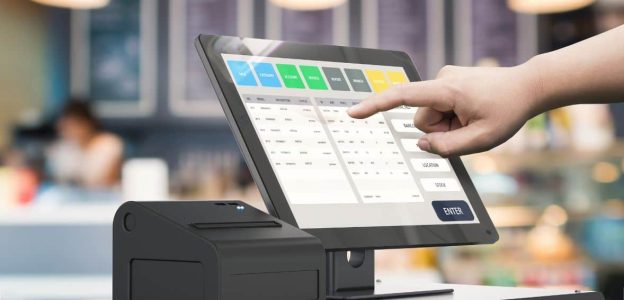
Since the goal of any business is to make a profit, it stands to reason that you would want to do anything possible to save money. For many businesses, this includes going green. By being more environmentally aware you not only give the public faith and trust in your company, you also help preserve the world’s natural resources and save money at the same time.
Whether you run a small business or a larger one, it pays to do what you can to be environmentally friendly. Many major brands have already adopted this attitude, including Apple. Its new company headquarters include solar panel suites save them big bucks on energy bills by producing 4 million watts of energy.
This may very well be the key to saving countless companies money on their electric bill. By creating and using their own sources of energy they free up more energy for use by nearby residents. Businesses can also save money by reducing the amount of energy they use at non-peak times during the day.
Another great way to help the environment and save money is to use green energy tax credits. Any business that finds a way to use 50% less energy than they previously have can get a tax deduction as a result. To qualify for the deduction a business must use energy efficient cooling systems as well as light and heat sources. The use of LED light bulbs is also an effective way for any business to save both money and the planet.
Another way to help the environment and still be an environmentally conscious business is to go paperless. Not only does this save paper and trees it also allows any business to use sustainable and renewable sources. By going paperless, businesses are also helping to save the Earth’s water. This is because the creation of A4 paper isn’t possible without it.
In short, being environmentally friendly can improve everything from a business’s merchant services to their energy use and paper consumption. If you own a business, there are many ways to save money and help the environment at the same time.
As technology continues to involve, so too does the payment processing industry. While swiping a card at a credit card machine is still the most common way to pay for an in-person purchase, there are now seemingly endless ways to make purchases with smartphones and other forms of technology, paving the way toward a cash-free society in the future. Here’s a look at some of the newest and most interesting ways to pay for purchases today.
Digital Wallet Payment Apps
An eWallet or digital wallet is a service or device that allows you to complete transactions. Digital wallets can be used to securely store information for multiple bank accounts and credit cards to make purchases online and even in-store using a smartphone. These payment systems are popular for convenience, security, and low fees as users aren’t charged extra credit card processing fees. Merchants who accept mobile wallet payments only pay their current fees through their processor. There are more than a dozen eWallets in use now. Some of the most popular include:
Google Pay. Google Pay combines Android Pay and Google Wallet with a digital platform and online payment system that can be used to make purchases with your phone, tablet, or smartwatch. The app will also eventually offer peer-to-peer transactions. Many U.S. banks have even started installing cardless ATMs that allow you to make withdrawals using an NFC-enabled phone. Purchases through Google Pay do not come with credit card processing fees for users.
Apple Pay. Apple Pay is the most widely accepted mobile payment system in the U.S. Launched in 2014, the payment system began to gain traction when merchants began upgrading their credit card machines with NFC technology that enables Apple Pay.
PayPal. While not as popular as it once was, PayPal is accepted by more than one-third of retailers in the United States.
Venmo. This popular wallet allows you to send money to friends or even the landlord. Venmo can be used to send money from the app to a Facebook account, email address, or mobile number without fees.
Social Media Payments
Several social media platforms have started to explore payment systems of their own. These payments can be divided into two categories: peer-to-peer transfers and purchases. A popular social peer-to-peer payment option is SnapCash by SnapChat which lets users exchange money between accounts instantly with the money transferred directly between bank accounts without being stored in an app or wallet. Pinterest has added an option to let users make purchases directly through Pinterest. Facebook has also introduced social payments with a friend-to-friend payment feature through Facebook Messenger and the ability to purchase products directly from Pages.
Digital Currency
Of course, no discussion of new payment technology is complete without mentioning digital currencies like Bitcoin, Litecoin, and Ethereum. Digital currencies have grown in popularity among younger consumers who enjoy the freedom and convenience of a virtual currency. With a Bitcoin wallet, for example, consumers can make peer-to-peer payments and online purchases. A number of major retailers even accept Bitcoin, including Dish Network, Expedia, Overstock, and many Shopify stores.
Other New Ways to Pay
There are even more unique ways to pay for everything from tips to fashion accessories. Here are a handful of other new payment apps and solutions.
Slyce, which allows app users to take a picture of a fashion item like a dress to see and buy products that match closely.
Bionym, a unique method of identify verification based on your heartbeat. The Nymi bracelet authenticates the user by their unique ECG with sensors that constantly verify that the authenticated person is wearing the bracelet. Mastercard and the Royal Bank of Canada have started testing wrist-based purchases already.
Sign2Pay, which brings technology back to the old-fashioned signature. Sign2Pay analyzes how a signature is written based on keystrokes, pressure, and when and where the finger leaves the screen to pay by phone without an additional authentication device. After registering, users can pay for transactions online.
In today’s fast-paced, health-conscious world, simply having top-of-the-line equipment and a prime location isn’t enough. The key to gym success lies in implementing effective gym management strategies rather than relying solely on facilities. Running a successful gym requires careful planning, outstanding service, and a smart operations strategy.
The following five tips cover the essentials of business planning, team building, marketing, technology, and member experience.
Running A Successful Gym – 5 Important Tips To Follow
1. Develop a Clear Business Strategy
A data-driven strategy starts with realistic market assumptions. The global fitness sector is already a $96.7 billion business and, at its current 7.7 percent compound annual growth rate, analysts expect it to top $125 billion by 2030. Building revenue forecasts around that trajectory, rather than generic “industry averages,” helps you size membership targets, capital needs, and expansion phases with greater precision.
A sharp portrait of your future members matters just as much as the macro picture. In the UK, for example, total gym membership hit a record 11.5 million in 2025, with Gen Z driving the surge; they view gyms as social hubs that replace the pub and gravitate toward group strength or Pilates formats. Couple that shift with broader 2025 trends such as an appetite for personalized coaching, wearables, and data-rich experiences that Gen Z and millennials now expect. Aligning programs, class schedules, and marketing tone with these behaviors gives your plan demographic credibility.
Technology now shapes the competitive edge, so bake a hybrid blueprint into the plan from day one. Hybrid fitness, seamlessly blending in-club workouts, live-streamed classes, and app-based coaching, is a key driver behind the fitness-software market’s projected 8.5 percent CAGR to 2030. Member-facing tools such as virtual coaching and wearable integration not only enhance retention but also unlock new digital revenue tiers; platforms highlighted in 2025 trend reports show how gyms can monetize on-demand libraries or data-driven upsells. Documenting how you will deploy software and staff training around hybrid offerings turns a buzzword into a concrete competitive moat.
Beyond individual memberships, corporate wellness contracts provide a scalable B2B pillar. Wellhub’s 2025 Corporate Wellness Report found that 89 percent of operators see better retention, 83 percent attribute growth directly to employer partnerships, and 73 percent report higher profitability once those deals are in place. Detailing how you will pitch on-site classes, lunchtime boot camps, or discounted bulk memberships to local employers shows lenders and investors that your plan taps multiple revenue streams and cushions seasonal churn.
Finally, map the money with the same specificity. U.S. data put average gym start-up costs at around $50,000, annual operating expenses at around $100,000, and a breakeven threshold at roughly 193 active members, insights you can adapt to your local cost base. Pair those figures with granular KPIs (monthly recurring revenue per member, churn rate, utilization per square foot) so stakeholders can track performance against time-bound milestones. If growth projections include franchising, note that 2025 franchise analyses stress technology integration, holistic wellness add-ons, and sustainable design as differentiators, signaling where future capital should be allocated.
2. Hire Passionate Staff and Build Community
A gym’s atmosphere and culture hinge on its people. Hiring qualified, passionate staff – from trainers to front-desk personnel – is critical because team members are the face of your brand. Staff who share your vision and communicate well with members create a welcoming environment. Invest in thorough recruitment and training. Look for fitness certifications and interpersonal skills, then provide ongoing education so your team can deliver high-quality instruction and support.
Likewise, cultivating a strong community inside the gym keeps members engaged. Organize social events, workshops, or fitness challenges that encourage members to interact with one another. Host group classes or community events that bring members and trainers together, fostering camaraderie and loyalty.
Emphasize your gym’s unique selling point (whether it’s specialized equipment, a unique training approach, or a friendly atmosphere) in your branding and promotions. Word of mouth is powerful, so encourage existing members to refer friends by offering perks such as discounted rates or complimentary personal training sessions.
A personal trainer guiding a gym member through exercise fosters a supportive environment.
Build team culture: Encourage teamwork among staff with team-building activities and open communication. A positive staff culture leads to better member service and higher staff retention.
Engage your members: Cultivate a sense of community by facilitating member interactions. Set up a members-only social media group for workout tips or run-themed workout nights. This sense of belonging increases member satisfaction and retention.
Reward loyalty: Show appreciation for long-term members. Celebrate milestones (e.g., 6-month or yearly anniversaries) and consider loyalty programs. Happy members are more likely to stay and refer others.
By assembling a skilled, friendly team and nurturing a vibrant gym community, you create a positive member experience. Qualified staff directly influence member satisfaction and retention, and events that foster camaraderie give members a strong reason to stay engaged.
3. Implement Effective Marketing and Promotion
Implementing effective marketing today means treating every channel as part of a single, data-driven flywheel that turns curiosity into contracts. Start where intent is hottest: local search. Google reports that 72 percent of people who type “gym near me” visit a facility within seven days, so optimizing your Google Business Profile, reviews, and hyper-local keywords is still the fastest path to the front desk.
Once prospects land on your site, capture them with risk-free entry offers; industry data shows that trials running 17–32 days convert at a 45.7 percent median rate, nearly double the 26.8 percent seen with four-day trials, so lengthen the experience and automate nurture sequences that personalize follow-ups based on class attendance or time-of-day preferences.
Social discovery now rivals search, and TikTok is the breakout stage. 82% of Gen Z hold an account, and 54% of all users engage with brand content daily. Yet, only 28 percent of marketers have a TikTok strategy, an attention arbitrage your gym can still exploit.
Short, behind-the-scenes reels of coaches, member challenges, or post-workout smoothies travel farther on the platform’s sound-on feed than polished ads, while built-in “Shop Now” buttons turn views into direct trial bookings. Pair that reach with micro-influencers: surveys of Gen Z buyers show nearly three-in-five trust local creators more than celebrity endorsements, moving digital word-of-mouth squarely onto social video.
Offline, keep the spotlight on referrals, the cheapest, most trusted growth lever. Word-of-mouth is still king, with 88 percent of consumers saying they trust recommendations from friends above all other media; referred members not only spend more but bring 30–57 percent additional joiners of their own, and Wharton research pegs their lifetime value at a 60 percent higher ROI and a $23 cost-per-acquisition edge versus paid ads.
Incentivize this loop with tangible rewards (one free month, branded gear, or dual-coaching credits) and make sharing effortless via QR codes at the front desk and pre-filled social captions in your member app.
Tie it all together with measurement. Modern gym-CRM suites track referral inflow, free-trial conversions, churn, and return-on-ad-spend in real time; keeping an eye on cost-per-lead and ROAS lets you divert budget quickly to the channels that outperform.
The result is a promotion engine that feeds itself: search brings high-intent locals, TikTok widens the funnel, referrals deepen community roots, and analytics decide where tomorrow’s dollars go, ensuring marketing spend never out-lifts membership growth.
4. Leverage Technology and Streamline Operations
Choosing the right platform is no longer just a clerical decision; it is a growth lever that’s getting serious money behind it. Analysts expect the gym-management-software market to expand by US $201 million at a 12.5 percent CAGR through 2029, while private-equity groups are valuing category leaders such as ABC Fitness at roughly 25× forward EBITDA in a planned US $3 billion sale, clear signals that investors see operational software as the fitness industry’s next profit center.
What does that translate to on the gym floor? Real-world ROI studies show automation freeing up almost a workday per week and dropping hard dollars to the bottom line.
Payments are the make-or-break of that success. Industry data indicates up to 70 percent of involuntary churn stems from failed transactions. Yet, AI-based retry engines are now delivering two to four times better recovery than the default logic in gateway providers. Some platforms layer automated resubmissions and smart error handling on top of recurring billing and report that cutting missed drafts by even 25 percent quickly lifts retention and front-desk morale alike.
Member-facing apps complete the efficiency loop by turning convenience into stickiness. Research found that 72 percent of members say they are more likely to stay at a gym that offers mobile booking and tracking, and venues with friction-free class apps enjoy 35 percent higher retention; 55 percent of users now default to their phones when reserving a spot. Integrating those touchpoints with your back-end system means every tap on the app is already reconciled in attendance, billing, and CRM dashboards, no extra keystrokes required.
Finally, an all-in-one stack pays dividends in visibility. Enterprise operators running Club Automation’s centralized CRM report that consolidating scheduling, payments, and communications into one database eliminates revenue leaks from billing errors, provides real-time multi-location dashboards, and, critically, lets staff redirect hours once spent on data entry into high-touch coaching that members actually notice. Efficiency, therefore, is not just an internal metric; it shows up in member loyalty and scalable margins.
5. Prioritize Member Experience and Retention
At the end of the day, satisfied members are the lifeblood of your gym. High-quality equipment and a clean, safe facility set the stage, but personalized service and support keep members coming back. Ensure your gym floor is well-maintained and equipped with the right machines for your space – safety is paramount, and the equipment should match your clientele’s needs. Offer a variety of programs and classes (such as strength training, yoga, or nutrition counseling) that meet member needs and interests.
Well-maintained equipment and facilities help ensure a positive workout environment.
Personal attention: Train staff to engage members one-on-one. Simple gestures like greeting members by name, providing workout tips, or checking in periodically make people feel valued. Retention relies on members feeling appreciated. Find ways to show that your gym members are an incredibly valued part of your business.
Regular assessments and feedback: Offer periodic progress check-ins or fitness assessments. This shows members you care about their goals and provides opportunities to adjust their programs. Sending out surveys, having suggestion boxes, or directly asking for feedback lets you identify issues early. The most successful clubs actively solicit member input, using tools like feedback forms and online reviews to improve services.
Free trials and incentives: Encourage hesitant prospects by letting them experience your gym risk-free. Give free one-week trials or complimentary personal training sessions. This “show, don’t tell” allows potential members to experience the value first-hand rather than just hearing promises. Such incentives can be more persuasive than hard selling.
Community and culture (again): Reinforce a sense of belonging by highlighting member stories and successes. Celebrate transformations publicly (with permission) on social media or in newsletters. A supportive community – where members see others with similar goals – greatly increases loyalty. Members who feel part of a community or attend group classes tend to stay longer.
Focusing on member experience not only boosts satisfaction but also your bottom line. Research shows that long-term membership retention efforts drive revenue more than continually chasing new sign-ups. By investing in members’ success – through quality equipment, knowledgeable staff, and engagement – you encourage renewals and positive referrals.
Conclusion
Running a successful gym demands more than lifting heavy weights; it requires a strategic, people-centered approach. Start with a well-defined plan and budget, and build a dedicated team and community around your vision. Actively market your services and embrace technology to streamline operations.
Above all, make members feel valued at every turn – listen to their needs, track their progress, and let your gym deliver results. By applying these five tips in concert, gym owners and investors can create a thriving fitness business that members love and that stands the test of time.
If you work in the hospital, government or education industry it is important that you know OptBlue has changed their pricing. As a result, more merchant services can take advantage of what the company has to offer.
There are now wholesale fees charged to merchants in government and education. When it comes to education and hospitals, the charge cap for American Express has been lifted. This means that if you work in either industry, your customers will have more flexibility in paying for your goods or services.
Now that 273 brands can use this service, OptBlue is now available more than it ever has been in the past. Thanks to a waiver of the AXP Merchant Access Fee your company can save valuable money.
Another benefit for merchants is that updated dispute policies mean business transactions are more likely to go smoothly. Disputes and chargebacks can negatively affect credit card processing and other payment processing. The new policies on disputes have led to an 11% reduction in disputes for small businesses. In just a few short months small businesses were able to save millions in chargeback expenses.
Smaller restaurants have seen the benefits of using these services as well. They now pay less in wholesale fees, allowing a growing number of restaurants to start accepting American Express. Owners now pay less of a fee if their customers make a charge of under $5.
If you are a business owner that does not currently accept American Express and you want to change this, OptBlue will help you. In addition to costing your business less, it’s also more transparent and even gives you access to funds at a more rapid pace than previously. You will find that your credit card processing is simplified as a result.
Lower fees for so many industries is just one of the benefits of these services. They will change how your business does payment processing, for the better. The reduction in fees is something that many industries are now embracing. They have the potential to change the way merchants do business in ways that will benefit everyone.
Though merchants always try to avoid chargebacks the fact of the matter is that sometimes they happen. Though retailers hate it when the bank sends back a customer’s payment, every one of them has to be prepared to deal with this occurrence.
Credit card processing is often a problem for merchant services as not every customer can afford every purchase they make. There are many steps involved in the process and they can have negative consequences for merchants. The process starts with a customer filing a complaint. When they do, their bank investigates their claim. If they side with the customer while investigating, they credit the purchase back to their payment method, hurting the merchant that was on the receiving end of the purchase. A pending request for a chargeback can be reversed at any time during the process. Merchants are required to come forward with the proof and the documents that show whether a charge was legitimate or not. Failure to submit the proper documents means that the process is completed in favor of the customer.
When it comes to merchant services, there are ramifications both in the long term and in the short term. One such ramification is that the merchant has to pay a fee of between $20 and $100 for every claim filed by a customer. In the event the claim is then canceled by the customer, the merchant still has to pay the fee.
There is a predetermined amount that merchants are able to pay back when a customer files a claim. When rates end up being higher than that amount, merchants pay steep fines and may even have their account terminated by the bank they work with.
Merchants must do everything in their power to avoid encountering this problem. They can do this by ensuring that they sell the best possible products or services they can. It is also essential to pay close attention to the details of each transaction so that payment processing doesn’t become a problem.
However, the most important task for merchants is to ensure that all credit card processing is safe from fraud. Being able to detect fraud at the first sign of it is often the best way to deal with this.
Finally, merchants must always take full responsibility for handling each chargeback case quickly and efficiently. Disputing claims the merchant believes to be false is the best defense. The more merchants fight to prevent these issues the more consumers will learn about the subject and the less likely it is to happen again. Educating consumers on the rights and wrongs helps them avoid making the wrong move. This is how merchants can best deal with claims made by customers.
No online merchant can afford to avoid the importance and seriousness of cybersecurity. It’s one of the key elements to securing online transactions and preventing credit card fraud or cyber hacks. If left unattended, cyberfraud can leave an online business in dire straits, especially when dealing with fraudulent payments that can cause online merchants to shell out costly refunds. There’s also great potential for data breaches, an online merchant’s worst nightmare, where cybercriminals can hack your customers’ information, ruining a brand’s reputation and customer loyalty.
To avoid the pitfalls associated with having weak cybersecurity, an enhanced, multi-layered security system is needed to verify credit card authorizations. One of the best ways an online business can enhance their transaction security is through an ECI indicator or E-commerce Indicator (also referred to as E-commerce flag values).
What Is An ECI Indicator?
An ECI indicator is a flag that is placed on a transaction to indicate and verify its security status. The Electronic Commerce indicator is used to authorize payments through a level of security, depending upon the type of credit card information provided by the cardholder. It requires a two or three digit code that runs through a credit card processing network that notifies an online merchant if the cardholder’s authentication status is valid. There are specific types of ECI frameworks, depending upon the credit card network(e.g. Visa, MasterCard, JCB) that have specific rules and appropriate values that are used to authorize credit card transactions; ECI indicators authenticate all credit cards under 3D Secure(e.g. 3-D Secure includes Verified by Visa and MasterCard SecureCode).
The Importance Of An ECI Indicator
What makes ECI indicators so important to online businesses and overall transaction security, is its sophistication in authorizing different types of credit cards, preventing any and all types of credit card fraud. There are 5 ECI indicator flag values, along with several different verify enrollment and payer/merchant authentication responses.
Also, most(if not all) payment processors now require an ECI indicator as part of the authentication process. Without an ECI indicator to authorize the request, the transaction will decline, due to the inability to appropriately define the flag value of the set card.
Online merchants that utilize ECI Indicators will not only strengthen their transaction security but also enhance their authentication measures while minimizing liability.
Every retailer uses a point of sale system to complete customer purchases. While traditional POS has been used for a long time now, cloud-based POS is being used more and more often.
There are many advantages to using the cloud for a retailer’s merchant services and sales. Credit card processing is just one of the many things that are sped up by using the cloud. By accessing the necessary information from the Internet, POS hardware doesn’t have as difficult of a job to do. A credit card machine can process transactions much quicker in the cloud than outside of it. Since efficient payment processing is always important this is a huge advantage.
Another benefit to using the cloud is that it is cheaper for retailers than traditional POS is. With the ability to instantly access sales information, vendors charge retailers less when they have a cloud-based POS.
Startups are finding that this type of POS is their best choice. However, one downside to this is that it has not yet been determined if in the long run, start-up costs are higher or lower when a cloud-based POS, as opposed to a traditional one is used.
While a traditional POS system costs an average of at least $3,000 per year, cloud-based POS costs closer to $600 per year. And while a traditional POS has to be paid for all in one shot, cloud-based POS is a monthly charge that lets retailers spread the cost out.
One of the biggest industries where cloud-based POS is being used is in restaurants. Since 2014 over half of all restaurants in the United States have adopted it. Integrated systems are making payment processing easier than it ever has been before, which is particularly helpful for restaurants that accept online orders. Being able to rely on a credit card machine to take orders over the phone is also a huge help within the industry.
In every industry merchant services are an important aspect of the business. Cloud-based POS allows these services to perform at their peak. When it comes to credit card processing, it is important that retailers be able to work as efficiently as possible.
For many compelling reasons, cloud-based POS systems are becoming the new norm among new and already established retailers.
It is time to abandon old-school systems and keep up with technological advancements. This will help to avert the long-term problems and challenges of using ‘old-school.’
For instance, your business may be at risk of a security breach if you do not miss out on powerful tools that come with newer equipment. One has to keep ‘their ear on the ground’ to know of the latest updates.
The 15th Annual Customer Engagement Survey from Boston Retail Partners noted that the life expectancy of Point Of Sale hardware has decreased from 8 to 10 years to just 3 to 4 years. Cloud-based POS systems are currently dictating the market and need constant upgrades to prevent obsolescence. Therefore, it is crucial to keep upgrading point of sale regularly.
Why Should You Update Your Point Of Sale System?
1. Broad Range Of Payment Options
The customer is considered, and he or she is given options to pay most conveniently. Currently, Mobile payment processing is trending to overtake credit card processing.
Offering a broad range of payment options is increasingly necessary to enhance customer satisfaction and drive business growth. This flexibility caters to a broader audience by accommodating the diverse preferences and financial habits of different customers. Whether it’s traditional methods like cash, credit, and debit cards or modern solutions such as digital wallets, online banking, and cryptocurrencies, providing various payment options ensures every customer can find a convenient way to pay.
This approach not only streamlines the checkout process but also fosters a sense of inclusivity and adaptability. For businesses, this can lead to increased conversion rates, reduced cart abandonment, and a more substantial, more loyal customer base. In a globalized market, where customers from various backgrounds and regions interact with your business, offering a broad range of payment options becomes a powerful tool in expanding your reach and enhancing your brand’s appeal. This strategy also signals that a company is forward-thinking and customer-centric, qualities that can significantly boost its competitive edge in today’s fast-paced market.
2. A Decrease In Irregularities
Upgrading your Point of Sale (POS) system can be a transformative step toward minimizing irregularities in your business operations and enhancing efficiency and customer trust. Modern POS systems have sophisticated features to reduce errors, prevent fraud, and streamline transaction processes. These systems can significantly decrease the likelihood of manual entry mistakes, pricing inconsistencies, and inventory discrepancies, which are familiar sources of irregularities in retail and hospitality businesses.
Furthermore, an upgraded POS system can offer advanced security features, such as end-to-end encryption and tokenization, which safeguard against data breaches and unauthorized transactions. This protects your business and customers and ensures compliance with industry standards and regulations. Integrated with your POS, real-time inventory management can drastically reduce the chances of stock irregularities, allowing for accurate tracking of sales and inventory levels. This integration facilitates timely reorder alerts, preventing stockouts or overstocking and optimizing inventory management.
An upgraded POS system provides detailed reports and analytics, offering insights into sales patterns, employee performance, and customer preferences, allowing for data-driven decision-making. This level of detail and accuracy in reporting further aids in identifying and rectifying any operational irregularities swiftly, ensuring your business operations are smooth and reliable. In summary, upgrading your POS system is a strategic investment that minimizes irregularities and enhances overall operational efficiency, security, and customer satisfaction.
3. Employee Scheduling
Upgrading to the latest Point of Sale (POS) system introduces an advanced, integrated approach to employee scheduling, significantly enhancing operational efficiency and employee satisfaction. This modern solution streamlines the scheduling process, allowing managers to quickly create, adjust, and distribute work schedules directly through the system while providing real-time visibility into staff availability and preferences. The ability to accommodate time-off requests, view schedules, and swap shifts through the POS platform simplifies management tasks and boosts staff morale. Furthermore, the system’s analytics can forecast business needs, aligning staffing with expected activity levels to optimize staffing during peak times and minimize labor costs during slower periods.
Moreover, the latest POS systems ensure compliance with labor laws through automated alerts, preventing scheduling conflicts and protecting the business from potential legal issues. This level of automation and insight into employee performance and sales data supports informed scheduling decisions, ensuring that the workforce is effectively aligned with business needs. By upgrading your POS system, you not only make employee scheduling more efficient but also leverage technology to create a fair, compliant, and productive work environment, contributing to the overall success of your business.
4. Cuts on Administrative Overheads
Upgrading your Point of Sale (POS) system streamlines administrative tasks and significantly reduces overhead costs by automating key business operations. Modern POS systems have features that simplify inventory management, eliminating the need for manual stock counts and reorder processes through real-time tracking and automation. This not only minimizes human error but also optimizes inventory purchasing decisions. Integration capabilities with accounting software, customer relationship management (CRM) systems, and employee scheduling tools further alleviate the administrative load. Financial transactions are automatically recorded, and data synchronization streamlines the accounting process, reduces financial reporting errors, and simplifies customer and employee management by consolidating operations into a single platform.
Moreover, the advanced reporting and analytics provided by upgraded POS systems offer deep insights into sales trends, employee performance, and customer behavior without the manual effort of data analysis. These insights enable more informed decision-making, leading to efficient operational strategies and targeted marketing efforts that lower marketing and operational expenditures. The combination of automation, integration, and intelligent analytics inherent in modern POS systems not only cuts down on administrative overheads but also enhances overall business efficiency and competitiveness cost-effectively.
5. Loyalty Trend
Upgrading your Point of Sale (POS) system can revolutionize loyalty trends by enabling the implementation of sophisticated loyalty programs and personalized marketing strategies. With integrated loyalty features, you can incentivize repeat purchases, reward customer loyalty, and gather valuable data for targeted campaigns. These programs foster stronger emotional connections between customers and your brand while driving revenue growth through increased customer satisfaction and word-of-mouth referrals.
By leveraging comprehensive customer data, including purchase patterns and preferences, you can create personalized offers and recommendations that enhance the customer experience and strengthen brand loyalty. Additionally, omnichannel capabilities allow customers to seamlessly earn and redeem rewards across multiple channels, further incentivizing engagement and bolstering long-term loyalty.
6. Customer Contact
Upgrading your Point of Sale (POS) system offers many benefits for customer contacts. With advanced CRM capabilities, you can store and manage customer information effectively, tailoring interactions with personalized promotions and loyalty rewards. Integrated communication channels facilitate staying in touch with customers through targeted messages, while streamlined feedback collection mechanisms provide valuable insights for enhancing satisfaction. Efficient order management and data-driven insights improve the overall customer experience, optimize business operations, enable proactive decision-making, and improve marketing strategy. Integration with loyalty programs further incentivizes engagement, fostering stronger relationships and differentiation in the market.
7. No Limitations To Geographical Access
Access can be from anywhere in the world, and thus, management has been made portable, and despite the distance, it is instant.
8. Advanced Analytics
These involve using external information to know how it will impact business and help make decisions. For instance, local events, weather conditions, etc.
9. Managing Activities From A Dashboard
Levels of inventories can be efficiently managed as the Point Of Sale system will help note down what has gone out and deliveries coming in.
10. Linking of Departments
Departments, branches, stations, etc., can all be connected, and the sales can be assessed from a single point, reducing costs of traveling for information and investments.
From increasing revenue to increase the number of customers among others, every small business owner today dreams of growing their business in one way or another. While the ambition is often there, the pathway to growth is not always clear.
However, here is a compilation of five tips that should see your business grow within no time.
1.Focus on your customers
Today’s business world has significantly changed. There is stiff competition for customers, and quite often your competitors are trying to poach your clientele. However, basing your business on your customers will lead to loyalty even when other companies try stealing them.
When you focus on your customers, you will be able to ensure that they are always satisfied with your services. While this might at times lead to you incurring additional costs, it will pay itself in the end.
For example, the millennials today often use their phones for almost everything they do. If they form part of your clientele, then you can come up with a payment processing that is sure to satisfy them.
This will make them prefer doing business with you or even refer their friends to your place.
2.Think of your customer’s journey
For instance in a scenario where one is buying from your business, what are the steps that you are going to take? Answering this question can give you a glimpse of the customer journey.
It is the steps customers take from right when they first hear about you too when they have completed the buying process. While it may often vary, the general steps customers take are they are attracted to your business, you convert them, close them then you delight them.
Figuring out this journey and making it as smooth and comfortable as possible will help you get new customers but also retain the previous ones who will lead to growth. For example, a business has Merchant Services meaning payments are made via credit or debit card.
In addition to installing a credit card machine, the company will need to ensure that the credit card processing is as smooth and effortless as is possible. This will help customers easily finish transactions and improve the business focus on its core functions.
3.Do a market segmentation
Understanding the market is a vital essential for any business looking to grow. Market segmentation can be done in the form of demographics, gender, age, tastes, and preferences.
Grouping the market can help the business effectively target and monitor progress. If the market is segmented, then it is going to be easy to understand what each looks for and trying meeting their needs this way.
It can also form a great way of division of metrics such that the information from each can be useful. You can know what strategy is working with which groups and those that need improvements. Therefore, you can take the necessary steps leading to growth.
4.Come up with a growth strategy that is within your financial capabilities
Most small businesses often become too ambitious and come up with growth strategies beyond their financial means. While ambition is right, the growth strategy chosen should be within reach without straining too much.
Some businesses tend to take up loans which they struggle to pay with proceeds from the company or, in some cases, sell a part of the stake of the business to investors. This often ends up being a headache in the long run.
However, you can settle for a growth strategy within your financial capabilities, and if done right, then there is a high likelihood you will achieve your growth goals.
5.Marketing
The internet has diversified lifestyle today. It has made the world a global village. Similarly, small businesses can turn to it to inspire their growth. From social media platforms to search engines, display and search advertising can be an excellent way for a company to stimulate its growth.
Successful digital marketing campaigns can often lead to an increase in the customer base which in most cases increases revenue. Successfully growing a small business can be a little confusing.
However, these five tips for improving your small business can come in handy to plan for growth. Addressing these issues will often lead to increase.
Merchant services are among the most significant yet confusing expenses businesses face. Credit card processing can come with confusing terms, unclear rates, and seemingly endless fees. It can be easy for these costs to add up, especially when they start off reasonably. One of the most common reasons business owners switch to Host Merchant Services is that they feel they are paying more with their current payment processor.
That’s why understanding how credit card processing works is important today so that you can take proactive steps to avoid overpaying for credit card processing. In this guide, we’ll break down the fee structure and share practical strategies to reduce those “pesky” fees for your business, whether you’re a small shop, an e-commerce retailer, or an enterprise company.
Understand the Credit Card Processing Fees Breakdown
To stop overpaying, first make sure you understand what you’re paying for. Credit card processing fees are typically composed of three main parts:
Interchange fees: A percentage fee set by the card networks (like Visa, Mastercard) that goes to the cardholder’s issuing bank. This compensates the bank for handling the transaction and risk. Interchange is non-negotiable and varies by card type (e.g., rewards cards often have higher interchange).
Assessment fees: Also non-negotiable, these are small fees charged by the card network (Visa, MasterCard, Discover, etc.) for each transaction.
Processor markup: The negotiable part of your fee – this is the payment processor or merchant service provider’s cut. It can be a fixed percentage or fee added on top of interchange and assessments. The processor wants your business, so you have the right to negotiate this markup and ensure it’s reasonable.
Understanding this structure is key because the processor’s markup largely determines whether you’re overpaying. If your provider bundles fees in a non-transparent way, you might be paying a high markup without realizing it. A transparent pricing model lets you see precisely what that markup is.
Read through your merchant processing statements line by line to identify all the fees you’re being charged. If the statements look confusing or filled with jargon, that may be intentional – some processors make statements vague to hide extra fees or subtle rate increases. By performing a statement audit, you can spot “junk fees” that drive up your costs. Common examples of potentially avoidable fees include:
PCI Non-Compliance Fee: Charged if you haven’t completed the required annual Payment Card Industry (PCI) security compliance. This is entirely avoidable by staying PCI compliant, and doing so not only saves you this fee but also protects customer data.
Non-EMV (Chip) Transaction Fee: Some processors charge a penalty if a chip card is swiped instead of dipped/tapped. If your terminals are EMV-capable, always insert or tap chip cards rather than swiping to avoid this fee.
Risk or Fraud Assessment Fees: Extra charges some providers add per transaction or per month to offset their risk. These might be negotiable or avoidable with the right provider.
Monthly minimum fee: If your agreement requires a minimum in fees or volume, you pay a surcharge in any month you don’t meet it. You can avoid this by choosing a processor with no monthly minimum or by ensuring your sales meet the threshold.
Statement or account fees, batch fees, etc.: These are small recurring charges (for sending paper statements, for daily batch processing, etc.) that not all providers charge. If you find these on your bill, consider asking to have them waived or switching to a provider that doesn’t include them.
You can eliminate or reduce unnecessary fees by identifying them. In many cases, you can ask your processor to remove specific non-essential fees or find a provider that doesn’t impose them. You should know precisely what you’re paying and why – you can’t cut costs if you don’t understand them.
Choose the Right Pricing Model for Your Business
Not all merchant account pricing structures are created equal. The way your processing fees are structured can significantly impact costs. Three standard pricing models are used in credit card processing:
Interchange-Plus Pricing:
You pay the actual interchange and assessment costs for each transaction plus a fixed markup (e.g., interchange + 0.3% + 10¢). This model offers the most transparency because you see each cost component. It often yields lower costs for businesses with moderate or high volume, since you’re paying exact interchange rates and a modest markup.
Under interchange-plus, if a transaction’s interchange is 1.8% + $0.10, and your processor’s markup is 0.5% + $0.10, you know precisely how that 2.3% + $0.20 total breaks down.
Tip: Interchange-plus (also called “cost-plus”) is usually recommended if you want to ensure you’re not overpaying on each transaction.
Flat-Rate Pricing:
You pay a single flat rate on all transactions, regardless of card type. For instance, some providers charge 2.9% + 30¢ on everything. This model is simple and predictable – good for tiny businesses or those just starting, as you always know your fee.
However, the flat rate is often set on the high side to cover worst-case scenarios, so you could be overpaying on many transactions that qualify for lower interchange rates. In other words, the convenience might cost you extra if your sales volume grows.
Tiered (Bundled) Pricing:
The processor groups transactions into buckets like “Non-qualified,” “Qualified,” and “Mid-qualified,” each with a different rate. A non-reward consumer card swiped in-person might be “Qualified” at 1.7%, but a rewards or corporate card might be “Mid” or “Non-qualified” at a much higher rate. The interchange and markup are blended into these tiers, so you don’t see the exact breakdown.
Tiered plans are notorious for their lack of transparency and inconsistent charges – they can easily lead to overpaying, because many transactions are downgraded to higher-priced tiers even when they didn’t need to be. Processors also have leeway in defining the tiers. If you’re on a tiered plan and your statements show only a few rates, it’s hard to tell what the markup is or where you might be incurring unnecessary costs.
Match the model to your needs:
Take a look at your business’s size, transaction volume, and typical sale amount. Suppose you process a high volume of card sales. In that case, interchange-plus pricing is often the most economical and transparent choice, as you can negotiate a low markup and benefit directly when interchange rates drop or when you run more debit cards (which have low interchange).
Flat-rate might be fine for a small side business or hobby store for simplicity, but as you grow, it’s wise to move to a more granular pricing model to avoid built-in overpayments. If you’re currently on a tiered/bundled plan and suspect you’re paying too much, talk to your provider about switching to interchange-plus, or consider switching providers if they can’t offer it.
Also, remember that the right model for you can change over time. A pricing structure that was decent when you were smaller could become suboptimal as your average transaction size or volume changes.
Reevaluate periodically to ensure your plan still makes sense. For example, some businesses start on a flat rate for simplicity, then graduate to interchange-plus once their sales increase.
Regularly Review Rates and Negotiate with Your Processor
Don’t “set and forget” your credit card processing deal. The payments industry is competitive, and processors are often willing to adjust terms to keep your business, so it’s essential to review your rates at least once a year and negotiate when you have leverage. As your business grows or your transaction history strengthens, highlight improvements such as increased processing volume, low chargeback rates, and strong fraud prevention.
These factors position you as a lower-risk, high-value client and can justify requests for reduced markups or volume-based discounts. It also helps to compare offers from other processors, especially those with transparent interchange-plus pricing, so you have concrete quotes to use as negotiating leverage. Focus your negotiation on the processor’s markup and any monthly fees, since these are typically the most flexible. If you’ve demonstrated consistent or growing volume with few issues, ask for a pricing review and push for reductions, even if they seem small, as they can lead to substantial annual savings.
Be prepared to switch providers if your current one won’t adjust your rates, and you know better deals are available, keeping in mind any contract terms or potential early termination fees. Finally, make it a habit to review your statements regularly and check in with your provider annually to clarify any new fees or rate changes. Staying vigilant signals to your processor that you’re watching your costs closely and helps prevent unnecessary increases.
Minimize Fraud, Chargebacks, and Other Risk-Related Costs
Fraudulent transactions and chargebacks (customer disputes) are not only a headache – they also cost you money in fees and can lead to higher processing rates in the long run. Chargeback fees (an additional fee charged when a transaction is reversed) can range from $15 to $100 per incident, depending on your provider, and excessive chargebacks may even push your account into a higher-risk category.
Plus, when a chargeback occurs, you lose the sale amount and often the merchandise, effectively paying for an unfortunate event twice. Reducing these incidents will save you money, directly and indirectly.
Here’s how to keep these costs down:
Maintain PCI compliance: As mentioned earlier, being PCI DSS compliant (following the required security standards) not only avoids non-compliance fees but also reduces the chance of a costly data breach. Processors often charge lower fees to businesses they deem lower risk, including those that take security seriously.
Use fraud prevention tools: Enable tools like Address Verification Service (AVS) and card verification value (CVV) checks for online or keyed transactions. AVS checks the billing address against the one on file with the card issuer to help flag potential fraud. Using AVS can lower your interchange rates on some transactions or at least prevent “non-qualified” higher fees due to missing data. Many processors charge lower transaction fees for AVS/CVV-verified transactions because they’re considered lower risk. Additionally, consider using 3D Secure or fraud-detection filters, if your provider offers them, especially for e-commerce, to catch suspicious orders before they become chargebacks.
Set explicit billing descriptors: Ensure that the charge description your customers see on their card statement is recognizable (ideally, your DBA or store name) and includes a contact phone number. A surprising number of chargebacks happen simply because customers don’t recognize a charge on their statement and assume it’s fraud. A clear descriptor and an easy way to reach you can prevent misunderstandings from turning into disputes.
Streamline customer service and refund policy: Sometimes, customers initiate chargebacks out of frustration when they feel they can’t resolve an issue directly with the merchant. Make your refund and return policies clear and accessible, and provide prompt customer service. It’s often cheaper to issue a quick refund or resolve a complaint directly than to let it escalate into a chargeback (which costs more and potentially higher rates). If a customer contacts you with a billing issue, resolving it immediately can save you the ~$25 chargeback fee and protect your standing with processors.
Monitor your chargeback ratio: Keep an eye on your chargeback rate (disputed transactions vs. total transactions). If it’s creeping up, take action – find the root causes (product issues, fraud, unclear policies, etc.) and fix them. A consistently low chargeback rate strengthens your position when negotiating fees, whereas a high rate can lead to surcharges or even account termination with some providers.
Actively managing fraud and chargebacks, you’ll avoid many unnecessary fees and maintain a healthier relationship with your processor (which can translate into better rates). Think of fraud prevention as an investment that protects your revenue and keeps processing costs in check.
Optimize How Transactions Are Processed
The way you process transactions can significantly impact the fees you pay, and minor operational adjustments can help prevent transactions from falling into higher-cost categories. Using EMV chip or contactless methods for in-person sales ensures that transactions qualify for lower, more secure card-present rates, while swiping a chip card or keying in a number when the customer is standing in front of you can trigger expensive downgrades.
Daily settlement is equally important; if you don’t batch out within a day, many card networks reclassify the transaction at a higher interchange rate, so making end-of-day batching a routine practice keeps unnecessary fees at bay. You should also avoid manual key entry whenever possible, since keyed and card-not-present transactions generally cost more. When phone or online orders can’t be avoided, entering all requested verification data helps secure the lowest rate available for those transaction types.
A properly configured payment gateway is crucial for online payments as well, because missing or incomplete data can push transactions into higher-fee brackets. If you operate in a B2B environment, providing Level 2 or Level 3 data for corporate or government cards can significantly reduce interchange rates by supplying the detailed information card networks seek.
By optimizing these elements, using secure card-present methods, settling promptly, minimizing key-entry, ensuring complete data transmission, and enabling enhanced data levels where applicable, you can avoid preventable surcharges and consistently qualify for the most favorable processing rates.
Consider Passing Processing Fees to Customers (With Care)
Some businesses reduce their processing expenses by shifting a portion of those costs to customers, either by adding fees or offering incentives to use lower-cost payment methods. This approach must be carried out carefully to comply with legal and card network guidelines, but when done correctly, it can significantly offset payment processing costs. One method is applying credit card surcharges, which add a small percentage fee to transactions paid by credit card.
These are capped by card networks, subject to state laws, and require clear disclosure, advance notice to processors, and strict compliance rules. Debit cards cannot be surcharged, so staff must be trained to apply this correctly. When compliant, surcharging can help recover some or all of the processing fee on credit card transactions.
Another option is a cash discount program, where posted prices reflect the credit card price and customers receive a small discount for paying with cash or check. Because it’s framed as a discount rather than an additional fee, it is generally permitted even in places where surcharges are restricted. This gives customers an incentive to choose a lower-cost payment method while allowing card-paying customers to effectively cover the fee by not receiving the discount. Clear signage and transparent receipts help keep this approach compliant and customer-friendly.
Businesses can also establish a minimum purchase requirement for credit card use, typically set at $5- $10, to avoid losing money on small transactions. Since the fixed per-transaction processing fee makes tiny purchases disproportionately costly, setting a minimum helps ensure each sale remains profitable. It should apply only to credit card transactions and be clearly posted so customers understand the policy.
A fourth strategy is charging a convenience fee for payments made through alternate channels, such as phone or online, when these are not the business’s standard methods. These fees are usually flat amounts and must comply with card network definitions of what qualifies as an “alternative channel.” This approach is common for government agencies and utilities and can help recoup the higher processing costs associated with nonstandard payment methods.
While these tactics can meaningfully reduce expenses, they also affect the customer experience. Added fees may put some customers off, while others may appreciate cash discounts when framed positively. Since credit card users often spend more per transaction, it’s important to balance cost recovery with customer satisfaction and competitiveness. Observing what peers in your industry are doing and clearly communicating any policy, along with training staff to explain it politely, helps maintain goodwill while managing processing costs effectively.
Encourage Low-Cost Payment Alternatives
One of the simplest ways to avoid high card fees is to reduce your reliance on credit card payments when possible by steering customers toward cheaper payment methods.
Encourage debit card usage:
Debit cards usually have significantly lower interchange rates than credit cards. Because funds are drawn directly from the customer’s bank account, processing costs are often much lower. You can promote debit by displaying a “Debit card preferred” sign or by simply educating customers.
Some small businesses even offer a small discount for PIN debit transactions. If you have a keypad for PIN entry, encourage customers to use it. Over time, increasing debit usage and reducing rewards credit card swipes can lead to substantial savings.
Offer ACH or bank transfers for large payments:
For big-ticket invoices, common in B2B, professional services, or wholesale transactions, suggest or incentivize payment via ACH or direct bank transfer. ACH payments typically carry very low flat fees, making them far cheaper than paying a percentage-based card fee on large amounts. Businesses often use ACH for recurring billing or large one-time payments.
If a client typically pays $10,000 by credit card, offering a small discount or faster service for ACH or check payments can save both sides significant money. Even on smaller invoices, ACH usually costs a fraction of what card processing would, and fees often cap out at a low maximum regardless of transaction size.
Digital wallets and alternative payment platforms:
Depending on your customer base, offering options like Apple Pay, Google Pay, PayPal, Venmo, or Zelle can expand flexibility and sometimes reduce fees. While many wallet payments still run on traditional card rails, they often include enhanced security features, such as tokenization, that can reduce fraud and, in turn, lower costs by reducing chargebacks.
Some peer-to-peer apps now offer business profiles with competitive fee structures. It’s important to compare options carefully, as some platforms charge fees similar to credit cards while others may allow certain transactions at no cost.
Consider subscription or invoice models:
If it suits your business, switching to a subscription billing model can reduce the number of transactions you process. This doesn’t lower the percentage fee, but it does cut down on per-transaction fixed fees. Charging $120 once per year incurs only one fixed cost, whereas charging $10 monthly would incur 12 fixed costs.
Fewer transactions also reduce the chances of declines or chargebacks. While this is more of a strategic business model decision, it can indirectly reduce overall processing costs.
Conclusion
Credit card processing is a necessary cost of doing business in today’s world, but you should never just set it on autopilot and accept whatever fees come. With a bit of education and active management, you can significantly reduce these expenses. Start by understanding the fee components and reviewing your statements to find any charges that shouldn’t be there. Choose a pricing model that offers transparency and fairness for your sales volume, and don’t hesitate to negotiate – remember that processors want your business. You have more power if you shop around.
Improve your operations by preventing fraud and avoiding costly mistakes, such as late batch settlements or non-EMV transactions that trigger higher fees. And whenever appropriate, get creative by passing on costs in a customer-friendly way or encouraging payment methods that cost you less.