Author Archives: hostmerchantservices

Digitally Native Retailers

Digitally Native Retailers at Risk of Bankruptcy in 2024

In 2024, several digitally native retailers are facing significant financial strain, raising concerns about the overall retail financial health of the sector. These businesses, which rely heavily on e-commerce and direct-to-consumer models, were once heralded as disruptors in the retail space. However, a combination of factors, including rising inflation, increased supply chain costs, and a challenging post-pandemic retail environment, has placed immense pressure on their business models, leading to more DTC bankruptcy risk.

Key Takeaways
  • Post-Pandemic Market Shift: Many digitally native retailers, which thrived during the pandemic due to the surge in e-commerce, are now facing tough challenges. With the end of pandemic-driven demand, companies like Wayfair, Peloton, and others are seeing declining sales, exacerbated by inflation and high supply chain costs. These e-commerce challenges have revealed vulnerabilities in their business models, particularly regarding customer retention and profitability​.
  • Increased Bankruptcy Risks: The combination of operational inefficiencies, high debt loads, and unprofitable business models has led many companies into financial distress. Brands like SmileDirectClub and Rent the Runway are prime examples of companies filing for bankruptcy protection or undergoing severe restructuring to avoid it​. Even larger entities like Qurate Retail Group and ASOS are struggling, with many expected to seek bankruptcy protection or further reorganization​.
  • Cost-Management Pressures: Rising operational costs, from inflation to shipping expenses, disproportionately affect smaller direct-to-consumer (DTC) brands. Without the leverage of sizeable physical store networks or capital reserves, companies such as Digital Brands Group and Beyond Meat find it increasingly challenging to manage profitability. These pressures heighten DTC bankruptcy risk as the market faces challenges in optimizing operations and cutting costs​.
  • Ongoing Industry Consolidation: Experts predict that the digital-first retail sector will likely see further consolidation through mergers, acquisitions, or private equity buyouts over the next two years. Companies that cannot demonstrate progress toward profitability while maintaining manageable debt levels will face continued financial strain. This consolidation trend is expected to reshape the DTC landscape as financially vulnerable brands merge or exit the market.​

Financial Struggles of DTC Companies in 2024: A Challenging Terrain for Digital-First Brands

In 2023, several direct-to-consumer (DTC) companies, including prominent entities like Forma Brands (parent company of Morphe and others), SmileDirectClub, and Showfields, faced severe financial difficulties, resulting in bankruptcy filings.

Notably, SmileDirectClub ceased operations after filing for Chapter 11 bankruptcy protection, unable to secure the necessary capital despite extensive efforts. These companies encountered economic challenges marked by high debt levels and unprofitable operations, which were unsustainable amid the problematic market conditions following the pandemic.

By 2024, bankruptcies have decelerated, yet industry experts anticipate further challenges, particularly among digital-first brands. James Gellert, Executive Chairman of RapidRatings, highlighted that the retail sector is experiencing a “resettling” phase.

Gellert recently commented that this year will be an adjustment for numerous companies that have experienced disruptions in recent years. He noted that while many businesses emerged or expanded significantly during the pandemic, they have encountered more challenging conditions since its conclusion.

Companies that once thrived from the pandemic-driven boost in e-commerce are now grappling with tougher post-pandemic realities, such as heightened inflation and supply chain disruptions. For instance, Wayfair experienced a spike in demand during the pandemic but now faces dwindling sales and has initiated several layoffs. The retailer has seen e-commerce challenges, like a downturn in sales, with only a 3.7% increase in Q3 following nine consecutive quarters of decline, and it continues to report financial losses.

Gellert discussed Wayfair’s challenges in retaining customer loyalty, noting that it takes more work for the company to maintain a dedicated customer base when consumers can easily switch to competitors like Overstock or Target after an initial purchase. As a result, Wayfair must continually invest in marketing to remain visible to its customers.

Rent The Runway, another example has encountered difficulties in achieving profitability and operational efficiency despite various efforts to stabilize its operations. Peloton, too, benefited from increased demand during the pandemic but has since seen sales decline, legal issues, and costly recalls. The company has had to reduce its workforce and alter its strategies to remain viable.

Smaller DTC companies are particularly vulnerable to inflation and rising costs. Lacking the pricing influence and resources of larger competitors, these smaller entities find it difficult to exert pressure on suppliers or secure capital. To evade bankruptcy, these businesses must optimize operations, enhance profitability, and decrease debt.

Additionally, many of these brands have struggled to develop lasting customer loyalty, intensifying their financial challenges as customer acquisition costs increase.

The broader economic environment also plays a critical role. Inflation, supply chain interruptions, and escalating shipping expenses disproportionately impact digitally native retailers, as these businesses often lack physical store networks to mitigate some of these costs.

In the upcoming months, some of these brands will seek bankruptcy protection to reorganize their debts and restructure their operations, particularly those financially vulnerable before the pandemic but managed to survive the surge in online demand. As the market shifts to more regular shopping patterns and consumer behaviors, the weaknesses in their business models are becoming increasingly evident.

Operational turnaround and financial resilience themes will likely dominate the DTC sector in 2024. Without addressing these critical areas, the risk of additional bankruptcies, consolidations, or buyouts will remain significant.

Gellert predicts that over the next two years, the sector of digitally native retailers will likely experience more consolidation through mergers and acquisitions, private equity buyouts, or bankruptcies. To avoid bankruptcy, companies must achieve profitability or progress toward it while keeping their debt levels low.

He further explained that ongoing unprofitability combined with a high debt burden, which requires regular payments or refinancing, is a direct path to bankruptcy.

11 Online Retailers at the Risk of Bankruptcy in 2024

Several well-known companies are at a higher risk of bankruptcy, as indicated by their FRISK scores or other financial issues. FRISK score assesses the likelihood of bankruptcy.

A score of 1 suggests a 9.99% to 50% chance of bankruptcy within 12 months, while a score of 2 corresponds to a 4% to 9.99% chance. The scale goes up to 10, representing minimal risk.

Companies with a 9.99% to 50% chance of bankruptcy within 12 months include:

1. Sleep Number

Sleep Number

Image source

Though Sleep Number’s FRISK score hasn’t been confirmed recently, the company faces challenges common to retailers under financial pressure. Shifts in consumer behavior and increased competition in the mattress market have impacted its revenue, putting it at risk as it manages these difficulties.

2. Rent the Runway

Rent the Runway

Image source

This fashion rental service is dealing with significant financial problems. In early 2024, it implemented a restructuring plan, cutting its workforce by 10% to reduce costs. Despite these efforts, Rent the Runway’s revenue dropped over 6% in the latest quarter, and it continues to operate with large losses.

3. Marley Spoon

Marley Spoon

Image source

Despite growing interest in its meal kit delivery service, Marley Spoon has faced financial challenges as demand for subscription-based food services has declined post-pandemic. The company struggles with high costs and lower-than-expected profitability, leaving its financial outlook uncertain.

4. Qurate Retail Group

Qurate Retail Group

Image source

The parent company of QVC and HSN is grappling with serious financial difficulties, including a high debt load and falling sales. By mid-2024, Qurate had accumulated more than $5.4 billion in debt and faced possible delisting from Nasdaq due to poor stock performance. Its ongoing restructuring efforts have yet to reverse its financial decline.

Apart from these, several companies, including well-known names like Beyond Meat, Peloton, Digital Brands Group, Express Inc., and Kirkland’s, currently carry FRISK scores of 2. This score indicates a 4% to 9.99% probability of these companies filing for bankruptcy in the next 12 months. Here’s a closer look at these businesses and their financial challenges:

5. Beyond Meat

Beyond Meat

Image source

This plant-based meat producer has been experiencing significant financial distress, largely due to shrinking demand, growing competition, and its inability to reach profitability. The company’s Q3 2023 revenue dropped by 8.7% year over year, while its cash burn has become a critical issue. In 2022, Beyond Meat used over $400 million in cash, and it is currently working to restructure its debt to manage overdue payments to vendors​.

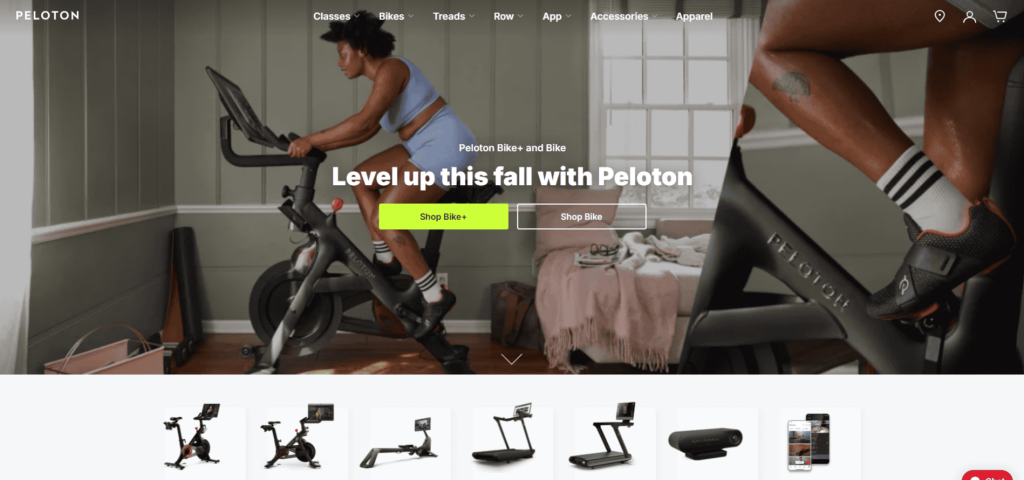
6. Peloton

Peloton

Image source

Following a pandemic-era boom, Peloton has struggled with a sharp decline in demand for its fitness products. The company’s restructuring efforts to reduce costs and stabilize operations haven’t yet mitigated its financial challenges. Their FRISK score reflects the lingering risk of bankruptcy as it navigates restructuring plans​.

7. Digital Brands Group

Digital Brands Group

Image source

Known for its direct-to-consumer model, Digital Brands Group has been on the bankruptcy watchlist for several years. Despite increasing revenue by 22.5% in Q3 2023, the company faces operating losses, liquidity issues, and mounting debt. It has explored strategic alternatives, including potential store expansions to improve profitability​.

8. Express Inc.

Express Inc.

Image source

The fashion retailer is facing severe financial difficulties, including a $275 million debt load. Recent missteps, including mismatches between product offerings and customer demand, have exacerbated the company’s fragile state. Express is currently restructuring, but due to continued revenue and profit margin declines​, it remains at high risk of bankruptcy.

9. Kirkland’s
Kirkland's

Image source

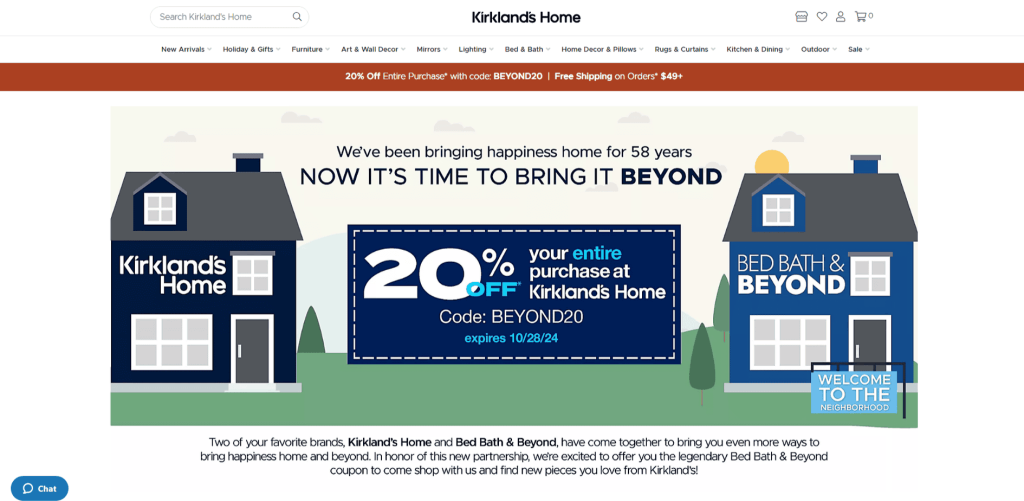
The home décor retailer has been hit hard by declining consumer spending and rising operational costs. These challenges and competitive pressure have placed Kirkland’s in a vulnerable financial position. The FRISK score suggests a real risk of bankruptcy if these headwinds persist​s.

10. ASOS

ASOS

Image source

The British fashion retailer has also encountered financial hurdles due to declining revenues and rising competition in e-commerce. Cost-saving initiatives are underway, but the uncertain consumer demand in a fluctuating retail environment doubts the company’s future stability​.

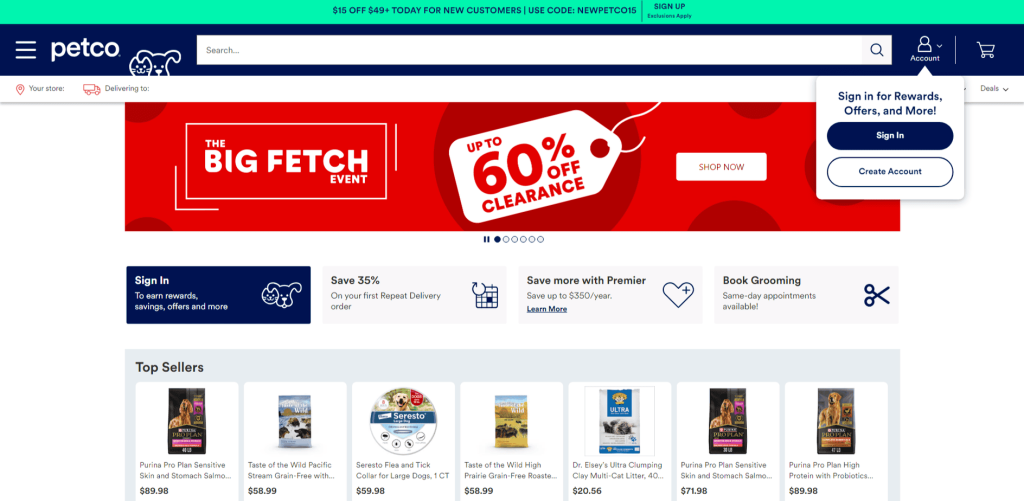
11. Petco

Petco

Image source

In Q2 2024, Petco reported a steep 90% drop in operating income compared to the same period in 2023. Although net sales remained relatively flat, the company experienced a sharp increase in its net loss, raising concerns about its ability to manage financial headwinds. This has left Petco in a precarious position.

Conclusion

The financial circle for digitally native retailers in 2024 remains highly challenging, with many companies struggling to adapt to post-pandemic market conditions. Rising inflation, increased supply chain costs, and shifts in consumer behavior have exposed weaknesses in business models that once thrived on the surge in e-commerce. Companies like SmileDirectClub, Rent the Runway, and Peloton highlight the growing risk of bankruptcy as they contend with high debt loads and declining profitability.

To survive, these retailers must prioritize operational efficiency, reduce debt, and focus on profitability. As the industry reshapes itself in the coming years, many will likely face bankruptcy or consolidation without significant restructuring or mergers.


Rite Aid's Emergence from Bankruptcy and Leadership Changes

Rite Aid’s Emergence from Bankruptcy and Leadership Changes

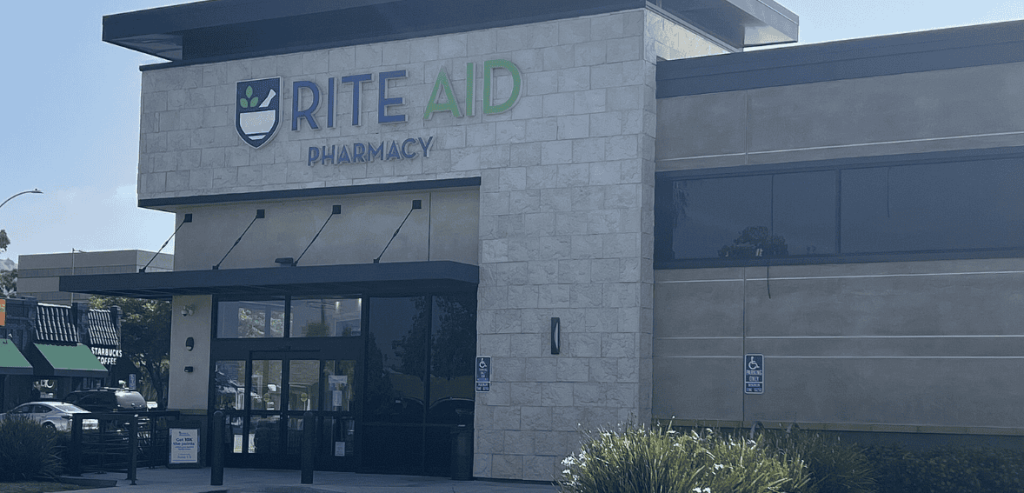
Rite Aid has exited federal bankruptcy protection and is now a private company. Matt Schroeder, formerly the CFO, has been promoted to chief executive. The drug store chain revealed that Schroeder replaced Jeffrey S. Stein as CEO and chief restructuring officer last month, coinciding with the company’s move out of Chapter 11.

Schroeder joined Rite Aid in 2000 and held multiple leadership roles before becoming CFO in 2019.

Key Takeaways
  • Rite Aid Exits Bankruptcy: Rite Aid has successfully emerged from Chapter 11 bankruptcy protection, significantly reducing its debt by $2 billion and securing $2.5 billion in exit financing.
  • Leadership Transition: Matt Schroeder, previously the CFO, has been appointed as the new CEO. Schroeder’s experience and deep knowledge of the company make him well-positioned to head Rite Aid in its next phase.
  • Store Closures and Debt Reduction: Rite Aid has reduced its store count from 2,100 to around 1,300 as part of its debt restructuring plan and canceled all common shares as it becomes a private entity.
  • Legal and Regulatory Challenges: The company still faces significant legal challenges, including opioid-related lawsuits and a five-year ban from the FTC on its use of AI-driven facial recognition technology due to privacy and discrimination concerns.

Image source

Rite Aid Exits Bankruptcy, Appoints Matt Schroeder as New CEO, and Reduces Store Count

Rite Aid has completed its bankruptcy process, appointing Matt Schroeder as the new CEO, reducing its number of stores, and significantly cutting its debt. On the day of Rite Aid’s bankruptcy exit, the company announced Schroeder’s appointment following the bankruptcy court judge’s earlier approval of its reorganization plan. The company has reduced its debt by approximately $2 billion and secured about $2.5 billion in exit financing. Now operating as a private entity under the ownership of some of its creditors, Rite Aid has also canceled all existing common shares.

The pharmacy retail provider now operates around 1,300 stores, a decrease from the 2,100 stores it had before filing for bankruptcy in October 2023.

Rite Aid Exits Bankruptcy, Appoints Matt Schroeder as New CEO, and Reduces Store Count

Jeffrey S. Stein, who resigned from his roles as chief restructuring officer as well as the CEO of the company coinciding with the company’s exit from Chapter 11, described the company’s exit from bankruptcy as a critical point in its history that allowed it to advance as a transformed, more robust, and efficient business. He expressed appreciation for the continued support from customers, associates, and partners, emphasizing the company’s commitment to delivering top-notch pharmacy services that enhance health and wellness in their communities. Stein conveyed his enthusiasm for the future of Rite Aid, focusing on implementing its strategic plans and achieving results for customers and stakeholders.

Matt Schroeder will spearhead the efforts at Rite Aid, joining the company in 2000 as the vice president of financial accounting and later serving as CFO. His extensive experience in various leadership roles at Rite Aid has equipped him with a thorough understanding of the company’s operations. He becomes the fourth CEO since early 2023, following Heyward Donigan’s resignation and Elizabeth Burr’s departure as interim CEO during the Chapter 11 proceedings.

Prior to his tenure at Rite Aid, Matt Schroeder was employed at Arthur Andersen LLP as an Audit Manager. He earned his bachelor’s degree in accounting from Indiana University of Pennsylvania. Additionally, Schroeder is a board member of the Whitaker Center for Science and Arts, a nonprofit organization that serves the greater Harrisburg, Pennsylvania area.

Bruce Bodaken, who served as Rite Aid’s board chair during Chapter 11, stated that Schroeder’s deep knowledge of the company and his exceptional leadership qualities make him a perfect choice to head Rite Aid as it emerges as a more robust entity.

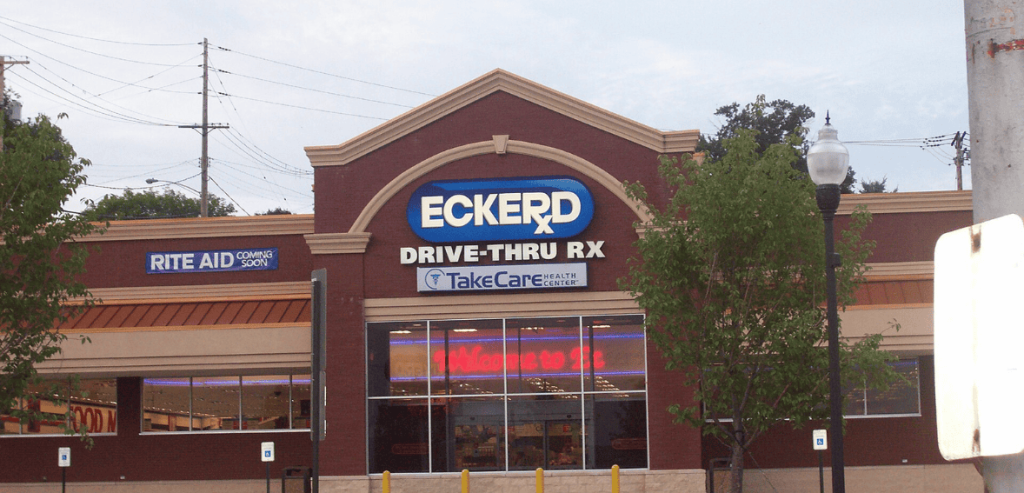
eckerdx store

Schroeder stated that he feels privileged to be a part of Rite Aid as it moves forward with this new chapter, which focuses on serving its customers. He acknowledged the team’s commitment, which positions the company for transformation. Schroeder expressed optimism about the company’s future and his eagerness to collaborate with the team to continue their mission of supporting customers’ health throughout their lives.

Rite Aid declared bankruptcy in October, revealing an initial agreement with several major secured noteholders to reorganize its financial structure. The company’s court filings indicate liabilities and assets ranging from $1 to $10 billion. Following the bankruptcy declaration, Rite Aid has closed numerous stores.

Before filing for bankruptcy, Rite Aid was involved in more than 1,600 legal cases related to opioids, with a major lawsuit coming from the Department of Justice. Rite Aid was accused by the DOJ of purposefully writing illicit prescriptions for restricted medications, a violation of both the False Claims Act and the Controlled Substances Act. In 2022, Rite Aid settled these opioid lawsuits by agreeing to pay as much as $30 million.

When Rite Aid initially filed for bankruptcy, its executives expressed hopes that the restructuring would substantially reduce its debt and allow the company to fairly address its opioid litigation, according to a report by Healthcare Brew.

At that time, Rite Aid planned to close 154 stores, but as of a September 4 report by CBS News, over 520 stores have been closed. In February, during the bankruptcy proceedings, Rite Aid sold its pharmacy benefit management business, Elixir, to MedImpact Healthcare Systems for $576.5 million. Rite Aid had acquired Elixir in 2015 for about $2 billion. In 2022, a class-action lawsuit claimed Rite Aid had misled investors about the status of this business, Healthcare Brew reported.

In December 2023, Rite Aid faced a significant setback when the Federal Trade Commission (FTC) imposed a five-year ban on the company’s use of AI-driven facial recognition technology in its stores. The FTC’s decision came after it determined that Rite Aid had not implemented adequate safeguards, leading to the wrongful identification of thousands of customers, particularly women and people of color, as shoplifters.

Samuel Levine, the director of the FTC’s Bureau of Consumer Protection, criticized Rite Aid’s handling of the technology, stating that its irresponsible use led to customer humiliation and security risks regarding sensitive information.

During this debt restructuring period, Rite Aid was advised legally by Kirkland & Ellis LLP, financially by Guggenheim Securities, LLC, and on transformation and financial matters by Alvarez & Marsal.

About Rite Aid

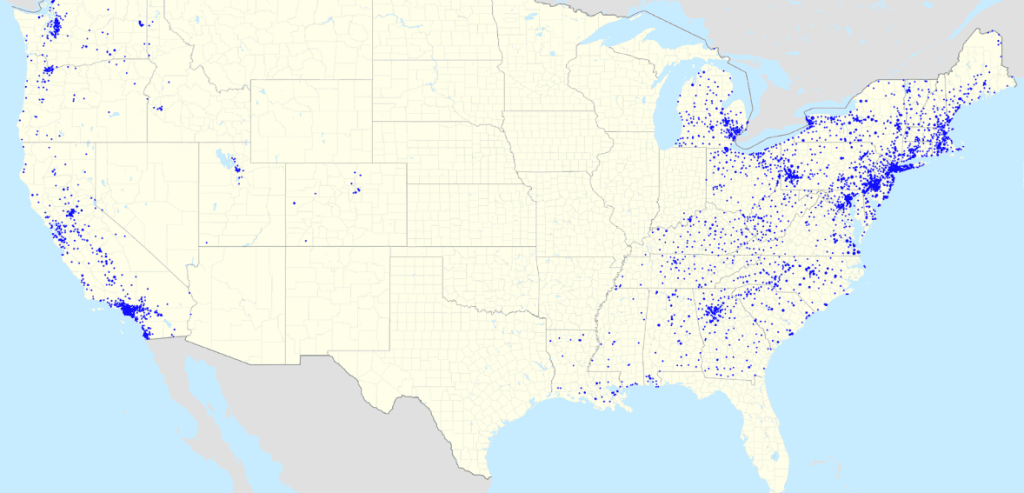
rite aid presence

Image source

Rite Aid Corp. owns and operates retail drug stores and is organized into two main segments: Retail Pharmacy and Pharmacy Services. The Retail Pharmacy segment covers prescription medications, both branded and generic, as well as health and beauty products, personal care items, and walk-in clinics.

The Pharmacy Services segment provides pharmacy benefit management services, including both transparent and traditional models, catering to insurance companies, employers, health plans, and government employee programs. Founded by Alex Grass on September 12, 1962, the company is based in Camp Hill, Pennsylvania.

Conclusion

Rite Aid’s emergence from bankruptcy marks a pivotal moment in the company’s long and turbulent history. With Matt Schroeder at the helm, the company is poised for a fresh start, backed by a significantly reduced debt load and strategic debt restructuring. While the challenges of store closures and legal hurdles, including opioid litigation and the FTC’s ruling on facial recognition technology, continue to loom large, Rite Aid’s focus now shifts towards regaining stability and rebuilding trust with its customers and communities.

As it operates under new ownership, the company has an opportunity to streamline its operations and redefine its role in the retail pharmacy landscape. Time will tell how effectively the new leadership can guide the company through this critical phase, but the groundwork has been laid for a more sustainable future.

Tupperware's Bankruptcy Filing and Restructuring Efforts

Tupperware’s Bankruptcy Filing and Restructuring Efforts

Last month, Tupperware Brands filed for bankruptcy protection in Delaware after struggling with declining demand for its well-known food storage containers. The company reported assets ranging from $500 million to $1 billion in the filing, while its liabilities were estimated between $1 billion and $10 billion.

The Tupperware bankruptcy filing follows a warning from the company last year, in which the company expressed significant concerns about its ability to continue operating. Tupperware announced its intention to request court permission to continue operations and manage sales while undergoing bankruptcy proceedings in Delaware.

Key Takeaways
  • Tupperware’s Bankruptcy Filing: In September 2024, Tupperware filed for Chapter 11 bankruptcy due to declining demand, high debt, and an outdated direct sales model that struggled to compete with online platforms.
  • Efforts to Modernize: Despite ongoing financial issues, Tupperware’s leadership is focused on restructuring, with plans to explore strategic options, boost digital presence, and shift towards a more technology-driven business model.
  • Impact of COVID-19 and Competition: Rising labor and material costs, increased competition from eco-friendly alternatives, and major online retailers like Amazon contributed to Tupperware’s financial instability.
  • Meme-Stock Surge and Investor Challenges: Although Tupperware’s stock temporarily surged in 2023 due to the meme-stock phenomenon, the company’s fundamental issues persisted, forcing it to seek bankruptcy protection as creditors moved to claim its assets.

Tupperware’s Decline: From Iconic Plastic Containers to Bankruptcy in 2024

Tupperware’s Decline: From Iconic Plastic Containers to Bankruptcy in 2024

Image source

Despite these challenges, Tupperware Brands, known for its plastic food containers that became an integral part of American kitchens, filed for Chapter 11 bankruptcy in September 2024. The company, which has struggled financially for years and faces increased competition, is resilient and determined to overcome these obstacles.

The brand was launched in the 1940s by chemist Earl Tupper, who invented durable plastic for making airtight containers. These products were globally distributed through direct sales, notably through “Tupperware parties.”

However, in its bankruptcy filing, Tupperware acknowledged that its once-successful direct sales model had become ineffective. It pointed to a failure in retail adaptation, particularly in expanding to online platforms, and cited difficult economic conditions over recent years.

Tupperware’s challenges included outdated business strategies, rising debt, and competition from newer, more innovative brands. These were compounded by the impacts of COVID-19 (high labor costs, high material costs, and freight expenses). Despite efforts to update its approach by enhancing its online presence and restructuring its debts, the company needed help to stabilize its finances.

By 2022, Tupperware was still primarily using a network of 465,000 part-time sellers and employed 5,450 staff to push its products, even as consumers increasingly turned to online platforms like Amazon and Walmart for similar, often cheaper items. Moreover, environmentally conscious consumers were opting for alternatives made from sustainable materials.

In 2023, Tupperware’s stock briefly surged as it became entangled in the meme-stock phenomenon. This social media-driven trading frenzy saw the stock prices of several companies, including Tupperware, skyrocket. However, this surge only temporarily concealed Tupperware’s deep-seated issues despite the company’s warnings about its uncertain future.

While creditors initially allowed some leeway, the company’s revenues kept declining. By June of that year, Tupperware had decided to shut down its only U.S. manufacturing site, resulting in the layoff of nearly 150 workers.

After extended efforts to secure a buyer, the best offer received was less than 20% of the $800 million owed to senior lenders, as disclosed in court filings.

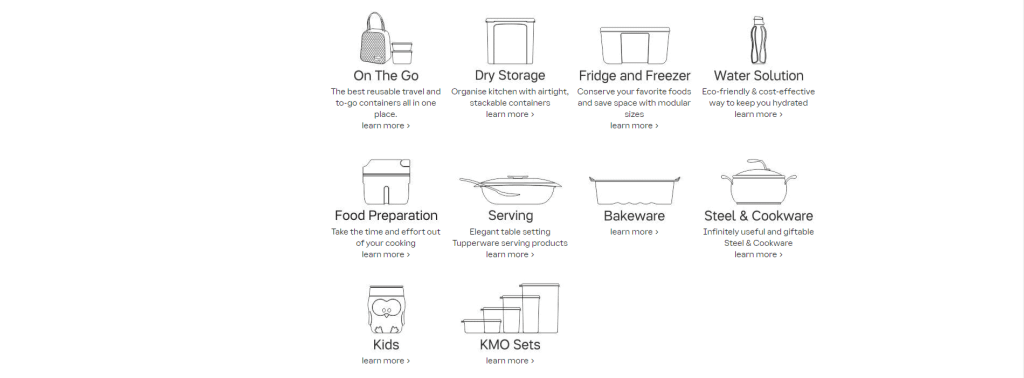
Tupperware

Tupperware’s President and CEO, Laurie Ann Goldman, explained that the restructuring aims to give the company the necessary flexibility to explore strategic options. These options could include partnerships with online retailers, revamping its direct sales model, or diversifying its product range. The goal is to shift towards a more digital and technology-driven business model, which should better serve its stakeholders.

In a court document, Tupperware Chief Restructuring Officer Brian Fox noted the widespread recognition of the Tupperware brand yet pointed out that fewer people know where to purchase their products. He revealed that Tupperware is burdened with $812 million in debt, a substantial portion of which was bought at a significant discount by investors specializing in distressed debts in July, as stated in court filings. These creditors attempted to leverage their debt holdings to claim Tupperware’s assets, including its intellectual property, prompting the company to file for bankruptcy protection.

Tupperware plans to remain operational and initiate a 30-day auction to seek a buyer. The company’s high debt levels, falling sales, and diminishing profit margins proved insurmountable despite restructuring its balance sheet and receiving a temporary financial uplift. Tupperware has been attempting a turnaround for years following several quarters of declining sales. In 2023, the company reached a deal with its lenders to reorganize its debt and engaged investment bank Moelis & Co. to evaluate strategic alternatives.

Despite these challenges, Goldman maintains a vision for the company’s future, focusing on modernization and leveraging digital platforms to reconnect with consumers.

About Tupperware

About Tupperware

Tupperware Brands Corp. is a worldwide direct sales company deeply committed to its iconic brand. It offers a range of premium products under various brands, from the Tupperware brand, which focuses on innovative storage, preparation, and serving products for kitchens and homes, to beauty and personal care products sold under names like Avroy Shlain, Armand Dupree, Fuller, BeautiControl, Nutrimetics, NaturCare, and Nuvo. The company operates two primary business segments: Tupperware and Beauty.

The Tupperware segment provides a variety of kitchen and home solutions, including microfiber textiles, microwave accessories, cookware, and gifts. The Beauty segment produces and distributes skincare items, bath and body essentials, cosmetics, fragrances, toiletries, and nutritional products. Established on February 8, 1996, Tupperware Brands has its headquarters in Orlando, FL.

Conclusion

Tupperware’s bankruptcy filing marks a significant turning point for the iconic brand, which has faced years of financial struggles, outdated business strategies, and increasing competition. Despite attempts to modernize and restructure, the company’s high debt and declining sales have proven difficult to overcome.

With plans to remain operational and explore new strategic directions, including leveraging digital platforms, Tupperware is determined to go to the evolving marketplace. Whether it can successfully do so remains to be seen, but the company’s restructuring efforts aim to provide the flexibility needed for a potential revival.

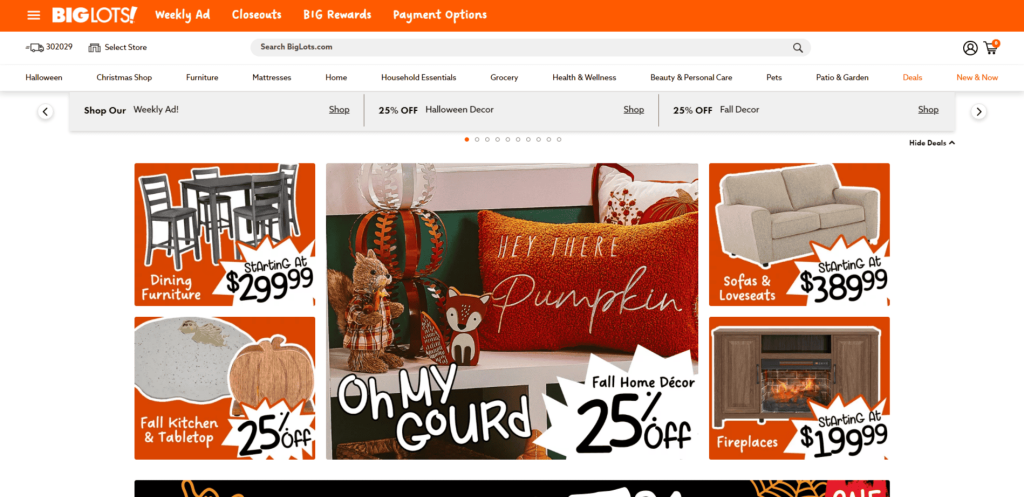
Big Lots logo

Big Lots’ Bankruptcy Financing and Store Closure Plans

Big Lots, a retailer specializing in discounted home goods, recently filed for bankruptcy due to slow demand influenced by high interest rates and a sluggish housing market. Following the bankruptcy filing, Big Lots secured court approval to access $550 million out of a possible $707.5 million in bankruptcy financing, as detailed in recent court filings and a company announcement on Wednesday.

Additionally, as disclosed in Big Lots bankruptcy documents, it has arranged to sell its business to Nexus Capital Management. The agreed sale price is approximately $760 million, which includes $2.5 million in cash, along with the assumption of the company’s remaining debts and liabilities.

Key Takeaways
  • Bankruptcy Filing and Financing: Big Lots filed for Chapter 11 bankruptcy, securing $550 million out of a potential $707.5 million in financing to continue operations during restructuring. This retail financing will help manage operational costs, including employee wages and vendor payments.
  • Asset Sale to Nexus Capital Management: As part of the restructuring, Big Lots plans to sell its assets to Nexus Capital Management for approximately $760 million, which includes the assumption of the company’s debt and liabilities.
  • Widespread Store Closures: The company has announced over 550 store closures across 27 states, with the largest impact in California, Texas, Ohio, and Washington. This is part of Big Lots’ efforts to streamline operations and focus on profitable locations.
  • Industry Challenges: Big Lots’ financial difficulties stem from reduced consumer spending on non-essential items, high interest rates, and intense competition from other discount retailers, which contributed to its decision to file for bankruptcy.

Big Lots Files for Chapter 11 Bankruptcy Amid Store Closures, Gets Over $700 Million in Financing for Restructuring

Big Lots Files for Chapter 11 Bankruptcy Amid Store Closures, Gets Over $700 Million in Financing for Restructuring

Big Lots, a discount retailer headquartered in Ohio, sought Chapter 11 bankruptcy protection in September 2024 following a stretch of financial strain exacerbated by the COVID-19 pandemic, inflation, and elevated interest rates. These conditions led to decreased spending on non-essential items like home goods and seasonal products, which are crucial for Big Lots’ revenue. To maintain operations while reorganizing, Big Lots bargained $707.5 million in bankruptcy financing, which comprises $550 million in debtor-in-possession (DIP) financing and an additional $157.5 million in new term loans.

The retail financing and cash flow from current operations should ensure sufficient liquidity for Big Lots to maintain regular activities, such as compensating employees and settling payments with vendors, during Big Lots bankruptcy proceedings.

CEO Bruce Thorn stated that with the judicial relief obtained and lender support, Big Lots aims to navigate this period and reemerge as a revitalized entity focused on effectively serving its customers.

In the bankruptcy proceedings, Big Lots has secured a preliminary purchase agreement with Nexus Capital Management. Nexus proposes to acquire most of Big Lots’ assets and operations for $620 million, acting as the initial “stalking horse” bidder to set the minimum bid for other potential buyers in a court-managed auction. Should no superior bids emerge, Nexus anticipates finalizing the purchase in the year’s final quarter.

Big Lots’ bankruptcy filing disclosed substantial debt, with liabilities estimated between $1 billion and $10 billion, affecting thousands of creditors. A combination of declining sales, high operational costs, and unresolved losses from the pandemic period led to the retailer’s financial downturn.

The New York Stock Exchange has also alerted the company due to its shares closing below $1 for 30 consecutive trading days. This notification does not imply immediate delisting, as Big Lots can challenge this. In premarket trading, the shares dropped 40% to 30 cents.

In response, Big Lots has significantly reduced its retail footprint. Initially operating over 1,400 stores in 48 states, the company first announced the closure of about 40 stores following a severe financial downturn, which included a 10% sales drop and a quarterly loss of $205 million. In August, facing continued financial challenges and the threat of loan default, Big Lots increased its planned store closures to 315.

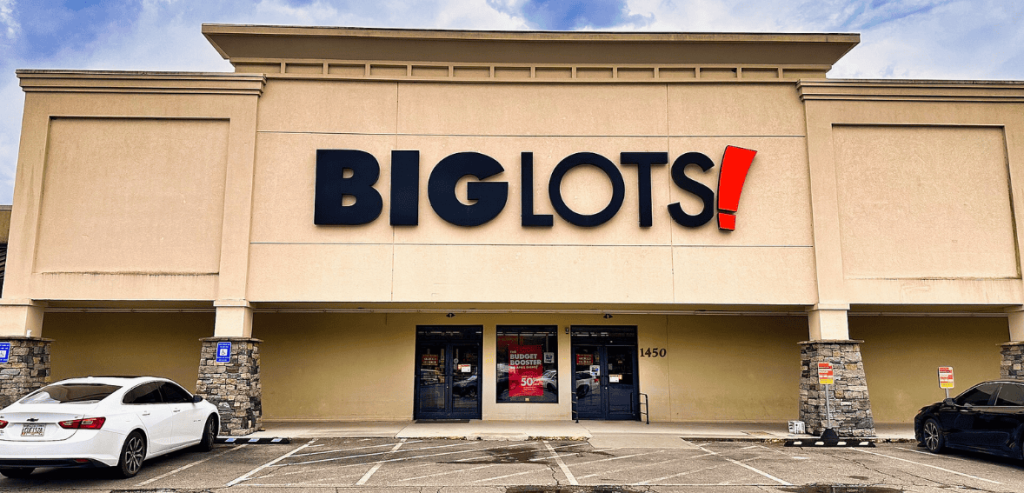
 big lots store picturee

Image source

The scale of closures escalated further when Big Lots filed for Chapter 11 bankruptcy protection this month. Initially, 344 stores were slated for closure. Still, this number was expanded to 451 across the U.S. Subsequently, an additional 56 stores were added to the closure list on October 17, raising the total to over 550 store closures distributed across 27 states, with the largest numbers in California, Texas, Ohio, and Washington.

Big Lots has encountered significant challenges stemming from both sector-wide trends and its own strategic errors. The shift in consumer preferences towards online shopping has pressured physical store operations, particularly in the discount retail sector where Big Lots operates. Plus, the company has faced robust competition from other discount retailers like Dollar General and Five Below, which have more effectively adjusted to the evolving market dynamics.

The company’s decision to file for bankruptcy aims to reorganize its debt while it continues to operate, though on a reduced scale. Nexus Capital’s prospective acquisition is anticipated to provide Big Lots with the necessary financial relief. Nexus sees potential in Big Lots and aims to reestablish its position as a prominent player in the discount retail market by implementing cost-reduction strategies, improving inventory management, and possibly enhancing its online offerings.

The restructuring process, including store closures, introduces considerable uncertainty for Big Lots’ workforce, which exceeds 30,000 employees. Many may face job losses as the company plans to downsize its operations and maintain only profitable stores.

In a letter to its business partners, Big Lots outlined recent challenges, including record inflation and high interest rates post-pandemic, which have suppressed consumer spending. The company assured its vendors of full payment for deliveries post-bankruptcy. Furthermore, Big Lots communicated in the letter that Nexus is confident in the company’s business and its potential. With the support from Nexus, Big Lots expects to bolster its long-term performance and profitability.

Big Lots’ Store Closure List (Old and New Updated List)

Here are two tables with the requested columns (state, county, and store address) for the Big Lots stores that have already closed:

Big Lots Stores That Have Already Closed

StateCityStore Address
AlabamaTroy1327 S. Brundidge St.
ArizonaFlagstaff1416 E. Route 66
ArizonaGlendale17510 N. 75th Ave
ArizonaLaveen3630 W. Baseline Road
ArizonaMesa2840 E. Main St., Suite 109
ArizonaMesa6839 E. Main St.
ArizonaPeoria24760 N. Lake Pleasant Parkway
ArizonaPhoenix2020 N. 75th Ave., Suite 40
ArizonaPhoenix230 E. Bell Road
ArizonaPhoenix4727 E. Bell Road
ArizonaPhoenix2330 W. Bethany Home Road
ArizonaPhoenix4835 E. Ray Road
ArizonaScottsdale10220 N. 90th St.
ArizonaTucson4525 N. Oracle Road
CaliforniaAnaheim1670 W. Katella Ave.
CaliforniaAnaheim6336 E. Santa Ana Canyon Road
CaliforniaAtascadero2240 El Camino Real
CaliforniaAtwater1085 Bellevue Road
CaliforniaBakersfield1211 Olive Drive
CaliforniaBakersfield2621 Fashion Place
CaliforniaBeaumont1482 E. 2nd St.
CaliforniaCamarillo353 Carmen Drive
CaliforniaCanyon Country19331 Soledad Canyon Road
CaliforniaChico1927 E. 20th St.
CaliforniaConcord2060 Monument Blvd.
CaliforniaCorona740 N. Main St.
CaliforniaCulver City5587 Sepulveda Blvd.
CaliforniaDelano912 County Line Road
CaliforniaEl Cajon1085 E. Main St.
CaliforniaFairfield1500 Oliver Road
CaliforniaFolsom9500 Greenback Lane, Suite 22
CaliforniaFresno7370 N. Blackstone Ave.
CaliforniaGilroy360 E. 10th St.
CaliforniaHercules1551 Sycamore Ave.
CaliforniaIndio42225 Jackson St., Suite B
CaliforniaLa Mesa6145 Lake Murray Blvd.
CaliforniaLivermore4484 Las Positas Road
CaliforniaLompoc1009 N. H St., Suite M
CaliforniaLong Beach2238 N. Bellflower Blvd.
CaliforniaLos Banos951 W. Pacheco Blvd.
CaliforniaManteca1321 W. Yosemite Ave.
CaliforniaMerced665 Fairfield Drive
CaliforniaMilpitas111 Ranch Drive
CaliforniaModesto3900 Sisk Road
CaliforniaOceanside1702 Oceanside Blvd.
CaliforniaOntario4430 Ontario Mills Parkway
CaliforniaPlacerville47 Fair Lane
CaliforniaRancho Santa Margarita30501 Avenida De Las Flores
CaliforniaRedlands810 Tri City Center
CaliforniaRiverside2620 Canyon Springs Parkway
CaliforniaRohnert Park565 Rohnert Park Expressway
CaliforniaSacramento6630 Valley Hi Drive
CaliforniaSacramento8700 La Riviera Drive
CaliforniaSalinas370 Northridge Mall
CaliforniaSan Bernardino499 W. Orange Show Road
CaliforniaSanta Clara3735 El Camino Real
CaliforniaSanta Maria1417 S. Broadway
CaliforniaSanta Paula568 W. Main St., Suite B
CaliforniaSanta Rosa2055 Mendocino Ave.
CaliforniaSimi Valley1189 Simi Town Center Way
CaliforniaStockton2720 Country Club Blvd.
CaliforniaTemecula27411 Ynez Road
CaliforniaTracy2681 N. Tracy Blvd.
CaliforniaTurlock1840 Countryside Drive
CaliforniaUkiah225 Orchard Plaza
CaliforniaVacaville818 Alamo Drive
CaliforniaVisalia2525 S. Mooney Blvd.
CaliforniaWoodland52 W. Court St.

New List of 56 Big Lots Store Closures (October 2024)

StateCityStore AddressPincode
AlabamaHomewood142 Green Springs Hwy35209
ArkansasConway150 E Oak St72032
ArizonaLake Havasu City1799 Kiowa Ave #10686404
CaliforniaHesperia16824 Main St92345
CaliforniaReedley1201 E Manning Ave93654
CaliforniaSanta Ana2727 N Grand Ave92705
CaliforniaRedding2685 Hilltop Dr96002
ColoradoBrighton893 S Kuner Rd80601
ConnecticutBristol1235 Farmington Ave06010
FloridaOrlando751 Good Homes Rd32818
FloridaTampa14948 N Florida Ave33613
GeorgiaKennesaw4200 Wade Green Rd NW Ste 14430144
GeorgiaCartersville160 Market Sq30120
IllinoisDecatur1383 E Pershing Rd Ste A62526
IllinoisMachesney Park8750 N 2nd St61115
IndianaFranklin1538 North Morton St46131
IndianaNew Haven918 W Lincoln Hwy46774
IndianaNew Albany440 New Albany Plz47150
IowaBurlington3320 Agency St52601
KansasShawnee7408 Nieman Rd66203
LouisianaLake Charles3250 Gerstner Memorial Dr70601
MarylandEdgewood1815 Pulaski Hwy21040
MarylandWaldorf1200 Smallwood Dr W20603
MichiganSouthfield29712 Southfield Rd48076
MichiganLivonia30000 Plymouth Rd48150
MissouriBlue Springs603 SW US Highway 4064014
MissouriFenton691 Gravois Bluffs Blvd63026
NebraskaFremont850 E 23rd St68025
New MexicoAlbuquerque465 Coors Blvd NW87121
New MexicoAlbuquerque9500 Montgomery Blvd NE87111
North CarolinaBoone223 New Market Ctr28607
OhioWesterville60 E Schrock Rd43081
OhioBrunswick1733 Pearl Rd Ste 12544212
OhioHighland Heights6235 Wilson Mills Rd44143
OhioNorth Olmsted26425 Great Northern Plaza44070
OklahomaTulsa2144 S Sheridan Rd74129
OklahomaAda1200 N Hills Center74820
PennsylvaniaPhiladelphia15501 Bustleton Ave19116
PennsylvaniaWhitehall2631 Macarthur Rd18052
TennesseeElizabethton791 West Elk Ave37643
TennesseeChattanooga2020 Gunbarrel Rd Ste 18637421
TexasParis3512 Lamar Ave75460
TexasTexarkana2729 New Boston Rd75501
TexasSpring425 Sawdust Rd Ste A77380
TexasLewisville1374 W Main St75067
TexasCedar Park850 N Bell Blvd #10478613
TexasDenton2249 S Loop 28876205
TexasSan Angelo4002 Sunset Drive76904
VirginiaChesapeake4300 Portsmouth Blvd23321
VirginiaGloucester6571 Market Dr23061
VirginiaRichmond8151 Brook Rd23227
WashingtonTacoma2401 N Pearl St98406
WashingtonYakima120 N Fair Ave98901
WashingtonVancouver11696 NE 76th St98662
WashingtonKennewick3019 W Kennewick Ave99336
WisconsinJanesville1800 Milton Ave Ste 10053545

About Big Lots

About Big Lots

Image source

Big Lots, Inc., is a discount retail company based in North America, operating 1,425 stores in 48 U.S. states as of January 28, 2023. The company is divided into two segments: U.S. and Canada. Its product offerings are organized into several categories: Furniture, Consumables, Seasonal, Home, Hardlines & Other, and Playn’ Wear. The Consumables category comprises health and beauty products, food, paper goods, plastics, pet supplies, and chemicals.

The Furniture category features ready-to-assemble furniture, mattresses, upholstery, and case goods. The Home category includes items like stationery, textiles, and home decor. Seasonal items cover summer goods, Christmas decorations, and other holiday-specific products. Playn’ Wear includes electronics, jewelry, toys, apparel, and infant accessories. Lastly, the Hardlines & Other category offers tools, appliances, paint, and home maintenance products.

Conclusion

Big Lots’ Chapter 11 bankruptcy filing marks a critical point in its history as it grapples with significant financial challenges, including reduced consumer demand and rising operational costs. The company’s secured financing and planned sale to Nexus Capital Management offer a path forward, though it involves substantial downsizing with over 550 store closures.

As the retailer restructures, it aims to adapt to market dynamics, reduce costs, and potentially refocus its business strategy to remain competitive in the discount retail sector. The outcome of these efforts will shape Big Lots’ future in a highly competitive marketplace.

Top Point-of-Sale for iPhone

Lululemon’s Distribution Center Closure and Layoffs

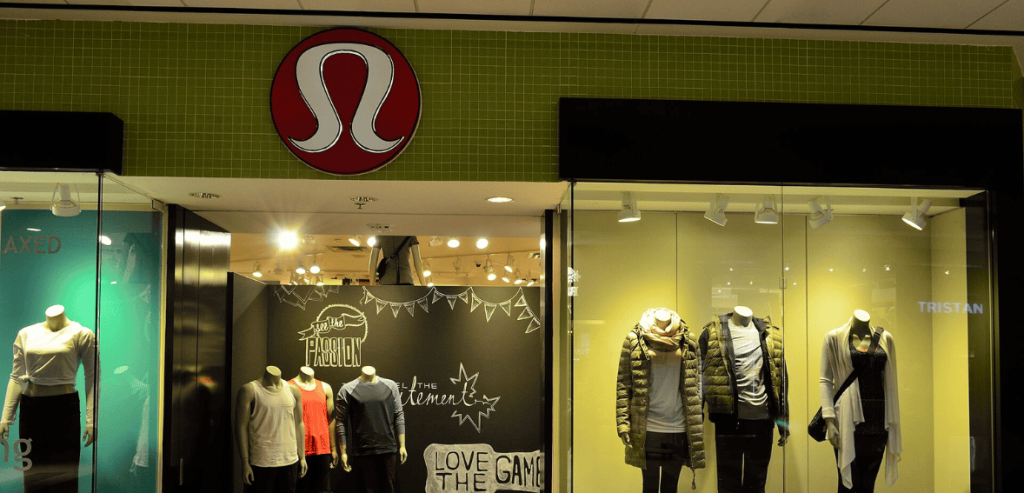
Lululemon, the athletic apparel company based in Canada, has decided to close its distribution center in Sumner, Washington, which will lead to the loss of over 100 jobs. This decision, announced in April, is part of the company’s plan to reevaluate its distribution network to accommodate future expansion. The 150,000-square-foot facility in Sumner is scheduled to shut down by the end of 2024.

Although some employees have been moved to other locations, like the warehouse in Ontario, California, more than 100 positions were terminated. Lululemon has stated it will support the employees impacted by this change.

Key Takeaways
  • Closure and Job Losses: Lululemon will close its Sumner, Washington distribution center by the end of 2024, resulting in 128 layoffs. The Lululemon layoffs process in June​.
  • Strategic Shift in Distribution: Lululemon is closing the facility as part of a broader strategy to optimize its retail logistics network, shifting focus toward larger centers to enhance growth and efficiency.
  • Impact of Market Changes: The decision comes amid slowing demand for high-end athleisure in North America and excess inventory in sports retail, which has contributed to the company’s strategic reevaluation​.
  • Support for Affected Employees: Some Sumner employees will be transferred to other locations, including a new distribution center in the Los Angeles area, although details on specific support measures remain limited​.

Lululemon to Close Washington Distribution Center Amid Shifts in Business Strategy

Lululemon Athletica announced its decision to close its distribution center in Sumner, Washington, by the end of April of this year. The company issued a WARN notice to the Washington State Employment Security Department in April, outlining its plan to close the facility, situated about 35 miles south of Seattle, and eliminate 128 jobs. The Lululemon layoffs commenced on June 21. A company spokesperson indicated that the closure is set to occur by year’s end.

The athletic apparel company stated its commitment to assisting employees impacted by the closure, though it did not specify the support methods.

The spokesperson explained that the company regularly assesses its distribution network as part of Lululemon’s ongoing efforts to support its growth strategy and meet customer needs. This evaluation is aimed at aligning with the future direction of the business. After reviewing their infrastructure and updating their fulfillment strategy, which involves a multi-year investment to enhance capacity and bolster growth, they decided to close the smaller Sumner facility.

This decision occurred because Lululemon experienced a decrease in demand for its high-end athleisure wear in North America, a region where an excess of inventory at sports retailers has led to reduced orders for sportswear companies. According to a regulatory document, the lease for Lululemon’s 150,000-square-foot distribution center in Sumner is set to expire in July 2025.

A company spokesperson stated that some employees from the Sumner center will be retained and transferred to other locations, including a new distribution center in the greater Los Angeles area.

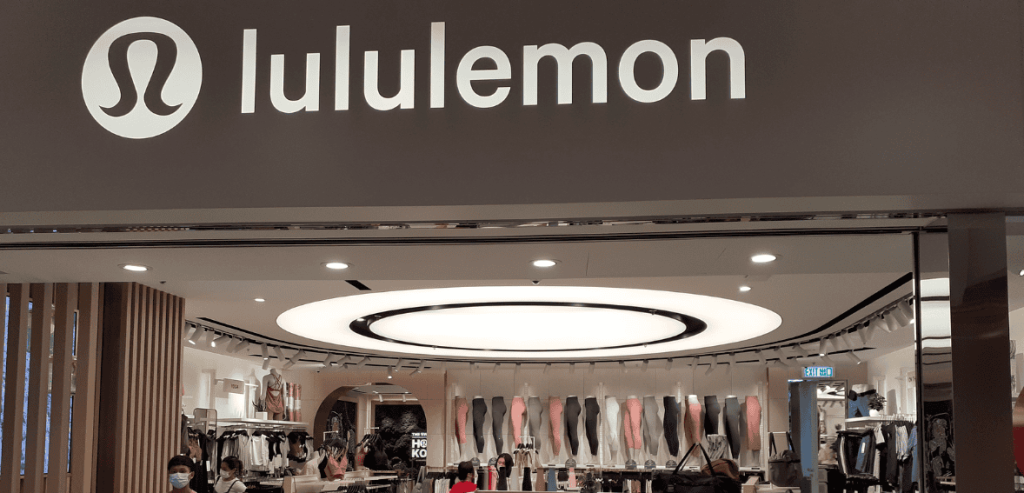
Lululemon store picture

Image source

Lululemon began operating the Sumner warehouse in 2010, marking what seems to be its first significant distribution center in the U.S. since its 2007 public offering, according to securities filings. The company’s decision to close the facility follows a period of extensive expansion, having more than tripled its warehouse space in recent years to support its swift growth.

As of January 31, 2021, Lululemon managed 1.12 million square feet of distribution space in Canada and the U.S., according to filings. By the end of this past January, that area had expanded to nearly 4 million square feet. This expansion primarily involves two new leases for facilities outside Los Angeles and Toronto.

In 2021, Lululemon signed a lease for approximately 1.26 million square feet at a new facility in Ontario, California, which, as indicated in its annual report, runs until 2039.

Lululemon, whose stock has fallen over 42% year to date at the time of writing, also operates a distribution center in Groveport, Ohio, and leases the majority of its other properties throughout the United States, Canada, and Australia.

Over the last ten years, Lululemon has become a leading force in the athletic apparel industry and a top choice among teenagers. The company’s annual sales have increased from $1.6 billion in fiscal 2013 to $9.6 billion in fiscal 2023. However, Lululemon’s growth in North America, its biggest market in terms of sales, has begun to plateau recently.

In March, while the company reported holiday earnings that exceeded Wall Street predictions, it also provided less optimistic future earnings projections following sluggish U.S. sales. For the quarter ending January 28, sales in the Americas rose by 9%, a decrease from the 29% growth experienced in the same period the previous year.

During the earnings call, Lululemon’s CEO, Calvin McDonald, informed investors that consumer interest in the U.S. is somewhat subdued and the company is adjusting to a fluctuating retail landscape.

About Lululemon

About Lululemon

Image source

Lululemon Athletica Inc. and its subsidiaries design, distribute, and sell athletic apparel, footwear, and accessories under the Lululemon brand for both women and men. Their product range includes shorts, pants, jackets, and tops tailored for activities like running, yoga, and training, along with fitness-related accessories.

The company markets its products through its retail stores, outlet locations, interactive workout platforms, and partnerships with yoga studios, university campuses, and other retailers. Lululemon also sells products through its mobile apps and e-commerce site, lululemon.com. Lululemon operates in various regions, including the United States, Canada, Mainland China, South Korea, Australia, Japan, and several countries in Europe, the Middle East, and Africa. Founded in 1998, the company is headquartered in Vancouver, Canada.

Conclusion

Lululemon’s decision to close its Sumner distribution center highlights the company’s strategic shift in retail logistics, as it aims to streamline operations and meet future growth goals. While the closure will result in significant job losses, Lululemon aims to align its operations with long-term growth goals by consolidating its distribution network.

The closure also comes when the company faces slower growth in North America due to reduced demand and an excess of inventory in the athleisure market. As Lululemon continues to expand its warehouse capacity in larger facilities, such as in Los Angeles and Toronto, the company remains committed to adapting its operations to meet future business needs, even as it navigates current challenges in its core markets.

Purple Innovation logo

Purple Innovation’s Factory Closures and Corporate Layoffs

Mattress manufacturer Purple Innovation is shutting down its production facilities in Salt Lake City and Grantsville, Utah, and plans to centralize its mattress production in a single factory located in Georgia.

This restructuring will also involve corporate layoffs and the termination of operations at its Utah locations. The transition to the Georgia facility is projected to finish by the end of this year, with the Utah sites expected to close by the end of the first quarter of 2025.

Key Takeaways
  • Factory Consolidation: Purple Innovation is shutting down its production sites in Salt Lake City and Grantsville, Utah, to consolidate manufacturing at its Georgia facility. The project is expected to be completed by early 2025.
  • Corporate Layoffs: The restructuring will lead to Purple Mattress layoffs, affecting fewer than 300 employees. The company offers impacted staff the option to relocate to Georgia with full financial relocation support.
  • Cost-Cutting Measures: The company estimates that the restructuring will cost $35 million to $45 million but will save $15 million to $20 million annually in EBITDA.
  • Focus on Innovation and Expansion: While reducing costs, Purple reinvests in technology and marketing to drive long-term growth, emphasizing its “Path to Premium Sleep” strategy to increase market share and improve profitability.
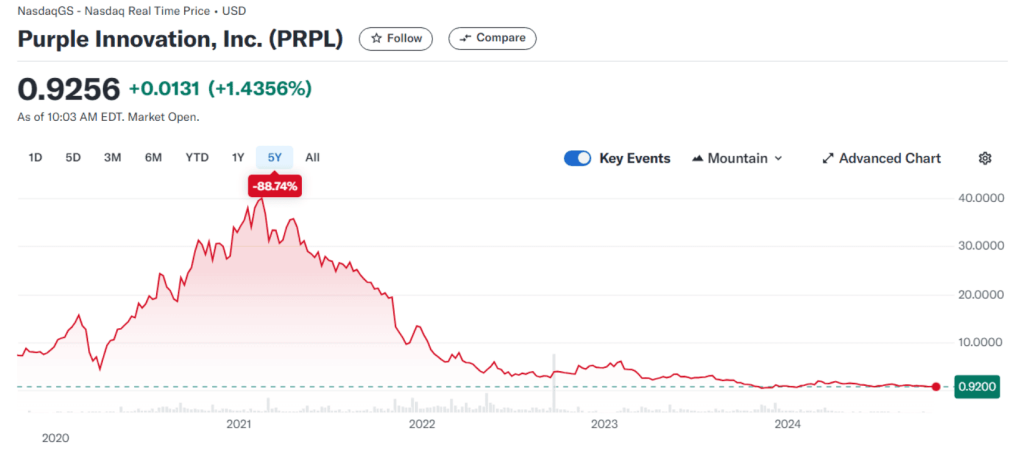
Purple Innovation Inc. stock price 5 years

Source: Yahoo Finance

Purple Innovation’s Strategic Restructuring and Operational Improvements in 2024

Purple Innovation, a mattress manufacturer, has struggled financially over the past year. In 2023, the company’s revenue fell by 10.9% to $510.5 million, while operating expenses increased by 13.8% due to higher costs. The company saw a consistent decline in sales across seven quarters before showing some signs of recovery towards the end of 2023.

In the second quarter of 2024, Purple Innovation broke even, a significant recovery from a $50 million net loss in the previous quarter. This recent performance indicates operational improvement, with the operating loss reduced to $14.5 million from $40.3 million in the same quarter last year. Total revenue for the quarter increased by 2% to $120.3 million. Wholesale sales increased by 7.2%, though direct-to-consumer sales fell by 1.8%.

Throughout 2024, the company has focused on reducing costs to alleviate cash flow issues and enhance profit margins. As part of its strategy to streamline operations, the mattress manufacturer will shut down its production sites in Salt Lake City and Grantsville, Utah, with plans to complete these closures by the first quarter of 2025. Manufacturing consolidation will take place in its Georgia facility.

Purple Innovation's Strategic Restructuring and Operational Improvements in 2024

Additionally, Purple plans to open a distribution center in Utah in February to handle light assembly tasks. All manufacturing processes will be transferred to the 850,000-square-foot facility in McDonough, Georgia. Alongside shutting down its factories, Purple is also cutting jobs at its corporate headquarters. Rob DeMartini, Purple’s CEO, informed Furniture Today that the restructuring will impact fewer than 300 employees.
Rob DeMartini, CEO of Purple, stated that these changes are crucial for enhancing operational efficiency and will allow the company to reinvest in technology and marketing efforts to expand the market. Over the past year, Purple has achieved cost savings through enhanced manufacturing and supply chain management. DeMartini expressed confidence that manufacturing consolidation sites are vital to advancing their Grid technology and reinforcing their “Path to Premium Sleep” strategy. This strategy aims to achieve positive cash flow and increase market share over the long term.

Discussing the Purple Mattress layoffs, Rob mentioned that today marks a difficult day for those adversely affected. He noted that there is significant enthusiasm for the company and its activities. DeMartini mentioned that Purple has allowed employees to move to Georgia, where their job status, salary, and seniority would be preserved. The company is also providing full financial support for relocation.

Although Purple Innovation is shutting down its manufacturing operations in Utah, it will keep its headquarters in Lehi, Utah, and continue its research and development activities at its Draper-based Innovation Center. The company has also announced plans to establish a new distribution center in Utah and will maintain four showrooms in the state.

Rob clarified that this strategy is not about defense but about aggressively investing in innovation and marketing to better position the company for increased demand. He admitted that he had been mistakenly waiting for the market conditions to improve, which did not happen. As a result, they will boost their spending on marketing and innovation starting today.

The Georgia plant, which opened in 2020, represents Purple’s initial venture outside Utah. It incorporates production, fulfillment, and customer service functions. Situated approximately 30 miles southwest of Atlanta, the facility underwent an expansion one year following its inauguration.

DeMartini explained that the expansion is not driven by financial necessity; the company is not running low on funds. Instead, he pointed out that their financial reserves are stable and that the existing facility can support a tripling of their business volume.

He further highlighted that the Georgia site is newer and larger, potentially expandable to one million square feet, and it is the production location for Purple’s innovative new grid technology.

Purple Innovation has presented its employees affected by these changes the opportunity to transfer to the Georgia facility, assuring them that their roles, salaries, and seniority will remain intact. The company has pledged to cover all relocation costs. Additionally, as mandated by the U.S. Worker Adjustment and Retraining Notification Act, employees affected by these changes will receive severance based on their tenure. They will continue to receive compensation until October 22, despite ceasing certain operations on October 1.

The company estimates that the restructuring will incur costs ranging from $35 million to $45 million from the third quarter of 2024 to the second quarter of 2025, including $26 million to $32 million in non-cash charges due to equipment disposals and other adjustments. These cost-cutting measures are expected to result in annual EBITDA savings of $15 million to $20 million.

About Purple Innovation

About Purple Innovation

Image source

Purple Innovation, Inc. is a company based in the United States that creates and produces sleep-related products and other items domestically and internationally. Under the Purple brand, the company offers various products, including mattresses, cushions, pillows, sheets, bases, adjustable bases, mattress protectors, duvets, blankets, seat cushions, duvet covers, and pet beds.

Purple Innovation distributes its products through several channels: its e-commerce platforms, physical retail and wholesale partners, third-party online retailers, and dedicated Purple showrooms. Additionally, products are available on its website, Purple.com. The company, established in 2010, is headquartered in Lehi, Utah.

Conclusion

Purple Innovation’s decision to close its Utah manufacturing plants and centralize operations in Georgia represents a significant restructuring to improve efficiency and reduce costs. Despite the Purple Mattress layoffs and the operational changes, the company remains committed to innovation and enhancing its market position.

By consolidating its production and reinvesting in technology and marketing, Purple aims to recover financially and increase profitability in the long run. These changes are intended to streamline operations while maintaining core functions like research and development, ensuring the company remains competitive in a challenging market.

LL Flooring logo

LL Flooring’s Chapter 11 Filing and Store Closure Plans

LL Flooring, a specialty retail store previously recognized as a strong competitor to Home Depot under the name Lumber Liquidators, announced the closure of all 400+ stores just weeks after declaring bankruptcy. The company, which specialized in flooring, had initially stated it would shut down 94 stores nationwide.

In attempts to sell the business as a going concern, LL Flooring negotiated with potential buyers but failed to receive any bids. Citing Chapter 11 regulations, which mandate securing the highest or best offer for its business assets, the company found itself without any viable offers. Consequently, LL Flooring concluded that selling off its assets individually would yield the greatest return for its creditors.

Key Takeaways
  • LL Flooring’s Bankruptcy and Closure: After 30 years, LL Flooring (formerly Lumber Liquidators) declared bankruptcy and shut down all of its 442 stores due to failed negotiations to secure a buyer.
  • Financial Struggles: LL Flooring faced severe financial challenges, including reduced consumer spending and vendor issues, which led to its Chapter 11 filing in August 2023 with liabilities up to $500 million.
  • Liquidation Efforts: The company liquidated its assets to maximize creditor returns, selling off its distribution center and conducting store-closing sales.
  • Founder’s Acquisition: LL Flooring founder Tom Sullivan’s F9 Investments acquired 219 stores and the company’s intellectual property, with potential plans to revive the Lumber Liquidators brand, though about 1,000 employees will be laid off.
LL Flooring Shuts Down After 30 Years Following Bankruptcy

Image source

LL Flooring Shuts Down After 30 Years Following Bankruptcy and Unsuccessful Buyer Negotiations

LL Flooring, formerly Lumber Liquidators, ceased operations after 30 years in the market due to failed attempts to secure a buyer shortly after declaring bankruptcy. Based in Richmond, Virginia, the company operated 442 stores across the United States but has permanently closed its doors. This decision follows unsuccessful negotiations with several potential buyers, as disclosed on the company’s website. In August this year, LL Flooring began closing 94 of its stores.

LL Flooring entered Chapter 11 bankruptcy proceedings on August 11 at the U.S. Bankruptcy Court for the District of Delaware. At the filing of LL Flooring’s bankruptcy, the company reported liabilities between $100 million and $500 million and assets ranging from $500 million to $1 billion. It had secured $130 million in debtor-in-possession financing from its lenders led by Bank of America.

Court filings reveal that LL Flooring’s financial struggles were due to decreased consumer spending on home improvements, reduced discretionary purchases, and a general decline in demand within the sector following the pandemic’s peak. As financial pressures mounted, the company reduced payments to vendors and suppliers to preserve cash. In response, some vendors stopped or reduced shipments to LL Flooring, further complicating the company’s financial situation.

LL Flooring announced on its website that it had been diligently working to secure a going-concern sale by negotiating with various potential buyers during store closures. Despite these efforts, the retailer confirmed that the negotiations resulted in only a few financially viable offers to maximize the company’s value.

According to the provisions of Chapter 11, LL Flooring was obligated to obtain the highest or best possible offer for its business assets. Facing the absence of any viable offers, LL Flooring opted to maximize creditor returns by liquidating its assets. This included holding store-closing sales, managed by Hilco Merchant Resources, and winding down operations.

Charles Tyson, CEO of LL Flooring, expressed in an open letter at the time that, with regret, the company must announce the initiation of the process to close down LL Flooring and shut all its stores. This outcome was different from what anyone had anticipated.

More recently, regarding the liquidation efforts, LL Flooring has already sold its one-million-square-foot distribution center in Sandston, Virginia, to QTS Data Centers for approximately $104.75 million. As part of the deal, the company will lease back part of the facility for two years, paying over $8 million in rent.

Additionally, on October 1st, F9 Investments, led by LL Flooring founder Tom Sullivan, acquired 219 stores, the company’s intellectual property, and other assets, with possible plans to revive the Lumber Liquidators brand. However, about 1,000 employees not retained in the acquisition are expected to be laid off.

At the time of its bankruptcy filing and store closures, the company operated more than 440 stores and employed around 1,960 workers. Orders placed before September 6 will be installed within 30 days. After this date, the company discontinued installation services, making all sales final and no longer allowing cancellations or refunds.

Established in 1994, Lumber Liquidators became one of the top hardwood flooring retailers in the U.S. However, in 2015, the company encountered a major challenge when a CBS’s 60 Minutes report exposed that some of its laminate flooring from China had unsafe levels of formaldehyde. This chemical, associated with cancer risks, was detected at levels up to 20 times above the legal limit, breaching California’s Air Resources Board (CARB) standards and new federal composite wood emissions regulations.

The 60 Minutes report also featured hidden camera footage from Chinese factories where workers confessed to falsely labeling products to pass them off as compliant with U.S. standards. Additionally, it was revealed that these mills were using lower-cost core boards with high formaldehyde content to save 10-15% on expenses. Despite initial denials and claims that the report was influenced by short-sellers looking to impact the stock price negatively, the brand faced significant reputation damage.

In response to the findings, Lumber Liquidators was forced to plead guilty to federal environmental crimes and making false statements. The company also dealt with lawsuits, including class actions and state legal proceedings, which led to substantial financial settlements. In a move to shed its past negative image, the company changed its name to LL Flooring in 2022.

About LL Flooring Holdings

About LL Flooring Holdings

LL Flooring Holdings, Inc., along with its subsidiaries, is a retailer specializing in hard and soft flooring types and related products. The company’s product lineup includes waterproof vinyl plank, hybrid resilient flooring, laminate, solid and engineered hardwood, tile, bamboo, and cork. It also sells flooring accessories such as underlayment, moldings, tools, and adhesives. These products are available under brand names like Coreluxe, Bellawood, ReNature by Coreluxe, and Duravana.

Additionally, LL Flooring offers delivery and installation services and sells products through its website, catalogs, and physical stores. Previously known as Lumber Liquidators Holdings, Inc., the company rebranded to LL Flooring Holdings, Inc. in January 2022. Founded in 1993, it is based in Richmond, Virginia. On August 11, 2024, the company filed for Chapter 11 bankruptcy reorganization in the U.S. Bankruptcy Court for the District of Delaware.

Conclusion

LL Flooring’s downfall after three decades in the market highlights the significant financial pressures retailers face due to changing economic conditions. Despite attempts to find a buyer and continue operations, the company was forced into Chapter 11 bankruptcy due to reduced consumer spending and rising operational challenges.

Its efforts to secure a going-concern sale were unsuccessful, leading to liquidating assets to maximize creditor returns. While the company’s founder has acquired some of its stores and intellectual property, the closure of all its locations marks the end of an era for the once-prominent flooring retailer.

Conn's Store Closures Amid Bankruptcy Speculation

Conn’s Store Closures Amid Bankruptcy Speculation

Furniture retailer Conn’s Inc. is preparing to close more than 70 stores and liquidate its inventory as it approaches a bankruptcy filing expected in the next few weeks. Florida will experience the most store closures, with 18 locations set to close, while Texas will see nine stores shut down.

The company expanded significantly last year after acquiring W.S. Badcock, a furniture retailer with almost 380 stores in the Southeast. This expansion has since contributed to its financial difficulties. Conn’s is also discussing securing financing to support its bankruptcy proceedings with investors.

Key Takeaways
  • Store Closures Across 13 States: Conn’s Inc. is closing 71 stores, representing about 13% of its total locations. Florida will see the highest number of closures with 18 stores, followed by Texas with nine.
  • Financial Struggles and Bankruptcy Risks: The company’s financial difficulties, worsened by declining consumer spending and competition, have led to speculation of an imminent Chapter 11 bankruptcy filing, with the possibility of further Conn’s store closures.
  • Impact of W.S. Badcock Acquisition: Conn’s expansion following its acquisition of W.S. Badcock, a Southeast-based furniture retailer, has contributed to its financial woes due to integration challenges and operational inefficiencies.
  • Significant Losses and Declining Stock: Conn’s reported a net loss of $77 million in 2023, marking its third consecutive year of losses. The company’s stock has dropped over 80% this year, reflecting its worsening financial health.

Conn’s Announces Closure of 71 Stores Amid Financial Struggles and Bankruptcy Concerns

Conn’s Announces Closure of 71 Stores Amid Financial Struggles and Bankruptcy Concerns

Image source

Conn’s has announced the closure of 71 stores across 13 states, detailed on its website. As of June, these closures account for approximately 13% of the 550 locations it managed under two brands. The affected states include Arizona (7), Alabama (1), Florida (18), Colorado (6), Louisiana (6), Georgia (2), North Carolina (4), Mississippi (2), South Carolina (3), Oklahoma (4), Texas (9), Virginia (5), and Tennessee (4), with Florida facing the largest number of closures at 18, followed by Texas with nine.

Conn’s store closures operate under Conn’s HomePlus brand. Conn’s also owns the W.S. Badcock brand, a furniture retailer it acquired last year. Together, the brands maintained just over 550 locations by April, with around 172 owned by the company. Conn’s uses a franchise model, with approximately 380 dealer-owned locations. Recent reports indicate potential total closures could reach 100, including 30 under the Badcock brand. Earlier this month, bankruptcy rumors surrounded Conn’s, as many reports started floating around that Conn’s might be considering a Chapter 11 bankruptcy filing.

Conn’s

Conn’s has been experiencing difficulties due to heightened competition and a broader decline in consumer spending on non-essential items like furniture. In 2023, the company’s total consolidated revenue fell by 7.8% to $1.24 billion. This included a 9.1% decrease in net sales and a 3.6% drop in finance charges and other revenues. Conn’s concluded 2023 with a net loss of nearly $77 million, a 30% increase from the previous year’s loss of $59.3 million, or $2.46 per diluted share, to $3.17 per diluted share.

The company has sustained losses for three consecutive fiscal years as consumers have reduced their spending on discretionary items to manage the increased costs of essentials. Conn’s stock has dropped over 80% this year, with shares currently trading below $1.

This announcement about store closures comes after the company disclosed in June that it received a delinquency notice from Nasdaq for failing to submit its Q1 report on time. Conn’s has until August 19 to present a plan to regain compliance.

Conn’s current financial status is also cause for concern, as indicated by its FRISK® score. This score, created by CreditRiskMonitor to assess bankruptcy risk, is presently at 2, suggesting a 4% to 9.99% chance of bankruptcy within the next year. This is a decline from May’s score of 4, representing a 1.4% to 2.1% risk, signaling worsening financial health. The company has been maintaining low FRISK scores over the past year, highlighting an increased risk compared to the retail industry average.

CEO Norm Miller had initially expected the acquisition to enhance operational efficiency, yet the anticipated synergies have not been realized. During an earnings call, Miller discussed possible store consolidations in areas where Conn’s and Badcock overlap, including Florida and North Carolina, attributing delays in benefits to integration challenges.

Earlier this year, Miller acknowledged that the acquisition would impact Q1 results but expressed optimism that the benefits of the company’s new integrated operating model would start to become evident in Q2 and continue through the rest of the year, with expectations of faster revenue and earnings growth.

At the time, Miller said that he was confident that the company would see the advantages of its financial strategy in the coming quarters. He highlighted key components driving this model, including an upgraded shopping experience, improved payment options, strong e-commerce capabilities, and a unique dealer network.

However, despite management’s positive forecasts, significant improvements in revenue and earnings have yet to materialize. Miller had promoted a “powerful financial model” centered on improved shopping experiences and enhanced payment options, but these have not yielded the projected results, leading to skepticism among employees and analysts.

Home Retail Sector Faces Financial Struggles and Rising Bankruptcy Risk Since Pandemic

The home goods retail sector has encountered significant financial challenges in recent years, notably since 2021. It has been a major contributor to retail bankruptcy filings in 2023, with significant failures like Bed, Bath & Beyond and the second Chapter 11 filing by Tuesday Morning. Data from S&P Global Market Intelligence indicates that this sector has the highest default risk among retail categories, showing considerable financial difficulties for these companies.

The origin of these issues dates back to the COVID-19 pandemic, which initially prompted a surge in home furnishings purchases as individuals improved their living spaces and home offices during lockdowns. Yet, as the pandemic waned and employees started returning to their workplaces, even if only part-time, consumer spending shifted from home improvements to work-related expenses such as clothing. This shift in spending priorities has severely impacted home retailers, especially those serving lower-income consumers like Conn’s.

Additionally, the sector has faced significant pressure from supply chain disruptions. Increased transportation costs have reduced profit margins for retailers specializing in large, bulky items like furniture. These logistics problems and rising inflation have weakened consumer purchasing power, exacerbating the challenges for businesses reliant on non-essential spending.

About Conn’s Inc

About Conn's Inc

Conn’s Inc. is a specialty retailer focused on home goods, including appliances, furniture, consumer electronics, and home office products. The company also provides branded consumer goods and services and proprietary credit solutions tailored for its primary customers. Conn’s operates through two main segments: retail and credit. The retail operations are conducted through its physical stores and website.

The retail segment offers products such as furniture and mattresses, home appliances, consumer electronics, and home office items from well-known international brands across various price levels. The credit segment delivers financing options to a significant number of credit-limited consumers who typically have few credit alternatives. The available home appliances range from refrigerators and freezers to washers, dryers, dishwashers, and cooking ranges. The furniture and mattresses segment includes a variety of living room, dining room, and bedroom furniture, along with mattresses and related accessories.

Conclusion

Conn’s Inc. faces significant challenges as it prepares to close 71 stores and potentially file for bankruptcy. The company’s financial troubles have been exacerbated by declining consumer spending and the difficulties of integrating its acquisition of W.S. Badcock.

Despite management’s efforts to implement a new financial strategy, the anticipated revenue and operational efficiency improvements have not materialized. With store closures affecting 13 states and speculation of further shutdowns, Conn’s is seeking financing to support its bankruptcy proceedings as it navigates this critical period.

Express

Express Bankruptcy: Implications for Distribution Centers

In 2024, the retail industry continued to experience significant instability, leading to the financial downfall of several key players. This instability was driven by persistent inflation and evolving consumer preferences, often called “retail distress.” Among the affected, Express filed for Chapter 11 bankruptcy protection. Subsequently, the company announced the closure of nearly 100 stores due to decreased demand impacting its supply chain.

Following the Express bankruptcy, the company faced reduced order volumes, which led one of its logistics partners to minimize the retail distribution services offered to the company.

Express Bankruptcy: Implications for Distribution Centers

Image source

Key Takeaways
  • Store Closures: After the announcement of Express bankruptcy, the company plans to close 95 retail locations and all 12 UpWest stores, significantly shrinking its physical footprint and impacting distribution needs.
  • Distribution Center Layoffs: The bankruptcy has led to layoffs at retail distribution centers, including the one in Columbus, Ohio, due to reduced demand and restructuring efforts.
  • Cost-Cutting Measures: Express is streamlining operations and cutting workforce costs to improve financial stability.
  • Asset Sales: The company is exploring the sale of assets to stabilize finances during the restructuring process​

Express, Inc. Files for Chapter 11 Bankruptcy and Announces Store Closures Amid Acquisition Talks

Express, Inc. announced on April 22 that it has filed for Chapter 11 bankruptcy protection in the U.S. The company will close 95 of its approximately 530 Express stores and all 12 UpWest locations, simultaneously initiating closing sales. Express also oversees the Bonobo brand.

Express has retail locations at Greenwood Park Mall, Hamilton Town Center in Noblesville, Castleton Square Mall, and stores in Lafayette, Bloomington, Merrillville, and Mishawaka. The company also operates factory outlet stores in Evansville, Edinburgh, Michigan City, Fort Wayne, and Schererville.

According to the bankruptcy documents, the Lafayette, Bloomington, Evansville, and Merrillville stores are scheduled to close.

The possibility of bankruptcy had been anticipated earlier in the year. Creditsafe noted that Express had consistently struggled with late payments, a sign of ongoing financial difficulties. Express has announced that the operating hours of the remaining stores will remain unchanged, and the stores will continue to process orders and accept returns as usual.

Express, Inc. Files for Chapter 11 Bankruptcy and Announces Store Closures Amid Acquisition Talks

Other store policies, including the procedures for returning merchandise, along with the use of gift cards and store credits, will stay the same. Additionally, there are no anticipated changes to its loyalty program, Express Insider. Express also mentioned that its Bonobos brand will continue to serve its premium wholesale customers.

However in all this, a consortium led by brand management firm WHP Global is attempting to rescue the company through acquisition.

The company has received a nonbinding letter of intent from a group including WHP Global, Brookfield Properties, and Simon Property Group, expressing their interest in acquiring a majority stake in Express’s retail stores and operations. Kirkland & Ellis is providing legal advice to Express, while M3 remains its financial advisor.

Although the offer is not binding, other parties may express interest. Sycamore Partners, which considered buying Express in 2014, is reportedly considering another bid. WHP holds a significant position with a 7.4% investment in Express and a 60% ownership interest in a joint venture licensing agreement.

CEO Stewart Glendinning stated that the company is actively improving its product selection, increasing demand, enhancing customer connections, and strengthening its operations. He described the bankruptcy filing as a critical move to bolster Express’s financial health and support the advancement of its business strategies. According to Glendinning, WHP has been a supportive partner since 2023, and the prospective deal is expected to supply additional financial resources, position the company for profitable growth, and maximize value for stakeholders.

Express, in the court filing, also mentioned that it secured a $35 million commitment from some lenders for new financing to support its bankruptcy, pending court approval. Additionally, on April 15, the company received a $49 million cash tax refund from the Internal Revenue Service related to the CARES Act.

Founded in 1980 by Les Wexner’s Limited Brands, Express is a business casual apparel brand that has experienced declining sales in recent years. High debt and expensive mall leases negatively affect its operations. In a legal document, Express reported having $1.3 billion in total assets and $1.2 billion in total liabilities as of March 2.

Last spring, in a transaction with WHP, Express purchased Bonobos’ operating assets and associated liabilities from Walmart for $25 million. This acquisition occurred when Express was struggling with weak business performance and limited cash flow, according to Neil Saunders, managing director at GlobalData, in a note issued on Monday.

Impact of Express Inc. Bankruptcy on Distribution Centers

However, Saunders noted that Express’s primary issue has been a consistent decrease in revenue, which has dropped by about 10% since 2019.

Additionally, the proposed sale to the WHP consortium, acting as the initial bidder, requires securing a definitive deal within 30 days, as stipulated by the $35 million debtor-in-possession (DIP) financing agreement terms. According to Glendinning in the court filing, failure to finalize a deal within this period will necessitate Express transitioning to a structured liquidation process.

In a separate announcement on Monday, Express appointed Mark Still as the senior vice president and CFO. Having served as interim CFO since November 2023 and as senior vice president of brand finance, planning, and allocation since January 2023, Still has been with the company since 2005, ascending through various financial roles.

In its primary Chapter 11 filing, Express reported total assets of $1.298 billion and liabilities of $1.199 billion. Li & Fung was noted as the largest trade creditor with an unsecured claim of $38.6 million. The list of other trade creditors includes manufacturers and sourcing firms from Istanbul, Turkey; Hong Kong, Taipei, and Kowloon, Taiwan, and within the U.S.

Impact of Express Inc. Bankruptcy on Distribution Centers

Express Inc.’s bankruptcy has a substantial supply chain impact on its retail distribution networks. During its restructuring phase, the company intends to shut down more than 100 stores, directly affecting its distribution operations. Specifically, the Columbus, Ohio, distribution center has already announced layoffs in response to diminished product demand.

These adjustments are part of wider cost-reduction strategies to decrease logistics and shipping capabilities. Consequently, distribution centers are experiencing lower volumes, downsizing of operations, and possible changes in logistics partnerships, aligning with Express’s strategy to streamline its business model.

About Express Inc.

Express Inc. is a fashion retailer with multiple brands. It operates specialty apparel stores and sells items such as sweaters, jeans, suits, dresses, and coats, primarily in the United States.

The company has a multi-channel retail approach, including brick-and-mortar stores and an online presence. It operates under two main brand segments: Express, UpWest, and Bonobos. The Express brand is committed to delivering style, quality, and value. UpWest offers clothing, accessories, and home goods, focusing on comfort and sustainability. Bonobos is recognized for its well-fitting menswear and innovative retail approach.

Express, Inc. manages over 500 stores in the United States, Puerto Rico, Mexico, Costa Rica, Panama, El Salvador, and Guatemala. Its headquarters are in Columbus, Ohio.

Conclusion

The retailer’s Chapter 11 bankruptcy filing marks a significant turning point for the retailer and its associated distribution centers. As Express moves to close a substantial number of stores, the supply chain impact on its distribution network is profound, with immediate layoffs and reduced order volumes affecting operations across the board. The company’s decision to streamline operations in response to financial difficulties indicates a broader trend within the retail sector, where agility and cost management are increasingly critical.

While the potential acquisition by WHP Global and other partners may offer a pathway to recovery, the future remains uncertain. As Express navigates this restructuring process, its ability to adapt to changing consumer preferences and stabilize its operations will be vital for its long-term sustainability. The situation reminds us of the challenges faced by retailers in an evolving market, emphasizing the importance of strategic planning and responsiveness in maintaining operational effectiveness amidst financial adversity.

Verisign Raises .com Price to $10.26

Verisign Raises .com Price to $10.26

Starting September 1, 2024, Verisign will raise the price of .com domains, impacting website owners and businesses globally. Verisign, the leading provider of domain name registry services, has announced that the .com domain price will increase from $9.59 to $10.26. This 7% rise is part of an ongoing series of annual hikes permitted by Verisign’s agreement with the US government.

This blog explores the significance of this trend and its potential effects on millions of domain registrants and the broader internet environment. Understanding these changes is important for all stakeholders in the digital domain economy.

Key Takeaways
  • Price Increase Announcement: Effective September 1, 2024, Verisign will raise the price of .com domains from $9.59 to $10.26, marking a 7% increase as allowed by its agreement with the US government. This adjustment continues the trend of annual price hikes, which are capped at 7% during specific contract periods.
  • Impact on Domain Registrants: The price increase is expected to affect millions of website owners and businesses globally, potentially leading to higher retail prices from domain registrars. This could impact both new registrations and the renewal of existing domains.
  • Ongoing Regulatory Discussions: The US National Telecommunications and Information Administration (NTIA) has initiated discussions with Verisign regarding the implications of these price hikes on the .com ecosystem. Advocacy groups have criticized Verisign’s monopolistic control over the .com domain, raising concerns about fairness and accessibility for small businesses.
  • Financial Context: Verisign reported revenue of $1.49 billion for 2023, which included the effects of previous price increases. Despite a decline in managed domains, the company experienced a revenue growth of 4.8%, underscoring the significant impact of its pricing strategies on overall financial performance.

Verisign Increases .com Domain Prices by 7% Starting September 2024: What It Means for Website Owners and Businesses?

Effective September 1, 2024, Verisign implemented a 7% increase in the wholesale price of “.com” domain registrations, raising the cost from $9.59 to $10.26 annually. This adjustment marks the fourth consecutive annual increase at the maximum rate permissible under Verisign’s current agreement with the US government. The terms of this contract restrict yearly increases to no more than 7% during the final four years of each six-year cycle.

Verisign’s history of price adjustments shows a consistent upward trajectory over the recent years under its agreement with ICANN. Notably, the price of .com domains climbed from $8.97 to $9.59 in September 2023, and then to $10.26 in September 2024. These price changes reflect Verisign’s controlled authority to modulate .com domain costs.

Verisign Increases .com Domain Prices by 7%

Image source

Recently, the US National Telecommunications and Information Administration (NTIA) announced the renewal of its Cooperative Agreement with Verisign, which maintains the .com domain registry. In a communication from NTIA’s head, Alan Davidson, dated August 2, 2024, he praised Verisign for its contributions to maintaining internet stability and security. This renewed agreement stipulates a price freeze, preventing any further increases for the following two years, after which Verisign can resume its price modification cycle.

Controversy surrounds Verisign’s management of the .com registry. Advocacy groups like the Economic Freedom Project and the Demand Progress Education Foundation have expressed disapproval of Verisign’s monopolistic control, asserting that it negatively affects small businesses and individual website owners who rely on .com domains. They criticize the lack of competitive bidding in granting control to Verisign and suggest that this exclusivity leads to unfairly high prices.

In response to rising concerns, NTIA has initiated dialogues with Verisign to assess the impact of these pricing strategies on the broader .com ecosystem, including the retail and secondary markets. Despite Verisign’s openness to discussions, no concrete amendments have been agreed upon. Verisign argues that existing price controls have indirectly supported the growth of an unregulated secondary market, contrary to the interests of end-users.

Verisign’s CEO, D. James Bidzos, in his letter to NTIA, remarked that the regulated price increases have not uniformly benefited consumers, a sentiment echoed by Assistant Secretary Davidson. They highlighted the necessity to address concerns in both retail and secondary markets.

According to a study by Economic Liberties, the power of retail domain registrars to influence final consumer prices is minimal due to the vast distribution of the market among numerous registrars. Indeed, 77% of the .com domain retail market is divided among various companies. This highlights a significant gap between Verisign’s wholesale price hikes—almost 25 times the typical retail markup—and the burden on consumers, particularly small businesses. These users encounter increased costs for maintaining domain name registrations, an essential service for online presence.

Verisign

Plus, Verisign disclosed to its investors that the price caps have stimulated the proliferation of a sizable, unregulated secondary market, valued in billions. The company seems to favor the removal of these caps, although it is widely acknowledged that very few .com domains fetch high prices on the secondary market. Removing price controls is unlikely to resolve issues with high-value secondary sales but may lead to broader price increases across the market.

These discussions might potentially reshape the terms of the Cooperative Agreement, though no definitive commitments have been made yet.

Following Verisign’s announcement of the price increase, it is expected that domain resellers and registrars will adjust their pricing upwards, possibly by more than 7%. Such changes could impact both new registrations and the renewal of existing domains, thus increasing the operational costs of maintaining a .com presence for many users.

Verisign shared this pricing update in conjunction with its 2023 financial results, revealing that the company’s revenue reached $1.49 billion. Despite a decline in total managed domains, the revenue saw a 4.8% increase, partly due to the previous year’s 7% price hike. This revenue growth underscores the significant financial implications of Verisign’s pricing strategy on its overall business performance.

Are These Costs Justified?

Several factors are behind the recent price increases; while some of these reasons might be reasonable, some simply do not justify hiking prices by 7% every year!

  • Infrastructure and Security Investments: Verisign dedicates considerable resources to maintaining and securing the .com domain infrastructure. This ensures it remains highly available and protected from cyber threats, which is essential given the .com domain’s importance for both global business and personal use.
  • Regulatory and Compliance Costs: Managing a top-level domain such as .com involves adhering to various regulations. These regulations are designed to ensure transparency and fairness in domain management, but they also contribute to higher operational costs. These expenses are then passed on to consumers in the form of higher prices for domain registrations and renewals.
  • Market Conditions: Economic factors such as inflation and the rising costs of technology impact prices. Verisign adjusts its pricing to sustain profitability and support its continued operations in a competitive market.

About Verisign

About Verisign

Verisign, a global company founded in 1995 by D. James Bidzos, is headquartered in Reston, Virginia. The company manages the infrastructure for various top-level domains, including .com, .tv, .net, .name, .cc, .edu, .jobs, and .gov, and operates two of the world’s 13 Internet root servers, specifically servers A and J. Verisign handles the DNS infrastructure for approximately 121 million domain names. It processes over 77 billion Internet queries each day.

In addition to its core services, Verisign offers infrastructure assurance services such as Managed DNS, DDoS Protection, and iDefense Security Intelligence, which help maintain online businesses’ availability and the web’s overall reliability. The company aims to enable global connectivity with reliability and confidence through its comprehensive services and extensive network infrastructure, which includes a vast array of hardware and software as well as hundreds of points of presence worldwide.

Conclusion

Verisign’s decision to raise .com domain prices to $10.26 highlights a trend of annual increases under its agreement with the US government. While Verisign argues that the hikes are necessary to maintain infrastructure and security and comply with regulations, they have sparked concerns among small businesses and advocacy groups.

These groups argue that the price increases could disproportionately affect smaller entities that rely on .com domains for their online presence. As the NTIA and Verisign engage in discussions, the broader implications on the domain market and potential regulatory adjustments remain to be seen.