Chargebacks were initially developed to safeguard credit card users from fraudulent or unauthorized transactions, serving as a critical measure to prevent financial loss for consumers. However, they often hurt businesses. Companies typically incur an additional $3.75 in fees and operational costs for every dollar lost to fraud. The average business cost to fight chargeback rose from $156 in 2021 to $165 in 2022.
By 2023, chargebacks had cost U.S. merchants an estimated $11 billion. Chargebacks often impact businesses adversely, notably since 49% are filed accidentally and could be avoided with appropriate preventative strategies. Although there’s no sure way for a seller to prevail in a chargeback dispute, even when rightfully entitled, several measures can notably improve their likelihood of success.
What Is a Chargeback? Why Does It Happen?
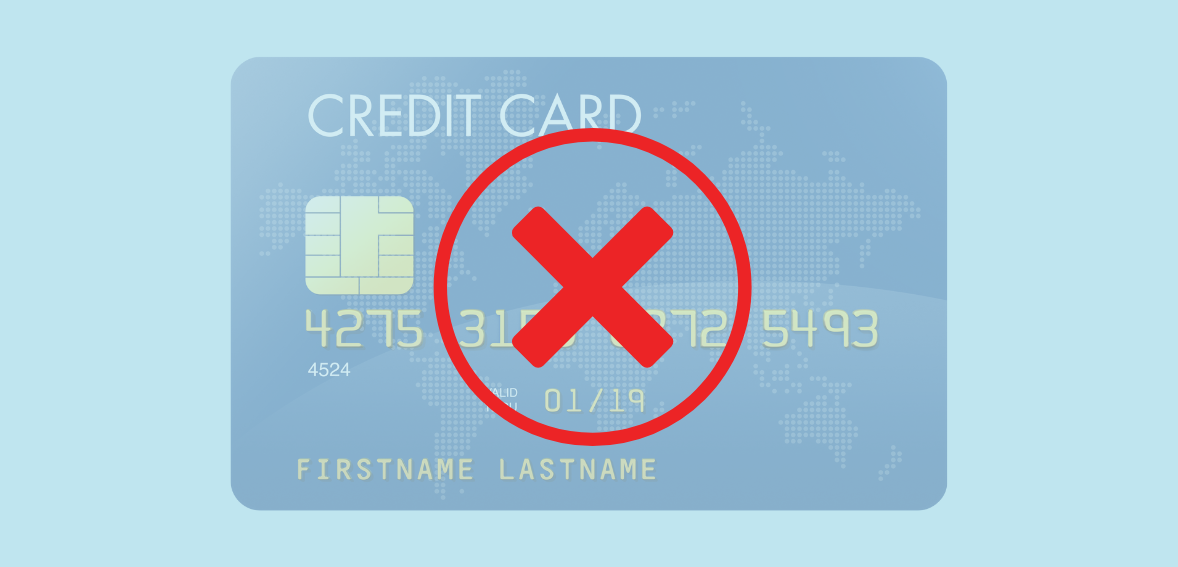
To effectively manage chargebacks, it’s crucial to grasp what they are and why they occur. A chargeback is a safeguard for consumers, allowing them to initiate a dispute if they do not recognize a charge on their account statement.
When a cardholder disputes a transaction, suspecting it might be fraudulent, the bank that issued the card investigates the claim to ascertain its validity.
When faced with a chargeback, merchants have the burden of proof to demonstrate the transaction’s legitimacy. Failing to convince the issuing bank can result in the transaction being deemed fraudulent, leading to the reversal of the transaction amount to the customer. Additionally, the merchant may incur a fee of upwards of $100, depending on the bank’s policies.
Chargebacks typically stem from one of three sources:
- Merchant Error occurs when errors are made during the transaction process or in managing customer interactions. Overlooking these mistakes may prompt customers to request a chargeback.
- Criminal Fraud: This type of fraud involves the unauthorized use of a cardholder’s payment details to make purchases, often leading to a chargeback since the cardholder did not authorize the transaction.
- Friendly Fraud: This happens when the chargeback process is misused, either through deliberate deceit to secure free goods or due to a genuine misunderstanding by the cardholder.
Understanding the reasons behind a chargeback is not merely bureaucratic but offers valuable insights. Knowing the root cause allows merchants to address and rectify the underlying issues, encouraging more sustainable solutions rather than temporary fixes.
Understanding Chargeback Reversals
A chargeback reversal occurs when a merchant challenges a customer’s chargeback claim to recover lost revenue. It involves presenting evidence that the original transaction was legitimate and should not have been disputed. A successful reversal restores the funds initially withdrawn due to the chargeback.
The payment industry lacks standardized terminology, resulting in multiple terms describing the same process. Common synonyms include:
- Chargeback dispute
- Chargeback representment
- Chargeback response
- Dispute response
Regardless of terminology, each phrase refers to the merchant’s action to dispute an invalid chargeback and reclaim lost funds.
With a clear understanding of chargeback reversals, you can now explore when and how to exercise your right to respond effectively.
What Qualifies as Strong Evidence for a Chargeback Reversals

Compelling evidence refers to the documentation merchants submit to dispute chargebacks. It demonstrates that a transaction was legitimate and counters the customer’s claims. The nature of compelling evidence depends on the specific reason code, which details the customer’s rationale for disputing the transaction. Successfully addressing the reason code with relevant documentation is essential for effectively resolving disputes.
Common Examples of Compelling Evidence
- Transaction Records: Signed receipts, invoices, or contracts clearly showing the customer consented to the transaction.
- Delivery Documentation: Shipping records or delivery confirmations, ideally accompanied by customer signatures or photographic proof of delivery.
- Digital Evidence: IP addresses, device identifiers, and geolocation data linking customers to online purchases.
- Communication Logs: Emails, chat transcripts, or call recordings illustrating interactions and agreements with the customer.
- Authentication Records: Documentation of successful Address Verification System (AVS) and Card Verification Value (CVV) matches, along with evidence of two-factor authentication.
Matching Evidence to Specific Chargeback Reasons
- Unauthorized Transactions: Provide identity verification data, including AVS/CVV matches and digital records (IP address, device ID) connecting the cardholder to the purchase.
- Merchandise Not Received: Supply shipment tracking and delivery confirmations showing successful delivery to the customer’s verified address.
- Product Not as Described or Defective: Submit accurate product descriptions, original listing images, and any communications in which the customer acknowledges receipt or expresses satisfaction.
- Credit Not Processed: Offer clear documentation confirming the refund was issued, specifying transaction dates, refunded amounts, and customer interactions regarding the refund.
Visa introduced Compelling Evidence 3.0 in April 2023, enabling merchants to leverage a cardholder’s purchase history when disputing chargebacks. Merchants can strengthen their defense against friendly fraud by providing evidence of two prior undisputed transactions sharing specific data points (IP address or device ID) with the transaction.
When You Can’t Fight Chargeback as a Business?
As a business, there are specific situations where disputing a chargeback may not be possible or advisable. Understanding these scenarios can help you manage chargebacks more effectively:
- Missed Response Deadlines: Each card network and issuing bank sets specific time limits for merchants to respond to chargebacks, commonly around 30 days from the date the chargeback was filed. If you fail to respond within this timeframe, you forfeit the right to dispute, resulting in an automatic loss of revenue from the disputed transaction.
- Merchant Error: Chargebacks arising from merchant errors—such as duplicate charges, incorrect amounts, or non-compliance with card network rules—are typically the merchant’s responsibility. Disputing these chargebacks is generally unsuccessful, as the error originated from the business’s operations.
- Valid Customer Disputes: When a customer has a legitimate reason for a chargeback, such as not receiving the product or receiving a defective item, disputing may not be appropriate. In these cases, it’s often better to accept the chargeback and address the underlying issue to prevent future occurrences.
- High Chargeback Ratios: Consistently high chargeback ratios can lead to penalties from card networks and acquiring banks, including higher fees or terminating your merchant account. If your business experiences frequent chargebacks, it may be more prudent to focus on identifying and addressing the root causes rather than disputing individual cases.
- Lack of Compelling Evidence: To successfully dispute a chargeback, you must provide compelling evidence that the transaction was legitimate. Disputing the chargeback is unlikely to succeed if such evidence is unavailable or insufficient.
How to Fight Chargebacks: A Step-by-Step Process

When it’s time to dispute a chargeback, follow these steps to maximize your chances of successfully reversing the chargeback and reclaiming your lost revenue:
1. Know When You’ve Received a Chargeback
Fighting a chargeback effectively is impossible if you aren’t aware one has been filed. Notification methods vary by payment processor, ranging from traditional mail and email notifications to online merchant portals. Identify your processor’s notification method clearly and regularly monitor your account or inbox to ensure no dispute slips past your attention.
First, set up alerts if your payment processor or bank offers them. Enabling notifications via email or SMS will help you stay informed about any new chargeback activity. Second, make it a habit to check regularly.
Establishing a daily or weekly routine to review chargeback activity for merchants handling multiple accounts can help catch issues early. Lastly, consider automating your tracking. Tools or services that centralize chargeback data and send immediate alerts can streamline the process, allowing you to respond quickly and efficiently.
2. Check the Chargeback Reason Code
Every chargeback includes a reason code provided by the cardholder’s bank, indicating why the transaction is disputed. Knowing the reason code is critical as it guides your response strategy by informing you exactly what type of compelling evidence is required.
When handling a chargeback, take the following actions. First, immediately review the reason code when you receive the chargeback notice. This code explains why the chargeback was filed. Next, use a reason code reference or database, such as the guides provided by Mastercard, Visa, AmEx, or Discover, to understand the specific requirements for that code. Finally, gather relevant evidence based on the reason code. This may include delivery confirmation, identity verification records, or detailed product descriptions to strengthen your case.
3. Check the Expiration Date
Chargebacks have strict deadlines. If you miss the deadline, you automatically forfeit your right to dispute, and the case will not proceed. Response times typically range from as short as 2 days to as long as 20 days from receipt of the notification, depending on your processor.
As soon as you receive a chargeback notice, identify the deadline for your response. To avoid last-minute issues, submit your chargeback response three days before the deadline. This buffer accounts for potential delays or unexpected complications. Lastly, avoid spending time and resources on disputes that have already expired. Instead, focus your efforts on active cases where you still have a chance to recover funds.
4. Calculate and Evaluate the ROI
Before fighting a chargeback, carefully evaluate whether disputing it is financially worthwhile by calculating the potential Return on Investment (ROI). This involves comparing the cost of resources needed (such as time, labor, or fees) against the transaction amount in dispute.
When evaluating chargebacks, consider the return on investment (ROI). Start by clearly defining your threshold—determine the minimum transaction amount worth disputing based on your internal resources and costs. Focus on cases where the potential recovery is significantly higher than the expense of fighting the chargeback to maintain a positive ROI. Finally, regularly reassess your process. As your system becomes more efficient, you may be able to lower your threshold, making it profitable to dispute a more significant number of cases.
5. Collect Compelling Evidence
Winning a chargeback dispute largely depends on providing strong and compelling evidence. The evidence must specifically counter the claim outlined by the reason code. General or irrelevant evidence will undermine your case, so tailor your documentation accordingly.
Examples by transaction type include:
- Physical Goods:
- Product descriptions and invoices.
- Signed delivery confirmations or tracking records.
- Proof of customer acknowledgment of receipt (emails, signed forms).
- Digital Goods:
- Records of user logins, downloads, or usage activity.
- IP addresses and geolocation data connecting the cardholder to the transaction.
- Evidence of security measures, such as periodic login verifications.
- Services:
- Customer-signed contracts or agreements.
- Documentation proving delivery or fulfillment of the service.
- Evidence of related customer activities (ticket scans, follow-up purchases).
Remember, never reuse generic evidence across different disputes. Constantly tailor your evidence directly to the specific dispute at hand.
6. Write a Strong, Clear Rebuttal Letter
The rebuttal letter is your primary means of communicating your case. It summarizes your strongest points, clarifies why the chargeback is invalid, and introduces your evidence in an easily understandable format.
Include the following key components to create a strong rebuttal letter for a chargeback. Start with a clear summary explaining why the chargeback claim is invalid. Reference the specific reason code and directly address the cardholder’s claims. Highlight your most compelling evidence, such as delivery confirmation, transaction logs, or communication records. Finally, keep the language concise and professional, ensuring the letter is easily read and effectively communicates your case.
7. Submit Your Response
Submission might seem straightforward, but in practice, it can be complex. Your response first goes to your payment processor, which reviews and decides whether to forward it to the cardholder’s bank. Therefore, presenting your dispute package professionally is critical.
To ensure a smooth submission process, organize your evidence logically and follow the processor’s guidelines, such as using the correct file types and arranging the documents properly. Clearly label your rebuttal letter and any supporting documents to avoid confusion. Submit the materials through your processor’s preferred method, whether an online portal, email, or fax, as this can help speed up the processing time. Finally, double-check your submission for completeness to prevent any delays or rejections caused by missing documents.
8. Monitor the Results
Chargeback dispute results are not always communicated quickly, and processors typically do not provide detailed outcome reports. However, actively tracking dispute outcomes is essential for refining future chargeback strategies.
Check with your processor regularly for updates on the status of your disputes. Internally document the outcomes, including win/loss ratios and case details, to maintain accurate records. Use this information to refine and strengthen your ongoing dispute strategy.
9. Analyze and Refine Your Process
Each chargeback offers valuable insights that can help you improve your strategy. Continuously analyze your performance to find areas for improvement. Refine processes based on your success and failure patterns, optimizing your efficiency and success rate over time.
To effectively track and analyze your chargeback disputes, focus on key metrics. Monitor reason codes to identify which dispute types you consistently win or lose. Analyze product types or categories to see if certain items are more prone to chargebacks. Review issuer trends by examining BINs (Bank Identification Numbers) to anticipate issuer decisions. Additionally, evaluate your internal processes to determine if specific team members or procedures lead to better outcomes.
Continuous improvement is essential. Regularly adjust your strategy, test new approaches, analyze the results, and repeat the process. This cycle helps enhance your dispute efforts and maximize your return on investment.
Conclusion
Winning card-present chargebacks requires a combination of proactive prevention, thorough documentation, and a strategic response process. While it is impossible to guarantee a victory in every dispute, merchants can significantly improve their chances by understanding the common causes of chargebacks, gathering compelling evidence, and following a structured dispute strategy.
Businesses can minimize chargeback losses and protect their revenue by staying vigilant with regular monitoring, meeting response deadlines, and continuously refining their processes. Additionally, using tools and services to streamline chargeback management can help merchants respond quickly and effectively. Ultimately, a well-prepared and informed approach is the key to reducing the financial impact of chargebacks on your business.