


What are Distribution Channels? Examples and Various Types
Posted: September 11, 2023 | Updated:
A distribution channel, also known as a distribution chain refers to the path that products take from the manufacturing stage to reach the customers. For instance, when a company produces goods it needs to ensure their delivery, to its clients.
The primary objective of marketing distribution channels is to ensure customer satisfaction. There are types of channels available for selection. It is important to note that whichever channel you opt for will have an impact on your sales outcome; hence efficiency becomes crucial.
Typically multiple entities play a role in a distribution chain including manufacturers, wholesalers, retailers, distributors and online marketplaces. If you haven’t yet defined your distribution channel strategy it’s natural to feel perplexed about making the choice that aligns with your business objectives and profitability.
In this article we will delve into the concept of distribution channels by explaining what intermediaries are and their significance in the marketing process. We will also explore models of distribution channels. Provide guidance on how to select the most suitable channel for your company.
What are Distribution Channels?
Distribution channels play a role, in connecting producers, manufacturers, and service providers to their end consumers. These pathways encompass the journey of a product or service from its origin to reaching the hands of customers.
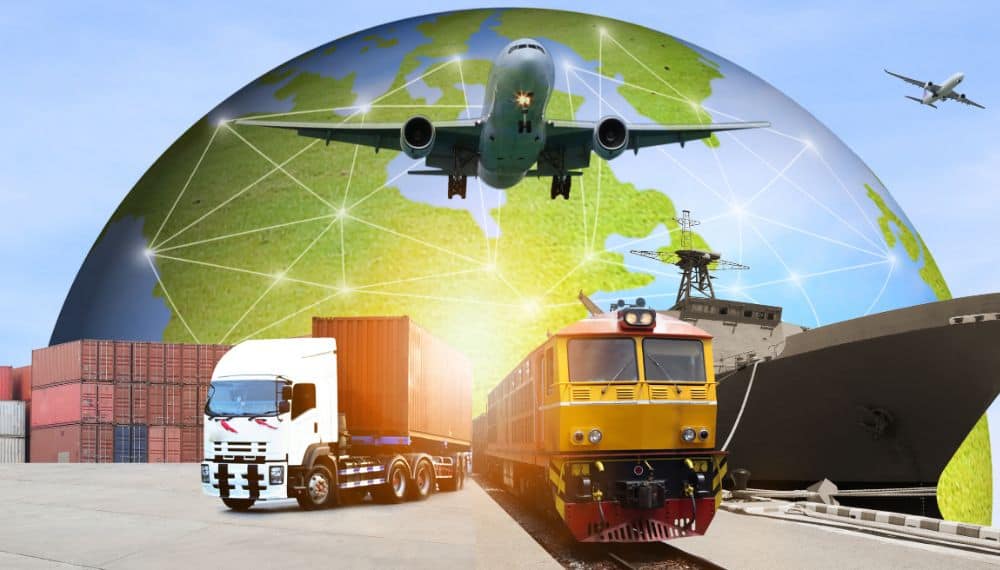
They are essential for ensuring effective delivery making sure that goods and services reach their intended market in a manner. Distribution channels come in forms such as wholesalers, retailers, agents, distributors, and e-commerce platforms. Each of these serves a purpose in the distribution process.
These channels not only handle the movement of products but also take on important tasks like marketing, promotion, and customer support. Selecting the distribution channel is a decision for businesses since it directly impacts their reach sales and overall success in a competitive marketplace.
As digitalization and e-commerce continue to rise distribution channels are evolving rapidly. This demands adaptability and innovation, from businesses to thrive in this changing market.
Types of Distribution Channels
In the world of business distribution channels play a role, in connecting producers with consumers. These channels act as pathways that ensure the efficient flow of goods and services to the desired market. It is crucial for businesses to understand the types of distribution channels in order to make decisions and optimize their reach. Let us explore these distribution channels and their unique characteristics;
Direct Distribution Channel
In a distribution channel producers or manufacturers sell their products or services directly to end consumers without involving any intermediaries. This approach allows businesses to have control over the customer experience, pricing, and branding. Direct channels are commonly found in businesses where companies sell their products through their websites or company-owned physical stores. While direct distribution provides control it can also require investments in marketing and logistics.
Indirect Distribution Channel
In contrast to channels indirect distribution involves one or more intermediaries between producers. End consumers. These intermediaries can be wholesalers, retailers, distributors, or agents who handle tasks such, as warehousing, inventory management, and marketing.
Smaller producers or businesses looking to expand their market reach often prefer using channels than managing every aspect of distribution themselves.
Wholesaler Distribution Channel
Wholesalers play a role, in the supply chain by purchasing goods in quantities from manufacturers and then selling them in smaller amounts to retailers. They act as intermediaries making the distribution process more efficient and convenient for both producers and retailers. Wholesalers are especially beneficial for products that require storage space or have demand at individual retail outlets.
Retailer Distribution Channel
Retailers are the link in the distribution chain. Directly interact with consumers. They buy goods from wholesalers or distributors. Sell them to end customers through stores, online platforms or a combination of both. Retailers add value to the distribution process by selecting assortments providing customer service and creating a shopping experience for consumers.
Distributor Distribution Channel
Distributors serve as intermediaries who purchase products in bulk from manufacturers and then sell them to retailers or end customers. They often specialize in industries or regions possessing established networks and expertise within their areas. Distributors play a role in bridging the gap, between producers and retailers particularly when manufacturers cannot reach all markets directly.
Agent Distribution Channels
Agents act as representatives, for manufacturers promoting and selling their products to retailers or customers. They receive a commission based on the sales they generate which makes it a cost-effective choice for businesses aiming to enter markets or regions. Utilizing agents is especially advantageous for companies looking to expand without establishing stores in every market.
Having an understanding of distribution channels allows businesses to make informed decisions when it comes to their distribution and marketing strategies. Whether choosing direct, indirect or a combination of channels aligning the distribution approach with business objectives and target markets is crucial, for achieving growth and success in today’s evolving commerce landscape.
Methods for Distribution Channels

- Physical Retail Stores: Traditional brick-and-mortar retail stores remain one of the most familiar methods for product distribution. These establishments allow consumers to physically interact with products before making a purchase. Retail stores cater to local communities and offer immediate access to products, creating a tangible shopping experience that can influence buying decisions.
- Online Retailing: The advent of the internet has revolutionized distribution methods, giving rise to online retailing. E-commerce platforms enable businesses to sell products to customers worldwide, transcending geographical boundaries. Online retailing provides convenience, a vast customer base, and various delivery options, making it a popular choice for both large corporations and small entrepreneurs.
- Wholesale Distribution: Wholesalers act as intermediaries between manufacturers and retailers. They purchase products in bulk from producers and distribute them in smaller quantities to retailers. This method is particularly advantageous for manufacturers as it allows them to reach a broader network of retailers without the complexities of managing numerous individual relationships.
- Distributors and Agents: Distribution channels may involve distributors or agents who represent the manufacturer and promote products to retailers or end consumers. Distributors often have established networks and expertise in specific industries or regions, while agents work on a commission basis to expand a manufacturer’s reach into new markets.
- Direct Sales: Some manufacturers choose to eliminate intermediaries altogether and engage in direct sales to consumers. This method enables companies to have complete control over the customer experience, pricing, and branding. Direct sales are commonly employed by businesses selling high-value or customized products.
- Mail Order: While less prevalent in the digital age, mail-order distribution remains relevant for certain niche markets. Customers place orders through catalogs or mail, and the products are then shipped directly to their addresses. Today, this method has evolved into online ordering and home delivery services.
- Multi-Level Marketing (MLM): MLM is a distribution method where individuals act as independent distributors, selling products directly to consumers while also recruiting and training new distributors. These recruited distributors then create their own sales networks, forming multiple levels of distribution. MLM companies often operate in sectors like health and wellness, cosmetics, and home care products.
- Dropshipping: Dropshipping is a method in which retailers do not hold inventory. Instead, they partner with suppliers who ship products directly to customers when orders are placed. This approach reduces inventory management and storage costs for retailers and allows them to offer a broader range of products without the need for a physical warehouse.
How Distribution Channels Impact Your Marketing
Distribution channels have a significant impact on marketing strategies and can greatly influence the success of a product or service in the market. The distribution channels chosen by a business can affect various aspects of marketing, including reach, customer experience, branding, and overall sales performance. Here are some ways distribution channels impact marketing:
Market Reach: The choice of distribution channels determines how far and wide a product can reach its target audience. Utilizing a combination of direct and indirect distribution channels can expand the market reach, enabling businesses to access both local and global markets. By strategically selecting distribution partners, companies can tap into new customer segments and increase their market share.
Customer Convenience: Distribution channels impact the accessibility and convenience for customers to purchase products or services. Efficient and well-managed distribution channels ensure that products are readily available to customers when and where they need them. Convenience is a significant factor in consumer decision-making, and a well-designed distribution network can enhance the overall customer experience.
Branding and Perception: Distribution channels influence how a brand is perceived by consumers. The choice of distribution partners and the channels used to sell products can reflect on the brand’s image. For example, luxury brands may opt for exclusive distribution channels to maintain an aura of prestige, while mass-market brands might focus on widespread distribution to target a broader audience. Consistency in the distribution strategy helps reinforce the brand message and positioning.
Marketing Communication: Distribution channels also impact the marketing communication strategies employed by businesses. Different channels require unique marketing approaches to reach their respective audiences effectively. For instance, digital marketing and social media are vital for reaching online consumers, while traditional advertising methods may be more relevant for products sold through physical retail stores. Tailoring marketing messages to suit each distribution channel enhances the effectiveness of promotional efforts.
Competitive Advantage: The distribution channels a business adopts can contribute to its competitive advantage. An efficient distribution network can lead to faster product availability, prompt delivery, and superior customer service, all of which can set a company apart from its competitors. Additionally, having exclusive distribution partnerships can limit competitors’ access to certain markets, providing a competitive edge.
Sales and Revenue Generation: Distribution channels directly impact sales and revenue generation for a business. A well-structured and optimized distribution network can increase sales by ensuring products are readily available to meet customer demand. On the other hand, inefficient distribution channels may result in lost sales opportunities, negatively impacting revenue.
Market Penetration and Expansion: Distribution channels play a vital role in market penetration and expansion strategies. The ability to effectively penetrate new markets and extend the product’s presence to new regions depends on the availability of appropriate distribution channels. Entering new markets may require establishing relationships with local distributors or retailers who have a better understanding of local consumer preferences and behavior.
How to Choose Distribution Channels for Your Product Or Service
Selecting the distribution channels, for your product is a decision that can have a significant impact on the success of your business. Here are some steps to guide you in choosing the distribution channels for your product;
- Understand Your Target Market: Start by understanding your target market and their preferences. Analyze their demographics, geographic locations, purchasing behaviors, and distribution preferences. This information will help you select distribution channels that align with the needs and preferences of your target audience.
- Evaluate Your Product: Examine the nature and characteristics of your product. Take into account factors such as product type, perishability, size and value. Some products may be better suited for to consumer sales while others might require a physical retail presence or specialized distribution partners.
- Research Industry Practices: Study how similar products are distributed within your industry. Look at how competitors distribute their products and the channels they utilize. This research will provide insights, into established industry practices. Help identify gaps or opportunities in the market.
- Consider Costs and Resources: Evaluate the resources and capabilities of your business. Different distribution channels come with varying costs and resource requirements. For instance, if you decide to sell through your website it will require you to invest in e-commerce infrastructure and marketing. On the hand partnering, with wholesalers may have upfront costs but could result in reduced profit margins.
- Explore Various Options: Don’t limit yourself to one distribution channel. It’s beneficial to consider a combination of channels that work well together and provide an experience for your customers. For example, you can have a store for sales collaborate with wholesalers to reach retailers, and even explore partnerships with select retailers to establish a physical presence.
- Identify Potential Collaborators: If you’re considering distribution channels it’s important to research collaborators such as wholesalers, distributors, or retailers. Look for partners who have a track record, an established customer base, and a good reputation. Building relationships with collaborators is key for successful distribution.
- Test and Evaluate: Before committing to a channel or market consider piloting your product in different channels or markets first. This gives you the opportunity to assess each channel’s performance and identify any challenges or opportunities that may arise. Keep an eye on sales numbers, customer feedback, and operational efficiency to gauge the effectiveness of each distribution method.
- Flexibility and Adaptability: Be prepared to adjust your distribution strategy over time. Market dynamics change and customer preferences evolve; therefore it’s crucial that you remain flexible and responsive to shifts, in the business environment. Make sure to review and adjust your distribution channels in order to remain competitive, in the market.
- Consider the factors: When expanding internationally it’s important to take into account the distribution channels and preferences of each target market. Different countries may have their distribution infrastructures and consumer behaviors which may require localized distribution strategies.
- Seek advice from experts: If you’re uncertain about which distribution channels are suited for your product consider reaching out, to industry experts, consultants or trade associations. They can offer insights and guidance that will help you make informed decisions.
Selecting the distribution channels involves having an understanding of your product, target market, industry landscape and available resources. By considering these factors and remaining flexible in your approach you can choose the effective distribution channels that will successfully reach your customers and drive the overall success of your product in the marketplace.
Examples of Distribution Channels
Direct-to-Consumer (D2C) Online Sales
This distribution channel involves selling products directly to customers through company-owned websites or online platforms. By bypassing intermediaries, businesses can have greater control over the customer experience, branding, and data collection.
Example Businesses

Warby Parker: An eyewear company that sells glasses and sunglasses directly to customers through its website, offering affordable and stylish frames with a try-at-home program.
Casper: A mattress company that offers high-quality mattresses and bedding products directly to consumers through its website, cutting out traditional retail markups.


Retail Store Distribution
This traditional distribution channel involves selling products through physical retail stores, allowing consumers to interact with products before making a purchase. Retail stores can range from large chain stores to small boutique shops.
Example Businesses
Nike: A global sportswear brand with a network of retail stores worldwide where customers can find their latest footwear, apparel, and accessories.
Sephora: A beauty retailer with stores in various countries, offering a wide selection of cosmetics, skincare, and fragrance products from different brands.


Wholesale Distribution
Wholesale distribution involves selling products in bulk to retailers or other businesses that then sell the products to end consumers. Wholesalers often stock a variety of products from different manufacturers and act as intermediaries in the supply chain.
Example Businesses
- Sysco: A food service distributor that supplies restaurants, hotels, and other food businesses with a wide range of food products and ingredients.
- Ingram Micro: A technology wholesaler that distributes electronics, computer hardware, and software products to retailers and resellers.
These examples demonstrate how businesses can strategically choose different distribution channels based on their products, target markets, and overall business strategies. Each distribution channel offers unique advantages and challenges, and selecting the right combination of channels can play a crucial role in a company’s success.