


How to Start an Electrical Business: A Comprehensive Guide
Posted: September 16, 2025 | Updated:
Are you considering starting an electrical business? If yes, you’ve come to the right place. This article will guide you through the process of starting an electrical business in 9 simple steps you need to take to start your electrical business successfully. We’ll cover everything from the necessary qualifications, legal requirements, and business planning to help you get your electrical business up and running.
Start an Electrical Business – 9 Steps Explained
Step 1: Obtain the Necessary Qualifications

To become an electrical contractor, you must obtain the necessary qualifications. This means you need to have a certain level of education and training before you can start your business.
The first qualification you’ll need is a high school diploma or equivalent. Some states may require you to have a degree in electrical engineering or a related field. You can also attend trade schools or vocational schools to gain the necessary training and education.
Once you have the required education and training, you can then apply for a license to work as an electrician or electrical contractor in your state. Each state has its own licensing requirements, so you’ll need to check with your state’s licensing board to find out what you need to do to get licensed.
In some states, you may need to pass an exam to obtain your license. You’ll also need to provide proof of insurance and bonding to protect yourself and your clients.
It’s important to note that the qualifications and requirements for becoming an electrical contractor may vary depending on where you live. Therefore, it’s essential to research the licensing requirements in your state thoroughly.
Step 2: Acquire Work Experience

After obtaining your qualifications, it’s crucial to gain work experience. Acquiring work experience is an essential step in starting an electrical contracting business. Having practical experience in the electrical field can provide you with valuable knowledge, skills, and contacts that can help you run a successful business.
One of the best ways to gain work experience is by working for an established electrical contracting business. This will give you the opportunity to work with experienced professionals, learn from their expertise, and gain practical experience in the electrical field.
During your work experience, you can also begin to build relationships with clients, suppliers, and other professionals in the industry. These contacts can provide you with valuable resources and connections that can help you grow your business in the future.
If you’re already working in the electrical field, you can also gain work experience by taking on additional projects or responsibilities. This can help you develop new skills and expand your knowledge of the industry.
In addition to gaining work experience, it’s also important to continue your education and training throughout your career. This can include attending workshops and seminars, keeping up-to-date with the latest industry trends and regulations, and obtaining any necessary certifications or licenses.
By acquiring work experience and continuing your education and training, you can ensure that you have the skills, knowledge, and expertise needed to start and grow a successful electrical contracting business.
Step 3: Create a Business Plan


Creating a business plan is a critical step in starting any business, including an electrical contracting business. A business plan is a written document that outlines your business goals, strategies, and financial projections.
When creating a business plan for your electrical contracting business, there are several key elements to include. These include:
- Executive summary: This is a brief overview of your business, including your mission statement, products and services, and goals.
- Company description: This section provides more detailed information about your business, including your legal structure, location, and history.
- Products and services: This section outlines the electrical services you will offer, including installation, repair, and maintenance.
- Market analysis: This section includes research on the electrical contracting industry and your target market, including customer demographics, competition, and market trends.
- Marketing and sales strategies: This section outlines your plans for promoting and selling your services, including advertising, pricing, and customer acquisition strategies.
- Financial projections: This section includes your projected income statement, balance sheet, and cash flow statement, as well as your break-even analysis and funding requirements.
- Management and organization: This section outlines your management team and organizational structure, including roles and responsibilities.
Creating a comprehensive business plan can help you identify potential challenges and opportunities, as well as develop a clear roadmap for achieving your business goals. It can also be helpful in securing funding or partnerships, as it demonstrates your professionalism and commitment to success.
By taking the time to create a well-researched and detailed business plan, you can set your electrical contracting business up for long-term success.
Step 4: Obtain Funding

Obtaining funding is an essential step in starting an electrical contracting business. Starting any business requires a significant investment of time and money, and an electrical contracting business is no exception. There are several ways to obtain funding for your business, including:
- Personal savings: One of the most common ways to fund a new business is to use personal savings. This can include savings accounts, retirement accounts, or other investments.
- Loans: There are several types of loans available for small businesses, including traditional bank loans, Small Business Administration (SBA) loans, and peer-to-peer lending. These loans can provide the necessary funding to start or grow your business but typically require a strong credit history and collateral.
- Grants: Some organizations, including government agencies and private foundations, offer grants to small businesses. These grants can provide funding without the need for repayment but often require a competitive application process.
- Partnerships: Partnering with investors or other businesses can provide funding as well as expertise and resources. However, it’s important to carefully consider the terms of any partnership agreements and ensure they align with your business goals.
When obtaining funding for your electrical contracting business, it’s important to carefully consider your financial needs and goals, as well as the potential risks and benefits of each funding option. It’s also important to have a clear understanding of your financial projections and a solid business plan to demonstrate to potential lenders or investors that your business is a viable investment.
By obtaining the necessary funding, you can ensure that your electrical contracting business has the resources it needs to get off the ground and thrive in the competitive market.
Step 5: Choose a Business Structure

Choosing the right business structure is an important step in starting an electrical contracting business. Your business structure will determine your legal and financial obligations, as well as your personal liability for the business’s debts and actions. There are several types of business structures to consider, including:
Sole proprietorship:
This is the simplest and most common form of business structure, where the business is owned and operated by a single individual. The owner is personally liable for all aspects of the business, including any debts or legal issues.
Partnership:
A partnership is a business structure where two or more individuals share ownership of the business. Each partner is responsible for the business’s debts and obligations, and profits are split among the partners based on the terms of their partnership agreement.
Limited liability company (LLC):
It is basically a hybrid business structure. It has all the important benefits of a corporation. Along with that it also has all the benefits as a partnership firm. It provides limited liability protection for the owners, while still allowing them to enjoy pass-through taxation and flexibility in management and ownership.
Corporation:
If you want liability protection, you should make a Corporation. Thus, you won’t be liable personally. However, corporations also have complex legal and tax requirements and are typically more expensive and difficult to set up and maintain.
When choosing a business structure for your electrical contracting business, it’s important to consider your personal liability, tax obligations, and management preferences. Consulting with a legal or financial professional can help you make an informed decision and ensure that you choose a structure that aligns with your goals and priorities.
By choosing the right business structure, you can ensure that your electrical contracting business operates in compliance with legal and financial requirements, while also providing the flexibility and protection you need to succeed in the industry.
Step 6: Register Your Business

Once you have chosen your business structure, the next step is to register your electrical contracting business with the appropriate authorities. This will typically involve obtaining a business license and registering with state and local agencies.
The specific requirements for registering your business will depend on your location and the type of business structure you have chosen. In general, you will need to:
- Obtain a business license: Most states and localities require businesses to obtain a license or permit to operate legally. This may involve submitting an application, paying a fee, and meeting certain requirements, such as passing a background check or obtaining a surety bond.
- Register with state agencies: Depending on your location, you may also need to register with state agencies. This may involve obtaining a tax identification number or registering for sales tax or other business taxes.
- Register with local agencies: You may also need to register with local agencies such as the city or county government. This may involve obtaining a local business license or permit and complying with zoning regulations or other local ordinances.
By registering your electrical contracting business with the appropriate authorities, you can ensure that you are operating legally and in compliance with all applicable laws and regulations. This can help you avoid legal issues and penalties, and build a strong reputation as a trustworthy and professional business in the industry.
It’s important to note that the specific registration requirements for your business will depend on your location and the type of business structure you have chosen. Consulting with a legal or financial professional can help you navigate the registration process and ensure that you meet all necessary requirements.
Step 7: Purchase Equipment and Supplies
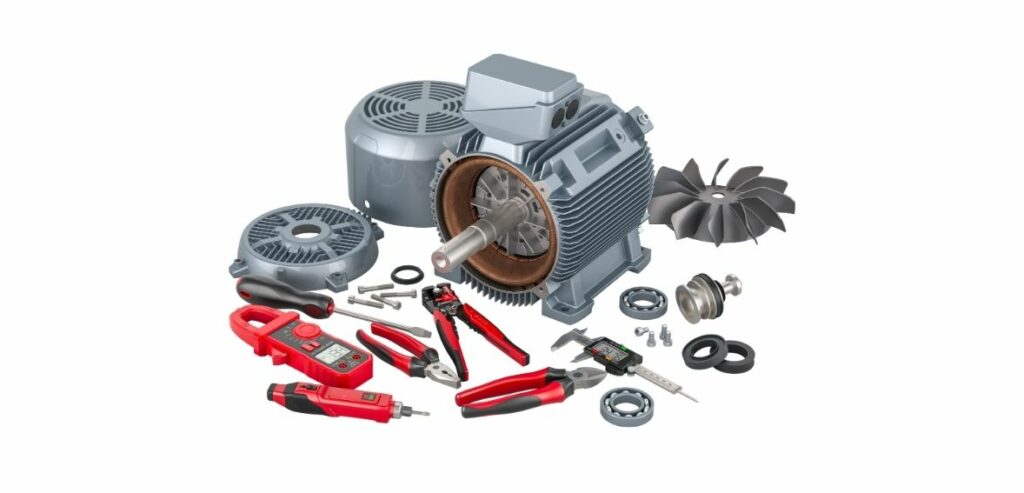
After registering your business, the next step is to purchase the necessary equipment and supplies to operate your electrical contracting business. This will typically involve investing in tools, vehicles, safety equipment, and other materials required for electrical installations and repairs.
The specific equipment and supplies you need will depend on the type of services you offer and the size of your business. However, some common items to consider purchasing include:
- Electrical tools: This includes items such as wire strippers, pliers, screwdrivers, drills, saws, and testing equipment. You will likely need a variety of specialized tools for different types of installations and repairs.
- Vehicles: Depending on the size of your business, you may need one or more vehicles to transport your equipment and supplies to job sites. This could include trucks, vans, or other vehicles equipped with storage racks or bins.
- Safety equipment: Safety should be a top priority for electrical contractors. This includes items such as safety glasses, gloves, hard hats, and safety harnesses. You may also need to invest in fall protection equipment, such as ladders or scaffolding. In today’s modern worksites, tradesmen need smart watches that are built tough for construction environments—helping monitor time, receive urgent safety alerts, and improve on-site coordination.
- Materials and supplies: Depending on the types of projects you undertake, you will need to purchase a variety of electrical materials and supplies, such as wiring, circuit breakers, fuses, outlets, switches, and conduit.
- Office equipment: In addition to tools and supplies for electrical work, you may also need to purchase office equipment such as computers, printers, and software to manage your business operations.
- Purchasing high-quality equipment and supplies is essential for delivering quality electrical services and building a strong reputation in the industry. Consider investing in reliable and durable equipment that can withstand heavy use and frequent travel to job sites.
It’s important to budget carefully for equipment and supplies, and shop around to find the best deals from reputable suppliers. You may also be able to take advantage of discounts or financing options to help manage the upfront costs of equipment and supplies.
Step 8: Hire Employees

If you plan on growing your electrical contracting business, you may need to hire employees to help you with the workload. Hiring employees can help you expand your business and take on more projects, but it also comes with added responsibilities and costs.
Here are some steps to follow when hiring employees for your electrical contracting business:
- Determine your staffing needs: Assess your current workload and projected growth to determine how many employees you need to hire. Consider the types of services you offer, the size and complexity of your projects, and the availability of qualified candidates in your area.
- Create job descriptions: Develop clear and detailed job descriptions for each position you plan to fill. This will help you attract qualified candidates and ensure that everyone understands their roles and responsibilities.
- Advertise job openings: Post job openings on job boards, social media, and other relevant platforms to attract potential candidates. You can also ask for referrals from current employees, colleagues, or industry contacts.
- Conduct interviews: Screen applicants and invite the most qualified candidates for an interview. During the interview, ask questions that will help you assess their skills, experience, and fit with your company culture.
- Check references and backgrounds: Before making a job offer, check references and conduct background checks to verify the candidate’s work history and qualifications.
- Make a job offer: Once you have identified the best candidate, make a job offer that includes details about salary, benefits, and other employment terms.
- Provide training and support: After hiring new employees, provide them with the necessary training and support to ensure that they are equipped to perform their jobs effectively and safely.
Remember that hiring employees comes with added costs, including salaries, benefits, and taxes. It’s important to budget carefully and plan ahead to ensure that you can afford to bring on new staff members. Hiring employees can also add new legal and compliance requirements, such as workers’ compensation insurance and employment taxes, so be sure to consult with a legal or financial professional to ensure that you are meeting all of your obligations.
Step 9: Market Your Business

Marketing is an essential part of any business, and electrical contracting businesses are no exception. Effective marketing can help you reach potential customers and establish your brand in the marketplace. Here are some steps to follow when marketing your electrical contracting business:
- Define your target market: Identify the specific types of customers you want to reach, such as homeowners, builders, or commercial property owners. Determine their needs, preferences, and buying habits to tailor your marketing messages and tactics to them.
- Develop a marketing plan: Create a comprehensive marketing plan that includes your goals, target market, budget, and tactics. Choose marketing channels that are most effective in reaching your target market, such as social media, email marketing, search engine optimization (SEO), pay-per-click advertising, or print advertising.
- Create a website: A professional and user-friendly website is essential for any business. Make sure your website is well-designed, easy to navigate, and optimized for search engines. Include information about your services, prices, location, and contact information. You can also add customer testimonials and case studies to showcase your work and build credibility. Additionally, create a blog page to share useful tips and how-to guides with your customers. To boost engagement, consider using a blog post headline generator for varied options and choose the one that aligns with your objectives.
- Utilize social media: Social media platforms such as Facebook, Instagram, Twitter, and LinkedIn can help you reach potential customers and engage with your existing clients. Create business profiles on these platforms and regularly share updates, photos, and promotions.
- Build relationships with customers: Word of mouth is a powerful marketing tool, and building strong relationships with your customers can help you generate referrals and repeat business. Provide excellent customer service, be responsive to their needs and concerns, and follow up with them after each project.
- Participate in industry events: Attend local trade shows, conferences, and networking events to meet potential clients and build relationships with other professionals in your industry.
- Track your results: Measure the effectiveness of your marketing efforts by tracking metrics such as website traffic, social media engagement, leads generated, and conversion rates. Use this data to refine your marketing strategy and tactics over time.
Remember that effective marketing requires consistent effort and ongoing evaluation. Be patient, persistent, and willing to adapt to changing market conditions and customer preferences. With the right approach, you can establish your electrical contracting business as a trusted and reliable provider of quality services in your local market.
Conclusion
Starting an electrical business requires careful planning, preparation, and execution. By following the nine steps outlined in this article, you can lay the foundation for a successful and profitable business in the electrical industry.
Remember to conduct thorough research, develop a detailed business plan, and establish a strong brand to help you stand out from your competitors. With dedication, hard work, and a commitment to providing exceptional service, you can build a thriving electrical business that meets the needs of your customers and supports your personal and professional goals.