



Real-Time Payments: What Are They and How Do They Work?
Posted: April 12, 2023 | Updated:
As the world of digital payments continues to evolve, real-time payments have become increasingly popular due to their speed, convenience, and security. Unlike traditional payment methods, real-time payments allow consumers, businesses, and financial institutions to transfer money instantly, regardless of the time or day of the week.
From instantly transferring money to friends and family to quickly processing payments and refunds, RTPs are revolutionizing how money is exchanged. This article will explore what real-time payments are, how they work, and their advantages, disadvantages, and much more. So, keep on reading.
What are Real-Time Payments?
Real-time payments are electronic payments that allow funds to be transferred from one bank account to another in real time, meaning the transfer happens almost instantly. Real-time payments are faster than traditional payment methods, which can take days to clear. In contrast, real-time payments typically clear within seconds.
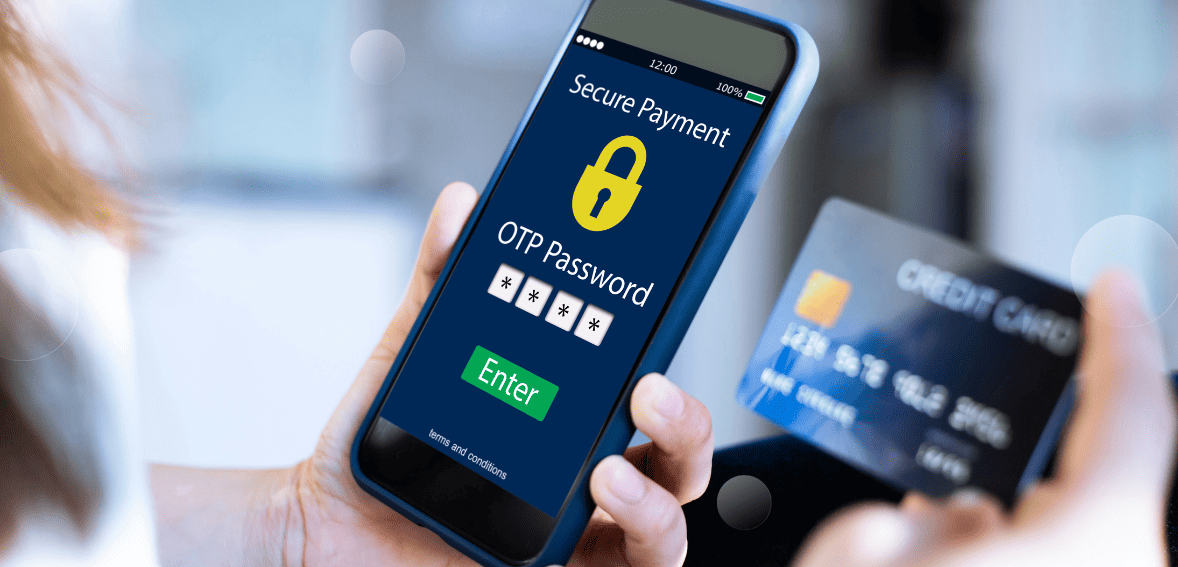
How Do Real-Time Payment Systems Operate?
Real-time payments utilize digital infrastructure to process and settle transactions nearly instantaneously. In a real-time payment, both the payment and payment data are transmitted in a single transaction, eliminating the need for communication between the payer and payee outside of the payment system.
Here is a step-by-step overview of how real-time payments work:
- Payment initiation: The payer initiates a payment through their bank or payment service provider.
- Payment processing: The payment is processed through the real-time payment network, which communicates with the payer’s and payee’s banks to verify the transaction.
- Payment settlement: Once the payment is confirmed, the funds are transferred from the sender’s account to the recipient’s account almost immediately. The payment is settled instantly, with funds transferred from the payer’s bank to the payee’s bank almost immediately.
- Payment confirmation: Both the payer and payee receive confirmation of the payment, usually through a notification on their mobile device or email.
Real-time payments can be initiated through various channels, including mobile devices, online banking, and payment apps. Real-time payment rails can process payments 24/7/365, including weekends and holidays.
Brief History of Real-Time Payments
Real-time payments are not a new concept. It can be traced back to the 1970s when Japan developed the first RTP system. Switzerland and Korea followed soon after, and Brazil, Canada, and Mexico started implementing their RTPs in the early 2000s. By 2010, the United Kingdom, China, and India had RTP rails.
In the United States, the adoption of real-time payments has been slower than in other parts of the world. However, in 2017, the Clearing House launched its real-time payments network, which enables banks to clear and settle transactions instantly. Since then, several other payment providers have entered the real-time payment market, including PayPal, Square, and Venmo.
The popularity of RTPs has continued to grow in recent years, particularly in Asia, with India, China, and Thailand having the top three highest global RTP market shares. According to FIS, as of 2019, 54 countries had activated real-time payment systems, marking a fourfold increase since 2014.
Advantages of Real-Time Payments

Real-time payments are becoming more popular due to their many advantages.
- Speed
One of the biggest advantages of real-time payments is their speed. Real-time payments can be processed and settled within seconds, significantly faster than traditional payment methods. This speed is particularly important for businesses that need to make time-sensitive payments, such as payroll or supplier payments.
- Convenience
Another advantage of real-time payments is their convenience. Real-time payments can be initiated and completed using a mobile device or computer, meaning individuals and businesses can make payments from anywhere at any time. This convenience is particularly important for businesses needing to make payments outside normal business hours.
- Secure
Real-time payments are also more secure than traditional payment methods. Real-time payments are typically processed using two-factor authentication, meaning the sender must provide two forms of identification to confirm the payment. This authentication process helps to prevent fraud and unauthorized payments.
- Reduced costs
Real-time payments can also help to reduce costs for businesses. Real-time payments typically have lower fees than traditional payment methods. This can be particularly beneficial for businesses that make many payments each month, as the savings can quickly add up.
- Edge over competitors
By offering real-time payment methods, your business can gain a competitive advantage over those that take longer to process transactions. This not only improves the user experience but can also help to retain customers.
Challenges to Real-Time Payments
Despite their many advantages, real-time payments do have some disadvantages or challenges. One of the biggest challenges of real-time payments is that they are not yet universally available. While real-time payments are becoming more popular, not all banks and financial institutions support real-time payments. This can be a significant barrier for businesses that need to make real-time payments to suppliers or employees who bank with institutions that do not support real-time payments.
Real-time payments can also be more expensive for some businesses. While real-time payments typically have lower fees than traditional payment methods, some banks and financial institutions may charge additional fees for real-time payments. This can be a significant expense for businesses that make many real-time payments each month.
Another challenge of real-time payments is that they can be more complicated to process than traditional payment methods. Real-time payments typically require more detailed information about the recipient than traditional payment methods, which can be challenging for businesses that make many payments to different recipients.
What are common use cases for real-time payments?
Here are some common use cases for real-time payments:
- Peer-to-peer (P2P) payments: Real-time payments allow individuals to send money to each other in real time, even if they have accounts at different banks.
- Bill payments: Customers can use real-time payments to pay bills such as utilities, insurance, and other recurring expenses.
- Online purchases: Real-time payments can make online purchases and checkout processes faster, eliminating the need for lengthy authentication processes or delays in payment processing.
- Point-of-sale (POS) payments: Real-time payments can also be used to pay for goods and services at physical stores using a mobile device or contactless payment methods.
- International payments: Real-time payments can send money internationally, providing a faster and more cost-effective alternative to traditional wire transfers.
- Emergency funds: Real-time payments can provide quick access to emergency funds, such as in the case of a medical emergency or unexpected expense.
- Payroll: Employers can use real-time payments to instantly distribute payroll funds to their employees, eliminating the need for paper checks or traditional direct deposit methods.
Future of Real-Time Payments
Despite these disadvantages, real-time payments will likely become increasingly popular in the coming years. The demand for faster, more convenient, and more secure payment methods continues to grow, and real-time payments are well-positioned to meet this demand.
As more banks and financial institutions adopt real-time payment systems, real-time payments are expected to grow. Real-time payments are also likely to become more affordable as more providers enter the market and competition increases.
In addition to traditional financial institutions, new players are also entering the real-time payment market. Fintech companies like PayPal, Square, and Venmo offer real-time payment services to their customers, increasing the availability and popularity of real-time payments.
Real-time payments are also being adopted by governments around the world. The European Union, for example, has launched the SEPA Instant Credit Transfer (SCT Inst) scheme, which enables instant credit transfers across 36 European countries. The United States Federal Reserve has also launched the FedNow Service, enabling instant payments between financial institutions when it becomes available in July this year.
How to keep Real-Time Payments safe?
Real-time payments can be safe and secure if certain precautions are taken by both the sender and the recipient. Here are some best practices to keep real-time payments safe:
- Use trusted payment services: Only use trusted and reputable payment services with strong security measures.
- Keep software up-to-date: Keep your device and all software updated to the latest versions to ensure any security vulnerabilities are patched.
- Use strong passwords: Always use strong and unique passwords for your payment accounts, and avoid using the same password for multiple accounts.
- Enable two-factor authentication: Enable two-factor authentication wherever possible to add an extra layer of security to your payment accounts.
- Verify recipient information: Double-check the recipient’s information before sending any payment to ensure it’s correct.
- Don’t share personal information: Never share your personal or financial information with anyone, especially over unsecured channels.
- Monitor your accounts: Monitor your payment accounts and transactions to detect any unauthorized activity.
- Report suspicious activity: If you notice any suspicious activity, immediately report it to your payment service provider and financial institution.