



Merchant Services Call
Posted: November 15, 2024 | Updated:
Merchant services are essential for businesses to process electronic payments, including credit and debit card transactions. These services include payment processing, point-of-sale (POS) systems, and payment gateways, facilitating seamless transactions between merchants and customers.
This article covers several aspects of strategies for selling these services effectively, merchant services calls, and methods for identifying and avoiding fraudulent calls.
Understanding Merchant Services Calls

Merchant services calls are usually initiated by service providers contacting businesses to discuss payment processing solutions. These calls are important as they can introduce businesses to new technologies and potential cost-saving opportunities in processing customer payments. Merchant services encompass a variety of tools and processes to facilitate electronic transactions, from credit card processing to online payments through sophisticated point-of-sale systems and online payment gateways.
When receiving these calls, business owners must distinguish between legitimate offers and potential scams. Understanding the typical features and fees associated with merchant services can help assess the offers’ credibility. Costs may typically include monthly service, transaction, and compliance fees, among others. Some fees, like application or statement fees, might be negotiable or even waivable, depending on the provider.
Choosing the right merchant services provider involves assessing their reliability, the transparency of their fee structure, customer support quality, and compliance with security standards like PCI DSS, which helps protect against data breaches. This due diligence helps ensure that the merchant services provider can meet current business needs and scale with future growth.
Legitimate Providers vs. Scam Calls in Merchant Services
Legitimate service providers contact businesses to offer their services, emphasizing benefits such as lower transaction fees, better security, and improved customer support.
Fraudsters, however, impersonate merchant service providers, often claiming that a business’s current rates have risen and pressuring them to act quickly to avoid higher fees. These calls may use urgency and scare tactics to convince businesses to disclose sensitive information or switch providers without fully researching the offer. If businesses are not cautious, this approach can lead to costly mistakes or security breaches.
Benefits of Selling Merchant Services by Phone

Selling merchant services by phone remains highly effective, even in a digital age. This method leverages traditional and modern sales techniques to effectively engage potential customers.
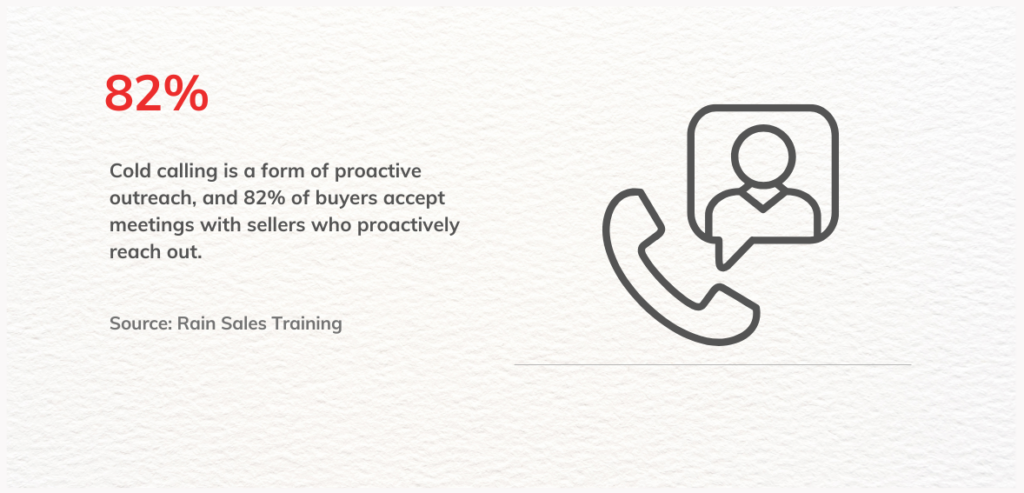
According to a 2022 report, 82% of buyers still accept meetings from cold calls. Additionally, 57% of top-level business leaders prefer sales calls, and many businesses expect phone sales to persist for at least the next 12 months.
Key reasons for the ongoing effectiveness of phone sales in the merchant services industry include:
- High Engagement: Phone conversations provide direct and immediate interaction, which helps build rapport and trust with potential clients. This direct communication is often more effective than digital methods such as emails or texts because it allows for immediate responses to questions and objections.
- Targeted Communication: Phone sales allow sellers to customize their pitch to address each potential customer’s specific needs and challenges. By starting with a personalized approach that recognizes the prospect’s business type or location, salespeople can show a deep understanding of the client’s specific business environment and needs.
- Effective Objection Handling: The direct nature of phone conversations enables salespeople to quickly respond to and address objections, which can be more difficult through email or other asynchronous communication methods. This capability often leads to higher conversion rates, as salespeople can directly address concerns about costs, complexity, or the benefits of switching providers.
- Flexibility and Adaptation: Strategies for selling merchant services by phone can be rapidly adjusted based on feedback and reactions during the call. This flexibility is crucial in a competitive market, allowing salespeople to refine their approach in real time to better align with the prospective customer’s needs.
- High Conversion Potential: Despite potential challenges, phone sales can achieve high conversion rates when managed skillfully. Persistent, knowledgeable, and empathetic salespeople can succeed by clearly presenting their value propositions and following up effectively.
What to Do if Someone Calls You Selling Merchant Services
Receiving a call from someone selling merchant services is common, especially for businesses processing a high volume of electronic payments. Sometimes, These calls offer valuable services, but due diligence is necessary to avoid scams and unwelcome commitments. Here are steps to take when someone calls you offering merchant services:
- Stay Calm and Assess the Caller’s Tone and Intent
Scammers often use urgent or aggressive tactics to push you into quick decisions. A legitimate caller, however, will be informative and patient, allowing time for you to understand the offer fully.
- Request Clear Information and Contact Details
Politely ask for the caller’s name, company, phone number, and website. A reputable provider will have no issues with transparency, while a scammer may hesitate or provide vague responses.
- Ask for Written Documentation
Request a detailed email or brochure outlining their service offerings, fees, terms, and contract duration. Documentation clarifies the offer and gives you something to review on your own time.
- Verify the Company’s Legitimacy
Check the company’s online presence by reviewing its website, reading customer reviews, and looking for any Better Business Bureau listings. Be cautious if the company has poor reviews, no online footprint, or only offers unverifiable testimonials.
- Consult Your Current Provider
If the caller claims they can beat your current rates, reach out to your existing provider to understand your options for renegotiation or verification of the rates. This comparison can ensure you’re not unknowingly entering into a costly contract.
- Review Fees and Terms Carefully
Some merchant services contracts come with hidden fees, cancellation penalties, or long-term commitments. Don’t commit to any agreement until you’ve reviewed and fully understood these aspects.
- Follow Up Later if Interested
Scammers may try to close a sale immediately, but legitimate companies are usually willing to wait for your response. Politely let the caller know you’ll reach out if you’re interested in their services.
Identifying a Legitimate Merchant Services Call

It can be challenging to differentiate between a genuine merchant services call and a potential scam, but certain signs help identify a legitimate call. Here are strategies for recognizing a reputable provider:
- Professional and Transparent Communication
Legitimate providers communicate professionally, presenting their offer clearly without relying on aggressive sales tactics. If a caller answers your questions thoroughly and provides you with complete contact information and background on their company, it’s more likely a genuine call.
- Verification of Company Credentials
A legitimate merchant services provider should have an established presence in the industry. Conduct a quick online search to verify their reputation and any affiliations or certifications. A well-regarded provider will have customer reviews, a solid web presence, and clear, consistent contact details.
- Readily Available Documentation and Contracts
A legitimate caller will willingly send written documentation upon request, including service brochures, fee schedules, and sample contracts. Scam callers tend to avoid written materials, often preferring to rely on verbal persuasion or high-pressure tactics.
Such approaches often aim to rush you into decisions without proper deliberation. Legitimate companies will provide you ample time to make an informed decision and won’t push for immediate commitment.
- Ability to Answer Technical and Specific Questions
Knowledgeable agents who can answer specific questions about processing rates, PCI compliance, or equipment compatibility are often more trustworthy. Scammers may avoid specifics or provide vague answers.
- Reasonable Fees and No Hidden Charges
Transparent pricing and upfront disclosure of all fees are hallmarks of a legitimate merchant services provider. Watch out for calls in which the representative avoids discussing fees or tries to gloss over contract terms or cancellation policies.
- Professional Online Presence
A legitimate provider usually has a professional website, industry certifications, and contact information that matches the details given while selling merchant services by phone. Visiting their website and checking the consistency of contact details can help verify their authenticity.
- Registered with Recognized Associations
Some reputable merchant service providers are members of industry groups such as the Electronic Transactions Association (ETA) or have certifications from payment card industry authorities. While this isn’t mandatory, it’s an added layer of credibility.
Pro Tip: Make sure your staff is aware of common phishing scams and teach them how to handle suspicious emails or calls. Phishing often targets unsuspecting employees to steal sensitive information. Also, make sure you/your business use advanced security technologies such as encryption and two-factor authentication to protect your business from unauthorized access and backdoor scams.
How to Sell Merchant Services by Cold Calling (With a Professional Approach)

Cold calling is a challenging but effective way to reach potential merchant service clients. To make successful calls, you need a clear understanding of the client’s needs, persuasive communication skills, and the ability to differentiate your services. Here are best practices for selling through merchant services cold call:
Setting Clear Activity and Performance-Based Goals
Setting clear activity—and performance-based goals is crucial for effectively managing your sales team and boosting performance. Use the SMART goals framework to define these objectives precisely.
For instance, you might set a goal for each rep to generate a certain number of leads per day or close a specific number of deals per month. These goals should be Specific, Measurable, Achievable, Relevant, and Time-bound (SMART) to ensure they are clear and actionable.
Researching and Targeting
Merchant services cold call doesn’t mean going in completely “cold.” Prioritize research on your prospective clients. Understand their industry, payment processing needs, and typical transaction volumes to tailor your pitch effectively. It’s also important to know the following about your target audience:
- The kind of business that purchases your service.
- The specific job titles of your prospects, such as business owner or specialized department roles.
- The size of their companies.
- Their geographical locations.
- Their main challenges and how your service addresses these issues.
Crafting a Compelling Script
Develop a concise script that outlines your services, highlights key benefits, and addresses common client pain points. Avoid being overly sales-oriented at the start; instead, focus on how your services can solve specific challenges clients may face. Identifying your unique selling proposition (USP) is essential to differentiate your platform from competitors. Consider what special value your company provides. Be it a comprehensive solution, lower/transparent pricing, more tools and features, or superior customer service.
This differentiation should be communicated to your sales reps, as it forms the cornerstone of their sales pitches. Your USP should highlight aspects of your service or product that are distinct and appealing to your target market, ensuring it resonates with potential customers and meets their needs.
Start with a Problem-Solving Mindset
Instead of blabbering and sucking your clients into the details of your offerings, begin by asking questions to uncover potential issues the business faces with their current provider–top sales performers typically speak 43% of the time and listen 57% of the time. Starting your calls with open-ended questions like “How’ve you been?” can lay a strong foundation for building rapport.
Once you’ve engaged the prospect and established some rapport, setting a clear agenda for the call is crucial. Explain the purpose of the call briefly and outline what you wish to discuss. This could involve following up on a previous interaction, such as a downloaded eBook or an online registration, and then discussing the prospect’s needs. Clearly stating the call’s purpose upfront sets a professional tone and aligns expectations.
This approach shows you’re invested in understanding and addressing their unique needs, making them more receptive to your solutions.
Emphasize Transparency and Benefits
Discuss competitive pricing, contract terms, and any added benefits that set your services apart, such as customer support or lower rates on certain types of transactions.
Talking about pricing during the first call can increase sales and also allow you to identify suitable and unsuitable clients. There is no benefit in pursuing a small business that lacks the budget to purchase your services.
Highlight Case Studies or Testimonials
Share examples of how your services have helped similar businesses improve payment processing efficiency, save on fees, or enhance customer satisfaction. Real-world success stories can be persuasive and demonstrate the value of your services.
Also, while it might not always be possible, mentioning mutual connections can be beneficial. You can identify common contacts by looking up your prospects on LinkedIn. Bringing up these connections early in the conversation can enhance your credibility and potentially increase your conversion rates by 70%.
Prepare for Common Objections
Many prospects may hesitate to switch providers due to fears of disruption or hidden fees. Have well-prepared responses ready for common objections. Address these proactively by explaining smooth transition processes, the reliability of your support, and how your services compare to competitors.
Schedule a Follow-Up
A sale rarely closes on the first call. Ask if you can follow up later, either by providing further information via email or scheduling a second call to discuss the specifics.
40% of leads receive no further attention after the initial phone call, yet converting a prospect into a customer typically requires up to 6 calls. Persistence without pressure can be key to nurturing interest in a new client.
Conclusion
Merchant services are vital for any business that processes electronic payments, making sales calls from providers a routine part of business interactions. Yet, distinguishing between genuine offers and scams is essential to avoid financial losses and ensure trustworthy providers meet your payment processing needs. When approached by someone selling merchant services, taking a cautious approach—gathering information, asking questions, and verifying their credentials—is key to protecting your business.
For sales professionals within this industry, understanding how to deliver value to potential clients through effective merchant services, cold calls, and clear communication can build lasting business relationships. Sales agents can meet client needs and build trust by demonstrating a problem-solving approach and providing customized solutions. Merchant services can offer businesses valuable enhancements to their payment processes, but buyers and sellers benefit when these transactions are approached with integrity, knowledge, and vigilance.