



Important Steps to Help Get a Merchant Account
Posted: July 29, 2022 | Updated:
While in today’s day and age cash is still very much a popular choice for payment, the rapid rise of credit and debit cards as a preferred payment method can’t be understated. Anyone setting up a business nowadays will have to get a merchant account to process credit card payments in person, and online.
Setting up a merchant account might sound intimidating, but it’s much simpler than you’d think. In this article, we’ll go over the most critical requirements and show you the steps to open a merchant account. If you follow all these steps, your chances of successfully opening up your account will go up considerably.
Important Requirements for a Merchant Account
In order to set up a merchant account, you are going to need to have the following:
- A Business License
- An Employer Identification Number (EIN)
- A Business Bank Account
- A VOIDED check or Bank letter
- A Certificate of Formation (if not a sole proprietor), Articles of Organization (for LLCs), or Articles of Incorporation (for corporations).
- A physical address
- Your Business Financial Statements (such as banking statements and tax returns)
- Supporting Business Documents (such as business plan, billing policy, and refund and exchange policies)
- Security Procedures (such as PCI standards compliance and an SSL certificate for your website)
- Previous Processing Statements (only if you already process credit cards)
Now let’s go over some of these in careful detail.
Steps to Follow Before You Look for a Merchant
There are a few things to get out of the way before you even consider getting a merchant. These are:
Obtaining a Business License and an Employer Identification Number (EIN)

The first step on the list is to get an official business license from the city or state in which your business operates. You’ll need one for more than just setting up your merchant account, as they are also important for accountability, minimizing liability, and tax purposes. In some cases, depending on your industry, you might even need more than one.
To review their requirements and obtain one, you’ll have to visit your state’s Secretary of State’s website. The requirements will differ from state to state, so make sure to review them carefully.
On top of the business license, you’ll also need an EIN, unless you are a sole proprietor with no employees. You can get one for free by applying for it on the IRS website.
Setting Up a Business Bank Account

In order for your merchant account to work, you’ll need a business bank account where the money can flow. Purchases from your customers and transaction fees from your merchant will go through this account.
In most cases, this is just a checking account specifically tailored to businesses. If you are the sole proprietor, you are allowed to use your personal bank account. However, we wouldn’t recommend mixing up your personal and business finances.
There are a lot of options to choose from, and you should take your time to compare their pros and cons, as well as their requirements for setting up an account. One of those requirements you should already have covered in step 1: The business license and EIN.
Preparing to Apply
With an overview of your business’ needs on your mind, and your business license and EIN ready, you can start looking at the different merchants and their offers. Here’s what you need to consider while doing that:
Add Terms of Service and Refund Policies
You might be asked to provide supporting business information during your application process, and one critical point is your Terms of Services and Refund Policies.
Your merchant will review your business to know that you have the proper systems in place to handle, and reduce chargebacks.
These policies protect not only you but also your clients. Setting up these policies will go a long way toward securing your merchant account approval.
Ensure Your PCI Compliance
While it’s not always mandatory, it’s important that your business is compliant with PCI standards if you are going to accept credit card payments. This will help increase your chances of getting the merchant account, as well as increase the overall security of your business. You’ll want to have security software, policies for passwords, and policies for handling sensitive information.
Gather Required Documents
You are going to have to provide some supporting documentation that shows how your business operates. How much information you’ll need to provide, and what type, will depend on factors such as your business age, size, and risk.
These could be bank statements, tax returns, your business plan and policies, and more.
Your merchant will let you know what they need from you, but if you can have some of it prepared beforehand, the process will be faster and smoother.
How to Get a Merchant Account
If you’ve gathered your documents and ensured your policies are compliant, all that’s left is applying for the account. Here’s how:
Complete the Application
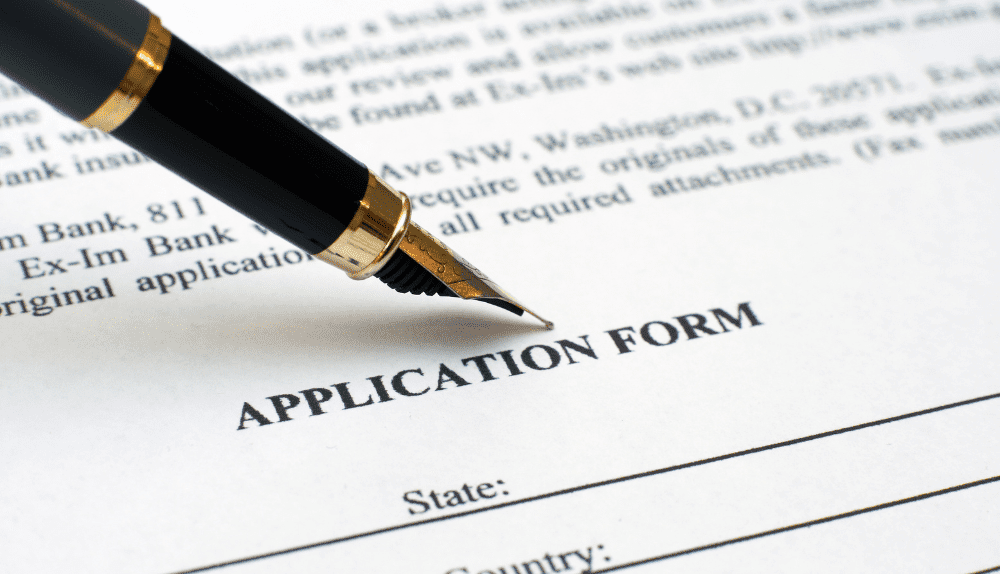
In most cases, the application process will be pretty simple and straightforward. A lot of merchants will allow you to apply online with the documents you’ve gathered. However, in some cases you’ll have to print out an application form, sign it, and scan it.
The specifics of the application process will differ depending on the merchant you chose, but all will involve submitting your supporting documentation and the license information of your business.
Prepare for the Underwriting Process
Once you submit your application, the underwriting process begins. This is the last step before your merchant account can be opened. Your potential merchant will be reviewing your transactions and might ask that you follow some procedures or make changes in order to qualify for the account.
As long as you work with them, and have followed all steps so far, you are very likely to clear this step without issues.
Wrapping Up
The way to get a merchant account beyond the absolutely necessary requirements, such as a business license and bank account, is to ensure you have proper policies in place for security compliance and refunds. This will show your potential merchant that your business is prepared to handle your partnership. If your business is in order, and you meet the requirements we’ve listed, you’ll have a merchant account in no time.