


EBT and Nutrition: Promoting Healthy Eating Habits Through Benefits
Posted: December 06, 2024 | Updated:
The Electronic Benefits Transfer (EBT) system is a vital lifeline for millions of low-income individuals and families, helping them meet their basic nutritional needs through programs like the Supplemental Nutrition Assistance Program (SNAP). Beyond simply providing financial assistance, EBT has the potential to influence dietary habits and improve public health outcomes. By facilitating access to fresh fruits, vegetables, and other nutrient-dense foods, EBT and nutrition can significantly combat food insecurity and reduce the prevalence of diet-related illnesses such as obesity, diabetes, and heart disease.
However, the impact of EBT on promoting healthy eating goes beyond purchasing power. Initiatives like incentives for buying fresh produce and educational campaigns about nutrition can enhance the effectiveness of these benefits. Understanding how EBT programs can be leveraged to support better food choices highlights their importance in addressing immediate hunger and underscores their potential to improve long-term health. This article examines the connection between EBT and nutrition, shedding light on strategies to maximize the program’s role in building healthier communities.
Understanding SNAP and Its Objectives

The Supplemental Nutrition Assistance Program (SNAP) is administered by the U.S. Department of Agriculture’s Food and Nutrition Service (FNS). It aims to assist low-income families and individuals by providing benefits to access nutritious food. This assistance is crucial for enhancing the health and well-being of recipients and aiding their economic independence.
Key Objectives of SNAP:
- Reducing Hunger: SNAP decreases hunger by giving monthly benefits to qualified households delivered through EBT cards. These cards function similarly to debit cards and can be used to buy food at approved retailers, ensuring that all participants have sufficient food to improve their food security.
- Enhancing Nutrition: The program promotes the consumption of nutritious foods. SNAP helps improve individuals’ and families’ nutritional status and overall health by facilitating access to healthier diets. Good nutrition is essential for maintaining health.
- Promoting Independence: SNAP benefits are designed to offer more help to those with lower incomes, encouraging employment and self-reliance. Certain individuals must work or engage in job training as a condition of receiving benefits, helping them secure stable employment and lessen their reliance on assistance.
SNAP is highly effective and has a wide reach, supporting millions of Americans annually. It is implemented nationwide and regularly updated to meet changing economic conditions and health challenges, including those brought on by the COVID-19 pandemic.
Advantages of Promoting Healthy Eating Habits Through the EBT SNAP Program
Promoting healthy eating habits and food preferences via an EBT SNAP program offers numerous advantages that impact a child’s life. These advantages contribute to various aspects of development and health, enhancing both short-term and long-term well-being.
- Physical Health Benefits:
SNAP healthy eating encourages significant physical development in children, including improved brain growth, more muscular immune systems, and healthy growth patterns. Diets rich in essential nutrients like iron, zinc, and vitamins, which are vital during the rapid developmental stages of early childhood, help prevent conditions like anemia and assist in maintaining a healthy weight.
- Cognitive and Academic Performance:
Proper nutrition is crucial for cognitive development and academic success. Diets high in omega-3 fatty acids, iron, and iodine can enhance cognitive functions, improving concentration, memory, and problem-solving skills. These benefits support immediate learning and influence long-term academic achievements and productivity in adulthood.
- Emotional and Psychological Health:
Developing healthy eating habits early can also positively affect a child’s emotional health and social skills. A diet rich in fruits, vegetables, and whole grains can help stabilize mood, decrease the risk of depression and anxiety, and boost self-esteem and confidence. These benefits are essential for forming better interpersonal relationships and developing effective coping mechanisms during stressful periods.
- Prevention of Chronic Conditions:
Establishing healthy eating patterns from a young age can lower the risk of chronic diseases such as diabetes, heart disease, and obesity in later life. Early nutritional habits are key in shaping dietary preferences that focus on fruits, vegetables, and whole grains while minimizing the intake of processed and sugary foods.
- Social Development:
Eating together and involving children in meal preparation and food choices enhance social skills and strengthen family ties. These activities educate children about cultural and nutritional values, promote communication, and give them a sense of belonging and stability. Additionally, engaging in food-related decisions teaches children about responsibility and can heighten their interest in healthy eating.
EBT and Nutrition: Effective Methods for Promoting Nutritious Eating via SNAP
This section outlines practical methods for encouraging better eating habits through EBT benefits, including financial incentives, educational efforts, policy modifications, and healthcare collaborations.
- Financial Incentives: Such programs encourage the purchase of nutritious food by offering financial benefits. For example, the Double Up Food Bucks program doubles the value of SNAP benefits when used to buy fresh produce, making healthier food options more affordable.
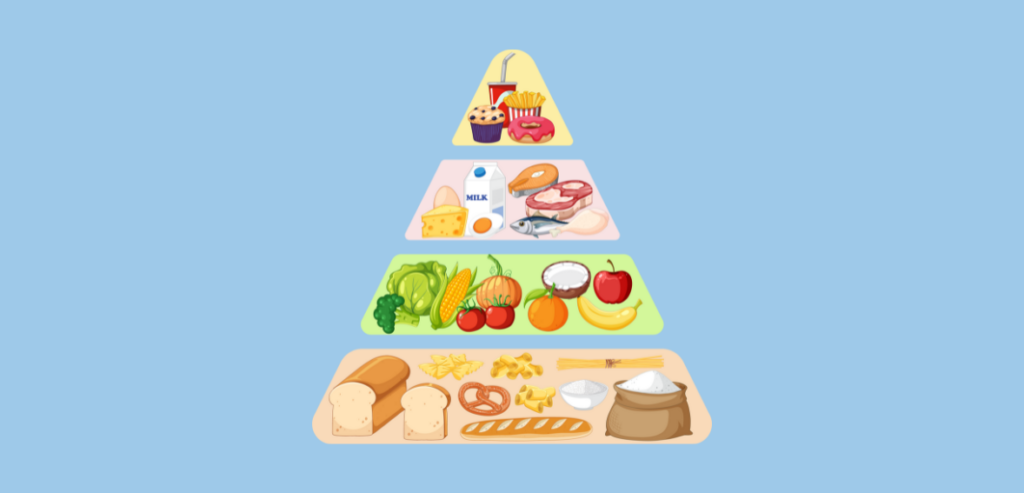
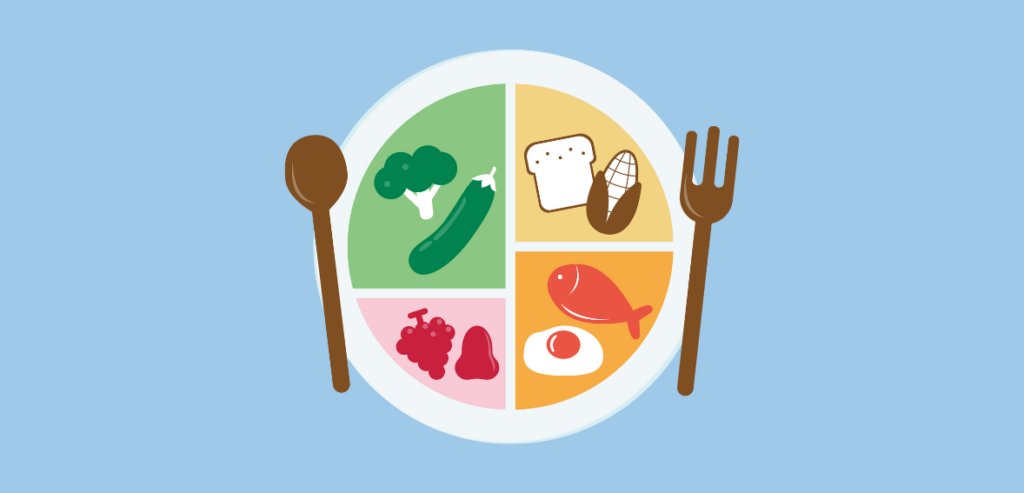
- Nutritional Education: Education programs focused on healthy eating, meal planning, and effective budget management can help participants make better food choices. Programs like SNAP-Ed provide valuable classes and materials that increase understanding and practical skills in nutrition. More than 28,000 local partners help run SNAP-Ed, a program that helps people use their SNAP benefits more effectively and teaches them how to shop for and cook healthy meals. There’s also MyPlate, a resource that complements SNAP-Ed’s nutritional education based on the Dietary Guidelines for Americans.
- Policy Changes: Establishing policies that reward healthy eating can influence consumer habits. For example, there are suggestions to limit the use of SNAP benefits when buying sugary drinks to promote healthier alternatives.
- Behavioral Incentives: Modifying the shopping environment to make healthier options more prominent and attractive can lead to better food choices. Effective strategies include displaying nutritious foods at eye level, using straightforward labels, and providing samples of healthy foods.
- Healthcare Collaboration: Partnering with healthcare providers to prescribe fruits and vegetables allows participants to obtain vouchers for these items. This tactic aligns with the “Food Is Medicine” initiative, which integrates nutritional strategies with healthcare services.
- Healthy Incentives Programs: These initiatives provide financial incentives to encourage the purchase of fruits and vegetables. For example, the Healthy Incentives Pilot (HIP) offered a 30% subsidy on produce purchases, increasing participants’ consumption.
- Community Engagement Programs: Programs such as the Farmers’ Market EBT Nutrition Program distribute vouchers to qualified individuals to purchase fresh, local produce. This not only improves access to nutritious foods but also supports local farmers.
- Collaboration with Farmers Markets: SNAP benefits are accepted at many farmers’ markets, increasing access to fresh, locally grown produce. Some markets offer matching programs, doubling the value of SNAP benefits when spent on fruits and vegetables.
Selecting the Right Options for Maximizing SNAP Benefits
SNAP helps individuals and families with low income buy nutritious food. Here are some practical ways to maximize SNAP benefits for better health:
- Start by focusing on plant-based foods. Adding a mix of fruits, vegetables, legumes, nuts, and seeds to your meals provides essential nutrients, antioxidants, and fiber that benefit your health. Beans and lentils are affordable and versatile protein sources.
- Another smart strategy is to choose whole grains. Products such as brown rice, whole-wheat bread, and oatmeal are better than refined grains because they contain more nutrients and fiber, which help with digestion and keep you feeling full longer.
- It’s also important to include lean protein options in your diet, like poultry, fish, beans, and tofu. Canned tuna in water is a budget-friendly and healthy protein option.
- Incorporating healthy fats from sources like olive oil, avocados, and nuts benefits heart health and adds flavor to food.
- Being mindful of portion sizes can prevent overeating. Using smaller plates and listening to your body’s hunger and fullness signals are practical ways to control how much you eat.
- Staying hydrated is crucial. Drinking sufficient water daily is essential for maintaining various bodily functions and overall health.
- Limit your intake of ultra-processed foods high in added sugars, unhealthy fats, and additives, which can lead to health problems.
- Lastly, check if your state offers SNAP incentive programs that provide extra benefits for buying fresh produce. For instance, Colorado’s SNAP Produce Bonus program matches dollar for dollar on eligible produce purchases up to a set limit.
Conclusion
The EBT system, mainly through programs like SNAP, addresses food insecurity and promotes healthier eating habits among low-income families. Beyond providing basic financial support for food assistance and diet, these programs can potentially improve public health by encouraging the consumption of nutrient-dense foods and supporting long-term positive dietary choices. Initiatives such as educational campaigns, financial incentives, and collaborations with healthcare providers enhance the effectiveness of EBT benefits and foster healthier communities.
SNAP’s impact extends beyond immediate hunger relief by focusing on strategies like promoting fresh produce, supporting nutritional education, and encouraging the selection of whole foods. It contributes to physical health, cognitive development, emotional well-being, and the prevention of chronic diseases. These efforts benefit individuals, strengthen communities, and reduce long-term healthcare costs. As policies and programs evolve, maximizing the potential of EBT in promoting healthy eating remains a vital goal in building a healthier, more self-sufficient society.