


Card Networks vs Credit Card Issuers: Key Differences
Posted: July 11, 2025 | Updated:
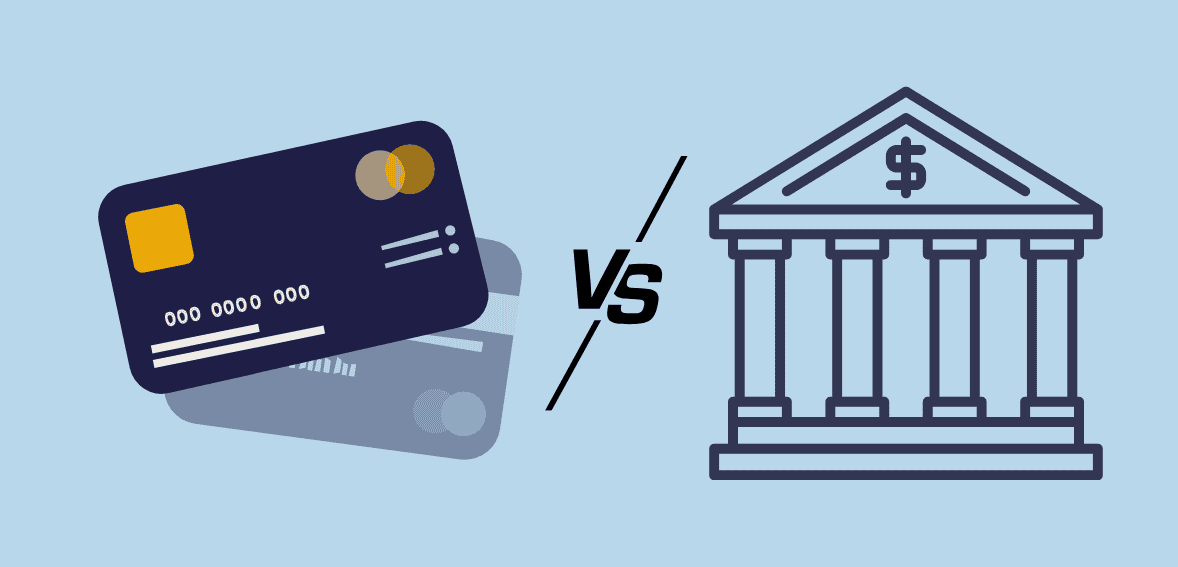
Credit cards are widely used in modern financial systems, but many people do not differentiate between credit card networks and providers. Although both are essential payment system components, they play different roles. Card networks such as Visa and Mastercard facilitate and regulate transactions, while card providers like HSBC and Citibank offer credit and decide on fees.
These differences in Card Networks vs Credit Card issuers help cardholders make informed decisions about rewards, interest charges, and whether the card is accepted. Network and issuer affect security, benefits, and the card’s worldwide applicability. Hence, this article breaks down the fundamental differences between these entities, their roles in transactions, and how they affect cardholders. Let’s dive into the details.
Understanding Card Networks

Let’s discuss card networks, what they do, how they function, and other essential things.
Definition and Role
A card network is a financial institution that connects merchants and banks to process electronic transactions. Some major credit card companies are Visa, MasterCard, American Express, and Discover. A card network is a platform that facilitates processing credit and debit card transactions between merchants and various financial institutions.
Their primary function is facilitating payments by approving, confirming, and finalizing them. When a customer swipes or taps the card, the card network ensures the transaction is safely passed from the merchant’s server to the issuing bank for authorization. If the issuer confirms that the cardholder has enough money or credit balance, the payment is processed, and funds are transferred.
Card networks also have guidelines and policies that govern merchants’ and issuers’ operations to enhance compliance with payment processing. They increase security features like EMV chip technology and other anti-fraud measures to protect cardholder data. They offer global acceptance to consumers, which means that consumers can transact using their credit cards almost anywhere in the world with minor inconvenience.
Card networks’ roles make it easier for users to select the appropriate card based on its security, global acceptance, and merchants.
Major Card Networks

The payment industry is currently controlled by four giants: Visa, Mastercard, American Express (AmEx), and Discover. Each has its model, global presence, and acceptance.
Visa & Mastercard – The Facilitators
Visa and Mastercard are actually ‘payment facilitators,’ so they do not issue credit cards or provide credit. However, they work with banks and other financial institutions that offer Visa and Mastercard credit cards. These networks are responsible for establishing transaction standards, payment security, and global card access. Visa has the most significant international reach, while Mastercard is widely accepted in over 210 countries.
American Express & Discover – The Dual Role
Unlike Visa and Mastercard, AmEx and Discover act as both issuers and networks. They issue their cards, provide credit, and directly manage cardholder accounts. This model enables them to offer special privileges like premium reward programs like AmEx’s. However, AmEx has low merchant acceptance rates because of its high transaction costs. Discover, though smaller, is gaining global reach, mainly through partnerships with international networks.
These differences help cardholders choose based on the network that best suits their spending habits, travel frequency, and the merchants they wish to transact with.
How Card Networks Work?

Credit card transactions involve several parties, including the cardholder, the merchant, the acquiring bank, the issuing bank, and the card network. Here is a step-by-step guide of the process:
Cardholder Makes a Purchase
The customer inserts or taps the credit card into a merchant’s payment terminal or inputs the card details online.
Merchant Sends Transaction Request to Acquiring Bank
The merchant’s payment processor (acquiring bank) processes this request and forwards it to the card network (Visa, Mastercard, AmEx, or Discover).
Card Network Routes Request to Issuing Bank
The card network determines the cardholder’s issuing bank (Chase, Citibank, Capital One, etc.) and forwards the transaction request for authorization.
Issuing Bank Responds with Approval or Declination of the Transaction
The issuing bank checks the cardholder’s credit limit, account validity, and possible fraud. If the check is positive, the bank authorizes the transaction, but if it is negative, the transaction is rejected.
Response Sent Back Through the Network to Merchant
The approval or decline response is sent back through the card network to the merchant’s acquiring bank, completing the transaction. The merchant finalizes the sale if approved, and funds are transferred later.
Revenue Model of Card Networks
Card networks’ primary source of income is fees charged to the various players involved in the payment chain. These fees allow them to sustain the facilities that facilitate cross-border payments. Here is the overview of the primary sources of revenue for card networks:
Interchange Fees
Merchant discount fees are charges the cardholder’s issuing bank levies for every transaction. Even though the merchant incurs this fee, it is often passed down to them by the card network. This fee covers the cost of completing the transaction and is an incentive for the issuing bank to extend credit to cardholders. These costs are generally determined by the type of card used and the risk associated with the transaction.
Assessment Fees
These are charges made by the card network to the issuing banks. They are calculated as a percentage of the total volume of transactions and go towards funding the card network’s operations, marketing, and various security measures. Companies usually incur these costs to gain the right to be part of the network.
Processing Fees
Merchants or acquiring banks charge them for using the card network to handle transactions. Such fees include data transfer, settlement, fraud detection, and compliance with industry norms.
These fees help card networks maintain their systems and continue to expand worldwide.
Understanding Credit Card Issuers
Definition and Role
A credit card issuer is an institution that provides credit cards to cardholders and is responsible for the credit card operations. These issuers offer credit cards, give credit limits, and determine how consumers may use the cards. The major credit card issuers are Chase, Citibank, American Express, and Bank of America.
Credit card companies’ primary responsibility is to extend credit to cardholders to a certain extent. They evaluate the applicant’s creditworthiness, which involves a credit check, income, credit score, and the amount of credit the applicant is eligible for. They also determine other card aspects, such as the interest rate (APR), fees, rewards, and payment structures.
Issuers are required to maintain the cardholder’s account and extend credit cards. This includes invoicing, customer relations, payment collection, incentive administration, and charges for late payments or credit limits. They also play a significant role in fraud control and dispute settlement to guarantee the safety of the cardholder’s transaction.
This knowledge of the role of credit card issuers assists cardholders in making the right decisions about the credit cards to apply for, methods of payment, and management of their credit card accounts.
Major Credit Card Issuers
The major credit card companies are Chase, Citibank, Bank of America, Capital One, and American Express. These issuers have a critical role in the credit card market and provide consumers with different products, such as reward cards, cash-back cards, and credit builder cards.
Credit card issuers can be classified as bank or non-bank issuers based on ownership. Chase, Citibank, and Bank of America are some credit card issuers, and they offer them through their banking subsidiaries, which may include other products such as savings and checking accounts.
Some issuers are non-bank, meaning they are not affiliated with any bank; some are American Express and Capital One. Although both are engaged in issuing credit cards, non-bank issuers are, in most cases, independent in their credit card products and their relationship with customers. In contrast, bank issuers are part of a larger financial services organization.
Each issuer has different products, which can be defined by the rewards program, interest rates, and customer experience, that will help the consumer make the right decision for themselves.
Functions of Credit Card Issuers

Credit card issuers perform several crucial functions for the functioning of credit card accounts. These include:
Approving or Declining Applications
Issuers assess the applications, looking at creditworthiness, credit scores, income, and debt-to-income ratios to approve them.
Setting Credit Limits and Interest Rates
Issuers set the credit limit for every cardholder based on their creditworthiness and determine the APR (Annual Percentage Rate)—the interest rate charged on balances that have not been paid in full.
Issuing Monthly Statements
Customers receive monthly statements indicating charges, payments, balances, and minimum payment amount.
Handling Payments and Customer Service
Issuers manage payments, ensuring funds are applied correctly to balances. They also handle customer inquiries, complaints, or problems with the card.
Through these functions, credit card issuers can continuously interact with the cardholders and maintain the integrity of their credit offerings.
Revenue Model of Credit Card Issuers

Credit card issuers generate revenue through several streams:
Interest Charges on Revolving Balances
When cardholders carry a balance beyond the due date, issuers charge interest on the outstanding amount, often at high APR rates.
Annual Fees and Other Charges
Some credit cards charge annual fees for premium services or rewards programs. Other charges may include foreign transaction fees, balance transfer fees, and cash advance fees.
Late Payment and Penalty Fees
Issuers impose late payment fees or penalties for missed payments, encouraging timely payments from cardholders.
Interchange Revenue Share from Card Networks
Credit card issuers also earn a share of interchange fees from merchants whenever their cards are used for transactions. The card network collects these fees and shares them with the issuing bank.
These revenue streams support credit card issuers’ profitability while offering cardholders benefits like rewards, financial flexibility, and convenience.
Key Differences: Card Networks Vs Credit Card Issuers
Card networks and credit card issuers play distinct roles in the payment ecosystem. While card networks facilitate transactions between merchants, banks, and consumers, credit card issuers provide credit lines, manage accounts, and set terms for cardholders.
Here’s a breakdown of their key differences:
1. Core Functions
- Card networks (Visa, Mastercard, American Express, Discover) act as intermediaries that process transactions between merchants and banks.
- Credit card issuers (Chase, Citibank, Bank of America, Capital One) issue cards, approve applications, set credit limits, and charge interest.
2. Business Models
- Visa and Mastercard operate as independent networks that don’t issue cards directly.
- American Express and Discover act as both issuers and networks, handling all aspects of the transaction.
- Banks like Chase or Citi partner with Visa or Mastercard to issue co-branded credit cards.
3. Role in Transactions
- Card networks route transaction data securely between merchants, acquiring banks, and issuing banks.
- Issuers decide whether to approve or decline transactions based on the cardholder’s creditworthiness.
4. Revenue Model
- Card networks earn money through interchange fees, assessment fees, and processing charges.
- Credit card issuers make money through interest charges, annual fees, late fees, and a share of interchange fees.
5. Credit Decisions and Risk Management
- Card networks do not take on credit risk—they only facilitate transactions.
- Issuers handle credit approval, limit setting, and risk management, assuming responsibility if a customer defaults.
How Card Networks and Issuers Work Together?
Card Partnerships and Co-Branded Cards
Card networks and issuers have developed many credit card products to give consumers many choices. Banks and other financial institutions offer customers credit cards, although they rely on the Visa or Mastercard networks for the acceptance of their cards. For instance, Chase Sapphire Preferred is a Chase product, but it is a Visa credit card, and Citi Double Cash is a Mastercard credit card offered by Citibank.
These affiliations allow cardholders to access the rewards programs, credit limits, and customer services offered by the card issuer, in addition to the global transaction processing and security provided by the card network. Moreover, card issuers partner with merchants to create customized cards associated with certain privileges, rates, or incentives.
Role in Fraud Prevention and Security
Card networks and issuers have also joined efforts to increase security and reduce the incidence of fraud. Visa and Mastercard use various safety measures, including real-time monitoring of transactions, EMV chip technology, and tokenization, which replaces card details with a token to enhance the safety of the card owners’ details. They assist in detecting fraudulent activities during transactions to minimize fraud.
On the other hand, credit card issuers provide chargeback and dispute services for cardholders in cases of unauthorized or disputed charges. In case of fraud, the issuers deal with the claim, which can lead to reimbursement; hence, customers are satisfied. These measures combine to give cardholders a comprehensive security system that can be relied upon while using credit cards.
Card networks and issuers work together to provide a smooth and safe payment process, allowing consumers and merchants to enjoy the benefits of safe transactions.
Conclusion
Cardholders must understand the difference between Card Networks Vs. Credit card issuers need to make the right financial decisions. Card networks (Visa, Mastercard, American Express, and Discover) regulate and authorize transactions and guarantee worldwide acceptance, while card providers (Chase, Citi, Bank of America) offer credit, establish credit conditions, and service accounts.
When selecting a credit card, one should compare the issuers’ offers (rewards, interest rates, customer service) with the network’s acceptance and security. Proper information assures the best value, security, and convenience in the transaction. This way, users can understand how each entity works and avoid being charged extra fees on their credit.