



Beyond Transactions: Leveraging Payment Data Analytics to Boost Veterinary Business Growth
Posted: December 17, 2024 | Updated:
Payment data analytics have significantly influenced multiple industries, including the veterinary sector. This technology helps veterinary clinics improve patient care, streamline operations, and enhance practice efficiency by effectively utilizing data. Veterinarians can analyze extensive data to uncover trends in animal health, assess treatment success, and evaluate practice performance. This article examines the role of data analytics in veterinary clinics and its significant effects on service delivery.
Understanding Payment Data Analytics

Payment data analytics involves systematically analyzing transaction data from payments made within a veterinary practice. This includes understanding patterns in payment methods, frequency, amounts, and customer behavior related to financial transactions.
This analysis encompasses various dimensions, often referred to as the “Four Vs”:
- Volume and Variety
Veterinary practices handle multiple payment methods, including cash, credit cards, digital wallets, and installment plans. Each transaction provides data points such as transaction time, amount, service or product purchased, and customer demographics. Analyzing this diverse data helps practices understand client preferences and tailor services accordingly.
- Velocity
The rate at which transactions occur offers financial insights into peak business hours, seasonal trends, and the impact of promotions or discounts. For instance, identifying periods with high transaction volumes can assist in staff scheduling and inventory management.
- Veracity
Ensuring data accuracy is crucial. This involves cleaning data to eliminate errors or inconsistencies, forming a reliable foundation for decision-making. Accurate data enables precise analyses, leading to effective strategies.
- Value
The primary objective is to extract meaningful insights that inform strategic decisions, enhance service offerings, and improve customer satisfaction. Understanding payment behaviors can, for example, lead to the implementation of flexible payment plans, making services more accessible to clients.
Benefits of Payment Data Analytics
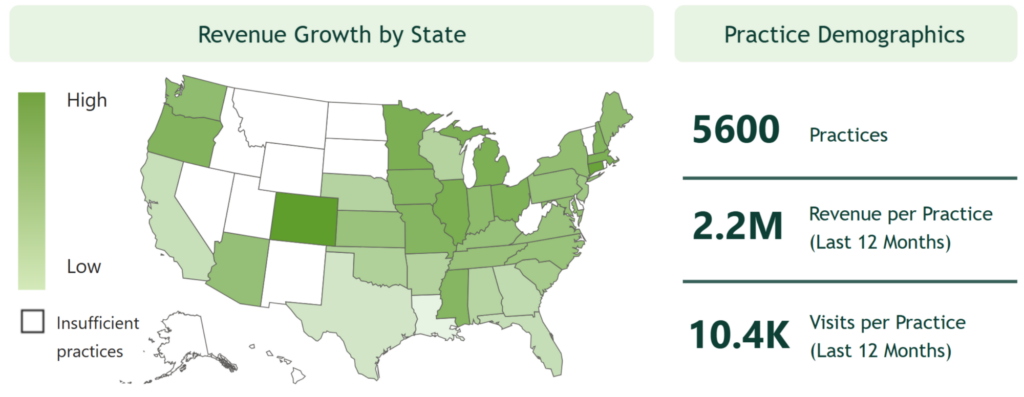
Source: Veterinary Industry Tracker
Payment data analytics offers veterinary clinics a strategic advantage by providing actionable insights that enhance operational efficiency, financial performance, and client satisfaction.
- Streamlined Operations and Accuracy: Payment data analytics significantly improve the operational efficiency of veterinary business growth by combining payment processing with practice management software. This combination reduces manual data entry errors and simplifies financial transactions, which saves time and minimizes human error. Consequently, clinics can deliver quicker and more precise services to their clients.
- Enhanced Revenue and Efficiency: Efficient payment systems boost a clinic’s revenue by shortening the time required for each transaction and reducing costly mistakes. This allows staff to allocate more time to patient care and other critical tasks, potentially improving overall business efficiency.
- Improved Client Experience: Integrated payment systems offer various payment options and faster processing times, improving the client experience by providing convenience and shortening wait times. This flexibility can boost client satisfaction and loyalty.
- Real-Time Financial Reporting and Decision Making: Payment data analytics provide real-time financial reporting, enhancing cash flow management and financial decision-making. This clarity enables clinics to monitor their financial health more closely and make well-informed business decisions.
- Stronger Security and Compliance: Advanced security features in payment data systems protect sensitive client information and ensure adherence to industry standards, protecting the clinic and its clients from data breaches.
- Optimized Inventory Management: Automated updates of inventory levels from payment data prevent stock shortages and help maintain optimal levels of necessary supplies, enhancing the clinic’s ability to provide uninterrupted care.
Strategic Applications in Veterinary Practice

1. Service Pricing Optimization
Veterinary practices can leverage payment data analysis to identify the most profitable services. For example, if dental services have high-profit margins but are underutilized, practices can employ targeted marketing campaigns or introduce tiered pricing strategies to increase their uptake.
This approach ensures pricing is competitive and aligned with market demand, potentially increasing profitability.
2. Effective Product Sales Management
Veterinary practices can optimize inventory management by analyzing trends in product purchases, such as pet food or medications. This involves keeping high-demand items readily available while avoiding excessive stock of less popular products.
Such insights help reduce storage costs and waste while promptly meeting customer needs.
3. Tailoring Payment Plans
Analysis of existing payment plans can provide insights into client preferences and financial behaviors. Veterinary practices can use this data to offer more appealing financing options, enhancing client satisfaction and retention.
Customized payment plans can also increase access to expensive treatments, thus potentially boosting revenue from higher-end services.
4. Personalized Client Follow-Ups

Utilizing payment data to track client interactions—such as their last visit or purchase—allows practices to send personalized reminders for routine procedures like vaccinations or check-ups.
This proactive approach can enhance client loyalty and ensure continuous care for their pets, improving health outcomes.
5. Understanding Client Needs
Payment data can reveal trends and patterns in service usage, helping practices tailor offerings to the specific needs of their clientele. For example, a high frequency of treatments for older pets might prompt practices to offer specialized senior care services or wellness packages.
6. Optimizing Scheduling and Staffing
Insights from payment data can highlight peak times for different services, which allows for better staff scheduling. Aligning staff availability with client demand ensures reduced wait times, enhances the client experience, and optimizes operational efficiency.
7. Reducing Financial Leaks
Identifying common scenarios for discounts or refunds can inform more effective training programs for staff or lead to policy adjustments that minimize revenue losses. This helps in maintaining pricing integrity and profitability.
8. Targeted Marketing Campaigns
Data-driven insights enable practices to focus their marketing efforts on services or products that either enjoy high margins or are underutilized but profitable. This strategic targeting can maximize marketing ROI and expand service uptake.
9. Planning Seasonal Promotions
Understanding seasonal trends in service demand can guide the timing of promotional efforts. For instance, offering discounted flea and tick prevention rates during early summer can capitalize on peak demand, boosting sales and client engagement.
10. Managing Credit and Payment Risks
Analyzing payment behaviors can aid in managing credit risks, especially for practices that offer payment plans or are considering new payment technologies. This proactive approach ensures financial stability and mitigates potential defaults.
11. Enhanced Fraud Detection
Monitoring anomalies and inconsistencies in payment data can help detect fraudulent activities early. Prompt identification and response to these threats protect the practice’s financial health and maintain client trust.
Integrating Data Analytics in Veterinary Practices

Adopting data analytics in veterinary clinics can streamline operations and enhance patient outcomes. Here are key steps to make the most of analytics:
- Upgrade Your Technology: Use practice management software with built-in or integrated analytics tools to analyze payment and operational data. These veterinary management tools help in making better financial and administrative decisions.
- Build Data Expertise: Train your team or bring in specialists who can effectively interpret and act on analytics. Developing skills in data interpretation ensures the insights are used correctly for business and clinical improvements.
- Focus on Data Security: Protect sensitive information, particularly payment data, by adhering to regulations such as GDPR or HIPAA. Strong data and payment security measures are critical to maintaining client trust and legal compliance.
- Review Data Regularly: Treat analytics as a continuous process. Frequent reviews can identify trends and evaluate the impact of strategies, allowing adjustments to keep the practice aligned with its goals.
Challenges and Considerations for Using Data Analytics in Veterinary Business

Integrating data analytics into the veterinary business promises transformative benefits, from improved client services to enhanced operational efficiency. However, its adoption is challenging. Below are key challenges and considerations businesses must address to leverage data analytics successfully.
- Data Overload
Veterinary practices generate large volumes of data, including patient records, diagnostic reports, financial information, and customer feedback. Effectively managing this information requires advanced tools and skilled personnel. Without proper systems, practices can become overwhelmed by irrelevant or redundant data, hindering their ability to derive actionable insights.
To address these challenges, it is essential to invest in user-friendly data management tools that include automation features and establish clear data governance policies prioritizing critical information.
- Privacy and Security Concerns
Veterinary practices manage sensitive information, such as client contact details, pet medical histories, and payment data. A breach or misuse of this information can erode client trust and result in legal consequences. Ensuring transparency in data handling is essential to maintaining trust and compliance.
Practices should implement strong data protection measures, such as encryption and access controls, clearly communicate data usage policies to clients, and adhere to applicable data privacy regulations, including GDPR or CCPA, based on the region of operation.
- High Costs and ROI Uncertainty
Implementing data analytics solutions often requires substantial initial software, hardware, and staff training investments. The costs can pose a considerable challenge for smaller veterinary practices, mainly when the return on investment (ROI) is not immediately evident.
Practices can begin with scalable solutions that adapt as the business grows, conduct cost-benefit analyses to prioritize tools aligned with their goals and explore government grants or industry partnerships that support technology adoption.
- Resistance to Cultural Change
Shifting to a data-driven approach often requires a change in mindset throughout the organization. Staff accustomed to traditional methods may resist such changes, perceiving data analytics as unnecessary or complicating their workflow.
Organizations should provide thorough training to help staff recognize the value of data analytics, create a collaborative environment that encourages feedback, and share internal success stories to illustrate the tangible benefits of these initiatives.
- Limited Data Literacy
The effectiveness of data analytics tools can be limited if staff lack data literacy. Decision-making may be inefficient or ineffective without the necessary skills to interpret and act on insights.
To address this challenge, organizations should invest in training programs to improve data literacy, engage data experts to bridge skills gaps during initial implementation and develop user-friendly dashboards and reports that simplify complex data into actionable insights.
- Integration Challenges
Veterinary practices rely on various software systems for appointments, billing, inventory management, and medical records. Integrating these systems into a unified analytics platform can present significant technical challenges.
Practices should select analytics tools that integrate effectively with existing systems, collaborate with vendors who provide customization and support, and regularly update and maintain integration points to ensure consistent and reliable performance.
Conclusion
Payment data analytics present a valuable opportunity for veterinary practices to improve their operations, enhance client experiences, and drive business growth. By analyzing transaction data, practices can uncover trends, optimize service offerings, streamline processes, and make data-driven decisions that lead to better financial outcomes and improved patient care.
While adopting these technologies can present challenges, such as managing data overload and ensuring privacy and security, the long-term benefits far outweigh the initial investment. As veterinary clinics continue to integrate data analytics into their practices, they can expect to see more efficient workflows, higher client satisfaction, and stronger financial performance.