Get the payment processing solution that fits your business


What is a CVV Number?
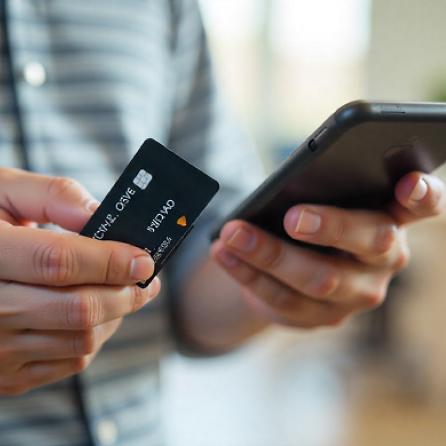
The CVV is essential for enhancing the security of your online transactions. It acts as a verification tool that online merchants use to confirm that the purchaser has the card physically present, as the CVV isn’t stored in the card’s magnetic stripe or on any transaction receipts, making it challenging for thieves to acquire. For secure online payments, always use websites with HTTPS encryption for entering your CVV and avoid sharing it via email or on insecure platforms. Additionally, keeping an eye on your bank statements and setting up alerts for unusual activities can help safeguard against fraudulent charges.
What Is a CVV?
What Is a CVV?
How Does the CVV Code Work?
How Does the CVV Code Work?
The History of CVV Security Codes
The History of CVV Security Codes
Where Is a Credit Card CVV Located?
Where Is a Credit Card CVV Located?
The History of CVV Security Codes
What are The Different Terms for Card Security Codes?
- “CVV2” – Card Verification Value 2 – Visa®
- “CVC” – Card Verification Code – MasterCard®
- “CVC2” – Card Validation Code 2 – MasterCard®
- “CVD” – Card Verification Data – Discover®
- “CID” – Card Identification Number – Discover® and American Express®
- “CVN2” – Card Validation Number 2 – China Union Pay®
- “CSC” – Card Security Code – American Express®
What’s the Difference Between a CVV and a CVV2?
What’s the Difference Between a CVV and a CVV2?
Why Is CVV2 Used Instead of CVV1?
Why Is CVV2 Used Instead of CVV1?
What Are the Security Benefits of Card Security Codes?
Per the ‘Payment Card Industry Data Security Standard (aka PCI DSS) regulations, CVV2 data must not be held in any payment system database after a transaction is complete. This is a cornerstone to why CVV security works. Because CVV information cannot be stored, if the database is comprised the card data stored within is less useful to fraudsters. This not only protects the cardholder from online hackers but also protects the cardholder from fraudulent merchants or employees.
Is a CVV the Same as the Card PIN?
The Future Of Card Security Codes – Dynamic CVV
Is a CVV the Same as the Card PIN?
Why Is CVV2 Used Instead of CVV1?
Is CVV Truly Secure?
What about American Express CVV Codes?
Can People Easily Guess CVV Numbers?
What about American Express CVV Codes?
Why Is CVV2 Used Instead of CVV1?
Can Merchants Store CVV Codes?
Merchants are prohibited from storing the CVV value in any way. The 3-digit CVV for Visa, MasterCard, and Discover, as well as the 4-digit CVV for American Express, must never be stored in any point of sale, terminal, software, or e-commerce system. Merchants must strictly adhere to the prohibition of storing the CVV value for Visa, MasterCard, Discover, and American Express cards. The 3-digit CVV for Visa, MasterCard, and Discover and the 4-digit CVV for American Express must not be retained in any system, including point-of-sale terminals, software, or e-commerce platforms.
Regarding recurring payments, merchants can use the CVV to first authorize when a credit card is added to the digital wallet. However, the CVV code is no longer required for subsequent transactions on recurring billing. Notably, the absence of the CVV for future billings will not lead to interchange downgrades or declines.
How Can I Safeguard My CVV Codes?
Taking prudent security measures can help safeguard the CVV codes from your credit and debit cards. To help keep your data secure, you should only shop online and enter your CVV with trusted retailers. If you have doubts, see if that merchant offers third-party payment acceptance, such as AmazonPay or PayPal.
- Utilize a password manager: Many password managers are available for free and help you generate and manage unique, strong passwords for different sites.
- Avoid storing personal information on retailer sites: Although convenient, saving your details on websites increases the risk of theft. It’s safer to manually enter your card information with each online purchase.
- Be cautious with email links: Be vigilant about emails that look authentic but ask you to provide your credit card details through a link. Only give such information to known and reliable banks or retailers, and verify their official contact details.
- Monitor your accounts regularly: Check your credit card statements for unauthorized transactions and review your credit report periodically. If your card goes missing or is stolen, contact the issuer immediately using the contact number provided on the back of your card or on your statement.
- Avoid sharing card photos: Do not share or store photos of your card that might be automatically uploaded to cloud services like iCloud or Google Photos, as they could be accessed during data breaches.
How Can I Safeguard My CVV Codes?

- Use a VPN on public networks: Always activate a VPN when connecting to Wi-Fi outside your home to encrypt your personal information and protect against unauthorized access.
- Install antivirus software: Equip your devices with antivirus software to defend against viruses, keystroke loggers, and other malicious tools that can compromise your personal data.
CVV in conclusion
CVV in conclusion

Frequently Asked Questions
How does the CVV improve security during online transactions?
The CVV is a three or four-digit code that ensures you have the card in hand during online or phone transactions. It’s not stored on the card’s magnetic stripe, making it harder for thieves to use stolen card numbers.
Why is the CVV not required in all transactions?
CVV codes are for online or phone transactions. In-person transactions use PINs or signatures. For recurring payments, the CVV isn’t always needed after the first transaction since the card was already verified.
What is the difference between CVV and Dynamic CVV?
A CVV is a static code on your card, while a Dynamic CVV changes regularly and appears on a small screen on the card. The changing code makes it harder for thieves to misuse the card.
How can I ensure the security of my CVV during transactions?
To keep your CVV safe, only enter it on secure sites (look for HTTPS), avoid sharing it via email, and monitor your bank statements. Use a VPN on public Wi-Fi and reliable antivirus software to protect online transactions.