

Emerging Trends In Retail, Payment Methods and Open Banking
Posted: June 23, 2021 | Updated:
Retailers are always looking for ways to make shopping more accessible and convenient for their customers. Part of this includes finding new ways to handle payments. Businesses want to be as open to their customers as possible. Helping them support whatever payment methods they wish to utilize is part of what makes everything work.
The trends surrounding the industry are among the most intriguing ones in the industry to watch. Retailers can make more money if they handle additional payment solutions, including some that are becoming increasingly common.
The Rise of Open Banking
Open banking is a practice where open APIs allow third-party developers to produce new applications around a financial system. Open banking helps people access their financial information from anywhere, helping them manage their funds and make payments.
Banking-as-a-service programs can allow people to access their funds from their bank accounts and to pay for items in moments. These apps let people pay for retail items in minutes.
Most of these banking-as-a-service systems will require firm data review standards. The work includes using secure connections and setups to prevent data from being lost.
These solutions would require two-factor authentication to protect data. Two-factor confirmation allows the user to confirm one’s identity and location. The user cannot log onto an account with a username and password, as a second factor will be necessary.
Open banking will work so long as the proper entities create unique platforms. More banks are starting up open banking platforms to help people connect with their funds. Retailers will also need to establish their own open banking accounts to help them accept funds. The flexibility of such setups and the general convenience will be necessary for ensuring everything works.
The Use of Mobile Wallets
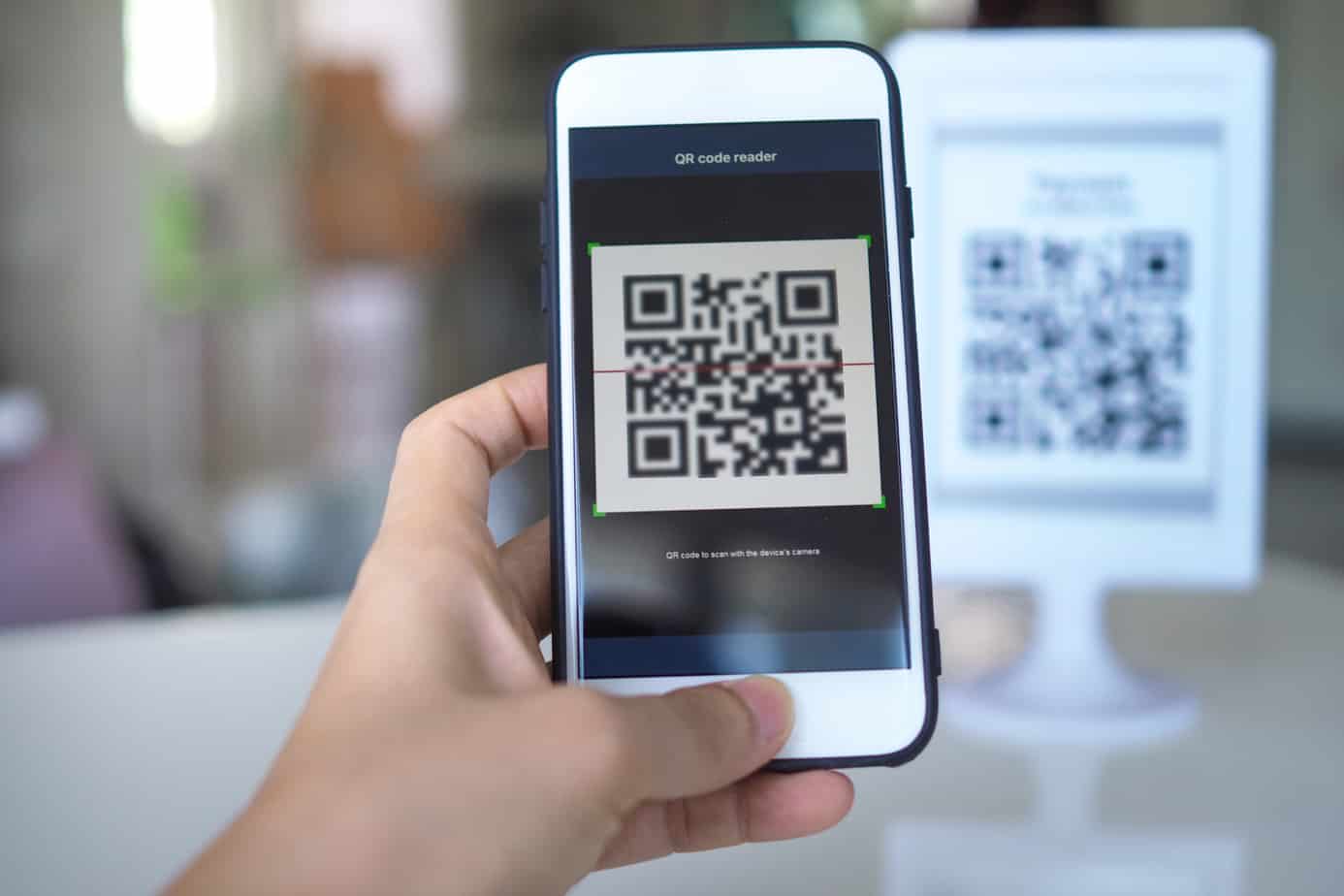
Mobile wallets will likely become more prominent when managing payments. Retailers can accept mobile wallet transactions through NFC-ready devices or QR code readers.
Mobile wallets like Google Pay or Apple Pay can be convenient for many reasons:
- Customers can link their debit cards or other banking information to a mobile wallet. Customers do not need to use their physical cards, nor do they need to visit an ATM to withdraw physical cash.
- Mobile wallets allow data to move through in moments without outside parties. It works like a person-to-person platform to send funds in moments.
- These wallets utilize QR codes to help transfer data. It is easier for mobile wallets to move data through QR codes, as the content remains encrypted and less likely to be lost or stolen.
- Mobile wallets can also support cryptocurrencies and alternative forms of currency. Customers can send their cryptocurrencies to a retailer, who will collect the fiat currency equivalent of the crypto item. Some businesses might establish their own cryptocurrencies for use in their stores if this trend continues.
Most of the advantages work for customers, but retailers will find many things to love about mobile wallets:
- Mobile wallets utilize tokenization to replace an account number with random characters. The system allows data to move through a network without revealing actual bank account details.
- Retailers won’t spend money on added transaction fees. Since the transaction goes directly between the retailer and customer, there’s no need to move funds through a network. This point eliminates the interchange fees someone might spend when accepting credit card payments.
- Retailers can also produce unique wallets for use in their business spaces. Such wallets provide a distinct branding space. Retailers can recommend certain things, or they can plan reward events that fit one’s needs.
- There’s no need to wait for a card transaction to be approved. A mobile wallet deal will be approved right away if the customer has the necessary funds for the transaction.
- People may be reminded to come to a retailer more often if that person uses a mobile wallet. The customer will find the wallet to be convenient, making that person want to shop at a certain space more often.
This payment method will be a boon for retailers and customers alike. More locations will likely start supporting this solution once they start noting everything that makes the work so advantageous and useful. It becomes easier for people to handle transactions when they have access to the right payment systems for their convenience.
Additional Biometrics
Biometrics will become a part of payment methods to watch. Biometrics is a physical review solution that makes it easier for people to confirm their details when shopping.
Biometrics can incorporate many solutions. These entail different physical parts and features, but they all produce the same result in reading data:
- Iris scanning
- Facial recognition
- Fingerprints
- Voice ID
A person would have to be physically present to manage any of these biometrics solutions, and the way they will work will vary by platform. A fingerprint scanner may work on a credit card, for example. The fingerprint must be read while the card is inside a reader for the card to work.
Biometrics may not be as prominent with some retailers, especially considering the cost to get some of these setups ready. But it may be a necessity for some places, like ones that sell high-value items. The security biometrics provides a positive solution for many uses, especially when managing the high-value or sensitive purchases that customers may make.
A Bright Future
The most significant part of these emerging trends in retail entails how various crimes may become easier to prevent. As the world becomes increasingly cashless, the risk of monetary fraud will also drop. Digital wallets and payments are also making people less reliant on traditional credit or debit cards, potentially reducing the risk of fraud.
Retailers will need to be aware of these trends and how they will change the market. The goal for these retailers should be to establish new ways of accepting and managing funds. Whether it entails accepting crypto tokens or supporting NFC or biometric-based transactions, retailers must note what they can do when collecting payments.