

Tap-to-Phone Payments: Turning Smartphones into POS Terminals
Posted: December 19, 2025 | Updated:
Smartphones have become full-fledged point-of-sale devices thanks to Tap-to-Phone (a type of SoftPOS) technology. With a simple NFC-enabled phone and payment app, even the smallest businesses can accept contactless cards and mobile wallets. In fact, industry data show Tap-to-Phone is exploding – Visa reported a roughly 200% year-over-year growth in Tap-to-Phone adoption globally.
That growth means millions of merchants of all sizes can now “easily accept digital payments” using their existing smartphones. We’ll explain how the system works, outline the easy setup steps, and highlight why it’s a game-changer for contractors, food trucks, boutiques, and other small businesses. We’ll also cover security, costs, and real-world success stories that show Tap-to-Phone levels the playing field – letting a tiny stand look as polished at checkout as a big-box retailer.
How Tap-to-Phone Works
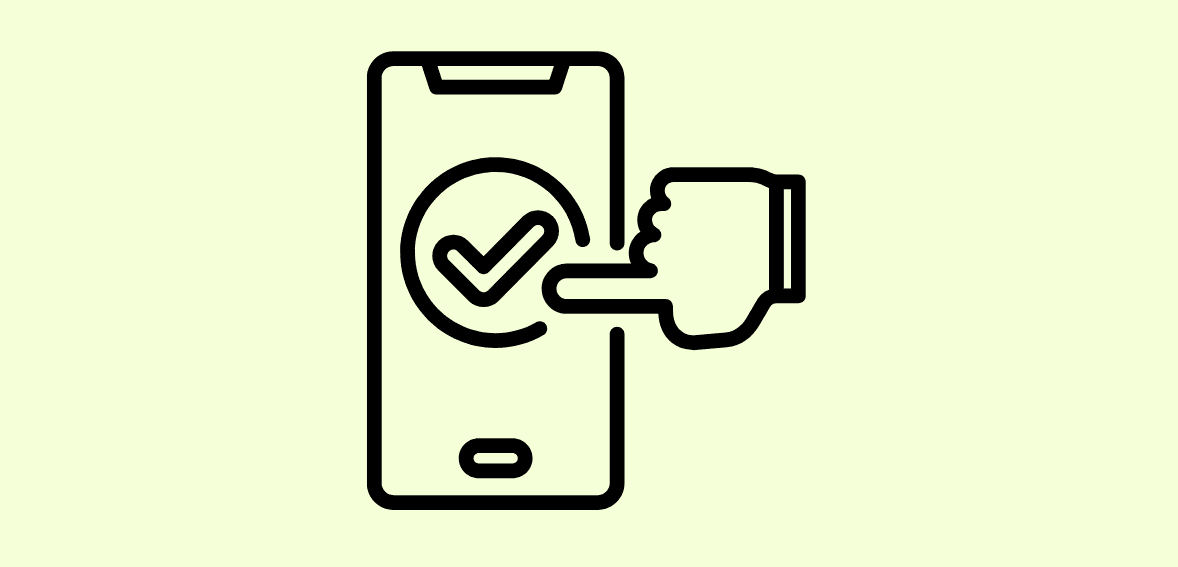
Tap-to-Phone (also called Tap on Phone or SoftPOS) uses the merchant’s phone as the NFC reader for contactless payments. A Tap-to-Phone app (provided by a payment processor or bank) handles all the card-reading and encryption. In practice, the payment flow is almost identical to using a traditional contactless terminal:
- Enter the amount: The merchant opens the Tap-to-Phone app on their NFC-capable device and types in the sale total.
- Customer taps to pay: The customer taps their contactless card, phone, or wearable (Apple Pay, Google Pay, Samsung Pay, etc.) to the merchant’s phone. The phone’s NFC antenna reads the payment token just like a card reader.
- Process and receipt: The Tap-to-Phone app securely transmits the payment data to the acquirer and issuer over the same networks used by regular terminals. Once approved, the merchant can instantly email or SMS the customer a digital receipt.
Merchants can now accept payments by simply installing an app. Tap-to-Phone lets merchants securely accept contactless payments on the NFC-enabled Android and Apple smartphones they already own.
Crucially, a Tap-to-Phone transaction is still a card-present EMV transaction under the hood. Every Tap-to-Phone charge uses the same encryption and security as a normal contactless chip card payment.
The card data is read as a one-time cryptogram (token) and sent to the issuer for validation. From the user’s perspective, the experience is just as fast and secure as waving an NFC terminal. Tap to Pay on iPhone is protected by the same technology that makes Apple Pay private and secure, and Apple cannot see transaction details.
Simple Setup: Phone and App
Getting started with Tap-to-Phone is extremely easy. The only requirements are:
- NFC-capable smartphone or tablet: Most modern Android phones have NFC built in. For Apple, any iPhone XS or later (running iOS 15.5+ or later) can serve as a Tap-to-Phone terminal. (Older iPhones and iPads typically cannot.)
- A certified Tap-to-Phone app: The merchant downloads a payment app from a trusted processor (e.g., Square, Stripe/Shopify POS, Worldpay Zelle, Bookipi, Verifone SoftPOS, etc.). Often, this app is free or low-cost, and it connects to the merchant’s payment account.
- Payment account or processor: As with any card acceptance, the merchant needs to set up their account or merchant ID with the provider. After that, no new hardware is required.
Once the app is installed, the merchant logs in and is ready to accept payments anywhere with a network connection. Even small vendors can accept payments by downloading a mobile app. Many apps even work offline briefly (caching transactions until next connectivity).
Importantly, all Tap-to-Phone solutions comply with PCI’s mobile standards. Providers typically go through PCI Mobile-POC (Payment on Consumer devices) certification. This means the app’s code and the device’s secure element have been tested to handle card data securely. Although it’s running on a consumer phone, it still meets strict payment security standards. A Tap-to-Phone app must encrypt all transaction data and may use tokenization (so raw card numbers are never exposed). Some apps further require the merchant to unlock the phone or app (with a passcode or fingerprint) before each sale, adding another layer of security.
Why Small Businesses Tap-to-Phone Payments

Tap-to-Phone is especially valuable for small and mobile businesses. Here are the key reasons:
- Zero hardware cost: Traditional contactless terminals can cost $300–$1,000 each. Tap-to-Phone replaces the merchant’s phone with their own. Tap-to-Phone requires no additional hardware beyond the app. This eliminates the capital outlay for small businesses, freelancers, home-based businesses, and side hustlers.
- Full contactless acceptance: Merchants can accept any NFC payment – credit/debit cards or mobile wallets. Tap-to-Phone makes accepting payments from your customer’s card, phone, or watch simple. This means Apple Pay, Google Pay, Samsung Wallet, and similar services are supported, so customers can pay however they prefer.
- Mobility: Your phone goes anywhere – food truck, farmer’s market, customer’s driveway, or even a delivery route. A Tap-to-Phone solution effectively turns smartphones into mobile checkout terminals. This is ideal for itinerant businesses. For instance, a plumber or mobile mechanic can accept card payments on-site using only a phone. A food truck operator can collect card tips in line as easily as receiving cash.
- Speed: NFC is swift (often 1–2 seconds). Customers don’t fumble with pins or swipe cards. Faster checkouts can boost satisfaction and sales, especially in queues or on-the-spot purchases.
- Digital receipts & integration: Unlike some legacy terminals that print paper receipts, most smartphone POS apps instantly send receipts via email or text, reducing paper use and time spent. Many apps can also integrate sales data with inventory or accounting software. A small shop can track inventory and issue invoices through the same system.
- Professional image: Displaying contactless logos and tapping a phone looks modern. Tap-to-Phone makes the checkout experience feel more sophisticated. Even without a big register, the act of tapping to pay gives customers confidence.
These advantages are especially transformational for enterprises that were previously cash-only. A taxi driver, street vendor, or home baker can now easily take card or wallet payments.
Security and Compliance
Security for Tap-to-Phone mirrors that of chip card terminals. Every tap uses encryption: the raw card data is exchanged as a single-use token (cryptogram) through the payment network. PCI Security Standards require that Tap-to-Phone apps meet strict rules (the PCI MPoC standard) to protect data. Typically, the sensitive EMV logic runs in a secure hardware element on the phone, or in a trusted cloud service tied to the certified app. Apps also commonly use tokenization so that merchants never see a full card number.
Payment networks also limit transactions. For instance, Square’s Tap-to-Pay on iPhone has limits (e.g. $50,000 per tap, $10,000 per physical card) to prevent misuse. Most Tap-to-Phone systems require the merchant to authenticate with the phone or app (via PIN or biometrics) before processing a payment, which helps protect against loss or theft.
Costs and Fees
The financial upside is enormous: no more terminal costs. Tap-to-Phone eliminates the hardware expense. Merchants use the devices they already own. This means zero upfront equipment cost for the POS. (Merchants do still need a valid payment account or gateway, but those costs are unchanged.)
Regarding processing fees, Tap-to-Phone generally applies the same rates as other in-person transactions. Providers typically charge a flat per-transaction fee (e.g., around 2-3% plus a few cents) in the U.S. These rates are comparable to, or even lower than, traditional card-present rates for small merchants. There are no surprise add-on charges specific to Tap-to-Phone; the merchant pays their usual payment-processing rate.
Ultimately, Tap-to-Phone can reduce the overall cost of accepting payments. A merchant no longer needs to lease or replace an aging terminal or printer. The only cost is the marginal processing fee on each sale. For many small businesses, the ability to accept card payments (and capture more sales) far outweighs the small percentage fee.
Leveling the Playing Field
Perhaps the most significant impact is how Tap-to-Phone democratizes commerce. No longer do only big stores or chains look polished at checkout. Now the smallest merchant can accept a customer’s tap just as smoothly. A backyard craftsman or an independent plumber can look just as modern as a department store cashier. This helps small sellers compete: they can offer the same quick in-aisle checkout as big retailers.
That means a contractor at a home improvement store or a florist at a farmers’ market can tap to pay without any bulky equipment. A boutique retailer can take both credit card and wallet payments in a single tap. Customers, in turn, are more willing to pay by phone or card rather than only in cash. The net result is more sales and growth for businesses that might otherwise have been cash-only.
Conclusion
Turning smartphones into payment terminals is no longer science fiction – it’s happening now, at lightning speed. Tap-to-Phone lets any NFC-enabled Android or iPhone accept contactless payments with just a downloaded app. The setup is straightforward, security is top-notch (on par with chip cards), and costs are minimal compared to buying a card reader. For small and mobile businesses, from food trucks and flower shops to consultants and salons, the benefits are enormous: instant card acceptance anywhere, a professional-looking checkout, and the ability to tap into more sales.
With Visa and Mastercard championing the trend, and hundreds of thousands of merchants already equipped, Tap-to-Phone is reshaping commerce at the grassroots. It truly is a tap into the future, where even the tiniest vendor has the same checkout power as any big-box store. As more consumers adopt digital wallets and prefer contactless payments, a Tap-to-Phone solution ensures a business never misses a sale. In short, the smartphone has officially become the ultimate portable cash register.