


Nonprofit Payment Processing: Donor Management and Recurring Gift Automation
Posted: September 16, 2025 | Updated:
Nonprofits rely heavily on donations, so optimizing the handling of payments is crucial to their success. Effective payment processing means more money goes to the mission and less is lost to fees or admin work. Modern nonprofits use streamlined online forms, secure gateways, and integrated software to make giving easy and reliable.
By automating tasks (like sending receipts or updating donor records) and reducing costs, organizations can focus on fundraising instead of paperwork. This article examines how charitable organizations can optimize nonprofit payment processing – from managing the year-end giving surge to automating recurring gifts and donor management.
Nonprofit Payment Processing: More Fundraising and Less Paperwork
Manage Year-End Giving Surge (30% of Annual Donations in Nov–Dec)
The end-of-year season is by far the busiest time for donations. Many charities receive roughly one-third of their yearly contributions in November and December, especially around Giving Tuesday and the end of the year on December 31st. To capitalize on this surge, nonprofits should prepare their payment systems in advance. Key steps include:
- Test and scale your donation platform: Ensure your website and payment gateway can handle heavy traffic on peak days (GivingTuesday and late December).
- Mobile-friendly giving: Ensure donation forms are optimized for smartphones, as many donors prefer to provide on the go during busy holiday periods.
- Clear appeals and deadlines: Highlight tax benefits and urgent need – for example, emphasize that donations received by Dec 31 can be tax-deductible for that year.
- Encourage recurring gifts: When donors give at year-end, offer them the chance to sign up for a monthly gift plan. This turns a single holiday gift into ongoing support.
By optimizing for the year-end rush, nonprofits can capture as much support as possible. Quick, convenient donation flows and prompt e-receipts help convert first-time holiday donors into repeat supporters throughout the year.
Recurring Donation Management Challenges and Opportunities
Monthly or recurring giving programs provide nonprofits with steady revenue, but they also bring unique challenges. On the positive side, recurring donors tend to stay involved for a longer period and give more over time than one-time donors. They create a reliable funding base and can become passionate advocates.
However, nonprofits must work to keep these donors engaged. Without regular updates and gratitude, even good-intentioned donors may quietly cancel. Common challenges include expired credit cards, waning enthusiasm, and administrative complexity in tracking recurring gifts.
At the same time, there are big opportunities in solving these problems. With the right tools, nonprofits can automate billing, remind donors to update their expired cards, and send regular updates on their impact. This boosts donor satisfaction and retention. Well-managed recurring giving multiplies revenue and deepens relationships, while neglecting it can mean losing 15–30% of pledged monthly donations to lapses and failed payments.
501(c)(3) Discounted Processing Rate Benefits
Nonprofits with official 501(c)(3) tax-exempt status often qualify for special discounts on payment processing fees. For example, many credit card processors offer reduced rates (as low as 2.2% + $0.30 per transaction) for charities, compared to the standard rate of ~2.9%. These lower fees can add up to significant savings over time.
To get these benefits, an organization typically provides proof of its tax-exempt status (like an IRS determination letter) to the payment provider. The result is that more of each donation actually reaches the cause. For donors, knowing their contributions go further can be a persuasive point.
Smart charities apply for nonprofit pricing with their merchant account or payment gateway, and often bundle with fundraising platforms that automatically recognize their 501(c)(3) status. The payoff is reduced overhead and the ability to stretch budgets further.
CRM Integration for Nonprofit Donor Management
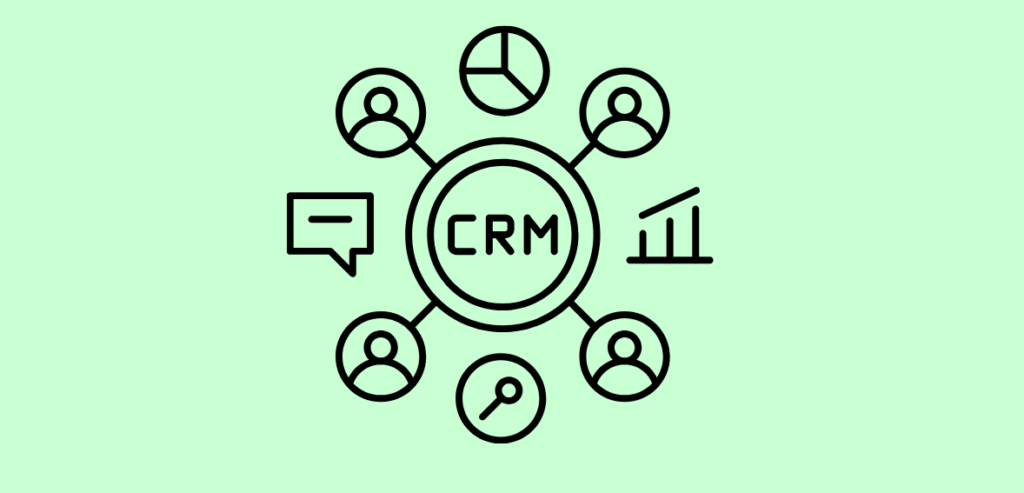
Keeping accurate donor records is vital for any charity. Integrating payment processing with a donor relationship management (CRM) system means that donations are automatically updated in each supporter’s profile. Many popular nonprofit CRMs, such as Salesforce Nonprofit Cloud, Bloomerang, and DonorPerfect, support direct connections to online giving tools and credit card processors. This integration brings several benefits:
- Real-time data syncing: Every gift (one-time or recurring) made through your website or events platform flows immediately into the CRM. New donors are created on the fly, and the giving histories of repeat donors are updated automatically without manual entry.
- Holistic donor profiles: By combining payment data with CRM records, staff gain a comprehensive view of each donor’s history – including total given, frequency, preferred programs, and more. This helps tailor future appeals and stewardship.
- Streamlined administration: Automated syncing eliminates tedious data entry and reduces errors. For example, when a donation is received, the system can trigger workflow actions, such as adding a tag for a special campaign or assigning a follow-up task to staff for top supporters.
Salesforce Nonprofit Cloud, Bloomerang, and DonorPerfect Integration
These systems each have built-in tools or third-party connectors for payment integration. For example, if a nonprofit uses Salesforce Nonprofit Cloud, it can link with payment processors to automatically record gifts.
Bloomerang and DonorPerfect similarly integrate with giving platforms, ensuring that online or card-present donations update the constituent’s record immediately. This means the finance team doesn’t have to match transactions to donor names manually – it all happens in the background.
Donor History and Giving Pattern Tracking
Once payments flow into the CRM, the data can be used to analyze giving patterns. Fundraisers can easily identify which donors are first-time givers, recurring givers, or one-time donors who have made a significant contribution. Over time, the system will track trends such as average gift size and donor lifetime value.
Armed with this insight, nonprofits can segment their outreach (for instance, by creating a special newsletter for monthly donors) and accurately predict future fundraising amounts for budgeting purposes.
Automated Donor Acknowledgment and Receipting
Acknowledging donors promptly is crucial. Integrated systems can automatically send personalized thank-you messages and donation receipts right after a gift is made. These receipts typically include all required tax information (nonprofit name, EIN, date, and amount) and demonstrate to donors the impact of their gift.
Automating this step saves staff time and ensures every donor gets a receipt. It also helps nonprofits meet legal requirements for tax-deductible donations without manual effort. In practice, once the CRM receives a donation record, it can trigger an email template to the donor, providing a seamless giving experience.
Recurring Donation Management and Optimization

Converting one-time donors into recurring donors can significantly increase overall giving. However, it also requires careful management to keep donors on board. Below are some key strategies and considerations:
Donor Acquisition vs Retention Cost Analysis
It’s generally much cheaper to retain an existing donor than to find a new one. In fundraising terms, the cost of acquiring a new supporter (through marketing, outreach, events) is often many times higher than simply maintaining a current donor relationship. For example, organizations usually find that fundraising overhead per dollar raised is far lower for repeat donors.
Therefore, investing in tools and efforts that encourage donors to continue giving (such as automated receipts, personal outreach, and loyalty programs) tends to yield better returns. Nonprofits should track both the number of new donors they gain and the number of donors who continue giving year after year, and allocate resources accordingly.
Payment Failure Recovery for Recurring Donors
Even dedicated monthly donors can drop off if their payments are not made. The most common reason is expired or changed credit cards. Without intervention, a failed payment may result in a stopped subscription and a lost donor. Modern payment platforms help in several ways: they automatically retry failed charges at strategic times, email donors when their card is about to expire, or even utilize credit card updater services provided by the card networks.
These features can recover a large portion of donations that would have been lost. Nonprofits can also encourage donors to set up ACH bank payments (which are cheaper and don’t expire like cards) or to update their payment info through an easy online portal. By proactively addressing payment issues, charities can reduce involuntary churn and maintain a steady stream of recurring gifts.
Upgrade/Downgrade Pathway Automation
Supporters appreciate flexibility. If a donor wants to increase (upgrade) their monthly gift, there should be a frictionless way to do so. Similarly, if finances get tight, they should be able to pause or decrease their commitment without hassle – far better than just canceling altogether. Nonprofits can set up self-service options that allow donors to log in and adjust their monthly amount or frequency. Some organizations invite long-time donors to increase their gift by a small amount (for example, asking a one-year donor to add an extra $ 5 per month).
Automated workflows in a CRM can also flag donors who have given for, say, six months and prompt a friendly “thank you, and would you consider increasing your support?” message. These measures make upgrades feel easy and keep donors engaged, rather than lost.
Event-Based Fundraising Payment Solutions
Special events, such as galas, auctions, and peer-to-peer campaigns, each have unique payment needs. A nonprofit’s payment strategy should adapt to these scenarios:
Gala and Auction Payment Processing
At live events, convenience and speed are critical. Nonprofits often use mobile credit card readers or tablets, allowing attendees to pay on the spot – whether they’re purchasing raffle tickets, bidding in a silent auction, or making a donation. These devices should be integrated into the same system as the central donation processing, allowing giving to be tracked centrally.
For example, a silent auction app might allow winners to pay via credit card and automatically send them receipts. Similarly, point-of-sale terminals at a gala dinner or benefit run charge fees but ensure that even one-time gifts on the night are captured accurately and securely.
Peer-to-Peer Fundraising Platform Integration
Peer-to-peer campaigns (like charity runs or personal fundraising pages) are powerful. In these cases, supporters create their own online campaign page asking friends to donate to the nonprofit. These donations must be accurately recorded in the nonprofit’s records.
Payment processors and CRMs often offer integrations with popular peer-to-peer platforms (such as GoFundMe Charity, Classy, or others) so that gifts from each personal page are recorded under the correct campaign and donor profile. This means the nonprofit can thank donors, send receipts, and include these totals in annual giving reports – no data silos.
Corporate Sponsorship Payment Coordination
Corporate sponsors typically provide larger, one-time gifts or cover the costs of events. These payments may be made by check, invoice, or direct transfer, rather than through a donor-credit card flow. Nonprofits should also have processes in place to handle these situations: flag them in the accounting system, issue invoices if necessary, and thank the sponsors with the same enthusiasm as regular donors.
Payment platforms can still assist, for example, by tracking pledged sponsorships, sending reminders for installment payments, and integrating the final payment into the donor database. Treating corporate sponsors in the payment system as special donors ensures they receive formal acknowledgments and that their contributions are applied to the intended event or program.
Compliance and Reporting for Nonprofit Payments
Accepting charitable donations entails regulatory responsibilities. Payment systems and nonprofit teams must work together to stay compliant:
State Charitable Solicitation Law Compliance
Most U.S. states require charities to register before soliciting funds. This can involve annual reporting on the amount raised and its sources. A payment processor can help by collecting donor location data (such as state or country) and exporting it.
That way, a nonprofit can easily see how much money came from residents of each state and prepare the required filings. Some donation platforms even automate the generation of state-specific reports. Staying aware of these laws (especially if raising funds online from across the country) is crucial to avoid penalties.
IRS Reporting Requirements for Donation Processing
In the U.S., nonprofits must issue donation receipts that include specific details (donor name, date, amount, and the organization’s tax ID) so the donor can claim a tax deduction. Payment systems should automatically capture these details and help generate receipts.
Additionally, nonprofits file an annual Form 990 with the IRS, which summarizes contributions received. Having clean, organized donation records (broken down by donation type, size, etc.) makes this reporting far easier. Reasonable payment and CRM integration ensure accurate totals for each fund or campaign, aiding both the 990 and internal financial tracking.
International Donation Compliance (AML/KYC)
Charities that accept funds internationally or deal with large donations must be mindful of anti-money laundering (AML) and “Know Your Customer” (KYC) regulations. This means verifying that donors are legitimate and not on any restricted party lists. Many modern payment processors incorporate basic AML/KYC checks, such as screening donor names or flagging transactions from specific countries. Nonprofits should utilize payment partners that offer these checks or integrate them into their processes. This protects the charity’s reputation and ensures it isn’t inadvertently used for illegal money transfers. At a minimum, substantial gifts or those from overseas should trigger a quick review by the finance team.
Seasonal Fundraising Optimization

Beyond the year-end period, nonprofits can optimize payments for other seasonal campaigns:
Giving Tuesday Campaign Payment Optimization
Giving Tuesday (the global day of generosity following Thanksgiving) often produces an intense spike in traffic and donations. To handle it well, nonprofits should stress-test their giving page in advance and provide multiple payment methods (credit cards, digital wallets, even text-to-donate).
Clearly labeling the campaign and goal on the donation form (e.g., “Holiday Relief Campaign”) helps donors understand where their money is going. Nonprofits can also use this day to push recurring gifts. For example, advertising a “monthly giving club” prominently so one-time givers know they have the option to stay involved year-round.
Year-End Tax Benefit Donation Processing
As the calendar closes, donors are motivated by tax deductions. Nonprofits should highlight the tax advantages of giving before Dec 31. They should also ensure that any donations made very late in the year get processed on time – for online gifts, that might mean sending a quick phone or email receipt dated for that year.
Some charities run last-minute appeals (“Deadline is midnight! Donate now for a 2025 tax deduction.”). Their payment system should accommodate a final rush, automatically queuing receipts and aggregating totals so the finance team can accurately close out the year.
Summer Slowdown Engagement Strategies
Many nonprofits experience a lull in giving during the summer months. To keep payment momentum, organizations can run light, engaging campaigns. For example, a “summer challenge” where small gifts are matched, or a focus on monthly donors (who give automatically, regardless of the season). It’s also a good time to refresh payment options – maybe promoting a new mobile giving app or setting up QR codes at summer events.
Even though overall giving may dip, maintaining easy ways to give (and keeping donors reminded of their impact) prevents a complete drop-off. Summer can be used to tidy up payment processes, migrate to newer platforms, or plan for fall fundraising – treating downtime productively so the giving flow stays steady.
Donor Experience Enhancement Through Payments
Finally, improving the giving experience itself can boost both satisfaction and revenue:
Multiple Giving Option Availability
Donors have different preferences. Some will only give by credit card online, others prefer ACH/bank transfers, while still others like digital wallets (Apple Pay, Google Pay) or even text-message giving. Offering a range of methods ensures no one clicks away in frustration. For example, adding an ACH option can attract those who dislike card fees, and accepting mobile wallet payments can appeal to tech-savvy younger donors.
Even offline gifts (like checks or cash at events) should be recorded by entering them into the same system. The more options a nonprofit provides, the easier it is for donors to say “yes” in a way that is most comfortable for them.
Corporate Matching Gift Integration
Many employers match employee donations, effectively doubling a donor’s gift. Nonprofits can leverage this by integrating a matching gift search tool on their donation page or in follow-up emails. When a donor enters their employer’s name, the system can check if a match program exists and provide instant next steps or even automatically submit the match request on the donor’s behalf.
This seamless approach makes matching gifts effortless, increasing the overall donation impact without requiring extra work from the donor. For the nonprofit, it means additional funds on the same donation – a win-win.
Legacy and Planned Giving Payment Processing
Some donors want to support nonprofits through estates, bequests, or large non-cash gifts (like stocks or real estate). While these aren’t “payments” in the conventional sense, nonprofits can facilitate them through their donation portals or finance systems. For instance, websites might provide secure forms or portals where donors can learn how to name the charity in a will, transfer stock shares, or set up a charitable gift annuity.
Payment systems can integrate with financial services that handle stock donations or process large wire transfers. By making these options clear and straightforward, nonprofits honor donors’ long-term intentions. In practice, this might involve an online application for bequests or linking with a brokerage giving platform. Handling legacy gifts professionally signals to major supporters that the organization can steward significant donations responsibly.
Conclusion
Effective nonprofit payment processing is about much more than swiping credit cards. It involves strategic planning for peak giving periods, automating and securing recurring donations, integrating with CRM systems, and ensuring legal compliance.
By expanding payment options and enhancing donor interactions (through easy matching gifts, prompt receipts, and flexible giving options), charities can increase donations and foster deeper donor loyalty. The tools and techniques outlined above help nonprofits transform payments into a smooth, donor-friendly process that supports their mission year-round.
Frequently Asked Questions
-
Why is optimized payment processing important for nonprofits?
Efficient payment processing reduces fees and administrative work, allowing more funds to go directly to the mission. It also improves donor experience with secure, easy-to-use giving options.
-
How can nonprofits handle the year-end donation surge?
They should stress-test donation platforms, ensure mobile-friendly forms, highlight tax benefits, and encourage recurring gift sign-ups during peak giving days, such as Giving Tuesday.
-
What challenges come with managing recurring donations?
Recurring gifts provide a steady income but require careful upkeep—issues such as expired cards or donor fatigue can cause cancellations. Automation and proactive communication help improve retention.
-
How does CRM integration benefit donor management?
CRM integration automatically syncs donation data, builds comprehensive donor profiles, and streamlines administrative tasks. This enables personalized outreach and more effective fundraising strategies.
-
Can nonprofits save money on payment processing fees?
Yes. 501(c)(3) organizations often qualify for discounted nonprofit rates, which lower transaction costs and ensure more of each donation supports the cause.