



What Is a Bank Identification Code (BIC Code)?
Posted: July 22, 2024 | Updated:
In today’s fast-paced global economy, where international transactions are common, it’s crucial to have the right tools for managing finances across borders. The bank’s international code, also known as the bank identification code (BIC), is a vital resource for this purpose. These alphanumeric code identifiers play a crucial role in the global financial system by enabling quick and secure cross-border transactions.
The Bank Identifier Code (BIC) is indispensable for international transactions, as it identifies the financial institutions involved.
This article will explore BIC’s exact nature, including its format and location. The sections that follow will provide detailed information.
What Exactly Is a Bank Identification Code?
BIC is an acronym for “Bank Identifier Code.” This eight to eleven-digit code helps identify financial institutions globally and is crucial for processing international payments. It includes a four-digit bank code, a two-digit country code, and an optional two-digit location code. Bank identification code codes are primarily used in international wire transfers, SEPA (Single Euro Payments Area) payments, and electronic funds transfers (EFTs) to accurately identify the banks involved and ensure the proper routing of funds.
BICs are recognized worldwide, ensuring reliability and consistency in bank transactions, whether they’re within a single country or between international partners. Often, the BIC is identical to the SWIFT code.
The BIC comprehensively identifies a recipient’s bank account using other banking identifiers like the IBAN (International Bank Account Number) and national sort codes or transit numbers. This assists in executing transactions more quickly and with fewer errors, which helps avoid delays and confusion. The bank identification code is essential for efficient international banking operations.
Why Do You Need a BIC Code?
A bank identification code is crucial for international money transfers through the SWIFT network. When you intend to send money across borders, your bank needs the recipient’s bank details, including the correct BIC code. This code enables your bank to accurately identify and communicate with the recipient’s bank, ensuring the funds are securely deposited into the correct account.
If you expect to receive international funds, you must provide your BIC or SWIFT code. This code serves as a receiver identifier, helping to ensure that incoming funds are correctly deposited into your account. It’s important to note that the recipient bank’s BIC is not necessary for SEPA transactions.
Example of Bank Identification Code
A bank identification code, as mentioned, is used to identify a bank’s location and comprises 8-11 characters. The first four letters, the bank code, typically represent a shortened form of the bank’s name. Following this are two letters for the country code, indicating the country where the bank is located. The location code follows, consisting of two characters, either letters or numbers, that specify the bank’s main office. Finally, a three-character branch code is used to identify a specific branch, with ‘XXX’ commonly representing the main office.
Here’s an example of a BIC code:
CITIUS33XXX
- CITI – The bank code (CitiBank)
- US – The country code (United States)
- 33 – The location code
- XXX – The optional branch code (in this case, ‘XXX’ denotes the bank’s head office)
This particular code would be used to identify the main branch of CitiBank in the United States.
Where Can You Find the Bank Identification Code Code?
To receive a payment from abroad, you need your BIC number. You can locate this number on your bank statements or by accessing your online banking account. If it isn’t there, contacting your local bank branch can also provide you with this information.
Depending on your preferred method of obtaining the information, you can access a bank’s BIC code using different methods.
- Bank Statements: Your bank’s identification code can typically be found on any official bank statement, often in sections that detail your account or transactions.
- Online Banking: When using your online banking platform, the BIC code is usually located in the account details section or within the settings, specifically under account information.
- Bank’s Website: The BIC code is often available on your bank’s official website, particularly on pages that deal with international transactions, wire transfers, or contact details. Some banks also have a specific page listing BIC codes for their branches.
- Online Directories: Many online directories provide BIC codes for banks globally, which can be useful if you are looking for bank routing information from outside your country.
When making an international payment, it is important to have the recipient’s BIC number. Tools are available online to search for specific branches’ BIC codes or verify BIC numbers for security purposes.
Confirming the BIC code with the payment recipient is essential to ensure its accuracy before proceeding. Using an incorrect BIC code could lead to the payment being returned, delayed, or mistakenly sent to an incorrect account.
Are There Any Fees for Using BIC Numbers?
Yes, most banks or financial institutions charge a fee to process international payments using a BIC number. The fee amount can differ based on your bank, any intermediary banks involved, and the recipient’s bank.
For international payments, banks use a network of correspondent banks collaborating to move funds across various regions until they reach the intended recipient.
The procedure is simple for customers. Once you have verified the recipient’s bank identification code number, you can initiate the payment by visiting your local bank branch or using your online banking account to carry out the transaction.
Understanding the Difference Between BIC and SWIFT?
A BIC code is identical to a SWIFT code; however, different banks and financial institutions might refer to it under these other terms, which can confuse customers.
When making an international payment, the terminology used to refer to these codes can vary depending on the country. For instance, a bank in one country may call it a SWIFT code, while the recipient’s bank in another country may refer to it as a BIC code.
During international bank transfers, you might encounter several terms such as SWIFT code, BIC/SWIFT code, SWIFT/BIC code, and SWIFT identifier. This variety in naming reflects the code’s widespread use and recognition across global financial systems.
How BIC Is Different from IBAN
An International Bank Account Number (IBAN) is essential for identifying bank accounts across various nations, especially for conducting international money transfers. Most European Union countries, such as Switzerland and Norway, utilize the IBAN. Developed to standardize bank account identification across Europe, the IBAN is now an internationally recognized code that distinctly pinpoints each account within its system. It usually starts with a minimum of 15 characters, blending local bank account numbers with additional data such as country codes and check digits. Without an IBAN, international transfers are not possible.
The primary distinction between a SWIFT code (or BIC) and an IBAN is that a SWIFT code identifies the financial institution and does not contain specific account or customer details. Conversely, an IBAN provides comprehensive information about the account and its owner.
Accurately providing both the BIC and the IBAN is crucial for successful international or cross-border money transfers.
Does Your Business Need a BIC Code?
You’ll need to use a BIC code to deal with international payments through your business account. This doesn’t imply that your business requires a unique code. Instead, each international transaction requires the BIC code of the financial institution handling the sending or receiving of funds.
This ensures that the transfer is securely directed to its intended destination. Your bank or financial institution will provide you with its SWIFT/BIC code to use when receiving payments.
How Do You Confirm a BIC Code? And Why Is It Important to Verify It?
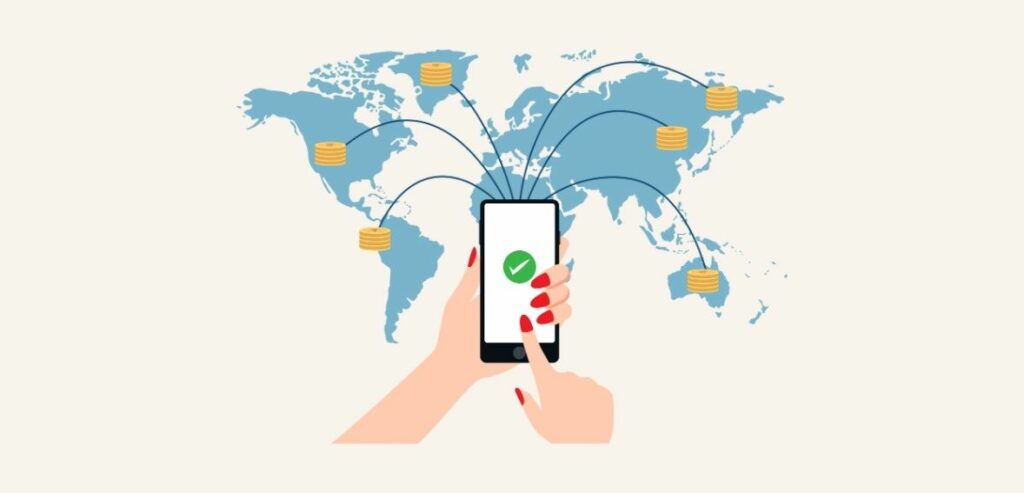
Before proceeding with any financial transfer, it is crucial to verify the BIC/SWIFT code and other banking details with your bank or the intended recipient. This step ensures the transfer is processed correctly.
Entering an incorrect SWIFT code can lead to complications. Typically, if a transaction is initiated with a non-existent SWIFT code, the bank will reverse the transfer and refund your money, but this will often incur a fee and could take some time to resolve.
Contact your bank immediately if you realize you’ve used the incorrect SWIFT code for an international transfer. They may be able to halt the transaction, saving you from potential fees and delays.
To prevent errors when entering a SWIFT code, consider the following tips:
- Use the Correct Format: Follow the format exactly as the recipient provides. Ensure you enter the bank code before the country code and that there are no spaces between the characters in the code. These measures help avoid errors that could delay or misdirect your funds.
- Avoid Typographical Errors: It’s surprisingly easy to make errors when typing a SWIFT code, which can be lengthy and complex. Where possible, copy and paste the code directly.
Conclusion
The Bank Identifier Code (BIC) facilitates secure and efficient international financial transactions. This alphanumeric code helps identify financial institutions globally, ensuring accurate routing of funds and reducing errors. Understanding the format of a BIC, which includes the bank, country, and location codes, is essential for anyone engaged in international banking.
Knowing where to find your BIC, whether through bank statements, online banking platforms, or official bank websites, can simplify sending or receiving international payments. Accurate BIC usage enhances transaction reliability and minimizes delays, underscoring its importance in the global financial system. As international transactions become more prevalent, familiarity with BIC codes is indispensable for both individuals and businesses.