



How To Keep Customers Engaged With Rewards And Feedback
Posted: December 30, 2023 | Updated:
In today’s consumer-first world, customers wield more influence than ever. They’ve become savvy with advertising tactics and prefer brands that deliver a seamless experience across every interaction. This heightened consumer awareness underscores the critical importance of effective customer engagement. Businesses must now prioritize the development of robust customer engagement strategies to nurture brand growth and loyalty. After all, customers are the lifeblood of any business, contributing 23% to the increase in revenue, deserving constant attention and value.
Rather than flooding them with sales pitches, you should give them time and use the latest techniques to connect with customers naturally. The most successful brands, spanning various industries, share a common thread—effective customer engagement. Recognizing the significance of interacting with customers, these brands focus on meaningful engagement and sharing valuable trust.
Customer engagement not only enhances your marketing and service efforts but also contributes significantly to business traction. By establishing a genuine connection with customers, your business gains momentum. Your brand remains at the forefront of customers’ minds, leading to referrals within their social circles. This comprehensive article discusses the strategies to keep customers engaged with rewards and feedback, covering everything from its importance to the best tips for success.
Understanding Customer Engagement
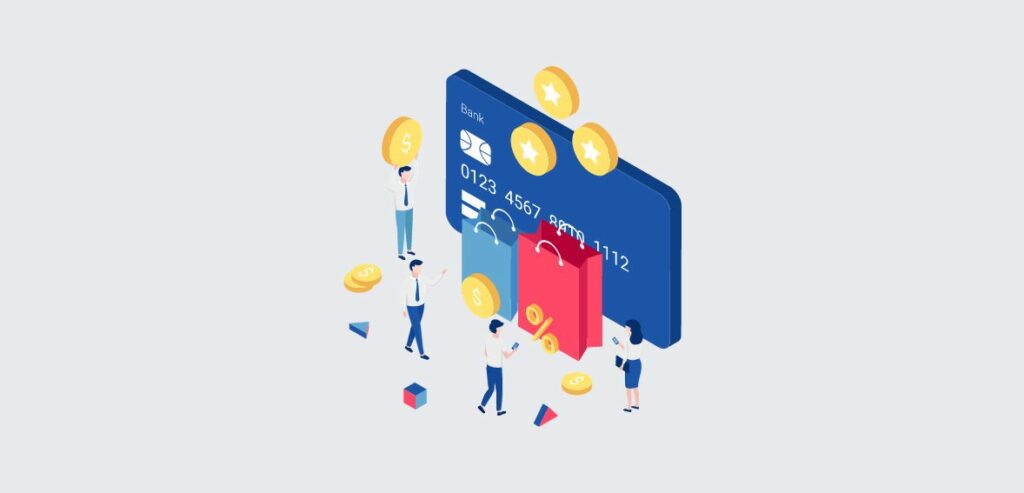
Customer engagement involves the continuous nurturing of a relationship between a company and its customers/consumers, extending well beyond mere transactions. It’s a calculated and consistent approach taken by a company to deliver value in every customer interaction, ultimately building loyalty.
While customer engagement is related to customer experience and satisfaction, it’s essential to recognize where the line is drawn when it comes to understanding the underlying meaning of it. Overall, customer experience is the overall perception formed by consumers based on everything they encounter—be it auditory, informational, or visual —related to your company.
Why Customer Engagement Is Important?
In the hustle for clicks, conversions, and acquisition, the moments in between can often be overlooked. Yet, these moments, the spaces between purchases, hold tremendous importance. Actively engaging customers during and beyond transactions fosters a deeper emotional connection with your brand. Strengthening this connection contributes to retaining your valued customers.
Customer engagement extends beyond guiding customers through the marketing funnel. It involves creating meaningful connections beyond the key touchpoints in their journey with your brand. Successful customer engagement ensures your brand stays prominent in their thoughts during decision-making processes. Moreover, it heightens their responsiveness to your marketing initiatives.
How Customer Rewards Programs Help To Keep Customers Engaged?

A customer rewards program, also known as a loyalty program, stands as a well-structured strategy dedicated to customer retention and engagement. Its primary goal is to incentivize customers to continue choosing your brand over competitors, fostering trust in the process. While not a novel concept, with over 90% of companies running such programs, the question arises: are loyalty programs merely popular or genuinely effective?
The truth is, they are indeed effective. Integrating a loyalty program has the potential to boost your online store’s average order value by a significant 14%. Remarkably, 75% of consumers express their willingness to recommend brands that offer a compelling loyalty program.
The core principle of loyalty programs is simple— the more a customer purchases, the more rewards they accrue. This dynamic encourages sustained engagement with your brand, ultimately leading to increased conversions.
Typically, customers become part of loyalty programs by providing their personal details and contact information to the brand. In return, they receive a unique code or membership ID to claim their rewards. Beyond rewarding customers, these programs offer a treasure trove of consumer insights and valuable data for your brand.
Different Types Of Rewards Programs
Effective customer rewards programs serve as invaluable tools to foster engagement and loyalty. The core concept revolves around customers receiving increasingly attractive rewards as they continue to make purchases, creating a continuous connection with your brand and ultimately enhancing conversion rates.
The most impactful rewards programs are often the simplest to navigate. Streamlining the process for customers to receive rewards with each purchase reinforces the appeal of the program.
Let’s explore three widely embraced rewards programs:
- Tiered Rewards
In a tiered rewards program, benefits are organized into different levels, offering increased rewards to customers in higher program tiers. Utilizing terminology like precious metals (silver, gold, platinum) or other naming conventions, these programs motivate customers to elevate their spending and reach higher tiers for enhanced rewards.
For instance, American Airlines employs a tiered loyalty program, enticing customers with free sign-ups and encouraging continuous purchases. As customers accumulate more transactions, they ascend to higher tiers, unlocking progressively greater rewards over time.
- Value-Based Rewards
Diverging from traditional rewards programs, the value-based approach doesn’t offer explicit rewards such as discounts or perks. Instead, it centers around an organization’s core values, ideally aligning with those of its customers.
In a value-based rewards program, the organization commits to donating a portion of its proceeds to one or more charities. This unique approach empowers customers to select a charity that resonates with their personal values. Organizations implementing value-based programs seek to foster profound connections with their customers.
- Points-Based Rewards
Points-based rewards programs are a hit, especially in retail settings like restaurants. Here’s how it works — customers earn points for each purchase, and once they accumulate a certain number of points, they can exchange them for a product or enjoy a discount.
Take Chipotle, for instance. They grant points to customers upon joining their program and for every subsequent purchase. As customers amass enough points, they can redeem them for complimentary food, merchandise, and various other rewards.
- Referral-Based Rewards
Referral programs are a savvy marketing strategy that thanks customers for spreading the word about your brand to friends, family, colleagues, or neighbors—whether it’s online or offline. As a store owner, you’d want to establish a loyalty program that not only engages customers but also strengthens relationships, drives sales, and enhances loyalty. Think of a program that offers points for purchases, VIP tiers, and the added bonus of referral rewards.
Best Reward Ideas To Boost Customer Engagement

Customize The Gifts
Offering a personalized gift is a surefire way to win the hearts of your customers. People have a natural affinity for complimentary items, and sending them a thoughtful gift can leave a lasting positive impression. However, it’s crucial to tailor your gifts to your customer’s preferences and the context of their shopping experience, ensuring you seize the opportunity to engage with them fully.
Understanding your audience is key. Personalize the gifts based on factors like product preferences by segmenting your customers into groups and sending tailored gifts to each category. Another impactful approach is to accompany the gift with a personal thank-you note. This small but meaningful gesture adds a personal touch that resonates with customers, deepening their connection with your program.
Make VIP Rewards
VIP rewards programs can elevate your standard points system to new heights. With VIP tiers, customers can ascend to higher levels by achieving milestones such as increased spending, specific product purchases, or accumulating more points, unlocking additional perks.
Rewarding points for activities like social media reposts, product reviews, and referrals can incentivize customers to interact with various aspects of your store as they strive to reach the next VIP level.
VIP programs are exceptionally effective as they tap into our inherent human psychology. Shoppers not only aim for additional benefits but also seek to showcase a higher status compared to their peers as they strive to reach a superior tier.
Add a Twist Of Fun to Your Rewards
Virtually every program incorporates some level of gamification into their loyalty initiatives to foster engagement and interest beyond the standard issuance of points, progress bars, and recognition tiers. Given the prevalence of these features across programs, it becomes essential to offer your members something distinctive that sets you apart from the competition.
Use advanced gamification techniques such as:
- Leaderboards: Showcase the top-performing loyalty program members during promotions or competitions, enhancing competitiveness among your members while rewarding the highest achievers. Members can track their positions and receive notifications as they move up or down the rankings, sustaining their engagement in the competition.
- Quests: Design a series of challenges or quests for customers to complete in order to unlock rewards. Unlike basic promotions, quests involve a hierarchical structure, requiring members to progress through tiers to access the next level of rewards and promotions. Each step of the quest can offer increasingly valuable rewards, with a rising level of difficulty to encourage sustained engagement.
- Virtual Scavenger Hunts: Engage customers in finding and collecting virtual items to earn rewards. This can involve activities like hiding clickable links on your website or encouraging customers to watch videos. Such activities increase the time customers spend on your website, exposing them to a variety of highlighted products or services.
Free Shipping as a Standard Reward
Cart abandonment due to high shipping costs remains a prevalent issue, often leading to lost customers during the checkout process. In an era where online shopping is increasingly popular, free shipping is not just a desirable feature but an anticipated one. With industry giants like Amazon routinely offering free shipping on most orders, this perk has emerged as a crucial customer expectation.
Given the high demand for free shipping, it can serve as a powerful tool to enhance customer engagement within your rewards program. If feasible, consider making free shipping an exclusive benefit for program members, encouraging more customers to enroll. In cases where budget constraints are a consideration, you can offer free shipping to members who surpass a specified spending threshold and can then claim the “One-time Free Shipping” award.
Bonus Points For Seasonal Slumps
As the hustle and bustle of the Christmas season approaches, ecommerce retailers are gearing up to capitalize on the festive rush. While it’s a joyous time for both customers and retailers, the challenge lies in navigating the post-holiday period when consumer spending, and subsequently program engagement, tends to decline.
To address the dip in customer engagement after the holidays, consider implementing bonus points events. In essence, a bonus points event is exactly what it sounds like—an occasion or specified timeframe during which customers can earn extra points with their purchases or enhance the value of the points they’ve already accumulated.
How Does Feedback Help You Keep The Customers Engaged?
Customer feedback is the valuable information shared by customers to express their satisfaction or dissatisfaction with a product, service, or overall experience with a company. This input serves as a valuable resource for enhancing customer experience and aligning your actions with their needs. Astonishingly, 77% of customers would recommend a brand to a friend after a single positive experience.
Top-performing companies recognize the crucial role customer feedback plays in shaping their business. They consistently tune in to the voices of their clients, understanding that staying ahead of the competition involves a continuous dialogue with customers, whether the feedback is positive or negative, prompted or unprompted.
But why is it really important?
Beyond the numbers that we have mentioned, the essence of customer feedback lies in its role as a guiding force for your company’s expansion. Wouldn’t you want to understand what aspects of your business resonate positively or need improvement in the POV of your customers?
In the blend of positive and negative feedback, valuable insights emerge, facilitating adjustments and enhancements to the customer experience over time. In essence, feedback is the compass that ensures your community remains at the core of every decision you make.
What Sources Can Businesses Provide To Assure Customers That They Are Getting Heard?
There are many ways you can fulfill the need of your customers to talk about your product freely. Here are some examples:
Surveys
Surveys stand out as a powerful tool for gathering targeted information, allowing you to pose specific questions and receive valuable insights efficiently. They can be easily distributed to large audiences, making them a practical means of understanding customer sentiments.
Consider deploying CSAT surveys strategically after key touchpoints to gain feedback on specific aspects of your customer experience. This targeted approach enables you to pinpoint and address issues in specific areas of your process. For instance, sending a survey right after product delivery is an opportune moment to capture customer opinions on the delivery process.
Periodically, you can also utilize NPS surveys, perhaps every six months, to gauge your customers’ overall sentiments about your company. Unlike CSAT surveys tied to specific milestones, NPS surveys provide a holistic view of customer opinions.
When thinking of questions to add to the feedback form, prioritize simplicity and conciseness. A balanced mix of open-ended, qualitative questions and closed-ended, quantitative simple questions is recommended. Open-ended queries provide context for closed-ended questions, offering valuable information to guide improvements in your customer experience.
Focus Groups and Interviews
Getting in-person interviews and focus groups serves as a powerful method to cultivate a dedicated customer base and provide customer-centric service. Establishing an intimate setting for collecting customer opinions unveils the genuine value of your product in their eyes, enabling the development of practical action plans to better fulfill their needs.
Tips for Gathering Feedback from Focus Groups and Interviews:
- Segment Your Customers: Organize customers based on factors such as geographic location, industry, or role to gain insights tailored to the drivers, needs, and experiences of specific user personas.
- Strategically Frame Questions: Pose targeted, open-ended questions to elicit more actionable and focused feedback. For instance, in a focus group discussing a new product feature launch, inquire about how customers use it, its impact on their goals, and their preferences or concerns.
- Stay On Topic: While allowing the conversation to flow naturally can unveil interesting insights, it’s crucial not to deviate excessively from the main discussion to ensure essential answers are obtained.
- Identify Patterns in Input: Group and analyze prevalent themes or topics in the feedback received. Utilize these insights to prioritize adjustments in your product backlog, creating changes that bring about customer delight.
Remember to keep it light and professional and make the participants comfortable so that they can share their experiences without any filters.
Community Forums
A robust community forum serves as a potent wellspring of customer feedback, blending elements of a support channel, social networking, and communication hub. These forums act as a centralized space where customers engage in discussions, sharing tips and tricks related to your business’s products and services.
This dynamic platform offers both indirect and direct feedback. Instead of monitoring conversations on an external platform, consider establishing a community forum directly on your website.
Emails serve as the best tool to gather valuable feedback from your customers. An opportune moment to dispatch an email is following a product purchase or another significant touchpoint, such as an interaction with a customer service agent or the cancellation of a subscription.
These emails are typically automated, streamlining the process for convenience. The surveys included in these emails should be concise, avoiding excessive user effort. Ideally, they should be embedded in the email itself, eliminating the need for customers to click through to a different page; they can conveniently respond directly within the email.
Tips To Help You Improve Customer Experience With Feedback
- Encourage Detailed Feedback from Customers
When seeking reviews, businesses often face the challenge of customers providing brief feedback. Although star ratings and the overall number of reviews matter for attracting online attention, the substance of the reviews holds the most sway in influencing purchasing decisions.
To address this issue, prompt customers to provide feedback on specific aspects of your business when requesting a review. For instance, if you run a car dealership, inquire about the cleanliness of the showroom or the duration of the car-buying process. If your business is in home services, inquire about the friendliness or knowledge of your staff.
Customers may leave concise feedback because they might be uncertain about what to write. By requesting specific feedback, you guide customers in focusing their thoughts, resulting in more valuable reviews for your business and potential customers.
- Simplify the Review Process
Even if customers have had a fantastic experience, most won’t actively seek out where to submit a review or rate your business. Facilitate this process by making it incredibly easy for customers to share their experiences. Send them a direct link to your profile page on major review sites or prompt them to rate your company on social media platforms like Trustpilot.
Be straightforward in your request; consider a post-visit email encouraging customers to take action or provide postcards or business cards with URLs to review sites as customers depart. This direct approach can serve as the nudge they need to share their feedback.
- Acknowledge and Respond to Customer Feedback Appropriately
It’s crucial to engage with the feedback you receive. While responding to every online review, tweet, Instagram, and Facebook comment might not be necessary, regular responses demonstrate your attentiveness and concern for customer input. Your responses need not be elaborate; a simple thank-you often suffices. Additionally, if you conduct customer surveys, following up with participants adds a personalized touch. However, when faced with a negative review, investing a bit more effort into your response is essential.
- Keep an Eye on Your Competitors’ Customer Feedback Too
Enhance your own feedback strategy by examining what customers are saying about your competitors. This approach enables you to pinpoint areas where you may have a competitive edge that you can capitalize on.
Simultaneously, it helps identify aspects that you can enhance. When conducting a competitive analysis, it’s crucial to determine not only the businesses you want to benchmark against but also the specific criteria you aim to track.
Conclusion
Effective customer engagement is paramount in today’s consumer-centric landscape. As customers wield significant influence, brands must prioritize strategies that go beyond mere transactions. This comprehensive guide highlights the importance of customer engagement, emphasizing rewards programs as powerful tools.
Whether through tiered, value-based, or points-based programs, offering customized gifts, VIP rewards, or adding some fun elements, these strategies foster sustained engagement. Additionally, customer feedback emerges as a vital compass for business growth. Employing surveys, focus groups, community forums, and emails to gather feedback ensures continuous improvement, creating a customer-centric business that thrives in the competitive market.
Frequently Asked Questions
Why is it crucial to keep customers engaged?
Keeping customers engaged offers a big advantage – engaged customers are more likely to stick with a brand, leading to lower churn rates. By consistently nurturing relationships and addressing concerns, businesses can boost customer satisfaction and loyalty.
Why should we focus on improving customer engagement?
The core significance of customer engagement lies in reducing customer churn, increasing loyalty, and driving revenue growth. When customers are fully engaged, they’re more likely to speak positively about the brand, become repeat buyers, and contribute to the overall success of the business.
What does positive customer engagement involve?
Positive customer engagement is about continuously building a relationship between the company and the consumer that extends beyond mere transactions. It’s a deliberate, consistent approach that adds value to every interaction, ultimately fostering loyalty.
What are the four steps to effectively engage with customers?
Personalize Advertisements for Each Buyer Persona. Seek Feedback from Your Customers. Become a Part of the Conversation. Get Customers Involved.