


Creating A Hosted Payment Page for Your Website: Optimize Your Ecommerce Sales
Posted: January 16, 2023 | Updated:
How to create a hosted payment page is a significant trend, as there are a few key trends in online shopping and digital payments that have emerged in recent years. More and more consumers are using their laptops and smartphones to shop online, and this trend which was initially known as eCommerce is now quickly morphing into mCommerce, or mobile commerce. As these trends are expected to continue, merchants are quickly looking to figure out how to create a hosted payment page for their websites. This means that merchants must ensure that their websites are mobile-friendly and offer all the payment options that consumers demand.
In this article, we look into what is a hosted payment page, how do hosted payment pages work, what type of merchants hosted payment pages for are most suited for, and how to create a hosted payment page for your business.
What is a hosted payment page?
A hosted payment page, also known as a third-party payment page or checkout page, is a web page hosted by a payment processor or payment gateway. It is used to process online payments for goods and services.
In eCommerce, a hosted payment page is a secure way for businesses to accept payments from customers without having to handle sensitive financial information, such as credit card numbers, on their own websites. When a customer clicks the “pay now” button on the business’s website, they are redirected to the hosted payment page, where they can enter their payment information and complete the transaction.
The hosted payment page is designed to be seamless and easy to use for the customer, with a clear and straightforward layout and security measures in place to protect their personal and financial information.
How do hosted payment pages work?
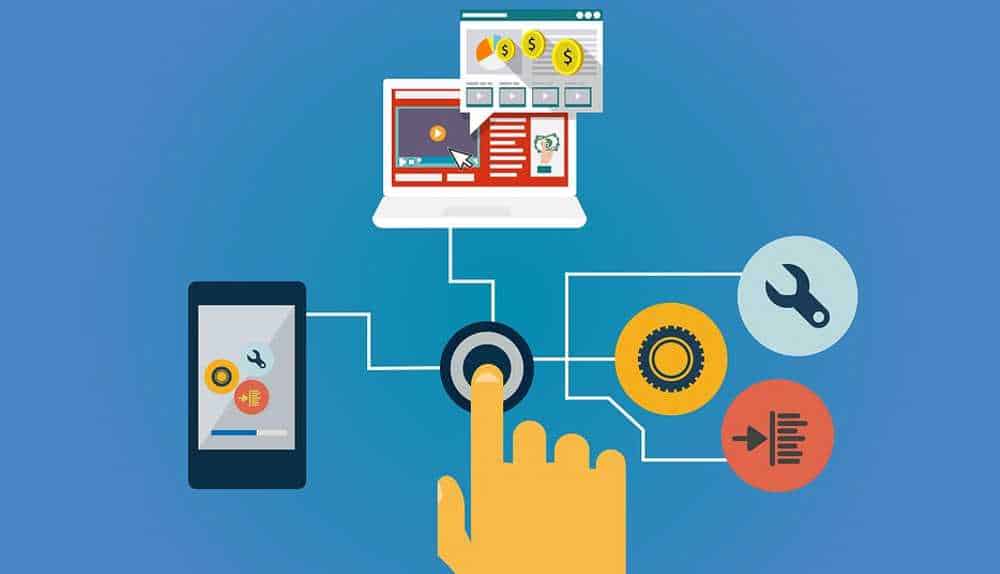
Hosted payment pages work by redirecting the customer from the business’s website to the payment processor’s secure server. The customer enters their payment information on the hosted payment page, and the payment processor processes the transaction and passes the payment back to the business.
The payment processor is responsible for verifying the payment information and ensuring the security of the transaction. They also handle any disputes or chargebacks that may arise.
Hosted payment pages are a popular choice for businesses that want to accept payments online but don’t want to handle the technical aspects of payment processing themselves. They can be easily integrated into a business’s website and offer customers a convenient and secure way to pay.
What is a hosted payment page for?
Although it is a niche term, it is not difficult to understand what is a hosted payment page. Businesses can use hosted payment pages for accepting payments online, such as for eCommerce transactions or payment of services. They can be used for various purposes, including accepting one-time payments, recurring payments, and subscriptions.
Hosted payment pages are also commonly used for charitable donations and fundraising campaigns, as they offer a simple and secure way for donors to contribute.
Benefits of a hosted payment page
There are several benefits to using a hosted payment page for merchants. There are many different trends driving businesses and the payments industry towards digitization. With the emergence of technologies like Apple Pay and Google Pay, consumers increasingly prefer to use contactless payments to make purchases. This trend is expected to continue as more retailers adopt contactless payment options motivated by convenience.
Also, merchants are using data and analytics to personalize the shopping experience for their customers. This can include personalized product recommendations, targeted marketing emails, and more. Furthermore, subscription-based models, in which customers pay a regular fee in exchange for access to a product or service, are becoming increasingly popular among businesses, not just from a product pricing perspective but also because the combination of data analytics allows merchants to curate their offering catering to specific customer needs specifically.
Thus making it crucial for businesses to have hosted payment pages. This trend is particularly evident in the streaming and gaming industries, as well as a range of companies that offer monthly subscriptions for software, luxury watches, shaving blades, and coffee, just to name a few.
Finally, social media platforms are increasingly being used as a way for merchants to reach customers and make sales. This trend will likely continue as social media platforms evolve and offer new e-commerce capabilities requiring hosted payment pages for merchants.
- Hosted payment pages are hosted by a payment processor or payment gateway, which means they have secure servers and robust security measures to protect customer information. Cyber security threats have ballooned in recent years, and with a sizable amount of the world facing a recession[MF1] , the likelihood of threats will be further exacerbated this year[MF2] . This has resulted in security response teams at companies being both overwhelmed by the magnitude of security incidences as well as understaffed due to skills shortages in the industry. As a result, many industry experts believe that more businesses will outsource their cyber security response workload.[MF3] This can give customers confidence in the security of the transaction and encourage them to complete the purchase.
- Convenience: Hosted payment pages are easy for customers, with a clear and straightforward layout. This can help increase conversions and improve the overall customer experience.
- Compliance: Payment processors and payment gateways must comply with industry regulations and standards, such as PCI DSS (Payment Card Industry Data Security Standard). Businesses can use a hosted payment page to ensure that they are also compliant with these regulations.
- Integration: Hosted payment pages can be easily integrated into a business’s website, making it convenient for customers to make payments without leaving the site.
- Cost: A hosted payment page can be more cost-effective for businesses than building and maintaining their payment processing system. This is particularly useful for small businesses and those that are still in the startup phase and cannot afford significant outlays for a payment infrastructure.
What are some Drawbacks of hosted payment pages
There are a few potential disadvantages to consider when it comes to having a hosted payment page on a merchant’s website:
- Dependence on the payment gateway provider: If the payment gateway provider experiences technical issues or goes out of business, it can affect the merchant’s ability to process payments.
- Limited customization options: Hosted payment pages are typically provided by the payment gateway provider and may not offer the same level of customization as a fully integrated payment solution.
- Reduced control: The merchant may have less control over the payment process and may not be able to customize the customer experience fully.
- Potential security concerns: A hosted payment page may not offer the same level of security as a fully integrated payment solution, as the payment information is being entered on a page that the merchant does not fully control.
- Increased cost: Hosted payment pages may come with additional fees for the merchant, such as transaction fees or setup costs.
It’s essential for merchants to carefully consider the pros and cons of using a hosted payment page and to choose a solution that meets their specific needs and budget.
Is a hosted payment page a good fit for your business?
Many industry trends and consumer demographic shifts are powering growth in payment processing and the need for businesses to have payment solutions. Whether a hosted payment page is a good fit for your business depends on your needs and resources. Here are a few things to consider:
- Security: If security is a top concern for your business, a hosted payment page may be a good option. Payment processors and payment gateways have secure servers and robust security measures to protect customer information.
- Convenience: A hosted payment page may be a good choice if you want to make it easy for customers to make payments on your website. They are easy to use and integrate into your website.
- Customization: If you want a lot of control over the payment process and the customer experience, a hosted payment page may not be the best fit. They may not offer as much customization as a self-hosted payment system.
- Cost: A hosted payment page may be a more cost-effective option if you have limited resources or are on a tight budget. They can be less expensive than building and maintaining your own payment processing system.
- Technical expertise: A hosted payment page may be a good choice if you don’t have the technical expertise or resources to build and maintain your own payment processing system. Payment processors and payment gateways handle the technical aspects of payment processing for you.
How to create a hosted payment page for your business?
If you decide that a hosted payment page is a good fit for your business, here’s how to create one:
- Choose a payment processor or payment gateway: There are many payment processors and payment gateways to choose from, each with its features and pricing plans. Consider your business’s needs and research to find the best fit.
- Set up an account: Once you’ve chosen a payment processor or payment gateway, you’ll need to set up an account. This typically involves providing basic information about your business and agreeing to its terms of service.
- Integrate the hosted payment page into your website: The payment processor or payment gateway will provide you with a code snippet or plugin to integrate the hosted payment page into your website. Follow their instructions to add the code to your site.
- Test the integration: Once you’ve integrated the hosted payment page into your website, test it to ensure it’s working correctly. You may want to make a test purchase to ensure that everything is functioning as it should.
- Promote the payment page: Once your hosted payment page is set up and tested, promote it to your customers. You may want to add a “pay now” button or link to your website or include information about the payment page in your marketing materials.
Merchants can create a hosted payment page for their business which can be a simple and convenient way to accept payments online. By choosing a reputable payment processor or payment gateway, integrating the hosted payment page into your website, and promoting it to your customers, you can optimize your eCommerce sales and make it easy for customers to make payments on your site.
Conclusion
How to create a hosted payment page is a common inquiry among merchants today. Many trends are driving merchants to learn about what is a hosted payment page. A hosted payment page is a convenient and secure way for businesses to accept payments online. As a result, merchants need to quickly learn about a hosted payment page, how do hosted payment pages work, and how to create a hosted payment page.
It is hosted by a payment processor or payment gateway, which handles the technical aspects of payment processing and ensures the security of the transaction. Hosted payment pages can be easily integrated into a business’s website and offer a simple layout that is easy for customers to use. While some potential drawbacks to using a hosted payment page, such as reduced control and limited customization options, the benefits of increased security, convenience, and compliance often outweigh these drawbacks for many businesses.
[MF1]https://www.ft.com/content/e9c4743b-945d-422b-8f4b-3c2a8a237b70
[MF2]https://securityintelligence.com/articles/cybersecurity-trends-ibm-predictions-2023/
[MF3]https://www.forbes.com/sites/forbestechcouncil/2023/01/02/six-cybersecurity-trends-you-can-expect-in-2023/?sh=7c5d51764c97