


What Is an EFT Payment?
Posted: August 10, 2022 | Updated:
You can send money between banks and individuals over an online network using an electronic funds transfer (EFT). EFT payments are frequently utilized to facilitate transactions rather than paper-based payment methods like cash or checks.
The likelihood of using an EFT payment option when you make an online payment is high. You can use EFT payment options to split restaurant tabs and receive payments from consumers at your business.
Also, EFT payments are crucial to how money travels through the economy because of their many applications.
What Is an Electronic Funds Transfer (EFT)?
An EFT is a digital transfer of funds from one bank account to another; thus, no direct bank staff involvement is required. Whether or not two bank accounts are located in the same bank, you can make EFT payments between them.
It’s crucial to realize that “EFT payment” refers to various electronic payments rather than just one specific sort of payment. ATM withdrawals, credit card purchases, electronic checks, and phone payments are a few examples of EFT payments.
What Is an EFT Payment?

You’ll make several payments while doing business. You might pay your employees for their labor and your vendors for their supplies of goods and services, for instance. Sitting down and writing cheques to pay your bills can be stressful. You can now avoid writing checks thanks to electronic transfers, commonly known as electronic funds transfers or EFT payments.
EFT transfers are another name for EFT payments and you are already familiar with EFT technology if you have used an internet platform to move money from your checking to your savings account. Additionally, you have used EFT technology if you have paid for products or services using a bank application.
Types Of EFT Payments
EFT payments come in various forms and have multiple advantages related to online banking and electronic payments.
Some of the most widely used EFT payment options are as follows:
- eCheck
In the same way paper checks work, electronic checks (or eCheck) also work. However, in a world that is becoming more and more digital, eChecks enables businesses to digitize their payment options. An eCheck transfer only requires a routing and bank account number.
- Wire transfers
When they need to move a sizable sum of money from one bank to another, most individuals usually opt to use a wire transfer. Customers or corporations who need to make large purchases, such as payments for new property or equipment, typically use this payment option.
- ACH payments
Payments made through automated clearing houses (ACH) are handled by ACH networks rather than conventional card networks.
- Credit and debit card payments
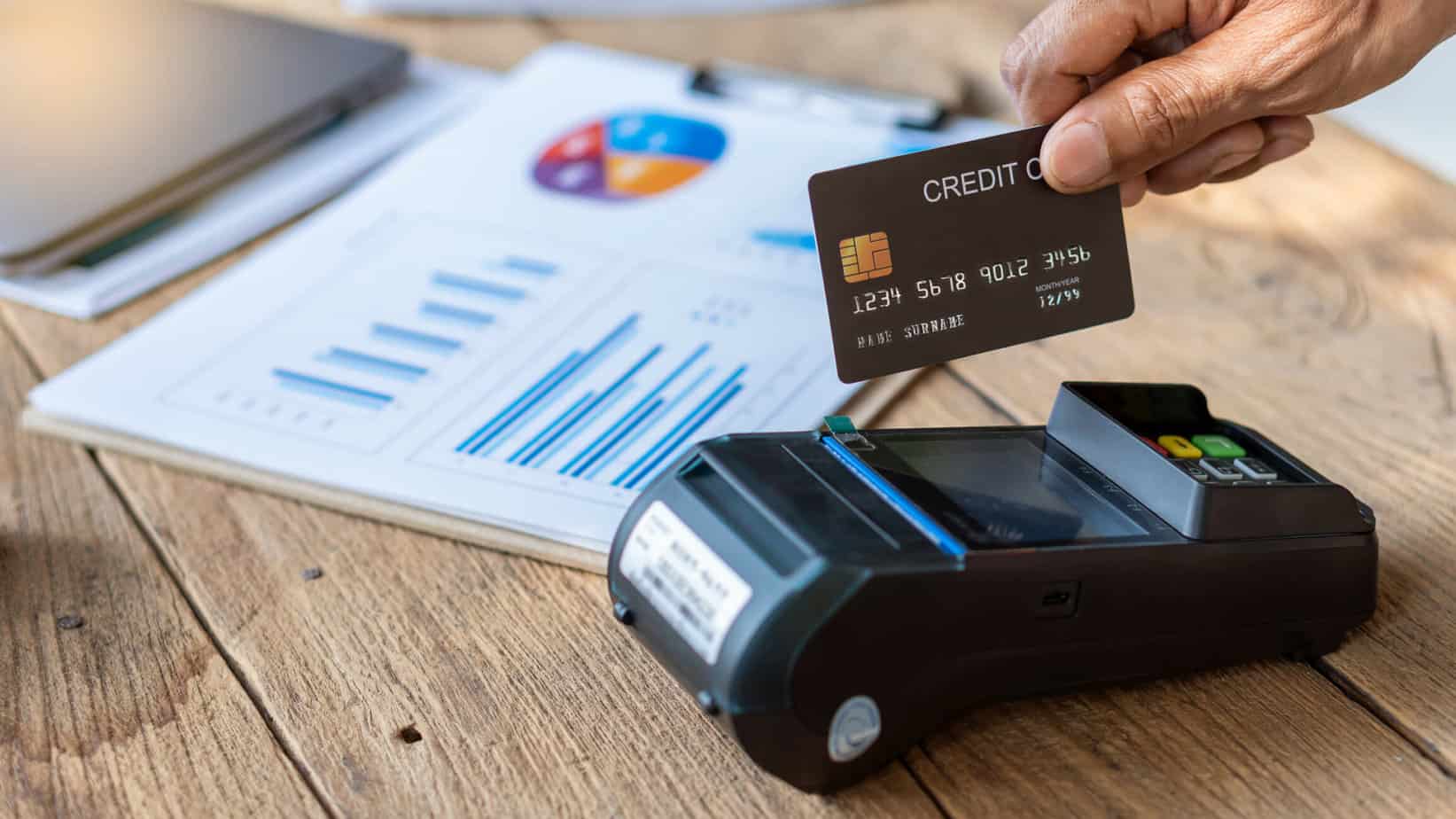
Customers utilize credit or debit card payments to pay for products and services via a device or mobile card reader. You can also pay bills or transfer money from your company’s bank account using this mode of payment.
- ATM transactions
At electronic kiosks available in towns and banks around the world, ATM transactions are performed. In this scenario, a person uses their debit card to withdraw money from their bank account by putting it into a device that sends data to the bank, which then processes the request to disburse money.
- Phone payments
This kind of EFT payment happens incidentally while on the phone. The payee calls the beneficiary and gives them their card details. After verbal authorization, this transaction takes place on the recipient’s line with no activity from the payee. Utility bill payments use this type of EFT payment the most frequently.
How Do EFT Payments Work?
EFT transfers are relatively simple to use. When a transfer is requested, the request travels from the sender’s bank to the recipient’s bank over several digital networks that originate from either the internet or a payment terminal.
EFT payments enable safe online payment processing while streamlining your financial operations. Senders can include an employer, a company, or a person paying for goods and services. The majority of EFT payments are cleared in a few days.
Difference Between EFT and ACH Payments
All ACH payments are EFT payments, even though not all EFT payments are processed through the ACH networks. That is primarily because ACH payments are merely one kind of EFT payment. The national automated clearing house for electronic funds transfers in the US is the ACH network. It handles commercial, government, and consumer interactions.
To perform an ACH transfer, a sender must supply details such as the recipient’s bank name, account number, routing number, and payment amount. Although it doesn’t always go through the ACH network, the precise procedure for EFT payments depends on the type of payment the sender utilizes.
Typically, ACH transactions take an extra day or two since the payment request stop passes through the ACH networks and stops at the bank. Thus, it may be up to businesses and customers to choose the EFT kind that best meets their requirements.
Are EFT Payments Safe?
The security of electronic funds transfers is one of their best qualities. While there is always some danger involved in online transactions, EFTs are typically seen as a more secure payment option. However, some ETFs, such as ACH transfers, are more secure than others.
Employing electronic payment for businesses you are familiar with and rely on is typically the most acceptable strategy to guarantee a tamper-free EFT. To assist you in navigating EFT for your firm, you might also wish to consider independent organizations.
Benefits Of EFT Payments
Regarding payments, EFTs have a lot to offer. Here are some advantages to implementing a form of EFT payment into your business:
- It is swift and efficient: All forms of EFT are quick, dependable, and require little effort on both ends of the transaction. That indicates that EFT is a financially advantageous alternative for your company. Another advantage is the little effort needed because it frees you and your staff to concentrate on more important matters while the small details are handled by electronic automation.
- Helps improve business service: Paper checks necessitate printing and delivery, which incur additional expenditures. Furthermore, because these tasks require interpersonal connection, less gets done, or more people are needed to complete the process. Other dangers associated with mailing checks include mail loss or even check interception. However, incorporating an EFT payment method into your business may lessen these risks and simplify the payment process for your clients. Plus, it implies more revenue for you.
- Reduces human error: Accepting cash as payment is an option, but most consumers do not carry cash in today’s digital and cashless world. There is also the danger of human error when counting, the risk of fake bills, and the additional expense and work required for staff to manage the money from transaction to safe filling to in-person deposit at the bank. You can use an EFT payment method in your business to solve and control these issues.
- It is safe: One of the primary reasons most firms prefer to use EFT is its verified safety. Aside from the expense, having a safe business encourages client trust, which enhances sales and long-term connections.
Disadvantages of EFT payments
- Potential business loss: Because an electronic funds transfer occurs instantly, a consumer who wants to buy something utilizing EFT payments might need to have the money available to pay immediately. Even though this isn’t always bad, accepting only EFT payments could drive away potential clients. Because an ETF payment typically arrives in your account the same business day, unlike a regular check, which could take days to clear before the bank distributes the funds.
- Bounced payments: An EFT payment can be “returned,” resulting in a result comparable to a bouncing check. If a payment is declined, your clients must act fast so that you can receive the funds. That is due, in large part, to the fact that financial institutions do not reprocess returned or denied transactions. In addition, most financial institutions will impose a return EFT fee if money is returned for whatever reason. And the price is comparable to, or possibly lower than, the fee for a bounced check. However, if the customer is responsible for the transaction difficulty, you can pass this cost on to the client.
- Difficulty getting lost wire transfers: Another disadvantage of EFT payments is that it is nearly impossible to recoup funds lost due to wire transfers. Many fraud scams use EFTs because the initiator may not be aware their money isn’t going to the wrong place until it’s too late to stop. A scammer will have to take over the account for a few days to prevent the money from reaching its intended destination. In other cases, wire transfers can go to offshore accounts where the money is instantly withdrawn. That is why it is critical never to use EFTs to transmit money to someone you do not know.
How Do EFTs Work for International Payments?
EFT payments enable firms to prosper in a global e-commerce environment. It provides the same convenience and cost-effectiveness for international payments that many firms rely on. Businesses may reach individuals all around the world thanks to EFT technology.
The EFT is a window into a global business, providing small startups and large corporations equal access. EFT technology has also immensely benefited the fintech industry.
International EFT payments work the same way as domestic EFT transfers, but some countries have tight requirements for large payments. Foreign transaction fees and exchange rates will also apply to varying amounts, so being aware of this information will assist you in keeping your books in order. Overall, overseas payments increase your company’s global economic potential.
EFT Payment Processing Time
The time it takes for money to move from one account to another is affected by various factors, including:
- The form of payment
- Your EFT service provider
- Where you are sending the money – international transactions may take longer.
- When you submit the payments – payments are only processed on business days. Therefore, if you made a payment after the deadline on Friday, it won’t be processed until Monday. Additionally, processing time excludes public holidays.
Even if you pay with a debit or credit card, the money will leave your account immediately, but it might take a day or two to reach the recipient’s account. Additionally, if you started a wire transfer on a business day, recipients may get it the same day. Although most transfers occur in 2–3 business days.
What If Something Goes Wrong With an EFT Payment?
Even though there are rules in place to safeguard customers if something goes wrong with an EFT payment, there may still be occasions when you run into a problem. For instance, your vendor payment can be made to the incorrect account, or someone might utilize your information in a scam.
Because of this, it’s crucial to keep an eye on your account for any odd activity and be sure to get in touch with your financial institution if you do. Note other financial information, such as the time, date, payee, and payment type. When it comes to research, this information is crucial; therefore, put it in writing and follow up until the problem is solved.
EFT payments are generally advantageous to both customers and businesses. Additionally, electronic money eliminates the need to wait for checks to arrive in the mail, allowing you to conduct business from anywhere around the globe.
How To Set Up EFT Payments for Your Business
The good news is that setting up EFT payments for your company is relatively simple. You can do it yourself (DIY) or use AP automation software.
Here’s how to apply one of the two methods:
DIY EFT payments
A payer typically confirms that their payee agrees to be paid electronically before sending an EFT payment. Many accounts payable departments are still paper-based because some payees prefer writing checks instead of making payments online.
However, if a consumer chooses to pay electronically, you might need to obtain their bank account details. You can ask your clients to complete forms that provide this information.
AP automation software
The most recent development in the evolution of electronic payments is AP automation software. Using accounts payable (AP) software to handle your EFT transactions has benefits over manually scheduling EFT transactions and payments. The entire process is simplified by AP automation software, which guarantees that every stage of the accounts payable process—from data entry to invoice approval—runs without a problem.
Bottom Line
Going digital in general, including taking digital and electronic payments, is becoming more and more crucial. Nowadays, money is more akin to computer data than to actual cash, and it can be represented online using ones and zeros. Additionally, money can instantly transit the globe via electronic means.
The goal is to make payments as simple and accessible as possible at the end of the day. EFT payments are safe and secure and provide a better experience for your customers. EFT payments also save money since they do away with the time-consuming practice of managing paperwork when that time could be better spent doing anything else. Most business owners can find more beneficial ways to spend those dollars.
EFTs are a crucial pillar of the global economy because of their accessibility, efficiency, and security. Find an EFT solution that works best if you want to modernize your payment processing more effectively.