



Tokenization and Its Role in Securing Payment Data
Posted: October 01, 2024 | Updated:
Securing payment data is critically important for both businesses and consumers. As online transactions continue to rise, protecting sensitive information like credit card details is vital to avoiding data breaches and fraud. Tokenization, which substitutes sensitive data with unique identifiers known as “tokens” that are valueless outside their creation system. Thus it offers a reliable solution for securing payment data.
This technique reduces the risks linked with data storage and transmission by rendering the data useless if intercepted. This article overviews tokenization, examining its key role in protecting payment data, improving security, and helping comply with industry standards.
What Is Tokenization?
Tokenization is a method of data protection that involves substituting sensitive data, like bank accounts or credit card numbers, with a safe, randomly generated replacement known as a “token.” This token represents the original data but is void of any actual value or meaningful data, rendering it ineffective for hackers if captured. The original sensitive data is stored securely in a dedicated “token vault,” and the token is utilized during transactions or data handling instead.
Unlike encryption, which obscures data and can be reversed with a decryption key, tokenization uses irreversible methods. The token can’t be transformed back into the original data outside the secure system that produced it. This distinction from encryption enhances data security by ensuring that sensitive data isn’t exposed or directly processed during transactions.
Tokenization is widely adopted across various sectors such as finance, healthcare, and e-commerce that handle sensitive data. It is particularly beneficial for safeguarding payment processes and personal identification information (PII). For instance, during a payment, a customer’s credit card number is replaced by a token, enabling the transaction to continue safely without revealing the card details to potential online threats.
Overall, tokenization aids organizations in adhering to data protection regulations and minimizing the risk of data breaches, while enabling the safe use of tokenized data in transactions or analytical purposes without compromising security.
Understanding Tokenization’s Role in Securing Payment Data
Tokenization is essential for protecting payment data by substituting sensitive details, like credit card numbers, with non-sensitive tokens. These tokens, useless outside their originating system, offer no value to unauthorized interceptors.
During a transaction, a tokenization service generates a unique token to replace the actual payment data. The original information is securely stored in a token vault, and only the token is transmitted, minimizing the risk of data theft.
Unlike encryption, tokenization does not use reversible cryptographic methods. Therefore, tokens remain secure against reverse engineering, providing a solid defense against cyber threats such as data breaches or fraud. Tokenization can accommodate both single-use and multi-use scenarios, facilitating recurring payments safely.
Furthermore, tokenization aids businesses in meeting strict data protection standards like PCI DSS. It reduces the scope of compliance, as sensitive data is not stored or processed by the merchant, thereby lowering the costs of audits and the risk of regulatory fines.
As more businesses implement tokenization in various settings—from mobile payments to e-commerce and point-of-sale systems—it ensures the security of customer payment data across numerous transaction environments. This approach builds customer trust and enhances the overall security of digital payments, mitigating the likelihood of fraud and breaches.
How Does Data Tokenization in Payment Processing Work?
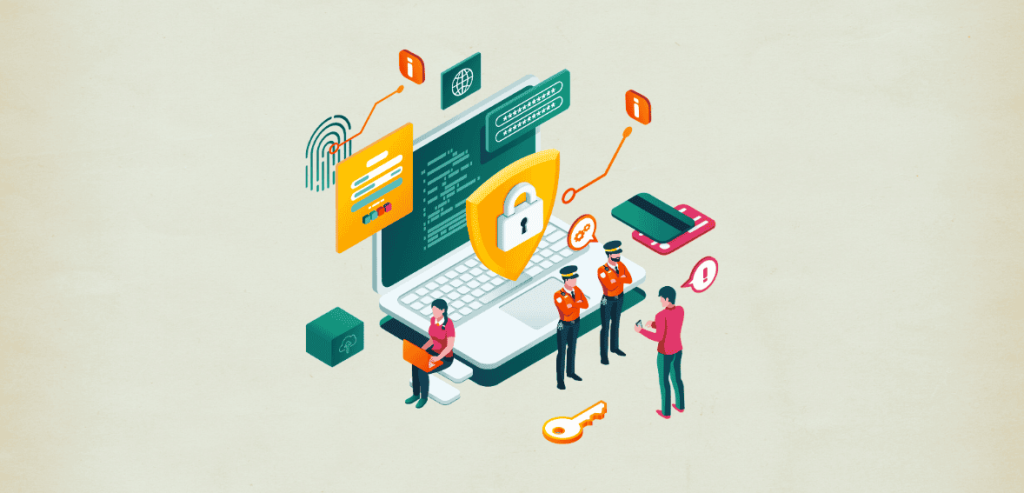
Data tokenization in the context of payment processing is a security method where sensitive information, such as a customer’s credit card number, is replaced with a randomly generated token. This token acts as a placeholder for the original data but has no real value or significance. The process replaces the primary account number (PAN)—a 16-digit number—with a unique alphanumeric identifier during transactions. This is crucial as the token has no link to the customer’s actual account, which minimizes the risk of data compromise in the event of a security breach.
The tokenization process includes several key steps:
- Transaction Initiation: A customer enters their card details into the system.
- Token Generation: A payment gateway creates a token that substitutes the PAN. This token is transaction-specific but maintains a format that supports processing needs.
- Secure Storage: The original credit card information is securely stored in a virtual vault controlled by the payment processor, and the token is used for transaction processing.
- Transaction Completion: The payment processor receives the token, maps it back to the original credit card data, confirms the transaction’s validity, and then processes the payment. Access to the actual card details is limited to the payment processor at this stage.
The advantage of tokenization is that the token is useless outside its intended context, which adds a layer of security. Attackers, if they intercept the token, cannot link it back to the original card information. Tokenization is particularly beneficial for recurring transactions or subscription services, allowing repeated use of the token without direct storage of sensitive data.
This technique also supports compliance with standards like the Payment Card Industry Data Security Standard (PCI DSS) by reducing the storage and transfer of vulnerable card information, thereby narrowing the compliance obligations for businesses.
Example of Payment Tokenization
When a merchant processes a customer’s credit card, they replace the primary account number (PAN) with a token. For instance, the number 1234-4321-8765-5678 is substituted by a token such as 6f7%gf38hfUa.
This token ID is used by the merchant to maintain records linked to the customer; for instance, 6f7%gf38hfUa is associated with John Smith. The token is then sent to the payment processor, who reverses the tokenization to verify and process the payment, converting 6f7%gf38hfUa back to 1234-4321-8765-5678.
The payment processor is the only entity able to interpret the token, which appears random and is indecipherable to others. Additionally, this token is exclusive to the transactions with that specific merchant.
Benefits of Tokenization Payments Industry
Tokenization brings several advantages to the payments industry, focusing on data security, regulatory compliance, and fraud prevention.
- Data Protection and Security:
Tokenization enhances the security of payment systems by transforming sensitive information, such as credit card numbers, into harmless tokens. These tokens, if intercepted, hold no actual value, which prevents hackers from gaining access to the real card details that are securely stored away. This approach greatly reduces the likelihood of significant breaches in data security during transactions.
Furthermore, even if a data breach were to occur, the structure of the tokens makes it impossible for them to be decoded back into the original sensitive data. This level of protection is essential in securing transactions conducted both online and in physical stores, where sensitive information is frequently transferred or held.
- Regulatory Compliance:
Tokenization aids businesses in meeting the PCI DSS requirements. It reduces compliance scope by lessening the amount of sensitive data merchants manage directly. This means merchants can bypass some PCI DSS requirements, like data encryption in transit or safeguarding stored cardholder data, as they no longer store sensitive information themselves.
As a result, achieving and maintaining PCI compliance becomes less costly, particularly for organizations dealing with recurring payments or large transaction volumes.
- Convenience for Recurring Payments:
For companies that handle recurring payments, tokenization streamlines the process. Customers need to enter their payment details only once, after which tokens represent them in subsequent transactions. This not only improves the customer experience but also ensures that sensitive information is not continuously at risk.
- Fraud Reduction and Chargeback Prevention:
Tokenization creates unique tokens for each transaction or channel (such as mobile apps), which means that even if a token is compromised, it cannot be reused elsewhere. This significantly cuts down on fraud and the related costs of chargebacks, making it very difficult for malicious actors to use stolen tokens for unauthorized transactions.
Comparing Tokenization and Encryption
Tokenization and encryption are two key approaches to safeguarding sensitive data. Although both offer protection, their methods, applications, and how they complement each other vary considerably.
Encryption involves converting readable information, or plaintext, into an encoded format known as ciphertext. This transformation is done using algorithms and an encryption key, which is necessary to revert the data to its original form. Encryption maintains confidentiality by ensuring that intercepted data is indecipherable without the key. However, if the key is compromised, the encryption can be reversed.
Tokenization, in contrast, replaces sensitive data with a randomly generated token. The token holds no meaningful relationship to the original data, which is stored securely in a “token vault.” Access to this vault is required to retrieve the original information, making tokenization irreversible without such access. Even if a token is intercepted, it cannot be used to recreate the original data, adding an extra level of security by reducing exposure to sensitive information.
What Are the Use Cases of Each?
Encryption is typically employed when sensitive data must be decrypted and used again. It works well in scenarios where users need regular access to the original data, such as in the protection of emails, files, and databases. It’s also better suited for safeguarding unstructured data and is often applied in cases involving the exchange of data with third parties, where decryption keys may be shared.
Tokenization is more effective in scenarios where the original data doesn’t require frequent retrieval. For example, it’s commonly used in payment systems where credit card information is tokenized for recurring transactions. Tokenization is especially useful for complying with regulations like PCI DSS, which govern the security of payment card data. It is most appropriate for protecting structured data, such as social security numbers or account details, though it is less efficient for large or unstructured datasets.
How Combining Tokenization and Encryption Strengthens Data Security
A combination of both methods can provide enhanced security. Encryption can protect the token vault, ensuring that even if a token is compromised, the sensitive data remains encrypted and secure. While encryption helps protect data in transit, tokenization minimizes the risk by removing sensitive elements from the system entirely, especially for stored data.
In practice, many organizations use encryption to secure large datasets, such as databases and email communications, while turning to tokenization to safeguard critical data like payment information. This dual approach helps ensure compliance with industry regulations and reduces the likelihood of data breaches.
Key Tokenization Standards and Regulations for Secure Payment Systems
Tokenization standards and protocols are important for keeping sensitive data secure, especially in payment systems. These standards ensure that tokenized data is safe, works across various platforms, and follows global security rules. Key areas to focus on include the EMVCo Payment Tokenization Specification and regulatory guidelines like PCI DSS.
- EMVCo Payment Tokenization Specification
The EMVCo Payment Tokenization Specification is a framework widely used to improve payment security in payment systems. It’s managed by EMVCo, a group formed by major payment networks like Visa and Mastercard. This framework replaces sensitive payment information, such as the Primary Account Number (PAN), with a token during transactions. The token is useless outside its specific context, such as a certain device or merchant, reducing the risk of fraud if it’s intercepted.
The specification defines important roles, like Token Service Providers (TSPs), who create and manage the tokens. It also sets rules for how these tokens can be used across different systems worldwide, ensuring that mobile and digital payments are secure while working smoothly across platforms.
- Regulatory Guidelines and Tokenization
Regulations like the PCI DSS shape how tokenization is used. While PCI DSS doesn’t require tokenization, it encourages its use to limit the exposure of sensitive data, making it easier to comply with security rules. By using tokenization, companies can handle fewer sensitive payment details, reducing the chances of a data breach.
PCI DSS also gives guidelines to keep tokenized systems secure. These include keeping token vaults safe, using strong access controls, and ensuring tokens can’t be reverse-engineered to recover the original data. Tokenization works alongside other PCI requirements, like encryption and multi-factor authentication, to add extra protection.
- Secure Transactions Across Platforms
The combination of EMVCo tokenization standards and PCI DSS guidelines ensures secure and compatible transactions across different platforms. EMVCo allows tokens to be safely generated and processed by various financial institutions, while PCI DSS helps companies remain compliant with global security standards, reducing the chances of data breaches.
Conclusion
Tokenization has become a vital tool in protecting payment data in today’s digital landscape. By replacing sensitive information with valueless tokens, this method reduces the risk of data breaches, especially in payment systems. Tokenization not only enhances data security but also helps businesses meet regulatory standards like PCI DSS.
Its role in ensuring secure transactions across various platforms has made it a go-to solution for businesses handling sensitive payment details. As the digital economy grows, the adoption of tokenization continues to strengthen payment security and foster consumer trust.