



Strategies for Offering Discounts to Increase Revenue: Top Tools and Tips
Posted: July 30, 2024 | Updated:
Discounts often serve as a strong incentive for many consumers to make purchases. It’s a common experience to find both marketers and businesses drawn to attractive deals. The strategy behind discounts to increase revenue taps into our psychological tendencies and perception of value. This typically involves comparing the discounted price of an item to its original cost to assess its worth. When consumers perceive that they are getting a good deal, this perception can heavily influence their purchasing decisions.
Statistics show that 91% of consumers in the US are looking for discounts when purchasing anything online.
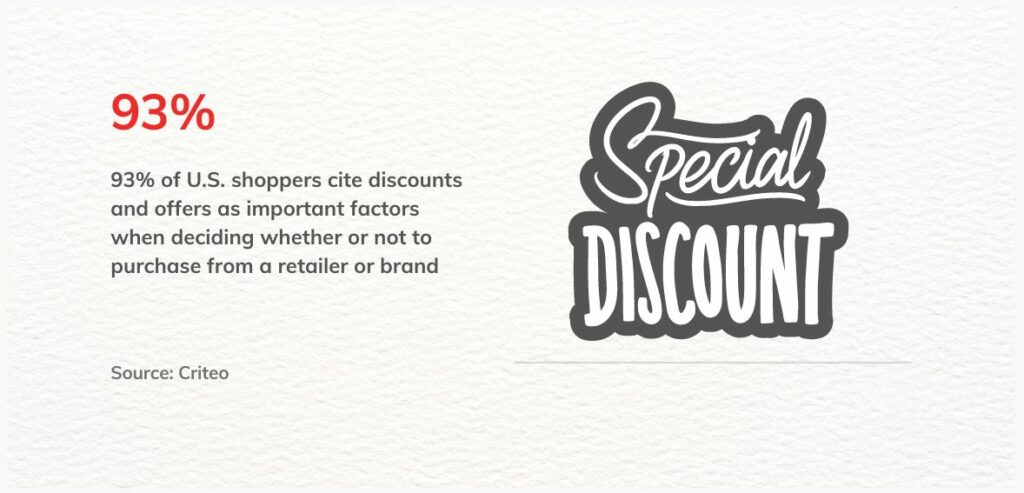
Source: Criteo
While discount marketing can be an effective way to increase revenue, it’s essential to balance this approach to avoid reducing the perceived value of your products or services. A well-structured plan and the right tools are essential for maximizing the benefits of discount strategies without compromising product value. In this article, we will discuss the strategic use of discounts and provide insights into managing discount strategies efficiently, especially for busy business owners. Keep reading for more details.
Using Discounts to Increase Revenue: The Psychology of Customer Perceptions
Understanding the psychological impact of discounts on customers is essential for using them effectively as a strategy for business growth. Initial discounts can boost sales, but intense discounts may lead to reduced returns. Eventually, additional discounts stop having a significant impact on increasing sales volume.
Customers may view huge discounts with suspicion, doubting the product’s quality and the seller’s credibility. This doubt can decrease their likelihood of purchasing, a phenomenon known as the plateauing effect.
Discounts are generally more effective towards the end of the purchasing process. Presenting customers with numerous deals at the beginning of their interaction with your brand can deter purchases and may make the business seem overly eager to sell off inventory.
Discounts can also offer psychological reassurance that helps customers feel justified in spending.
On the other hand, very large discounts might foster distrust about pricing and lead to buyer’s remorse, which can negatively affect customer loyalty.
When applied thoughtfully, discounts are more than mere price cuts; they are a strategic tool for encouraging growth. Effective discount strategies find a balance that maximizes revenue while maintaining the perceived value of products and the brand’s integrity.
The timing and size of discounts are crucial, particularly for smaller businesses. Employing seasonal discounts, flash sales, and loyalty rewards can drive sales by creating a sense of urgency and exclusivity.
Significant shopping events like the Black Friday sale offer excellent opportunities to maximize sales by tapping into consumer spending readiness. Aligning discount strategies with these events can greatly improve sales performance.
Using Discount Management Tools for Effective Pricing Strategies
Reducing prices can energize your promotional efforts, but managing these discounts often poses challenges, especially for online retailers with extensive product offerings. Automation tools are beneficial here. They help businesses manage discount processes automatically, monitor discount utilization, and assess how discounts affect sales and profitability.
Using the right tools can greatly improve your promotional efforts. Below are some examples of different essential tools to help you manage and optimize discount offers:
- Shopify Discounts: This feature is built into the Shopify platform, making it straightforward for store owners to set up and oversee discounts. Options include percentage reductions, dollar-off discounts, and promotions such as buy-one-get-one-free, all accessible via the Shopify admin panel.
- OneSignal Push Notification Tool: This tool can help you send alerts directly to customer devices, like smartphones or tablets. Notifications may include information about current discounts, special deals, or limited-time offers. It can help you create urgency and a sense of special access, enhancing customer loyalty and driving increased traffic to your site or app.
- WooCommerce Dynamic Pricing & Discounts: This WooCommerce plugin allows for precise discount rules based on products, categories, and customer types. It is highly adaptable, providing options for bulk discounts, tiered pricing, and other promotional deals.
- Mailchimp: Primarily an email marketing platform, Mailchimp also supports the integration of discount codes into email campaigns. This is particularly useful for targeted promotions designed to improve customer retention and boost conversion rates.
- AutomateWoo: Another tool for WooCommerce, AutomateWoo facilitates a range of marketing activities, such as dispatching personalized coupon codes triggered by customer actions like adding items to wish lists or making previous purchases.
- Exit Intent Coupons for WooCommerce: This plugin offers coupons to users just as they are about to leave your website. It can sway undecided shoppers by offering a last-minute incentive to complete their purchase.
- Groupon: This platform is well-suited for local businesses and service providers. It offers them a way to draw in new customers through limited-time discounts on various products and services. It is beneficial for boosting brand recognition and increasing in-store visits.
- Snipcart: Perfect for web developers who want to integrate e-commerce features into any existing website, Snipcart provides robust options for discounts and coupons, all manageable via an easy-to-use dashboard.
- CouponFollow.com: This website lists coupons by store name, enabling shoppers to locate top deals from online and brick-and-mortar stores quickly. Businesses can easily sign up and offer value discounts to a vast audience. It also offers cashback opportunities, which shoppers can combine with coupons for even more significant savings.

Top Strategies for Offering Discounts in 2024 (While Boosting Revenue)
1. Understanding the Purpose Behind Offering Discounts
Before implementing discounts, reflecting on why you are considering this strategy is important. Are discounts being considered because customers are requesting them? Have you lost clients to less expensive competitors?
These reasons would suggest you’re undervaluing your own skills, time, and effort. Ideally, customers should not feel entitled to demand discounts; if they do, it might indicate that they have been overindulged or they may not be your target clientele.
Customers who insist on reductions may not value your work highly, choosing instead to prioritize cost over quality. It’s advisable to address this behavior early on to prevent potential issues. In some markets, it’s normal for clients to suggest a discount, especially if they have been loyal, timely, and consistent in their dealings with your services.
In various cultures, rewarding long-standing customers with discounts is a regular practice. These customers might hint at a discount respectfully, without aggressive demands. If a discount is feasible and the client has demonstrated significant value, then offering one might be appropriate.
Overall, discounts should be used as a tool to show gratitude for customer loyalty and collaboration, not as a desperate measure to retain clients by diminishing the worth of your services.
2. Encourage New Visitors with a Special Offer
When visitors first arrive at your site, they may not be immediately prepared to make a purchase. Attracting new customers can be costly, and it’s common for first-time visitors to exit your site without buying anything. Impressions are formed exceptionally quickly, within just 50 milliseconds, emphasizing the importance of a positive initial impact.
Therefore, presenting them with an immediate discount code might not be the most effective approach.
Rather than pushing new visitors to make a purchase so soon in their shopping journey, consider requesting a smaller commitment—such as their email address in return for a discount code.
When developing a campaign for new visitors, it’s crucial to:
- Target a specific visitor segment: Place a tracking cookie in their browsers to ensure the discount is only available to new site visitors. This helps differentiate between new and returning visitors and allows you to tailor your campaigns accordingly.
- Personalize your message: Confirm that your targeted segment understands the offer is just for them. Personalizing the message can make the offer appear more relevant and likely to increase engagement.
- Justify your discount: People appreciate having reasons for their actions. Offering a rationale can enhance acceptance of the discount. For example, you could explain that the discount is available simply because they are new visitors.
3. Using Overstock to Attract New Subscribers and Clear Inventory

Clear out inventory by giving away overstocked, outdated, or discontinued items as free gifts. If your stock includes items nearing expiration or discontinuation, incorporate them into your marketing initiatives. Including older inventory as free gifts for new subscribers achieves multiple objectives.
First, it reduces your inventory of products that are being phased out. Second, it establishes a positive relationship with new customers by offering them valuable free gifts. Entice new subscribers by providing a complementary set of gifts when they sign up, using your excess stock to boost sales.
4. Offer Special Discounts for Repeat Customers
Enhancing the number of repeat customers is a vital tactic that many online retailers neglect. Successfully engaging customers who make multiple purchases from your online store can significantly boost your revenue without additional costs for acquiring new customers.
One effective method to increase repeat visits and purchases is to offer special discounts to loyal customers. For example, a week after a customer’s initial purchase, you could email them a $25 discount on their next order.
Consider sending a more substantial discount offer to customers who haven’t purchased in over a month. To re-engage them, you might offer $150 off on purchases of $500 or more.
Alternatively, a discount voucher can motivate continued patronage by rewarding customers who have spent a significant amount over a set period, such as $800 in the past three months.
The crucial factor here is to ensure the product is delivered on time and in perfect condition. If customers are satisfied with their purchase and the benefits of the discount, they are more likely to return to your store for future purchases.
5. Offer Discounts During Holiday Seasons
Customer traffic and sales increase noticeably during the holiday seasons. Implementing strategic actions can make your brand a preferred choice over competitors. Offering discounts and coupons can be an effective way to take advantage of this peak period.
Consider setting up a dedicated page for all your special deals for added customer convenience. This allows customers to review their options and make decisions on the spot quickly. If customers need to search extensively across your website to find discounted items, it might reduce their likelihood of purchasing due to the hassle involved.
Additionally, you can encourage larger purchases by offering bulk discounts during these periods, particularly around holidays known for gift-giving, like Christmas, Halloween, and Easter.
6. Boost Sales with Creative Bundle Discounts
A bundle discount involves offering customers a reduced price when they purchase a group of products or services together. Online retailers widely use this approach to encourage the purchase of multiple items simultaneously, increasing the average order value and potentially enhancing sales.
Start by analyzing your customer data to understand buying behaviors, identify popular products, and determine which items are often purchased together. This information helps craft bundle deals that are appealing and relevant to your customers. Select products that naturally complement each other or are commonly used together.
For instance, if your business sells photography equipment, consider offering a bundle that includes a camera body, a lens, a camera bag, and a memory card. Make sure the savings from purchasing the bundle are substantial compared to buying each item separately.
7. Set Time Limits on Discounts
Discounts can be a great incentive for consumers to sign up and commit to subscriptions, and having a deadline can motivate them to act swiftly. Implementing expiration dates or limits on promotions helps create a sense of urgency that consumers can ignore.
Consider how some subscription companies warn customers that a 50% discount on their signup fee will end at midnight, and they might never see such an offer again.
Effective calls to action, like the examples below, can also drive quick responses:
- Offer Expires Today!
- Redeem to Save 50% NOW!
- Get It Before It’s Washed Up
8. Explore Various Strategies to Limit the Impact on Profits
Discounts aren’t universally effective, and not all businesses are comfortable reducing their rates. Consider showing client appreciation by providing a discount, alone or combined with additional strategic elements. You might include extra services for certain clients or groups, ensuring these additions are valuable to them.
Consider these options:
- Creating modern call-to-action buttons
- Designing a new banner
- Producing a promotional brochure for a new client’s website
- Updating an older project for a loyal customer
- Developing a new image gallery
- Designing an engaging newsletter
- Offering free maintenance for a static website for a set period
- Providing free domain name registration for a year
- Adding seasonal design features
These enhancements can significantly boost customer satisfaction. If you’re considering a discount, consider reducing the discount rate while adding one of these features. For instance, instead of offering a 10% discount, you might offer 5% off plus a new banner.
Finally, ensure your promotions are sustainable and stay within your business. Act cautiously and only after a detailed analysis of market conditions and financial stability. Assess your client base and financial health before implementing a new pricing strategy.
Conclusion
Offering discounts strategically can significantly enhance revenue while maintaining the perceived value of your products. Understanding the psychological impact of discounts, ensuring they are applied at the right time and for the right reasons, and leveraging effective discount and revenue management tools are crucial steps in maximizing their benefits.
Tailoring discounts to specific customer segments, employing automation tools, and integrating discounts into broader marketing strategies can help businesses maintain profitability and customer loyalty. Striking a balance, ensuring discounts drive sales without undermining the product’s value or the brand’s integrity, is essential. Implement these strategies thoughtfully to achieve sustainable growth and customer satisfaction.