



Important Things to Know in the Aftermath of the CrowdStrike Outage
Posted: July 25, 2024 | Updated:
In today’s interconnected world, even major cybersecurity firms like Microsoft and CrowdStrike occasionally encounter disruptions. The CrowdStrike incidents highlight systems’ vulnerabilities that are otherwise highly secure. The recent glitch in the content update has impacted millions of Microsoft Windows systems, leaving them non-functional until each system is manually fixed. CrowdStrike is actively working on developing and improving technical guidance for remediation. Here is a comprehensive guide about important things you should know in the aftermath of the CrowdStrike outage..
As recovery efforts from the global IT outage attributed to CrowdStrike proceed, numerous questions follow. Despite the company’s reputation for effective security measures, this event has highlighted particular vulnerabilities critical for stakeholders in sectors like IT, banking, or even a keen techie should be aware of.
What Led to the CrowdStrike Outage?
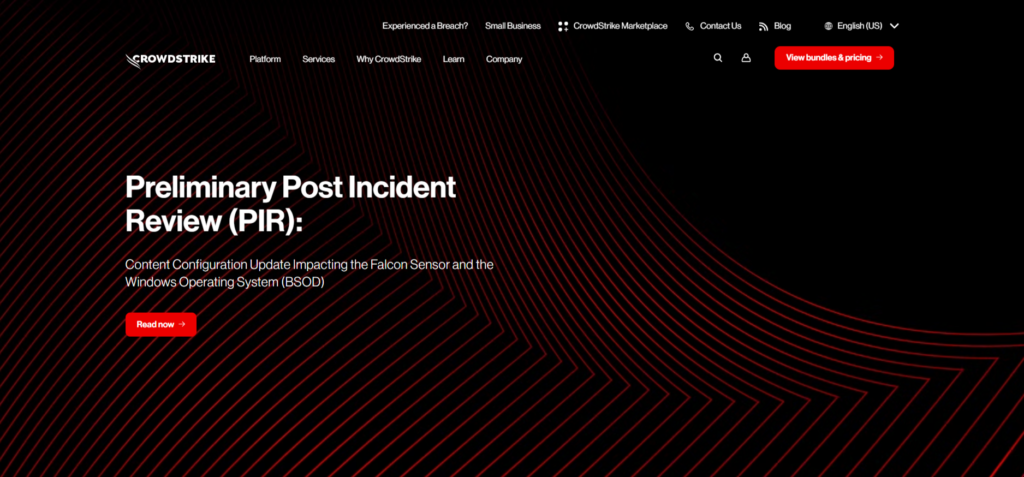
Image source
The outage at CrowdStrike occurred following a problematic security update to Falcon, the company’s leading endpoint detection and response software. Falcon requires extensive access to computer operating systems to effectively scan for and respond to suspicious activities, operating continuously in the background. When Falcon detects anomalies, it locks the affected device to safeguard the system.
Regular updates are crucial for Falcon to keep pace with evolving security threats. However, any deficiencies in these updates can have significant repercussions. Unfortunately, the update released before the outage contained errors that caused disruptions across millions of Microsoft systems worldwide, leading to the widespread outage.
Additionally, around the same time, Microsoft’s Azure cloud services experienced a separate issue. Although Microsoft resolved this problem, it cautioned users about the lingering effects of the CrowdStrike outage.
Aftermath of the CrowdStrike Outage
The consequences have been substantial despite the CrowdStrike event impacting less than 1% of all Microsoft-enabled systems.
Due to the faulty update, the airline industry has faced significant disruptions. On Friday alone, over 3,300 flights were canceled globally. In the United States, major carriers such as Delta, American, and United paused their operations for several hours, leading to extensive passenger and cargo transport delays. Major international airports, including those in Tokyo, Amsterdam, and Delhi, also experienced disruptions.
The banking sector was equally affected, with outages hitting everything from ATMs to mobile banking apps and customer service call centers. More critically, the outage disrupted essential emergency services, including hospitals and 911 dispatch centers.
While Microsoft has stated that it was not directly responsible for this incident, the ongoing effects underscore our deep reliance on a tightly interlinked technology and service ecosystem.
How Has CrowdStrike Addressed the Issue?
CrowdStrike responded to the incident by issuing a correction 79 minutes after deploying the initial problematic update, specifically targeting removing the defective content from Channel File 291. Systems that had not downloaded this update remained unaffected by the error. However, those who had already acquired the flawed update experienced more severe complications.
CrowdStrike released additional guidance through a blog post to address systems trapped in continuous reboot cycles. This guidance provided a comprehensive list of steps for remotely detecting and recovering the affected systems. It also included detailed instructions for temporary fixes applicable to both physical machines and virtual servers, such as manual reboot procedures.
Lessons Learned from the CrowdStrike Outage

The outage at CrowdStrike underscores the fragility of global computer networks and emphasizes the importance of robust cyber resilience strategies. This incident demonstrates the risks associated with centralized systems. Key lessons learned from this event include:
- Immediate Action and Communication:
CrowdStrike’s swift identification and resolution of the problem was pivotal. Their clear communication with stakeholders effectively managed expectations and minimized panic. The CEO of CrowdStrike publicly clarified that the issue stemmed from a software defect, not a cyberattack, emphasizing the importance of transparency during crises.
- Thorough Testing of Updates:
This incident highlighted the need for strict testing protocols before updates are deployed, particularly in critical systems. Adopting an exhaustive update management strategy, which includes thorough pre-deployment testing in varied environments, can reveal potential issues early. Companies might benefit from phased deployments that allow for step-by-step monitoring and troubleshooting, which mitigates risks before a widespread launch.
- Varied Backup Strategies:
The incident demonstrated the dangers of depending too heavily on a single system or solution, as shown by the outage’s broad impact across sectors such as airlines, healthcare, and financial services. Establishing redundancy and varying IT solutions, such as adopting hybrid or multi-cloud infrastructures, can improve resilience and lessen the dangers of relying on single points of failure. This strategy ensures continued operations, even if one component fails.
- Preparedness for Unintended Consequences:
The outage impacted IT services, airlines, banks, and emergency services, highlighting how closely linked modern technology infrastructures are. Companies must evaluate and prepare for the possible widespread effects of technological disruptions across various sectors.
- Enhanced Incident Response Plans:
This incident underscored the need for thorough incident response strategies that cover all crucial operational areas, not just IT departments. An effective plan should include protocols for quick problem identification, isolation, and resolution and should be tested regularly to ensure that all teams can respond quickly and effectively.
- Educating Stakeholders:
It is essential to raise awareness among all stakeholders, including employees and customers, about potential vulnerabilities and appropriate responses. Education can improve the organization’s security by ensuring everyone knows their role in protecting the system and their actions during disruptions.
- Review and Adapt Security Measures Regularly:
It is critical to assess and improve security measures continually. This involves regularly updating security protocols and incident response plans to keep them current with emerging threats and industry best practices. Implementing phased deployments and staging environments can identify issues before they affect the entire network.
- Balancing Automation with Manual Oversight:
While automation enhances efficiency, the CrowdStrike incident demonstrated the importance of maintaining manual oversight to address anomalies swiftly. Incorporating redundancy and ensuring systems have failover capabilities can sustain operations even if part of the system breaks down. Additionally, robust monitoring systems are crucial as they can promptly identify and notify teams about anomalies, facilitating quicker issue resolution.
Conclusion
The CrowdStrike outage is a critical reminder of the vulnerabilities within our interconnected digital infrastructure. Despite advanced security measures, the incident underscored the importance of robust testing, clear communication, and diverse backup strategies to maintain operational continuity. CrowdStrike’s immediate action and transparent communication were crucial in managing the crisis and mitigating panic. The event highlights the need for thorough pre-deployment testing, varied IT solutions to avoid single points of failure, and comprehensive incident response plans.
Educating stakeholders and regularly updating security measures are essential to improve resilience against future disruptions. This outage has reinforced the necessity of balancing automation with manual oversight, ensuring systems are prepared for anticipated and unforeseen challenges. By learning from this incident, organizations can enhance their cyber resilience and better navigate the complexities of the modern technological landscape. Users should also know about the various alternatives to CrowdStrike to ensure a quick transition to a safer company if the same type of outage happens again.