

QR Code Scams On The Rise
Posted: October 04, 2023 | Updated:
QR codes have become an integral part of our daily lives, appearing on flyers, restaurant menus, product packaging, and business cards. However, should we always trust them and scan without hesitation? With the increasing usage of QR codes, it is crucial to acknowledge the issue of QR Code scams that has become serious now. Surprisingly, this topic isn’t discussed as frequently as it should be, given the potential risks that these seemingly simple codes can create.
While QR codes have become a popular and convenient way to access information or for payments, it is important to exercise caution while using it. Scanning QR codes from unknown sources can be a serious risk. In this article, we’ll discuss QR codes and scams linked to them. We will also suggest some crucial tips that you should always remember to stay secure while scanning any QR code.
What Exactly Are QR Codes?
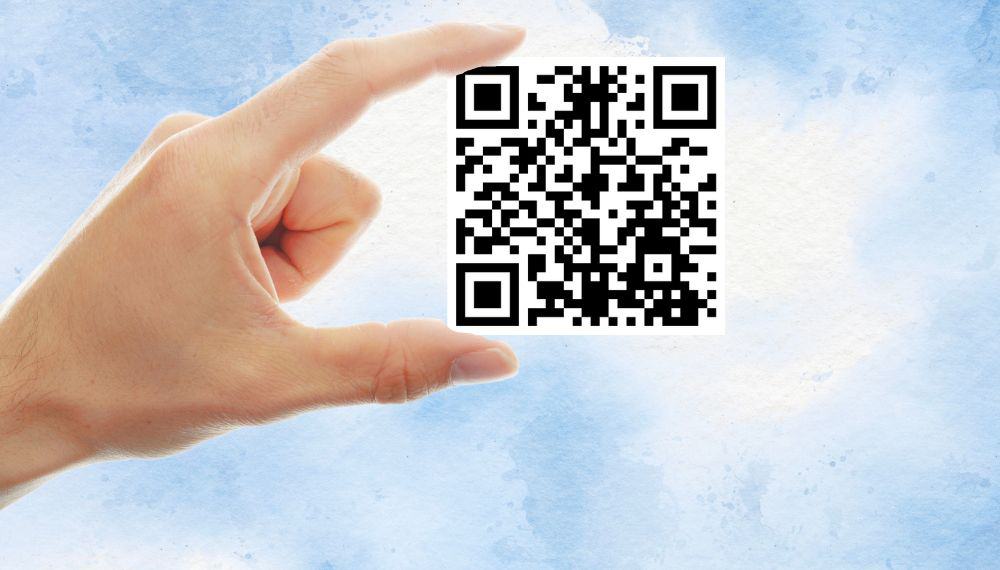
Quick Response codes, short for QR codes, are a grid or a unique pattern of black pixels that holds data for any device to read just by scanning it. These specific arrangements of pixels can be swiftly processed by your phone through different apps, providing a convenient means of storing and accessing information.
While QR codes may appear to be a product of modern technology, they were introduced in 1994 by Denso Wave, an automobile manufacturing company in Japan. These codes were created to facilitate the seamless tracking and scanning process of different parts during manufacturing.
QR codes have transformed with the advances in technology. Today, QR codes are primarily used to quickly and conveniently transmit URLs. Presenting a piece of information or making a payment becomes easy by using a QR code.
QR codes have become widely used in various aspects of life, making tasks more convenient. Understanding QR codes allows you to perform a range of tasks by simply scanning them:
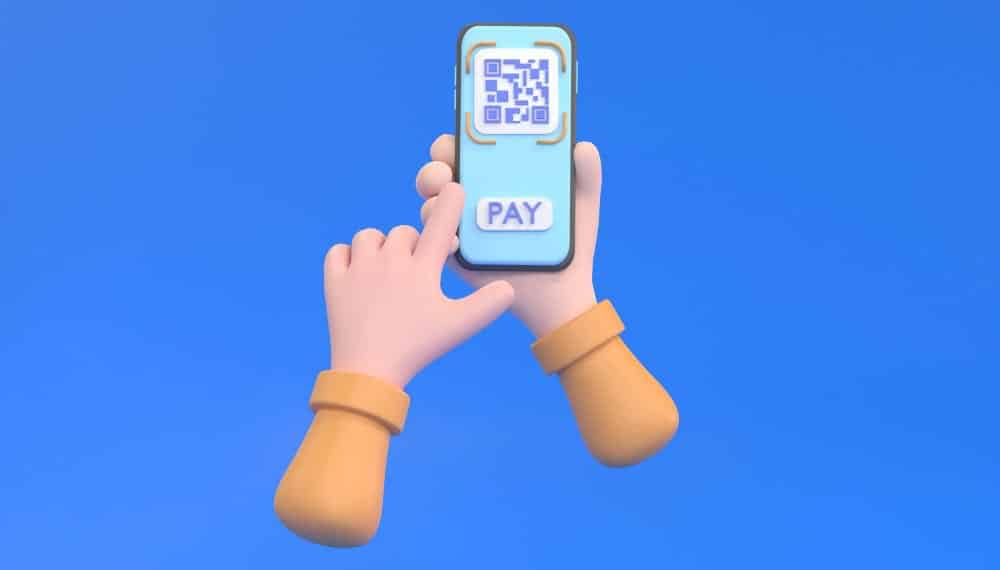
- Facilitate payment transactions.
- Easy downloading of apps from Google Play or Apple Store.
- Receive directions via Google Maps.
- Learn more about the services/products of a company.
- Authenticate online accounts.
- Verify login credentials.
- Connect to Wi-Fi.
In addition to their convenience, the resurgence of QR codes brought about another aspect – They became an exciting new way for individuals with malicious intent to exploit and dupe people easily. QR code scams are on the rise.
In the United States, criminals discreetly place QR codes with the intention of robbing innocent users of personal information and financial assets. QR codes are generally safe to use, but it is essential to be aware of the risks associated with fraudulent QR codes and take precautions to avoid them.
Understanding QR Scams
Creating QR codes has become accessible to anyone through various free online tools. While this ease benefits businesses, it also presents an opportunity for scammers.
There are many QR generators that organizations use. The organizations use various customized or cloud-based software to generate a QR code. To generate QR, they input the URL or information to which they wish to direct customers. It can be a menu in the case of a restaurant, a login page, a survey, or a payment processor. The program then generates a unique QR code, which, upon scanning, automatically guides customers to the designated destination chosen by the QR code’s creator.
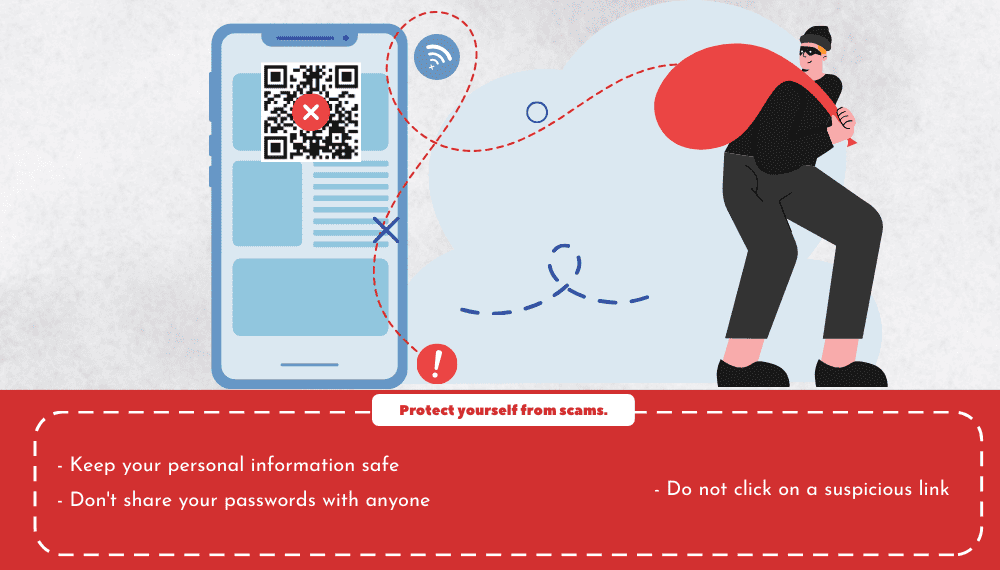
However, there is a crucial factor in this process and that is trust. The human eye cannot read the information stored inside the QR code, so we must rely on our trust that it will direct us to the intended website or perform its designated function. Regrettably, scammers can exploit this trust since creating QR codes is relatively simple.
Beware of deceptive individuals who can replace legitimate QR codes with fraudulent ones. These fake QR codes are designed to redirect users to malicious websites that aim to steal sensitive information. Without realizing it, you might unknowingly provide your data to a counterfeit payment terminal or a cleverly created fake login site.
Scammers strategically place their QR codes in locations where people typically expect to encounter them, such as at a restaurant or even within an email, patiently waiting for someone to scan the code.
What Will Happen If You Scan A Malicious QR Code?
Scanning a malicious QR code can expose you to a range of risks, spanning from minor inconveniences like pranks or unwanted email subscriptions to more severe threats such as financial scams.

Here are some potential dangers you might encounter:
- Malicious QR codes can subscribe you to services or email marketing lists without your consent, potentially resulting in unexpected charges.
- When it comes to scanning QR codes from unfamiliar sources, exercising caution is crucial. Cybercriminals can exploit these codes to obtain your credit card or bank account details fraudulently. This could lead to unauthorized transactions and financial losses.
- Moreover, it is important to be cautious when scanning QR codes as some may contain malicious software that can infect your device. This malicious software can lead to data theft, system crashes, and other technical issues.
- It is worth mentioning that QR codes can also be exploited by cybercriminals for phishing scams. They may try to deceive individuals into disclosing personal information, putting them at risk of identity theft. This could include sensitive details like your name, address, and even social security number.
Therefore, it is crucial to exercise caution when scanning QR codes, especially those you encounter in unfamiliar or suspicious contexts. Always ensure the source is reputable before proceeding to protect your personal and financial information.
Types Of QR Code Phishing Scams
QR codes have become a convenient way to access information, make payments. It is easy to understand how qr code scams work. Here are some common QR scams reported in 2025 that you should be aware of:
Contactless Payments
QR codes are often used for quick payments, like parking fees or restaurant bills. However, scammers may exploit this. When you scan a QR in a public setting to make a payment, you might believe that your money is being sent to the intended recipient, but that’s not always true.
You enter your credit card information, but instead of going to the intended recipient, it goes straight to scammers. They can then use your information for fraudulent purchases.
To safeguard your financial information, follow these precautions:
- Never pay through an unfamiliar QR in public areas. Instead, opt for traditional payment methods when dealing with unfamiliar QR codes.
- Always double-check the website’s URL when asked for payment information. If you have doubts, ask a server or staff member for assistance in a restaurant.
Phishing Emails
Scammers also send QR codes via phishing emails to trick you into revealing sensitive information. These emails might claim to be from trusted retailers like Amazon or Etsy, stating that a recent purchase needs to be finalized by scanning the QR code.
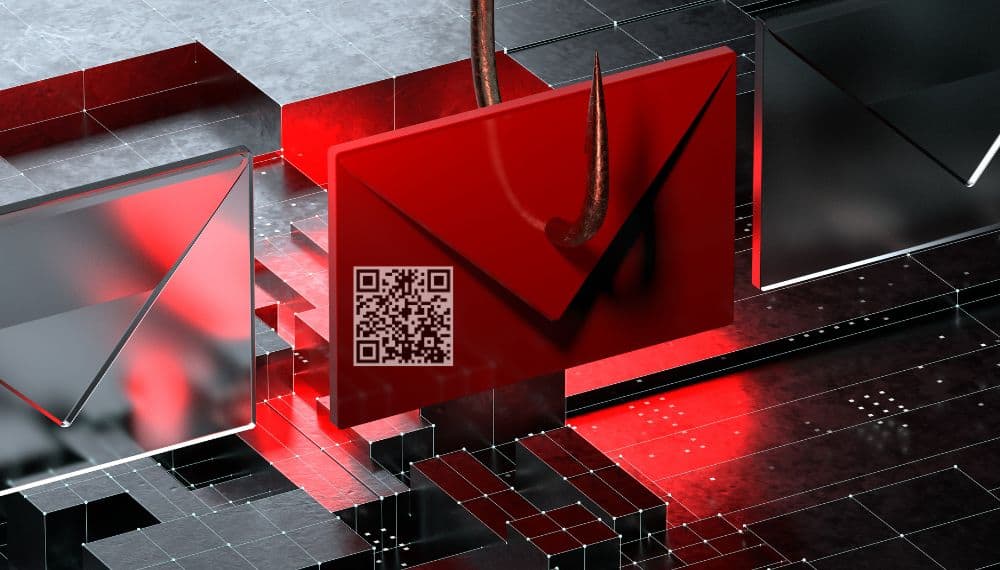
Here’s what you should do to protect yourself from phishing :
- Do not scan QR codes from unsolicited emails. If you didn’t expect to receive a QR code, especially in an email, exercise caution.
- Instead of scanning a QR code from an email, log in directly to your account on the retailer’s official website to address any transaction issues.
- Any QR code in an unsolicited email could be a scam. If you don’t recognize the sender or weren’t expecting the QR code, avoid scanning it.
- Pay attention to typical scam email indicators, such as emails from generic domains like Gmail, and check for spelling errors in the domain.
Social Media QR Scams
Scammers are known to exploit any platform, including social media, to send fake QR codes. In this version of the scam, they compromise hacked social media accounts to send you a QR code accompanied by an enticing message.
For instance, you might receive a message like, “Check out this photo of you I just found!” Because the message appears to come from a “friend,” you’re more likely to trust it and scan the QR code. However, caution is essential in such situations.
Warning Signs of a Social Media QR Code Scam:
- You receive a message containing a QR code from someone you haven’t interacted with in a while.
- The message employs social engineering tactics, using language that either threatens, piques curiosity, or offers a deal that seems too good to be true.
- Approach any QR code received through social media direct messages (DMs) with skepticism.
Tampered QRs at Restaurants
QR codes have become a common sight in restaurants, allowing patrons to access menus or even place orders and make payments. Unfortunately, scammers can tamper with these QR codes to redirect you to phishing websites designed to steal your personal information.
To ensure your safety in restaurants:
- If you have any doubts about a QR code in a restaurant, don’t hesitate to seek assistance from a staff member.
- For added security, manually access the restaurant’s website using your phone’s browser. Only make payments in person at the restaurant.
- Inspect the QR code for any signs of tampering, replacement, or covering with a counterfeit version.
- Be vigilant about QR codes placed in unusual locations, especially those that can be easily moved or QR code stickers found on tabletops.
Guarding Against QR Code Scams – How to Stay Safe?
QR codes offer unparalleled convenience and simplicity, yet can be duped sometimes as you don’t know where the QR code leads. This lapse can expose users to immediate risks. Just as phishing emails can appear deceptively legitimate, QR codes can project an air of authenticity.
These codes are everywhere today, from retail stores and coffee shops to even social media and emails. It can be quite overwhelming to point out the difference between genuine and fraudulent ones. To avoid these scams related to QR codes, you should look for red flags, such as poor grammar, suspicious design, misspelled words, or discrepancies compared to the official website of the purported company.
Furthermore, inspect the web address associated with any QR code you are scanning. You can see the link tied on top of the browser. If the link appears unofficial or seems suspicious, don’t explore it. Sometimes, you may even get warnings from browsers like “This Site Has Been Reported As Unsafe,” “Deceptive Site Ahead,” and “The Site Ahead Contains Malware.” A legitimate link should always secure a connection – https:// and not http://.
When in doubt, particularly at a business establishment, seek confirmation from an employee regarding the authenticity of a QR code. Nevertheless, exercising caution is important, as some fraudsters might use a scamming QR code to overlay legitimate codes. Finally, if the QR code is conspicuously placed in an unusual location, like a random sticker on a wall, with catchy taglines like “Scan and earn money, ” Avoid it!
Conclusion
We often tend to overlook any risks associated with this harmless, unique black code. However, it is crucial to be aware of the possibility of encountering QR scams.
That being said, it is worth highlighting that not all QR codes are harmful or intended for purposes. Many of them serve important functions. They provide convenient ways to access information or make payments quickly. The key is to maintain a healthy level of caution and awareness when dealing with unfamiliar QR codes. In essence, think before you scan! Stick to QR codes from trusted sources, and exercise extra caution if you decide to scan a code of uncertain origin. Your digital safety is worth the extra moment of consideration.