



GrubHub Layoffs and CEO Exit Show Difficulties in the Delivery Service Industry
Posted: August 30, 2023 | Updated:
The recent wave of Grubhub layoffs and the unexpected departure of Grubhub CEO have sent shockwaves through the industry. With approximately 400 employees, representing a staggering 15% of its corporate workforce, being handed pink slips, the company’s leadership justified the move as a necessary measure to uphold their “competitiveness.”
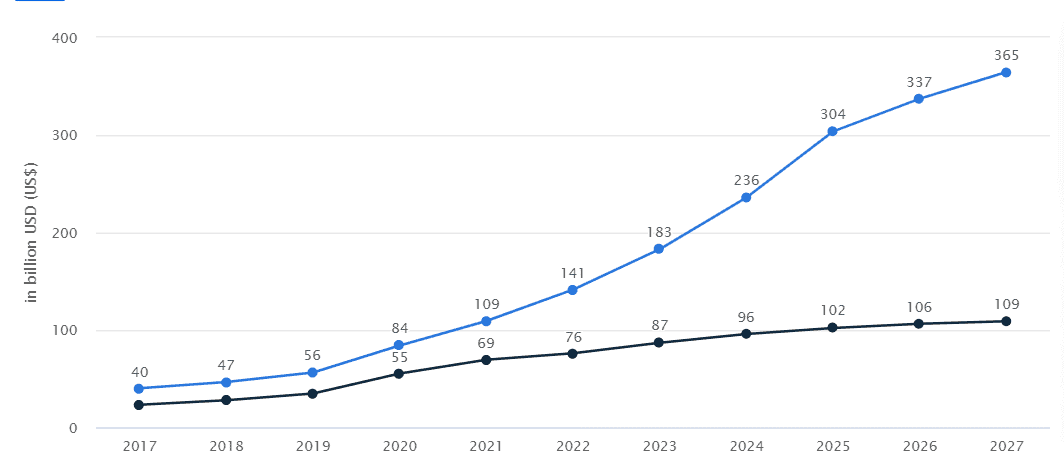
Meal and grocery delivery revenue past and projected
Such bold actions, however, serve as a stark reminder of the underlying challenges and fierce competition that lie beneath the surface of the seemingly seamless delivery service sector.
Company Overview
Grubhub Inc., headquartered in the bustling city of Chicago, Illinois, is a prominent player in the realm of online and mobile prepared food ordering and delivery services. Established in 2004, the company quickly gained recognition for its innovative approach to connecting hungry customers with a vast array of culinary delights from local eateries and restaurants.

Image source – Grubhub
As the digital age revolutionized consumer behavior, Grubhub seized the opportunity to bridge the gap between food establishments and their tech-savvy clientele, facilitating a seamless and convenient dining experience.
Over the years, Grubhub’s user-friendly platform and extensive network of restaurant partnerships have propelled its growth, transforming it into a household name across the United States. By leveraging cutting-edge technology and a customer-centric approach, the company has catered to the ever-expanding demand for hassle-free, on-demand food delivery services.
In a significant development in 2021, Grubhub became a subsidiary of Just Eat Takeaway, a Dutch company specializing in the food delivery sector. This strategic acquisition has further fortified Grubhub’s position in the competitive market, fostering synergies and opening new avenues for expansion and innovation.

As a trailblazer in the online food delivery landscape, Grubhub continues to revolutionize the way people enjoy their favorite meals, reaffirming its commitment to culinary convenience and customer satisfaction. With a strong foundation, a proven track record, and an unwavering drive for excellence, Grubhub stands poised to navigate the evolving challenges of the industry and maintain its status as a frontrunner in the ever-evolving world of food delivery.
Grubhub Layoffs: Unraveling the Challenges in the Delivery Service Industry
In a surprising turn of events, Grubhub, the American online and mobile prepared food ordering and delivery platform, recently announced a significant round of layoffs, adding to the ongoing list of Grubhub news.
The decision to cut approximately 400 employees, amounting to 15% of its corporate workforce, has sent shockwaves through the industry, shedding light on the difficulties faced by the company in the fiercely competitive delivery service sector.
Struggling to Capture Market Share
One of the key factors that triggered the Grubhub layoffs was its struggle to capture a significant share of the food delivery market. Despite being an early player in the industry and enjoying considerable success in its initial years, the company has faced formidable challenges in recent times.
Research from Bloomberg Second Measure revealed that Grubhub has been lagging significantly behind its formidable competitors, such as Uber Eats and DoorDash. As these competitors continued to expand aggressively and innovate, Grubhub found it increasingly challenging to maintain its market presence and retain customers.
Market Dynamics and Competitive Pressures
The food delivery sector has become a hotbed of cutthroat competition, with various players vying for dominance in the market. The rise of app-based platforms has revolutionized the way people order food, making it more convenient and accessible than ever before. However, this convenience has also led to intense competition, with companies constantly seeking ways to outperform one another.
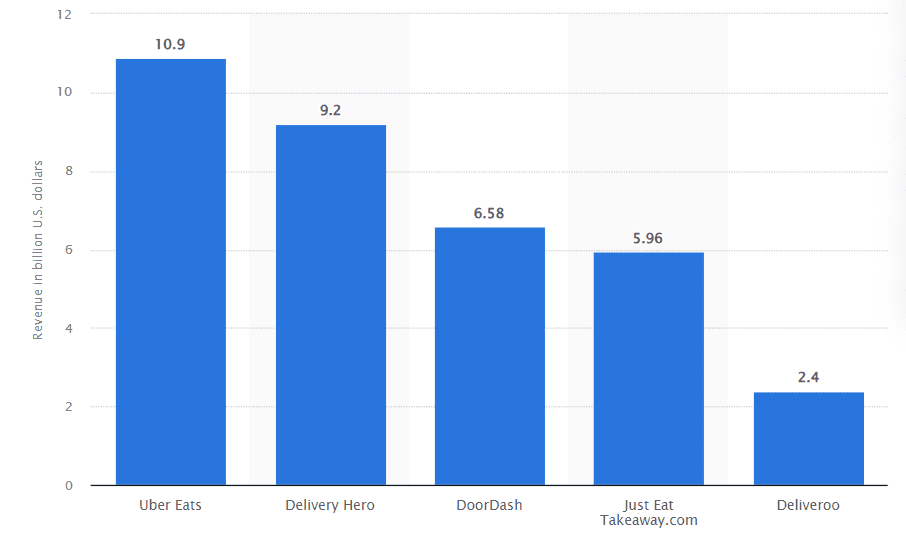
Food delivery company revenue in 2022 – Data source
Grubhub, in its bid to maintain “competitiveness,” had to make tough decisions to optimize its operations and streamline its resources. Unfortunately, this translated into significant layoffs affecting various groups and positions within the organization. The exact details of the affected groups and positions remain undisclosed, with Grubhub declining to comment on the specifics.
Severance Packages and Employee Support
As the news of the layoffs broke, concerns about the welfare of affected employees naturally arose. Grubhub addressed this matter by offering a minimum of 16 weeks severance to the impacted workforce.
While this gesture seeks to provide financial support during the transition period, the emotional toll on employees facing job loss cannot be overlooked. The company is likely to face scrutiny and public opinion on how it handles the welfare and support of its former employees during this challenging time.
Grubhub CEO Plans: Navigating Tough Decisions for Long-Term Success
With the delivery service industry undergoing rapid transformations and heightened competition, Grubhub’s CEO, Howard Migdal, recently unveiled his strategic plans to steer the company toward long-term success. Recognizing the solid foundation and immense potential that lie ahead, the CEO’s memo emphasized the need to make tough decisions to sustain competitiveness and deliver top-notch service for diners and partners alike.
- Reaffirming the Company’s Foundation
- In his memo, CEO Howard Migdal underscored the confidence he has in Grubhub’s current foundation. The company’s journey from its inception in 2004 to becoming a major player in the online and mobile prepared food ordering and delivery platform has been marked by innovation and customer-centricity. Migdal acknowledged the efforts of the entire team in building a strong and reputable brand that has become a household name across the United States.
- Embracing the Immense Opportunity
- While acknowledging the successes of the past, the CEO’s plans are forward-looking, with a strong emphasis on the vast opportunities that lie ahead. The dynamic and ever-expanding food delivery market presents numerous avenues for growth and expansion. With the convenience of app-based platforms reshaping consumer behavior, Grubhub is poised to capitalize on the evolving demands of the modern diner.
- Making Tough Decisions for Competitiveness
- As competition in the food delivery sector intensifies, CEO Howard Migdal recognized the necessity of making tough decisions to ensure Grubhub’s continued competitiveness. The CEO’s emphasis on this aspect indicates that the company is proactively addressing challenges that may arise in the fiercely competitive landscape. Streamlining operations, optimizing resources, and reevaluating market strategies are some of the tough decisions that may be on the table.
- Delivering the Best Possible Service
- Customer satisfaction remains a cornerstone of Grubhub’s approach, and CEO Howard Migdal emphasized the commitment to delivering the best possible service for diners and partners. In an industry where speed and reliability are paramount, the company’s focus on meeting and exceeding customer expectations will be a crucial factor in differentiating itself from competitors. By consistently offering a seamless and enjoyable food ordering experience, Grubhub aims to build long-lasting relationships with its user base.
- Striving for Long-Term Success
- The CEO’s plans highlight a keen focus on achieving long-term success. While short-term gains are valuable, building a sustainable and thriving business requires a broader vision. Grubhub aims to position itself for continued success by charting a strategic course that aligns with market trends and customer preferences.
Grubhub’s CEO, Howard Migdal, has laid out his plans to navigate the challenges and opportunities in the delivery service industry. Grubhub is gearing up for long-term success.
Layoffs Cast a Shadow on the On-Demand Delivery Space
The on-demand delivery space, once a beacon of convenience and innovation, is facing a period of uncertainty and challenges as recent layoffs have rocked the industry. With several key players announcing job cuts, the landscape is undergoing significant changes that reflect the mounting pressures faced by companies operating in this space.
Deliveroo’s Workforce Reduction
The United Kingdom-based on-demand delivery service Deliveroo recently made headlines when it announced a 9% reduction in its workforce. Founder and CEO Will Shu confirmed that approximately 350 roles would be affected, although the final count is expected to be around 300 due to redeployments.

Image source Deviveroo
This move by Deliveroo, a prominent player in the international food delivery market, signals the challenges that even well-established companies are facing in maintaining stability and competitiveness.
Closures and Workforce Cuts in a Single Week
Adding to the turbulence in the on-demand delivery space, there have been notable closures and job cuts within a short span. Ultrafast grocery delivery firm Food Rocket shuttered its operations, leaving behind a void in the market.
Additionally, convenience retail delivery service Gopuff cut around 2% of its workforce in a bid to navigate the evolving landscape. These developments highlight the impact of mounting economic pressures and the need for businesses to reassess their strategies and adapt to the changing demands of consumers.
Consumer Budget Constraints
The challenges faced by on-demand delivery services are compounded by the financial constraints experienced by consumers.
As economic pressures mount, many find that delivery services have become a luxury they can ill afford. In such an environment, on-demand delivery companies are grappling with lower demand and increased price sensitivity from their customer base. This scenario places immense strain on the financial viability of delivery firms and further exacerbates the need for cost-cutting measures.
Navigating the Path Ahead
The on-demand delivery space is at a crossroads, with companies facing the pressing need to recalibrate their operations to maintain viability and relevance. Adapting to evolving consumer demands, exploring innovative delivery models, and optimizing resources will be crucial for companies aiming to weather the storm and emerge stronger.
How to Address the Challenges in the On-Demand Delivery Space
Addressing the challenges in the on-demand delivery space requires a comprehensive and strategic approach. Here are some key steps that companies can take to navigate these difficulties:
- Diversify and Innovate Services: To stay relevant and attract customers in a highly competitive market, on-demand delivery companies should diversify their services. Expanding beyond food delivery to include grocery, medicine, and other essential items can broaden the customer base and create new revenue streams. Additionally, investing in innovative technologies and delivery models, such as drone or autonomous vehicle delivery, can improve efficiency and customer satisfaction.
- Optimize Operations and Resources: Companies need to streamline their operations and optimize resources to increase cost efficiency. Utilizing data analytics to identify delivery patterns, optimizing delivery routes, and managing the workforce efficiently can significantly reduce operational expenses. Implementing environmentally sustainable practices can also appeal to environmentally-conscious consumers.
- Enhance Customer Experience: Prioritizing customer experience is crucial in retaining existing customers and attracting new ones. Offering timely deliveries, reliable tracking systems, and responsive customer support can enhance customer satisfaction and loyalty. Personalization of services, such as customized meal recommendations or special promotions, can further strengthen the bond with customers.
- Focus on Affordability and Value: Given the economic pressures consumers face, offering affordable and value-driven services is vital. Companies can introduce loyalty programs, subscription models, or bundle deals to incentivize repeat orders and attract price-conscious customers.
- Employee Welfare and Upskilling: During periods of layoffs or downsizing, it’s crucial to prioritize employee welfare. Offering fair severance packages and providing support for reemployment or upskilling can help ease the transition for affected employees. A motivated and well-supported workforce is more likely to contribute positively to the company’s success.
- Collaboration and Partnerships: Forming strategic partnerships with restaurants, grocery stores, or other retailers can expand the service range and enhance the company’s market presence. Collaborating with local businesses can create a win-win situation, where on-demand delivery companies tap into a wider customer base, and partnering businesses gain exposure and increased sales.
- Market Research and Consumer Insights: Conducting thorough market research and staying updated on consumer insights is crucial for understanding evolving trends and demands. This knowledge can inform business decisions and help companies proactively respond to changing market conditions.
- Adaptability and Agility: Flexibility and adaptability are essential traits in a fast-changing market. Companies should continuously monitor industry developments, consumer preferences, and emerging technologies to quickly pivot and align with the changing landscape.
Conclusion
In conclusion, the on-demand delivery space is currently facing a period of transformation and challenges, as evidenced by recent Grubhub layoffs and other developments in the industry. The competitive landscape, economic pressures, and evolving consumer behaviors have prompted companies to make tough decisions to maintain competitiveness and sustainability.