


Tech-Enabled Fundraising Events: Using QR Codes and Mobile Payments at Charity Events
Posted: October 15, 2025 | Updated:
Fundraisers are moving beyond cash buckets. Today’s donors expect fast, digital giving options. In fact, contactless donations now account for a considerable share of donations – one report found nearly 42% of U.S. contributions came from digital taps or scans by 2025.
Worldwide, over three-quarters of people use digital payments, and younger donors are increasingly unlikely to carry cash or checks. With QR codes and mobile payment terminals, nonprofits meet these preferences. Event attendees can give instantly on their phones or cards, boosting overall donations without the friction of cash or long forms.
Tech Tools for Modern Fundraising
- QR Code Posters: Print large QR codes linking directly to your donation page on posters, flyers, or banners. Attendees scan the QR code with their smartphone camera to open a mobile-friendly giving form – no typing or cash is needed.
- Text-to-Give Campaigns: Display a short code and keyword (such as TEXT GIVE to 12345) on screens and signs. Donors use their mobile phones to send an SMS and can complete a gift within seconds. This taps into the fact that a growing fraction of gifts now arrive via mobile devices (roughly a quarter of online donors give this way).
- Mobile Payment Terminals: Equip galas, runs, or booths with portable tap-to-pay devices or kiosks. These card readers enable supporters to swipe or tap their credit/debit cards (or digital wallets) on the spot. Sleek donation kiosks with touchscreens can be strategically placed in high-traffic areas, allowing people to contribute at any time.
Nonprofits can place QR code posters or flyers at events. Attendees scan the code with their phone to instantly access a donation page.
QR Codes at Events
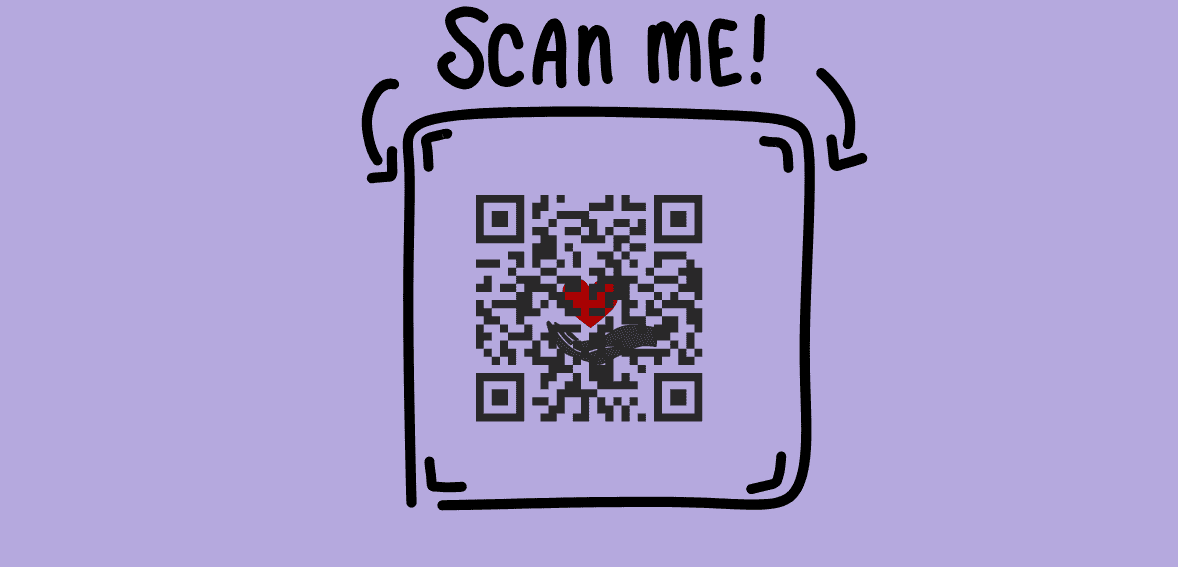
Putting QR codes everywhere simplifies giving. Print them on bucket labels, table tents, or signage so donors can scan and make a donation right away. A QR code on a poster might link to a mobile donation form pre-filled with campaign details. This dramatically reduces steps: once scanned, the donor sees your branded donation page and taps to confirm. Donors don’t need cash or even to type a web address. Studies show this convenience matters – 54% of people say contactless options make giving easier. QR placements on collection buckets and event materials capture donations from donors who no longer carry cash.
With QR codes, the experience is seamless. The code can open a secure online form (with amounts pre-selected) or even launch an open-banking link for instant transfers. Nonprofits often print separate codes for each campaign or donation level, helping track which appeals work best.
Text-to-Give Campaigns
Live events also benefit from text campaigns. Onstage or on-screen announcements prompt attendees to send a text with a keyword and an amount. The donor simply texts (for example) “HOPE 50” to a designated number. Within seconds, a mobile-friendly donation page appears where they enter their payment information. This method taps into impulse generosity – donors need only a phone, a number, and a message. Unlike entering a lengthy URL or filling a complex form, texting to give takes just moments.
Text giving is especially powerful at large fundraising drives or auctions. Audiences at galas see a shortcode on every visual, which reminds them “when you feel moved, just text.” Nonprofits have found that amplifying giving via text can reach a wider audience – after all, about 57% of web traffic is on mobile and roughly a quarter of donors now give via their phones. Integrating text codes into campaigns (and even into social media) ensures you capture gifts from supporters wherever they are.
Mobile Payment Stations and Kiosks

Many nonprofits add portable card readers or self-service kiosks at events. For example, at a charity race or museum gala, one might find a table with a tap-to-donate box or a credit card swiper. Attendees tap their credit card or phone (Apple Pay/Google Pay) on the device to make an immediate donation. This allows donors to contribute on the spot without having to wait in line or fill out forms.
Portable card readers and kiosks enable supporters to donate with a quick swipe or tap of their credit/debit card (no cash required). These devices can be deployed at entrances, booths, or hospitality areas to capture spontaneous gifts.
Donation kiosks also provide on-screen prompts, enabling individuals to select amounts or set up recurring gifts. Behind the scenes, each transaction flows directly into the nonprofit’s database (minimizing paperwork). Plus, kiosk systems typically include analytics. Organizers can view real-time dashboards that show the total amount raised so far and identify which kiosk (location) is the most active. These data-driven insights help optimize future events.
Benefits of Contactless Donations

- Immediate, Convenient Giving:
Contactless methods eliminate friction. Donors can give in seconds with a tap or scan, often boosting participation. In practice, adding digital options has increased total donations – in fact, contactless giving can raise about 30% more simply because it’s effortless.
- Higher Engagement and Amounts:
When giving feels as easy as buying a coffee, more supporters participate. Many nonprofits report higher average gifts and improved conversion once QR codes and card readers are added. For instance, one charity saw its QR campaign raise 4× more than a similar text-to-give effort.
- Real-Time Tracking:
Every tap or scan is logged immediately. Fundraisers see instant confirmations and can display live progress updates to donors. This transparency (showing e.g., “$5,000 raised so far”) creates urgency and trust. Modern systems automatically sync donations into CRMs, making it simple to track donations by campaign or source.
- Reduced Overhead:
Handling cash or checks is costly and prone to error. With tech-driven events, most donations often bypass the need for money entirely. Not only is counting eliminated, but digital records and receipts are generated automatically. This efficiency means more of each gift goes directly to programs.
- Reaching Younger Donors:
Tech tools appeal to Millennials and Gen Z, who “are digitally native” and expect mobile giving. These generations often research and donate on smartphones, preferring apps and wallets over envelopes. By providing QR, text, and tap options, nonprofits stay relevant and keep younger supporters engaged.
Tips for a Seamless Donor Experience
- Place Codes and Readers Strategically:
Place QR codes and card readers where people spend time, such as on tables, podiums, or welcome desks. Make the call-to-action apparent (e.g., “Scan here to donate” on a poster). The easier it is to find, the more people will use it.
- Use Clear Messaging:
Label each option – for example, display “TEXT HOPE 50” or “Tap your card here” on signage. Emphasize that donors need only a phone or card (no envelopes or cash) to donate. Such clarity keeps gifts rolling in during peak moments.
- Optimize Mobile Forms:
Ensure the online donation page is mobile-friendly and loads quickly. Pre-fill known donor info when possible, and offer preset amounts plus a custom option. The fewer taps needed, the better. After giving, instantly show a thank-you screen or send an email/text receipt, since 89% of donors expect immediate confirmation.
- Offer Multiple Payment Methods:
Accept all standard methods (credit/debit, PayPal, Apple Pay, Google Pay, etc.) so no one is left out. If using kiosks, include options for quick recurring gifts too. Some donors may prefer saving their payment to give again; enabling that can boost long-term support.
- Train Staff to Assist:
Have volunteers or staff members nearby who can explain the process if needed, especially for attendees who are less tech-savvy. A short demonstration (“just tap here to give”) can demystify the method for older donors. Contactless options actually make giving “more inclusive” by allowing anyone (young or old) to participate easily.
By following these tips, nonprofits can make sure technology enhances the event rather than complicating it.
Conclusion
Modern fundraisers that embrace mobile giving consistently see better results. QR codes, text-to-give, and on-site payment terminals remove barriers, allowing donors to give when and where inspiration strikes. These tools cater to younger generations and enable donation workflows to function in real-time.
Ultimately, incorporating technology into your event means faster gifts, richer data, and happier donors. The bottom line: by integrating QR code posters, SMS campaigns, and tap-to-pay devices, nonprofits modernize the fundraiser, increase contributions, and engage supporters on the devices they already carry.