







Retailers in 2025 face shaky economics, shifting shopper habits, and quick tech changes. Growth no longer comes from one channel. It depends on how well stores, websites, and data work together for the customer. Shoppers move across channels without thinking, so retailers must look and feel the same everywhere.
Market forecasts reflect this complex reality. Nominal US retail sales are projected to grow by a respectable 4.0% in 2025, but this growth is uneven. It is fueled primarily by a 10% year-over-year increase in non-store (e-commerce) sales, while traditional in-store sales are expected to see only modest 2% gains. This gap shows why online and in‑store must improve together.
Retail executives identify increasing business costs, intensifying price wars, and strained consumer trust due to the rapid deployment of new technologies like AI as significant challenges to growth. To thrive, retailers must move beyond familiar tactics and embrace retail growth strategies that build resilience, deepen customer relationships, and create unique value in a crowded marketplace.
Retail Growth Strategies: Conquer the Marketplace in 2025
Elevating the In-Store Experience – The New Role of Brick-and-Mortar

Despite the rapid growth of e-commerce, the physical store is not becoming obsolete. Its role has evolved from a simple point of transaction into a powerful engine for brand building, customer engagement, and experiential marketing.
The store’s primary value is shifting from sales-per-square-foot to experience-per-square-foot, which includes fostering brand affinity, collecting valuable first-party data, and building community.
The Store as a Destination: Beyond Transactions to Experiences
Data shows an apparent resurgence in the relevance of physical retail. Approximately 80% of all shopping still happens in brick-and-mortar stores, and shopping center vacancy rates have fallen to a two-decade low.
This is not a return to the past but a reflection of a new consumer demand. Shoppers, particularly younger generations like Gen Z, are looking for immersive, futuristic, and creative physical shopping experiences. A significant 78% of retail leaders now believe that creating compelling in-store experiences is critical to their future business growth.
The strategy, therefore, is to transform the store into a destination that online-only competitors cannot replicate. This involves focusing less on pure sales volume and more on creating engaging, unique moments that build lasting brand loyalty.
- Hosting Events and Workshops: Retailers can position their stores as community hubs by hosting events. For example, Unilever’s St. Ives brand launched a successful in-store concert series called “Mixing Bar” to attract foot traffic. Other effective strategies include offering DIY workshops, such as jewelry making or clothing styling sessions, and hosting educational seminars on topics relevant to the brand’s products.
- Creating Immersive Environments: The physical space itself can become a powerful brand statement. The footwear brand Vans converted a series of underground tunnels in London into 30,000 square feet of skateparks and art galleries, creating an environment that embodies its culture. Other brands use interactive technology, like Kraft’s motion-tracking floor games in grocery stores, or visually striking art installations, like those in L’Occitane stores, to make the space “Instagrammable” and encourage user-generated social media content.
- Pop-Ups and Unconventional Venues: Experiential retail is not confined to the traditional store. Pop-up shops and brand activations at events like the Coachella music festival create a sense of excitement and exclusivity. Brands are also moving into concert venues and sports arenas, capitalizing on the high energy and emotional connection of fans to create powerful retail moments.
Strategic Store Design and Merchandising
A store’s layout shapes how people shop. In North America, most customers turn right after they walk in, so the first steps matter. Keep the space just inside the door clear – this “decompression zone” lets shoppers adjust before they notice products. Put your strongest display on the right‑hand wall, then guide traffic along a simple counter‑clockwise loop. Break that path with small, eye‑catching stops so shoppers don’t get aisle fatigue and leave early.
Fixtures should fade into the background; the merchandise is the star. Place key items at eye level where they are easiest to see. Use the checkout line for one last nudge: stock the queue with low-priced impulse buys, a tactic chains like Old Navy and TJ Maxx use to turn waiting time into extra sales.
The Human Element: Empowering Staff for Personalized Service
Technology can personalize a store visit, but absolute loyalty grows from human contact. Shoppers trust confident staff who act like true brand advocates, not sales machines. That starts with training that focuses on people skills – active listening, empathy, and matching each customer’s style.
A quick “Can I help you?” rarely works; a question like “What brings you in today?” opens a real conversation.
Managers can build these habits through role‑play, letting employees rehearse challenging moments, calm an upset shopper, or suggest add‑on items without sounding pushy. Deep product knowledge matters too. Give staff time to try the merchandise, study clear guides, and run hands‑on demos so they can speak with authority. Finally, write a simple service playbook. Clear standards make sure every visitor gets the same solid experience, no matter who is on the floor.
Integrating In-Store Technology
In the modern retail environment, technology plays a starring role. The goal of in-store technology is twofold: to enhance the customer experience with engaging new features or to streamline operations to make shopping more convenient.
- Augmented Reality (AR): AR is a powerful tool for blending the digital and physical worlds. It allows customers to use their smartphones to visualize how a piece of furniture would look in their home (IKEA) or to virtually try on makeup (CoverGirl) or clothing (Zara, AIUTA). This reduces purchase uncertainty and creates a novel, engaging experience.
- Interactive Kiosks and Displays: Digital signage and interactive kiosks can provide detailed product information, allow customers to check inventory levels, and even offer self-service checkout. This empowers customers and frees up staff to focus on more complex, value-added interactions.
- Smart Shelves and RFID: Technologies like smart shelves and RFID tags provide real-time inventory data. This helps retailers prevent costly stockouts of popular items, enables dynamic pricing adjustments, and streamlines overall inventory management. The operational efficiency gained from these technologies directly translates to a better and more reliable customer experience.
Omnichannel and Online Expansion – Reaching Customers Everywhere
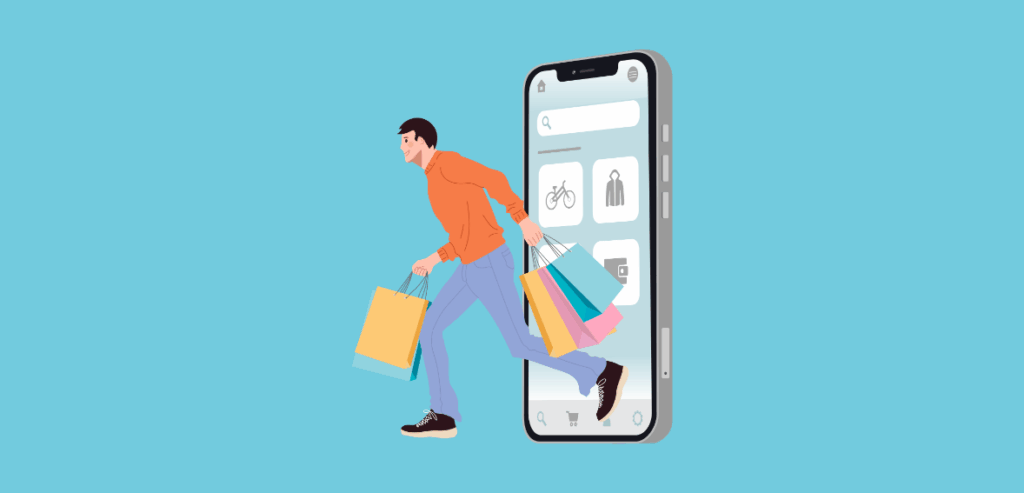
A modern retail strategy requires a seamless and integrated presence across all physical and digital channels. This means moving beyond the simple concept of having an online store to orchestrating a completely unified customer journey. This operational imperative is driven by the need to deliver the convenience customers expect while unlocking significant efficiencies.
The ability to fulfill an order from any location – be it a warehouse, a distribution center, or another store – based on cost, speed, and customer preference is a decisive competitive advantage. This reality blurs the lines between “e-commerce operations” and “store operations,” requiring unified leadership with visibility over the entire network.
Building a High-Performance E-commerce Foundation
A brand’s website is its digital flagship store. With 55% of consumers showing a clear preference for online retail platforms and half of all shoppers prioritizing purchasing directly from brand websites, a high-performance e-commerce site is non-negotiable. The primary drivers for online shopping are convenience (cited by 71% of shoppers) and better prices (64%). Therefore, a brand’s site must be fast, intuitive, and trustworthy.
- Optimize for Speed and Mobile: Website loading speed is critical. Retailers should use tools like Google’s PageSpeed Insights to analyze and improve performance. A responsive, mobile-first design is essential, featuring prominent, clear calls-to-action (CTAs) that are easy to use on a smaller screen.
- Streamline Navigation: A prominent and effective search bar, combined with straightforward category navigation, is crucial for helping shoppers find what they need quickly. The content visible “above-the-fold” on the homepage – what a user sees without scrolling – creates the first impression and must communicate the brand’s identity and value proposition.
- Enhance Product Pages: Product pages must build confidence. This is achieved through high-quality images and videos, compelling and detailed product descriptions, and user-generated content such as customer reviews and ratings, which provide powerful social proof.
- Reduce Cart Abandonment: To combat cart abandonment, retailers should streamline the checkout process by offering a guest checkout option, providing clear and upfront shipping information, and ensuring a variety of payment methods are available. Exit-intent technology, which presents a special offer or discount when a user is about to leave the site, can also be effective at recapturing hesitant shoppers.
Leveraging Online Marketplaces for Growth
Marketplaces increasingly dominate the retail landscape. Major industry disruptors like Shein, Temu, and Amazon are all built on a marketplace model. Their influence is growing; 57% of shoppers now use online marketplaces like Amazon as their primary channel for discovering new products, a 10% increase from the previous year.
For retailers, marketplaces offer a relatively low-risk way to expand their reach, tap into a large and established customer base, and even test new international markets without the significant upfront investment required to build a standalone e-commerce infrastructure.
The choice of platform should align with the brand. Broad marketplaces like Amazon offer massive scale, while niche platforms like Etsy (for handmade and craft goods) or Zalando (for fashion) provide access to a more targeted, high-intent audience that is already committed to purchasing that category.
Remember, marketplaces operate on trust, which is heavily influenced by customer reviews. Retailers should actively encourage customers to leave reviews, as they are a primary factor in other consumers’ purchasing decisions and can quickly build a brand’s reputation on the platform.
The Core of Omnichannel: Unified Systems for a Single Customer View
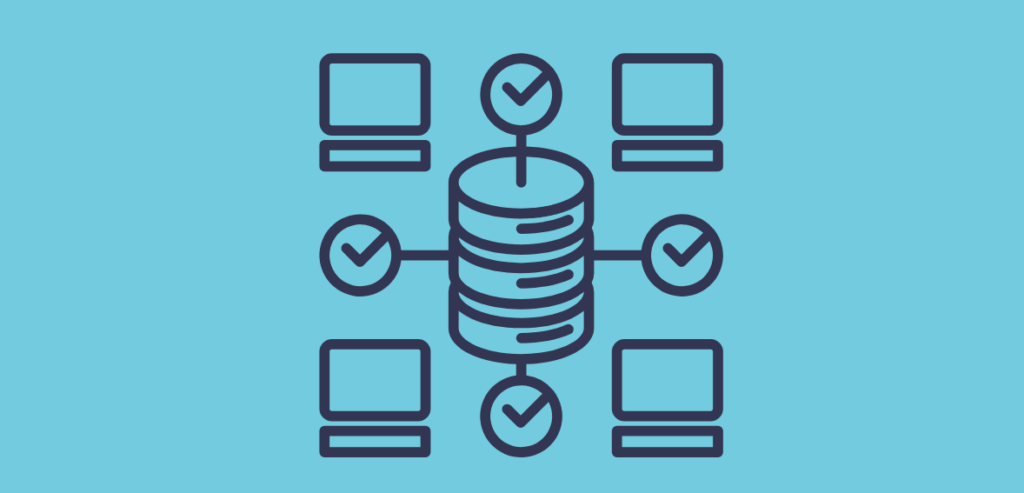
Omnichannel retail is about giving shoppers one smooth experience, no matter how they switch between website, app, or store. Sixty‑one percent of customers expect their data and history to follow them, so the systems behind the scenes must work as one. Start with inventory: every warehouse and store needs to share the exact live stock count, so services like “buy online, pick up in store” or ship‑from‑store never disappoint.
Add a customer data platform that pulls orders, loyalty activity, and social interactions into a single profile; that way, offers and messages stay relevant everywhere. None of this sticks unless teams talk – marketing, sales, IT, and operations have to plan together to keep the journey seamless.
Data-Driven Marketing and Loyalty – Building Lasting Customer Relationships

In the 2025 retail environment, data is a retailer’s most valuable asset. The ability to collect, analyze, and act on customer data is what separates market leaders from the rest. This data is the key to moving beyond generic, transactional relationships and building deep, lasting customer loyalty. This process creates a virtuous cycle: data helps identify a brand’s best customers and understand their motivations.
Community platforms and loyalty programs then provide the means to engage those customers in a meaningful, non-transactional way. This engagement strengthens their loyalty, which in turn generates more data and attracts new customers through advocacy. This shifts the role of marketing from simply broadcasting messages to facilitating conversations and nurturing relationships.
Unlocking Insights from POS and CRM Data
The integration of a retailer’s Point-of-Sale (POS) system with its Customer Relationship Management (CRM) software is foundational. This connection creates a unified platform that links every transaction to a specific customer profile, providing a rich, detailed view of their behavior. Retailers can track not only what a customer buys but also their purchase frequency, their preferences for specific brands or categories, and their total lifetime spending.
This integrated data is a treasure trove that allows for precise, data-driven decisions on everything from inventory management to marketing promotions.
- Identify Top Customers: POS and CRM data make it easy to pinpoint a retailer’s most loyal and high-spending customers. These are the individuals who should be targeted with VIP rewards, exclusive offers, and special treatment to reinforce their loyalty.
- Optimize Product Offerings: By analyzing sales data, retailers can identify which products are best-sellers and which are slow-moving. This insight is crucial for optimizing inventory, ensuring popular items are always in stock, and avoiding costly overstocking of products that customers do not want.
- Inform Store Layout and Pricing: Data can also inform physical store strategy. By analyzing foot traffic patterns and correlating them with purchase data, retailers can optimize product placement to increase sales. This data can also be used to implement dynamic pricing strategies that adjust based on demand, seasonality, and customer behavior.
Designing a Modern Loyalty Program
Strengthening loyalty programs is a top priority for retail executives, with 46% citing it as a key growth strategy for 2025. The impact of a successful program is significant. For example, members of Adidas’s adiClub loyalty program buy 50% more often and have twice the lifetime value of non-members.
However, modern loyalty programs are about more than just transactional discounts. The most effective programs create value, foster a sense of community, and provide exclusive experiences that build a deep, emotional connection to the brand. Retailers have several models to choose from, each with distinct advantages.
| Loyalty Model | How It Works | Pros | Cons | Best For | Examples |
| Points-Based | Customers earn points for purchases, which can be redeemed for rewards. | Simple to understand; encourages repeat purchases. | Can feel transactional; points can be devalued. | Retailers with frequent, lower-cost purchases (e.g., coffee, groceries). | Starbucks Rewards, Walgreens |
| Tiered | Members unlock higher levels of benefits and exclusivity as spending increases. | Creates aspiration; fosters a sense of status and VIP treatment. | Can alienate lower-spending customers; complex to manage. | Aspirational brands, beauty, fashion, high-end retail. | Sephora Beauty Insider, Nordstrom’s Nordy Club |
| Value-Based | Rewards customers for non-purchase actions (e.g., reviews, recycling). | Builds emotional connection; aligns with brand values. | ROI can be hard to track; needs genuine brand commitment. | Brands with a mission or community focus (e.g., sustainability, fitness). | LEGO Insiders, H&M (sustainability incentives) |
| Subscription/Paid | Customers pay a recurring fee for ongoing benefits (e.g., free shipping). | Predictable revenue; retains high-value customers. | High entry cost; must deliver consistent, clear value. | High-frequency retailers where convenience is key. | Amazon Prime, Walmart+, Barnes & Noble |
Case studies of leading programs reveal these principles in action:
- Starbucks Rewards is a masterclass in mobile integration and personalization. Its app makes it seamless to order, pay, and track “Stars.” The company uses AI to deliver personalized offers, which drives high levels of engagement and accounts for over 55% of its revenue.
- Nike Membership focuses on exclusivity and community. Members get early access to limited-edition product drops, tickets to sporting events, and access to premium training apps. The program is less about earning discounts and more about being part of an exclusive club.
- Sephora’s Beauty Insider is a premier example of a tiered program. It effectively combines points that can be redeemed for products with unique experiential rewards and a strong online community, successfully encouraging customers to spend more to unlock the higher VIB and Rouge status levels.
Executing Personalized Marketing Campaigns
Generic marketing is no longer effective. Today’s consumers not only prefer but also expect personalized interactions. Research shows that 71% of consumers expect companies to deliver personalized experiences, and 76% get frustrated when they do not. The business case is just as compelling: effective personalization can lift total sales by 1-2% and boost sales-conversion rates by 10-15%.
- Segmented Email and SMS Campaigns: Using POS and CRM data, retailers can segment their customer base by purchase history, purchase frequency, location, or other attributes. This allows for highly targeted campaigns, such as sending restock alerts for a previously purchased item, special promotions for a customer’s favorite brand, or win-back offers to lapsed customers who have not shopped in a while.
- Personalized Product Recommendations: A customer’s browsing and purchase history can be used to power a recommendation engine that suggests similar or complementary products. These recommendations can be displayed on the website, included in marketing emails, or even used by store associates for in-person clienteling.
- Lifecycle Marketing: This strategy involves sending automated but personalized messages at key moments in the customer journey. Examples include a welcome offer for a new customer, a special discount for a birthday or anniversary, or a thank-you message after a particularly high-value purchase.
The Power of Community: From Customers to Advocates
A brand community turns shoppers into loyal advocates and lifts revenue – engaged members spend about 23% more than others. The key is purpose. Give people an apparent reason to gather, whether it’s a shared passion, co‑creating new products, or backing a cause. Create a welcoming online home – your forum, a private social group, wherever your customers already hang out. Keep it lively with behind‑the‑scenes posts, Q&As, and member stories, and moderate it so the tone stays friendly.
Link the digital space to real life. Host events and workshops in your stores, team up with local partners, or organize volunteer days that reflect your values. Finally, spot your biggest fans and treat them like insiders. Offer early product previews, special access, or ambassador roles. When people feel seen and valued, they pay it back with steady loyalty and word‑of‑mouth you can’t buy.
Conclusion
Success in the competitive 2025 retail market will not be determined by choosing between physical and digital, or between technology and the human touch. It will be defined by orchestration – the ability to skillfully coordinate all of these elements into a single, seamless, and customer-centric strategy. Retailers who can make their various channels and functions work in harmony will build the resilience and agility needed to thrive.
The foundational layers for this orchestration are non-negotiable: unified data and unified inventory. Without a single, real-time view of the customer and a single, accurate view of stock across the entire network, higher-level strategies like AI-powered personalization, frictionless click-and-collect, and effective supply chain management will inevitably fail. These systems are not just IT projects; they are the core infrastructure for modern retail.