


Omnichannel Payment Integration: Unifying In-Store and Online Sales in 2025
Posted: September 11, 2025 | Updated:
The payments landscape is changing fast, and consumer expectations are higher than ever. Consumers now demand seamless, secure, and flexible payment experiences, regardless of where or how they make a purchase. For today’s merchants, whether retailers or specialized service providers, meeting these demands is no longer optional. It’s a requirement for staying competitive.
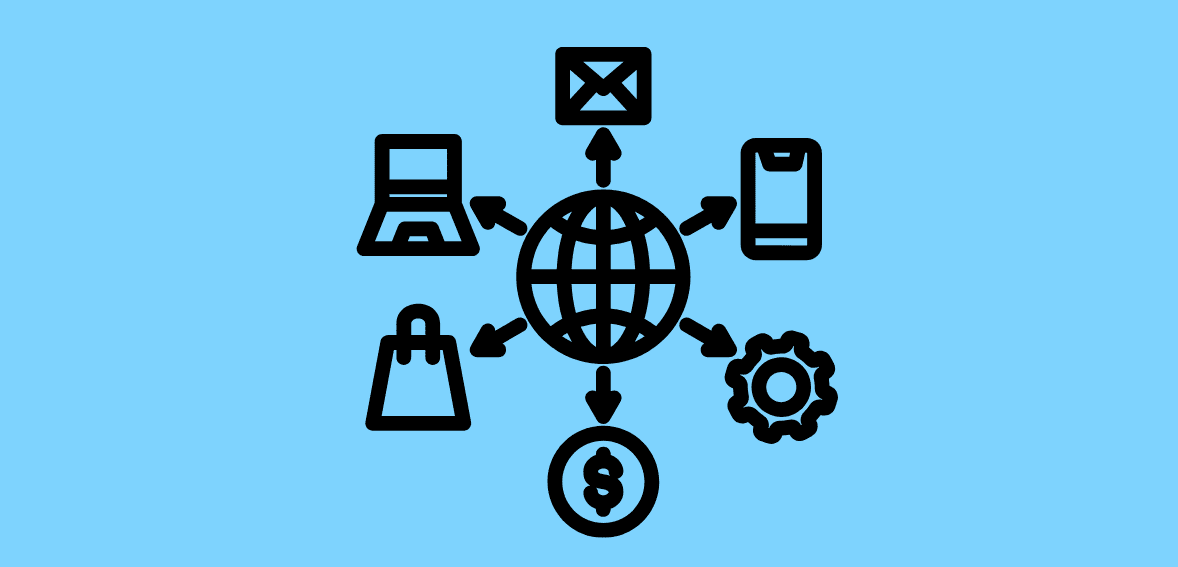
Disconnected payment systems are hindering businesses. They create friction, frustrate customers, and add operational complexity. Omnichannel payment solutions address this by unifying in-store, online, and mobile transactions into a single, integrated platform. The result is a consistent, effortless payment experience across every touchpoint.
It’s time to eliminate barriers and streamline the customer journey. With a single, connected payments ecosystem, businesses can enhance customer satisfaction, foster loyalty, and align with strategies that drive growth in a digital-first world.
What Are Omnichannel Payment Solutions?
Omnichannel payment solutions centralize and orchestrate diverse payment channels like online storefronts, physical point-of-sale terminals, mobile apps, social and chat commerce, and call-center payments, into a single platform. It synchronizes customer payment data and purchase histories across every touchpoint, which allows shoppers to initiate a transaction via one channel and complete it via another without re-entering their payment credentials or losing their cart contents.
Integrating with CRM, loyalty, and inventory systems, these solutions store and analyze customer preferences to deliver personalized checkout experiences, targeted promotions, and real-time inventory visibility, thereby increasing conversion rates and also promoting customer loyalty.
Core Components of Omnichannel Payments

Modern omnichannel payment platforms support a comprehensive array of channels, organized into In-Store, Digital & Remote, Specialized & Alternative, and Emerging categories:
In-Store Channels
- Traditional POS Terminals: Countertop and integrated systems accepting EMV chip, magstripe, contactless cards, and digital wallets for face-to-face transactions.
- Mobile POS (mPOS): Portable card readers attached to smartphones or tablets, enabling payments on-the-go at pop-ups, events, and tableside service.
- Self-Service & Unattended Kiosks: Stand-alone or embedded kiosks in retail, hospitality, transit, and vending that facilitate payments without attendant interaction.
- Vending & Ticketing Machines: Specialized devices for automated sales of goods and services, incorporating EMV, contactless, and QR-code capabilities.
Digital & Remote Channels
- E-Commerce Websites & Payment Links: Online storefronts and hosted checkout URLs sent via email or SMS, supporting cards, wallets, and BNPL for remote purchases.
- Mobile & In-App Payments: Native SDKs and APIs embedded in mobile apps for seamless one-click or biometric-enabled transactions.
- Social & Chat Commerce: Integrated payment experiences inside social media (Instagram, Facebook, TikTok) and messaging apps (WhatsApp, WeChat, Messenger) via chatbots or buy buttons.
- Virtual Terminals & Phone Orders: Web-based dashboards for manual entry of card details in MOTO or call-center scenarios, often paired with recurring billing capabilities.
- Third-Party Marketplaces: Embedded checkout integrations with online marketplaces, ensuring synchronized order and payment data across channels.
Specialized & Alternative Channels
- Subscription & Recurring Billing: Automated, scheduled payments for memberships, subscriptions, and installment plans managed through virtual terminals or hosted APIs.
- Bank Transfers & Alternative Local Schemes: Direct bank transfers (ACH, SEPA, UPI, Boleto) and other region-specific payment methods for high-value and cost-effective transactions.
- B2B & Corporate Payment Platforms: Solutions tailored for bulk disbursements, virtual accounts, and ERP integrations supporting large-scale corporate transactions.
- Remittances & Cross-Border Transfers: International money transfer services integrated into the payment suite, offering competitive FX and localized payment rails.
Emerging Channels
- QR Code Payments: Scan-to-pay mechanisms using static or dynamic QR codes that launch mobile wallet or banking app transactions.
- Internet of Things (IoT) & Smart Devices: Connected appliances and sensors – such as smart fridges, wearables, and voice assistants – capable of initiating payments autonomously.
- Wearable Technology: Smartwatches, rings, and fitness trackers equipped with NFC or RFID for tap-to-pay experiences without a physical card.
- In-Vehicle & Connected Car Payments: Dashboard-integrated payment systems allowing drivers to pay for fuel, parking, tolls, and EV charging directly from the vehicle interface.
- Voice-Activated Commerce: Hands-free payments via voice assistants (Alexa, Google Assistant) leveraging saved credentials for frictionless voice-driven transactions.
- API-Driven & Embedded Payments: Headless commerce and microservices that allow any digital touchpoint – web, IoT, in-app – to embed secure checkout via RESTful APIs.
How Omnichannel Differs from Multichannel?
Whilst both approaches involve multiple payment options, omnichannel and multichannel represent fundamentally different strategies. Multichannel payments offer various payment methods that operate independently, whilst omnichannel creates a unified ecosystem.
| Aspect | Multichannel | Omnichannel |
| Data Integration | Omnichannel reporting consolidates data from all touchpoints into a single dashboard for holistic monitoring and analysis. | Customers must restart their interaction and re-enter information when switching channels, as each channel operates independently. |
| Customer Journey | Transaction and customer data flow seamlessly across channels through a central payment processing hub, creating a unified data layer and a comprehensive customer profile.s | Reporting is channel-specific and siloed, leading to fragmented analytics and manual reconciliation of insights. |
| Reporting Capabilities | Context and progress are preserved across channel switches, allowing for a seamless and continuous shopping and payment experience. | Often relies on separate payment processors or systems for each channel, requiring multiple integrations and increasing operational complexity. |
| Backend Systems | Often relies on separate payment processors or systems for each channel, requiring multiple integrations and increasing operational complexity | Utilizes a single, integrated payment infrastructure that manages transactions across all channels within one system |
Key Features of Omnichannel Payment
Key Features of Omnichannel Payment Solutions

Omnichannel payment solutions centralize and orchestrate multiple payment methods and channels into a single, intelligent platform designed to deliver seamless, secure, and data-driven experiences for both merchants and shoppers.
- Unified Payments Infrastructure
A fully unified payments infrastructure comprises a central payment gateway that processes transactions from in-store POS, web storefronts, mobile apps, social commerce, and call centers, routing them through a single merchant account and payment processor.
This consolidation eliminates disparate systems and data silos, thereby reducing integration overhead and streamlining settlement and reconciliation processes. Key elements include a unified API layer, consolidated reporting tools, and embedded fraud prevention mechanisms that apply consistent security policies across all channels.
- Real-Time Transaction Synchronization
Omnichannel platforms push transaction, inventory, and customer data updates instantly across every touchpoint. When a sale occurs – whether online, via mobile wallet, or in a brick-and-mortar store – the system updates stock levels, payment status, and customer profiles in real time to prevent double charges, overselling, and fragmented purchase histories.
This synchronization also underpins cross-channel shopping workflows, such as mobile-layaway and buy-online-pickup-in-store (BOPIS) scenarios.
- Seamless Customer Experience
By preserving session context, payment credentials, and shopping carts across channels, omnichannel solutions enable customers to begin a purchase on one device and complete it on another without re-entering details or losing their basket.
Consistent branding and checkout flows – combined with features like tokenized stored payment methods and one-click guest checkout – reduce friction, boost conversion rates, and foster brand loyalty by making every transaction intuitive and trustworthy.
- Centralized Data Analytics and Insights
A hallmark of omnichannel systems is the aggregation of transaction, behavioral, and engagement data into a unified analytics dashboard. Merchants gain real-time visibility into sales performance, customer lifetime value, and channel attribution, empowering them to optimize pricing, promotions, and inventory across regions and devices.
Advanced analytics tools also enable predictive forecasting and segmentation, driving more personalized marketing and product decisions.
- API-First and Developer-Friendly Architecture
Modern omnichannel payment platforms expose comprehensive, well-documented APIs and SDKs that simplify integration with e-commerce platforms, POS systems, CRM suites, and mobile apps.
This API-first approach accelerates time-to-market for new payment methods – such as digital wallets, QR payments, and BNPL providers – by allowing developers to plug into a single interface rather than multiple proprietary endpoints. It also facilitates custom workflow automation and microservices-driven architectures.
- Intelligent Routing and Payment Orchestration
Payment orchestration capabilities intelligently route transactions between multiple acquirers, processors, and alternative payment methods based on rules such as cost, performance, and geographic coverage.
By leveraging machine learning and adaptive routing algorithms, these platforms maximize approval rates, minimize fees, and automatically fail over to backup gateways in the event of outages – ensuring higher authorization success and business continuity.
- Robust Security, Fraud Prevention, and Compliance
Omnichannel solutions embed end-to-end security features, including tokenization, point-to-point encryption (P2PE), biometric authentication, and AI-driven fraud monitoring, across all channels.
They also simplify PCI DSS, PSD2, and regional compliance by centralizing control over authentication workflows, data encryption, and chargeback management. Real-time fraud scoring and behavioral analytics catch anomalies and prevent fraudulent activity without compromising user experience.
- Scalability, Elasticity, and High Availability
Designed on modular, cloud-native architectures, omnichannel platforms scale elastically to handle seasonal spikes in transaction volume – from Black Friday sales to holiday surges – without degrading performance.
Distributed, redundant infrastructures and auto-scaling ensure that processing capacity and uptime meet unpredictable demand, while containerization and microservices enable rapid deployment of updates and new features.
- Multi-Currency and Cross-Border Payments Support
Global merchants benefit from built-in support for multi-currency transactions, localized payment methods, and dynamic currency conversion.
Omnichannel systems automatically detect customer location and present native payment options – including credit cards, local e-wallets, and bank transfers – while calculating real-time exchange rates. This reduces cart abandonment in international markets and simplifies settlement across jurisdictions.
- Integration with Loyalty and CRM Systems
By linking payment processing with CRM and loyalty-management platforms through APIs, omnichannel solutions enable real-time accrual of rewards, redemption of points, and personalized promotions at checkout.
Customers earn and redeem loyalty incentives seamlessly – whether shopping online, via mobile, or in-store – and merchants leverage purchase data to tailor engagement strategies, driving repeat business and higher average order values.
Key Trends in Omnichannel Payments for 2025

1. Rising adoption of contactless and mobile wallets
Mobile wallets, QR-code payments, and contactless cards continue to dominate both in-store and online checkouts as consumers prioritize speed, security, and convenience.
In 2025, over 2.5 billion people are expected to use mobile payment apps, digital payment transaction volumes are projected to hit $13.91 trillion, and QR-code–based mobile payments alone will surpass $3 trillion (a 25% increase since 2022).
2. Unified payment processing across channels
Disparate payment systems create reconciliation headaches and poor customer experiences; unified platforms consolidate in-store, online, and mobile transactions into a single dashboard, streamlining operations and delivering real-time visibility.
Merchants deploying unified payment solutions report up to 20% improvements in operational efficiency, 40–60% reductions in software and platform costs, and achieve 19% faster business growth compared to those using fragmented systems.
3. Demand for Buy Now, Pay Later (BNPL) and flexible payment options
Consumers increasingly expect installment plans and point-of-sale financing to spread out payments, leading retailers to embed BNPL and split-pay options throughout the shopping journey.
The global BNPL market is forecast to reach $560.1 billion by 2025, with consumer adoption rates increasing to 47.4% – up from 36.8% in 2021 – and merchants offering BNPL services witnessing conversion uplifts of up to 25% on high-value items.
4. Advanced fraud prevention and security technologies
As omnichannel volume grows, merchants are layering tokenization, biometric authentication, and AI-powered fraud detection to protect customer data and reduce revenue losses.
85% of financial institutions now leverage AI-driven fraud tools – cutting fraudulent transactions by 40% – while platforms like Mastercard’s Decision Intelligence analyze 160 billion transactions annually, boosting fraud-detection rates by up to 300% and reducing false declines by 22%.
5. Integrated loyalty and personalization strategies
Payment platforms are increasingly tied to CRM and loyalty systems to enable seamless rewards redemption, personalized offers, and checkout experiences that anticipate customer needs.
91% of companies now run loyalty programs; members generate 12–18% more incremental annual revenue, and those who redeem rewards spend 3.1 times more than members who don’t – which shows the power of payment-data–driven personalization.
Technologies Powering Omnichannel Payments
1. Payment Gateways and APIs
Payment gateways act as secure bridges for transaction authorization and data encryption, routing payment information between merchants, acquirers, and card networks. An API-first architecture exposes standardized endpoints that enable rapid integration with POS systems, e-commerce platforms, mobile apps, CRM suites, and third-party services.
Advanced gateways support tokenization, webhooks for event-driven notifications, dynamic currency conversion, and one-click checkout flows – reducing PCI scope while delivering real-time reporting and reconciliation across all channels.
2. Mobile and Contactless Payments
NFC-enabled terminals, BLE, and QR-code interfaces facilitate tap-and-go and scan-based transactions for mobile wallets (such as Apple Pay, Google Pay, and Samsung Pay), digital wallets, and bank apps.
These technologies utilize secure elements and host card emulation for tokenized credential exchange, supporting biometric authentication (such as fingerprint and Face ID) to authorize payments. Converged in-app SDKs and web payment APIs ensure consistency between digital and physical checkouts, with mobile payment volumes projected to exceed $13.91 trillion by 2025.
3. Stored Payment Methods and Tokenization
Digital vaults and card-on-file systems use tokenization to replace PANs with irreversible tokens, protecting sensitive data while enabling recurring billing, one-click checkouts, and cross-channel credential reuse.
Encrypted customer profiles maintain payment preferences, transaction history, and loyalty data, accessible via secure APIs. Tokenization reduces the PCI DSS scope and underpins features such as subscription management, split payments, and automatic retry logic for failed transactions.
4. Payment Orchestration and Smart Routing
Orchestration layers aggregate multiple acquirers, gateways, and alternative payment methods under a unified dashboard, applying configurable rules and ML-driven algorithms to route transactions based on cost, performance, and geographic reach.
Orchestrators provide real-time fallback to backup providers during outages, consolidated settlement, and dynamic retry logic – maximizing approvals and minimizing fees – all managed through a single, intuitive interface.
5. Advanced Security and Fraud Prevention
Omnichannel platforms integrate tokenization, point-to-point encryption (P2PE), and PCI-compliant architecture, alongside AI-powered fraud engines that analyze behavioral biometrics, device and network signals, and transaction patterns in real-time.
Biometric authentication, multi-factor authentication (MFA), and risk-based authentication dynamically adapt security measures per transaction, reducing chargebacks and false positives by up to 90% while maintaining user convenience.
6. Real-Time Payment Networks and Instant Settlements
Integration with instant-payment rails (UPI in India, SEPA Instant, FedNow, Faster Payments) enables sub-second clearing, 24/7 availability, and direct bank-to-bank settlements.
These networks facilitate real-time fund transfers, reduce settlement risk, and enhance cash-flow visibility for merchants – powering use cases such as push payments, request-to-pay, and merchant-initiated refunds.
7. Cloud-Native Infrastructure and Microservices
Cloud-native, containerized architectures built on microservices enable elastic scaling, high availability, and rapid feature deployment.
Each payment service – including gateway connectors, fraud modules, and reporting engines – runs as an independent microservice, orchestrated via Kubernetes, allowing merchants to tailor and scale components to seasonal peaks without being constrained by monolithic systems.
8. AI and Data Analytics
Embedded analytics engines consolidate transaction, customer, and operational data into real-time dashboards, while AI and ML models drive predictive analytics for fraud detection, dynamic routing, and personalization.
Merchants leverage these insights to optimize authorization rates, tailor promotions, and forecast demand – data-driven strategies that foster loyalty and increase revenue by up to 20%.
9. Blockchain and Distributed Ledger Technologies
The emerging use of private and permissioned blockchains offers immutable audit trails, enhanced cross-border settlement efficiencies, and transparent reconciliation.
Smart contracts automate escrow, disbursements, and loyalty-redemption workflows, reducing settlement times and counterparty risk in multi-party transactions.
10. Biometric Authentication and Identity Verification
Advanced identity layers leverage facial recognition, fingerprint scanning, and behavioral biometrics to verify users across channels.
Combined with documentless KYC integrations and passkey protocols, these methods enable secure, passwordless authentication, reducing friction in high-value or regulated transactions.
11. Internet of Things (IoT) and Connected Devices
Embedded payments in IoT ecosystems – including smart appliances, wearables, and in-vehicle systems – enable autonomous transactions triggered by sensors or voice commands.
These devices integrate payment SDKs and tokenization directly into firmware, enabling seamless, context-aware commerce in smart homes, retail, and mobility solutions.
12. Voice Commerce and Conversational Payments
Voice-activated payments through smart speakers and virtual assistants utilize natural language processing (NLP) and secure voice biometrics to authorize purchases.
Integrations with voice-enabled UPI, banking APIs, and wallet providers enable frictionless conversational checkouts, accessible via everyday devices.
13. Cryptocurrency and Digital Currency Integration
Select omnichannel platforms support stablecoins, CBDCs, and major cryptocurrencies through integrated wallets and on- and off-ramps.
Merchants can accept crypto alongside fiat, with automatic conversion and compliance controls, catering to emerging digital asset use cases and global audiences.
14. Multi-Currency and FX Management
Dynamic currency conversion, real-time FX rates, and cross-border reconciliation tools enable merchants to price, accept, and settle transactions in local currencies while maintaining centralized financial reporting.
This functionality enhances customer trust and enables seamless access to international markets.
Integration with Existing Systems
Successfully implementing an omnichannel payment solution requires seamless integration with your existing technology stack – including POS, CMS/e-commerce platforms, ERP, CRM, order management, inventory and fulfillment systems, accounting software, loyalty engines, and BI/analytics tools – to ensure consistent data flow, minimize operational disruptions, and unlock the full value of unified payment processing.
- Point-of-Sale (POS) Integration:
Modern omnichannel payment platforms integrate with both fixed and mobile POS terminals, self-service kiosks, and card-reader peripherals via pre-built connectors for systems like Lightspeed, Shopify POS, and Square or through open RESTful APIs.
This integration ensures the real-time synchronization of sales, inventory levels, and customer profiles across all channels, delivering unified reporting and reconciliation. It also supports existing hardware, including card readers, receipt printers, and barcode scanners, to avoid costly equipment replacement.
- ERP and Accounting Integration:
By connecting payment data directly to ERP systems (SAP, Oracle, NetSuite, Microsoft Dynamics) and accounting software, businesses automate financial reconciliation, streamline order-to-cash workflows, and synchronize inventory management.
Middleware and iPaaS tools provide out-of-the-box connectors and data mapping, reducing manual entry errors and accelerating month-end close processes.
- CRM and Marketing Platform Connectivity:
Transactions and customer payment histories flow in real time into CRM platforms (Salesforce, HubSpot, Zoho), enabling unified customer profiles, personalized engagement, and targeted marketing campaigns.
Integrated data also powers loyalty program segmentation and automates promotional triggers based on purchase behavior.
- E-commerce Platform and CMS Integration:
Omnichannel payment solutions provide plugins, SDKs, and hosted checkout pages for leading e-commerce platforms, including Shopify, Magento, WooCommerce, BigCommerce, Salesforce Commerce Cloud, and others. These solutions synchronize product catalogs, pricing, shopping carts, and payment workflows between online storefronts and back-office systems.
- Inventory, Order Management, and WMS Integration:
Payment events automatically trigger updates in inventory management and warehouse management systems, ensuring stock levels and order statuses remain accurate across channels.
Integration with 3PL and OMS engines orchestrates fulfillment, returns, and drop-ship workflows to prevent overselling and improve customer satisfaction.
- Loyalty and Promotions Engine Integration:
Payment platforms link with loyalty management and rewards engines – either proprietary or third-party – to accrue and redeem points at checkout, deliver dynamic discounts, and issue personalized incentives.
This integration fosters repeat purchases and deeper customer engagement by unifying transaction and loyalty data across every channel.
- Business Intelligence and Analytics Integration:
Comprehensive omnichannel systems export transaction, customer, and operational data to BI and data-warehouse tools via ETL connectors or real-time APIs, creating centralized dashboards for sales performance, customer lifetime value analysis, and predictive forecasting.
This data-driven approach guides strategic decisions and uncovers revenue opportunities.
- Developer Tools and Middleware Integration:
An API-first architecture with extensive RESTful endpoints, webhooks, and multilingual SDKs enables custom integrations with any system – web, mobile, POS, or IoT – while middleware platforms like Apideck’s Unified API simplify connections to hundreds of applications.
POS terminal SDKs and payment device APIs ensure rapid, event-driven automation and low-code/no-code integration workflows.
Conclusion
Omnichannel payment integration is no longer a “nice-to-have” but a strategic imperative for any business seeking to thrive in today’s fast-moving retail and service environments. By unifying in-store, online, mobile, and emerging channels into a single, intelligent payments ecosystem, merchants eliminate silos, reduce complexity, and deliver the seamless, secure experiences that modern consumers demand.
From real-time transaction synchronization and advanced fraud protection to deep data insights and API-driven flexibility, an end-to-end omnichannel solution empowers organizations to boost customer satisfaction, drive loyalty, and scale effortlessly – whether rolling out a new payment method, expanding internationally, or weathering seasonal peaks.
As we look ahead to the remainder of 2025 and beyond, businesses that embrace a fully integrated payments architecture will enjoy greater operational efficiency, richer customer intelligence, and stronger competitive differentiation. With the right platform in place – one that plays well with your existing POS, ERP, CRM, loyalty, and analytics systems – you can future-proof your checkout experiences, adapt quickly to evolving payment trends, and turn every transaction into an opportunity for growth. Now is the time to break down barriers, streamline your payment landscape, and create the consistent, connected journeys that will keep your customers coming back.