


VIZIO Acquisition Officially Completed by Walmart
Posted: December 23, 2024 | Updated:
Walmart has finalized its purchase of TV maker VIZIO for $2.3 billion, a process that began with its announcement 10 months ago and faced several delays and federal reviews. The deal was completed after the required waiting period set by federal regulations ended. As Walmart acquires VIZIO, it now owns VIZIO’s SmartCast operating system, which has 19 million active accounts and is integrated into all VIZIO TV models. This system is compatible with Apple Airplay and Amazon Alexa.
With SmartCast, Walmart gains access to valuable first-party data, such as customer purchasing and viewing habits, which enhances its ability to deliver targeted advertising. While the immediate benefit seems to be related to advertising, Walmart’s interest in VIZIO goes beyond just selling TVs. This acquisition positions Walmart to directly compete in the connected TV advertising space with major platforms like Roku, Amazon, and YouTube. The purchase of VIZIO provides Walmart with numerous opportunities to leverage technology and consumer data to expand its business; let’s peek at it.
Key Takeaways
- Walmart Acquires VIZIO for $2.3 Billion: Walmart completed the purchase of VIZIO, a leading smart TV maker, to enhance its retail media strategy, focusing on acquiring first-party data and expanding its advertising business.
- Expansion of Walmart Connect: VIZIO’s SmartCast platform and advertising expertise will strengthen Walmart’s retail media network, allowing for broader ad placement opportunities on VIZIO TVs and across Walmart’s stores.
- Privacy Concerns Amid the Acquisition: The deal raised privacy concerns due to VIZIO’s previous data privacy issues, especially as Walmart plans to use customer data for targeted advertising.
- VIZIO Continues Operating Independently: Despite the acquisition, VIZIO will continue to operate separately under its CEO, William Wang, while becoming a fully owned subsidiary of Walmart, with its financial performance now integrated into Walmart’s U.S. segment.
Walmart Acquires VIZIO for $2.3 Billion to Expand Its Retail Media and Advertising Reach
Walmart has completed its purchase of VIZIO, a well-known smart TV manufacturer, for around $2.3 billion. The acquisition was finalized following the end of a mandatory waiting period under federal rules. The deal sparked concerns among privacy advocates, especially given VIZIO’s history of data privacy issues.
Walmart, a behemoth in the retail sector, has been diversifying its business model to include more digital and media components. It is a strategy into which VIZIO’s technological expertise and smart TV platform, SmartCast, fit perfectly. This deal is a part of Walmart’s strategy to get ahold of first-party data and establish itself in retail media.
This acquisition mainly benefits Walmart’s advertising business, which uses customer data to target advertisements on platforms like Hulu and Disney Plus. Walmart plans to expand this strategy by potentially placing more ads on VIZIO TVs displayed in its stores and possibly on VIZIO TVs in customers’ homes.
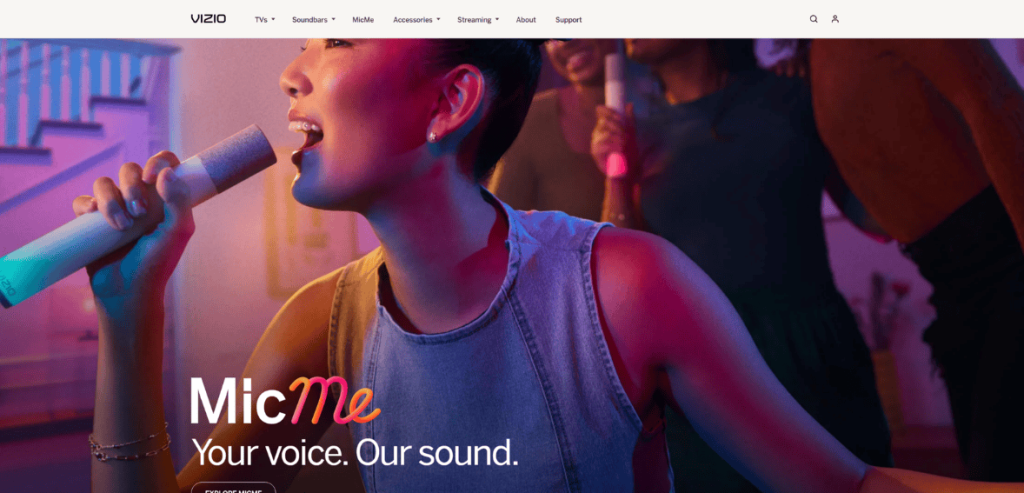
A significant aspect of this acquisition is the enhancement of Walmart Connect, Walmart’s retail media network. VIZIO’s SmartCast operating system and its established base of over 19 million active accounts provide a robust platform for Walmart to expand its advertising reach, where users can stream content for free by watching ads. VIZIO’s Platform+ segment, which consists largely of its advertising business, now accounts for all the company’s gross profit.

Image source
Seth Dallaire, Executive Vice President and Chief Growth Officer at Walmart U.S., stated that VIZIO’s commitment to delivering high-quality products at competitive prices has resonated well with consumers. He noted that VIZIO prioritizes customer-centric practices, aligning closely with Walmart’s values and plans for expanding omnichannel experiences. Dallaire also highlighted VIZIO’s successful evolution, particularly its rapid development of a profitable advertising sector. He believes integrating this with Walmart Connect will be very beneficial and support further investments in VIZIO’s business to enhance customer service.
Joining Walmart could also position VIZIO to better compete with other affordable TV brands that generate revenue primarily through advertising, such as Roku and Amazon’s Fire TVs. Roku reported making $908.2 million from ad sales and subscriptions in the third quarter of 2024, averaging $41.10 per user. VIZIO’s latest earnings indicated a revenue of about $37.17 per user.
William Wang, CEO and founder of VIZIO, stated that from the start, VIZIO’s mission has been to deliver exceptional value and innovative technology in its products. With Walmart’s extensive resources now available, he said they are poised to enhance further their mission to provide the ultimate home entertainment experience.
Despite the merger, Walmart and VIZIO will operate as separate entities for now. VIZIO’s CEO, William Wang, will continue to lead his company. Now, VIZIO has become a fully owned subsidiary of Walmart. Consequently, VIZIO’s Class A common stock will be removed from trading on the NYSE, effective at the end of trading on Tuesday. VIZIO’s financial performance will be included under the Walmart U.S. segment.
Walmart also noted that due to specific costs related to the transaction, it anticipates a slight decrease in earnings per share for both the fourth quarter of fiscal year 2025 and the entire fiscal year 2026.
About Walmart
Walmart Inc. is a global retail and wholesale operations leader, including physical stores and online platforms. The company is divided into three main segments: Walmart U.S., Walmart International, and Sam’s Club. Across these divisions, Walmart runs a variety of store types, such as supermarkets, supercenters, warehouse clubs, hypermarkets, and discount stores. These are marketed under brands like Walmart and Walmart Neighborhood Market.
Walmart’s extensive product range includes groceries and everyday consumables — meat, dairy, beverages, bakery items, and snack foods—as well as beauty and health products, garden and other home supplies, electronics, and apparel. In addition to physical goods, Walmart provides several services. These include optical, pharmacy, and hearing services and extend to digital payment platforms and financial services like credit cards, money transfers, and lending.
Furthermore, Walmart offers a selection of merchandise under its private labels, such as Allswell and Athletic Works, catering to diverse consumer needs. The company, originally named Wal-Mart Stores Inc., adopted the Walmart Inc. moniker in February 2018. It was established in 1945 and maintains its headquarters in Bentonville, Arkansas. Through its broad offering of products and services, Walmart continues to serve millions of customers worldwide.
About VIZIO

VIZIO, headquartered in Irvine, California, is a leading company specializing in high-definition televisions (HDTVs) and sound bars. Founded in 2002 by William Wang, VIZIO focuses on delivering innovative and smart entertainment products that offer great value and an excellent customer experience.
The company designs its products in the United States and has a workforce of over 500 people across various departments. VIZIO can provide its products at competitive prices by partnering with multiple manufacturers. Their product range includes a variety of smart HDTVs—from premium OLED displays to durable and affordable options like the entry-level D-Series. Additionally, VIZIO is recognized as the top-selling sound bar brand in the U.S., offering everything from basic models to advanced home theater systems with up to 18 speakers.
VIZIO’s SmartCast, the integrated smart TV platform and operating system found in all VIZIO TVs, supports various streaming services. This feature enables users to stream content, play media, and control their entertainment experience with simplicity and convenience.
Conclusion
Walmart’s acquisition of $ VIZIO for $2.3 billion marks a significant expansion of its digital and advertising capabilities. By gaining control of VIZIO’s SmartCast platform and leveraging its data, Walmart enhances its position in the connected TV advertising space, directly competing with giants like Roku and Amazon.
The deal strengthens Walmart’s retail media network, Walmart Connect, and opens new avenues for targeted advertising. This acquisition offers Walmart substantial growth opportunities despite privacy concerns, especially in media and customer data integration. With VIZIO continuing to operate independently, this strategic move sets the stage for further innovation and customer service enhancements under Walmart’s expansive reach.