



Spirit Airlines Filing for Bankruptcy
Posted: November 21, 2024 | Updated:
Spirit Airlines has filed for bankruptcy protection, aiming to restructure as it deals with the downturn in travel caused by the pandemic and unsuccessful efforts to merge with or sell to other airlines. The bankruptcy filing comes amid significant financial losses, unsustainable debt levels, and heightened competition for cost-conscious passengers, leaving the airline with few alternatives.
Since the beginning of 2020, the airline has accumulated losses exceeding $2.5 billion and is facing upcoming debt repayments of over $1 billion in 2025 and 2026. The uncertainty generated by the bankruptcy filing might prompt some travelers to seek alternative airlines, especially with the approaching busy holiday season.
Key Takeaways
- Bankruptcy Filing and Operational Continuity: Spirit Airlines filed for Chapter 11 bankruptcy on November 18, 2024, to address financial difficulties, including $2.5 billion in accumulated losses since 2020. Despite the filing, the airline plans to continue normal operations, with tickets, credits, and loyalty points remaining valid.
- Financial and Competitive Challenges: The airline’s financial struggles stem from rising operating costs, intense competition from major carriers, and market overcapacity. Failed merger attempts with JetBlue Airways and Frontier Airlines also compounded its issues, leaving Spirit unable to meet over $1 billion in upcoming debt obligations.
- Restructuring Support and Financing: Spirit secured a $350 million equity investment and a $300 million loan from bondholders as part of a prearranged restructuring agreement. This financing and converting $795 million in debt to equity will support the airline’s reorganization efforts.
- Impact on Stakeholders: Spirit’s employees will not face changes to wages or benefits, and most flights are expected to proceed as scheduled. However, travelers are advised to monitor potential updates as restructuring progresses, especially regarding flight schedules and loyalty programs.
Spirit Airlines Files for Chapter 11 Bankruptcy Amid Financial Challenges and Industry Pressures

Image source
Spirit Airlines, an ultra-low-cost carrier in the United States, filed for Chapter 11 bankruptcy protection on November 18, 2024, with plans to emerge from it in the first quarter of 2025. The company faced significant challenges, including substantial losses, burdensome debt, intense competition for cost-conscious travelers, and failed attempts to merge with other airlines, leaving it few options.
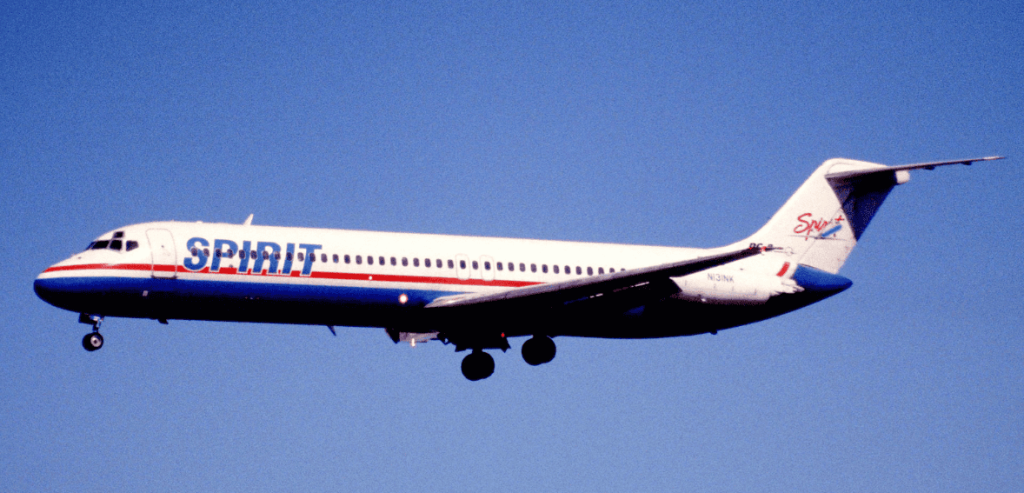
Initially established in 1983 as Charter One, the airline rebranded to Spirit Airlines in 1992. Over time, it became a significant budget airline, serving routes across the U.S., the Caribbean, and Latin America. Spirit is recognized for its bright yellow planes and à la carte pricing strategy, offering economical travel choices to millions of passengers annually.
The airline announced it would maintain regular operations during its structured Chapter 11 bankruptcy process, ensuring customers can still book flights and travel without disruption. The company has assured that passengers can continue to book flights and travel as usual, and all tickets, credits, and loyalty points will remain valid.
According to the airline, this bankruptcy process will also not affect the wages or benefits of Spirit’s employees.
With accumulated losses exceeding $2.5 billion since 2020, it faces imminent debt repayments of over $1 billion in the next year, a financial obligation it was unlikely to fulfill. The anticipation of bankruptcy proceedings was high.
This marks the first significant U.S. airline to enter Chapter 11 bankruptcy in over ten years, following the collapse of a proposed $3.8 billion merger with JetBlue Airways in January.
Spirit Airlines filed for Chapter 11 bankruptcy protection in the U.S. Bankruptcy Court for the Southern District of New York. The filing is part of a “prearranged” restructuring support agreement to address the airline’s financial challenges. The airline announced that it secured a $350 million equity investment from its current bondholders and will convert $795 million of their debt into stock in the reorganized company. Additionally, the bondholders will provide a $300 million loan. With Spirit’s available cash, this financing will support the airline during its restructuring phase.
After bondholders discussed a potential bankruptcy, Spirit’s shares, based in Miramar, Florida, fell 25% on Friday. This downturn is part of a larger trend, with the stock plunging 97% since late 2018 when Spirit was still profitable.
In August, CEO Ted Christie acknowledged the negotiations with bondholder advisors regarding looming debt deadlines, emphasizing the urgency and the company’s efforts to swiftly secure the best possible terms.
In the first six months of 2024, despite a 2% increase in passenger miles compared to the first half of 2023, the airline saw a 10% decrease in revenue per mile and an almost 20% reduction in fare revenue per mile, contributing to persistent financial losses.
Several elements have exacerbated Spirit’s financial issues:
- Increased Operating Costs: Growing labor and other operational costs have eroded profitability.
- Competitive Pressure: Major U.S. airlines have captured budget-sensitive travelers by introducing basic economy fares, increasing competition in the low-cost market segment.
- Market Overcapacity: A surplus of flight options in the U.S. leisure travel market has reduced fares, diminishing revenue.
In August 2024, Spirit launched bundled fare options to counter these challenges, including priority boarding, larger seats, internet access, free baggage, and refreshments. To align with broader industry practices, Spirit also eliminated cancellation fees.
Furthermore, Spirit plans to cut its flight schedule by nearly 20% from October to December 2024 compared to the previous year to help stabilize fares. However, analysts believe this reduction might benefit competitors like Frontier, JetBlue, and Southwest, which share many routes with Spirit.
Operational hurdles have added to Spirit’s difficulties. Required repairs on Pratt & Whitney engines have forced several Airbus aircraft to be grounded, resulting in pilot furloughs and further financial burdens.
Spirit’s relatively modern fleet previously positioned it as a desirable partner for a merger. In 2022, Frontier Airlines made a merger proposal, but JetBlue Airways offered a higher bid of $3.8 billion. The merger, however, was halted in early 2024 after the U.S. Department of Justice raised antitrust concerns, leading to the abandonment of the deal.
Spirit’s bankruptcy highlights ultra-low-cost carriers’ challenges in a competitive and evolving airline industry. The airline’s struggles underscore the difficulties in maintaining profitability amid rising costs and intense competition. Additionally, the failed merger attempts with JetBlue and Frontier reflect the complexities of consolidation in the airline sector, particularly concerning regulatory approvals and antitrust considerations.
What Happens to Already Booked Flights?
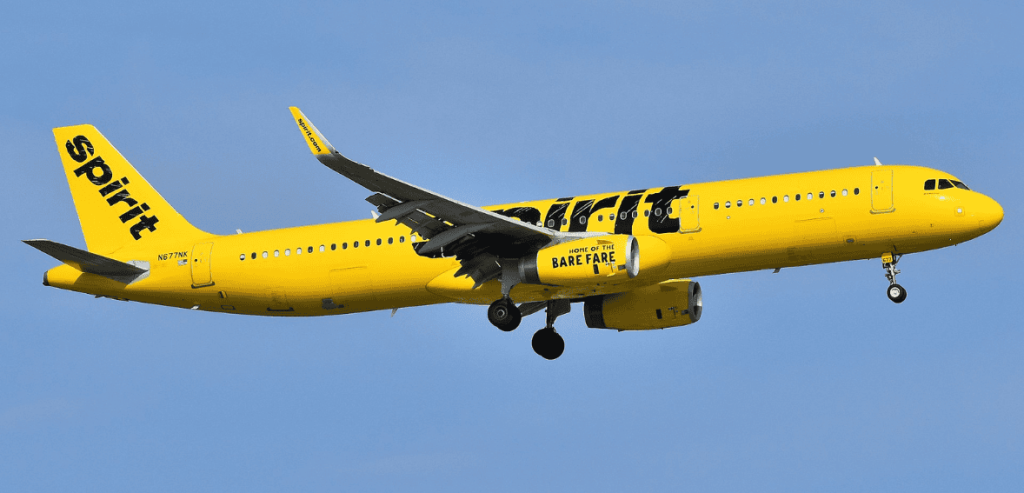
As mentioned before, Spirit Airlines focuses on maintaining regular operations throughout its restructuring period. Therefore, most flights should occur as originally planned in the short term. Yet, schedule changes or potential flight cancellations might occur as the restructuring process advances, especially in the next few months. Travelers with reservations on Spirit should stay alert to any airline updates regarding their flight details.
The U.S. Department of Transportation (DOT) mandates that airlines issue full refunds for canceled or significantly delayed flights. A significant delay is defined as exceeding three hours for domestic flights and more than six hours for international flights. These refunds apply if passengers decide not to proceed with the delayed flight or decline an alternate flight plan proposed by the airline.
Passengers should acquaint themselves with these DOT regulations to better understand their rights in case of flight cancellations or substantial delays. Being informed and prepared can help manage travel plans more effectively during these changes.
Can You Transfer Your Spirit Loyalty Miles/Points to Another Airline?

Typically, airline loyalty points, such as those from Spirit Airlines’ Free Spirit program, cannot be moved between airlines. You cannot transfer your Free Spirit points directly to another airline’s frequent flyer program.
Loyalty programs are important assets, particularly in bankruptcy situations. They represent a committed customer base and can be appealing to potential investors or partners in a merger. For Spirit, the Free Spirit program is a valuable asset that could influence the airline’s restructuring efforts.
If Spirit Airlines were to merge with another airline, the Free Spirit program would probably be combined with that airline’s loyalty program. Such integration would aim to maintain the value of accumulated points and ensure members’ continuity. For instance, during the talks about a merger between Spirit and JetBlue, there were discussions on merging their loyalty programs.
Although you cannot directly transfer Free Spirit points to another airline, the program’s value remains stable, especially in scenarios involving mergers or acquisitions. Members should keep updated on any developments to know how their points might be affected.
About Spirit Airlines

Spirit Airlines Inc., founded in 1964 by Ned Homfeld, is an American airline headquartered in Miramar, Florida. The airline flies to over 90 destinations in the United States, Latin America, and the Caribbean, covering around 15 countries.
The airline is recognized for its ultra-low-cost business model, offering basic fares that do not include additional services. Passengers can pay extra for carry-on and checked luggage, seat selection, and in-flight snacks and drinks, allowing them to customize their travel based on their budget. By the end of 2023, Spirit was operating 205 Airbus single-aisle planes, noted for being among the youngest and most fuel-efficient fleets in the U.S.
In November 2024, Spirit Airlines declared Chapter 11 bankruptcy due to financial struggles, marked by consistent quarterly losses and unsuccessful merger talks with JetBlue Airways and Frontier Airlines. Despite these difficulties, Spirit intends to maintain its flight operations while it works on restructuring its financial commitments.
Conclusion
Spirit Airlines’ Chapter 11 bankruptcy filing underscores the difficulties faced by ultra-low-cost carriers in a challenging and competitive industry. The airline’s financial struggles, exacerbated by rising operational costs, increased competition, and failed merger attempts, highlight the complexities of sustaining profitability in this sector. Despite its current challenges, Spirit plans to maintain flight operations and uphold customer commitments during the restructuring process.
As the airline works to stabilize its finances with new investments and debt restructuring, its future will depend on adapting to market demands and overcoming operational hurdles. Passengers and stakeholders are advised to stay informed about developments, particularly regarding travel plans and loyalty programs, as Spirit navigates this critical phase of its history.