



The Rise of Contactless Payments and Innovations for 2024
Posted: October 09, 2024 | Updated:
In recent years, especially following the pandemic, there has been a significant increase in contactless payments and innovations in the US. More consumers choose this method for its safety and speed over traditional card payments and cash transactions. The ease and security provided by contactless payments have changed how US merchants conduct business, setting a trend toward less reliance on cash.
The Rise of Contactless Payments and Innovations
The use of contactless and tap-to-pay technology is increasing significantly. Currently, nearly 90% of U.S. consumers utilize contactless payments, with the market expected to expand at an annual growth rate of 19.1% through 2030. Adoption rates are exceptionally high in several regions, with the United Kingdom at 93.4%, Singapore at 97%, and Australia at 95%,. Mastercard reports that half of all global face-to-face transactions now use contactless methods, which will likely continue.
These transactions, recognized for their speed, security, and broad acceptance, involve customers completing purchases by tapping NFC-enabled cards or smartphones on a payment terminal. They offer a straightforward transaction process.

Contactless payment operates through technologies like radio-frequency identification (RFID), near-field communication (NFC), or quick response (QR) codes. These methods allow payments by tapping or waving a card, smartphone, or wearable over a compatible reader, eliminating direct contact with the terminal and promoting a quick, clean way to pay.
Available in multiple forms, such as mobile wallets, cards, wearables, and apps, contactless payment appeals to those who tend to leave their wallets or phones behind. With just a wearable, they can still complete transactions.
In RFID payments, a chip and antenna in the card emit a signal to an RFID reader nearby, which then processes the payment. For NFC payments, the card or device must be close to an NFC-enabled reader, which captures and processes the payment details.
Contactless Cards Leading the Way in Contactless Payments?
The global adoption of contactless payments has been primarily driven by the increased issuance of contactless cards, which has outpaced mobile wallets in most markets. Even in countries like Russia, where contactless cards and mobile wallets were introduced around the same time, contactless card transactions have significantly outnumbered mobile wallet transactions. This trend is also observed in other major markets such as the UK, Canada, and the U.S.
For instance, in the U.S., Visa has noted a sharp rise in contactless card usage, with over 300 million contactless-enabled Visa cards now in circulation. Over 75% of all point-of-sale (POS) terminals in the U.S. are contactless-enabled. This surge in contactless card usage has been driven by consumer demand for convenience and faster checkout experiences, particularly in everyday segments like groceries and transit systems. A similar pattern is evident in the UK and Canada. EMV technology adoption and infrastructure upgrades have made contactless payments even more accessible, further boosting card-based transactions over mobile wallets.
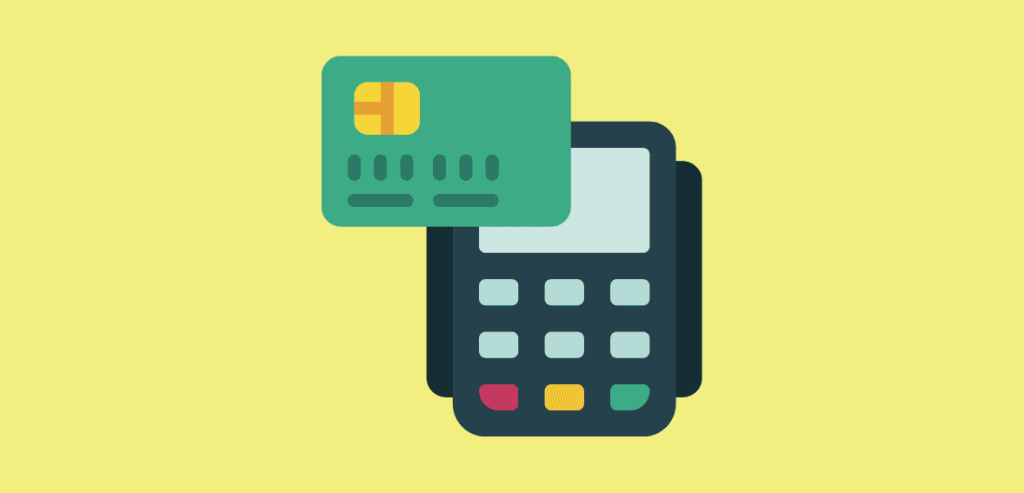
This does not mean mobile wallets lagging in the “contactless transactions” race. Consumers often stick with familiar methods, and in many cases, cards provide similar convenience without requiring additional steps like downloading and setting up an app, but this is evolving, in fact in 2021, over 40% of US smartphone users made a contactless payment, with projections suggesting that this number will almost double by 2027.
Covid-19 as a Catalyst for Growth
Contactless payments emerged well before the COVID-19 pandemic, with initial developments dating back to 2008. Originally adopted as a health precaution in 2020, these payments have reshaped the payments industry.
The pandemic changed consumer behavior towards making purchases. As people became more health-conscious, the tap-and-go feature of contactless payments gained favor. A Mastercard survey indicated that 82% of Americans view contactless payments as cleaner than traditional methods. This shift in preference continues to persist, with many people now avoiding cash and direct contact with payment terminals. In fact, during the pandemic, 47% of consumers stated they would avoid stores without contactless payment options.
By 2023, contactless payments made up about 25% of all card transactions in the U.S., a significant rise from only 3% in 2017—an increase of over 800% in six years. This surge can be attributed to the public’s increased concern about virus transmission and related governmental policies. For instance, many banks and card issuers worldwide increased the transaction limits for contactless payments during the pandemic.

By 2023, the volume of contactless transactions reached approximately 17.9 billion, a substantial growth from 4.7 billion transactions recorded in 2019.
The integration of contactless payments into public transit systems further represented a significant change, particularly after the pandemic. In New York, the Metropolitan Transportation Authority’s OMNY system allows travelers to pay fares using contactless cards, smartphones, and wearable devices. By 2023, over 35 million uses were recorded, and 75% of all in-person transactions in the city were contactless. Additionally, more than 30 U.S. cities have over 60% of transactions conducted through contactless methods, showing a significant shift in how public transport fares are paid.
Improvements in anti-fraud technologies have significantly contributed to the broader adoption of contactless payments. Tokenization, which replaces sensitive payment information with unique identifiers, has minimized fraud. This technology, combined with EMV chip and NFC technologies, helps reduce card skimming risks, enhancing security for both users and merchants while boosting transaction approval rates and the secure storage of payment information.
Quick Transaction Times, Enhanced Security, and Broad Acceptance Among Retailers – More Reasons for Adoption in 2024 and Beyond
Other reasons why contactless payments have become increasingly popular is due to these reasons:
1. Efficiency and Quicker Transactions:
Contactless payments expedite the checkout process. Transactions take only seconds, as there is no need to swipe, insert, or enter a PIN. This reduces line lengths and increases transaction speed, benefiting consumers and businesses. Retailers experience quicker service and increased turnover.
2. Enhanced Security:
Contactless payments are secure, employing NFC and RFID to safeguard transactions. Each transaction is protected by a unique code, preventing theft of payment details. More significant transactions may require additional verification and steps, such as:
- Dynamic Data Authentication (DDA): Each payment generates a one-time cryptographic code that prevents the reuse of transaction data, thwarting potential fraud.
- Tokenization: The tokenization process substitutes sensitive payment information with a unique token during each transaction, rendering the data unusable for anyone outside of that transaction.
- Secure Element (SE): A robust, tamper-resistant chip within devices securely stores card data, safeguarding sensitive information from theft or unauthorized access.
- Biometric Authentication: Digital wallets often include biometric security such as fingerprint scans or facial recognition, enhancing protection against unauthorized access.
- Real-Time Monitoring: Payment systems continuously monitor for unusual activity, enabling prompt detection and response to suspicious actions.
- Contactless Payment Limits: To reduce the risk of significant loss through fraud, tap-to-pay transactions are subject to limits on the amount that can be spent without additional authentication.
- Two-Factor Authentication (2FA): Requiring a second form of verification, such as a one-time code sent to the user’s mobile device, provides an additional layer of security.
This security has built strong trust among consumers, with about 90% of U.S. consumers feeling confident in the safety of contactless methods.
3. Retail Adoption:
This was also a significant move that surged the adoption of contactless payment during the pandemic. By 2023, more than 70% of U.S. retailers, including major brands like Starbucks and Walmart, had implemented contactless payment systems.
Smaller businesses also upgraded their payment methods to accommodate this growing preference, making it widely available.
4. Advancements in Mobile Wallet Technology:
The proliferation of mobile wallets like Apple Pay, Samsung Pay, and Google Pay has also contributed to the rise of contactless payments.
These platforms handle payments and integrate loyalty programs and transit passes, providing a more integrated user experience. Apple Pay, for instance, is a leading contactless method in the U.S., and a substantial number of iPhone users are adopting it.
Impact on U.S. Merchants from Contactless Payments
The adoption of contactless payments has significantly changed the way U.S. merchants operate. A primary advantage is the faster checkout process. By allowing customers to tap their cards or smartphones, these payments considerably shorten waiting times at registers. This is particularly useful in busy places like grocery stores and fast-food restaurants, helping businesses handle more customers efficiently.
Contactless payments also improve customer satisfaction by offering a quicker and easier way to pay, which can lead to repeat business and increased customer loyalty. Additionally, the convenience of these payments encourages quick purchasing decisions, as customers can swiftly complete transactions without the hassle of cash.
Businesses see a reduction in operational expenses. With fewer cash transactions, there’s less need to manage cash drawers and address cash-related issues such as discrepancies or theft. Moving to digital payments also reduces the costs of handling physical money. Plus, contactless transactions typically register a higher average spending per transaction. Studies suggest that customers spend 15-20% more in transactions using contactless methods than traditional ones, potentially boosting a retailer’s total sales and revenue.
Security is another major benefit. Contactless payments employ advanced encryption and tokenization, reducing fraud risk more effectively than older methods like card swiping or entering a PIN. This enhanced security is advantageous for merchants as it helps prevent fraud and protect their business and customers.
Expansion of Contactless Payments in the U.S. in 2024 and Beyond
Contactless payments in the U.S. will grow quickly in the second half of 2024. Tap-to-pay methods, mobile wallets, and devices such as smartwatches and smart rings are already popular. This trend is fueled by consumer preferences for quick, secure, and easy payment options and by the advantages merchants gain from shorter checkout times and reduced transaction fees.
A significant development in this area is Visa’s Tap to Phone initiative. This solution allows small and medium-sized businesses to turn their smartphones or tablets into payment terminals, avoiding the need for traditional POS equipment. This particularly appeals to smaller merchants looking to cut initial costs while offering digital payment options. The technology is currently being tested in several U.S. cities, including Washington D.C., with plans for a nationwide rollout.
In scenarios such as vending machines and parking meters, where minimal interaction is needed, contactless-only terminals make sense. These settings benefit from the lower technological investment compared to traditional readers that require a chip or magnetic stripe. As contactless payment adoption grows, more merchants are likely to adopt these readers.
Looking ahead, it’s expected that contactless payments will broaden to include more devices and new formats. Future systems could integrate wearables, mobile phones, and even biometric verification like facial recognition or fingerprint scans for making payments and processing them. The ongoing development in this sector will prioritize user-friendliness, security, and broader access to digital payment options for consumers and sellers.
Conclusion
The rise of contactless payments has transformed the way transactions are made in the U.S., driven by consumer demand for speed, security, and convenience. With rapid technological advancements, this payment method has shifted from an optional luxury to a widely adopted standard. Large and small merchants are benefiting from operational efficiencies and reduced costs associated with contactless payments.
As innovations such as Visa’s Tap to Phone and the expansion of wearables and biometric verification continue to evolve, the future of contactless payments looks promising. The U.S. is poised for further growth in this area, ensuring a secure and seamless payment experience for consumers and businesses alike.