


99 Cents Only is Going Out of Business
Posted: August 06, 2024 | Updated:
The discount retailer 99 Cents Only Store declared on April 4 that it would shut down its 371 stores across the country. The company plans to start closing operations permanently, with merchandise liquidation scheduled for this weekend, facilitated by Hilco Real Estate.
Several factors have contributed to the decision to close the business. These include the effects of COVID-19, inflation, changing consumer preferences, and increased shrinkage from lost inventory or cash due to theft, damage, or administrative mistakes.
Key Takeaways
- Closure Announcement: The 99 Cents Only Stores will close all 371 locations across California, Arizona, Nevada, and Texas. This marks the end of the discount chain’s over forty years in retail.
- Contributing Factors: The decision to close was driven by several challenges, including the impact of COVID-19, inflation, shifting consumer preferences, and increased product losses from theft, damage, and administrative mistakes.
- Liquidation Process: The company has partnered with Hilco Global to manage the liquidation of its inventory and the sale of store fixtures, furnishings, and equipment. Liquidation sales began in early April 2024 and will continue until all inventory is sold.
- Historical Context: Founded in 1982 by David Gold, 99 Cents Only pioneered the single-price retail model. However, inflation and other economic factors led to changes in this model, making it unsustainable in recent years. Closing these stores will leave many large properties vacant in prominent locations.
99 Cents Only Stores Announces Closure of All Locations After Four Decades in Business
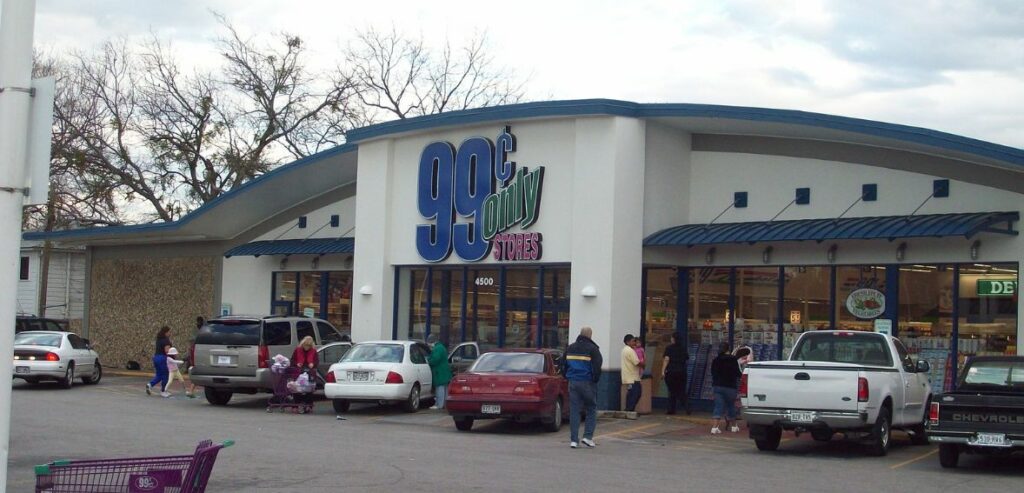
Image source
The discount retailer 99 Cents Only Stores has closed all 371 locations in California, Arizona, Nevada, and Texas. After over forty years in the retail industry, this move ended the store’s presence, during which it became known for its affordable prices. Recently, the chain faced increased operational costs and a higher rate of merchandise loss due to customer errors, damage, internal losses, and theft.
Interim CEO Mike Simoncic stated that the retailer has faced challenges for several years due to the COVID-19 pandemic, shifts in consumer preferences, inflation, and increased product losses, including employee theft, shoplifting, damage, and administrative mistakes. He noted that the pandemic significantly affected the company’s operations, worsening existing challenges and creating new ones, such as disruptions in supply chains and a shift in consumer habits towards online shopping, leading to decreased foot traffic in physical stores.
99 Cents Only Stores, along with its financial and legal advisors, conducted a thorough review of all viable and credible options to find a way to keep the business operational. After months of exploring these options, the company concluded that an orderly shutdown was necessary and would best preserve the value of its assets.
The company has negotiated with Hilco Global to liquidate its inventory. Additionally, it will collaborate with the firm to dispose of fixtures, furnishings, and equipment across its 371 stores.
Hilco Real Estate will oversee the sale of the company’s store locations in four states. The company also stated that Simoncic will resign, and Chris Wells will assume the role of chief restructuring officer. The liquidation sales began in early April 2024 and are expected to continue until the inventory is completely sold off.
Simoncic stated that making this decision was very hard, and it did not lead to the results they anticipated or desired.
Initially, the chain sold most items for 99 cents, but in recent decades, this pricing model became unsustainable, even though the company retained its trademarked name.
David Gold founded 99 Cents Only in Los Angeles in 1982, introducing the single-price retail model. Initially, dollar stores were considered outlets for lower-quality products, but the Gold family transformed their stores into clean, organized spaces offering high-quality goods like groceries and household items.
Howard Gold, David’s son, remembered the business’s immediate success. He noted that customers were so surprised by the low prices that they speculated the store was government-subsidized.
For many years, it was one of the few true “dollar” stores, where everything was priced at 99 cents or less or combined to total 99 cents. This approach changed in 2008 when rising inflation, increasing food and fuel costs, and a higher minimum wage led 99 Cents Only to alter its pricing strategy.

Image source
In 2011, the company was sold for approximately $1.6 billion as dollar stores gained popularity during the Great Recession. By 2013, Howard Gold and the family management team had left the company. Today, the closure of 99 Cents Only will result in numerous large, empty properties across key locations in Los Angeles County, including Hollywood, Silver Lake, Mid-Wilshire, Santa Monica, Thai Town, North Hollywood, and Glendale.
The announcement arrives just weeks after Dollar Tree revealed plans to close nearly 1,000 Family Dollar stores—600 within the first half of this fiscal year and an additional 370 as their leases expire. Furthermore, the retailer will close 30 of its primary Dollar Tree stores upon the expiration of their leases.
About 99 Cents Only
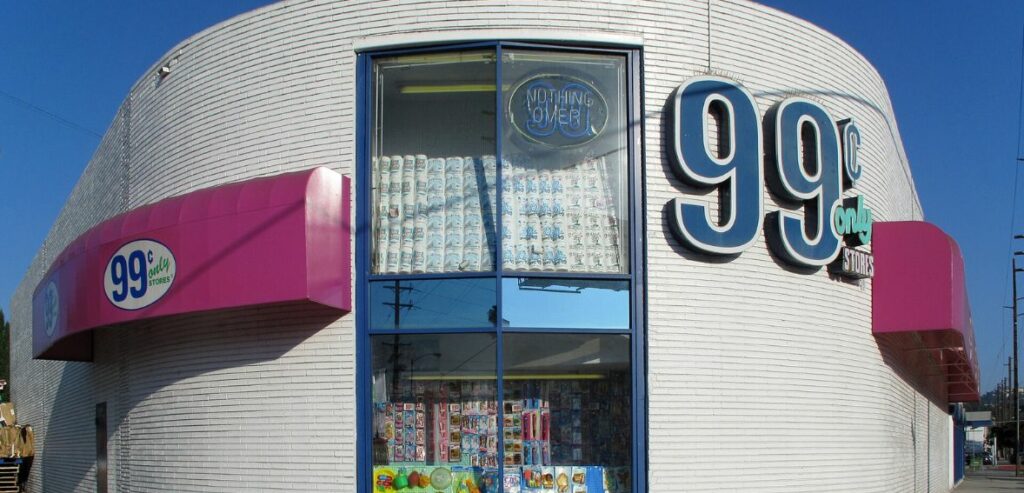
99 Cents Only Stores began as a leading discount retailer known for carrying branded consumable goods and general merchandise. They serve as a primary shopping location for budget-conscious consumers and provide a fun, value-focused shopping experience for others looking for good deals.
Their well-organized and clean stores offered full-service shopping that delivered considerable savings on a diverse range of high-quality products. The products ranged from everyday household essentials to fresh produce and included a variety of seasonal and party goods like decorations, costumes, and gifts. Their stock included both special one-time buys of name-brand overstocks and consistent supplies of food and beverage items, such as produce, deli products, and other staple grocery items.
The company was established in 1982 by Dave Gold and is based in Commerce, California. As of 2023, 99 Cents Only Stores employs 17,000 people and generates $2.9 billion in revenue. It is ranked #212 on Forbes’ list of America’s Largest Private Companies. Despite these achievements, 99 Cents Only has filed for Chapter 11 bankruptcy, ending its more than four-decade run.
Conclusion
The closure of 99 Cents Only Stores marks the end of an era for the discount retail industry. Over four decades, the company offered affordable goods and became a staple for budget-conscious consumers. However, a combination of factors, including the COVID-19 pandemic, inflation, and operational challenges, has led to the decision to cease operations. The liquidation process, overseen by Hilco Global, will involve selling off the remaining inventory and assets.
The departure of Interim CEO Mike Simoncic and the transition to Chris Wells as chief restructuring officer reflect the company’s efforts to manage this challenging period. Despite its significant contributions to the retail landscape, 99 Cents Only Stores could not sustain its business model in the face of evolving market conditions. The company’s closure will leave a notable gap in the communities it served, highlighting the ongoing shifts in the retail sector.