



Top Retail Trends for 2024
Posted: July 16, 2024 | Updated:
This annual forecasting process involves gathering extensive information from multiple sources to predict the retail industry’s performance in the coming months and years. As we reach the midpoint of 2024, the retail sector is evolving, responding to consumer demands and introducing new experiences. Retail trends for 2024 are driven by technological advances and changes in consumer behavior, which influence both the products offered and the methods of sale.
Top 10 Retail Trends for 2024 and Beyond
Below are the top 10 retail trends to watch in 2024.
1. AI for Enhanced Personalization

Artificial Intelligence (AI) continues to influence the retail industry significantly. By 2024, most retailers will utilize AI to create customized shopping experiences, predicting that 80% of retail executives will integrate AI automation by 2025. You may wonder how AI functions in this context. Machine learning algorithms process extensive customer data from ecommerce websites, social media, and marketing platforms to identify preferences, predict behaviors, and recommend products that cater to individual users.
So, let’s say you’re accumulating loyalty points via a mobile app, and your preferred coffee shop offers you a free item or a discount on your next purchase. While some may find this level of tracking intrusive, it’s a strategy aimed at precisely meeting consumer demands.
However, AI technology has not been widespread across all businesses; its adoption is limited to more giant corporations. For instance, companies like Amazon leverage AI for product suggestions in chatbots and voice recognition to enhance profitability. Does this mean AI is only accessible to significant players? Implementing AI and machine learning solutions is expensive and often out of reach for smaller companies. AI might disadvantage small businesses, and the investment might need more benefits. Also, smaller companies adopt these technologies gradually, spreading their costs over time.
Nevertheless, small businesses should explore how AI can benefit them. AI can be a game-changer, particularly in responding to their customers’ growing reliance on and trust in technology. They should focus on using AI to streamline operations while maintaining elements of personal customer service, which can lead to enhanced customer satisfaction and loyalty.
2. The Evolution of Omnichannel Retailing
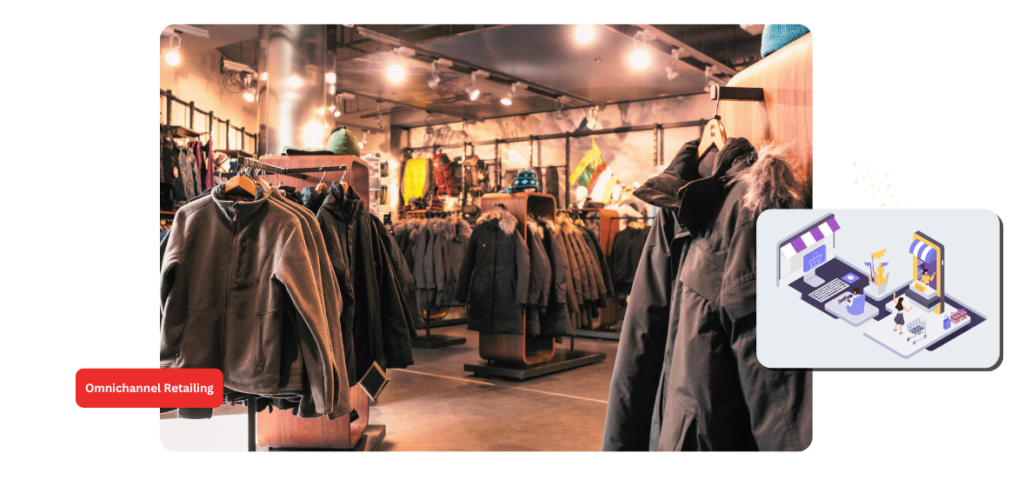
Omnichannel retailing aims to integrate various customer contact points to provide a consistent experience across multiple platforms. This strategy goes beyond earlier multi-channel approaches requiring customers to engage with different sales channels independently. Omnichannel retailing improves on this by offering a unified approach that integrates all aspects of the shopping experience.
For instance, consider a customer ordering a pair of shoes online. After placing the order, they can choose from several delivery or pickup options: same-day delivery to their home or another address, 2-day shipping, or local pickup (either curb-side or in-store). Omnichannel strategies enable retailers to manage their inventory more effectively, adapting to customer preferences to ensure product availability.
This integration extends to the customer’s participation in a free loyalty program, where purchases accumulate points redeemable for coupons and deals, both online and in-store. While picking up their order, the customer might browse the store and redeem their points. The retailer’s app centralizes all their purchase history and offers features for updating personal details, checking point balances, and accessing games that unlock additional promotions.
Other retail innovations, such as self-service technologies, interactive retail platforms, social commerce that adapts to consumer needs, and targeted marketing strategies, support these omnichannel efforts. These elements work together to improve channel transition, streamline the customer experience, and strengthen the relationship between consumers and brands.
3. Sustainability Maintains Its Importance

Sustainability continues to be a significant trend in retail, especially this summer. More consumers are aware of the environmental consequences of their shopping habits, prompting brands to focus on sustainable practices. According to a recent report, over half of the U.S. population now views environmental concerns as very serious and believes that addressing these issues should be a universal priority, marking an 18-point increase over the past ten years.
In the United States, as individuals assess which actions most effectively benefit the environment, there is growing interest in circular economy concepts like waste reduction and responsible sourcing. 80% of Americans believe living without waste is a realistic goal for the next two decades.
For many, participating in a circular economy includes purchasing pre-owned items. A recent study indicates that in 2023, 43% of consumers bought at least one secondhand product, with those in higher income brackets being the most frequent buyers. Historically aimed at lower-income consumers, secondhand shopping has gained popularity among wealthier shoppers. Over the last decade, high-income individuals have increased their participation in the secondhand market, while purchases by lower-income consumers have declined. This shift may be due to luxury brands adopting circular practices and mainstream retailers continually lowering prices.
4. The Growing Influence of Generation Alpha on Retail Trends

Generation Alpha assumes control of retail dynamics, set to reshape established norms and challenge longstanding ideas. Unlike their parents or older siblings, those born from 2010 onwards entered the world as digital natives, with smartphones and tablets integral to their upbringing.
Although Generation Alpha lacks its spending power, it significantly influences family purchasing decisions and has strong opinions about shopping. Despite their familiarity with technology, research shows they enjoy the physical experience of shopping in stores.
This generation prioritizes experiences, often gravitating towards retail environments where they can engage directly with technology or interact with new gadgets. However, they show less interest in owning physical items; they prefer digital downloads—books, games, or movies. This preference aligns with their digital savvy and their inclination towards sustainable living.
These trends signal a need for innovation for retailers. The future of shopping will likely blur the lines between physical and virtual realms, introducing new experiences far beyond what is currently available.
5. The Rise of Social Commerce

Social commerce represents the fastest-growing e-commerce segment, functioning as a fusion of social media and online shopping.
In 2023, global social commerce sales reached approximately $571 billion. This method allows consumers to discover, decide, and purchase products directly on social media, effectively merging online shopping with entertainment. Many large companies wiggle around with the notion that retail should be ubiquitous, striving to integrate retail opportunities across social platforms.
A typical scenario is a user scrolling through Instagram, spotting a dress worn by their favorite influencer, and purchasing it on the spot.
The premise that consumers enjoy entertainment through their social platforms is gaining traction. Recent data reveals that 68% of consumers have purchased directly via social media, and 98% expect to buy something through social or influencer-driven commerce this year.
Brands are now crafting narratives on social platforms that culminate in opportunities for transactions, contributing to the expected annual growth of social commerce by more than 28%. This growth is particularly significant for small businesses, which can capitalize on emerging trends like live shopping events on social media platforms.
As we move into 2024, the synergy between social commerce and the creator economy is increasingly evident, offering a dual opportunity: consumers are entertained by content, and creators produce content that entertains and influences purchasing decisions. Research indicates that 69% of consumers trust recommendations from influencers.
This environment offers two primary growth strategies for small businesses: becoming content creators to engage directly with social commerce and collaborating with established creators to tap into their audiences.
6. Enhanced Automation in Retail Operations
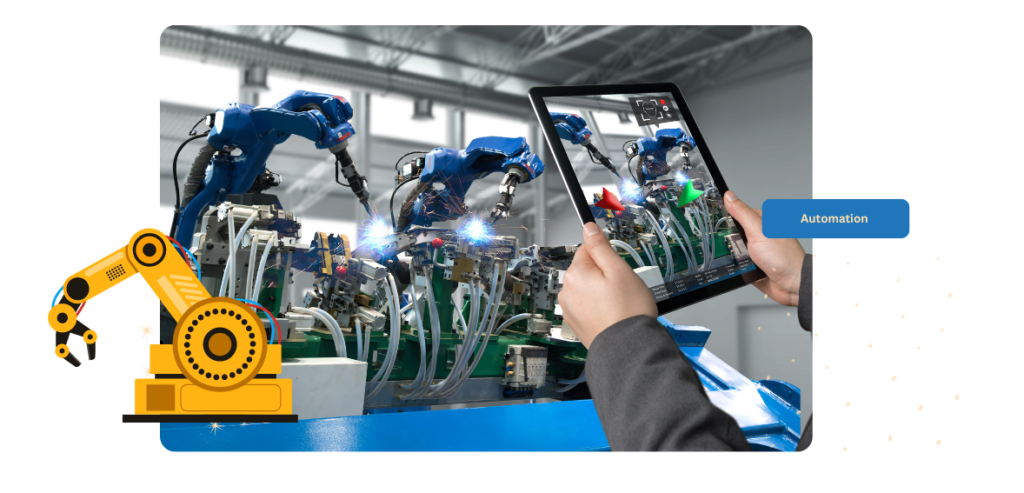
As stores increasingly serve as distribution hubs, there is a growing necessity for enhanced efficiency and automation. The traditional model of employing staff to select and package items manually is proving economically inefficient for retailers. With advancements in artificial intelligence, tasks that involve repetitive physical actions such as unloading, sorting, stacking, and transporting are increasingly being performed by robots, machines, or drones. However, this shift requires a redesign of packaging to facilitate automated handling.
Current packaging is primarily designed for visual appeal on store shelves, which poses challenges for automated systems handling items like bags of salad or large bags of dog food. Packaging will need to be rethought to fully leverage automation to accommodate the physical requirements of robotic handling.
Moving forward, expect to see a focus on packaging redesign that prioritizes automation compatibility and sustainability rather than shelf appeal. Additionally, using RFID and smart tags is becoming essential for automation. Many retailers are now mandating their inclusion on all packaging, indicating a trend toward broader and more consistent adoption of this technology.
7. Seamless Payments at the Checkout
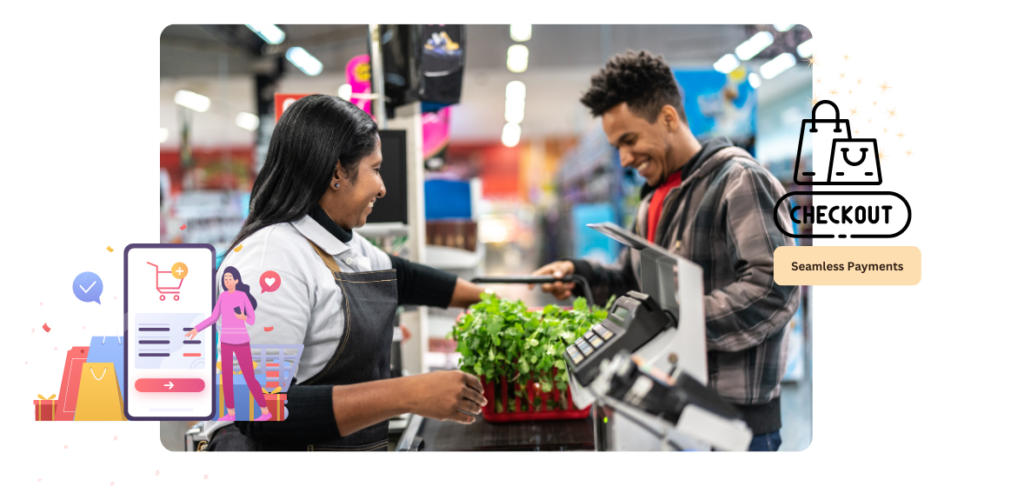
Contactless and seamless payment methods are increasingly popular as digital transactions become commonplace. In 2024, retailers are implementing advanced payment systems emphasizing speed, security, and ease of use. These systems often rely on near-field communication (NFC) technology, exemplified by services like Apple Pay and Google Pay, which allow transactions through a simple tap of a card, smartphone, or wearable device on a compatible terminal, without physical contact or card insertion.
Retailers are also adopting scan-and-go technology to streamline the shopping experience. Traditionally, grocery shopping has been labeled as convenient, though the actual process—loading and unloading a cart multiple times—suggests otherwise.
Technologies like Amazon’s “Just Walk Out” are transforming this experience. With this technology, cameras and sensors track what shoppers remove from shelves, allowing them to exit the store with their items automatically billed to their accounts.
Furthermore, seamless payment methods are evolving to enhance security, including biometric authentication, like facial recognition or fingerprint scanning. This development, however, has stirred controversy and legislative attention, with only a few countries successfully implementing it.
8. The Introduction of Retail-as-a-Service (RaaS)
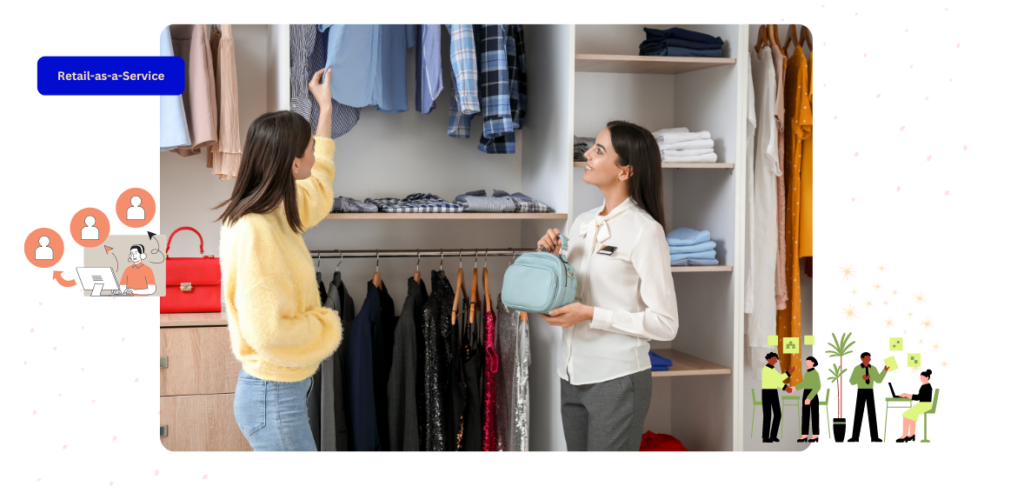
Retail trends drive innovation and compelling traditional stores to transform and remain relevant. At the core of this transformation is Retail-as-a-Service (RaaS), which reimagines the classic department store into an engaging space where brand interactions go beyond traditional sales tactics. This model offers retail infrastructure to brands and diverse services to consumers.
Retail-as-a-service combines established retail methods with technology and additional services, creating physical locations for online businesses to concentrate on delivering exceptional service rather than focusing solely on sales. This model recognizes that modern consumers seek emotional connections with brands.
Having maximized their digital growth, online-only retailers are expanding into physical spaces to continue their growth, transforming the purpose of in-person shopping. RaaS treats the retail space as an opportunity for consumers to immerse themselves in a brand’s world, listen to its stories, and explore its products in a new context. This approach often results in fewer products displayed in stores but enhances the shopping experience through compelling retail storytelling within thoughtfully designed spaces.
From a consumer’s standpoint, RaaS challenges the traditional utility of physical stores by offering an experiential element that elevates the shopping experience. With numerous products available online, consumers increasingly value the unique experiences that physical stores can offer—a luxury rather than a necessity.
Manufacturers also see the benefits of adopting the RaaS model. It capitalizes on the “pop-up mentality,” where consumers enjoy the novelty and exclusivity of transient, event-like shopping experiences. This direct interaction with customers gives manufacturers valuable insights into consumer preferences and usage, which can inform product development and address specific customer needs more effectively.
9. Retail Theft Prevention Will Be a Focus in 2024
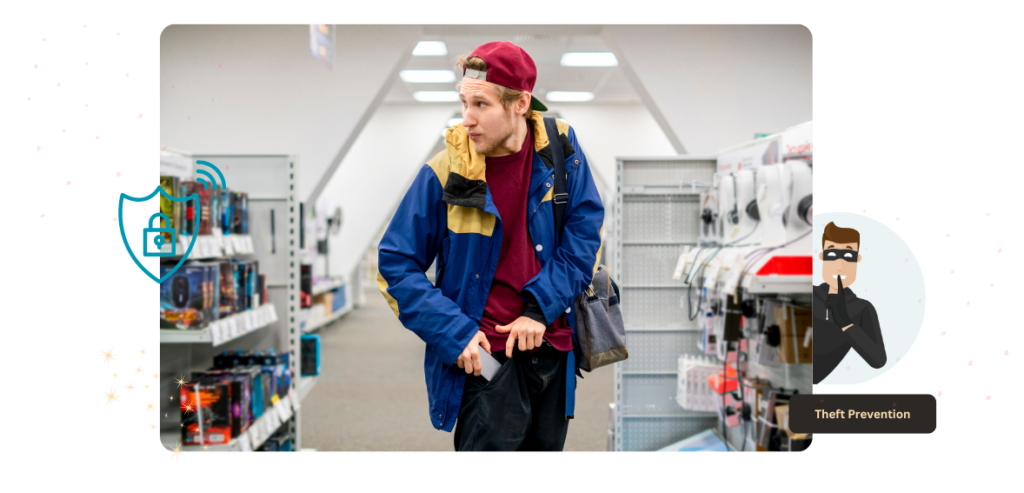
Retail theft has become a significant issue, with many businesses reporting increased shoplifting and organized smash-and-grab operations. This problem spans various types of retailers, from economical supermarkets to upscale luxury stores. Walmart has noted such severe theft levels that it is considering closing its most affected stores.
In response, some stores, particularly pharmacies, have secured products like batteries, makeup, baby formula, and toothpaste in locked cases. This security measure, though effective, can detract from the shopping experience.
Looking ahead to 2024, more initiatives are expected to emerge to tackle this issue, supported by both the private sector and government bodies. Notably, the INFORM Act was enacted by Congress in June 2023. This law requires online marketplaces to be more transparent to prevent the sale of stolen, counterfeit, or unsafe products. California also has proposed legislation that would impose harsher penalties for retail theft.
Additionally, the retail industry is exploring advanced technological solutions, such as RFID chips, artificial intelligence, and video analytics, to enhance theft prevention efforts.
10. Voice Commerce

In 2024, the increasing presence of virtual assistants and smart speakers has expanded voice commerce. This technology transforms how customers interact with businesses, allowing for a hands-free and efficient shopping experience.
Major retailers are now adopting voice-driven conversational shopping aids. These assistants can comprehend customer inquiries and assist them throughout their shopping experience.
Customers have the convenience of exploring products, getting suggestions, and making purchases, all via voice commands. For instance, Amazon’s Alexa Shopping Assistant enables users to add products to their cart, track orders, and receive customized suggestions using simple voice commands.
Additionally, Google Assistant’s voice-activated product search feature allows users to find products quickly, simplifying shopping. Integrating voice commerce on ecommerce platforms offers consumers a user-friendly and efficient option.
Conclusion
In 2024, the retail landscape is undergoing significant changes driven by technological advancements and consumer behavior shifts. From AI-enhanced personalization and omnichannel retailing to the growing influence of Generation Alpha, the trends highlighted emphasize the importance of adapting to new consumer expectations. Social commerce is rapidly growing, merging entertainment with shopping, while automation and seamless payment methods are streamlining operations and enhancing the customer experience.
Sustainability remains a key focus, with consumers increasingly seeking environmentally friendly options. The Retail-as-a-Service (RaaS) model transforms physical stores into engaging, experience-driven spaces. Retail theft prevention is becoming more critical, with advanced technologies and legislative measures being implemented. Finally, voice commerce is emerging as a convenient, hands-free shopping solution. As these trends evolve, retailers must innovate and adapt to stay competitive and meet the diverse needs of modern consumers.