


What Is Tipflation?
Posted: July 01, 2024 | Updated:
Tipflation is a combination of tip and inflation. It is a new phenomenon in which servers expect more tips than ever before because of consistent inflation since 2021. This is a shift from the traditional tipping norms after the pandemic. For decades, the typical tip in the US hovered around 15%, but this rate has risen over the last 15 years, with the average American now tipping closer to 20%.
If you find the tipping screen that pops up when you buy a sandwich or a coffee confusing or frustrating and makes you feel guilty or ashamed, you’re not alone. A recent survey reveals that many Americans share these feelings. In this blog, we’ll focus on tipflation, the discomfort it’s causing, and its pros and cons.
But first, let’s briefly review how we arrived at this point.
How Tipping Culture Came in America? A Brief History
The origin of tipping has yet to be definitively known, but historical evidence indicates it was practiced in Tudor England from 1485 to 1603. During this period, visitors would give tips to the servants of their hosts as a thank-you for providing services during their stay. By the 19th century, boxes marked “to insure promptness (TIP)” appeared in English coffeehouses and inns, promoting tipping in exchange for swift and good service.
In the 1800s, Americans who traveled abroad and observed tipping in Europe decided to adopt this practice back in the US, keen to follow European traditions. The practice became widespread as a business strategy in the post-Civil War reconstruction era. Some hospitality businesses, notably employing freed slaves, paid them minimal wages and suggested that customers leave tips instead.
Today, tipping is standard in many service industries, irrespective of whether workers are paid the tipped minimum wage of $2.13 or the regular minimum wage of $7.25 per hour. Tipping is common in industries involving bartenders, restaurant servers, delivery personnel, drivers, porters, valets, baristas, and hairstylists.
Understanding Tipflation
Tipflation is a term gaining popularity online. As we have just gone through, tipping, giving a small sum of money to service providers such as waiters, hairdressers, or taxi drivers, is typically voluntary and reflects the customer’s satisfaction with the service – ranging from 15% to around 30%.
Tipping practices vary globally, being customary in countries like the US, the UK, and Canada but less common and even obscure in places like Japan, China, India, New Zealand, and even Australia.
Traditionally, tipping has been confined to service sectors where employers pay lower hourly wages. Still, employees retain the tips—a system seen as beneficial for both parties, particularly in the US.
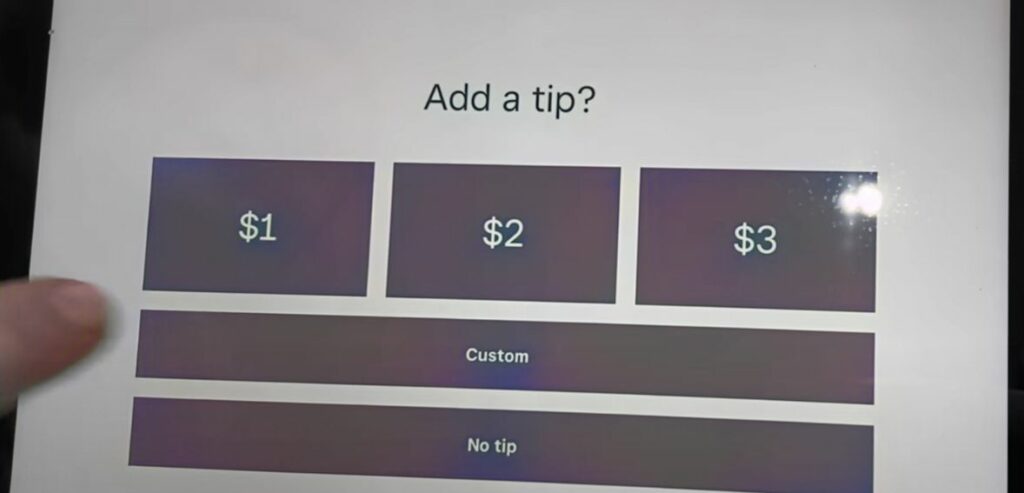
Tipflation describes the trend of increasing demands for tips across a broader range of industries, extending beyond traditional service roles to include jobs and services previously untipped. This expansion is influenced by social norms, peer pressure, and feelings such as guilt or gratitude, but it is also significantly driven by technology and changes in payment systems, accelerated by the pandemic. Companies like Square facilitate tipping on any transaction, making it easier to add a tip with just a few clicks.
As these systems become widespread, the number of tips and the percentage of customers who tip will likely increase business revenue. This shift is evident when a payment kiosk turns towards a customer, signaling an upcoming prompt for a tip on a transaction that traditionally wouldn’t involve one.
With this new approach, businesses find innovative ways to encourage tipping or donations. However, tipflation is complicating the already contentious debate over tipping. While some view it as a personal choice unaffected by external pressures, others consider it a social and moral duty reflecting service quality. The evolving practice of tipflation is muddying these waters, leading to a backlash—so much so that a recent survey indicates that 66% of Americans now view tipping negatively, which could impact those who rely on tips as a significant part of their income.
What Causes Tipflation?
The growing gap between wages and the cost of living, especially for those in the hospitality sector, has led people to increase their tipping voluntarily. Social pressures and expectations also contribute, creating a feeling of obligation to tip.
The pandemic played a role in accelerating tipflation, with many individuals tipping more generously to support service industry workers facing financial difficulties. Due to the pandemic and shifts in lifestyle, sales in the US food delivery industry increased by $28 billion from 2019 to 2020.
These workers, often on the front lines, fulfilled essential tasks such as running errands and delivering meals through various apps. During this time, leaving a 30% tip became a common practice, a trend that has persisted. Despite the end of pandemic-related restrictions, many of the increased service charges and tipping norms have persisted.
Low wages in the service industry further drive tipflation. Many workers depend on tips to supplement inadequate salaries, creating an impression that higher tips are essential for proper compensation. Companies have responded by setting higher default tipping options and encouraging customers to tip more.
What’s a Tip Creep in All This?
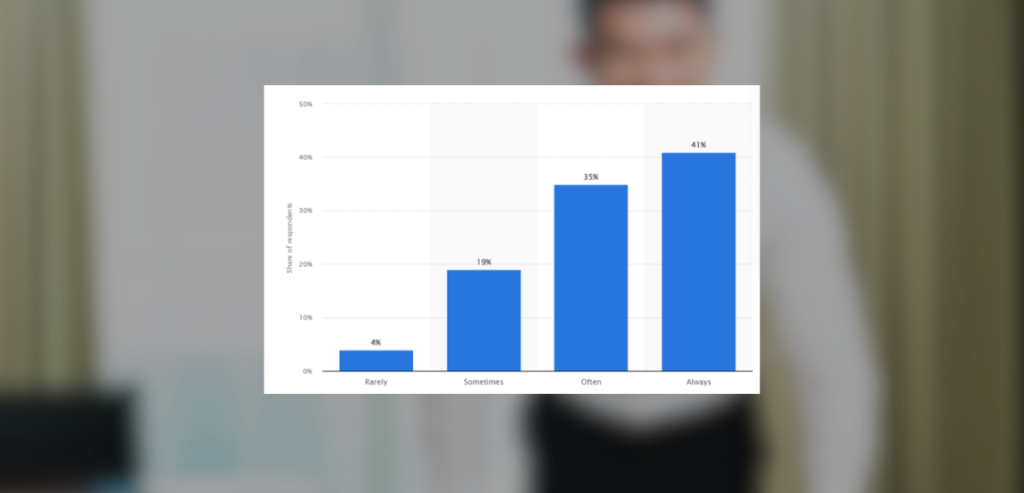
Tip creep refers to a trend influenced by the shift to digital point-of-sale systems and app-based service platforms, which plays a role in the broader phenomenon of tipflation. These systems typically present customers with preset tipping options at the end of a transaction, regardless of the service quality, prompting users to leave a tip.
This method of soliciting tips can feel more compulsory than the passive presence of a cash tip jar on a counter. The constant prompts from digital screens can overwhelm and pressure customers into deciding whether to tip and how much to give.
Plus, attempting to leave a custom tip amount often proves cumbersome due to the design of many digital systems, which complicates entering a specific dollar value. Coupled with the social pressure of not wanting to appear stingy or ungrateful in the presence of staff, this setup can lead consumers to default to higher, preset tip percentages.
Previously, not leaving a tip was a standard default. However, digital payment technologies now typically require users to choose not to leave a tip actively. Behavioral economics suggests that people generally prefer to avoid making financial decisions, and these systems effectively force decisions on users who might prefer not to engage with them at all.
The Both Sides of Tipping Culture
Tipping presents both advantages and challenges within service industries. On the positive side, it allows some workers to earn more than they would with a fixed wage, especially in sectors where tipping is common and generous. This system also enables customers to reward exceptional service or express appreciation for a well-done job.
However, the tipping culture has significant drawbacks. Workers who rely on tips and do not receive sufficient amounts may face financial insecurity and struggle to meet basic needs. This dependency can burden customers with the expectation to tip, adding the stress of calculating appropriate gratuities.
About 30% of survey participants believe that tipping culture has become excessive, noting a rise in businesses prompting customers to tip at checkout. Many find preset tip screens irritating. 32% of Americans argue that companies should increase employee wages instead of depending on gratuities.
Furthermore, non-tipped employees might earn less than their tipped colleagues despite having similar job responsibilities. Overall, tipping contributes to income disparities and fosters a reliance on customer generosity rather than ensuring fair compensation from employers.
How Are Businesses Leveraging Tipping Culture to Their Benefit?
Businesses have found financial advantages in the current tipping system, particularly in the US, where, as mentioned, the minimum wage for tipped workers is $2.13 per hour, significantly lower than the standard minimum wage of $7.25 per hour. This legal framework allows companies to pay their employees below the minimum wage, relying on customer tips to supplement their earnings. This dependency on tips is bolstered by the “tip credit” policy adopted by the U.S. Congress in the 1960s, which permitted employers to pay a lower wage provided that tips make up the difference to reach a decent earning level, often expected to be 15-30% of service fees.
For businesses, particularly those operating with narrow profit margins, this system helps reduce labor costs since the tips contributed by customers help cover a substantial part of what would otherwise be direct wages from employers. While there have been efforts in some regions to increase the minimum wage, there are also discussions about potentially removing the minimum wage requirement for tipped workers altogether.
This arrangement leaves many customers questioning why they are responsible for ensuring fair compensation for service workers rather than the businesses that employ them.
Should You Tip? If So, How Much?
As of 2024, attitudes toward tipping have shifted, even in the United States (being the bearer of the tipping culture). Many view it as a form of social pressure, particularly with online transactions or at new venues that offer limited choice in whether to tip.
The issue is that expected tipping amounts have increased. Restaurants dealing with higher food and labor costs have come to depend more on tips to compensate their employees, often incorporating suggested higher tip percentages in online payment systems.
The suitable tip amount varies based on the service provided and the quality of the service. According to many etiquette experts, a standard tip for services in the U.S. is about 20% of the total bill, with 30% considered quite generous. Since several employees, like restaurant servers and bartenders, make below the federal minimum wage, tipping them is considered appropriate.
Conclusion
Tipflation reflects a shift in tipping norms, extending beyond traditional service roles and impacting a broader range of industries. This trend has been accelerated by digital payment systems, inflation, and social pressures, resulting in increased tipping amounts and more frequent prompts. While tipping can reward exceptional service and support workers financially, it also raises concerns about fairness and the adequacy of wages.
Many Americans now view tipping as a source of discomfort, leading to calls for higher wages from employers instead of relying on customer gratuities. Understanding the complexities of tipflation helps navigate this evolving landscape and highlights the ongoing debate over tipping practices and their implications.